Loading...


10/7/21
Quiz by Victoria Vogel
Customize this quiz to suit your class
Instantly translate to 100+ languages
Tag the questions with any skills you have. Your dashboard will track each student's mastery of each skill.
Give this quiz to my class
Pick the picture that matches the word.

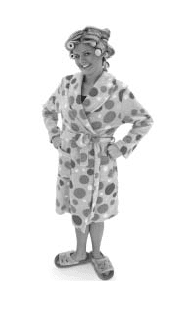
Pick the picture that matches the word.
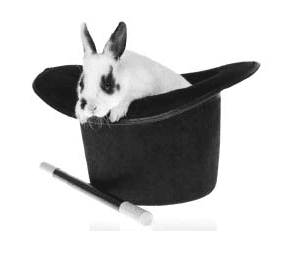

Pick the picture that matches the word.
Pick the picture that matches the word.
Pick the picture that matches the word.

Pick the picture that matches the word.
Pick the picture that matches the word.
Pick the picture that matches the word.

Pick if the tricky spelling g is pronounced /g/ or /j/

Pick if the tricky spelling g is pronounced /g/ or /j/
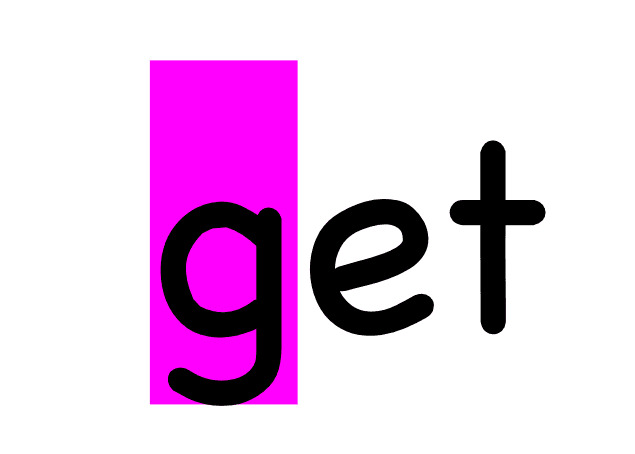
Pick if the tricky spelling g is pronounced /g/ or /j/

Pick if the tricky spelling g is pronounced /g/ or /j/

Pick if the tricky spelling g is pronounced /g/ or /j/

Pick if the tricky spelling g is pronounced /g/ or /j/
Pick if the tricky spelling g is pronounced /g/ or /j/
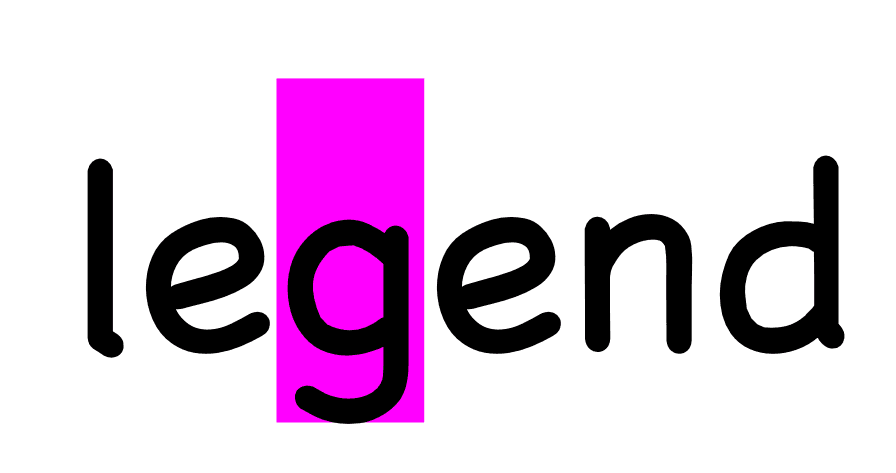
Pick if the tricky spelling g is pronounced /g/ or /j/

Pick if the tricky spelling g is pronounced /g/ or /j/

Pick if the tricky spelling g is pronounced /g/ or /j/

Pick if the tricky spelling c is pronounced /k/ or /s/

Pick if the tricky spelling c is pronounced /k/ or /s/

Pick if the tricky spelling c is pronounced /k/ or /s/

Pick if the tricky spelling c is pronounced /k/ or /s/

Pick if the tricky spelling c is pronounced /k/ or /s/

Pick if the tricky spelling c is pronounced /k/ or /s/

Pick if the tricky spelling c is pronounced /k/ or /s/

Pick if the tricky spelling c is pronounced /k/ or /s/

Pick if the tricky spelling 's' is pronounced /s/ or /z/

Pick if the tricky spelling 's' is pronounced /s/ or /z/

Pick if the tricky spelling 's' is pronounced /s/ or /z/

Pick if the tricky spelling 's' is pronounced /s/ or /z/

Pick if the tricky spelling 's' is pronounced /s/ or /z/

Pick if the tricky spelling 's' is pronounced /s/ or /z/

Pick if the tricky spelling 's' is pronounced /s/ or /z/

Pick if the tricky spelling 's' is pronounced /s/ or /z/

Pick if the tricky spelling 's' is pronounced /s/ or /z/

Pick the picture that matches the word.
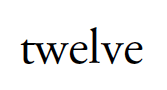
Pick the picture that matches the word.

Pick the picture that matches the word.

Pick the picture that matches the word.
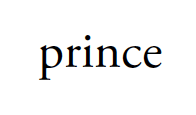
Pick the picture that matches the word.
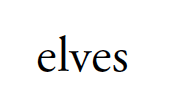
Pick the picture that matches the word.
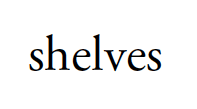
Pick the picture that matches the word.
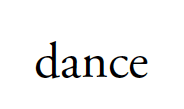
Pick the picture that matches the word.
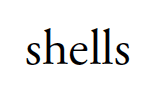
Pick the picture that matches the word.
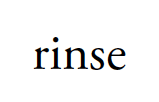
Pick the picture that matches the word.

Pick the picture that matches the word.

Pick the picture that matches the word.
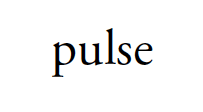 Vocab Review ELA 7 10-21-24 to 10-23-24 A-Junior Unit 10, σελίδα 21 7-10dict 7/21.explain-10.perhapsdict 7/D/21.explain-10.perhaps1. Ngày truyền thống của Hải quân nhân dân Việt Nam là ngày nào? A. 19/5 B. 7/5 C. 7/10 D. 21/6 👉 Đáp án đúng: B. 7/5 2. Ngày giải phóng Trường Sa là ngày tháng năm nào? A. 07/5/1975 B. 30/4/1975 C. 29/4/1975 D. 14/3/1975 👉 Đáp án đúng: C. 29/4/1975 3. Huyện đảo Trường Sa hiện tại có bao nhiêu đảo có cư dân sinh sống? A. 2 B. 3 C. 4. D. 5 👉 Đáp án đúng: C. 4 (Trường Sa Lớn, Song Tử Tây, Sinh Tồn, Đá Tây A) 4. Hai quần đảo Hoàng Sa và Trường Sa của Việt Nam hiện nay lần lượt thuộc đơn vị hành chính nào? A. Khánh Hòa và Đà Nẵng B. Đà Nẵng và Khánh Hòa C. Đà Nẵng và Phú Yên D. Khánh Hòa và Ninh Thuận 👉 Đáp án đúng: A. Đà Nẵng và Khánh Hòa 5. Chủ quyền biển đảo Việt Nam được khẳng định rõ ràng trong văn bản pháp lý quốc tế nào sau đây? A. Hiến chương ASEAN B. Hiệp định Paris năm 1973 C. Công ước Liên Hợp Quốc về Luật Biển năm 1982 (UNCLOS 1982) D. Hiệp định Geneva năm 1954 👉 Đáp án đúng: B. Công ước Liên Hợp Quốc về Luật Biển năm 1982 (UNCLOS 1982) 6. Sự kiện lịch sử nào của Hải quân nhân dân Việt Nam nào đã diễn ra vào ngày 14/3/1988? A. Bộ Quốc phòng ban hành Chiến dịch xây dựng quần đảo Trường Sa CQ-88 B. Hải chiến Gạc Ma C. Lễ ký Công ước Liên hợp quốc về Luật biển D. Giải phóng Trường Sa 👉 Đáp án đúng: B (Hải chiến Gạc Ma) 7. Đơn vị nào hiện nay có tiền thân là Đoàn tàu không số? A. Lữ đoàn tàu ngầm 196 B. Lữ đoàn 162 C. Lữ đoàn 955 D. Lữ đoàn 125 👉 Đáp án đúng: D. Lữ đoàn 125 Generate all of these 25 questions Part A: Each correct answer is worth 5. 1. The regular pentagon shown has a side length of 2 cm. The perimeter of the pentagon is (A) 2 cm (B) 4 cm (C) 6 cm (D) 8 cm (E) 10 cm 2 cm 2. The faces of a cube are labelled with 1, 2, 3, 4, 5, and 6 dots. Three of the faces are shown. What is the total number of dots on the other three faces? (A) 6 (B) 8 (C) 10 (D) 12 (E) 15 3. The equation that best represents \a number increased by _ve equals 15" is (A) n 5 = 15 (B) n _ 5 = 15 (C) n + 5 = 15 (D) n + 15 = 5 (E) n _ 5 = 15 4. The line graph shows the number of bobbleheads sold at a store each year. The sale of bobbleheads increased the most between (A) 2016 and 2017 (B) 2017 and 2018 (C) 2018 and 2019 (D) 2019 and 2020 (E) 2020 and 2021 Number of 2016 2017 2018 2019 2020 Year Sale of Bobbleheads 2021 Bobbleheads 20 40 60 80 5. Starting at 72, Aryana counts down by 11s: 72; 61; 50; : : : . What is the last number greater than 0 that Aryana will count? (A) 4 (B) 5 (C) 6 (D) 7 (E) 8 6. In the diagram, \ABC = 90_. The value of x is (A) 68 (B) 23 (C) 56 (D) 28 (E) 26 Day of the Week 44° x° A B C x° 7. Which of the following values is closest to zero? (A) 1 (B) 5 4 (C) 12 (D) 4 5 (E) 0:9 Grade 8 8. A jar contains 267 quarters. One quarter is worth $0.25. How many quarters must be added to the jar so that the total value of the quarters is $100.00? (A) 33 (B) 53 (C) 103 (D) 133 (E) 153 9. A package of 8 greeting cards comes with 10 envelopes. Kirra has 7 cards but no envelopes. What is the smallest number of packages that Kirra needs to buy to have more envelopes than cards? (A) 3 (B) 4 (C) 5 (D) 6 (E) 7 10. For the points in the diagram, which statement is true? (A) e > c (B) b < d (C) f > b (D) a < e (E) a > c y x (e, f ) (a, b) (c, d ) Part B: Each correct answer is worth 6. 11. The 26 letters of the English alphabet are listed in an in_nite, repeating loop: ABCDEFGHIJKLMNOPQRSTUVWXY ZABC : : : What is the 258th letter in this sequence? (A) V (B) W (C) X (D) Y (E) Z 12. A public holiday is always celebrated on the third Wednesday of a certain month. In that month, the holiday cannot occur on which of the following days? (A) 16th (B) 22nd (C) 18th (D) 19th (E) 21st 13. A circular spinner is divided into three sections. An arrow is attached to the centre of the spinner. The arrow is spun once. The probability that the arrow stops on the largest section is 50%. The probability it stops on the next largest section is 1 in 3. The probability it stops on the smallest section is (A) 1 4 (B) 2 5 (C) 1 6 (D) 2 7 (E) 3 10 14. A positive number is divisible by both 3 and 4. The tens digit is greater than the ones digit. How many positive two-digit numbers have this property? (A) 4 (B) 5 (C) 6 (D) 7 (E) 8 15. A rectangular pool measures 20 m by 8 m. There is a 1 m wide walkway around the outside of the pool, as shown by the shaded region. The area of the walkway is (A) 56 m2 (B) 60 m2 (C) 29 m2 (D) 52 m2 (E) 50 m2 20 m 8 m 1 m Grade 8 16. The results of asking 50 students if they participate in music or sports are shown in the Venn diagram. What percentage of the 50 students do not participate in music and do not participate in sports? (A) 0% (B) 80% (C) 20% (D) 70% (E) 40% Music Sports 15 5 20 17. There are 2 3 as many golf balls in Bin F as in Bin G. If there are a total of 150 golf balls, how many fewer golf balls are in Bin F than in Bin G? (A) 15 (B) 30 (C) 50 (D) 60 (E) 90 18. In the sequence shown, Figure 1 is formed using 7 squares. Each _gure after Figure 1 has 5 more squares than the previous _gure. What _gure has 2022 squares? (A) Figure 400 (B) Figure 402 (C) Figure 404 (D) Figure 406 (E) Figure 408 Figure 1 Figure 2 Figure 3 19. Mateo's 300 km trip from Edmonton to Calgary passed through Red Deer. Mateo started in Edmonton at 7 a.m. and drove until stopping for a 40 minute break in Red Deer. Mateo arrived in Calgary at 11 a.m. Not including the break, what was his average speed for the trip? (A) 83 km/h (B) 94 km/h (C) 90 km/h (D) 95 km/h (E) 64 km/h 20. Equilateral triangle ABC has sides of length 4. The midpoint of BC is D, and the midpoint of AD is E. The value of EC2 is (A) 7 (B) 6 (C) 6:25 (D) 8 (E) 10 Part C: Each correct answer is worth 8. 21. The positive factors of 6 are 1, 2, 3, and 6. There are two perfect squares less than 100 that have exactly _ve positive factors. What is the sum of these two perfect squares? (A) 177 (B) 80 (C) 145 (D) 52 (E) 97 22. In the list p; q; r; s; t; u; v, each letter represents a positive integer. The sum of the values of each group of three consecutive letters in the list is 35. If q + u = 15, then p + q + r + s + t + u + v is (A) 85 (B) 70 (C) 80 (D) 90 (E) 75 Grade 8 23. The net shown is folded to form a cube. An ant walks from face to face on the cube, visiting each face exactly once. For example, ABCFED and ABCEFD are two possible orders of faces the ant visits. If the ant starts at A, how many possible orders are there? (A) 24 (B) 48 (C) 32 (D) 30 (E) 40 A D B C E F 24. The number 385 is an example of a three-digit number for which one of the digits is the sum of the other two digits. How many numbers between 100 and 999 have this property? (A) 144 (B) 126 (C) 108 (D) 234 (E) 64 25. Student A, Student B, and Student C have been hired to help scientists develop a new avour of juice. There are 4200 samples to test. Each sample either contains blueberry or does not. Each student is asked to taste each sample and report whether or not they think it contains blueberry. Student A reports correctly on exactly 90% of the samples containing blueberry and reports correctly on exactly 88% of the samples that do not contain blueberry. The results for all three students are shown below. Student A Student B Student C Percentage correct on samples 90% 98% (2m)% containing blueberry Percentage correct on samples 88% 86% (4m)% not containing blueberry Student B reports 315 more samples as containing blueberry than Student A. For some positive integers m, the total number of samples that the three students report as containing blueberry is equal to a multiple of 5 between 8000 and 9000. The sum of all such values of m is (A) 45 (B) 36 (C) 24 (D) 27 (E) 29In this video we take a look at the 0:02 fetch to code 0:03 execute cycle including its effect on 0:06 the various registers we've previously 0:12 [Music] 0:14 discussed a computer is defined Definition 0:17 as an electronic device that takes an 0:20 input 0:22 processes data 0:25 and delivers output 0:29 in this simple example you can see we're 0:31 taking the input 5 0:35 we're multiplying it by 2 that's our 0:37 process 0:39 and we're outputting 10. 0:44 but this could be way more complex for 0:46 example of a game console 0:48 the input could be the buttons you press 0:50 on a controller 0:53 the processes would then be carried out 0:55 by the console itself 0:59 and the output would be some form of 1:01 update to a monitor 1:02 and sound out for a speaker possibly 1:04 vibration feedback through the 1:06 controller 1:10 to process data a computer follows a set 1:13 of instructions 1:14 known as a computer program 1:18 if we take the lid off a typical desktop 1:20 computer we can identify 1:22 two critical components the memory 1:26 that stores the program and the central 1:29 processing unit or processor 1:31 which is under this large fan and 1:33 carries out the instructions 1:37 a computer carries out its function by 1:40 fetching 1:41 instructions decoding them and then 1:43 executing them 1:44 in a continuous repetitive cycle 1:46 billions of times a second 1:48 let's look at each of these stages in a 1:50 little more detail Fetch 1:53 so let's start with the fetch stage the 1:55 very first thing that happens 1:57 is the program counter is checked as it 2:00 holds the address 2:01 of the next instruction to be executed 2:07 the address stored is then copied into 2:09 the memory address register 2:14 the address is then sent along the 2:16 address bus to main memory 2:18 where it waits to receive a signal from 2:21 the control 2:22 bus so it knows what to do 2:27 as we want to read the data that's 2:29 stored in memory address 2:30 0 0 0 0 the control unit sends 2:34 a read signal along the control bus to 2:36 main memory 2:41 now main memory knows the data needs to 2:44 be read 2:45 the content stored in memory address 000 2:49 can be sent along the data bus to the 2:51 memory data register 2:56 now as we're currently in the process of 2:58 fetching an instruction 3:00 the data received by the memory data 3:03 register gets copied 3:04 into the current instruction register 3:11 the instruction effectively has now been 3:14 fetched from memory 3:16 just before we proceed to the decode 3:18 phase we now 3:19 increment the program counter so that 3:22 the address it contains 3:24 points to the address of the next 3:26 instruction which will need to be 3:30 executed 3:32 the instruction now being held in the 3:33 current instruction register 3:35 is ready to be decoded 3:39 now as we mentioned in the previous 3:41 video the instruction is made up of two 3:43 parts 3:44 we have the op code that's what it is we 3:47 need to do 3:50 and we have the operand what are we 3:53 going to do it to 3:55 now the operand could contain the actual 3:57 data 3:58 or indeed it could contain an address of 4:01 where the data is to be found 4:06 by decoding this instruction we can see 4:08 the operation we need 4:10 is a load operation so we need to load 4:14 the contents of memory location0101 4:18 into the cpus accumulator 4:25 in the exam a simple model will be used 4:27 to describe the 4:29 structure of any given instruction 4:32 you're not going to be expected to 4:34 define how an opcode is made up 4:36 but simply to interpret opcodes in the 4:39 given context of an exam 4:40 question in the example here 4:44 you can see there's a total of 16 4:46 different opcodes available 4:48 and this is because we're using four 4:50 bits for our representation 4:56 so now we've fetched the instruction and 4:59 we've decoded it so we know what we need 5:00 to do 5:01 we're finally ready to execute it 5:05 so we now send address 0101 5:08 to the memory dress register 5:13 now we're in the memory address register 5:15 we can finally send the address 5:18 down the address bus to main memory 5:24 this time we want to read the data 5:26 that's stored in memory 5:28 and so the control unit again sends a 5:30 read signal along the control bus 5:36 so main memories now receive an address 5:38 and a read signal 5:40 so the content stored at memory location 5:43 0101 5:44 can now be sent along the data bus back 5:46 to the cpu 5:47 and into the memory data register 5:54 finally the contents of the memory data 5:56 register are copied to the accumulator 5:59 and this is one of a number of general 6:00 purpose registers found in the cpu 6:04 this first instruction is now complete Branching 6:11 so what does this program actually do 6:14 you should be able to work it through 6:16 carefully and figure it out 6:19 we're now pointing instructions zero 6:21 zero zero one in the program counter 6:23 and we're ready to fetch the second 6:25 instruction 6:27 at the end of this video we're gonna 6:29 provide you with the answer 6:34 so let's talk a second about programs 6:37 that branch 6:40 on the left here we have a very simple 6:42 piece of pseudo code 6:44 line zero says first execute this line 6:46 of code 6:47 line 1 now execute this line and then 6:50 line 2 says 6:52 if the age is greater than 18 then 6:56 we're going to execute lines 3 and 4 6:58 otherwise 6:59 we're going to execute lines six and 7:02 seven 7:03 so this program doesn't necessarily 7:05 follow strictly in sequence from line 7:07 zero through to seven there's a chance 7:10 here the program may branch and jump 7:14 around 7:16 so we're going to pretend that this 7:17 program has been loaded into memory 7:20 each line of code on the left here has 7:23 ended up 7:24 as a location in memory now this is not 7:27 strictly how this would happen in this 7:28 one-to-one way 7:29 but for the purpose of example it's 7:31 absolutely fine 7:35 so the program counter starts by 7:37 pointing to memory address zero 7:39 and we fetch the first instruction 7:41 decode it and execute it 7:44 it then updates and tells us the next 7:47 instruction 7:48 is zero zero zero one because remember 7:50 the program counter is being incremented 7:52 so we fetch it decode it and we execute 7:55 line one of our program 7:59 we then fetch line two which in binary 8:01 is one 8:02 zero 8:06 now at this point depending on what 8:10 happens during the execution 8:11 of line two the program may be required 8:15 to fetch line three from memory or 8:18 line five from memory 8:25 so let's look at how this actually works 8:27 because we've said the program counter 8:28 simply gets incremented 8:31 well in the current instruction register 8:33 we have an instruction with the op code 8:36 0 1 1 0. 8:41 now when we look this up in the decode 8:43 unit we discover that this 8:45 code means branch always 8:51 this replaces the value held in the 8:54 program counter 8:56 with the contents of the operand that's 8:58 the second part of the instruction 9:01 from the current instruction register so 9:03 this case 9:04 one zero zero one 9:09 now when the next fetch cycle begins the 9:12 program counter is obviously checked 9:14 and as its contents have been previously 9:16 updated to a new memory location 9:19 and not simply incremented the program 9:22 effectively is able to jump 9:24 around memory 9:28 so having watched this video you should 9:30 be able to answer the following key 9:32 question 9:33 how does a cpu work 9:39 okay so let's um answer the question we 9:41 posed 9:42 earlier what did that program actually 9:48 do 9:50 so this is the first fetch to code 9:53 execute cycle 9:55 and this is the one that we ran through 9:57 in detail earlier 9:58 it effectively loaded the contents of 10:01 the memory 10:02 stored at location location0101 10:05 into the accumulator in other words 10:08 the dna number 3 is moved 10:11 from memory into the cpu 10:18 we then proceed onto the second fetch 10:20 decode execute cycle 10:23 now this one adds the contents of memory 10:27 located at 0 1 1 0 10:30 to the current contents of the 10:32 accumulator 10:34 so in other words the dna number one 10:38 because that's what's stored at address 10:40 zero one one zero 10:43 is added to the number three that was in 10:45 the accumulator 10:46 the results are stored back over the 10:48 accumulator 10:49 so effectively we've done three plus one 10:53 equals four 10:58 the third fetch to code execute cycle 11:00 stores the contents which are in the 11:02 accumulator 11:03 into memory location zero one one one 11:07 and that's because the op code the first 11:09 part of this current instruction 11:10 zero zero one one is the command to 11:13 store when we look it up in the decoder 11:15 unit 11:16 so in other words the result of the 11:17 previous calculation three plus one 11:19 equals four 11:20 is now written back into main memory 11:28 the fourth fetch decode execute cycle 11:30 outputs the contents of the accumulator 11:33 remember they were copied into main 11:34 memory but they're still held in the 11:35 accumulator 11:37 so in this simple abstraction the number 11:40 four is now 11:41 output to the user so they can see the 11:43 result of the calculation 11:49 the fifth and final fetch code execute 11:51 cycle 11:52 brings a halt to the current program 11:58 so this very simple program which has 12:01 five 12:02 fetch decode execute cycles has 12:04 performed the calculation 12:06 three plus one is then stored the result 12:09 in main memory 12:10 and displayed the result four to the 12:12 user 12:13 and in a high-level language this may 12:15 look something very similar to the 12:17 following two lines of code 12:20 sum variable equals num1 plus num2 12:24 print sum to the user 12:27 so you can start to get an appreciation 12:29 here of how the high level code you 12:32 write actually ends up being fetched 12:34 decoded 12:35 and executed inside a processor 12:38 of course your processor is doing 12:40 billions and billions of these 12:42 operations a second 12:43 which when you think about it is really 12:45 very impressive 12:52 [Music] 13:03 you. make 10 questions for a standerd of a level0:01 i pasticciotti presentano Federico II di 0:05 Sveia 0:07 Nel 0:09 1186 Costanza D'Alta Villa figlia del re 0:12 normno di Sicilia Ruggero II sposò ormai 0:16 trentenne Enrico VI di Svevia figlio 0:20 dell'imperatore Federico Barbarossa che 0:23 si servì di questo matrimonio per 0:26 stringere un'alleanza politica con la 0:28 monarchia siciliana 0:31 Purtroppo non fu un'unione felice sia 0:34 perché il marito aveva 10 anni in meno 0:37 della moglie sia perché lui non aveva un 0:40 bel carattere e pare che rinfacciasse 0:44 continuamente a costanza la sua età 0:47 avanzata temendo che ciò fosse causa di 0:50 sterilità 0:52 Alla morte di Federico Barbarossa nel 0:56 1190 Enrico VI ereditò dal padre il 1:00 titolo di imperatore del Sacro Romano 1:02 Impero ma era incapace di esercitare un 1:06 buon governo nei confronti dei sudditi 1:09 normanni che vivevano nel regno di 1:11 Sicilia portatogli in dote dalla moglie 1:14 Costanza 1:16 Così nel 1:18 1994 Enrico partì per una spedizione in 1:22 Sicilia senza la moglie al seguito e 1:25 fece in modo di essere incoronato re di 1:28 Sicilia il giorno di Natale nella 1:31 cattedrale di 1:33 Palermo Lo stesso giorno Costanza che 1:36 era in avanzato stato di gravidanza e 1:39 stava viaggiando in direzione di Palermo 1:42 per raggiungere il marito si rese conto 1:44 di essere prossima al 1:47 parto Se oggi nessuno più si meraviglia 1:50 della gravidanza di una quarantenne nel 1:52 Medioevo una gestazione a quell'età 1:55 sembrava una cosa praticamente 1:57 impossibile Pertanto si erano alimentate 2:01 voci malevoli sulla vera condizione di 2:04 costanza e neppure il marito pareva 2:07 realmente convinto della gravidanza 2:09 della moglie E dato che Costanza prima 2:12 di sposarsi era stata per un periodo in 2:16 monastero circolava addirittura la voce 2:19 che nel suo grembo ci fosse 2:21 l'anticristo che secondo una leggenda 2:24 medievale sarebbe nato dall'unione di 2:26 una vecchia monaca con un 2:29 frate Così Costanza decise di fermarsi 2:33 nella cittadina di Iesi e per fugare 2:36 ogni dubbio sulla sua gravidanza fece 2:39 allestire una tenda nella piazza 2:42 centrale della cittadina 2:44 marchigiana in modo da partorire al 2:47 cospetto di tutte le donne sposate del 2:50 paese Alcuni riferirono che il giorno 2:53 successivo al parto la regina lattò 2:56 pubblicamente il piccolo che poi fu 2:59 battezzato nella cattedrale di San 3:01 Ruffino di Assisi con il nome di 3:04 Federico 3:06 Ruggero Federico per indicare la 3:09 discendenza sveva quale nipote di 3:12 Federico 3:13 Barbarossa e Ruggero per sottolineare la 3:17 discendenza normanna dal primo re di 3:20 Sicilia Ruggero 3:23 d'Altavilla A soli 3 anni il piccolo 3:26 Federico rimase orfano e fu posto sotto 3:30 la tutela di Papa Innocenzo II da cui si 3:33 affrancò a 14 anni quando divenne prima 3:37 re di Sicilia e poi re di 3:41 Germania acquisendo il nome di Federico 3:44 II congiuntamente al titolo di 3:47 imperatore nel 1220 3:50 Ma Federico era più interessato 3:53 all'Italia che alla 3:54 Germania Così stabilì la sua corte in 3:57 Sicilia a 4:00 Palermo Federico II organizzò un regno 4:04 forte e 4:05 accentrato costruendo in tutta l'Italia 4:08 meridionale vari castelli dove collocò 4:11 le sue truppe che dovevano controllare 4:14 il territorio e sedare eventuali rivolte 4:18 Vanno menzionati in particolare il 4:21 castello di Melfi in Basilicata dove 4:25 furono promulgate le famose costituzioni 4:29 melfitane una raccolta di leggi scritte 4:32 rivolte a tutti gli abitanti del regno 4:35 con cui si limitavano i poteri dei 4:38 baroni locali e si vietava il ricorso 4:41 alla vendetta personale per affidarsi 4:44 invece alla giustizia stabilita dalle 4:47 leggi 4:48 C'era poi il castello di Trani che aveva 4:51 la funzione di sorvegliare l'ingresso 4:54 alla città e al porto E infine il 4:58 celeberrimo castel del Monte 5:01 caratterizzato da un'originale pianta 5:03 ottagonale attorniata da torri anch'esse 5:07 ottagonali che fungeva da dimora come 5:10 testimoniato dalla presenza di grandi 5:13 camini Uomo colto fine giurista 5:17 Amante dell'arte della letteratura 5:20 Federico II ospitò alla sua corte 5:22 studiosi e artisti provenienti da tutta 5:25 Europa Dialogò con intellettuali arabi e 5:29 fondò l'Università di Napoli che ancora 5:32 oggi porta il suo 5:35 nome Con l'editto di Salerno regolamentò 5:38 per la prima volta la professione del 5:41 farmacista separandola di fatto da 5:44 quella del medico scrisse anche un libro 5:48 un manuale sulla falconeria e sull'arte 5:52 venatoria chiamato de Arte venandi cum 5:57 avibus ossia l'arte di cacciare con gli 6:01 uccelli che fu uno dei primi manoscritti 6:04 con disegni a tema 6:08 naturalistico In una nota alla sua morte 6:11 il monaco Matteo Paris lo chiamerà 6:14 stupor Mundi cioè stupore del mondo Un 6:19 appellativo che racchiude l'essenza 6:21 della sua inestinguibile curiosità 6:25 intellettuale che lo portò ad 6:27 approfondire la filosofia l'astrologia 6:30 la matematica l'algebra la medicina e le 6:34 scienze naturali ha al punto da 6:37 impiantare a Palermo persino uno zoo 6:40 famoso ai suoi tempi per il gran numero 6:43 di animali esotici che conteneva anche 6:46 un 6:47 elefante I rapporti col papo però non 6:51 furono idiaci 6:53 Sia Papa Onorio II che Gregorio Io detto 6:57 anche il Papa Guerriero lo costrinsero a 7:00 intraprendere una nuova crociata in 7:02 Terra Santa minacciando di scomunicarlo 7:06 qualora non l'avesse 7:08 fatto Così dopo tanta insistenza da 7:11 parte del papato Federico si mise in 7:13 viaggio per la Terra Santa 7:16 Giunto in Oriente però non mosse guerra 7:19 ai musulmani ma preferì stringere 7:22 accordi con il sultano d'Egitto 7:25 ottenendo il controllo della città di 7:27 Gerusalemme e una tregua di 10 anni 7:32 Si trattava di conquiste importanti dal 7:34 punto di vista diplomatico ma al suo 7:37 ritorno Federico II fu accusato 7:40 duramente di essere sceso a patti con 7:42 gli 7:43 infedeli Nel suo programma di governo 7:47 Federico II era intenzionato a 7:49 riaffermare la sua autorità sui comuni 7:52 del Nord Italia fatto che preoccupava il 7:56 Papa il quale temeva il rafforzamento 7:59 del potere imperiale anche a nord dello 8:02 Stato Pontificio già confinante a sud 8:05 con il Regno di Sicilia 8:08 In pratica il Papa si sentiva 8:11 schiacciato sia a nord che a sud 8:14 dall'imperatore Così Papa Gregorio Io 8:18 appoggiò alcuni comuni che si riunirono 8:20 nella Lega Lombarda e che furono detti 8:24 guelfi A questi si contrapposero i 8:27 comuni ghibellini che decisero di 8:30 schierarsi a sostegno 8:33 dell'imperatore Iniziò così una 8:35 lunghissima contesa che avrebbe 8:38 dilaniato le città 8:41 italiane Tutto 8:43 chiaro ciao e al prossimo 8:49 video Se questo video ti è piaciuto ti 8:52 chiedo di fare mi piace cliccando 8:53 sull'icona qui sotto Per me è molto 8:55 importante quindi grazie in anticipo se 8:57 lo farai Per essere informato ogni volta 8:59 che pubblico un nuovo video ricorda di 9:01 cliccare anche sul grande pulsante rosso 9:02 Iscriviti e sulla campanella di fianco 9:05 [Musica]