Feel free to use or edit a copy
includes Teacher and Student dashboards
Measures 1 skill from
Track each student's skills and progress in your Mastery dashboards
With a free account, teachers can
- edit the questions
- save a copy for later
- start a class game
- automatically assign follow-up activities based on students’ scores
- assign as homework
- share a link with colleagues
- print as a bubble sheet
9 questions
Show answers
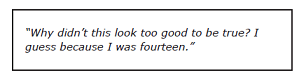
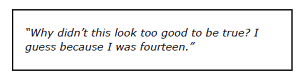
- Q1Read this sentence from paragraph 15. The author makes this statement to suggest that -people should prepare themselves for becoming deafshe really isn't very different from other peopleshe was fortunate to have developed her disability at a young agedisabilities are affecting people with increasing frequency60s110.31.b.10.A
- Q2In paragraph 9, the author suggests that when she started using a hearing aid, she -experienced a sense of lossfelt better prepared for job interviewswas embarrassed about wearing itwas able to enjoy watching television60s110.31.b.10.A
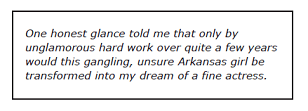
- Q3Read this sentence from paragraph 3. In this sentence, the author admits that -acting was not as much fun as it had once seemedher quest would be more difficult than she had thoughtit was time to start thinking about a different careerHollywood directors didn't think she had much talent60s110.31.b.10.A
- Q4In paragraph 2, the author suggests that -life in Hollywood was made more difficult by pressure from her familyshe knew she would become a successful actress as long as she worked hardit would have been wise to have gotten a good job before pursuing her dreamfailing would be acceptable as long as she had made the effort to succeed60s110.31.b.10.A
- Q5In paragraphs 3 and 4, what kind of argument is the author making?EthicalLogicalCircularEmotional60s110.31.b.10.A
- Q6Paragraph 14 provides support for the author's claim that -trophy and award sales have become a multibillion-dollar industrysociety as a whole suffers when children assume they will benefit from doing very littleadults are responsible for monitoring the learning and emotional development of childrenchildren and parents alike expect trophies and prizes for doing their best60s110.31.b.10.A
- Q7Which quotation challenges the idea that children need constant praise?Today, participation trophies and prizes are almost a given, as children are constantly assured that they are winners.Carol Dweck, a psychology professor at Stanford University, found that kids respond positively to praise; they enjoy hearing that they're talented, smart and so on.In life, "you're going to lose more often than you win, even if you're good at something," Ms.Twengetoldme. "You'vegot to getusedtothattokeep going."In recent eye-tracking experiments by the researchers Bradley Morris and Shannon Zentall, kids were asked to draw pictures.60s110.31.b.10.A
- Q8What evidence does the author provide to support the claims he makes in paragraphs 5 through 7?Results of opinion polls about Internet useScientific studies and statistics about Internet useHistorical facts regarding the effects of television and the InternetPersonal anecdotes and opinions of experts who have studied the Internet60s110.31.b.10.A
- Q9In the article, paragraph 15 functions as -historical context to allow the reader to understand the article's settingevidence to support a point made in paragraph 13a personal anecdote that illustrates an idea in paragraph 14a restatement of the author's main argument60s110.31.b.10.A