Loading...

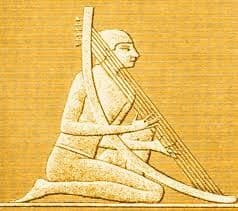
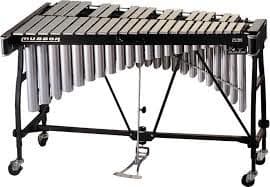
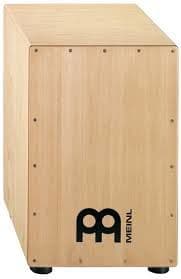
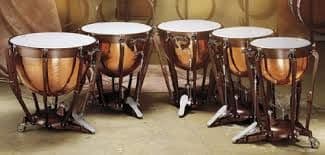
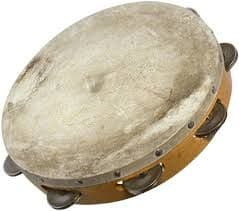
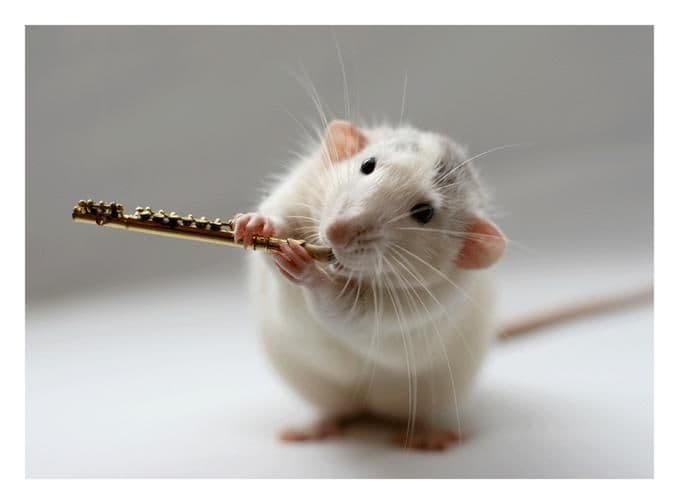
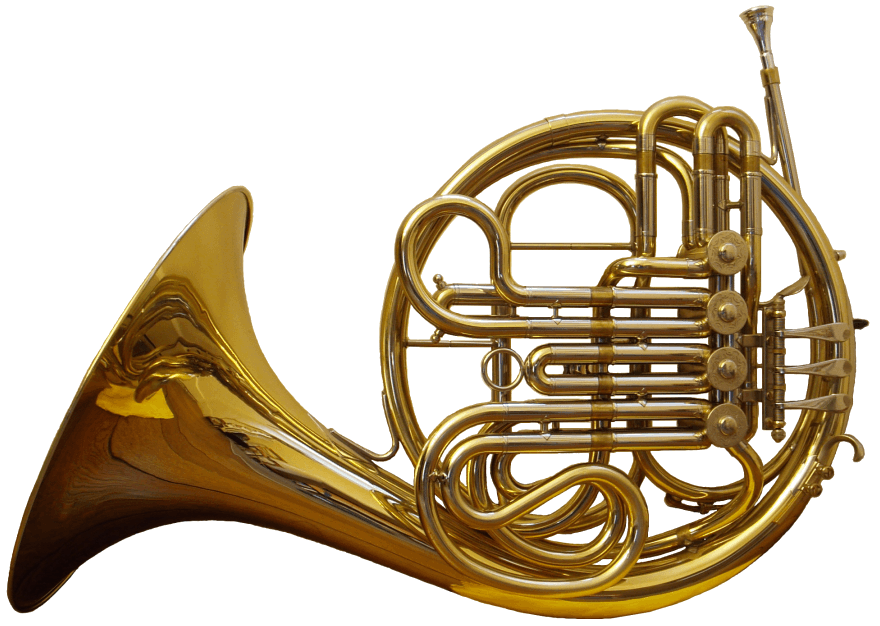
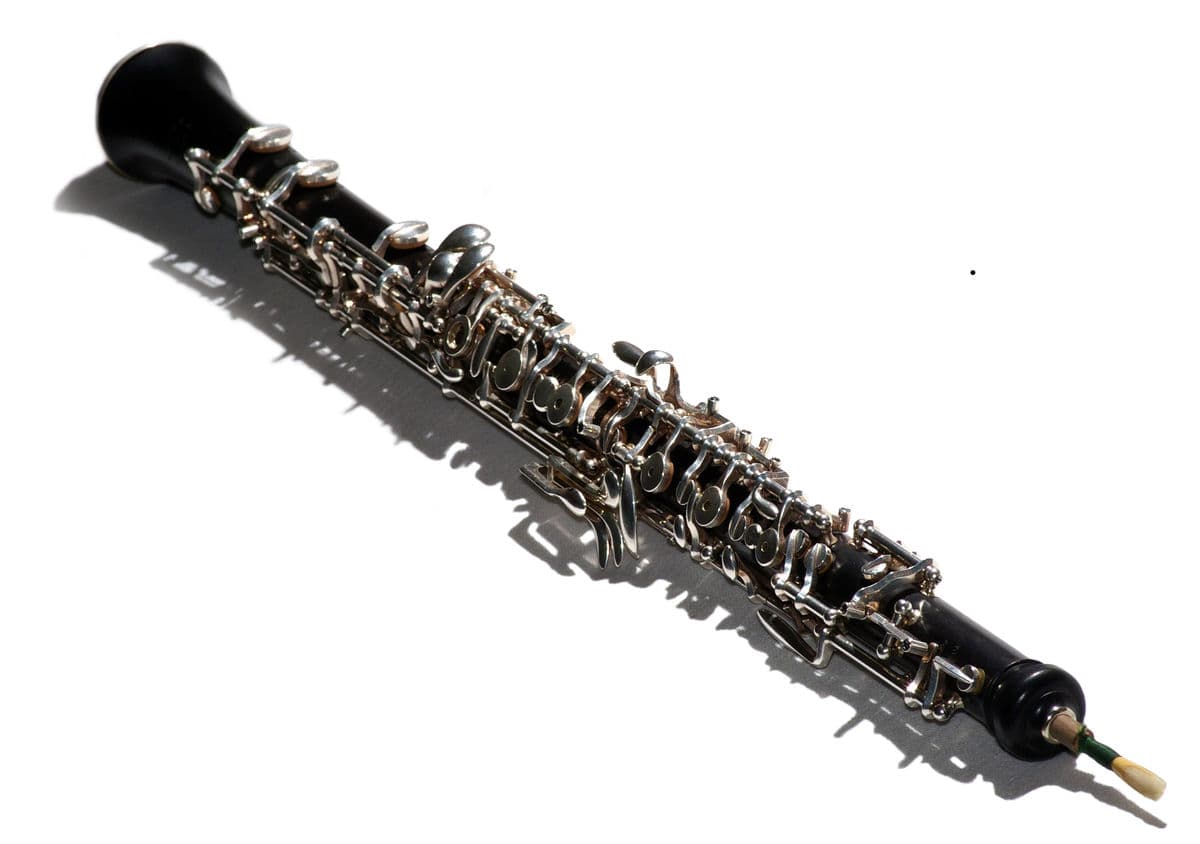
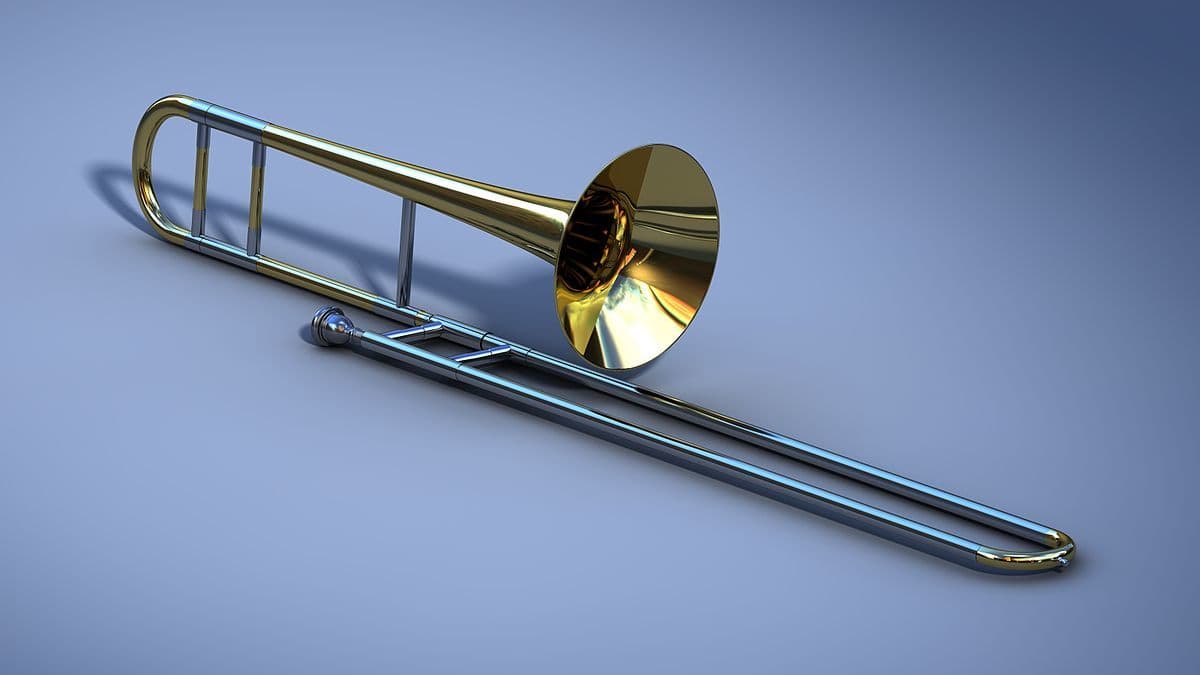
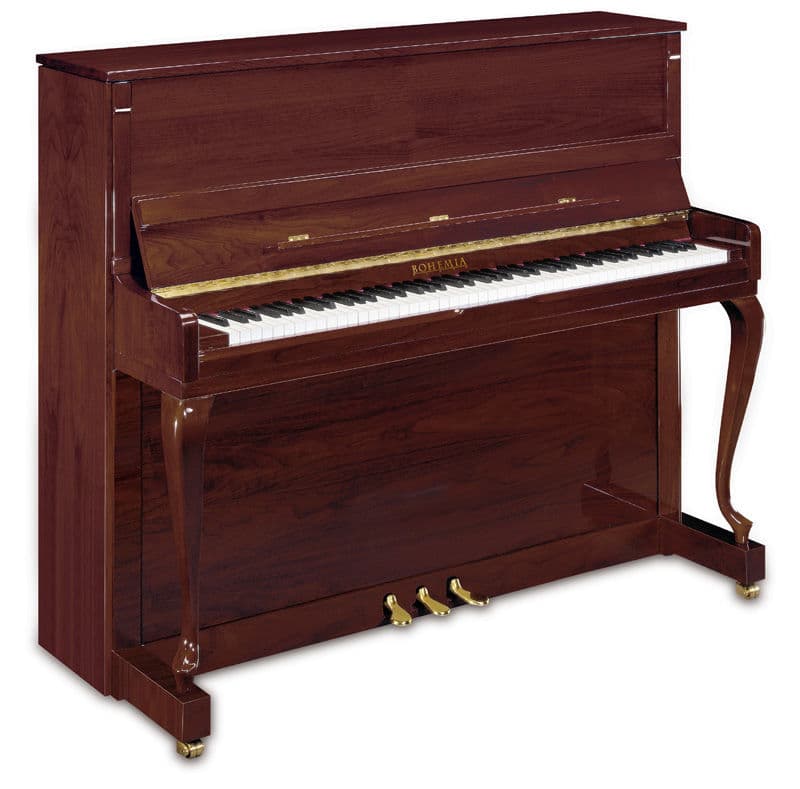
2/3 What musical instrument is in the picture?
Quiz by Ivi Rausi
Customize this quiz to suit your class
Instantly translate to 100+ languages
Tag the questions with any skills you have. Your dashboard will track each student's mastery of each skill.
Give this quiz to my class
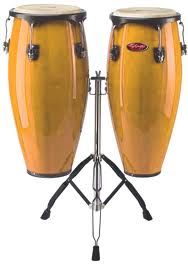
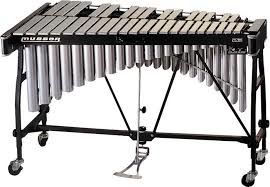
 Type A operational definition can be constructed in terms of the operations performed to cause the phenomenon to occur. Examples: o Fear is a state produced by exposing an individual to an object highest in his or her hierarchy of objects to be avoided. o Conflict is a state produced by placing two or more individuals in a situation where each has the same goal but only one can obtain it. 2. Type B operational definition can be constructed in terms of how the particular object or thing operates. Examples: o Monitor is a television receiver used in a studio to select or verify the picture being broadcast from a particular camera. o Keyboard is a set of keys on a piano or similar musical instrument. 3. Type C operational definition can be constructed in terms of what an object or phenomenon looks likeWe found you were making a quiz on the subject of "What is a rubric? A tool comprising a set of criteria (with possible levels of performance quality on the criteria) developed to assess learners’ work, from written to oral to visual. It is used tomeasureperformance,suchastheprocess of doing something (e.g.,playing a musical instrument, making a speech) or products of the learners’ work (e.g., concept map, laboratory report, bookshelf) (Brookhart, 2013). BENEFITS OF USING RUBRICS Support authentic assessment Reflects how well learners are able to apply knowledge inthe real-world context. Communicate expectations Gives learners an idea of what is expected of them. It is especially useful when the rubrics are communicated to the learners before they are assessed. Improve performance Explicit criteria and performance level descriptions allow learners to understand the desired performance. Learners are able to assess themselves by referring to the specific criteria and performance-level descriptions. Provide informative feedback Instructors are able to provide constructive feedback to learners on their weaknesses and strengths. Promote thinking andlearning 4 Provide informative feedback Instructors are able to provide constructive feedback to learners on their weaknesses and strengths. Learners are able to review and revise their work,thus reflecting on their learning experiences. Ensure fairness Learner performance assessed fairly given its objectivity. It helps avoid disputes between learners and instructors about the scores/grades achieved. TYPES OF RUBRIC ANALYTIC It consists of individual criterion with corresponding descriptor of performance. HOLISTIC It consists of performance descriptors that are placed together to refeclet to overalll performance. ANATOMY OF ANANALYTIC RUBRIC Rating scales with corresponding scores or weights The row represents the criteria for the desired performance, while the column represents the evaluation score. Under the rating scale (corresponding weights orscorescanbeassigned),theperformance descriptors are explicitly stated ANATOMYOF AHOLISTICRUBRIC Descriptions: It comprises the rating scale (corresponding weights or scores can be assigned) in the row while the combined desired performance descriptors are placed in the column. Description of the task The purpose of the assignment is to assess learner’s cognitive and analytic skills in applying knowledge gained and constructed throughout the course Diffusion of Innovation,bywatching the Surrogates movieand writing ananalytical review of the movie in the context of innovation diffusion.Iwant to provide learners with informative feedback on their cognitive and analytic skills such as the following: applying the concepts of innovation diffusion,making judgmentson the scenes related to innovation diffusion identified from the movie,selecting and critiquing theories of innovation diffusion and making connections between the theories,aswell asarguingand proposing necessary solutions to the problemss hown in the movie. ESTABLISHING ALTERNATIVEASSESSMENTINHIGHEREDUCATION VALIDITYAND RELIABILITYOF RUBRICS. Validity Measuring what is supossedto be measured. Reability Yielding consists results. Instruments that are used in the alternative assessment must be aligned to the learning outcomes and measure well what it intends to measure (valid) and produce consistent scores (reliable). The valid instrument will manifest the true ability (latent trait) of learners and permit appropriate inferences to be made about a specific group of people for specific purposes. TYPES OF VALIDITY FACE VALIDITY Simple form of validity thatapplies a superficial and subjective assessment whether the instrument measures what it is supposed to measure. CONTENT VALIDITY Refers to the extent to which the items on a measure assess the same content or how wellthe content material was sampled inthe measure. CONSTRUCT VALIDITY Refers to the extent to which the test may be said to measure a theoretical construct or trait. CONCURRENT VALIDITY Refers to the extent to which scores onanewmeasure are related to scores from a criterion measure administered at the same time. PREDICTIVE VALIDITY Refers to the uses of the scores from the new measure to predict performance on a criterion measure administered ata later time. STEPS TO CONSIDER WHEN ESTABLISHING CONTENT VALIDITY Calculate the level of expert agreeement for the content validity, get expert to verfy. Interview the expert ,make meta contentdata análisis from literatura. STEPS TO CONSIDER WHEN ESTABLISHING CONSTRUCCT VALIDITY Administer the instrument for alll learners, revise any item necccesay, run an apropriates statistical analiysis, administerthe instrument to learners as a pilot test . CONSTRUCTMAP Morepreciseconceptthan construct. Ranges from one extreme to another(fromhightolow,small tolarge,positivetonegative,or strongtoweak). Identifiesthepositionofthe respondentsinthisrange. Representativenessofsampling (questions and ability of respondents). EXAMPLEO FACONSTRUCTMAP:AFFECTIVE LEVELOF AFFECTIVE VARIABLES EXAMPLESOFITEMSIN MEASURINGTEAM WORKING SKILLS 5. Characterisation Learnersvolunteerstodothe groupworks. 4. Organisation Learners are willing to help others,althoughitisnottheir scopeoftask. 3. Valuing Learners respect other team members’opinionwhendoing thediscussion. 2. Responding Learnergivescooperationwhen neededingroupworks. 1. Receiving Learneracceptsthediversityof races and nationalities among groupmembers. EXAMPLEOFACONSTRUCTMAP:PSYCHOMOTOR LEVELOF PSYCHOMOTOR VARIABLES EXAMPLESOFITEMSIN MEASURING DIGITAL SKILLS 7.Origination Learnerscanmodifytheirowndevicesto performbetter. 6.Adaptation Learnerscansolveandtroubleshootthe problemwhileusingthecomputer. 5.ComplexOvertResponse Learnerscanusethecomputercompetently. 4.Mechanism Learners can use the computer independently,butstillmakeminorerrors. 3.GuidedResponses Learnerscanusethecomputer,butstill needguidance. 2.Set Learnersarereadytousethecomputer. 1.Perception Learnerscanobservehowtousecomputer. EXAMPLEOFACONSTRUCTMAP:COGNITIVE LEVELOF COGNITIV E VARIABLES EXAMPLESOFITEMS IN MEASURING THINKINGSKILLS 6. Creating Learners are able to suggest anewmodelorframeworkof learningdigitalcommunity. 5. Evaluating Learners are able to judge the impactofthescenariotowards educationperspective. 4. Analysing Learnerscandifferentiate the factsusingafew theories. 3. Applying Learnerscansolveproblems usingthefactsgiven. 2. Understanding Learnersareabletoexplainthe factsusingtheirownwords. 1. Remembering Learnersonlymemorisethe. Direction of Increasing “X” Learners Learners with high “X” Learners with mid range “X” Learners with low “X” Responses to Item Item response indicate highest level of X Item response indicate higher level of X Item response indicate lower level of X The construct map shows the lower ability students are in line with the lower level of items. This shows that when educators plan to develop an instrument, it Item response indicate lowest level of X Direction of Decreasing “X” is crucial to create an item difficulty thatrepresents learners’ ability. Learners’ ability Learners who engage in level characterisation Learners who engage in level organisation Learners who engage in level valuing Learners who engage in level responding Learners who engage in level receiving Direction of Decreasing“X” MEASURINGCONSTRUCTVALIDITY Unlike content validity, this construct validity can be analysed using statistical analysis. Use Exploratory FactorAnalysis [EFA], Confirmatory FactorAnalysis [CFA] or Unidimensionality to confirm all items are measuring the right construct and the raw variance explained for the latent variables is sufficient. Gap initem map also can show accuracy in construct validity. RELIABILITY The degree to which test scores are consistent over repeated administrations of the same/ equivalent test and therefore considered dependable and repeatable for an individual learner.A test thatproduces highly consistent and stable results (i.e. relative free from random error) is said to be highly reliable. TYPESOFRELIABILITY Test-retest demonstrates the stability of a measure over time 01 Internal consistency most of the items within a rating scale of a concept show consistency of scoring. Inter-rater the extent to which two or more independent raters are consistent in observing, recording and scoring data (should be 70% or higher agreement) 04 Intra-rater relies on one rater to rate an object or event twice (70% or higher of agreement) FACTORSAFFECTING VALIDITYANDHOWTO INCREASEVALIDITY? FACTORS AFFECTING VALIDITY HOWTO INCREASE VALIDITY? 1. Inaccuracy of items in measuringtheoutcomes 1. Vetting session to get reviewsfromtheexpert. 2. Pooritemsdevelopment 2. Followtheformatandtips indevelopinggooditems. 3. Unclearinstructions 3. Do pilot testing to measuretheusabilityof thetest. 4. Interveningevents 4. Controltheinternalthreats validityfactors. 5. Itemsdifficultyisnot suitableforthelearners 5. Create a construct map toensurethereisanitem thatrepresentslearners ability. FACTORS AFFECTING RELIABILIT Y HOWTOINCREASERELIABILITY? 1. TestLength 1. Thetestlengthshouldbeappropriate withtestdifficulty. 2. Test retest interval 2. Suggesteddurationisbetween3 weeksto2months. 3. Variability of scores 3. Doconstructmaptoensuretheitems aresuitablewithlearners’ability. 4. Guessing 4. Penalisetheguessinganswers.You alsocandetecteitherthelearnersare guessing or not using the statistical analysis named guessing analysis andpersonfitanalysis. 5. Inconsistency score from different raters 5. Appointtheratertomarkcertain questionsforalllearners(Thisalways happen when you have more than onesectionandhavemorethanone lecturer). CONCLUSION Coming back to the issue of validity and reliability in assessment, there is a need for educators to put an effort to ensurethattheitemsintheformofquestionsorinstructions arenotonlyclearbutalsoabletomeasurewhatitisintended tomeasurebasedontherelatedlearningoutcomes. Establishingvalidityandreliabilityofinstrumentscan provide educators with some indications of the quality of the measuring tools being used. Valid and reliable instruments enabletheeducatorstocontinuouslyusethemeasuringtools withoutreservation. Reliablenot valid Precisenot Accurate Reliableand valid Preciseand Accurate NotReliable butvalid NotPrecisebut Accurate NotReliable butNotvalid NotPrecisebut NotAccurate 94 ". Would you like to continue making it or start afresh?What is a rubric? A tool comprising a set of criteria (with possible levels of performance quality on the criteria) developed to assess learners’ work, from written to oral to visual. It is used tomeasureperformance,suchastheprocess of doing something (e.g.,playing a musical instrument, making a speech) or products of the learners’ work (e.g., concept map, laboratory report, bookshelf) (Brookhart, 2013). BENEFITS OF USING RUBRICS Support authentic assessment Reflects how well learners are able to apply knowledge inthe real-world context. Communicate expectations Gives learners an idea of what is expected of them. It is especially useful when the rubrics are communicated to the learners before they are assessed. Improve performance Explicit criteria and performance level descriptions allow learners to understand the desired performance. Learners are able to assess themselves by referring to the specific criteria and performance-level descriptions. Provide informative feedback Instructors are able to provide constructive feedback to learners on their weaknesses and strengths. Promote thinking andlearning 4 Provide informative feedback Instructors are able to provide constructive feedback to learners on their weaknesses and strengths. Learners are able to review and revise their work,thus reflecting on their learning experiences. Ensure fairness Learner performance assessed fairly given its objectivity. It helps avoid disputes between learners and instructors about the scores/grades achieved. TYPES OF RUBRIC ANALYTIC It consists of individual criterion with corresponding descriptor of performance. HOLISTIC It consists of performance descriptors that are placed together to refeclet to overalll performance. ANATOMY OF ANANALYTIC RUBRIC Rating scales with corresponding scores or weights The row represents the criteria for the desired performance, while the column represents the evaluation score. Under the rating scale (corresponding weights orscorescanbeassigned),theperformance descriptors are explicitly stated ANATOMYOF AHOLISTICRUBRIC Descriptions: It comprises the rating scale (corresponding weights or scores can be assigned) in the row while the combined desired performance descriptors are placed in the column. Description of the task The purpose of the assignment is to assess learner’s cognitive and analytic skills in applying knowledge gained and constructed throughout the course Diffusion of Innovation,bywatching the Surrogates movieand writing ananalytical review of the movie in the context of innovation diffusion.Iwant to provide learners with informative feedback on their cognitive and analytic skills such as the following: applying the concepts of innovation diffusion,making judgmentson the scenes related to innovation diffusion identified from the movie,selecting and critiquing theories of innovation diffusion and making connections between the theories,aswell asarguingand proposing necessary solutions to the problemss hown in the movie. ESTABLISHING ALTERNATIVEASSESSMENTINHIGHEREDUCATION VALIDITYAND RELIABILITYOF RUBRICS. Validity Measuring what is supossedto be measured. Reability Yielding consists results. Instruments that are used in the alternative assessment must be aligned to the learning outcomes and measure well what it intends to measure (valid) and produce consistent scores (reliable). The valid instrument will manifest the true ability (latent trait) of learners and permit appropriate inferences to be made about a specific group of people for specific purposes. TYPES OF VALIDITY FACE VALIDITY Simple form of validity thatapplies a superficial and subjective assessment whether the instrument measures what it is supposed to measure. CONTENT VALIDITY Refers to the extent to which the items on a measure assess the same content or how wellthe content material was sampled inthe measure. CONSTRUCT VALIDITY Refers to the extent to which the test may be said to measure a theoretical construct or trait. CONCURRENT VALIDITY Refers to the extent to which scores onanewmeasure are related to scores from a criterion measure administered at the same time. PREDICTIVE VALIDITY Refers to the uses of the scores from the new measure to predict performance on a criterion measure administered ata later time. STEPS TO CONSIDER WHEN ESTABLISHING CONTENT VALIDITY Calculate the level of expert agreeement for the content validity, get expert to verfy. Interview the expert ,make meta contentdata análisis from literatura. STEPS TO CONSIDER WHEN ESTABLISHING CONSTRUCCT VALIDITY Administer the instrument for alll learners, revise any item necccesay, run an apropriates statistical analiysis, administerthe instrument to learners as a pilot test . CONSTRUCTMAP Morepreciseconceptthan construct. Ranges from one extreme to another(fromhightolow,small tolarge,positivetonegative,or strongtoweak). Identifiesthepositionofthe respondentsinthisrange. Representativenessofsampling (questions and ability of respondents). EXAMPLEO FACONSTRUCTMAP:AFFECTIVE LEVELOF AFFECTIVE VARIABLES EXAMPLESOFITEMSIN MEASURINGTEAM WORKING SKILLS 5. Characterisation Learnersvolunteerstodothe groupworks. 4. Organisation Learners are willing to help others,althoughitisnottheir scopeoftask. 3. Valuing Learners respect other team members’opinionwhendoing thediscussion. 2. Responding Learnergivescooperationwhen neededingroupworks. 1. Receiving Learneracceptsthediversityof races and nationalities among groupmembers. EXAMPLEOFACONSTRUCTMAP:PSYCHOMOTOR LEVELOF PSYCHOMOTOR VARIABLES EXAMPLESOFITEMSIN MEASURING DIGITAL SKILLS 7.Origination Learnerscanmodifytheirowndevicesto performbetter. 6.Adaptation Learnerscansolveandtroubleshootthe problemwhileusingthecomputer. 5.ComplexOvertResponse Learnerscanusethecomputercompetently. 4.Mechanism Learners can use the computer independently,butstillmakeminorerrors. 3.GuidedResponses Learnerscanusethecomputer,butstill needguidance. 2.Set Learnersarereadytousethecomputer. 1.Perception Learnerscanobservehowtousecomputer. EXAMPLEOFACONSTRUCTMAP:COGNITIVE LEVELOF COGNITIV E VARIABLES EXAMPLESOFITEMS IN MEASURING THINKINGSKILLS 6. Creating Learners are able to suggest anewmodelorframeworkof learningdigitalcommunity. 5. Evaluating Learners are able to judge the impactofthescenariotowards educationperspective. 4. Analysing Learnerscandifferentiate the factsusingafew theories. 3. Applying Learnerscansolveproblems usingthefactsgiven. 2. Understanding Learnersareabletoexplainthe factsusingtheirownwords. 1. Remembering Learnersonlymemorisethe. Direction of Increasing “X” Learners Learners with high “X” Learners with mid range “X” Learners with low “X” Responses to Item Item response indicate highest level of X Item response indicate higher level of X Item response indicate lower level of X The construct map shows the lower ability students are in line with the lower level of items. This shows that when educators plan to develop an instrument, it Item response indicate lowest level of X Direction of Decreasing “X” is crucial to create an item difficulty thatrepresents learners’ ability. Learners’ ability Learners who engage in level characterisation Learners who engage in level organisation Learners who engage in level valuing Learners who engage in level responding Learners who engage in level receiving Direction of Decreasing“X” MEASURINGCONSTRUCTVALIDITY Unlike content validity, this construct validity can be analysed using statistical analysis. Use Exploratory FactorAnalysis [EFA], Confirmatory FactorAnalysis [CFA] or Unidimensionality to confirm all items are measuring the right construct and the raw variance explained for the latent variables is sufficient. Gap initem map also can show accuracy in construct validity. RELIABILITY The degree to which test scores are consistent over repeated administrations of the same/ equivalent test and therefore considered dependable and repeatable for an individual learner.A test thatproduces highly consistent and stable results (i.e. relative free from random error) is said to be highly reliable. TYPESOFRELIABILITY Test-retest demonstrates the stability of a measure over time 01 Internal consistency most of the items within a rating scale of a concept show consistency of scoring. Inter-rater the extent to which two or more independent raters are consistent in observing, recording and scoring data (should be 70% or higher agreement) 04 Intra-rater relies on one rater to rate an object or event twice (70% or higher of agreement) FACTORSAFFECTING VALIDITYANDHOWTO INCREASEVALIDITY? FACTORS AFFECTING VALIDITY HOWTO INCREASE VALIDITY? 1. Inaccuracy of items in measuringtheoutcomes 1. Vetting session to get reviewsfromtheexpert. 2. Pooritemsdevelopment 2. Followtheformatandtips indevelopinggooditems. 3. Unclearinstructions 3. Do pilot testing to measuretheusabilityof thetest. 4. Interveningevents 4. Controltheinternalthreats validityfactors. 5. Itemsdifficultyisnot suitableforthelearners 5. Create a construct map toensurethereisanitem thatrepresentslearners ability. FACTORS AFFECTING RELIABILIT Y HOWTOINCREASERELIABILITY? 1. TestLength 1. Thetestlengthshouldbeappropriate withtestdifficulty. 2. Test retest interval 2. Suggesteddurationisbetween3 weeksto2months. 3. Variability of scores 3. Doconstructmaptoensuretheitems aresuitablewithlearners’ability. 4. Guessing 4. Penalisetheguessinganswers.You alsocandetecteitherthelearnersare guessing or not using the statistical analysis named guessing analysis andpersonfitanalysis. 5. Inconsistency score from different raters 5. Appointtheratertomarkcertain questionsforalllearners(Thisalways happen when you have more than onesectionandhavemorethanone lecturer). CONCLUSION Coming back to the issue of validity and reliability in assessment, there is a need for educators to put an effort to ensurethattheitemsintheformofquestionsorinstructions arenotonlyclearbutalsoabletomeasurewhatitisintended tomeasurebasedontherelatedlearningoutcomes. Establishingvalidityandreliabilityofinstrumentscan provide educators with some indications of the quality of the measuring tools being used. Valid and reliable instruments enabletheeducatorstocontinuouslyusethemeasuringtools withoutreservation. Reliablenot valid Precisenot Accurate Reliableand valid Preciseand Accurate NotReliable butvalid NotPrecisebut Accurate NotReliable butNotvalid NotPrecisebut NotAccurate 94 What Is Rhythm in Music? Rhythm is the pattern of sound, silence, and emphasis in a song. In music theory, rhythm refers to the recurrence of notes and rests (silences) in time. When a series of notes and rests repeats, it forms a rhythmic pattern. In addition to indicating when notes are played, musical rhythm also stipulates how long they are played and with what intensity. This creates different note durations and different types of accents.Why Is Rhythm Important in Music? Rhythm functions as the propulsive engine of a piece of music, and it gives a composition structure. Most musical ensembles contain a rhythm section responsible for providing the rhythmic backbone for the entire group. Drums, percussion, bass, guitar, piano, and synthesizer may all be considered rhythm instruments, depending on the context. However, all members of a music group bear responsibility for their own rhythmic performances and play the musical beats and rhythmic patterns indicated by the piece's composer.7 Elements of Rhythm in Music Several core elements comprise the fundamentals of musical rhythm. 1. Time signature: A musical time signature indicates the number of beats per measure. It also indicates how long these beats last. In a time signature with a 4 on the bottom (such as 2/4, 3/4, 4/4, 5/4, etc.), a beat corresponds with a quarter note. So in a 4/4 time (also known as "common time"), each beat is the length of a quarter note, and every four beats form a full measure. In 5/4 time, every five beats form a full measure. In a time signature with an 8 on the bottom (such as 3/8, 6/8, or 9/8), a beat corresponds with an eighth note. 2. Meter: Standard Western music theory divides time signatures into three types of musical meter: duple meter (where beats appear in groups of two), triple meter (where beats appear in groups of three), and quadruple meter (where beats appear in groups of four). Meter is not tied to note values; for instance, a triple meter could involve three half notes, three quarter notes, three eighth notes, three sixteenth notes, or three notes of any duration. Musicians and composers regularly mix duple and triple meter in their work; Igor Stravinsky's "The Rite of Spring" is a textbook example of such a technique. 3. Tempo: Tempo is the speed at which a piece of music is played. There are three primary ways that tempo is communicated to players: beats per minute, Italian terminology, and modern language. Beats per minute (or BPM) indicates the number of beats in one minute. Certain Italian words like largo, andante, allegro, and presto convey tempo change by describing the speed of the music. Finally, some composers indicate tempo with casual English words such as “fast,” “slow,” “lazy,” “relaxed,” and “moderate.” 4. Strong beats and weak beats: Rhythm combines strong beats and weak beats. Strong beats include the first beat of each measure (the downbeat), as well as other heavily accented beats. Both popular music and classical music combine strong beats and weak beats to create memorable rhythmic patterns. 5. Syncopation: Syncopated rhythms are those that do not align with the downbeats of individual measures. A syncopated beat will put its emphasis on traditional weak beats, such as the second eighth note in a measure of 4/4. Complex rhythms tend to include syncopation. While these rhythms may be more difficult for a beginning musician to pick up, they tend to sound more striking than non-syncopated rhythmic patterns. 6. Accents: Accents refer to special emphases on certain beats. To understand accents, think of a piece of poetry. A poetic meter, such as iambic pentameter, may dictate a specific mixture of stressed syllables and unstressed syllables. Musical accents are no different. Different rhythms may share a time signature and tempo, but they stand out from one another by accenting different notes and beats. 7. Polyrhythms: To achieve a particularly ambitious sense of rhythm, an ensemble may employ polyrhythm, which layers one type of rhythm on top of another. For instance, a salsa percussion ensemble may feature congas and bongos playing 4/4 time, while the timbales concurrently play a pattern in 3/8. This creates a dense rhythmic stew and, when properly executed, it can yield incredibly danceable rhythm patterns. Polyrhythms originated in African drumming, and they’ve spread to all sorts of genres worldwide, from Afro-Caribbean to Indian to progressive rock, jazz, and contemporary classical.Ella, drama student from Sydney, Australia 6.45: I'm not good at getting up early. Three alarm clocks - at 6.30, 6.40 and 6.50. 8.00: Voice training. Important for an actor. 8.45: Gymnastics - I like it. It helps me concentrate better and makes me feel good. 9.30: Singing and dance workshop. It's hard work, but it gives me energy. Music and rhythm. Love it! 11.00: First break-drink, drink, drink- water, of course. No drinks with sugar in them. Makes the body and the mind tired. 11.15: Performance workshop. Hard work. Our teachers are fantastic, but they tell you when you make mistakes! 12.30: Lunch break - I eat nuts and fruit, or a salad at one of the cafés nearby. I never eat carbohydrates, you know, pasta or other heavy stuff. 2.00: A lecture about acting, for example, how to move on the stage, what to do with your hands, etc. Not always easy to concentrate after lunch. 3.30: Short break. I try not to fall asleep. The day has been very firing! 3.45: Voice training workshop, dance and singing. 6.00: Evening rehearsal. We practise for a performance at the end of term. We're doing a musical this term. Hard work and great fun. 9.00: I go home. 10.00: Zzzzl• There are two groups of animals which are important in agriculture. • The groups are domestic and wild animals. 1. Domestic animals • These are animals which are trained to live with people in their homes. • Some examples includes : Uses of domestic animals • Source of food, for example milk, eggs and meat. • For cultural purposes, for example paying lobola. • Some are used for transport and labour. • Domestic animals can also be a source of income. 2 . Wild animals • These are animals which are found in game reserves and in the forests • They are also called game animals. • Examples of wild animals are: Uses of wild animals • Some of the wild animals give us meat, hides and ivory. • Wild animals attract visitors from other countries, so the country gets money. Wednesday 06 September 2023 Exercise: Domestic animals 1. What is a domestic animal? [2] 2. What is a wild animal? [2] 3. Name any 4 domestic animals that you know. [4] 4. State any 2 uses of domestic animals. [2] 5. Name any 3 wild animals that you know. [3] 6. Give 2 uses of wild ani mals. [2] 7. Wild animals can also be called animals. [1] • Animals, like human beings need good food to help them to grow and reproduce. • The main sources of food for animals include stock feeds, pastures, veld grass, crop remains and cereal grains. • These foods contain the most needed essential nutrients. Nutrient Function carbohydrates Gives energy Fats Give energy and warmth Proteins Helps in growth and repair of body parts Minerals Help in the formation of bones and teeth Vitamins Help develop good sight, improve fertility and help animals fight diseases Water Transports food in the body, cools the body and remove waste from the body. • Livestock are domesticated animals that are kept for food, use or for sale. • Small livestock has many uses. • They are a good source of food. • They also give us manure to use in gardens. • We get clothes and medicine as well from small livestock • Examples of small livestock are rabbits, sheep, goats and all form of poultry Poultry • All animals that are kept by farmers which have wings and feathers and lay eggs are called poultry. • They are a good source of white meat, eggs and manure. • They are also a source of income when we well them and their products. • Poultry includes chicken, guinea fowl, ducks, turkey, pigeons and quail birds. Rabbits • Rabbits have 3 known uses which are: They are kept for meat Kept for pelts. (pelt is animal skin used to make blankets, hats and jackets) They are used at agricultural shows • Rabbits are cheap to buy, easy to keep and feed. • They take about 4 months to mature. • Rabbits are fed using green vegetables and rabbit pellets. Wednesday 20 September 2023 Small livestock 1. Give 3 examples of small livestock. [3] 2. State 3 things that are provided by small livestock. [3] 3. What are the 2 uses of rabbits? [2] 4. Pelts are used to make _________________ [1] 5. State any 4 examples poultry. [4] 6. Rabbits take ___________ months to mature. [1] 7. What is poultry? • Apiculture is the keeping of bees in order for them to produce honey for sale. • Apiculture is very important because: (i) Provides honey - a valuable nutritional food (ii) Provides bees wax - which has many uses in industry Uses of wax For making candles Polish furniture Make crayons Prevent tools from rusting (iii) Honey bees are excellent pollinating agents, thus increasing agricultural yields. BEE COLONY Inhabitants of the bee colony and their roles • A honey bee colony typically consists of three kinds of adult bees: workers, drones and the queen 1. Workers • Workers are the smallest and constitute the majority of bees occupying the colony. • They do not lay eggs. • Workers have specialized structures, such as brood food glands, scent glands, wax glands, and pollen baskets. • these allow them to perform all the labors of the hive. Roles of the worker bees they forage for nectar, pollen, water, and plant sap. They clean and polish the cells. feed the brood. care for the queen. remove debris. handle incoming nectar. build beeswax combs. guard the entrance. 2. Drones • Drones (male bees) are the largest bees in the colony. • They are generally present only during late spring and summer. • The drone’s head is much larger than that of either the queen or worker. • Drones have no stinger, pollen baskets, or wax glands. • Their main function is to mate with the queen. 3 . Queen • Each colony has only one queen. • The queen is the largest of the bees in a bee colony. • The Queen Bee plays a vital role in the hive because she is the only female with fully developed ovaries. • She produces both fertilized and unfertilized eggs. • Queens lay the greatest number of eggs in the spring and early summer. • The queen also produce chemical scents that help regulate the unity of the colony. 1. What is apiculture? [2] 2. Give 3 reasons why apiculture is important in Zimbabwe. [3] 3. Name the 3 inhabitants of the bee colony. [3] 4. Briefly explain the roles of each inhabitant named in number 3. • Apart from using hand tools, farmers also use some farm implements and machinery to carry out their field work. • Machines help farmers do their work more easily and quickly. • The most common implements used by farmers to grow, harvest and transport their produces are: mouldboard plough Cultivator Scotch cart Harrow Planter Maize sheller combine harvesters Boom sprayers Disc harrow Spike toothed harrow KNAPSACK SPRAYER • Farming is a business. • Communal farmers grow crops and keep animal mainly for their own use. • If there is any extra they sell to get money. • Commercial farmers grow crops and keep animals for sale. • Crops and animals produced are called farm produce. • There are places were farmers have to sell their produce. • Farmers can take their produce to local markets. • A market is a place where buying and selling occurs. • Some of the local markets includes: A shopping centre A school A nearest bus stop A local village A school Local Grain Marketing Board depot (GMB) Types of farm produce Beef Fruits Mutton Eggs Vegetables Pork Milk Chicken Cereals/grains beans1) Which of the following is NOT one of the classifications indicating the source of a drug? A) Genetically engineered B) Chemically altered C) Natural D) Synthetic 2) Acetylsalicylic acid, also known as aspirin, is derived from a(n) source. A) animal B) mineral C) synthetic 3) Which of the following is derived from an animal source? A) Thyroid hormone B) Vincristine C) Digoxin D) Codeine 1) 2) 3) 4) What mineral is used to treat arthritis? A) Zinc C) Ferrous sulfate B) Sodium chloride D) Gold 4) 5) A naturally occurring substance that has been chemically altered is considered a drug. 5) A) genetically engineered B) aemi-synthetic C) synthesized D) hazardous 6) A drug that is produced in a laboratory in imitations of a naturally occurring compound is called: 6) A) Genetically engineered. B) Synthesized. C) Semi-synthetic. D) Bioenhanced. 7) Which of the following is an example of a synthetic drug? A) Sodium chloride B) Digoxin C) Barbiturates D) Insulin 7) 8) To create a genetically engineered drug, manufactures use DNA, combining two different 8) strands of DNA to produce a new strand. A) recombined B) reconciled D) recombinant 9) Genetically engineered drugs include rDNA and , hybrid cells created in the laboratory 9) from animals and used to treat tumors and diagnose various conditions. A) recombinant antibodies B) oumoclnnal antibodies C) mononucleotides D) semi-synthetic penicillins 10) Characterisfics of a drug's chemical name include the following EXCEPT: A) Chosen according to IUPAC guidelines. B) Long, complicated, hard to remember and pronounce. C) Proprietary name that only the manufacturer is allowed to use. D) Used primarily in chemistry and pharmacy research.Q1. A teacher designs a lesson where students compute real-life percentages such as discounts and savings. 👉 A student calculates 15% of 200 to determine savings in a purchase. What is the correct result? A. 20 B. 25 C. 30 D. 35 Q2. In a classroom activity, learners compare numbers to find the highest common factor for grouping materials evenly. 👉 What is the GCF of 24 and 36? A. 6 B. 8 C. 12 D. 18 📘 FRACTIONS, DECIMALS, AND POWERS Q3. A learner converts fractions into percentages for data interpretation. 👉 What is 3/4 expressed as a percentage? A. 50% B. 60% C. 75% D. 80% Q4. A student models exponential growth using repeated multiplication. 👉 What is the value of 252^525? A. 25 B. 30 C. 32 D. 64 📘 ALGEBRA (EQUATIONS AND EXPRESSIONS) Q5. A teacher guides students to solve equations that represent real-life situations. 👉 Solve: 2x+8=202x + 8 = 202x+8=20 A. x = 4 B. x = 6 C. x = 8 D. x = 10 Q6. Students simplify expressions to understand relationships between quantities. 👉 Simplify: 3(x+4)−2x3(x + 4) - 2x3(x+4)−2x A. x + 12 B. x + 4 C. 5x + 4 D. 5x + 12 📘 FUNCTIONS AND GRAPHING Q7. A student analyzes a linear equation to determine its rate of change. 👉 What is the slope of y=3x−5y = 3x - 5y=3x−5? A. -5 B. -3 C. 3 D. 5 Q8. A learner evaluates functions to predict outcomes. 👉 If f(x)=2x+3f(x) = 2x + 3f(x)=2x+3, what is f(4)f(4)f(4)? A. 7 B. 9 C. 11 D. 14 📘 GEOMETRY Q9. Students explore geometric shapes and their properties through visual models. 👉 What is the sum of interior angles of a triangle? A. 90° B. 180° C. 270° D. 360° Q10. A student calculates the area of a classroom table with dimensions 8 cm by 5 cm. 👉 What is the area? A. 26 sq cm B. 30 sq cm C. 40 sq cm D. 48 sq cm 📘 MEASUREMENT AND FIGURES Q11. A learner determines the volume of a cube used in a science experiment. 👉 What is the volume of a cube with side 4 cm? A. 16 cubic cm B. 32 cubic cm C. 48 cubic cm D. 64 cubic cm Q12. Students identify shapes used in design projects. 👉 How many sides does a hexagon have? A. 5 B. 6 C. 7 D. 8 📘 STATISTICS AND PROBABILITY Q13. A teacher helps students interpret data sets using measures of central tendency. 👉 What is the mean of 4, 6, 8, 10, 12? A. 6 B. 8 C. 10 D. 12 Q14. A class experiment involves flipping a fair coin. 👉 What is the probability of getting heads? A. 1/4 B. 1/3 C. 1/2 D. 2/3 📘 WORD PROBLEMS (APPLICATION) Q15. A car travels 180 km in 3 hours during a learning task on speed. 👉 What is its average speed? A. 45 km/h B. 60 km/h C. 75 km/h D. 90 km/h Q16. Students analyze work efficiency in a project. 👉 If 5 workers complete a task in 12 days, how long will 10 workers take? A. 3 days B. 6 days C. 8 days D. 12 days Q17. A student solves a problem involving ratios in a classroom population. 👉 If the ratio of boys to girls is 3:2 and there are 30 students, how many boys are there? A. 12 B. 15 C. 18 D. 20 Q18. A learner determines the duration of a scheduled trip. 👉 A journey starts at 8:30 AM and ends at 11:15 AM. How long is the trip? A. 2 hrs 15 mins B. 2 hrs 30 mins C. 2 hrs 45 mins D. 3 hrs 15 mins Q19. A student computes simple interest for financial literacy. 👉 What is the simple interest on ₱1000 at 5% for 2 years? A. ₱50 B. ₱75 C. ₱100 D. ₱150 Q20. A learner solves a perimeter problem involving a rectangle. 👉 A rectangle has a length of 12 cm and perimeter of 34 cm. What is the width? A. 5 cm B. 7 cm C. 10 cm D. 11 cm ✅ ANSWER KEY (BASED ON YOUR REVIEWER) (All verified from your uploaded file) [ilide.info...002acd4e5a | PDF] QAnswer1C2C3C4C5B6A7C8C9B10C11D12B13B14C15B16B17C18C19C20A