Loading...


26.5 Science Bell Ringer 26.5
Quiz by Dawn Tate
Customize this quiz to suit your class
Instantly translate to 100+ languages
Tag the questions with any skills you have. Your dashboard will track each student's mastery of each skill.
Give this quiz to my class
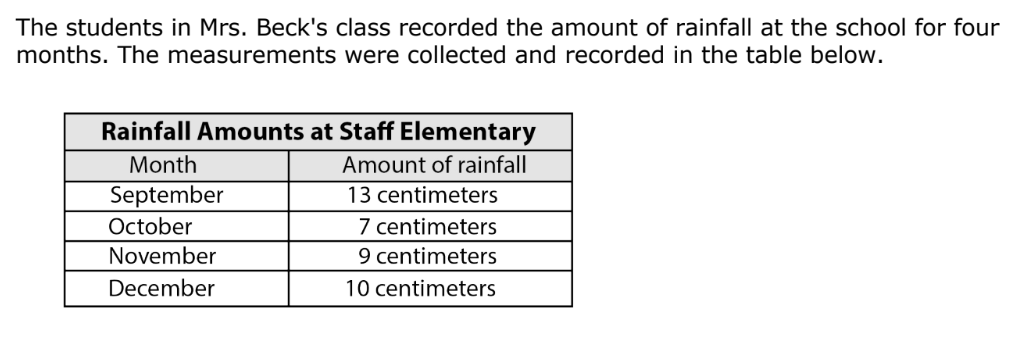
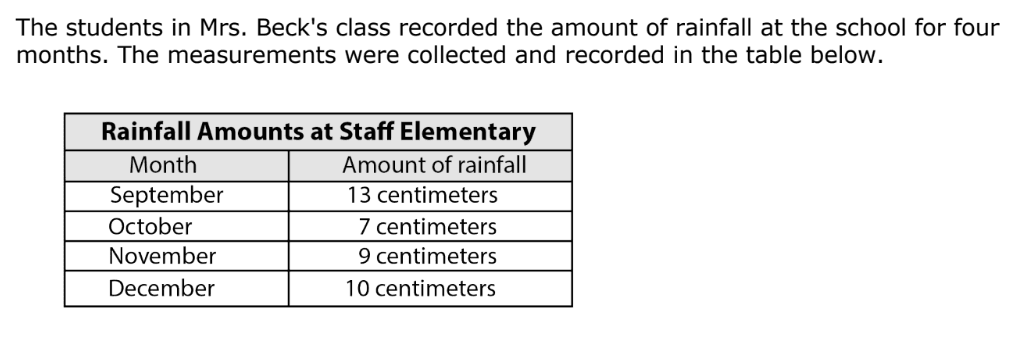
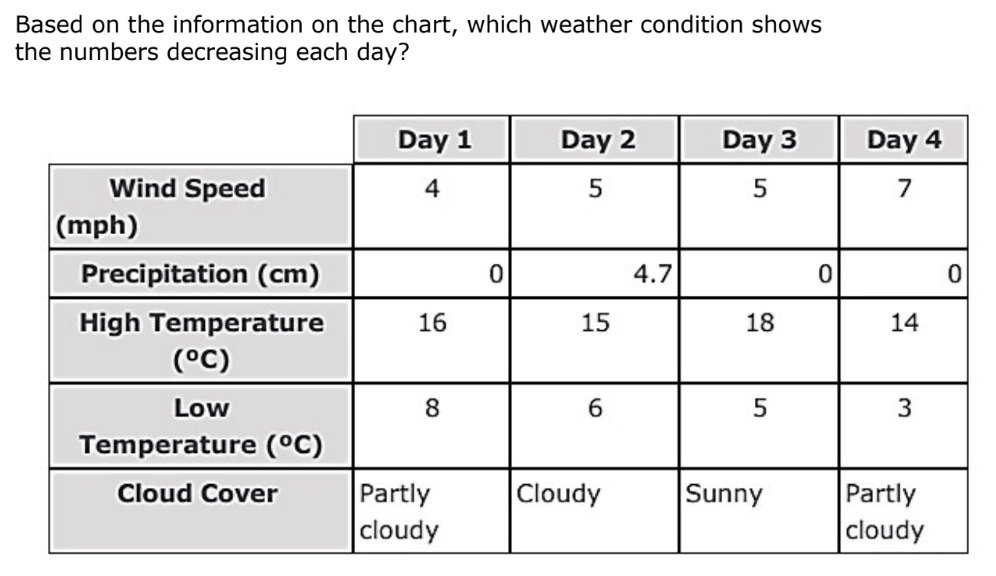

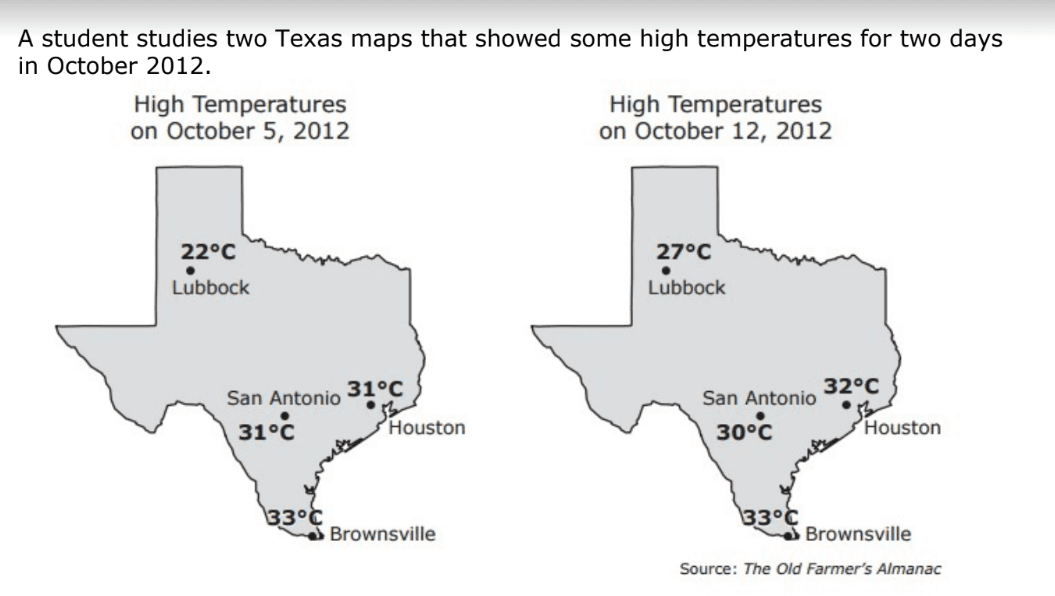 Science Bell Ringer 26.526 Grade 5 SCIENCE Reproductive OrgansTHE SOAR SYSTEM A solar system is a group of planets and other celestial bodies that revolve around a star. A solar nebula- a vast cloud of gas and dust, mostly hydrogen and helium. How the Solar System Form • COLLAPSE AND SPINNING DISK FORMATION - Gravity pulls material inward. The cloud flattens into a spinning disk due to conservation of angular momentum. • PROTOSTAR FORMATION- (BIRTH OF THE SUN). Material collects at the center, and begun to heat up. When it reaches to 10 million KELVIN, nuclear fusion begins. thus, SUN is born. • PLANETESIMALS AND PROTOPLANETS. Dust and gas in the disk stick together via static and gravitational forces. These form planetesimals, which grow into protoplanets collision and accretion. • PLANET FORMATION. Inner disk: too hot for gas rocky planets form Mercury, Venus, Earth, Mars. • PLANET FORMATION. Outer disk: gas and ice giants. Jupiter, Saturn, Uranus, Neptune • LEFTOVER DEBRIS. Remaining materials forms moon, asteroids, comets and dwarf planets. DIFFERENT HYPOTHESIS IN THE FORMATION OF SOLAR SYSTEM. 1. NEBULAR HYPOTHESIS- The Solar system formed from a rotating cloud of Gas and Dust (solar nebula). As it rotates conservation of angular momentum caused the cloud to flatten into a disk. the Sun formed at the center (DISK) while planets formed from the surrounding materials through acceleration. thus, it explains the coplanar and nearly circular orbit of the planets all planets orbits around the sun on the same flat, disk shaped plane. Proposed by Immanuel Kant in 1755 and Modified by Pierre Simon Laplace in 1756. PROTOPLANET HYPOTHESIS. The Solar system formed from a rotating cloud of Gas and Dust (solar nebula). As it rotates conservation of angular momentum caused the cloud to flatten into a disk. 2. Protoplanet hypothesis. Builds on the nebular model but focuses more on the role of planetesimals which then form into full planets. PROCESS: - Small solid particles stick together through collisions. As collisions takes place, it grows into kilometer-sized planetesimals. Gravitational interactions lead to the formation of planets. Lead to formation of steroids belts and varying planet sizes 3. Encounter hypothesis. States that the sun encountered a rogue star. The encounter led to the removal of hot gas from both stars due to their gravitational interaction. The hot gas then accumulated and formed the planets. The materials from the less dense rogue star formed the other planets, while that from the sun formed the inner planets. 4. TIDAL HYPOTHESIS. (also called the Tidal Theory) is an early scientific idea about how the solar system might have formed. Proposed by James Jeans and Harold Jeffreys. A massive star passed very close to the early Sun. The hot gas then accumulated and formed the planets. The materials from the less dense rogue star formed the other planets, while that from the sun formed the inner planets. Streams of hot gas were drawn out from the Sun in elongated shape. These streams eventually condensed and cooled, forming planets, moons, and other bodies in the solar system. 5. Not accepted theory. Later studies showed the streams of hot gas would disperse too quickly into space instead of condensing into planets. The theory also couldn’t explain the specific orbital patterns and compositions we see today. Modern science favors the Nebular Hypothesis, which explains solar system formation through the collapse of a rotating gas cloud. Earth as the only habitable planet 1. Right Distance from the Sun (The Goldilocks Zone). Not too hot, not too cold — just right for liquid water to exist. 2. Atmosphere with Oxygen. Earth has a mix of gases, especially oxygen, which most living things need to survive. 3. Liquid Water. Earth has oceans, rivers, and rain — water is essential for all life. 4. Magnetic Field. Earth’s magnetic field protects us from harmful solar radiation. 5. Stable Climate. The atmosphere and natural cycles keep temperatures and weather mostly stable over time. 6. Rich Resources. Earth has soil for growing food, minerals, and energy sources that support life and technology. Solar explorations 1. AUGUST 6, 2014. First space craft to orbit a comet (ROSETTA PROBE). Captures the comet photograph. -Comets have coma and tail as it approaches to the sun. 2. JULY 14, 2015. NASA’s New Horizons spacecraft made history by becoming the first spacecraft to fly by Pluto, giving us our first close-up look at the dwarf planet. First time visiting Pluto. Before this, Pluto was just a blurry dot in telescope images. Revealed a surprising world New Horizons showed mountains of ice, smooth plains, and a heart-shaped region called Tombaugh Regio. Changed what we knew. Scientists thought Pluto would be dull and frozen — instead, it turned out to be geologically active and incredibly complex. 3. SEPTEMBER 8, 2016. NASA launched OSIRIS-REx, the first U.S. mission to collect a sample from an asteroid and return it to Earth. Changed what we knew. Scientists thought Pluto would be dull and frozen — instead, it turned out to be geologically active and incredibly complex. OSIRIS-REx stands for: Origins, Spectral Interpretation, Resource Identification, Security–Regolith Explorer It was sent to study the asteroid Bennu, a near-Earth asteroid about 500 meters wide. Mission Goals: Collect a sample of surface material from Bennu Study the asteroid’s omposition, structure, and history. Mission Goals: Help scientists understand the origins of the solar system. Learn more about asteroids that could impact Earth. 4. August 12, 2018: Launch of NASA’s Parker Solar Probe, the first spacecraft to "touch" the Sun by flying through its outer atmosphere, called the corona. Mission Goal: To study the Sun up close and help scientists understand: How the solar wind (a stream of charged particles) is formed. Why the Sun’s corona is hotter than its surface. What causes solar storms that can affect Earth’s satellites and power grids. 5. November 26, 2018: NASA’s Insight Lander Touches Down on Mars. Its mission was focused on studying the interior of the Red Planet (crust, mantle, and core of the planet). Why the Sun’s corona is hotter than its surface. What causes solar storms that can affect Earth’s satellites and power grids 6. November 26, 2018: NASA’s Insight Lander Touches Down on Mars. Its mission was focused on studying the interior of the Red Planet (crust, mantle, and core of the planet) 7. JULY 30, 2020 PERSEVERANCE PROBE. Perseverance rover as part of the Mars 2020 mission aboard an Atlas V-541 rocket This marked a major step in Mars exploration. 8. DECEMBER 25, 2021-JAMES WEBB SPACE TELESCOPE. Investigate exoplanets’ atmospheres for signs of habitability. Observe the first galaxies formed after the Big Bang. Study the formation of stars and planetary systems. Look deeper into the infrared universe than ever before. RESULTS OF EXPLORATION • Evidence of Ancient Life-friendly Environment. • Sedimentary rocks formed in water-rich environments. • Signs of clay and carbonate minerals, which can preserve biosignatures (traces of past life). • Evidence of Ancient Life-friendly Environment. • Sedimentary rocks formed in water-rich environments. • Signs of clay and carbonate minerals, which can preserve biosignatures (traces of past life). • Evidence of Ancient Life-friendly Environment. • Sedimentary rocks formed in water-rich environments. • Signs of clay and carbonate minerals, which can preserve biosignatures (traces of past life).1.Linguistics is the science that studies language. 2.Linguist:Someone who studies linguistics. 3.The Subfields of Linguistics Phonetics deals with the sounds of language. Phonology deals with how the sounds are organized. Morphology deals with how sounds are put together to form words. Syntax deals with how sentences are formed. Semantics deals with the meaning of words, sentences, and texts. Pragmatics deals with how sentences and texts are used in the world (i.e., in context) Text Linguistics deals with units larger than sentences, such as paragraphs and texts. 4.Prescriptive: This approach consists basically of stating what is considered right and wrong in language. 5.Descriptive: This approach, on the other hand, consists of describing the facts. Descriptive linguistics is dedicated to describing the rules of the language, and the language is seen as essentially rule governed. 6.Language is rule-governed, creative, universal, innate, and learned, all at the same time. 7.Linguists understand language as a system of arbitrary vocal signs. 8.Linguistic signs: involve sequences of sounds which represent concrete objects and events as well as abstractions.Signs may be related to the things they represent in a number of ways. 9.Iconic: which resemble the things they represent (as do, for example, photographs, diagrams, star charts, or chemical models). 10.Indexical: which point to or have a necessary connection with the things they represent (as do, for example, smoke to fire, a weathercock to the direction of the wind, a symptom to an illness, a smile to happiness, or a frown to anger). 11.Describe the characteristics of human language: Creative: (The structural elements of human language can be combined to produce new utterances, which neither the speaker nor his hearers may ever have made or heard before.) Rule-governed: (Language is made of rules.) Universal: (There are some aspects that are present in all languages of the world.) Innate:(all humans possess an innate capacity for language, activated in infancy by minimal environmental stimuli. Chomsky) Uniquely human: (Language is what sets us apart from other species. It is what makes us human.) Learned:(Children acquire language from their natural setting.) 12.Differentiate between iconic, indexical and symbolic signs. A. iconic, which resemble the things they represent (as do, for example, photographs, diagrams, star charts, or chemical models) B. indexical, which point to or have a necessary connection with the things they represent (as do, for example, smoke to fire, a weathercock to the direction of the wind, a symptom to an illness, a smile to happiness, or a frown to anger). c. symbolic, which are only conventionally related to the thing they represent (as do, for example, a flag to a nation, a rose to love, a wedding ring to marriage). 12. Distinguish between different senses of the grammar word. The prescriptivist´s grammar (Grammar is a set of rules that label the different utterances as either right or wrong.) The descriptivist´s grammar (Grammar is a set of rules that govern the langauge spoken by people. ) The linguist´s grammar (Grammar is the subconscious knowledge of the set of rules that enables speakers to use the language) The speaker´s grammar (Grammar is the intrinsic linguistic knowledge within a native speaker) 13.Describe common fallacies about language and grammar: ►One type of grammar is simpler than another. ►Changes in grammar involve deterioration in a language ►Grammars should be logical and analogical (that is, regular) ►People must be taught the grammatical rules of their language. ►Only some languages have grammar. ►Grammars differ from each other in unpredictable ways. 14.Generality: All Languages Have a Grammar 15. Equality: All Grammars Are Equal 16.Changeability: Grammars Change Over Time 17. Universality: Grammars Are Alike in Basic Ways 18.Tacitness: Grammatical Knowledge Is Subconscious 19.Linguistics is defined as the study of language systems. It is the scientific study of language. 20.Historical approach:It is the study of language change. 21.Linguistic Competence: is the unconscious knowledge speakers of a language have about the system that enables them to create and understand novel utterances. 22.Performance: is the use of it. Performance is “the actual use of language in concrete situations.” 23.I-Language (internal language): which is the intrinsic linguistic knowledge within a native speaker. 24.E-Language (external language): which is the observable language—the output from a speaker. 25.Parole ('speech') refers to the concrete instances of the use of langue, including texts which provide the ordinary research material for linguistics. 26.Langue: 27.Language: is a system of communication that is non-stereotyped and non-finite; it is unlimited in its scope. 28.Grammar: to refer to a subconscious linguistic system of a particular type. Grammar makes possible the production and comprehension of a potentially unlimited number of utterances. 29.Communication and animals: Selecting a mode of communication (speech,writing, gesture). Delivering the symbols through a medium, a physical basis for communication, light, air, or ink. Decoding of the symbols to obtain the information. 30.SIGNS: Communication relies on using something to stand for something else. Words are an obvious example of this: You do not have to have a car, a sandwich, or your cousin present in order to talk about them—the words car, sandwich, and cousin stand for them instead. This same phenomenon is found in animal communication as well. 31.The signifier: A signifier is that part of a sign that stimulates at least one sense organ of the receiver of a message.A signifier can also be a picture, a photograph, a sign language gesture, or one of the many other words for tree in different languages. 32.The signified: The signified component of the sign refers to both the real world object it represents and its conceptual content. The first of these is the real world content of the sign, its extension or referent within a system of signs such as English, avian communication, or sign language. 33.Iconic signs or icons: always bear some resemblance to their referent. A photograph is an iconic sign; so too is a stylized silhouette of a female or a male on a restroom door. 34.Some iconic tokens: a. open-mouth threat by a Japanese macaque; b. park recreation signs; c. onomatopoeic words in English. 35.An indexical sign, or index, fulfils its function by pointing out its referent, typically by being a partial or representative sample of it. Indexes are not arbitrary, since their presence has in some sense been caused by their referent. For this reason it is sometimes said that there is a causal link between an indexical sign and its referent.The track of an animal, for example, points to the existence of the animal by representing a part of it. The presence of smoke is an index of fire. 36.Symbolic signs: bear an arbitrary relationship to their referents and in this way are distinct from both icons and indexes. Human language is highly symbolic in that the vast majority of its signs bear no inherent resemblance or causal connection to their referents, as the following words show. 37.Mixed signs Signs: are not always exclusively of one type or another. Symptomatic signs, for example, may have iconic properties, as when a dog opens its mouth in a threat to bite. Symbolic signs such as traffic lights are symptomatic in that they reflect the internal state of the mechanism that causes them to change color. 38.Signals: All signs can act as signals when they trigger a specific action on the part of the receiver, as do traffic lights, words in human language such as the race starter's "Go!", or the warning calls of birds. 39.SIGN STRUCTURE: No matter what their type, signs show different kinds of structure. A basic distinction is made between graded and discrete sign structure. 40.Graded signs convey their meaning by changes in degree. A good example of a gradation in communication is voice volume. The more you want to be heard, the louder you speak along an increasing scale of loudness. There are no steps or jumps from one level to the next that can be associated with a specific change in meaning. 41.Discrete signs are distinguished from each other by categorical (stepwise) differences. There is no gradual transition from one sign to the next. The words of human language are good examples of discrete signs. 42.A VIEW OF ANIMAL COMMUNICATION ►Largely iconic ►Largely symptomatic ►Little arbitrary ►Not deliberate ►Not conscious ►Not symbolic ►Stimulus boundMake a multiple choice quiz for my year 8 science students based on the science in this transcript from a video: 3°C 0:04 It can be the difference between snow and sleet 0:08 Wearing a jacket or not 0:11 In your day-to-day life, it may not seem significant 0:15 But 3°C of global warming would be catastrophic 0:20 Heatwaves, droughts, extreme precipitation, even fire 0:25 3°C of warming is really disastrous 0:28 The scary thing is, the world is well on its way there 0:32 Since the industrial revolution, the Earth has warmed between 1.1°C and 1.3°C 0:40 This is a problem that babies you pass in the street will have to live with 0:46 Children born today... 0:47 ...are up to seven times more likely to face extreme weather than their grandparents 0:52 If global temperatures do rise by 3°C... 0:55 ...what would their world look like? Climate change is already having devastating effects 1:03 Rising sea levels 1:05 Desertification 1:07 Hollywood has always enjoyed imagining the end of the world 1:11 While blockbusters like this are clearly fiction... 1:14 ...this film will show the scenario we all face... 1:17 ...unless more drastic measures are taken to stop burning fossil fuels 1:30 In some parts of the world the effects of inaction are already clear 1:35 The slums of Bangladesh’s capital are filling up with climate migrants 1:41 Minara comes from Bhola District, an area in southern Bangladesh 1:46 There, like many other parts of the country... 1:49 ...rivers swollen by heavier rain and melting Himalayan glaciers... 1:53 ...are washing away people’s homes 1:56 Many, like her, have lost everything 2:00 Our home in Bhola had endless amounts of land 2:03 There was lots of space for farming, we had a spacious house 2:08 There were different types of fruits, vegetation and trees growing at home 2:12 We used to eat the fruit from our own trees 2:18 I can’t eat them now because they don't exist anymore 2:21 Since the river flooded for the third time, I had to flee to Dhaka 2:26 Life was much better back home 2:29 It was unbearable to live through, truly intolerable 2:33 We didn’t have the time to save anything at all 2:38 1.1°C to 1.3°C of global warming has already transformed Minara’s life 2:45 It’s one of the reasons why so many migrants like her... 2:47 ...are moving to the city each year... 2:50 ...nearly 400,000 according to the last estimate 2:53 And climate models show there could be much worse to come How climate modelling works 3:02 Climate scientist Joeri Rogelj... 3:04 ...has spent the last ten years modelling future climate scenarios... 3:08 ...for the United Nations 3:10 The models we use to carry out this exercise... 3:13 ...really represent the state of the art... 3:15 ...of our current knowledge of climate change and where we are heading 3:19 Joeri’s projections use data collected by hundreds of scientists around the world 3:26 Here this is the 3°C level... 3:28 ...and so there is at least a one-in-four chance that under current policies... 3:32 ...we would hit 3°C by the end of the century 3:36 This is just one of the scenarios Joeri looks at 3:40 Another one imagines that all policy promises are kept 3:44 The most optimistic assumes that all promises have been kept... 3:47 ...and net-zero targets are met 3:50 Where our best estimate ends up around 2°C at the end of the century... 3:54 ...there is still a one-in-20 chance that we end up with 3°C instead 3:59 One would not be entering a plane if there is a one-in-20 chance... 4:03 ...that the plane will crash Nowhere is safe from global warming 4:07 A rise of 3°C would affect everyone 4:10 Even wealthy cities in rich countries wouldn’t be immune to the consequences 4:15 European capitals like Paris and Berlin... 4:18 ...would bake under more extreme heatwaves 4:22 Frequent storm-surges in New York could turn parts of the city desolate 4:27 In many ways, cities magnify, intensify climate events 4:33 Cities are hotter than the places around them... 4:36 ...they tend to be more vulnerable to flooding 4:39 And you can get a really bad event in a city in a way that you can’t in the countryside 4:46 And because of their denser populations... 4:49 ...disasters in a city affect far more people 4:52 Some cities might be badly prepared for the changes coming 4:56 But they have the means to adapt 4:59 Cities tend to be wealthier than surrounding places 5:03 They have a lot of amenities 5:05 A city that has taken seriously the risks of a 3°C world... 5:08 …wouldn’t necessarily be a worse place to be in a 3°C world 5:12 But a city that hasn’t prepared for these sort of eventualities... 5:16 ...that might be a really nasty place The impact of prolonged droughts 5:20 So far, many developed cities have got off lightly... 5:24 ...but some rural parts of the world are suffering disproportionately 5:29 Smallholders—small-scale farmers—are particularly vulnerable to climate change 5:35 And there are over 600 million around the world 5:38 Smallholders with farms under two hectares... 5:40 ...produce around a third of the global food supply 5:46 Central America’s “Dry Corridor”... 5:48 ...supports a mix of smallholdings and medium-sized farms 5:53 Sandwiched between the Pacific Ocean and the Caribbean Sea... 5:56 ...the area is prone to droughts 6:08 Israel Ramírez Rivera is a smallholder in Guatemala 6:12 Here, climate change is making the dry seasons longer, and more severe 6:18 This is the biggest ear of maize that this plot could deliver 6:23 He depends on his crops of corn and beans 6:26 But they’re getting harder to grow 6:30 The surrounding mountains... 6:32 ...used to provide us with native food... 6:38 ...and now that isn’t an option anymore... 6:41 ...due to climate change and its effects 6:46 Nearly two-thirds of the smallholders in the Dry Corridor now live in poverty 6:52 The impact of all of this for us... 6:59 ...malnutrition among children 7:03 We’ve lost a few 7:07 For my crops especially, the midsummer heat is harder than before 7:16 The plant dries up and can’t provide us... 7:19 ...with the necessary food provision 7:24 Severe droughts in Central America... 7:26 ...are now four times more likely than they were last century 7:30 Many families from here have gone to the States 7:37 The economic despair and debts... 7:44 ...have pushed many people from this community to do this journey 7:53 Migration from Guatemala to the United States has quadrupled since 1990 7:59 Not all of this has been due to climate change 8:02 But longer droughts would force even more to move 8:05 In a 3°C world, annual rainfall in this region... 8:09 ...could drop by up to 14% 8:12 At 3°C, over a quarter of the world’s population... 8:16 ...could endure extreme droughts for at least a month of the year 8:19 Northern Africa could see droughts that last for years at a time Rising sea levels, storm surges and flooding 8:24 But for some, too much water will be the problem 8:29 10% of the world’s population lives on a coastline... 8:32 ...that’s less than 10 metres above sea level 8:35 For these coastal inhabitants, a 3°C world would spell disaster 8:40 By 2100, global sea levels could have climbed by half a metre from 2005 levels 8:46 Low-lying cities like Lagos would be especially vulnerable... 8:49 ...with up to up to a third of the population displaced 8:54 And in Fiji, rising waters are already upending lives 9:04 You can see the graveyard there, it’s all under water now... 9:08 ...due to this rising sea level and climate change 9:15 The village of Togoru in Fiji is being swallowed by the sea 9:19 Barney Dunn, the village headman, has seen over half the village disappear 9:24 Relatives’ houses have been abandoned, and family graves are now under water 9:29 We have been asked by the government to relocate... 9:32 ...but no one wants to relocate... 9:34 ...because we have our great-great-grandparents down there in the sea 9:39 This is the place we’ve been brought up in 9:41 ...it’s not easy to leave 9:44 Past attempts to build a seawall haven’t worked 9:48 But Barney sees building a new one as the village’s only hope 9:52 If they do that, maybe we can save whatever is left 9:56 But if we don’t have the seawall, then it will be keep eroding and time will come... 10:01 ...maybe in ten,15 years, Togoru will be all eroded 10:05 Rising seas also mean storms cause more floods 10:11 And many more countries could suffer 10:14 The Philippines and Myanmar are just two countries... 10:17 ...that will also see an increase in storm surges in a 3°C world 10:21 To escape, many will move… 10:24 …often, to urban areas Extreme heat and wet-bulb temperatures 10:27 Half the world’s population already lives in cities... 10:31 ...almost a third in slums 10:36 For them, a 3°C world could be deadly 10:40 Minara has moved to Dhaka to escape the impact of climate change 10:44 But life could get even worse for her 10:47 I’m struggling a lot nowadays 10:49 The heat during the day is unbearable 10:52 Even late at night it doesn’t cool down 10:57 The heat is getting more intense every day 10:59 I mean, it’s going to get much worse 11:03 I can barely survive it now, how will I live through it in the future? 11:08 Dhaka is getting hotter 11:11 In the last 20 years the average daytime temperature... 11:13 ...has crept up by nearly half a degree 11:17 Days that approach 40°C are now being reported 11:20 And high so-called wet-bulb temperatures are on the rise 11:26 A wet-bulb temperature is a measure of heat and humidity 11:30 Humans cool themselves by sweating… 11:32 But in these conditions, when relative humidity is near 100%... 11:36 ...sweat doesn’t evaporate well 11:38 So people can’t cool down… 11:41 ...even if given unlimited shade and water 11:45 At a high wet-bulb temperature, the body can’t lose heat... 11:49 ...and so it gets hotter and hotter... 11:51 ...and the body is designed to work at a given temperature 11:53 And if it gets too hot inside, you will die 11:58 The human limit for wet-bulb temperatures is 35°C... 12:02 ...around skin temperature 12:04 Dhaka will have a much higher chance... 12:05 ...of reaching dangerous wet-bulb temperatures... 12:07 ...if global warming reaches 3°C 12:12 You can’t really adapt to that 12:14 You have to get out. If the temperature is so high that you can’t work... 12:20 ...can’t do hard manual labour outside for significant parts of the year... 12:25 ...then many places will become functionally no longer part of the economy 12:33 Jacobabad in Pakistan, and Ras al Khaimah, in the United Arab Emirates... 12:37 ...have already recorded deadly wet-bulb temperatures 12:40 More of the tropics and the Persian Gulf... 12:43 ...as well as parts of Mexico and the south-eastern United States... 12:47 ...could all get to this threshold by the end of the century 12:50 Climate modelling might show us the weather Increased migration and conflict 12:52 But it doesn’t show us its other effects on society 12:56 Established migration patterns could change 12:59 Climate disasters may exacerbate reasons people cross borders 13:03 Within countries, more people will move to cities 13:07 In a 3°C world, tens of millions of people a year... 13:10 ...could be displaced by disasters made worse by climate change 13:15 When people are displaced by climate... 13:18 …they may well go to cities... 13:19 ...because cities are the places that attract people from the countryside already 13:25 A lot of people who can get to the developed world... 13:28 ...not least because the developed world tends to be less hot, will give that a go 13:35 As migration around the world increases... 13:38 ...there could be more competition for fewer resources 13:42 Water—already a highly contested resource—will be a focal point 13:47 Turkey’s new Ilisu dam has reduced the flow of water into Iraq 13:53 China lays claim to rivers vital to India and Pakistan 13:57 The prospect of a water-conflict makes people very uneasy 14:03 How national tensions would exacerbate those sorts of reactions... 14:08 ...in a 3°C world... 14:09 ...is the sort of thing that no one should really want to find out 14:14 I think you’d have to be incredibly sanguine... 14:16 ...not to think that the sort of climate extremes that we talk about... 14:19 ...in a 3°C world wouldn’t lead some places... 14:22 ...to the brink of societal collapse 14:25 Those lucky enough to escape unrest... Adaptation and mitigation are crucial 14:28 ...would still have to adapt to a radically different world 14:32 People can adapt to climate change in all sorts of ways, one of the most obvious ones... 14:37 ...is air conditioning 14:39 But other ways to adapt at a local or regional level... 14:42 ...I mean, one of the most obvious is diversifying agriculture 14:47 There are physical things you can do, like seawalls 14:52 The fact that people can adapt and that adaptation will reduce suffering... 14:57 ...doesn’t mean that it will eliminate suffering 15:00 Suffering is built into this whole process of heating up the planet 15:06 Adaptation will only get the world so far 15:09 The best way to deal with a 3°C world... 15:12 ...is not to go to a 3°C world 15:14 And that’s why increasing efforts on mitigation are important 15:17 It’s why working towards negative emissions... 15:20 ...that could bring down the temperature after it peaks are important 15:25 Once you get to a 3°C world, you are in real bad global trouble 15:33 The scale of change needed... 15:35 ...and the slow progress of governments so far... 15:38 ...means 3°C of warming is uncomfortably likely unless more is done 15:44 Despite existing pledges, greenhouse-gas emissions... 15:48 ...are still set to rise by 16% from 2010 levels by 2030 15:54 The need to act has never been clearer 15:57 There’s still time to reduce emissions, so that a 3°C world remains fiction... 16:02 ...rather than becoming factQ1. A teacher designs a lesson where students compute real-life percentages such as discounts and savings. 👉 A student calculates 15% of 200 to determine savings in a purchase. What is the correct result? A. 20 B. 25 C. 30 D. 35 Q2. In a classroom activity, learners compare numbers to find the highest common factor for grouping materials evenly. 👉 What is the GCF of 24 and 36? A. 6 B. 8 C. 12 D. 18 📘 FRACTIONS, DECIMALS, AND POWERS Q3. A learner converts fractions into percentages for data interpretation. 👉 What is 3/4 expressed as a percentage? A. 50% B. 60% C. 75% D. 80% Q4. A student models exponential growth using repeated multiplication. 👉 What is the value of 252^525? A. 25 B. 30 C. 32 D. 64 📘 ALGEBRA (EQUATIONS AND EXPRESSIONS) Q5. A teacher guides students to solve equations that represent real-life situations. 👉 Solve: 2x+8=202x + 8 = 202x+8=20 A. x = 4 B. x = 6 C. x = 8 D. x = 10 Q6. Students simplify expressions to understand relationships between quantities. 👉 Simplify: 3(x+4)−2x3(x + 4) - 2x3(x+4)−2x A. x + 12 B. x + 4 C. 5x + 4 D. 5x + 12 📘 FUNCTIONS AND GRAPHING Q7. A student analyzes a linear equation to determine its rate of change. 👉 What is the slope of y=3x−5y = 3x - 5y=3x−5? A. -5 B. -3 C. 3 D. 5 Q8. A learner evaluates functions to predict outcomes. 👉 If f(x)=2x+3f(x) = 2x + 3f(x)=2x+3, what is f(4)f(4)f(4)? A. 7 B. 9 C. 11 D. 14 📘 GEOMETRY Q9. Students explore geometric shapes and their properties through visual models. 👉 What is the sum of interior angles of a triangle? A. 90° B. 180° C. 270° D. 360° Q10. A student calculates the area of a classroom table with dimensions 8 cm by 5 cm. 👉 What is the area? A. 26 sq cm B. 30 sq cm C. 40 sq cm D. 48 sq cm 📘 MEASUREMENT AND FIGURES Q11. A learner determines the volume of a cube used in a science experiment. 👉 What is the volume of a cube with side 4 cm? A. 16 cubic cm B. 32 cubic cm C. 48 cubic cm D. 64 cubic cm Q12. Students identify shapes used in design projects. 👉 How many sides does a hexagon have? A. 5 B. 6 C. 7 D. 8 📘 STATISTICS AND PROBABILITY Q13. A teacher helps students interpret data sets using measures of central tendency. 👉 What is the mean of 4, 6, 8, 10, 12? A. 6 B. 8 C. 10 D. 12 Q14. A class experiment involves flipping a fair coin. 👉 What is the probability of getting heads? A. 1/4 B. 1/3 C. 1/2 D. 2/3 📘 WORD PROBLEMS (APPLICATION) Q15. A car travels 180 km in 3 hours during a learning task on speed. 👉 What is its average speed? A. 45 km/h B. 60 km/h C. 75 km/h D. 90 km/h Q16. Students analyze work efficiency in a project. 👉 If 5 workers complete a task in 12 days, how long will 10 workers take? A. 3 days B. 6 days C. 8 days D. 12 days Q17. A student solves a problem involving ratios in a classroom population. 👉 If the ratio of boys to girls is 3:2 and there are 30 students, how many boys are there? A. 12 B. 15 C. 18 D. 20 Q18. A learner determines the duration of a scheduled trip. 👉 A journey starts at 8:30 AM and ends at 11:15 AM. How long is the trip? A. 2 hrs 15 mins B. 2 hrs 30 mins C. 2 hrs 45 mins D. 3 hrs 15 mins Q19. A student computes simple interest for financial literacy. 👉 What is the simple interest on ₱1000 at 5% for 2 years? A. ₱50 B. ₱75 C. ₱100 D. ₱150 Q20. A learner solves a perimeter problem involving a rectangle. 👉 A rectangle has a length of 12 cm and perimeter of 34 cm. What is the width? A. 5 cm B. 7 cm C. 10 cm D. 11 cm ✅ ANSWER KEY (BASED ON YOUR REVIEWER) (All verified from your uploaded file) [ilide.info...002acd4e5a | PDF] QAnswer1C2C3C4C5B6A7C8C9B10C11D12B13B14C15B16B17C18C19C20AA. Arundhati Roy B. Jhumpa Lahiri C. Salman Rushdie D. Anita Desai ________________________________________ 2. The Lowland was published in: A. 2001 B. 2013 C. 2010 D. 2005 ________________________________________ 3. Which earlier work earned Lahiri the Pulitzer Prize? A. The Namesake B. Unaccustomed Earth C. Interpreter of Maladies D. The Lowland ________________________________________ 4. The novel is primarily about: A. Technology and modernity B. Immigration, family, and political violence C. Business rivalry D. Mythology and folklore ________________________________________ 5. The two central brothers in the novel are: A. Rahul and Anil B. Subhash and Udayan C. Gogol and Ashoke D. Amit and Nikhil ________________________________________ 6. Where did the brothers grow up? A. Mumbai B. Dhaka C. Calcutta D. Delhi ________________________________________ 7. Udayan becomes involved in: A. Peace activism B. Cinema C. Naxalite movement D. Business ________________________________________ 8. Subhash moves to: A. London B. Rhode Island C. Toronto D. Chicago ________________________________________ 9. Udayan is killed in: A. Jail B. A riot C. The lowland near his house D. A car accident ________________________________________ 10. Why does Subhash marry Gauri? A. Love B. To protect her and her unborn child C. Financial benefit D. Family pressure ________________________________________ 11. Gauri eventually: A. Becomes a politician B. Starts a business C. Leaves her family D. Returns to India ________________________________________ 12. Subhash raises Bela: A. With Gauri B. Alone C. With help from his parents D. In India ________________________________________ 13. Bela grows up believing: A. Udayan is her father B. Subhash is her father C. She has no father D. Her father died in war ________________________________________ 14. The setting of political unrest is linked to: A. Partition B. Naxalbari uprising C. Independence movement D. Civil War ________________________________________ 15. The narrative style uses: A. Magical realism B. Non-linear structure C. Poetry D. Second-person narration ________________________________________ 16. Gauri’s character represents: A. Traditional motherhood B. Obedient wife C. Intellectual autonomy and emotional detachment D. Political activism ________________________________________ 17. Bela’s character signifies: A. Rebellion against education B. Second-generation identity struggle C. Complete assimilation D. Materialistic living ________________________________________ 18. Memory in the novel functions as: A. A simple recollection B. A haunting presence affecting identity C. A forgotten history D. A symbolic decoration ________________________________________ 19. The lowland itself symbolizes: A. Wealth B. Stability C. Transitional, unstable space D. Escape ________________________________________ 20. Lahiri’s prose style can be described as: A. Flowery and ornate B. Minimalistic and restrained C. Dramatic and verbose D. Highly poetic ________________________________________ 21. Water imagery reflects: A. Joy and happiness B. Power and victory C. Memory and emotional fluidity D. Evil ________________________________________ 22. Which theory applies strongly to this novel? A. Structuralism B. Postcolonial hybridity C. Absurdism D. Modernism ________________________________________ 23. Postcolonial hybridity is linked to: A. Complete assimilation B. Identity in-between cultures C. Traditional values D. Language fluency alone ________________________________________ 24. Which character best reflects second-generation identity conflict? A. Gauri B. Bela C. Subhash D. Udayan ________________________________________ 25. What does Subhash struggle with most? A. Career failure B. Language C. Guilt and secrecy D. Wealth ________________________________________ 26. Udayan’s ideology centers on: A. Business growth B. Armed communist revolution C. Religious reform D. Education ________________________________________ 27. The novel shows how political violence leads to: A. Personal healing B. Economic prosperity C. Emotional trauma across generations D. Cultural unity ________________________________________ 28. Betrayal appears as: A. Only political B. Only emotional C. Both political and familial D. A background idea ________________________________________ 29. The genre of the text best fits: A. Fantasy B. Realistic political family saga C. Science fiction D. Thriller ________________________________________ 30. The narrative constantly shifts between: A. Dream and reality B. India and America C. Past and future India D. Fiction and nonfiction ________________________________________ 31. Homi Bhabha’s "third space" represents: A. Physical land B. A zone of cultural in-betweenness C. A literal building D. A heavenlike vision ________________________________________ 32. Gauri symbolizes: A. Traditional widowhood B. Female agency vs social expectation C. Blind loyalty D. Economic dependence ________________________________________ 33. Bela unknowingly inherits: A. Udayan’s ideology B. Gauri’s academic passion only C. Subhash’s calmness D. Grandparents’ wealth ________________________________________ 34. Lahiri uses silence to: A. Avoid details B. Deepen psychological complexity C. Reduce story relevance D. Simplify events ________________________________________ 35. A major structural device is: A. Letters B. Non-linear flashbacks C. Mythic storytelling D. Metafiction ________________________________________ 36. Which text offers a migrant theme comparison? A. The God of Small Things B. The White Tiger C. The Namesake D. Train to Pakistan ________________________________________ 38. The Naxalite movement first emerged in: A. Mumbai B. Naxalbari village C. Delhi D. Kerala ________________________________________ 39. Which theme repeats strongly? A. Celebration of success B. Silence and secrets C. Fantasy D. Heroism ________________________________________ 40. What does Bela do as an adult? A. Becomes a doctor B. Engages in environmental activism C. Joins corporate life D. Moves into politics ________________________________________ 41. The immigrant experience in the novel is portrayed as: A. Full belonging B. Alienation and partial belonging C. Achievement D. Liberation ________________________________________ 42. Which idea does Lahiri question through Gauri? A. Heroism B. Maternal expectation C. Religious devotion D. Wealth ________________________________________ 43. Subhash represents: A. Pure rebellion B. Survival and adaptation C. Anti-immigrant sentiment D. Total withdrawal ________________________________________ 44. Lahiri’s writing expects readers to: A. Passively accept the plot B. Read emotional subtext in silences C. Ignore symbols D. Only enjoy the story ________________________________________ 45. The lowland as a metaphor mainly signifies: A. Joy B. Unstable cultural ground C. Triumph D. Isolation from family ________________________________________ 46. Why is The Lowland considered significant? A. Its fantasy themes B. Its deep engagement with politics & identity C. Its humor D. Its romantic style ________________________________________ 47. Which comparative author also writes about diaspora identity? A. Chetan Bhagat B. Amitav Ghosh C. Premchand D. Ruskin Bond ________________________________________ 48. Udayan’s death drives the plot because: A. Family hides it B. It forces new relationships & trauma C. People forget him D. It has no consequence ________________________________________ 49. The narrative ends emphasizing: A. Closure and peace B. Lasting consequences of secrets C. National identity D. Religious conflict ________________________________________ 50. Scholars study this work because it explores: A. Only Indian history B. Trauma, diaspora, gender & politics C. Folk storytelling D. Comedy1. Flammable materials, like alcohol, should never be dispensed or used near A. an open door. B. an open flame. C. another student. D. a sink. 2. If a laboratory fire erupts, immediately A. notify your instructor. B. run for the fire extinguisher. C. throw water on the fire. D. open the windows. 3. Approved eye protection devices (such as goggles) are worn in the laboratory A. to avoid eye strain. B. to improve your vision. C. only if you don’t have corrective glasses. D. any time chemicals, heat or glassware are used. 4. If you wear contact lenses in the school laboratory, A. take them out before starting the lab. B. you do not have to wear protective goggles. C. advise your science instructor that you wear contact lenses. D. keep the information to yourself. 5. If you do not understand a direction or part of a lab procedure, you should A. figure it out as you do the lab. B. try several methods until something works. C. ask the instructor before proceeding. D. skip it and go on to the next part. 6. After completing an experiment, all chemical wastes should be A. left at your lab station for the next class. B. disposed of according to your instructor’s directions. C. dumped in the sink. D. taken home. 7. If a lab experiment is not completed, you should A. discuss the issue with your instructor. B. sneak in after school and work alone. C. come in during lunch and finish while eating lunch. D. make up some results. 8. You are heating a substance in a test tube. Always point the open end of the tube A. toward yourself. B. toward your lab partner. C. toward another classmate. D. away from all people. Science Laboratory Safety teSt 9. You are heating a piece of glass and now want to pick it up. You should A. use a rag or paper towels. B. pick up the end that looks cooler. C. use tongs. D. pour cold water on it. 10. You have been injured in the laboratory (cut, burn, etc.). First you should A. visit the school nurse after class. B. see a doctor after school. C. tell the science instructor at once. D. apply first aid yourself. 11. When gathering glassware and equipment for an experiment, you should A. read all directions carefully to know what equipment is necessary. B. examine all glassware to check for chips or cracks. C. clean any glassware that appears dirty. D. All of the above. 12. You want to place a piece of glass tubing into a rubber stopper after the tubing has been fire polished and cooled. This is best done by A. lubricating the tubing with water or glycerin. B. using a towel or cotton gloves for protection. C. twisting the tubing and stopper carefully. D. all of the above. 13. Personal eyeglasses provide as much protection as A. a face shield. B. safety glasses. C. splashproof chemical goggles. D. none of the above. 14. Long hair in the laboratory must be A. cut short. B. held away from the experiment with one hand. C. always neatly groomed. D. tied back or kept entirely out of the way with a hair band, hairpins, or other confining device. 15. In a laboratory, the following should not be worn. A. loose clothing. B. dangling jewelry. C. sandals. D. all of the above. 16. The following footwear is best in the laboratory. A. sandals B. open-toed shoes C. closed-toed shoes D. shoes appropriate for the weather3 © 2017 Flinn Scientific, Inc. All Rights Reserved. 17. Horseplay or practical jokes in the laboratory are A. always against the rules. B. okay. C. not dangerous. D. okay if you are working alone. 18. If a piece of equipment is not working properly, stop, turn it off, and tell A. the custodian. B. your lab partner. C. your best friend in the class. D. the science instructor. 19. If an acid is splashed on your skin, wash at once with A. soap. B. oil. C. weak base. D. plenty of water. 20. When you finish working with chemicals, biological specimens, and other lab substances, always A. treat your hands with skin lotion. B. wash your hands thoroughly with soap and water. C. wipe your hands on a towel. D. wipe your hands on your clothes. True—False T F 22. ■ ■ Hot glass looks the same as cold glass. 23. ■ ■ All chemicals in the lab are to be considered dangerous. 24. ■ ■ Return all unused chemicals to their original containers. 25. ■ ■ Work areas should be kept clean and tidy. 26. ■ ■ Pipets are used to measure and dispense small amounts of liquids. You should draw the liquid into the pipet using your mouth. 27. ■ ■ Laboratory work can be started immediately upon entering the laboratory even if the instructor is not yet present. 28. ■ ■ Never remove chemicals or other equipment from the laboratory. T F 29. ■ ■ Chipped or cracked glassware is okay to use. 30. ■ ■ Read all procedures thoroughly before entering the laboratory. 31. ■ ■ All unauthorized experiments are prohibited. 32. ■ ■ You are allowed to enter the chemical preparation/storage area any time you need to get an item. 33. ■ ■ Laboratory aprons should be worn during all lab activities. 34. ■ ■ It’s okay to pick up broken glass with your bare hands as long as the glass is placed in the trash. 35. ■ ■ Never leave a lit burner unattended. 21. Draw a diagram of your science room and label the locations of the following: ■ Fire Blanket ■ Fire Extinguisher(s) ■ Exits ■ Eyewash Station ■ Emergency Shower ■ Closest Fire Alarm Station ■ Waste Disposal Container(s)4 © 2017 Flinn Scientific, Inc. All Rights Reserved. Name: ________________________________________________ Date: ______________________________________________ 1. Flammable materials, like alcohol, should never be dispensed or used near A. an open door. B. an open flame. C. another student. D. a sink. 2. If a laboratory fire erupts, immediately A. notify your instructor. B. run for the fire extinguisher. C. throw water on the fire. D. open the windows. 3. Approved eye protection devices (such as goggles) are worn in the laboratory A. to avoid eye strain. B. to improve your vision. C. only if you don’t have corrective glasses. D. any time chemicals, heat or glassware are used. 4. If you wear contact lenses in the school laboratory, A. take them out before starting the lab. B. you do not have to wear protective goggles. C. advise your science instructor that you wear contact lenses. D. keep the information to yourself. 5. If you do not understand a direction or part of a lab procedure, you should A. figure it out as you do the lab. B. try several methods until something works. C. ask the instructor before proceeding. D. skip it and go on to the next part. 6. After completing an experiment, all chemical wastes should be A. left at your lab station for the next class. B. disposed of according to your instructor’s directions. C. dumped in the sink. D. taken home. 7. If a lab experiment is not completed, you should A. discuss the issue with your instructor. B. sneak in after school and work alone. C. come in during lunch and finish while eating lunch. D. make up some results. 8. You are heating a substance in a test tube. Always point the open end of the tube A. toward yourself. B. toward your lab partner. C. toward another classmate. D. away from all people. Science Laboratory Safety teSt 9. You are heating a piece of glass and now want to pick it up. You should A. use a rag or paper towels. B. pick up the end that looks cooler. C. use tongs. D. pour cold water on it. 10. You have been injured in the laboratory (cut, burn, etc.). First you should A. visit the school nurse after class. B. see a doctor after school. C. tell the science instructor at once. D. apply first aid yourself. 11. When gathering glassware and equipment for an experiment, you should A. read all directions carefully to know what equipment is necessary. B. examine all glassware to check for chips or cracks. C. clean any glassware that appears dirty. D. All of the above. 12. You want to place a piece of glass tubing into a rubber stopper after the tubing has been fire polished and cooled. This is best done by A. lubricating the tubing with water or glycerin. B. using a towel or cotton gloves for protection. C. twisting the tubing and stopper carefully. D. all of the above. 13. Personal eyeglasses provide as much protection as A. a face shield. B. safety glasses. C. splashproof chemical goggles. D. none of the above. 14. Long hair in the laboratory must be A. cut short. B. held away from the experiment with one hand. C. always neatly groomed. D. tied back or kept entirely out of the way with a hair band, hairpins, or other confining device. 15. In a laboratory, the following should not be worn. A. loose clothing. B. dangling jewelry. C. sandals. D. all of the above. 16. The following footwear is best in the laboratory. A. sandals B. open-toed shoes C. closed-toed shoes D. shoes appropriate for the weather5 © 2017 Flinn Scientific, Inc. All Rights Reserved. 17. Horseplay or practical jokes in the laboratory are A. always against the rules. B. okay. C. not dangerous. D. okay if you are working alone. 18. If a piece of equipment is not working properly, stop, turn it off, and tell A. the custodian. B. your lab partner. C. your best friend in the class. D. the science instructor. 19. If an acid is splashed on your skin, wash at once with A. soap. B. oil. C. weak base. D. plenty of water. 20. When you finish working with chemicals, biological specimens, and other lab substances, always A. treat your hands with skin lotion. B. wash your hands thoroughly with soap and water. C. wipe your hands on a towel. D. wipe your hands on your clothes. 21. Draw a diagram of your science room and label the locations of the following: ■ Fire Blanket ■ Fire Extinguisher(s) ■ Exits ■ Eyewash Station ■ Emergency Shower ■ Closest Fire Alarm Station ■ Waste Disposal Container(s) True—False T F 22. ■ ■ Hot glass looks the same as cold glass. 23. ■ ■ All chemicals in the lab are to be considered dangerous. 24. ■ ■ Return all unused chemicals to their original containers. 25. ■ ■ Work areas should be kept clean and tidy. 26. ■ ■ Pipets are used to measure and dispense small amounts of liquids. You should draw the liquid into the pipet using your mouth. 27. ■ ■ Laboratory work can be started immediately upon entering the laboratory even if the instructor is not yet present. 28. ■ ■ Never remove chemicals or other equipment from the laboratory. T F 29. ■ ■ Chipped or cracked glassware is okay to use. 30. ■ ■ Read all procedures thoroughly before entering the laboratory. 31. ■ ■ All unauthorized experiments are prohibited. 32. ■ ■ You are allowed to enter the chemical preparation/storage area any time you need to get an item. 33. ■ ■ Laboratory aprons should be worn during all lab activities. 34. ■ ■ It’s okay to pick up broken glass with your bare hands as long as the glass is placed in the trash. 35. ■ ■ Never leave a lit burner unattended.