2nd 9 Weeks Review for Exam
Quiz by Lauren Trench
Feel free to use or edit a copy
includes Teacher and Student dashboards
Measure skillsfrom any curriculum
Measure skills
from any curriculum
Tag the questions with any skills you have. Your dashboard will track each student's mastery of each skill.
With a free account, teachers can
- edit the questions
- save a copy for later
- start a class game
- automatically assign follow-up activities based on students’ scores
- assign as homework
- share a link with colleagues
- print as a bubble sheet
24 questions
Show answers
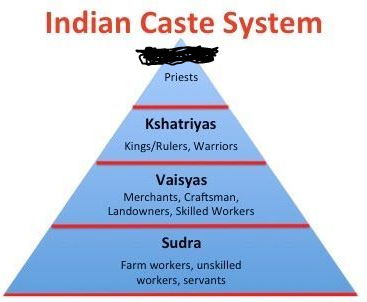
- Q1What is the name of the top of the caste system of ancient India?SudrasVaisyasBrahminsKshatriya30s
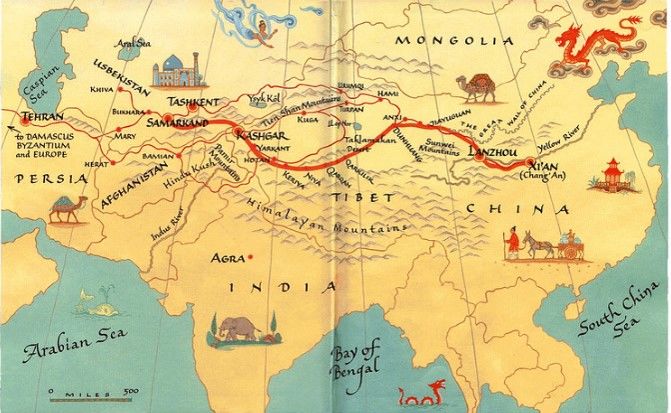
- Q2The Silk Road trade routes allowed for the spread of which goods and ideas?Confucianism, Buddhism, spices, glasswareBuddhism, hieroglyphics, currencyConfucianism, legalism and DaoismChristianity, maize, irrigation30s
- Q3Buddhism was able to spread to China from India along the Silk Road.FalseTrue30s
- Q4Which ancient Chinese philosophies helped develop China's legal and political processes?Confucianism and LegalismDaoism and ConfucianismLegalism and DaoismLegalism and Buddhism30s
- Q5Ancient Egyptian hieroglyphics are pictures that reflect what part about their society?daily lifeideogramphonogramRosetta Stone30s
- Q6In what way did the ancient Egyptian calendar help them create a food surplus?they used hieroglyphics to make the calendarthey learned irrigationthey could predict floodingthe calendar had 365 days30s
- Q7Which egyptian pharaoh was a women that ended up expanding trade and dressing like a king, so that she could get respect from other men?Ramses IIHatshepsutTutankhamunAmenhotep IV30s
- Q8Which Egyptian pharaoh was discovered by archaeologist in recent history and allowed us to study all of his artifacts intact?TutankhamunAmenhotep IVHatshepsutAkhenaten30s
- Q9All of the Egyptian pharaohs believed in many gods except for Amenhotep IV . What is he known for doing to the Egyptian religion?He changed traditional religious beliefs to monotheism.He changed traditional religious beliefs to destroy others.He changed traditional religious beliefs to make himself god.He changed traditional religious beliefs to polytheism.30s
- Q10How does physical geography affect ancient cultures and where they can live?The seaports provided water access enabling each civilization to become empires.Civilizations had arid climates and could not keep food in storage.Ancient civilizations must live in deserts so that foreign invaders can not get to them.Ancient civilizations must live by river valleys so they can have provided fertile land for agriculture.30s
- Q11Which civilization can be called the Yellow River Valley civilization, based on the river they live near?ancient ChinaMesopotamiaancient Indiaancient Egypt30s
- Q12What is a geographer? (think about the themes we have focused on in class)They study the relationship between neighboring cultures.They study the relationship between humans and their environment.They study the way population affects geographic regions.They study the way goods, people, and ideas move from one location to another.30s
- Q13Based on the passage, what is the greatest benefit to China that its physical geography providedIt allowed for the beliefs of Buddhism to be developedIt created fierce independence among its city-states and protection from the governmentIt provided an abundance of flat, open spaces that were perfect for growing cropsIt allowed for a unique culture and protection from enemies30s
- Q14The ancient Egyptians helped develop skills in surgery and medicine. How did they learn so much about these ideas?hieroglyphicscalendar/mathirrigationmummification30s
- Q15Why did the Egyptians create the calendar?To monitor the flooding seasons of Nile RiverTo track the phases of the moon and constellationsTo record trade of goods and cropsTo document events of significance to the kingdom30s