Demonstrate an understanding of the principles, functions, and organization of government. - Illustrate the structure and function (three branches of government established in Articles I, II, and III with corresponding powers) of government in the United States as established in the Constitution.
Demonstrate an understanding of the principles, functions, and organization of government. - Analyze the structure, functions, and processes of the legislative, executive, and judicial branches.
Demonstrate an understanding of the origins and purposes of government, law, and the American political system. - Describe how the Constitution limits the powers of government through separation of powers and checks and balances.
Track each student's skills and progress in your Mastery dashboards
Give this quiz to my class
Q 1/20
Score 0
Which part of the U.S. Constitution outlines legislative power?
30
Bill of Rights
Article I
First Amendment
Preamble
Q 2/20
Score 0
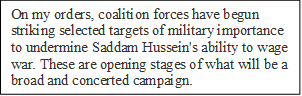
The passage below is from a speech by President George W. Bush, March 19, 2003.
Source: Office of the White House Press Secretary Archives
What constitutional power justifies the actions described in the passage?
30
commander-in-chief
chief legislator
negotiator-in-chief
chief regulator
20 questions
Q.
Which part of the U.S. Constitution outlines legislative power?
1
30 sec
SS.7.C.3.3
Q.
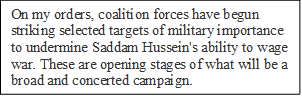
The passage below is from a speech by President George W. Bush, March 19, 2003.
Source: Office of the White House Press Secretary Archives
What constitutional power justifies the actions described in the passage?
2
30 sec
SS.7.C.3.8
Q.
Which list includes roles of the president?
3
30 sec
SS.7.C.3.3
Q.
Who must approve all appointments of federal judges?
4
30 sec
SS.7.C.3.8
Q.
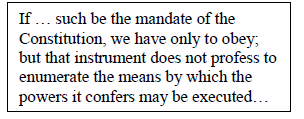
The following passage is from the Supreme Court case McCulloch v. Maryland. (1819). Which constitutional provision does this decision support?
5
30 sec
SS.7.C.3.8
Q.
Which action formally accuses a government official of “wrongdoing”?
6
30 sec
SS.7.C.3.8
Q.
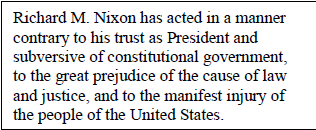
This statement is from a congressional document, July 27, 1974. How have similar statements influenced modern congressional actions?
7
30 sec
SS.7.C.3.8
Q.
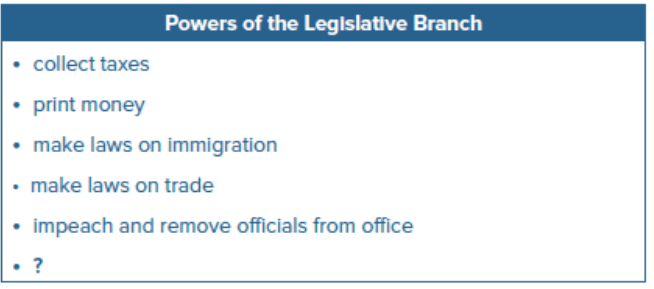
Which of the following powers can correctly be added to the table?
8
30 sec
SS.7.C.3.3
Q.
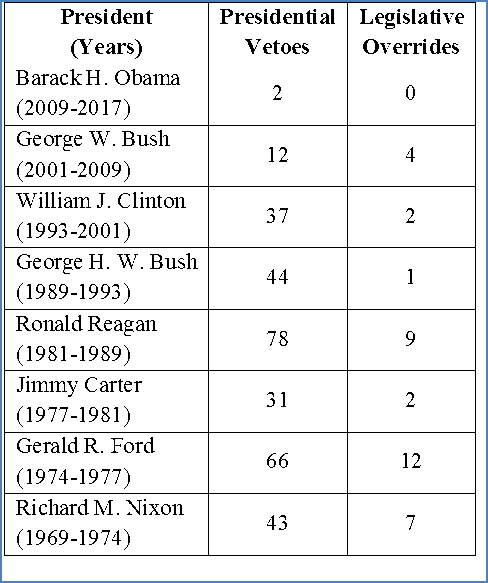
The table below describes presidential vetoes. Based on the table, how has the legislative process been impacted by presidential vetoes?
9
30 sec
SS.7.C.3.8
Q.
The following headline describes an event: "Cabinet nominee promises to support equal rights." Which action might occur due to this event?
10
30 sec
SS.7.C.3.8
Q.
Which branch of US federal government makes laws?
11
30 sec
SS.7.C.3.3
Q.
Which one of the following is one check the executive branch has on the legislative branch?
12
30 sec
SS.7.C.3.8
Q.
Which branch of government is outlined in Article II of the Constitution and contains the President, Vice President, and Cabinet?
13
30 sec
SS.7.C.3.3
Q.
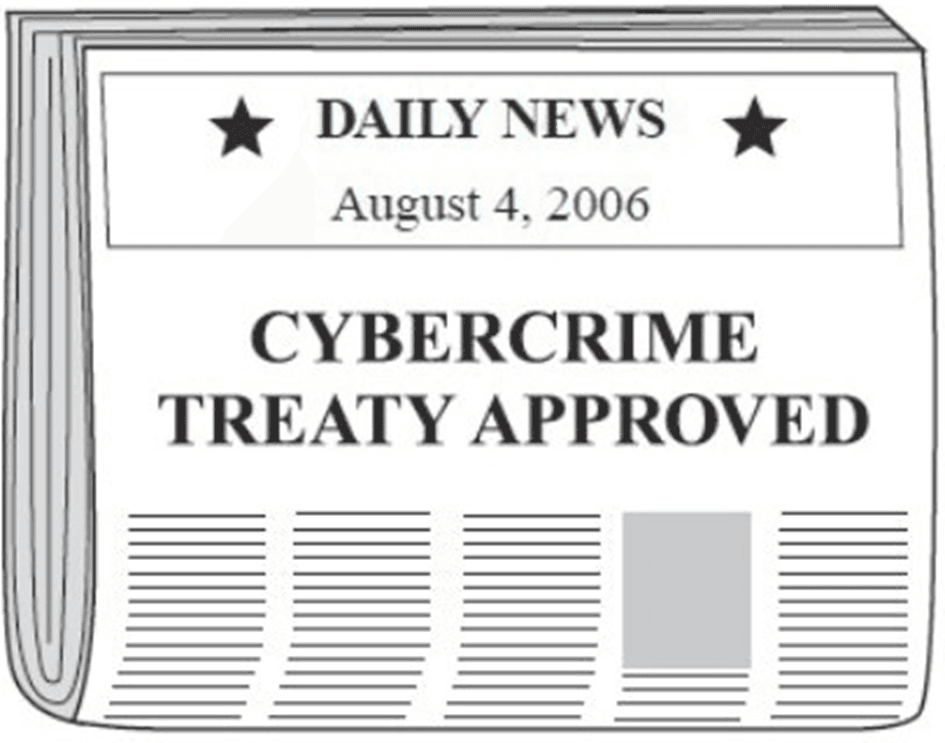
Which parts of the national government participated in the process described in the newspaper headline?
14
30 sec
SS.7.C.3.8
Q.
Under the system of checks and balances, how can Congress limit the power of the president?
15
30 sec
SS.7.C.3.8
Q.
Which statement provides evidence that Congress is fulfilling its responsibilities as the legislative branch of government?
16
30 sec
SS.7.C.3.8
Q.
Who plays the dominant role in shaping the foreign policy of the United States, according to the Constitution?
17
30 sec
SS.7.C.3.3
Q.
Which principle of government guards against tyranny by allowing each branch of government to limit the power of the other branches?
18
30 sec
SS.7.C.1.7
Q.
Which branch of government contains the highest court of the United States and interprets the laws?
19
30 sec
SS.7.C.3.3
Q.
Which event led to an agreement to have a bicameral legislature, with one house of Congress based on population and one house based on equal representation?