Loading...


5.2: Seasons Around the World
Quiz by Adam Wilkinson
Customize this quiz to suit your class
Instantly translate to 100+ languages
Tag the questions with any skills you have. Your dashboard will track each student's mastery of each skill.
Give this quiz to my class
I ____ won a prize on the radio.
wash
done
upon
once
water
Have you ____ all of your homework?
upon
water
once
wash
done
I ____ won a prize on the radio.
Have you ____ all of your homework?
Don't forget to bring your ____ bottle to PE class.
Dad loves to ____ the car every Sunday.
I put my head ____ the pillow when I sleep.
The birds are flying ____ in the sky.
The ____ from the sun comes through my window in the morning.
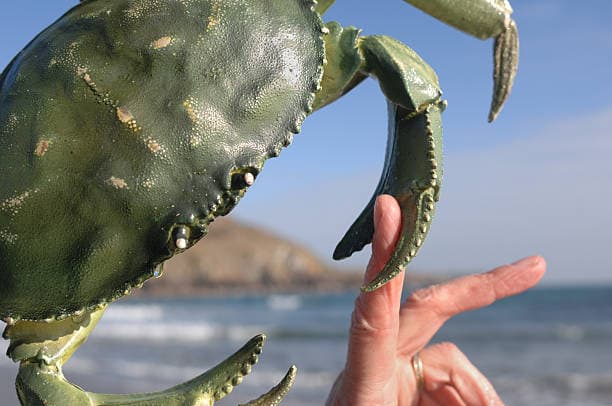
A crab once grabbed my grandad's finger at the beach, and it was a very funny _____.
At ____, the sun is shining on the other side of the world.
I _____ go to Japan next month, but maybe I won't.
The taxi raced to the airport because the man was going to miss his ____.
When my sister jumped out at me, it gave me a terrible _____.
The truck has very ____ lights so that it can see in the dark.
The weather in a desert is hot and ____.
In Winnie the Pooh, the ____ falls and Piglet floats away on a chair.

The colder the country, the higher the chance of ____ falling in Winter.
Plants use ____ to make energy. This is called photosynthesis.
Add these words to the correct group:
first
and
or
next
last
but
so
then
finally
yet
Which of these are elements of an informational text
Choose the correct conjuction for this sentence: Only choose one!
I wanted to go to the zoo, ___ it was raining all day.
Choose the correct conjuction for this sentence: Only choose one!
I passed my English test, ____ I passed my Chinese test.
Choose the correct conjuction for this sentence: Only choose one!
I was hungry, ___ I went to the kitchen to make a snack.
Match these transition words to the sentences.
In winter...
In spring...
In summer...
In fall...
I know the differences between the seasons. I could write sentences about them.
Antarctica is the coldest place on Earth.
We have seasons because the Earth in going around the sun backwards.
 Make a multiple choice quiz for my year 8 science students based on the science in this transcript from a video: 3°C 0:04 It can be the difference between snow and sleet 0:08 Wearing a jacket or not 0:11 In your day-to-day life, it may not seem significant 0:15 But 3°C of global warming would be catastrophic 0:20 Heatwaves, droughts, extreme precipitation, even fire 0:25 3°C of warming is really disastrous 0:28 The scary thing is, the world is well on its way there 0:32 Since the industrial revolution, the Earth has warmed between 1.1°C and 1.3°C 0:40 This is a problem that babies you pass in the street will have to live with 0:46 Children born today... 0:47 ...are up to seven times more likely to face extreme weather than their grandparents 0:52 If global temperatures do rise by 3°C... 0:55 ...what would their world look like? Climate change is already having devastating effects 1:03 Rising sea levels 1:05 Desertification 1:07 Hollywood has always enjoyed imagining the end of the world 1:11 While blockbusters like this are clearly fiction... 1:14 ...this film will show the scenario we all face... 1:17 ...unless more drastic measures are taken to stop burning fossil fuels 1:30 In some parts of the world the effects of inaction are already clear 1:35 The slums of Bangladesh’s capital are filling up with climate migrants 1:41 Minara comes from Bhola District, an area in southern Bangladesh 1:46 There, like many other parts of the country... 1:49 ...rivers swollen by heavier rain and melting Himalayan glaciers... 1:53 ...are washing away people’s homes 1:56 Many, like her, have lost everything 2:00 Our home in Bhola had endless amounts of land 2:03 There was lots of space for farming, we had a spacious house 2:08 There were different types of fruits, vegetation and trees growing at home 2:12 We used to eat the fruit from our own trees 2:18 I can’t eat them now because they don't exist anymore 2:21 Since the river flooded for the third time, I had to flee to Dhaka 2:26 Life was much better back home 2:29 It was unbearable to live through, truly intolerable 2:33 We didn’t have the time to save anything at all 2:38 1.1°C to 1.3°C of global warming has already transformed Minara’s life 2:45 It’s one of the reasons why so many migrants like her... 2:47 ...are moving to the city each year... 2:50 ...nearly 400,000 according to the last estimate 2:53 And climate models show there could be much worse to come How climate modelling works 3:02 Climate scientist Joeri Rogelj... 3:04 ...has spent the last ten years modelling future climate scenarios... 3:08 ...for the United Nations 3:10 The models we use to carry out this exercise... 3:13 ...really represent the state of the art... 3:15 ...of our current knowledge of climate change and where we are heading 3:19 Joeri’s projections use data collected by hundreds of scientists around the world 3:26 Here this is the 3°C level... 3:28 ...and so there is at least a one-in-four chance that under current policies... 3:32 ...we would hit 3°C by the end of the century 3:36 This is just one of the scenarios Joeri looks at 3:40 Another one imagines that all policy promises are kept 3:44 The most optimistic assumes that all promises have been kept... 3:47 ...and net-zero targets are met 3:50 Where our best estimate ends up around 2°C at the end of the century... 3:54 ...there is still a one-in-20 chance that we end up with 3°C instead 3:59 One would not be entering a plane if there is a one-in-20 chance... 4:03 ...that the plane will crash Nowhere is safe from global warming 4:07 A rise of 3°C would affect everyone 4:10 Even wealthy cities in rich countries wouldn’t be immune to the consequences 4:15 European capitals like Paris and Berlin... 4:18 ...would bake under more extreme heatwaves 4:22 Frequent storm-surges in New York could turn parts of the city desolate 4:27 In many ways, cities magnify, intensify climate events 4:33 Cities are hotter than the places around them... 4:36 ...they tend to be more vulnerable to flooding 4:39 And you can get a really bad event in a city in a way that you can’t in the countryside 4:46 And because of their denser populations... 4:49 ...disasters in a city affect far more people 4:52 Some cities might be badly prepared for the changes coming 4:56 But they have the means to adapt 4:59 Cities tend to be wealthier than surrounding places 5:03 They have a lot of amenities 5:05 A city that has taken seriously the risks of a 3°C world... 5:08 …wouldn’t necessarily be a worse place to be in a 3°C world 5:12 But a city that hasn’t prepared for these sort of eventualities... 5:16 ...that might be a really nasty place The impact of prolonged droughts 5:20 So far, many developed cities have got off lightly... 5:24 ...but some rural parts of the world are suffering disproportionately 5:29 Smallholders—small-scale farmers—are particularly vulnerable to climate change 5:35 And there are over 600 million around the world 5:38 Smallholders with farms under two hectares... 5:40 ...produce around a third of the global food supply 5:46 Central America’s “Dry Corridor”... 5:48 ...supports a mix of smallholdings and medium-sized farms 5:53 Sandwiched between the Pacific Ocean and the Caribbean Sea... 5:56 ...the area is prone to droughts 6:08 Israel Ramírez Rivera is a smallholder in Guatemala 6:12 Here, climate change is making the dry seasons longer, and more severe 6:18 This is the biggest ear of maize that this plot could deliver 6:23 He depends on his crops of corn and beans 6:26 But they’re getting harder to grow 6:30 The surrounding mountains... 6:32 ...used to provide us with native food... 6:38 ...and now that isn’t an option anymore... 6:41 ...due to climate change and its effects 6:46 Nearly two-thirds of the smallholders in the Dry Corridor now live in poverty 6:52 The impact of all of this for us... 6:59 ...malnutrition among children 7:03 We’ve lost a few 7:07 For my crops especially, the midsummer heat is harder than before 7:16 The plant dries up and can’t provide us... 7:19 ...with the necessary food provision 7:24 Severe droughts in Central America... 7:26 ...are now four times more likely than they were last century 7:30 Many families from here have gone to the States 7:37 The economic despair and debts... 7:44 ...have pushed many people from this community to do this journey 7:53 Migration from Guatemala to the United States has quadrupled since 1990 7:59 Not all of this has been due to climate change 8:02 But longer droughts would force even more to move 8:05 In a 3°C world, annual rainfall in this region... 8:09 ...could drop by up to 14% 8:12 At 3°C, over a quarter of the world’s population... 8:16 ...could endure extreme droughts for at least a month of the year 8:19 Northern Africa could see droughts that last for years at a time Rising sea levels, storm surges and flooding 8:24 But for some, too much water will be the problem 8:29 10% of the world’s population lives on a coastline... 8:32 ...that’s less than 10 metres above sea level 8:35 For these coastal inhabitants, a 3°C world would spell disaster 8:40 By 2100, global sea levels could have climbed by half a metre from 2005 levels 8:46 Low-lying cities like Lagos would be especially vulnerable... 8:49 ...with up to up to a third of the population displaced 8:54 And in Fiji, rising waters are already upending lives 9:04 You can see the graveyard there, it’s all under water now... 9:08 ...due to this rising sea level and climate change 9:15 The village of Togoru in Fiji is being swallowed by the sea 9:19 Barney Dunn, the village headman, has seen over half the village disappear 9:24 Relatives’ houses have been abandoned, and family graves are now under water 9:29 We have been asked by the government to relocate... 9:32 ...but no one wants to relocate... 9:34 ...because we have our great-great-grandparents down there in the sea 9:39 This is the place we’ve been brought up in 9:41 ...it’s not easy to leave 9:44 Past attempts to build a seawall haven’t worked 9:48 But Barney sees building a new one as the village’s only hope 9:52 If they do that, maybe we can save whatever is left 9:56 But if we don’t have the seawall, then it will be keep eroding and time will come... 10:01 ...maybe in ten,15 years, Togoru will be all eroded 10:05 Rising seas also mean storms cause more floods 10:11 And many more countries could suffer 10:14 The Philippines and Myanmar are just two countries... 10:17 ...that will also see an increase in storm surges in a 3°C world 10:21 To escape, many will move… 10:24 …often, to urban areas Extreme heat and wet-bulb temperatures 10:27 Half the world’s population already lives in cities... 10:31 ...almost a third in slums 10:36 For them, a 3°C world could be deadly 10:40 Minara has moved to Dhaka to escape the impact of climate change 10:44 But life could get even worse for her 10:47 I’m struggling a lot nowadays 10:49 The heat during the day is unbearable 10:52 Even late at night it doesn’t cool down 10:57 The heat is getting more intense every day 10:59 I mean, it’s going to get much worse 11:03 I can barely survive it now, how will I live through it in the future? 11:08 Dhaka is getting hotter 11:11 In the last 20 years the average daytime temperature... 11:13 ...has crept up by nearly half a degree 11:17 Days that approach 40°C are now being reported 11:20 And high so-called wet-bulb temperatures are on the rise 11:26 A wet-bulb temperature is a measure of heat and humidity 11:30 Humans cool themselves by sweating… 11:32 But in these conditions, when relative humidity is near 100%... 11:36 ...sweat doesn’t evaporate well 11:38 So people can’t cool down… 11:41 ...even if given unlimited shade and water 11:45 At a high wet-bulb temperature, the body can’t lose heat... 11:49 ...and so it gets hotter and hotter... 11:51 ...and the body is designed to work at a given temperature 11:53 And if it gets too hot inside, you will die 11:58 The human limit for wet-bulb temperatures is 35°C... 12:02 ...around skin temperature 12:04 Dhaka will have a much higher chance... 12:05 ...of reaching dangerous wet-bulb temperatures... 12:07 ...if global warming reaches 3°C 12:12 You can’t really adapt to that 12:14 You have to get out. If the temperature is so high that you can’t work... 12:20 ...can’t do hard manual labour outside for significant parts of the year... 12:25 ...then many places will become functionally no longer part of the economy 12:33 Jacobabad in Pakistan, and Ras al Khaimah, in the United Arab Emirates... 12:37 ...have already recorded deadly wet-bulb temperatures 12:40 More of the tropics and the Persian Gulf... 12:43 ...as well as parts of Mexico and the south-eastern United States... 12:47 ...could all get to this threshold by the end of the century 12:50 Climate modelling might show us the weather Increased migration and conflict 12:52 But it doesn’t show us its other effects on society 12:56 Established migration patterns could change 12:59 Climate disasters may exacerbate reasons people cross borders 13:03 Within countries, more people will move to cities 13:07 In a 3°C world, tens of millions of people a year... 13:10 ...could be displaced by disasters made worse by climate change 13:15 When people are displaced by climate... 13:18 …they may well go to cities... 13:19 ...because cities are the places that attract people from the countryside already 13:25 A lot of people who can get to the developed world... 13:28 ...not least because the developed world tends to be less hot, will give that a go 13:35 As migration around the world increases... 13:38 ...there could be more competition for fewer resources 13:42 Water—already a highly contested resource—will be a focal point 13:47 Turkey’s new Ilisu dam has reduced the flow of water into Iraq 13:53 China lays claim to rivers vital to India and Pakistan 13:57 The prospect of a water-conflict makes people very uneasy 14:03 How national tensions would exacerbate those sorts of reactions... 14:08 ...in a 3°C world... 14:09 ...is the sort of thing that no one should really want to find out 14:14 I think you’d have to be incredibly sanguine... 14:16 ...not to think that the sort of climate extremes that we talk about... 14:19 ...in a 3°C world wouldn’t lead some places... 14:22 ...to the brink of societal collapse 14:25 Those lucky enough to escape unrest... Adaptation and mitigation are crucial 14:28 ...would still have to adapt to a radically different world 14:32 People can adapt to climate change in all sorts of ways, one of the most obvious ones... 14:37 ...is air conditioning 14:39 But other ways to adapt at a local or regional level... 14:42 ...I mean, one of the most obvious is diversifying agriculture 14:47 There are physical things you can do, like seawalls 14:52 The fact that people can adapt and that adaptation will reduce suffering... 14:57 ...doesn’t mean that it will eliminate suffering 15:00 Suffering is built into this whole process of heating up the planet 15:06 Adaptation will only get the world so far 15:09 The best way to deal with a 3°C world... 15:12 ...is not to go to a 3°C world 15:14 And that’s why increasing efforts on mitigation are important 15:17 It’s why working towards negative emissions... 15:20 ...that could bring down the temperature after it peaks are important 15:25 Once you get to a 3°C world, you are in real bad global trouble 15:33 The scale of change needed... 15:35 ...and the slow progress of governments so far... 15:38 ...means 3°C of warming is uncomfortably likely unless more is done 15:44 Despite existing pledges, greenhouse-gas emissions... 15:48 ...are still set to rise by 16% from 2010 levels by 2030 15:54 The need to act has never been clearer 15:57 There’s still time to reduce emissions, so that a 3°C world remains fiction... 16:02 ...rather than becoming fact• Agriculture is growing of crops and keeping of animals. • People who practice agriculture are called farmers. • Agriculture is very important to the family. Benefits to the family • It provides food. • It provides money. • Agriculture gives us medicine. • It provides jobs. • Agriculture gives us transport and power. • It helps most families become self sufficient. • Farm tools are instruments used on farms to make work easier. • They are usually handheld and are used frequently when practicing agricultural activities. • Farm tools are light in weight, easy to handle and are suited to the strength of the farmer Name of tool Picture Use Watering can For fine watering of seed beds bucket Carrying manure, fertilizer,seed and ripe crops Name of tool Picture Use Sickle Cutting grass and harvesting of cereals like rice and wheat Slasher Cutting down tall grass and weeds USES OF FARM TOOLS Name of tool Picture Use Garden trowel Transplanting seedlings and making planting holes Hand fork Shallow cultivation of soil Aerating the soil USES OF FARM TOOLS Name of tool Picture Use Shovel Loading and offloading soil or manure into a wheelbarrow, scotch cart or truck Spade Digging and turning over of moist soil USES OF FARM TOOLS Name of tool Picture Use Garden fork Loosening and turn soil Garden line Marking straight ridges and garden beds USES OF FARM TOOLS Name of tool Picture Use wheelbarrow Moving items around the farm Items such as soil, mulch, animal feed. Etc Knapsack sprayer Spraying pesticides and herbicides Spraying fertilizers on crops. • An inventory is a record of the things that you have. • This is a list of tools issued out and tools received back and from whom Inventory of farm tools Inventory record sheets Created by Date Name of tool Sheet Tool numbenumber Description r Location Quantity Spade 1/15 Black,wooden handle Store room 2 SAFETY IN AGRICULTURE • Agricultural activities can be dangerous. • Hazards involved results in injury, disability and death of people and animals. • The hazards are usually caused by physical injury and chemical poisoning. Common hazards in Agriculture 1. physical injury These include: • Injury caused by accidents during use of farm tools, equipment and machinery. • Misuse and improper storage of farm tools and equipment. • Being kicked by animals. • Drowning in farm pond, pool or dam. Common hazards in Agriculture 2 . Chemical poisoning These include: • Spraying without protective clothing. • Eating or smoking when spraying chemicals. • Dumping toxic chemical left overs on land and in water. • Eating agriculture produces without prior permission from adults. • Pesticides, herbicides and fertilizers pollute water sources and kill animals. Chemical poisoning Ways of preventing common agricultural hazards 1. Wear protective clothing such as gloves, gumboots, respirator, hat and overalls. 2. Do not eat, drink or smoke when spraying. 3. Dispose off all chemical remains safely. 4. Bury or burn empty chemical containers and chemical left overs. 5. Wash thoroughly with running water and soap after using chemicals. 6. Do not spray during windy days. 7. Handle tools the right way. 8. Fence farm ponds and dams. Ways of preventing common agricultural hazards Climate and Landuse Seasons of Zimbabwe Seasons of Zimbabwe Definition of terms • A season is a time of the year with almost the same weather patterns. • Weather is the state of the atmosphere at a particular time at a particular place. • it is the daily condition of air around us. • Seasons are determined by rainfall and temperature. Seasons of Zimbabwe • There are four seasons in Zimbabwe , which are: 1.The rain season 2.Post rain season 3.Cool dry season 4.Hot dry season Seasons of Zimbabwe 1.The rain season ( summer) • It is also called the hot- wet season. • The season begins in mid November to mid March. • The period is rainy and hot. • Dams and rivers fill up. Seasons of Zimbabwe 2 . The post rain season ( autumn ) • It starts mid March – May • The days are bright and sunny. • The leaves change from green to red, orange, yellow or brown before falling. • In addition, there is less sunlight because the days are shorter. • It is the harvesting period of most crops. Seasons of Zimbabwe 3. The cold dry season ( winter ) • It begins mid May – mid August • The mornings, evenings and nights are very cold. • Has short days and long nights. Seasons of Zimbabwe 4 . The hot season (spring ) • It begins mid August – mid November. • The days are very hot with cool nights. • A season for trees to develop new shoots. Summer Activities Agricultural activities done during the rain season includes: • Ploughing and planting of summer crops for example maize, cotton. • Weeding • Pest and disease control • Applying fertilizers. • Weekly dipping of animals because ticks, lice and mites would be many. • Harvesting of summer crops • Preparing fireguards. A fireguard is a fire break. • Beginning of the planting of wheat, barley and oats. Winter Activities • Planting of winter crops such as wheat, barley and oats. • Harvesting and selling of summer crops continues. • Constructing frost barriers for frost sensitive crops such as tomatoes. • Vaccinating animals against blackleg. • Supplementary feeding of grazing animals. • Dosing of animals to kill internal parasites. Spring Activities • Shelling and threshing of grain crops. • Dry planting of summer crops. • Carrying manure to fields. • Ploughing and harrowing. • Making planting holes Soil Components •Soil is made up of 4 components: 1)Mineral matter 2)Organic matter 3)Soil water 4)Soil air ENGLISH GROUP PROJECT: THE GLOBAL VENTURE (Thailand) Comprehensive Presentation Script & Role Outline (5-Person Distribution) 1. Strategic Role & Workload Distribution Matrix Role / Name Core Domain / Responsibility Presentation Delivery Scope Member 1Member 1 Tan Finance & Housing (Rent, cost of living, deposits, urban/rural margins)Finance & Housing (Rent, cost of living, deposits, urban/rural margins) Slide 3: Finance Lead, Slide 8: Data VisualizerSlide 3: Finance Lead, Slide 8: Data Visualizer Member 2Member 2 Huy Work Culture & Professional Etiquette (Hierarchy, industry growth, networking)Work Culture & Professional Etiquette (Hierarchy, industry growth, networking) Slide 3: Culture Lead, Slide 9: Adaptation ExpertSlide 3: Culture Lead, Slide 9: Adaptation Expert Member 3Member 3 Minh Legal, Immigration & Visa Pathways (Non-Immigrant B visas, extensions, 90-day rules)Legal, Immigration & Visa Pathways (Non-Immigrant B visas, extensions, 90-day rules) Slide 3: Legal Anchor, Slide 4: Legal FrameworkSlide 3: Legal Anchor, Slide 4: Legal Framework Member 4Member 4 THanh Healthcare Ecosystem & Public Safety (Insurance, emergency networks, local hazards)Healthcare Ecosystem & Public Safety (Insurance, emergency networks, local hazards) Slide 3: Safety Anchor, Slide 10: Matrix PresenterSlide 3: Safety Anchor, Slide 10: Matrix Presenter Member 5Member 5 Sơn(project manager),Kiên Logistics, Climate & Project Manager (Transit, weather, group synthesis)Logistics, Climate & Project Manager (Transit, weather, group synthesis) Slide 1-2: Opener, Slide 6: Email Lead, Slide 11-12: CloserSlide 1-2: Opener, Slide 6: Email Lead, Slide 11-12: Closer 3. Complete Presentation Script (Slide-by-Slide) Execution Note: During delivery, presenters should display the corresponding slide from the HTML presentation tool. Speak clearly, maintaining eye contact with the grading panel. 12-Slide Presentation Guide: Secondments in Thailand Slide 1: Title Slide Purpose: Introduce the topic clearly. Content guide: Include the presentation title, group members’ names, course/module name, and date. Speaker guide: Briefly say that the presentation explains what employees and companies should consider before sending someone on secondment to Thailand. Slide 2: Agenda / Overview Welcome everyone. Our presentation is about secondments in Thailand. We will cover the main areas that a company and employee should prepare for before relocation. These include finance and housing, work culture, legal and visa requirements, healthcare and safety, and daily logistics such as transport and climate. By the end of the presentation, we hope to show that a successful secondment depends not only on the job itself, but also on good planning before and after arrival in Thailand. Slide 3: What Is a Secondment? A secondment is a temporary work assignment where an employee is transferred to another country, branch, client site, or partner organization while usually remaining connected to the original employer. Secondments require coordination between the employee, home employer, host organization, and local authorities. Slide 4: Finance & Housing — Cost of Living Finance and housing are one of the first things a secondee should plan before moving to Thailand. The cost of living can vary a lot depending on whether the employee is based in Bangkok, another major city, or a regional area. Urban areas usually have higher rent, but they also offer better access to transport, hospitals, offices, and international services. In smaller cities or rural areas, rent may be lower, but transport and convenience can become bigger concerns. So, the key point is that secondees should not only compare prices, but also consider location, commute, and what support the employer provides. Slide 6: Work Culture — Hierarchy & Etiquette Purpose: Help secondees understand workplace expectations. Content guide: Cover respect for seniority, polite communication, indirect feedback, saving face, punctuality, proper greetings, and professional dress. Speaker guide: Explain that foreign employees should avoid being too blunt in meetings and should observe how local colleagues communicate with managers or senior staff. Suggested visual: “Do and Don’t” etiquette list. Slide 7: Work Culture — Industry Growth & Networking Purpose: Connect secondments to career and business opportunities. Content guide: Mention sectors where Thailand often attracts foreign professionals, such as manufacturing, tourism, logistics, finance, technology, and regional business operations. Discuss relationship-building and networking. Speaker guide: Emphasize that trust and long-term relationships are important in Thai professional settings. Networking can happen through industry events, chambers of commerce, company introductions, and informal business meals. Suggested visual: Thailand industry opportunity map or sector icons. Slide 8: Legal & Immigration — Visa Pathways Purpose: Explain the main legal entry pathway for work-related secondments. Content guide: Introduce the Non-Immigrant B visa as a common work/business visa category. Mention that supporting documents may include passport, application forms, employment or company letters, and other evidence requested by Thai authorities. Speaker guide: Make clear that a visa alone may not be enough to legally work; seconded employees normally need the correct visa and work authorization. The exact process depends on the employer, role, nationality, and assignment structure. Suggested visual: Simple flowchart: Home employer → Host company → Visa application → Arrival → Work permit/compliance. Slide 9: Legal & Immigration — Compliance Rules Purpose: Explain ongoing responsibilities after arrival. Content guide: Cover visa extensions, work permit validity, re-entry permits, address reporting, and 90-day reporting for eligible long-stay foreigners. Speaker guide: Stress that compliance is not a one-time task. Employees and HR teams should track deadlines carefully because missing reporting or renewal dates can cause fines, delays, or legal issues. Suggested visual: Compliance checklist or timeline. Slide 10: Healthcare & Public Safety Purpose: Explain how secondees should prepare for health and safety risks. Content guide: Cover international health insurance, access to private hospitals, emergency numbers, vaccinations or health checks if required, and common local hazards such as road safety, flooding, heat, food hygiene, and mosquito-borne illnesses. Speaker guide: Explain that Thailand has strong healthcare options in major cities, but employees should confirm insurance coverage before arrival. They should also know what to do in an emergency and save important contact numbers. Suggested visual: Emergency preparation checklist. Slide 11: Logistics & Climate Purpose: Explain practical relocation and daily-life planning. Content guide: Cover public transit, taxis, ride-hailing, domestic travel, airport access, SIM cards, banking, weather, rainy season, heat, and packing needs. Speaker guide: Mention that weather affects commuting, clothing, housing choice, and travel planning. Employees should plan around heat, rain, and possible flooding, especially during the rainy season. Suggested visual: Seasonal calendar showing hot, rainy, and cool periods. Slide 12: Project Manager / Group Synthesis Purpose: Bring the presentation together and end with key recommendations. Content guide: Summarize the main risks and preparation steps: budget early, secure compliant visa/work permit arrangements, understand workplace culture, arrange insurance, and prepare for climate/logistics. Speaker guide: Conclude by saying that a successful secondment in Thailand depends on both professional readiness and personal relocation planning. End with 3–5 recommendations for companies and employees. Suggested visual: Final checklist: “Before departure,” “Upon arrival,” and “During secondment.” A simple way to divide the work is: Member 1: Slides 1–3 introduction. Member 2: Slides 4–5 finance and housing. Member 3: Slides 6–7 work culture. Member 4: Slides 8–9 legal and immigration. Member 5: Slides 10–12 healthcare, logistics, and conclusion. P.2 Semester 2 Chapter 5 - SeasonsESTC2_Lesson 4_Weather_天气, ESTC2_Lesson 6_Sickness_生病, ESTC 2_Lesson 5_Seasons_季节How to use prepositions of place in Vietnamese| Learn Southern Vietnamese With SVFF - YouTube https://www.youtube.com/watch?v=88FwjYFW8Pc Transcript: (00:02) tiếng Việt giọng miền nam cho người nước ngoài chào mọi người Mình là Thu Trang Today We will learn about Seasons of place [âm nhạc] Chị ơi cho em hỏi em hỏi gì quay bán đồng hồ ở đâu vậy chị khu mua sắm này to quá quầy bán đồng hồ quầy bán đồng hồ ở đối diện quầy bán quần áo ở giữa mấy cái quầy bán nữ trang bên phải là quầy bán bánh ngon lắm nha ở đằng sau á có quầy bán cà phê đã hàng giảm giá mua 2 tặng 1 đó còn ở bên trái thì (01:07) từ đây tới đó xa không chị không xa lắm đâu Chỉ Khoảng vài ba bước chân thôi à Trời đất nhưng em mới hỏi một người này người đó nói đi vòng vòng xe lắc Không vứt phải đâu em đi thẳng đường này á là tới liền cảm ơn chị nhiều nha Không có gì kia 1 bên trái nhà hàng ở bên trái bưu điện số 2 bên phải ngân hàng ở bên phải công viên số 3 ở trước infant (02:10) tiệm cà phê ở trước khách sạn số 4 ở sau bãi đậu xe ở sau công viên số 5 đối diện opec trường học ở đối diện nhà sách số 6 ở bên trong nhà hàng Nhật ở bên trong khu mua sắm số 7 ở bên ngoài có rất nhiều xe hơi đậu ở bên ngoài quán trà sữa số 8 ở giữa mệnh vị ở giữa quán cà phê và bưu điện số 9 kế bên ngân hàng ở kế bên rạp chiếu phim số 10 main (03:20) được oflox the street siêu thị ở bên kia đường [âm nhạc] Where is the Places [âm nhạc] [âm nhạc] Chào bạn [âm nhạc] tao sẽ giật mình (04:43) [âm nhạc] 1 .Sand soil • Has course/ large particles • they are larger than those of clay • Loses water quickly • Has less organic matter • Has good aeration • Allows good root penetration • Leaching of nutrients is more in sand soil. • Does not stick when wet 2. Clay soil • Has very fine particles which are closely packed • The soil is sticky when wet and can be moulded into any shape • It holds more water than sand and loam • It has poor drainage • It cracks when dry • It has poor aeration • It does not allow good root penetration 2 .Loam soil • Is a mixture of sand and clay particles • It half clay half sand • It can be easily moulded into a shape but easily crumbles • Holds water for a longer time than sand • It sticks on the hands when wet • It has good drainage • It has good aeration • It allows good root penetration • Loam is the best soil Soil Fertility • When soil has enough plant nutrients it is fertile • Soil fertility is the presence of nutrients in the soil • A farmer can add nutrients to the soil to make it fertile • This is done by applying fertilizers and compost. • A fertiliser is a substance that is added to the soil to increase fertility • Nutrients found in the soil include Nitrogen, Phosphorus and Potassium ( NPK ) • They are called major nutrients or macro nutrients because they are needed in large quantities Minor nutrients • Minor nutrients are needed in smaller quantities • Minor nutrients are also called micro nutrients or trace elements • Examples of minor nutrients are boron, iron, zinc, manganese, magnesium and molybdenum Soil erosion • Is the washing away of top soil by agents such as Water Wind Animals Humans 1. Water: • Water washes away soil when it rains. • Loose soil is washed away into dams and rivers. • Steep slopes also lead to soil erosion. • Ploughing 2 . Wind • The blowing away of soil by wind causes soil erosion. • When people cut down trees wind erosion easily takes place. • Type of soil also leads to wind erosion. Which soil type is easily eroded by wind? 3 . Animals • Animal cause soil erosion by overgrazing. • Overgrazing is when animals eat plant or vegetation leaving the ground surface bare. • Animals walking on the same pathway for a long time make the soil loose. • Animals that live underground also burrow loosening the soil. • This makes soil break easily and get washed away. WATER WATER CONSERVATION Water • Water is important in agriculture • It is used to: Clean farm tools Mould bricks Wash milking equipment Cool machines Provide homes(habitat) for fish Give animals drinking and bathing water Sources of Water Natural sources 1. Natural rains: • rain water from the clouds is a primary source of water. • It is used to water crops such as maize, millet, sorghum and so on during the rainy season. • Rain water that collects into the rivers and dams is used by animals and people for drinking. 2 . Rivers : • Rivers are some of the major sources of water for different activities such as fishing, boat cruising and irrigation. 3 . Streams : • A stream is a small river. • Streams supply water for irrigating garden crops especially in rural areas. • They are also a source of water for animals to drink and bath. Sources of Water 4 . Springs : • Springs are usually found on hilly areas. • They result from pressure of underground streams. • The pressure forces water underground to form a channel to the surface of the soil and flow above the ground. Sources of Water Man made sources Man discovered that water for agriculture was not enough during the rain and cool dry seasons. They decided to make structures which would harvest or collect and store water for future use. 1.Protected well: • Wells are dug in the ground by hand. • They are often lined with bricks and concrete so that they do not cave in. • Protected wells are covered, therefore are safe to drink from. 2 . borehole : • They are deep holes made by drilling machines. • Drilling can be done up to 70 metres deep. • Water is pumped using an electric pump or hand pump. Sources of Water 3 . Dams : • A dam is a large wall or barrier built to hold water to save it for future use. 4 . Weir : • A weir is made by construction a cement brick wall or concrete wall across a river to trap water and eroded soil. • water flows over the wall when the river is inflood. 5 .Water tank : • Is a temporary manmade water source. • Water from a water tank is usually harvested from roof tops or it works along a borehole or protected well as temporary storage. • Water is pumped from the borehole or protected well into the water tank. 6 . reservoir : • A large natural or manmade lake used as a source of water. PLANTS Uses of plants • Fibre for making clothes • Oil for cooking, making paint and chemicals • Sugar for tea • Wood for timber • Refreshing drinks and alcohol • Food for people and animals • Protect the soil from erosion • Plants supply us with fresh oxygen for breathing. • Some plant parts are used as medicine.MEANING OF CLOTHES Clothes are things worn to cover our body. Examples of clothes are: Pant, singlet, petticoat, shirt, blouse, gown, trousers, knickers, waist – coat etc. Clothes can be made through processes like sewing, knitting and crocheting. Sewing, knitting and crocheting can be done using simple tools like needle, scissors, measurement tape and sewing machine. THE FOLLOWING ARE THE REASONS FOR WEARING CLOTHES: 1. To cover our nakedness. 2. To prevent us from cold. 3. To protect us from harsh weather. Example harmattan season. 4. To look beautiful and attractive. 5. To look decent. 6. For easy identification. 7. To keep us warm.