Loading...


5-3 Becoming a World Power
Quiz by Deborah Bennett
Customize this quiz to suit your class
Instantly translate to 100+ languages
Tag the questions with any skills you have. Your dashboard will track each student's mastery of each skill.
Give this quiz to my class
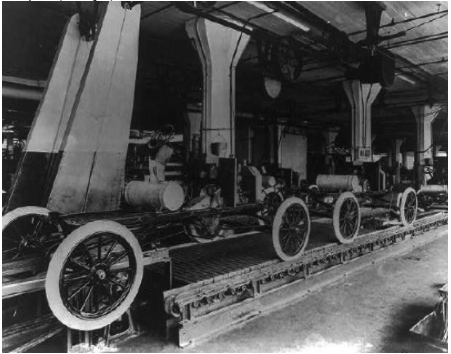
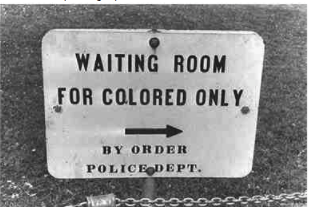
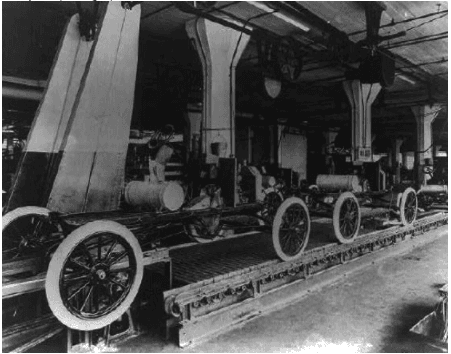
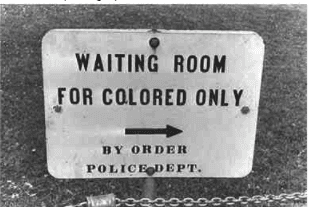
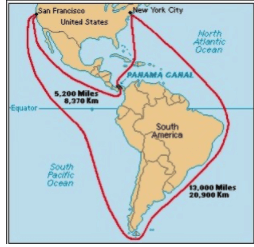 She went by the name of Belisa Crepusculario, not because she had been baptized with that name or given it by her mother, but because she herself had searched until she found the poetry of "beauty" and "twilight" and cloaked herself in it. She made her living selling words. She journeyed through the country from the high cold mountains to the burning coasts, stopping at fairs and in markets where she set up four poles covered by a canvas awning under which she took refuge from the sun and rain to minister to her customers. She did not have to peddle her merchandise because from having wandered far and near, everyone knew who she was. Some people waited for her from one year to the next, and when she appeared in the village with her bundle beneath her arm, they would form a line in front of her stall. Her prices were fair. For five centavos she delivered verses from memory, for seven she improved the quality of dreams, for nine she wrote love letters, for twelve she invented insults for irreconcilable enemies. She also sold stories, not fantasies but long, true stories she recited at one telling, never skipping a word. This is how she carried news from one town to another. People paid her to add a line or two: our son was born, so-and-so died, our children got married, the crops burned in the field. Wherever she went a small crowd gathered around to listen as she began to speak, and that was how they learned about each others' doings, about distant relatives, about what was going on in the civil war. To anyone who paid her fifty centavos in trade, she gave the gift of a secret word to drive away melancholy. It was not the same word for everyone, naturally, because that would have been collective dece it. Each person received his or her own word, with the assurance that no one else would use it that way in this universe or the Beyond. Belisa Crepusculario had been born into a family so poor they did not even have names to give their children. She came into the world and grew up in an inhospitable land where some years the rains became avalanches of water that bore everything away before them and others when not a drop fell from the sky and the sun swelled to fill the horizon and the world became a desert. Until she was twelve, Belisa had no occupation or virtue other than having withstood hunger and the exhaustion of centuries. During one interminable drought, it fell to her to bury four younger brothers and sisters, when she realized that her turn was next, she decided to set out across the 2 plains in the direction of the sea, in hopes that she might trick death along the way. The land was eroded, split with deep cracks, strewn with rocks, fossils of trees and thorny bushes, and skeletons of animals bleached by the sun. From time to time she ran into families who, like her, were heading south, following the mirage of water. Some had begun the march carrying their belongings on their back or in small carts, but they could barely move their own bones, and after a while they had to abandon their possessions. They dragged themselves along painfully, their skin turned to lizard hide and their eyes burned by the reverberating glare. Belisa greeted them with a wave as she passed, but she did not stop, because she had no strength to waste in acts of compassion. Many people fell by the wayside, but she was so stubborn that she survived to cross through that hell and at long last reach the first trickles of water, fine, almost invisible threads that fed spindly vegetation and farther down widened into small streams and marshes. Belisa Crepusculario saved her life and in the process accidentally discovered writing. In a village near the coast, the wind blew a page of newspaper at her feet. She picked up the brittle yellow paper and stood a long while looking at it, unable to determine its purpose, until curiosity overcame her shyness. She walked over to a man who was washing his horse in the muddy pool where she had quenched her thirst. "What is this?" she asked. "The sports page of the newspaper," the man replied, concealing his surprise at her ignorance. The answer astounded the girl, but she did not want to seem rude, so she merely inquired about the significance of the fly tracks scattered across the page. "Those are words, child. Here it says that Fulgencio Barba knocked out El Negro Tiznao in the third round." That was the day Belisa Crepusculario found out that words make their way in the world without a master, and that anyone with a little cleverness can appropriate them and do business with them. She made a quick assessment of her situation and concluded that aside from becoming a prostitute or working as a servant in the kitchens of the rich there were few occupations she was qualified for. It seemed to her that selling words would be an honorable alternative. From that moment on, she worked at that profession, and was never tempted by any other. At the beginning, she offered her merchandise unaware that words could be written outside of newspapers. When she learned otherwise, she calculated the infinite possibilities of her trade and with her savings paid a priest twenty pesos to teach her to read and write, with her three 3 remaining coins she bought a dictionary. She poured over it from A to Z and then threw it into the sea, because it was not her intention to defraud her customers with packaged words. One August morning several years later, Belisa Crepusculario was sitting in her tent in the middle of a plaza, surrounded by the uproar of market day, selling legal arguments to an old man who had been trying for sixteen years to get his pension. Suddenly she heard yelling and thudding hoofbeats. She looked up from her writing and saw, first, a cloud of dust, and then a band of horsemen come galloping into the plaza. They were the Colonel's men, sent under orders of El Mulato, a giant known throughout the land for the speed of his knife and his loyalty to his chief. Both the Colonel and El Mulato had spent their lives fighting in the civil war, and their names were ineradicably linked to devastation and calamity. The rebels swept into town like a stampeding herd, wrapped in noise, bathed in sweat, and leaving a hurricane of fear in their trail. Chickens took wing, dogs ran for their lives, women and children scurried out of sight, until the only living soul left in the market was Belisa Crepusculario. She had never seen El Mulato and was surprised to see him walking toward her. "I'm looking for you," he shouted, pointing his coiled whip at her, even before the words were out, two men rushed her -- knocking over her canopy and shattering her inkwell -- bound her hand and foot, and threw her like a sea bag across the rump of El Mulato's mount. Then they thundered off toward the hills. Hours later, just as Belisa Crepusculario was near death, her heart ground to sand by the pounding of the horse, they stopped, and four strong hands set her down. She tried to stand on her feet and hold her head high, but her strength failed her and she slumped to the ground, sinking into a confused dream. She awakened several hours later to the murmur of night in the camp, but before she had time to sort out the sounds, she opened her eyes and found herself staring into the impatient glare of El Mulato, kneeling beside her. "Well, woman, at last you've come to," he said. To speed her to her senses, he tipped his canteen and offered her a sip of liquor laced with gunpowder. She demanded to know the reason for such rough treatment, and El Mulato explained that the Colonel needed her services. He allowed her to splash water on her face, and then led her to the far end of the camp where the most feared man in all the land was lazing in a hammock strung between two trees. She could not see his face, because he lay in the deceptive shadow of the leaves and the indelible shadow of all his years as a bandit, but she imagined from the way his 4 gigantic aide addressed him with such humility that he must have a very menacing expression. She was surprised by the Colonel's voice, as soft and well-modulated as a professor's. "Are you the woman who sells words?" he asked. "At your service," she stammered, peering into the dark and trying to see him better. The Colonel stood up, and turned straight toward her. She saw dark skin and the eyes of a ferocious puma, and she knew immediately that she was standing before the loneliest man in the world. "I want to be President," he announced. The Colonel was weary of riding across that godforsaken land, waging useless wars and suffering defeats that no subterfuge could transform into victories. For years he had been sleeping in the open air, bitten by mosquitoes, eating iguanas and snake soup, but those minor inconveniences were not why he wanted to change his destiny. What truly troubled him was the terror he saw in people's eyes. He longed to ride into a town beneath a triumphal arch with bright flags and flowers everywhere, he wanted to be cheered, and be given newly laid eggs and freshly baked bread. Men fled at the sight of him, children trembled, and women miscarried from fright, he had had enough, and so he had decided to become President. El Mulato had suggested that they ride to the capital, gallop up to the Palace, and take over the government, the way they had taken so many other things without anyone's permission. The Colonel, however, did not want to be just another tyrant, there had been enough of those before him and, besides, if he did that, he would never win people's hearts. It was his aspiration to win the popular vote in the December elections. "To do that, I have to talk like a candidate. Can you sell me the words for a speech?" the Colonel asked Belisa Crepusculario. She had accepted many assignments, but none like this. She did not dare refuse, fearing that El Mulato would shoot her between the eyes, or worse still, that the Colonel would burst into tears. There was more to it than that, however, she felt the urge to help him because she felt a throbbing warmth beneath her skin, a powerful desire to touch that man, to fondle him, to clasp him in her arms. All night and a good part of the following day, Belisa Crepusculario searched her repertory for words adequate for a presidential speech, closely watched by El Mulato, who could not take his eyes from her firm wanderer's legs and virginal breasts. She discarded harsh, cold words, words 5 that were too flowery, words worn from abuse, words that offered improbable promises, untruthful and confusing words, until all she had left were words sure to touch the minds of men and women's intuition. Calling upon the knowledge she had purchased from the priest for twenty pesos, she wrote the speech on a sheet of paper and then signaled El Mulato to untie the rope that bound her ankles to a tree. He led her once more to the Colonel, and again she felt the throbbing anxiety that had seized her when she first saw him. She handed him the paper and waited while he looked at it, holding it gingerly between thumbs and fingertips. "What the shit does this say," he asked finally. "Don't you know how to read?" "War's what I know," he replied. She read the speech aloud. She read it three times, so her client could engrave it on his memory. When she finished, she saw the emotion in the faces of the soldiers who had gathered round to listen, and saw that the Colonel's eyes glittered with enthusiasm, convinced that with those words the presidential chair would be his. "If after they've heard it three times, the boys are still standing there with their mouths hanging open, it must mean the thing's damn good, Colonel" was El Mulato's approval. "All right, woman. How much do I owe you?" the leader asked. "One peso, Colonel." "That's not much," he said, opening the pouch he wore at his belt, heavy with proceeds from the last foray. "The peso entitles you to a bonus. I'm going to give you two secret words," said Belisa Crepusculario. "What for?" She explained that for every fifty centavos a client paid, she gave him the gift of a word for his exclusive use. The Colonel shrugged. He had no interest at all in her offer, but he did not want to be impolite to someone who had served him so well. She walked slowly to the leather stool where he was sitting, and bent down to give him her gift. The man smelled the scent of a mountain cat issuing from the woman, a fiery heat radiating from her hips, he heard the terrible whisper of her hair, and a breath of sweetmint murmured into his ear the two secret words that were his alone. "They are yours, Colonel," she said as she stepped back. "You may use them as much as you 6 please." El Mulato accompanied Belisa to the roadside, his eyes as entreating as a stray dog's, but when he reached out to touch her, he was stopped by an avalanche of words he had never heard before; believing them to be an irrevocable curse, the flame of his desire was extinguished. During the months of September, October, and November the Colonel delivered his speech so many times that had it not been crafted from glowing and durable words it would have turned to ash as he spoke. He travelled up and down and across the country, riding into cities with a triumphal air, stopping in even the most forgotten villages where only the dump heap betrayed a human presence, to convince his fellow citizens to vote for him. While he spoke from a platform erected in the middle of the plaza, El Mulato and his men handed out sweets and painted his name on all the walls in gold frost. No one paid the least attention to those advertising ploys; they were dazzled by the clarity of the Colonel's proposals and the poetic lucidity of his arguments, infected by his powerful wish to right the wrongs of history, happy for the first time in their lives. When the Candidate had finished his speech, his soldiers would fire their pistols into the air and set off firecrackers, and when finally they rode off, they left behind a wake of hope that lingered for days on the air, like the splendid memory of a comet's tail. Soon the Colonel was the favorite. No one had ever witnessed such a phenomenon: a man who surfaced from the civil war, covered with scars and speaking like a professor, a man whose fame spread to every corner of the land and captured the nation's heart. The press focused their attention on him. Newspapermen came from far away to interview him and repeat his phrases, and the number of his followers and enemies continued to grow. "We're doing great, Colonel," said El Mulato, after twelve successful weeks of campaigning. But the Candidate did not hear. He was repeating his secret words, as he did more and more obsessively. He said them when he was mellow with nostalgia; he murmured them in his sleep; he carried them with him on horseback; he thought them before delivering his famous speech; and he caught himself savoring them in his leisure time. And every time he thought of those two words, he thought of Belisa Crepusculario, and his senses were inflamed with the memory of her feral scent, her fiery heat, the whisper of her hair, and her sweetmint breath in his ear, until he began to go around like a sleepwalker, and his men realized that he might die before he ever sat in the presidential chair. "What's got hold of you, Colonel," El Mulato asked so often that finally one day his chief broke 7 down and told him the source of his befuddlement: those two words that were buried like two daggers in his gut. "Tell me what they are and maybe they'll lose their magic," his faithful aide suggested. "I can't tell them, they're for me alone," the Colonel replied. Saddened by watching his chief decline like a man with a death sentence on his head, El Mulato slung his rifle over his shoulder and set out to find Belisa Crepusculario. He followed her trail through all that vast country, until he found her in a village in the far south, sitting under her tent reciting her rosary of news. He planted himself, spraddle-legged, before her, weapon in hand. "You! You're coming with me," he ordered. She had been waiting. She picked up her inkwell, folded the canvas of her small stall, arranged her shawl around her shoulders, and without a word took her place behind El Mulato's saddle. They did not exchange so much as a word in all the trip; El Mulato's desire for her had turned into rage, and only his fear of her tongue prevented his cutting her to shreds with his whip. Nor was he inclined to tell her that the Colonel was in a fog, and that a spell whispered into his ear had done what years of battle had not been able to do. Three days later they arrived at the encampment, and immediately, in view of all the troops, El Mulato led his prisoner before the Candidate. "I brought this witch here so you can give her back her words, Colonel," El Mulato said, pointing the barrel of his rifle at the woman's head. "And then she can give you back your manhood." The Colonel and Belisa Crepusculario stared at each other, measuring one another from a distance. The men knew then that their leader would never undo the witchcraft of those accursed words, because the whole world could see the voracious-puma eyes soften as the woman walked to him and took his hand in hers. Copyright © 1989 by Isabel Allende From The Stories of Eva Luna, Translated by Margaret Sayers PedenOwls, such as the young snowy owls on the previous page, have for centuries been symbols of both wisdom and mystery. To many cultures their piercing eyes have conveyed a look of intelligence. Their silent flight through darkened landscapes in search of prey has projected an air of power or wonder. For this chapter and this book, owls are an engaging example of a living organism from the world of biology—the study of life. BIOLOGY AND YOU Living in a small town, in the country, or at the edge of the suburbs, one may be lucky enough to hear an owl's hooting. This experience can lead to questions about where the bird lives, what it hunts, and how it finds its prey on dark, moonless nights. Biology, or the study of life, offers an organized and scientific framework for posing and answering such questions about the natural world. Biologists study questions about how living things work, how they interact with the environment, and how they change over time. Biologists study many different kinds of living things ranging from tiny organisms, such as bacteria, to very large organisms, such as elephants. Each day, biologists investigate subjects that affect you and the way you live. For example, biologists determine which foods are healthy. As shown in Figure 1-1, everyone is affected by this impor- tant topic. Biologists also study how much a person should exer- cise and how one can avoid getting sick. Biologists also study what CHARACTERISTICS OF LIFE The world is filled with familiar objects, such as tables, rocks, plants, pets, and automobiles. Which of these objects are living or were once living? What are the criteria for assigning something to the living world or the nonliving world? Biologists have established that living things share seven characteristics of life. These characteristics are organization and the presence of one or more cells, response to a stimulus (plural, stimuli), homeostasis, metabolism, growth and development, reproduction, and change through time. Organization and Cells Organization is the high degree of order within an organism’s internal and external parts and in its interactions with the living world. For example, compare an owl to a rock. The rock has a spe- cific shape, but that shape is usually irregular. Furthermore, differ- ent rocks, even rocks of the same type, are likely to have different shapes and sizes. In contrast, the owl is an amazingly organized individual, as shown in Figure 1-2. Owls of the same species have the same body parts arranged in nearly the same way and interact with the environment in the same way. Copyright © by Holt, Rinehart and Winston. All rights reserved. ORGANISM (Barn Owl) ORGAN (Owl’s Ear) TISSUE (Nervous Tissue Within the Ear) CELL (Nerve Cell) your air, land, and fAll living organisms, whether made up of one cell or many cells, have some degree of organization. A cell is the smallest unit that can perform all life’s processes. Some organisms, such as bacteria, are made up of one cell and are called unicellular (YOON-uh-SEL-yoo-luhr) organisms. Other organisms, such as humans or trees, are made up of multiple cells and are called multicellular (MUHL-ti-SEL-yoo-luhr) organisms. Complex multicellular organisms have the level of orga- nization shown in Figure 1-2. In the highest level, the organism is made up of organ systems, or groups of specialized parts that carry out a certain function in the organism. For example, an owl’s ner- vous system is made up of a brain, sense organs, nerve cells, and other parts that sense and respond to the owl’s surroundings. Organ systems are made up of organs. Organs are structures that carry out specialized jobs within an organ system. An owl’s ear is an organ that allows the owl to hear. All organs are made up of tissues. Tissues are groups of cells that have similar abilities and that allow the organ to function. For example, nervous tissue in the ear allows the ear to detect sound. Tissues are made up of cells. A cell must be covered by a membrane, contain all genetic information necessary for replication, and be able to carry out all cell functions. Within each cell are organelles. Organelles are tiny structures that carry out functions necessary for the cell to stay alive. Organelles contain biological molecules, the chemical compounds that provide physical structure and that bring about movement, energy use, and other cellular functions. All biological molecules are made up of atoms. Atoms are the simplest particle of an ele- ment that retains all the properties of a certain element. Response to Stimuli Another characteristic of life is that an organism can respond to a stimulus—a physical or chemical change in the internal or external environment. For example, an owl dilates its pupils to keep the level of light entering the eye constant. Organisms must be able to respond and react to changes in their environment to stay alive. ORGANELLE (Mitochondrion) BIOLOGICAL MOLECULE (Phospholipid) ATOM (Oxygen) cell from the Latin, cella meaning “small room,” or “hut” Word Roots and Origins www.scilinks.org Topic: Characteristics of Life Keyword: HM60257 mb06se_bios01.qxd 5/18/07 10:37 AM Page 7 8 CHAPTER 1 Homeostasis All living things, from single cells to entire organisms, have mecha- nisms that allow them to maintain stable internal conditions. Without these mechanisms, organisms can die. For example, a cell’s water content is closely controlled by the taking in or releas- ing of water. A cell that takes in too much water will rupture and die. A cell that doesn’t get enough water will also shrivel and die. Homeostasis (HOH-mee-OH-STAY-sis) is the maintenance of a stable level of internal conditions even though environmental conditions are constantly changing. Organisms have regulatory systems that maintain internal conditions, such as temperature, water content, and uptake of nutrients by the cell. In fact, multi- cellular organisms usually have more than one way of maintain- ing important aspects of their internal environment. For example, an owl’s temperature is maintained at about 40°C (104°F). To keep a constant temperature, an owl’s cells burn fuel to produce body heat. In addition, an owl’s feathers can fluff up in cold weather. In this way, they trap an insulating layer of air next to the bird’s body to maintain its body temperature. Metabolism Living organisms use energy to power all the life processes, such as repair, movement, and growth. This energy use depends on metabolism (muh-TAB-uh-LIZ-uhm). Metabolism is the sum of all the chemical reactions that take in and transform energy and materials from the environment. For example, plants, algae, and some bacteria use the sun’s energy to generate sugar molecules during a process called photosynthesis. Some organisms depend on obtaining food energy from other organisms. For instance, an owl’s metabolism allows the owl to extract and modify the chemi- cals trapped in its nightly prey and use them as energy to fuel activities and growth. Growth and Development All living things grow and increase in size. Some nonliving things, such as crystals or icicles, grow by accumulating more of the same material of which they are made. In contrast, the growth of living things results from the division and enlargement of cells. Cell division is the formation of two new cells from an existing cell, as shown in Figure 1-3. In unicellular organisms, the primary change that occurs following cell division is cell enlargement. In multi- cellular life, however, organisms mature through cell division, cell enlargement, and development. Development is the process by which an organism becomes a mature adult. Development involves cell division and cell differen- tiation, or specialization. As a result of development, an adult organism is composed of many cells specialized for different func- tions, such as carrying oxygen in the blood or hearing. In fact, the human body is composed of trillions of specialized cells, all of which originated from a single cell, the fertilized egg. This unicellular organism, Escherichia coli, inhabits the human intestines. E. coli reproduces by means of cell division, during which the original cell splits into two identical offspring cells. FIGURE 1-3 Observing Homeostasis Materials 500 mL beakers (3), wax pen, tap water, thermometer, ice, hot water, goldfish, small dip net, watch or clock with a second hand Procedure 1. Use a wax pen to label three 500 mL beakers as follows: 27°C (80°F), 20°C (68°F), 10°C (50°F). Put 250 mL of tap water in each beaker. Use hot water or ice to adjust the tem- perature of the water in each beaker to match the temperature on the label. 2. Put the goldfish in the beaker of 27°C water. Record the number of times the gills move in 1 minute. 3. Move the goldfish to the beaker of 20°C water. Repeat observations. Move the goldfish to the beaker of 10°C. Repeat observations. Analysis What happens to the rate at which gills move when the temp- erature changes? Why? How do gills help fish maintain homeostasis? Quick Lab mb06se_bios01.qxd 5/18/07 10:37 AM Page 8 THE SCIENCE OF LIFE 9 Reproduction All organisms produce new organisms like themselves in a process called reproduction. Reproduction, unlike other characteristics, is not essential to the survival of an individual organism. However, because no organism lives forever, reproduction is essential for the continuation of a species. Glass frogs, as shown in Figure 1-4, lay many eggs in their lifetime. However, only a few of the frogs’ off- spring reach adulthood and successfully reproduce. During reproduction, organisms transmit hereditary informa- tion to their offspring. Hereditary information is encoded in a large molecule called deoxyribonucleic acid, or DNA. A short segment of DNA that contains the instructions for a single trait of an organism is called a gene. DNA is like a large library. It contains all the books—genes—that the cell will ever need for making all the struc- tures and chemicals necessary for life. Hereditary information is transferred to offspring during two kinds of reproduction. In sexual reproduction, hereditary information recombines from two organisms of the same species. The resulting offspring are similar but not identical to their parents. For example, a male frog’s sperm can fertilize a female’s egg and form a single fer- tilized egg cell. The fertilized egg then develops into a new frog. In asexual reproduction, hereditary information from different organisms is not combined; thus the original organism and the new organism are genetically the same. A bacterium, for example, reproduces asexually when it splits into two identical cells. Change Through Time Although individual organisms experience many changes during their lifetime, their basic genetic characteristics do not change. However, populations of living organisms evolve or change through time. The ability of populations of organisms to change over time is important for survival in a changing world. This factor is also impor- tant in explaining the diversity of life-forms we see on Earth today. 1. How does biology affect a person’s daily life? 2. How does biology affect society? 3. Name the characteristics shared by living things. 4. Summarize the hierarchy of organization found in complex multicellular organisms. 5. What are the different functions of homeostasis and metabolism in living organisms? 6. How does the growth among living and nonliv- ing things differ? 7. Why is reproduction an important characteristic of life? CRITICAL THINKING 8. Applying Information Crystals of salt grow and are highly organized. Why don’t biologists con- sider them to be alive? 9. Analyzing Models When a scientist designs a space probe to detect life on a distant planet, what kinds of things should it measure? 10. Making Comparisons Both cells and organisms share the characteristics of life. How are cells and organismsood supply will be like in the near future.EVOLUTION OF LIFE Individual organisms change during their lifetime, but their basic genetic characteristics do not change. However, populations of liv- ing organisms do change through time, or evolve. Evolution, or descent with modification, is the process in which the inherited characteristics within populations change over generations, such that genetically distinct populations and new species can develop. Evolution as a theme in biology helps us understand how the various branches of the “tree of life” came into existence and have changed over time. It also explains how organisms alive today are related to those that lived in the past. Finally, it helps us understand the mechanisms that underlie the way organisms look and behave. Natural Selection The ability of populations of organisms to change over time is important for survival in a changing world. According to the theory of evolution by natural selection, organisms that have certain favorable traits are better able to survive and reproduce success- fully than organisms that lack these traits. One product of natural selection is the adaptation of organisms to their environment. Adaptations are traits that improve an indi- vidual’s ability to survive and reproduce. For example, rabbits with white fur and short ears in a snowy place, such as the one in Figure 1-7a, may avoid predators and frostbitten ears more often than those with dark fur and long ears. Thus, the next generation of rabbits will have a greater percentage of animals carrying the genes for white fur and short ears. In contrast, the brown, long- eared rabbit, as shown in Figure 1-7b, would survive and reproduce more successfully in a hot desert environment. The survival and reproductive success of organisms with favor- able traits cause a change in populations of organisms over gener- ations. This descent with modification is an important factor in explaining the diversity of organisms we see on Earth today. 1. Name three unifying themes found in biology. 2. How is the unity and diversity in the living world represented? 3. Identify the three domains and the kingdoms found in each domain. 4. How are organisms interdependent? 5. Describe why evolution is important in explain- ing the diversity of life. 6. Distinguish between evolution and natural selection. CRITICAL THINKING 7. Applying Information Assign the various top- pings you put on pizza to the appropriate domains and kingdoms of life. 8. Analyzing Graphics According to the “tree” in Figure 1-5, which of these pairs are more closely related: Archaea:Bacteria or Archaea:Eukarya? 9. Making Hypotheses Fossil evidence shows that bats descended from shrewlike organisms that could not fly. Write a hypothesis for how natural selection might have led to flying bats. SECTION 2 REVIEW (a) This short-eared arctic hare, Lepus arcticus, is hidden from predators and protected from frostbite in a snowy environment. (b) The mottled brown coats of desert rabbits blend in with the dirt and dry grasses, and their long ears help them radiate excess heat and thus avoid overheating. FIGURE 1-7 (a) (b) Copyright © by Holt, Rinehart and Winston. All rights reserved. THE SCIENCE OF LIFE 13 TH E STUDY OF BIOLOGY Curiosity leads us to ask questions about life. Science provides a way of answering such questions about the natural world. Science is a systematic method that involves forming and testing hypotheses. More importantly, science relies on evidence, not beliefs, for drawing conclusions. SCIENCE AS A PROCESS Science is characterized by an organized approach, called the scientific method, to learn how the natural world works. The methods of science are based on two important principles. The first principle is that events in the natural world have natural causes. For example, the ancient Greeks believed that lightning and thunder occurred because a supernatural god Zeus hurled thunderbolts from the heavens. By contrast, a scientist considers lightning and thunder to result from electric charges in the atmos- phere. When trying to solve a puzzle from nature, all scientists, such as the one in Figure 1-8, accept that there is a natural cause to solve that puzzle. A second principle of science is uniformity. Uniformity is the idea that the fundamental laws of nature operate the same way at all places and at all times. For example, scientists assume that the law of gravity works the same way on Mars as it does on Earth. Steps of the Scientific Method Although there is no single method for doing science, scientific studies involve a series of common steps. 1. The process of science begins with an observation. An observation is the act of perceiving a natural occurrence that causes someone to pose a question. 2. One tries to answer the question by forming hypotheses (singular, hypothesis). A hypothesis is a proposed explanation for the way a particular aspect of the natural world functions. 3. A prediction is a statement that forecasts what would happen in a test situation if the hypothesis were true. A prediction is recorded for each hypothesis. 4. An experiment is used to test a hypothesis and its predictions. 5. Once the experiment has been concluded, the data are analyzed and used to draw conclusions. 6. After the data have been analyzed, the data and conclusions are communicated to scientific peers and to the public. This way oth- ers can verify, reject, or modify the researcher’s conclusions. SECTION 3 OBJECTIVES ● Outline the main steps in the scientific method. ● Summarize how observations are used to form hypotheses. ● List the elements of a controlled experiment. ● Describe how scientists use data to draw conclusions. ● Compare a scientific hypothesis and a scientific theory. ● State how communication in science helps prevent dishonesty and bias. VOCABULARY scientific method observation hypothesis prediction experiment control group experimental group independent variable dependent variable theory peer review All researchers, such as the one releasing an owl above, use the scientific method to answer the questions they have about nature. FIGURE 1-8 Copyright © by Holt, Rinehart and Winston. All rights reserved. 14 CHAPTER 1 OBSERVING AND ASKING QUESTIONS The scientific method generally begins with an unexplained observa- tion about nature. For example, people have noticed for thousands of years that owls can catch prey in near total darkness. As shown in steps and of Figure 1-9, an observation may then raise ques- tions. The owl observation raises the question: How does an owl detect prey in the dark? FORMING A HYPOTHESIS After stating a question, a biologist lists possible answers to a sci- entific question—hypotheses. Good hypotheses answer a question and are testable in the natural world. For example, as shown in step Figure 1-9, there are several possible hypotheses for the question of how owls hunt at night: (a) owls hunt by keen vision in the dark; (b) owls hunt by superb hearing; or (c) owls hunt by detecting the prey’s body heat. Predicting To test a hypothesis, scientists make a prediction that logically fol- lows from the hypothesis. A prediction is what is expected to hap- pen if each hypothesis were true. For example, if hypothesis (a) is true, (owls hunt by keen night vision) then one can predict that the owl will pounce only on the mouse in either a light or a dark room. If hypothesis (b) is true (owls hunt by hearing), then one can pre- dict that in a lighted room, the owl will pounce closer to the mouse’s head. But, in a dark room, the owl should pounce closer to a rustling leaf attached to the mouse. Finally, if hypothesis (c) is true (owls hunt by sensing body heat), then an owl would strike only the prey no matter the room conditions, because owls hunt by detecting the prey’s body heat. 3 1 2 Copyright © by Holt, Rinehart and Winston. All rights reserved. A scientific study includes observations, questions, hypotheses, predictions, experiments, data analysis, and conclu- sions. A biologist can use the scientific method to set up an experiment to learn how an owl captures prey at night. FIGURE 1-9 1 OBSERVATION Owls capture prey on dark nights. 2 QUESTION How do owls detect prey on dark nights? 3 HYPOTHESES a) Owls hunt in the dark by vision. b) Owls hunt in the dark by hearing. c) Owls hunt in the dark by sensing body heat. THE SCIENCE OF LIFE 15 Notice that these predictions make it difficult to distinguish be- tween the vision and body heat hypotheses. The reason is that both hypotheses predict that the owl could grab the mouse in a dark room. Also, these three hypotheses do not eliminate all other factors that could influence how the owl finds its prey. However, testing predictions can allow one to begin rejecting hypotheses and thus to get closer to determining the answer(s) to a question. DESIGNING AN EXPERIMENT Biologists often test hypotheses by setting up an experiment. Step in Figure 1-9 outlines an experiment to test the hypotheses about how an owl hunts at night. First, experimenters set up a room with an owl perch high on one side and a small trap door on the other side for releasing mice. Then, they tied a leaf to each mouse’s tail with a string and released each mouse into the room. Next, each mouse ran silently across the room, but the leaf trailed behind, making a rustling noise. During half of the trials, the lights were on. During the other half, the room was dark. Technicians videotaped all the action in the chamber with an infrared light, which owls cannot see. The researchers then viewed the videos and measured the position of the owl’s strike relative to each mouse’s head. Performing the Experiment Many scientists use a controlled experiment to test their hypotheses. A controlled experiment compares an experimental group and a control group and only has one variable. The control group pro- vides a normal standard against which the biologist can compare results of the experimental group. The experimental group is iden- tical to the control group except for one factor, the independent variable. The experimenter manipulates the independent variable, sometimes called the manipulated variable. 4 4 EXPERIMENT 5 DATA COLLECTION AND ANALYSIS Measure and compare the distance from the owl’s strike to the mouse and to the leaf in light and dark. 6 CONCLUSION Data supported the hearing hypothesis: Owls hunt in the dark by hearing. prey Test predictions of the three hypotheses. Control: In the light Experimental: In the dark 1 2 3 4 5 6 7 8 9 10 11 Predicting Results Materials 2 Petri dishes with agar, cellophane tape, wax pen Procedure 1. Open one of the Petri dishes, and streak your finger across the surface of the agar. 2. Replace the lid, and seal it with the tape. Label this Petri dish with your name and a number 1. 3. Seal the second Petri dish with- out removing the lid. Label this Petri dish with your name and the number 2. 4. Write a prediction about what will happen in each dish. Store your dishes as your teacher directs. Record your observations. Follow your teacher’s directions for disposal of your dishes. Analysis Was your prediction accurate? What evidence can you cite to support your prediction? If you did not obtain the results you predicted, would you change your testing method or your prediction? Explain. Evaluate the importance of obtaining a result that does not support your prediction. Quick Lab mb06se_bios03.qxd 5/18/07 10:40 AM Page 15 16 CHAPTER 1 The independent variable in the owl experiment is the presence or absence of light. In the owl experiment, the control group hunts in the light, and the experimental group hunts in the dark. In addi- tion to varying the independent variable, a scientist observes or measures another factor called the dependent variable, or respond- ing variable, because it is affected by the independent variable. In the owl experiment, the dependent variable is distance from the owl’s strike to the mouse’s head. Testing the Experiment Some controlled experiments are conducted “blind.” In other words, the biologist who scores the results is unaware of whether a given subject is part of the experimental or control group. This factor helps eliminate experimenter bias. Experiments should also be repeated, because living systems are variable. Moreover, scien- tists must collect enough data to find meaningful results. COLLECTING AND ANALYZING DATA Most experiments measure a variable—the dependent variable. This measurement provides quantitative data, data measured in numbers. For example, in the experiment above, scientists mea- sured the distance of an owl’s strike from the prey’s head in cen- timeters, as shown in step of Figure 1-9. An event’s duration in milliseconds is also an example of quantitative data. Biologists usually score the results of an experiment by using one of their senses. They might see or hear the results of an experiment. Scientists also extend their senses with a micro- scope for tiny objects or a microphone for soft sounds. In the owl experiment, biologists extended their vision with infrared cameras. Analyzing and Comparing Data After collecting data from a field study or an experiment and then organizing it, biologists then analyze the data. In analyzing data, the goal is to determine whether the data are reliable, and whether they support or fail to support the predictions of the hypothesis. To do so, scientists may use statistics to help determine relation- ships between the variables involved. They can then compare their data with other data that were obtained in other similar studies. It is also important at this time to determine possible sources of error in the experiment just per- formed. Scientists usually display their data in tables or graphs when analyzing it. For the owl study, biologists could have made a bar graph such as the one in Figure 1-10, which shows the average distance from the owl’s strike relative to the mouse’s head or the leaf in the light and in the dark. 5 5 0 10 15 20 25 In the light In the dark Average distance from strike (cm) Distance Between Owl Strike and a Mouse or From a Leaf Attached to Mouse 30 Mouse Leaf Mouse Leaf The data below are hypothetical results that might occur from the described owl experiment.The independent variable is the darkness of the room, and the dependent variable is how far the owl struck from the mouse’s head.The data show that the owl strikes more accurately at the mouse in the light but strikes more accurately at the leaf in the dark. FIGURE 1-10 Copyright © by Holt, Rinehart and Winston. All rights reserved. THE SCIENCE OF LIFE 17 DRAWING CONCLUSIONS Biologists analyze their tables, graphs, and charts to draw conclu- sions about whether or not a hypothesis is supported, as shown in step of Figure 1-9. The hypothetical owl data show that in the light, owls struck with greater accuracy at the mouse than at the leaf, but in the dark, owls struck with greater accuracy at the leaf than the mouse. Thus, the findings support the hearing hypothe- sis, but not the vision hypothesis. An experiment can only disprove, not prove, a hypothesis. For example, one cannot conclude from the results that the hearing hypothesis is proven to be true. Perhaps the owl uses an unknown smell to strike at the mouse. One can only reject the vision hypothe- sis because it did not predict the results of the experiment correctly. Acceptance of a hypothesis is always tentative in science. The scientific community revises its understanding of phenomena, based on new data. Having ruled out one hypothesis, a biologist will devise more tests to try to rule out any remaining hypotheses. Making Inferences Scientists often draw inferences from data gathered during a field study or experiment. An inference (IN-fuhr-uhns) is a conclusion made on the basis of facts and previous knowledge rather than on direct observations. Unlike a hypothesis, an inference is not directly testable. In the owl study, it is inferred that the owl detects prey from a distance rather than by direct touch. Applying Results and Building Models As shown in Figure 1-11, scientists often apply their findings to solve practical problems. They also build models to represent or describe things. For example in 1953, James Watson and Francis Crick used cardboard balls and wire bars to build physical models of atoms in an attempt to understand the structure of DNA. Mathematical models are sets of equations that describe how dif- ferent measurable items interact in a system. The experimenter can adjust variables to better model the real-world data. CONSTRUCTING A THEORY When a set of related hypotheses is confirmed to be true many times, and it can explain a great amount of data, scientists often reclassify it as a theory. Some examples include the quantum the- ory, the cell theory, or the theory of evolution. People commonly use the word “theory” in a different way than scientists use the word. People may say “It’s just a theory” suggesting that an idea is untested, but scientists view a theory as a highly tested, generally accepted principle that explains a vast number of observations and experimental data. 6 Copyright © by Holt, Rinehart and Winston. All rights reserved. Biologists often apply their knowledge of the natural world to practical problems. Studies on the owl’s keen ability to locate sounds in space despite background noise are helping biotechnologists and bioengineers develop better solutions for people with impaired hearing, such as the people shown in this picture. FIGURE 1-11 18 CHAPTER 1 COMMUNICATING IDEAS An essential aspect of scientific research is scientists working together. Scientists often work together in research teams or sim- ply share research results with other scientists. This is done by publishing findings in scientific journals or presenting them at sci- entific meetings, as shown in Figure 1-12. Sharing information allows others working independently to verify findings or to con- tinue work on established results. For example, Roger Payne pub- lished the results of his owl experiments in a journal in 1971. Then, other biologists could repeat it for verification or use it to study the mechanisms introduced by the paper. With the growing impor- tance of science in solving societal issues, it is becoming increas- ingly vital for scientists to be able to communicate with the public at large. Publishing a Paper Scientists submit research papers to scientific journals for publica- tion. A typical research paper has four sections. First, the Introduction poses the problem and hypotheses to be investigated. Next, the Materials and Methods describe how researchers proceeded with the experiment. Third, the Results state the findings the experiment presented, and finally, the Discussion gives the significance of the experiment and future directions the scientists will take. Job Description Forensic biolo- gists are scientists who study biological materials to investigate potential crimes and other legal issues against humans and animals. Forensic scientists have knowledge in areas of biology, such as DNA and blood pattern analysis, and work in private sector and public laboratories. Focus On a Forensic Biologist As a law enforcement forensic specialist for the Texas Parks and Wildlife Department, Beverly Villarreal assists the game warden in investigations of fish and wildlife violations, such as illegal hunting and fishing. Villarreal analyzes blood and tissue samples to identify species of animals such as fish, birds, and reptiles. Her work helps game wardens as they enforce state laws regarding hunting and fishing. Most people think of forensic scientists as the glamorous crime investigators on TV, but according to Villarreal real forensic scientists “spend a great deal of time at a lab bench running analysis after analysis.” Many of the methods used in animal forensics, such as DNA sequenc- ing, are also used in human forensics. Education and Skills • High school—three years of science courses and four years of math courses. • College—bachelor of science in biol- ogy, including course work in zoology and genetics, plus experience in per- forming DNA analyses. • Skills—patience, attention to detail, and ability to use fine tools. Careers in BIOLOGY Forensic Biologist For more about careers, visit go.hrw.com and type in the keyword HM6 Careers. www.scilinks.org Topic: Scientific Investigations Keyword: HM61358 mb06se_bios03.qxd 5/18/07 10:40 AM Page 18 THE SCIENCE OF LIFE 19 1. What two principles make the scientific method a unique process? 2. Define the roles of observations and hypotheses in science. 3. Summarize the parts of a controlled experiment. 4. Summarize how we make conclusions about the results of an experiment. 5. Why is the phrase, “it’s just a theory” misleading? 6. Give another example of a conflict of interest. CRITICAL THINKING 7. Making Hypotheses On a nocturnal owl’s skull, one ear points up, and the other ear points down. Suggest a hypothesis for this observation. 8. Designing Experiments Design an experiment to establish if owls hunt by keen sight or hunt by heat seeking. 9. Calculating Information What was the average distance between the owl’s strike and the mouse if the recorded differences in this experiment were 25, 22, 19, 19, and 15? SECTION 3 REVIEW After scientists submit their papers to a scientific journal, the editors of that journal will send the paper out for peer review. In a peer review, scientists who are experts in the field anonymously read and critique that research paper. They determine if a paper pro- vides enough information so that the experiment can be duplicated and if the author used good experimental controls and reached an accurate conclusion. They also check if the paper is written clearly enough for broad understanding. Careful analysis of each other’s research by fellow scientists is essential to making scientific progress and preventing scientific dishonesty. HONESTY AND BIAS The scientific community depends on both honesty and good sci- ence. While designing new studies, experimenters must be very careful to prevent previous ideas and biases from tainting both the experimental process and the conclusions. Scientists have to keep in mind that they are always trying to disprove their favorite ideas. Scientists repeat experiments to verify previous findings. This allows for science to have a method for self-correction and it also keeps researchers honest and credible to their peers in the field. Conflict of Interest For most scientists, maintaining a good reputation for collecting and presenting valid data is more important than temporary prestige or income. So, scientists try to avoid any potential conflicts of interest. For example, a scientist who owns a biotechnology company and manufactures a drug would not be the best researcher to critically test that drug’s safety and effectiveness. To avoid this potential con- flict of interest, the scientist allows an unaffected party, such as a research group, to test the drug’s effectiveness. The threat of a potential scandal based on misleading data or conclusions is a pow- erful force in science that helps keep scientists honest and fair. Scientists present their experiments in various forms. The scientists above are presenting their work in the form of a poster at a scientific meeting. FIGURE 1-12 Copyright © by Holt, Rinehart and Winston. All rights reserved. The Internet can provide a wealth of scientific information for a report, but the information may not always be credible or accurate. You can use the methods above to check the accuracy and credibility of your sources. SCIENCE TECHNOLOGY SOCIETY SCIENCE ON THE INTERNET: A New Information Age I n the past, students research- ing a science topic would typ- ically begin their research by visiting a library to use printed reference materials, such as encyclopedias. Today, most stu- dents research topics by using a computer and searching for information on the Internet. The Internet can provide students with a wealth of infor- mation. But which Web sites have accurate information, and which Web sites do not? Checking Web Addresses Students should use the Web address, or URL, to establish the Web site’s credibility. Usually, the domain name can suggest who has published the Web site. Web sites can be pub- lished by governmental agen- cies (ends in “dot gov” or .gov), by educational institutions (ends in “dot edu” or .edu), by organizations (ends in “dot org” or .org), or by commercial businesses (ends in “dot com” or .com). Government Web sites are usually reliable. Examples of credible governmental Web sites are the National Institutes of Health (NIH) and the Food and Drug Administration (FDA). University and medical school sites are also reliable sources of information. Many organiza- tions that research and teach the public about specific diseases and conditions can also provide reliable information. Examples of such organizations are the American Cancer Society and the American Heart Association. Evaluating Web Sites The credibility of the author of the Web site should also be checked. Make sure the author is not trying to sell anything and is established in his or her field. For example, a health Web site’s author should be a med- ical professional. It is also important to check the date that the information was posted on the Web to ensure that the information is current. Also, the Web site should provide ref- erences from valid sources, such as scientific journals or govern- ment publications. Finally, the student should always double-check informa- tion between several reliable Web sites. If two or three reliable sites provide the same informa- tion, the student can feel confi- dent in using that information. Web Sites for Students The Internet Connect boxes in this textbook have all been reviewed by professionals at the National Science Teachers Association (NSTA). Students can trust that these sites are reliable sources for science- or health-related topics. REVIEW 1. Which types of Web addresses are the most reliable? 2. List four important features to evaluate when using a Web site for research. 3. Supporting Reasoned Opinions Why do you think a Web site that is advertising a product may not offer accurate information? REVIEW 20 www.scilinks.org Topic: Using the Internet Keyword: HM61589 mb06se_biosts.qxd 5/18/07 10:42 AM Page 20 TOOLS AND TECHNIQUES With proper equipment and good methods, biologists can see, manipulate, and understand the natural world in new ways. Microscopes are one of many useful tools used to unlock nature’s biological secrets. MICROSCOPES AS TOOLS Tools are objects used to improve the performance of a task. Microscopes are tools that extend human vision by making enlarged images of objects. Biologists use microscopes to study organisms, cells, cell parts, and molecules. Microscopes reveal details that otherwise might be difficult or impossible to see. Light Microscopes To see small organisms and cells, biologists typically use a light microscope, such as the one shown in Figure 1-13. A compound light microscope is a microscope that shines light through a spec- imen and has two lenses to magnify an image. To use this micro- scope, one first mounts the specimen to be viewed on a glass slide. The specimen must be thin enough for light to pass through it. For tiny pond organisms, such as the single-celled paramecium, light passing through the organism is not a problem. For thick objects, such as plant stems, biologists must cut thin slices for viewing. There are four major parts of a compound light microscope. For further description of the parts of a micro- scope, see the Appendix. 1. Eyepiece The eyepiece (ocular (AHK-yoo-luhr) lens) magnifies the image, usually 10 times. 2. Objective Lens Light passes through the specimen and then through the objective lens, which is located directly above the specimen. The objective lens enlarges the image of the specimen. Scientists sometimes use stains to make the image easier to see. 3. Stage The stage is a platform that supports a slide holding the specimen. The slide is placed over the opening in the stage of the microscope. 4. Light Source The light source is a light bulb that provides light for viewing the image. It can be either light reflected with a mirror or an incandescent light from a small lamp. SECTION 4 OBJECTIVES ● List the function of each of the major parts of a compound light microscope. ● Compare two kinds of electron microscopes. ● Describe the importance of having the SI system of measurement. ● State some examples of good laboratory practice. VOCABULARY compound light microscope eyepiece (ocular lens) objective lens stage light source magnification nosepiece resolution scanning electron microscope transmission electron microscope metric system base unit Compound light microscopes open the human eye to an interesting world including tiny pond organisms, healthy and diseased cells, and the functioning of cell parts. FIGURE 1-13 Objective lens Eyepiece (ocular lens) Stage Light THE SCIENCE OF LIFE 21 Copyright © by Holt, Rinehart and Winston. All rights reserved. 22 CHAPTER 1 Magnification and Resolution Microscopes vary in powers of magnification and resolution. Magnification is the increase of an object’s apparent size. Revolving the nosepiece, the structure that holds the set of objective lens, rotates these lenses into place above the specimen. In a typical com- pound light microscope, the most powerful objective lens produces an image up to 100 times (100) the specimen’s actual size. The degree of enlargement is called the power of magnification of the lens. The standard ocular lens magnifies a specimen 10 times (10). To compute the power of magnification of a microscope, the power of magnification of the strongest objective lens (in this case, 100) is multiplied by the power of magnification of the ocular lens (10). The result is a total power of magnification of 1000. Resolution (REZ-uh-LOO-shuhn) is the power to show details clearly in an image. The physical properties of light limit the ability of light microscopes to resolve images, as shown in Figure 1-14a. At pow- ers of magnification beyond about 2,000, the image of the speci- men becomes fuzzy. For this reason, scientists use other microscopes to view very small cellsTHE SOAR SYSTEM A solar system is a group of planets and other celestial bodies that revolve around a star. A solar nebula- a vast cloud of gas and dust, mostly hydrogen and helium. How the Solar System Form • COLLAPSE AND SPINNING DISK FORMATION - Gravity pulls material inward. The cloud flattens into a spinning disk due to conservation of angular momentum. • PROTOSTAR FORMATION- (BIRTH OF THE SUN). Material collects at the center, and begun to heat up. When it reaches to 10 million KELVIN, nuclear fusion begins. thus, SUN is born. • PLANETESIMALS AND PROTOPLANETS. Dust and gas in the disk stick together via static and gravitational forces. These form planetesimals, which grow into protoplanets collision and accretion. • PLANET FORMATION. Inner disk: too hot for gas rocky planets form Mercury, Venus, Earth, Mars. • PLANET FORMATION. Outer disk: gas and ice giants. Jupiter, Saturn, Uranus, Neptune • LEFTOVER DEBRIS. Remaining materials forms moon, asteroids, comets and dwarf planets. DIFFERENT HYPOTHESIS IN THE FORMATION OF SOLAR SYSTEM. 1. NEBULAR HYPOTHESIS- The Solar system formed from a rotating cloud of Gas and Dust (solar nebula). As it rotates conservation of angular momentum caused the cloud to flatten into a disk. the Sun formed at the center (DISK) while planets formed from the surrounding materials through acceleration. thus, it explains the coplanar and nearly circular orbit of the planets all planets orbits around the sun on the same flat, disk shaped plane. Proposed by Immanuel Kant in 1755 and Modified by Pierre Simon Laplace in 1756. PROTOPLANET HYPOTHESIS. The Solar system formed from a rotating cloud of Gas and Dust (solar nebula). As it rotates conservation of angular momentum caused the cloud to flatten into a disk. 2. Protoplanet hypothesis. Builds on the nebular model but focuses more on the role of planetesimals which then form into full planets. PROCESS: - Small solid particles stick together through collisions. As collisions takes place, it grows into kilometer-sized planetesimals. Gravitational interactions lead to the formation of planets. Lead to formation of steroids belts and varying planet sizes 3. Encounter hypothesis. States that the sun encountered a rogue star. The encounter led to the removal of hot gas from both stars due to their gravitational interaction. The hot gas then accumulated and formed the planets. The materials from the less dense rogue star formed the other planets, while that from the sun formed the inner planets. 4. TIDAL HYPOTHESIS. (also called the Tidal Theory) is an early scientific idea about how the solar system might have formed. Proposed by James Jeans and Harold Jeffreys. A massive star passed very close to the early Sun. The hot gas then accumulated and formed the planets. The materials from the less dense rogue star formed the other planets, while that from the sun formed the inner planets. Streams of hot gas were drawn out from the Sun in elongated shape. These streams eventually condensed and cooled, forming planets, moons, and other bodies in the solar system. 5. Not accepted theory. Later studies showed the streams of hot gas would disperse too quickly into space instead of condensing into planets. The theory also couldn’t explain the specific orbital patterns and compositions we see today. Modern science favors the Nebular Hypothesis, which explains solar system formation through the collapse of a rotating gas cloud. Earth as the only habitable planet 1. Right Distance from the Sun (The Goldilocks Zone). Not too hot, not too cold — just right for liquid water to exist. 2. Atmosphere with Oxygen. Earth has a mix of gases, especially oxygen, which most living things need to survive. 3. Liquid Water. Earth has oceans, rivers, and rain — water is essential for all life. 4. Magnetic Field. Earth’s magnetic field protects us from harmful solar radiation. 5. Stable Climate. The atmosphere and natural cycles keep temperatures and weather mostly stable over time. 6. Rich Resources. Earth has soil for growing food, minerals, and energy sources that support life and technology. Solar explorations 1. AUGUST 6, 2014. First space craft to orbit a comet (ROSETTA PROBE). Captures the comet photograph. -Comets have coma and tail as it approaches to the sun. 2. JULY 14, 2015. NASA’s New Horizons spacecraft made history by becoming the first spacecraft to fly by Pluto, giving us our first close-up look at the dwarf planet. First time visiting Pluto. Before this, Pluto was just a blurry dot in telescope images. Revealed a surprising world New Horizons showed mountains of ice, smooth plains, and a heart-shaped region called Tombaugh Regio. Changed what we knew. Scientists thought Pluto would be dull and frozen — instead, it turned out to be geologically active and incredibly complex. 3. SEPTEMBER 8, 2016. NASA launched OSIRIS-REx, the first U.S. mission to collect a sample from an asteroid and return it to Earth. Changed what we knew. Scientists thought Pluto would be dull and frozen — instead, it turned out to be geologically active and incredibly complex. OSIRIS-REx stands for: Origins, Spectral Interpretation, Resource Identification, Security–Regolith Explorer It was sent to study the asteroid Bennu, a near-Earth asteroid about 500 meters wide. Mission Goals: Collect a sample of surface material from Bennu Study the asteroid’s omposition, structure, and history. Mission Goals: Help scientists understand the origins of the solar system. Learn more about asteroids that could impact Earth. 4. August 12, 2018: Launch of NASA’s Parker Solar Probe, the first spacecraft to "touch" the Sun by flying through its outer atmosphere, called the corona. Mission Goal: To study the Sun up close and help scientists understand: How the solar wind (a stream of charged particles) is formed. Why the Sun’s corona is hotter than its surface. What causes solar storms that can affect Earth’s satellites and power grids. 5. November 26, 2018: NASA’s Insight Lander Touches Down on Mars. Its mission was focused on studying the interior of the Red Planet (crust, mantle, and core of the planet). Why the Sun’s corona is hotter than its surface. What causes solar storms that can affect Earth’s satellites and power grids 6. November 26, 2018: NASA’s Insight Lander Touches Down on Mars. Its mission was focused on studying the interior of the Red Planet (crust, mantle, and core of the planet) 7. JULY 30, 2020 PERSEVERANCE PROBE. Perseverance rover as part of the Mars 2020 mission aboard an Atlas V-541 rocket This marked a major step in Mars exploration. 8. DECEMBER 25, 2021-JAMES WEBB SPACE TELESCOPE. Investigate exoplanets’ atmospheres for signs of habitability. Observe the first galaxies formed after the Big Bang. Study the formation of stars and planetary systems. Look deeper into the infrared universe than ever before. RESULTS OF EXPLORATION • Evidence of Ancient Life-friendly Environment. • Sedimentary rocks formed in water-rich environments. • Signs of clay and carbonate minerals, which can preserve biosignatures (traces of past life). • Evidence of Ancient Life-friendly Environment. • Sedimentary rocks formed in water-rich environments. • Signs of clay and carbonate minerals, which can preserve biosignatures (traces of past life). • Evidence of Ancient Life-friendly Environment. • Sedimentary rocks formed in water-rich environments. • Signs of clay and carbonate minerals, which can preserve biosignatures (traces of past life).The Revolt of the Northern Earls (1569) Most people in the North remained loyal to the Catholic noble families who controlled the north and their Catholic faith. When Elizabeth came to power, she promoted ‘new men’ (Protestants) from the gentry and the powerful Catholic nobles lost their power and influence. This led them to organise the most serious rebellion of Elizabeth’s reign in 1569. Why did the Northern Earl’s revolt? The Earls had lost their power when Elizabeth became Queen (and wanted it back). They wanted Catholicism restored in England (and felt that ordinary Catholics would support it). Elizabeth was refusing to marry or to name an heir, causing uncertainty about England’s future. Mary Queen of Scots (if freed from prison) could replace Elizabeth and solve all these problems Who were the key players in the Revolt? Earl of Northumberland • A Catholic who had held an important position under Mary I. • He lost a lot of influence under Elizabeth (as she favoured Protestant gentry) • Elizabeth also took the rights to a valuable copper mine found on his lands Earl of Westmorland • From a rich Catholic family in the north Also the Duke of Norfolk’s brother in law Duke of Norfolk • England’s most senior Protestant noble, but he had very close links to old northern Catholic families, & was sympathetic to them & greedy for power. • He hated William Cecil & Robert Dudley, Earl of Leicester (Elizabeth’s favourite) who were Protestant and from the gentry • He planned to marry Mary QS, but later backed down and urged the earls to call off the rebellion. Mary also supported the plan to marry him What role did religion play? (7/10 – but only because it was linked to power) • Most northerners held onto their Catholic beliefs & although Elizabeth didn’t persecute them, they knew that she wanted their religion to gradually die out, so they supported the revolt. • In 1561 Elizabeth hired a strict Protestant as archbishop of Durham to promote Protestantism in the north, but he was unpopular & turned many northerners against the Protestant religion. What role did politics/power play? (9/10 – this was the most important cause of the revolt) • The Northern Earls lost a lot of their power/influence (even jobs/money under Elizabeth) • Northumberland was jealous of new Protestant families being given top jobs in the North • William Cecil & Robert Dudley were not from ancient noble families, but were very close to the Queen, so the northern Earls resented them getting top jobs in her Government • Elizabeth also confiscated large areas of land & the profits from their copper mines • It is possible, that had Elizabeth allowed the Catholic Northern Earls to keep their jobs, money and influence at court, they may have ‘tolerated’ her as a Protestant Queen (greedy/selfish). What role did Mary Queen of Scots and the Succession play? • Elizabeth was refusing to name an heir and it was becoming clear that she would not marry • If Mary Queen of Scots married the Duke of Norfolk, England would have an heir and England would be Catholic again. The country would be stable without people competing for power. • However, some of Elizabeth’s courtiers got worried that it might not work and that it might lead to charges of treason (punishable by death) • So by September 1569, Robert Dudley (Earl of Leicester) decided to tell Elizabeth about the plot. By this time it was much more serious than simply marrying Norfolk to Mary. • Mary QS had secretly asked Spain to send troops to help the rebellion & overthrow Elizabeth Plan for the Revolt of the Northern Earls (1569) • The Earls of Northumberland & Westmorland will raise rebel troops from their lands in the north and take control of Durham. • The rebels will then march south towards London to join with the Duke of Norfolk • 1000s of Spanish troops will land in England to support the rebel forces • The Duke of Norfolk & rebel forces will seize control of Government & overthrow Elizabeth • Mary Queen of Scots is to be freed, ready to marry the Duke of Norfolk Key Events of the Revolt • Once Elizabeth knew of the plot, Norfolk was arrested and sent to the Tower of London • The Northern Earls were worried they would be executed for their involvement and in a desperate attempt to avoid punishment, pushed ahead with the revolt • They raised an army of ordinary Catholics and took control of Durham cathedral • Catholic mass was celebrated across the north for 2 weeks. • They then headed south, to try and free Mary • Mary QSs was moved south to Coventry on the orders of Elizabeth, so she couldn’t escape • The rebellion failed as Spanish troops never arrived • Elizabeth’s friend (Earl of Sussex) had raised an army of 7,000 men to defend her throne. Results: • The rebellion was a serious threat to Elizabeth • She executed 450 rebels in the north • Northumberland was executed in 1572 & his head was put on a spike on the city gate • The Privy Council called for the Duke of Norfolk’s execution too, but Elizabeth released him. • Mary Queen of Scots was kept in prison for the next 14 years. • The failed plot also led the Pope to take action against Elizabeth • In 1570 he excommunicated Elizabeth from the Catholic Church • He also issued a Papal Bull (order) calling on all loyal Catholics to overthrow her hoping it would encourage another rebellion. • In 1571 Elizabeth called parliament to pass an Act making it treason to claim that she was not the rightful Queen and to bring in/print papal bulls in England. The Significance of the Revolt of the Northern Earls • It was the first and most serious rebellion by English Catholics against Elizabeth • Treason laws were made much harsher • It ended the influence of the powerful Catholic Earls in the North • It led to harsher treatment of Catholics, e.g. 1572 Elizabeth sent the Earl of Huntingdon (strict Protestant) to the north to carry out laws against Catholics (and suppress Catholicism). • Although Elizabeth’s brutal revenge on the rebels show how serious a threat it was, most Catholics in the north stayed loyal, but the Pope’s Papal Bull now put their loyalty in doubt There was little support for the revolt among the rest of the Catholic nobility and ordinary people. When faced with a choice between Elizabeth and their religion, most Catholics chose to support the Queen. 1569, was the last time English Catholics tried to remove Elizabeth by force. The future plots against her were always uncovered by Cecil & Walsingham, before they had a chance to get any public support. Despite this, the Northern Revolt & Papal Bull changed Elizabeth’s attitude towards Catholics who were now seen as potential traitors. From 1570, Elizabeth became less tolerant of recusants (people refusing to attend her church) & took increasingly tough measures against Catholics. The Ridolfi, Throckmorton & Babington plots • In the 1870s-80s, there were 3 Catholic plots to assassinate Elizabeth & replace her with Mary. • The plots were supported by France, Spain, the Pope and some Catholic nobles. • They reinforced the form Mary & from Catholics at home and abroad. Also the threat from Spain. The Ridolfi Plot (1571) • Ridolfi was an Italian banker living in England and a spy for the Pope. • He organised a plot to murder Eliz, marry Mary QS to the Duke of Norfolk & make her Queen. • The Pope & King Philip supported the plot & Philip told the Duke of Alba in the Netherlands to prepare 10,000 troops (but to only invade AFTER the English had overthrown Elizabeth). • The plot failed because Sir William Cecil intercepted coded letters & Norfolk was executed. • Mary was kept under closer watch. • Ridolfi was abroad when the plot was discovered and never returned to England. 1574: Catholic Priests and Priest Holes • From 1574 Catholic priests were smuggled into England to keep the religion alive. • They stayed with rich Catholic families, so Catholic families were kept under surveillance. • Catholic homes were raided – to find ‘priest holes’ where Catholic priests were hiding. • Catholic priests who were found could be hung, drawn and quartered (although not all were) • In 1581, Parliament also passed 2 new tougher laws against Catholics: • Recusants would be fined £20 (which would bankrupt most families) • Trying to convert people to Catholicism was now treason (punishable by death) The Throckmorton Plot (1583) • It aimed to assassinate Elizabeth and replace her with Mary. The French Duke of Guise (Mary’s cousin) would invade England with an army, funded by King Philip (Pope also supported it). • An Englishman, Throckmorton carried messages between Mary & Catholic plotters abroad. • Sir Walsingham (Secretary of State) uncovered the plot after his agents found the plans for the plot in Throckmorton’s house. Throckmorton confessed under torture and was executed. Significance: • The plots showed that Mary’s presence in England posed a serious threat • It also showed that France & Spain were a serious threat (& could invade) • Throckmorton’s papers showed a list of Catholic supporters in England, so the threat from English Catholics was also real • 1,000s of Catholics were imprisoned or kept under surveillance/house arrest • In 1585 another Act was passed to make helping Catholic priests punishable by death. • The Bond of Association was signed by the English nobles & gentry & forced them to promise to execute anyone who tried to overthrow the Queen. Weaknesses of the Plots The plots lacked public support & were uncovered by informers & spies before they had the chance to work King Philip was reluctant to destroy his alliance with Elizabeth (France was still a bigger rival) so is support for the plots was half-hearted, he rarely followed through on his promises to help the plotters or send an army The Babington Plot (1586) In 1586, Walsingham used his spy network to PROVE that Mary supported the Babington plot. His evidence persuaded Elizabeth to put Mary on trial & execute her for treason. • This was a plot to murder Elizabeth and put Mary on the throne • France would invade England with 60,000 men and Spain would also send an army • Babington was passing coded letters between Mary & her supporters in England & Europe. • But all of her letters were being intercepted and read by Walsingham. • Walsingham used his spies to follow every stage of the plot & had the letters decoded • One of Mary’s letters approved plans to murder the Queen and free Mary from prison • They also contained the names of 6 Catholics who planned to kill Elizabeth • They were arrested, hung, drawn and quartered for treason. • Mary had been implicated in plots before, but Elizabeth was always reluctant to execute her • But the proof found by Walsingham finally persuaded her to put Mary on trial • In October 1586, Mary was found guilty & was sentenced to death • But Elizabeth still hesitated, and did not sign the death warrant until February 1587. Significance 1) This plot was very significant because by 1585 England was effectively at war with Spain since Elizabeth had sent her army to help the Dutch Protestants fight the Spanish 2) This meant that Elizabeth’ situation was more dangerous than during previous plots. 3) Elizabeth’s government also became more determined to crush Catholicism 4) 1000s of recusants were arrested & 31 priests were executed 5) Mary’s execution removed the Catholic threat at home 6) English Catholics had no one to rally around, & lost hope of overthrowing Elizabeth 7) But Mary’s death increased the threat of a foreign invasion as England was at war with Spain and King Philip had been preparing an attack on England since 1585 8) Mary’s death made Philip even more determined to invade, Mary had left her claim to the English throne to King Philip upon her death Why was Mary Queen of Scots finally executed? 1 • A new Act in 1585 stated that in the event of Elizabeth’s assassination, Mary could be executed as long as she had been proved guilty & Walsingham had provided hard proof. 2 • Another reason was that by 1587, it was clear that Philip was planning to invade England • There were rumours that Spanish ships had landed in Wales & that Mary had escaped. This convinced Elizabeth that Mary had to be executed if she wanted to keep her throne. Walsingham’s Spy Network: • Walsingham (Secretary of State from 1573) had a network of spies all over England & abroad. He had spies in every English town, some were normal people paid to spy on neighbours. • He also had agents and spies in Spain, France, Germany and Italy • He hired mathematicians to crack written codes and people to open/seal letters secretly • He also pressured captured Catholic priests to spy on others for him in return for a pardon. • He used double agents to infiltrate Catholic networks - to help him discover traitors • But he only used torture against Catholic priests caught in England in the most serious cases • But 130 priests and 60 of their supporters were still executed during Elizabeth’s reign. Why did Relations with Spain get worse (1569-1588) • England had tried to stay on good terms with Spain, because Eliz wanted to avoid an expensive war that could lead to her being overthrown (English Catholics could support it) • But by the 1570s, Elizabeth wanted to have an empire of her own. • She also needed to make more money to defend her country and throne (by improving trade) • This religious, political and economic rivalry led to growing tensions between England & Spain Political and Religious Rivalry 1) Land abroad, gave countries wealth/power. By the 1580s, Eliz wanted an empire to rival Spain’s (especially as Spain had supported the Catholic plots against Eliz – even if it was half-hearted) 2) Religion was another cause of conflict. Philip opposed Elizabeth’s religious settlement 1559 3) Luckily for Elizabeth, in the 1550s Spain & France were competing to be the greatest European power and both wanted England as an ally against the other. 4) But from 1567, Spanish ships were sailing to the Netherlands with money for the Alba’s army 5) This alarmed English Protestants and Elizabeth’s Privy Council who put more and more pressure on her to send an army to help the Dutch Protestant rebels (in the Netherlands). Economic (commercial) Rivalry: The New World, privateers and Sir Francis Drake • Under Elizabeth, English merchants wanted to make big profits in the New World (Americas). • However, trading in the New World was difficult because of Spain’s power 1) Spain controlled most of the New World where there were huge profits to be made and anyone who wanted to trade there needed a licence from Spain (which it would not give): 2) But the Americas had valuable crops like tobacco, sugar, and also silver and gold 3) Elizabeth secretly encouraged privateers to trade illegally & raid Spanish ports & ships 4) At first Elizabeth denied responsibility for their actions, which delaye war with Spain Sir Francis Drake: Elizabeth sends Drake to rob Spanish colonies and ships (which infuriates Spain) 1) Spain’s support for the Ridolfi plot (1571) made her more willing to support Drake • In 1572 Eliz hired Drake to sail to the New World & steal £40,000 of Spanish silver • In 1577 she sent Drake back again with a secret mission to rob Spain’s colonies/ships • Drake brought back £400,000 of Spanish treasure & claimed an area of California in Elizabeth’s name (New Albion). He gave a lot of this money to Elizabeth • He boosted England’s finances at a time of growing concern over Spain’s threat • He became famous as the first Englishman to circumnavigate the globe. • Eliz knighted Drake as a reward, which infuriated Philip (as he saw Drake as a pirate) • Drake’s actions & his claim to California made it clear that England did not accept Spain’s domination of the New World. Elizabeth’s Support for the Dutch Rebels led to War with Spain (1585-88) • By the 1580s, tension between England & Spain had reached boiling point • At first, Eliz refused to send her army to help the Dutch rebels, because she wanted to avoid a war with Spain. So she tried to get the Spanish to leave the Netherlands in other INDIRECT ways: 1) By allowing Drake (& other English privateers) to attack and rob Spanish ships and colonies 2) By encouraging others (the French heir/mercenaries) to fight the Spanish in the Netherlands • In the 1570s, Elizabeth promised to marry the heir to the French throne (the Duke of Alencon) so that he would take an army to fight the Spanish in the Netherlands The Spanish Fury (1576) and the Pacification of Ghent (1576) • By 1576, the Spanish Govt in the Netherlands was bankrupt (the war was expensive) • After months without pay, Spain’s soldiers violently robbed Dutch towns in the “Spanish Fury” Spanish troops rebelling and robbing cities in the Netherlands in 1576. This united the Dutch Protestants & Catholics against Spain. They drew up the ‘Pacification of Ghent’ (demanding that): • Spanish troops leave the Netherlands • Spain allows the Dutch to rule themselves • The persecution of Dutch Protestants stops What did Elizabeth do? • Elizabeth sent £100,000 to help the Dutch rebels • In 1577 King Philip’s brother, Don Juan agreed to the rebels demands (but this was a trick) as just 6 months later Philip sent an even bigger army to attack the Dutch. • Elizabeth then hired a mercenary army of 6000 English & Scottish volunteers to help the Dutch. • But her plan backfired because the mercenaries destroyed Dutch Catholic churches, which caused the Catholics to make peace with Spain. • In 1578, her Privy Council urged Eliz to send her official army to help the Dutch, but she refused. The Dutch were disappointed & turned to France for help. The French Duke of Alencon arrived with an army to fight the Spanish, but by 1579 Spain had taken control again. • In 1580 Spain got even stronger after Philip won control of Portugal & its empire. • So Elizabeth gave the Duke of Alencon £70,000 to help him fight the Spanish • In 1582, Alencon took his army the Netherlands but failed to defeat Spain. • Elizabeth’s foreign policy in the Netherlands had failed & she had only managed to annoy Spain 1585: Why did Eliz finally decide to send her army to the Netherlands? (she lost her 2 main allies) • 1584 the Duke of Alencon died (so he could no longer fight the Spanish in the Netherlands) • 1 month later, William of Orange, the leader of the Dutch Protestant rebels was assassinated. • In 1585, Spain signed the Treaty of Joinville with France, agreeing to stamp out Protestantism in France/Europe meaning France & Spain were now allies against Protestantism • Elizabeth now felt she had no choice but to send her official army to the Netherlands • She signed the Treaty of Nonsuch with the Dutch rebels which promised them military help 1585: Robert Dudley’s campaign in the Netherlands was unsuccessful She sent 7,400 man army to the Netherlands led by Dudley. But he accepted the title of ‘Governor General’. Eliz was angry as it suggested that she had deposed King Philip so she told Dudley to resign this position. His army was defeated by the bigger Spanish Army as Eliz had not provided him with enough money to win. In 1587 Dudley resigned and returned to England. At the same time, Eliz had sent Drake to raid Spanish colonies in the New World to disrupt King Philip’s flow of money. Philip was furious and told the Pope he planned to invade England at the end of 1585. Drake singes the King of Spain’s beard 1587 • In 1587 Elizabeth ordered Drake to attack Spain’s most important port Cadiz • He destroyed 30 ships in 3 days – known as the ‘Singeing of the King of Spain’s Beard’ • He also stole lots of wood, meaning the Armada did not have quality barrels for food/water • Drake’s disruption delayed the Armada by a year (& meant that its food rotted in 1588). • This bought England more time to prepare for war. The Spanish Armada (1588) The Plan • By 1588, the Spanish Armada was ready to invade England • It had 130 ships with 8000 sailors & 18,000 soldiers • The Duke of Medina Sidonia would lead the Armada, but he had little experience at sea and didn’t want the job • The Armada would collect Parma’s army from France & sail to England under the protection of the Armada’s warships • Parma would march to London to depose Elizabeth & impose a Catholic government in England. 1) The Armada reached the English Channel The Armada set out in May 1588, but was delayed for a few weeks by bad weather In July the Armada was near England & signal fires were lit to warn Elizabeth English ships set sail to meet the Armada The Armada sailed up the channel in a crescent (half moon) formation, to use the large armed galleons to protect the weaker supply and army ships The English navy carried out a few minor raids, but did not inflict much damage Only 2 Spanish ships were lost (by accident) 2) The English attack the Spanish at Calais (with fire ships) and at Gravelines The Armada sailed up the English channel & anchored at Calais to wait for Parma’s army But Parma’s men didn't reach the coast in time (news had reached them too late) At midnight, the English sent 8 fireships into the Spanish ships causing panic They cut their anchors, broke formation & headed for the open sea (without Parma) The Spanish ships sailed to Gravelines, but bad weather stopped them returning to Calais The English attacked and the battle lasted many hours (5 Spanish ships were sunk) The rest were forced to sail away from France towards Scotland The English ships followed them to make sure they didn’t come back to collect Parma’s army 3) The Armada’s Journey back to Spain around Ireland was a disaster The Spanish called off the attack and returned to Spain around Scotland & Ireland Bad storms sank many ships and wrecked more on the Irish coast Many sailors died from starvation & disease – less than half the men made it back to Spain How did England defeat the Spanish Armada? !) Faster Ships • Years before the battle, England had started building smaller, faster ships (galleons) that could fire canon balls quicker & further than Spanish ships • Spanish ships were huge and slow to change direction. 2) Bad Planning & Communication (Spanish) • Philip’s plan to join with the Duke of Parma’s army in France was risky. • Parma had lots of small ships which took 48 hours to load, man and set sail. • It took too long (a week) for word to reach Parma that Medina was in the English Channel, by which time Medina had set sail to Calais. • Parma was not ready to set sail & the English were already ready to attack (leaving Medina with very little back up when anchored in France). 2) English Tactics were more effective • Spanish ships aimed to come alongside the English ones, jump on board & fight the enemy. But the English ships were faster & kept a safe distance. • They chased the Armada down the Channel, with heavy cannon fire, which forced the Spanish to arrive in France before Parma’s army was ready • As the Armada was waiting, the English sent fireships into the Spanish fleet. • This caused the Armada to panic, cut their anchors & sail away to the north • When the Spanish ships regrouped, the English attacked them in the Battle of Gravelines & the Armada was forced to sail north, chased by faster ships. 5) Bad Weather • Strong winds made it impossible for the Armada to return & pick up Parma’s army and storms wrecked or sunk Spanish ships as they tried to return home along the Scottish-Irish coasts. 2) Spanish Supplies • The Armada was not well supplied with food/weapons. Drake’s attack on Cadiz port in 1587 had destroyed food barrels. Delays in setting sail meant that by the time the English attacked the Armada it had been at sea for 10 weeks and had rotting food. 1000s died from starvation/disease. The consequences of the English victory? • Victory over the Spanish Armada gave Elizabeth a great propaganda victory • A new portrait was made, and a medal was made to commemorate her victory, it said “God blew and they were scattered”. • Elizabeth claimed that God was on the side of Protestantism • This led to a feeling of English pride and encouraged the Dutch rebels to renew their fight against the Spanish • The defeat of the Armada showed the strength of the English navy and gave England the confidence to trade and explore more widely at sea • Although Philip did not give up and continued the war for the rest of Elizabeth’s reign, the defeat had cost Spain dearly, both financially and in terms of its power • The Armada marked the start of a long decline in Spain’s power and fortunes. • English ships were sent on voyages of discovery and set up valuable new trade routes • By the end of Elizabeth’s reign, the navy was also trying to set up a new colony in Virginia • The English victory boosted Elizabeth’s popularity & strengthened the Protestant causeMake a multiple choice quiz for my year 8 science students based on the science in this transcript from a video: 3°C 0:04 It can be the difference between snow and sleet 0:08 Wearing a jacket or not 0:11 In your day-to-day life, it may not seem significant 0:15 But 3°C of global warming would be catastrophic 0:20 Heatwaves, droughts, extreme precipitation, even fire 0:25 3°C of warming is really disastrous 0:28 The scary thing is, the world is well on its way there 0:32 Since the industrial revolution, the Earth has warmed between 1.1°C and 1.3°C 0:40 This is a problem that babies you pass in the street will have to live with 0:46 Children born today... 0:47 ...are up to seven times more likely to face extreme weather than their grandparents 0:52 If global temperatures do rise by 3°C... 0:55 ...what would their world look like? Climate change is already having devastating effects 1:03 Rising sea levels 1:05 Desertification 1:07 Hollywood has always enjoyed imagining the end of the world 1:11 While blockbusters like this are clearly fiction... 1:14 ...this film will show the scenario we all face... 1:17 ...unless more drastic measures are taken to stop burning fossil fuels 1:30 In some parts of the world the effects of inaction are already clear 1:35 The slums of Bangladesh’s capital are filling up with climate migrants 1:41 Minara comes from Bhola District, an area in southern Bangladesh 1:46 There, like many other parts of the country... 1:49 ...rivers swollen by heavier rain and melting Himalayan glaciers... 1:53 ...are washing away people’s homes 1:56 Many, like her, have lost everything 2:00 Our home in Bhola had endless amounts of land 2:03 There was lots of space for farming, we had a spacious house 2:08 There were different types of fruits, vegetation and trees growing at home 2:12 We used to eat the fruit from our own trees 2:18 I can’t eat them now because they don't exist anymore 2:21 Since the river flooded for the third time, I had to flee to Dhaka 2:26 Life was much better back home 2:29 It was unbearable to live through, truly intolerable 2:33 We didn’t have the time to save anything at all 2:38 1.1°C to 1.3°C of global warming has already transformed Minara’s life 2:45 It’s one of the reasons why so many migrants like her... 2:47 ...are moving to the city each year... 2:50 ...nearly 400,000 according to the last estimate 2:53 And climate models show there could be much worse to come How climate modelling works 3:02 Climate scientist Joeri Rogelj... 3:04 ...has spent the last ten years modelling future climate scenarios... 3:08 ...for the United Nations 3:10 The models we use to carry out this exercise... 3:13 ...really represent the state of the art... 3:15 ...of our current knowledge of climate change and where we are heading 3:19 Joeri’s projections use data collected by hundreds of scientists around the world 3:26 Here this is the 3°C level... 3:28 ...and so there is at least a one-in-four chance that under current policies... 3:32 ...we would hit 3°C by the end of the century 3:36 This is just one of the scenarios Joeri looks at 3:40 Another one imagines that all policy promises are kept 3:44 The most optimistic assumes that all promises have been kept... 3:47 ...and net-zero targets are met 3:50 Where our best estimate ends up around 2°C at the end of the century... 3:54 ...there is still a one-in-20 chance that we end up with 3°C instead 3:59 One would not be entering a plane if there is a one-in-20 chance... 4:03 ...that the plane will crash Nowhere is safe from global warming 4:07 A rise of 3°C would affect everyone 4:10 Even wealthy cities in rich countries wouldn’t be immune to the consequences 4:15 European capitals like Paris and Berlin... 4:18 ...would bake under more extreme heatwaves 4:22 Frequent storm-surges in New York could turn parts of the city desolate 4:27 In many ways, cities magnify, intensify climate events 4:33 Cities are hotter than the places around them... 4:36 ...they tend to be more vulnerable to flooding 4:39 And you can get a really bad event in a city in a way that you can’t in the countryside 4:46 And because of their denser populations... 4:49 ...disasters in a city affect far more people 4:52 Some cities might be badly prepared for the changes coming 4:56 But they have the means to adapt 4:59 Cities tend to be wealthier than surrounding places 5:03 They have a lot of amenities 5:05 A city that has taken seriously the risks of a 3°C world... 5:08 …wouldn’t necessarily be a worse place to be in a 3°C world 5:12 But a city that hasn’t prepared for these sort of eventualities... 5:16 ...that might be a really nasty place The impact of prolonged droughts 5:20 So far, many developed cities have got off lightly... 5:24 ...but some rural parts of the world are suffering disproportionately 5:29 Smallholders—small-scale farmers—are particularly vulnerable to climate change 5:35 And there are over 600 million around the world 5:38 Smallholders with farms under two hectares... 5:40 ...produce around a third of the global food supply 5:46 Central America’s “Dry Corridor”... 5:48 ...supports a mix of smallholdings and medium-sized farms 5:53 Sandwiched between the Pacific Ocean and the Caribbean Sea... 5:56 ...the area is prone to droughts 6:08 Israel Ramírez Rivera is a smallholder in Guatemala 6:12 Here, climate change is making the dry seasons longer, and more severe 6:18 This is the biggest ear of maize that this plot could deliver 6:23 He depends on his crops of corn and beans 6:26 But they’re getting harder to grow 6:30 The surrounding mountains... 6:32 ...used to provide us with native food... 6:38 ...and now that isn’t an option anymore... 6:41 ...due to climate change and its effects 6:46 Nearly two-thirds of the smallholders in the Dry Corridor now live in poverty 6:52 The impact of all of this for us... 6:59 ...malnutrition among children 7:03 We’ve lost a few 7:07 For my crops especially, the midsummer heat is harder than before 7:16 The plant dries up and can’t provide us... 7:19 ...with the necessary food provision 7:24 Severe droughts in Central America... 7:26 ...are now four times more likely than they were last century 7:30 Many families from here have gone to the States 7:37 The economic despair and debts... 7:44 ...have pushed many people from this community to do this journey 7:53 Migration from Guatemala to the United States has quadrupled since 1990 7:59 Not all of this has been due to climate change 8:02 But longer droughts would force even more to move 8:05 In a 3°C world, annual rainfall in this region... 8:09 ...could drop by up to 14% 8:12 At 3°C, over a quarter of the world’s population... 8:16 ...could endure extreme droughts for at least a month of the year 8:19 Northern Africa could see droughts that last for years at a time Rising sea levels, storm surges and flooding 8:24 But for some, too much water will be the problem 8:29 10% of the world’s population lives on a coastline... 8:32 ...that’s less than 10 metres above sea level 8:35 For these coastal inhabitants, a 3°C world would spell disaster 8:40 By 2100, global sea levels could have climbed by half a metre from 2005 levels 8:46 Low-lying cities like Lagos would be especially vulnerable... 8:49 ...with up to up to a third of the population displaced 8:54 And in Fiji, rising waters are already upending lives 9:04 You can see the graveyard there, it’s all under water now... 9:08 ...due to this rising sea level and climate change 9:15 The village of Togoru in Fiji is being swallowed by the sea 9:19 Barney Dunn, the village headman, has seen over half the village disappear 9:24 Relatives’ houses have been abandoned, and family graves are now under water 9:29 We have been asked by the government to relocate... 9:32 ...but no one wants to relocate... 9:34 ...because we have our great-great-grandparents down there in the sea 9:39 This is the place we’ve been brought up in 9:41 ...it’s not easy to leave 9:44 Past attempts to build a seawall haven’t worked 9:48 But Barney sees building a new one as the village’s only hope 9:52 If they do that, maybe we can save whatever is left 9:56 But if we don’t have the seawall, then it will be keep eroding and time will come... 10:01 ...maybe in ten,15 years, Togoru will be all eroded 10:05 Rising seas also mean storms cause more floods 10:11 And many more countries could suffer 10:14 The Philippines and Myanmar are just two countries... 10:17 ...that will also see an increase in storm surges in a 3°C world 10:21 To escape, many will move… 10:24 …often, to urban areas Extreme heat and wet-bulb temperatures 10:27 Half the world’s population already lives in cities... 10:31 ...almost a third in slums 10:36 For them, a 3°C world could be deadly 10:40 Minara has moved to Dhaka to escape the impact of climate change 10:44 But life could get even worse for her 10:47 I’m struggling a lot nowadays 10:49 The heat during the day is unbearable 10:52 Even late at night it doesn’t cool down 10:57 The heat is getting more intense every day 10:59 I mean, it’s going to get much worse 11:03 I can barely survive it now, how will I live through it in the future? 11:08 Dhaka is getting hotter 11:11 In the last 20 years the average daytime temperature... 11:13 ...has crept up by nearly half a degree 11:17 Days that approach 40°C are now being reported 11:20 And high so-called wet-bulb temperatures are on the rise 11:26 A wet-bulb temperature is a measure of heat and humidity 11:30 Humans cool themselves by sweating… 11:32 But in these conditions, when relative humidity is near 100%... 11:36 ...sweat doesn’t evaporate well 11:38 So people can’t cool down… 11:41 ...even if given unlimited shade and water 11:45 At a high wet-bulb temperature, the body can’t lose heat... 11:49 ...and so it gets hotter and hotter... 11:51 ...and the body is designed to work at a given temperature 11:53 And if it gets too hot inside, you will die 11:58 The human limit for wet-bulb temperatures is 35°C... 12:02 ...around skin temperature 12:04 Dhaka will have a much higher chance... 12:05 ...of reaching dangerous wet-bulb temperatures... 12:07 ...if global warming reaches 3°C 12:12 You can’t really adapt to that 12:14 You have to get out. If the temperature is so high that you can’t work... 12:20 ...can’t do hard manual labour outside for significant parts of the year... 12:25 ...then many places will become functionally no longer part of the economy 12:33 Jacobabad in Pakistan, and Ras al Khaimah, in the United Arab Emirates... 12:37 ...have already recorded deadly wet-bulb temperatures 12:40 More of the tropics and the Persian Gulf... 12:43 ...as well as parts of Mexico and the south-eastern United States... 12:47 ...could all get to this threshold by the end of the century 12:50 Climate modelling might show us the weather Increased migration and conflict 12:52 But it doesn’t show us its other effects on society 12:56 Established migration patterns could change 12:59 Climate disasters may exacerbate reasons people cross borders 13:03 Within countries, more people will move to cities 13:07 In a 3°C world, tens of millions of people a year... 13:10 ...could be displaced by disasters made worse by climate change 13:15 When people are displaced by climate... 13:18 …they may well go to cities... 13:19 ...because cities are the places that attract people from the countryside already 13:25 A lot of people who can get to the developed world... 13:28 ...not least because the developed world tends to be less hot, will give that a go 13:35 As migration around the world increases... 13:38 ...there could be more competition for fewer resources 13:42 Water—already a highly contested resource—will be a focal point 13:47 Turkey’s new Ilisu dam has reduced the flow of water into Iraq 13:53 China lays claim to rivers vital to India and Pakistan 13:57 The prospect of a water-conflict makes people very uneasy 14:03 How national tensions would exacerbate those sorts of reactions... 14:08 ...in a 3°C world... 14:09 ...is the sort of thing that no one should really want to find out 14:14 I think you’d have to be incredibly sanguine... 14:16 ...not to think that the sort of climate extremes that we talk about... 14:19 ...in a 3°C world wouldn’t lead some places... 14:22 ...to the brink of societal collapse 14:25 Those lucky enough to escape unrest... Adaptation and mitigation are crucial 14:28 ...would still have to adapt to a radically different world 14:32 People can adapt to climate change in all sorts of ways, one of the most obvious ones... 14:37 ...is air conditioning 14:39 But other ways to adapt at a local or regional level... 14:42 ...I mean, one of the most obvious is diversifying agriculture 14:47 There are physical things you can do, like seawalls 14:52 The fact that people can adapt and that adaptation will reduce suffering... 14:57 ...doesn’t mean that it will eliminate suffering 15:00 Suffering is built into this whole process of heating up the planet 15:06 Adaptation will only get the world so far 15:09 The best way to deal with a 3°C world... 15:12 ...is not to go to a 3°C world 15:14 And that’s why increasing efforts on mitigation are important 15:17 It’s why working towards negative emissions... 15:20 ...that could bring down the temperature after it peaks are important 15:25 Once you get to a 3°C world, you are in real bad global trouble 15:33 The scale of change needed... 15:35 ...and the slow progress of governments so far... 15:38 ...means 3°C of warming is uncomfortably likely unless more is done 15:44 Despite existing pledges, greenhouse-gas emissions... 15:48 ...are still set to rise by 16% from 2010 levels by 2030 15:54 The need to act has never been clearer 15:57 There’s still time to reduce emissions, so that a 3°C world remains fiction... 16:02 ...rather than becoming fact1. Battle of Lexington At the Battle of Lexington in 1775, British soldiers and colonial militia faced each other on the village green. A shot was fired, but no one knows for sure who fired first. Even so, this moment is often called the beginning of the American Revolution. Why is the Battle of Lexington still considered the start of the American Revolution, even though it is unclear who fired the first shot? A. It marked the first time colonists and British soldiers fought in open battle B. It proved that colonists planned the war long before the fighting began C. It showed that British soldiers were fully responsible for starting the war D. It confirmed that colonists had already declared independence from Britain 2. Battle of Concord After the fighting at Lexington, British troops marched to Concord to destroy colonial supplies. Instead, colonial militia gathered and fought back, forcing the British to retreat toward Boston. Why is the Battle of Concord considered an important turning point in the early American Revolution? A. It showed that colonial militias could organize and successfully push back British troops B. It proved that the British army had already lost control of all the colonies C. It confirmed that the colonies had officially declared independence from Britain D. It demonstrated that foreign countries were already helping the colonial forces 3. Second Continental Congress Much of the early violent conflict between colonists and British soldiers took place in Boston. After fighting broke out at Lexington and Concord near Boston, colonial leaders met at the Second Continental Congress in 1775 to decide what to do next. Which answer best describes the main actions taken by the Second Continental Congress? A. They created an army, chose a leader, and tried to avoid war with Britain B. They declared independence, wrote the Constitution, and ended the war C. They raised taxes, formed a monarchy, and supported British rule D. They ended slavery, gave women rights, and expanded voting laws 4. Olive Branch Petition In 1775, colonial leaders sent a letter called the Olive Branch Petition to King George III of Britain. Based on this situation, what was the main purpose of the Olive Branch Petition sent to the king? A. To ask the king to restore peace between both sides B. To declare independence from Britain and begin a new nation C. To request help from foreign countries in the war effort D. To organize protests against British taxes across the colonies 5. Battle of Bunker Hill On June 17, 1775, during the Battle of Bunker Hill in Boston, colonial forces fought against the British on a hill overlooking the city. The fighting was intense and led to heavy losses on both sides. Which statement best explains why the Battle of Bunker Hill was an important battle in the war? A. The colonists won the battle, showing they were stronger than British forces B. The colonists won the battle, showing the British that the war would be short and easy for the colonists C. The British won the battle, showing the war would be difficult and costly for both sides D. The British won the battle, showing British forces could defeat the colonists easily 6. Pamphlets During the American Revolution, pamphlets were short printed writings that were inexpensive to produce and often written in everyday language so many colonists could read them. How did these features of pamphlets most affect their role in the American Revolution? A. They helped spread ideas widely, allowing more colonists to form and share opinions B. They limited ideas to educated leaders, keeping most colonists uninvolved C. They replaced newspapers entirely, becoming the only source of information D. They prevented disagreement, causing most colonists to think the same way 7. Thomas Paine’s Common Sense In 1776, Thomas Paine published Common Sense, a widely read piece of writing about the relationship between the colonies and Britain. How did this pamphlet most influence colonial thinking during the American Revolution? A. It encouraged colonists to support independence from Britain B. It convinced colonists to remain loyal to the British government C. It explained how colonial armies should organize attacks D. It described laws colonists were expected to follow 8. Declaration of Independence In July 1776, the Declaration of Independence listed complaints against King George III and explained the colonists’ ideas about government and rights. How do these parts of the Declaration of Independence work together to support the colonists’ decision? A. They connect ideas about rights to real examples, justifying separation from Britain B. They describe past events in detail, showing how the war had already ended C. They list future plans for government, explaining how leaders would be chosen D. They organize military actions, showing how the colonies planned to win 9. Washington Crosses the Delaware and Battle of Trenton In December 1776, George Washington led his army across the Delaware River and launched a surprise attack on Hessian mercenaries in Trenton. Which statement best explains why Washington’s crossing of the Delaware and the attack on Trenton was an important turning point in the war? A. It defeated British forces completely, ending the war in a short time B. It boosted morale, helping discouraged soldiers choose to keep fighting C. It brought foreign allies into the war, adding support for the colonies D. It led to independence, allowing the colonies to form a new nation 10. Battle of Saratoga In 1777, American forces defeated the British at the Battle of Saratoga, a major event during the American Revolution. Which statement best explains why the Battle of Saratoga was an important turning point in the war? A. It brought French support, helping Americans gain a strong advantage in the war B. It ended the war quickly, forcing Britain to surrender all control in the colonies C. It improved army training, helping soldiers become more skilled in future battles D. It changed leadership roles, causing new generals to take control of the army 11. Battle of Yorktown In 1781, American forces surrounded British troops at Yorktown, leading to a major moment in the American Revolution. Which statement best explains why the Battle of Yorktown was an important event in the war? A. French forces helped the Americans win, leading to the end of major fighting in the war B. Italian forces helped the British win, leading to a final victory over the American army C. German forces switched sides and helped the Americans win, leading to a final defeat for British troops D. French forces helped the British win, leading to a complete end of the war in the colonies 12. Treaty of Paris After the Battle of Yorktown, British public opinion turned against the war, and peace negotiations began. In 1783, American leaders signed the Treaty of Paris, which included agreements between the United States and Britain. Which statement best explains how the Treaty of Paris reflected the outcome of the American Revolution? A. Both sides made agreements, recognizing independence B. Americans gained independence, taking land without agreements C. British leaders kept control, ending the war with power D. Both sides refused compromise, continuing the warL'attentato alle Torri Gemelle dell'11 settembre 2001 è stato orchestrato dall'organizzazione terroristica al-Qaida, guidata da Osama bin Laden. Al-Qaida, un gruppo estremista islamico, aveva l'obiettivo di colpire gli Stati Uniti per una serie di motivi, tra cui la loro presenza militare in Medio Oriente, il sostegno a Israele e le politiche economiche e geopolitiche percepite come oppressive nei confronti dei Paesi musulmani. L'attacco ha coinvolto 19 terroristi, che hanno dirottato quattro aerei commerciali: due hanno colpito le Torri Gemelle a New York, un altro il Pentagono vicino a Washington, D.C., mentre il quarto, United Airlines Flight 93, è precipitato in un campo in Pennsylvania dopo che i passeggeri hanno tentato di riprendere il controllo dell'aereo. Osama bin Laden ha rivendicato la responsabilità dell'attentato, che ha provocato circa 3.000 morti e ha avuto un impatto duraturo sulla politica internazionale, portando alle guerre in Afghanistan e Iraq e a significativi cambiamenti nella sicurezza globale Il fatto che quattro aerei dirottati siano riusciti a deviare dalla loro rotta senza un immediato intervento da parte delle autorità aeree è legato a una serie di fattori: 1. **Dirottamenti inattesi**: Prima dell'11 settembre 2001, il protocollo per gestire i dirottamenti aerei era molto diverso. I dirottamenti aerei, quando accadevano, di solito erano gestiti attraverso negoziazioni e si presumeva che i dirottatori cercassero principalmente attenzione o denaro, non attacchi suicidi. Non c'era una preparazione specifica per l'eventualità che gli aerei venissero usati come armi. 2. **Interruzione delle comunicazioni**: I dirottatori hanno spento i transponder sugli aerei (dispositivi che inviano segnali radar con informazioni su altitudine e posizione), rendendo difficile per i controllori del traffico aereo tracciare con precisione gli aerei. Gli aerei risultavano ancora visibili sui radar primari, ma senza i dati specifici del transponder era difficile capire immediatamente che c'era una deviazione fuori rotta. 3. **Tempo di reazione**: Gli eventi si sono svolti in un breve arco di tempo. I primi segni di problemi sui voli sono emersi intorno alle 8:14 (con l'American Airlines Flight 11), e il primo schianto contro la Torre Nord è avvenuto alle 8:46. Tra l'inizio dei dirottamenti e gli impatti, il tempo per reagire è stato limitato. La portata dell'attacco era senza precedenti, e nessuno si aspettava che i dirottatori avrebbero usato gli aerei come armi contro obiettivi civili. 4. **Coordination failures**: Anche se ci sono stati segnali di problemi, la comunicazione tra le varie agenzie coinvolte (Federal Aviation Administration, NORAD, ecc.) non era ottimale. La procedura per attivare la difesa aerea in caso di dirottamento era complessa, e la possibilità che aerei civili venissero utilizzati come armi suicide non era contemplata nei protocolli. 5. **NORAD e tempi di risposta**: Il NORAD (North American Aerospace Defense Command), incaricato della difesa aerea, aveva una capacità limitata di intercettare rapidamente aerei dirottati nello spazio aereo interno. Prima dell'11 settembre, le operazioni di difesa erano concentrate su possibili minacce esterne, e non su attacchi interni. Anche quando i caccia furono inviati, era troppo tardi per impedire gli impatti. Questi fattori, combinati con l'incredulità che un tale attacco potesse realmente accadere, hanno reso possibile che quattro aerei fossero dirottati e usati come armi senza un intervento preventivo efficace. Dopo l'11 settembre, furono apportati significativi cambiamenti ai protocolli di sicurezza aerea per prevenire simili attacchi in futuro. L'idea che l'11 settembre abbia fornito un "pretesto" per attaccare l'Afghanistan è stata ipotizzata da diverse teorie del complotto e punti di vista critici sulla politica estera degli Stati Uniti. Tuttavia, è importante distinguere tra i fatti documentati e le ipotesi non verificate. ### Fatti documentati: 1. **Al-Qaida e Osama bin Laden**: Gli attacchi dell'11 settembre sono stati rivendicati da al-Qaida, che aveva il suo quartier generale in Afghanistan sotto la protezione del regime talebano. Gli Stati Uniti hanno chiesto ai talebani di consegnare Osama bin Laden, ma il governo talebano ha rifiutato. Questo ha portato all'intervento militare in Afghanistan con l'obiettivo dichiarato di smantellare al-Qaida e rimuovere i talebani dal potere. 2. **Legittimazione internazionale**: L'invasione dell'Afghanistan è stata ampiamente appoggiata a livello internazionale, con il sostegno delle Nazioni Unite e della NATO. Il Consiglio di Sicurezza delle Nazioni Unite ha approvato risoluzioni che condannavano gli attacchi e riconoscevano il diritto di difesa degli Stati Uniti. ### Teorie del complotto: Alcuni teorici sostengono che l'11 settembre potrebbe essere stato usato come pretesto per giustificare una guerra che rientrava in più ampi interessi geopolitici. Secondo questa visione, l'invasione dell'Afghanistan non riguardava solo la lotta contro il terrorismo, ma anche: - **Influenza geopolitica**: Gli Stati Uniti avrebbero cercato di stabilire una maggiore presenza militare e influenza in una regione strategica, vicina a Paesi come l'Iran, la Cina e la Russia. - **Risorse naturali**: L'Afghanistan ha un'importanza geopolitica anche per i suoi potenziali corridoi energetici e per le sue risorse minerarie, anche se non ha ricchezze petrolifere significative come altri Paesi del Medio Oriente. ### Critiche legittime: Al di là delle teorie del complotto, ci sono critiche legittime alla risposta degli Stati Uniti e all'espansione della guerra al terrorismo. Ad esempio: - **La guerra in Iraq**: Mentre l'invasione dell'Afghanistan fu largamente supportata, l'invasione dell'Iraq nel 2003 fu molto più controversa. Molti analisti ritengono che l'amministrazione Bush abbia sfruttato la paura generata dall'11 settembre per giustificare un attacco all'Iraq, anche se non c'erano prove concrete di un collegamento tra il regime di Saddam Hussein e al-Qaida. - **Durata della guerra**: La guerra in Afghanistan si è trasformata in un conflitto di lunga durata, che molti vedono come fallimentare, con risultati incerti nonostante il grande impegno militare ed economico. ### Conclusione: Sebbene sia possibile che alcune figure politiche o militari abbiano sfruttato l'attacco dell'11 settembre per portare avanti agende geopolitiche preesistenti, i fatti storici mostrano che l'invasione dell'Afghanistan fu una reazione diretta agli attacchi e alla minaccia di al-Qaida. Le decisioni successive, in particolare l'espansione della "guerra al terrorismo", sono state oggetto di forti critiche e controversie, ma non ci sono prove concrete che l'11 settembre sia stato pianificato o lasciato accadere per giustificare un'invasione. La **caduta delle Torri Gemelle** l'11 settembre 2001 è stata causata principalmente dai **danni strutturali provocati dall'impatto degli aerei e dal conseguente incendio**, secondo le indagini ufficiali. Le teorie che ipotizzano l'uso di esplosivi sono state ampiamente investigate ma smentite dalle analisi tecniche e dalle prove disponibili. ### Versione ufficiale: 1. **Impatto degli aerei**: Gli aerei di linea colpirono le Torri Gemelle a una velocità molto elevata, causando danni immediati e significativi alle colonne portanti esterne e interne degli edifici. Questi danni strutturali compromettevano già parte della stabilità delle torri. 2. **Incendi**: L'impatto degli aerei ha causato l'esplosione del carburante contenuto nei serbatoi, innescando vasti incendi. Il calore generato dagli incendi all'interno degli edifici raggiunse temperature estremamente elevate (fino a 1000°C o più), che indebolirono ulteriormente l'acciaio delle strutture portanti. 3. **Cedimento strutturale**: L'acciaio non deve necessariamente fondere per perdere la sua capacità portante; a temperature elevate, l'acciaio diventa più malleabile e perde resistenza. Questo, unito al danno meccanico già causato dall'impatto degli aerei, ha portato al cedimento progressivo delle strutture superiori, che sono collassate sui piani inferiori in una sorta di effetto domino. Questo spiega il "crollo verticale" delle torri. ### Investigazioni tecniche: 1. **Rapporto del NIST**: Il **National Institute of Standards and Technology (NIST)** ha condotto un'indagine approfondita sulla caduta delle torri. Secondo il rapporto del NIST, **non ci sono prove** che suggeriscano l'uso di esplosivi o ordigni nei crolli delle torri. I crolli sono stati attribuiti esclusivamente ai danni strutturali causati dagli impatti e agli incendi successivi. 2. **Simulazioni e analisi**: Gli ingegneri hanno simulato il comportamento degli edifici durante l'attacco e hanno concluso che l'indebolimento delle strutture portanti a causa del calore è stato sufficiente a spiegare il collasso. Il crollo avvenne in maniera progressiva e non con le caratteristiche di una demolizione controllata, come l'uso di esplosivi. ### Teorie del complotto: Nonostante le spiegazioni tecniche ufficiali, alcune persone sostengono che il crollo sia stato causato da esplosivi piazzati all'interno delle torri. Queste teorie si basano su: - **Testimonianze di esplosioni**: Alcune persone hanno riportato di aver sentito rumori di esplosioni prima o durante i crolli. Tuttavia, gli esperti hanno spiegato che questi rumori possono essere attribuiti a numerosi fattori, come i cedimenti strutturali e le esplosioni secondarie dovute al cedimento di infrastrutture interne (ad esempio, serbatoi di gas o trasformatori elettrici). - **Crollo simmetrico**: Alcuni teorici sostengono che il crollo delle torri sia stato troppo "ordinato" per essere casuale. Tuttavia, il collasso verticale è stato spiegato come il risultato del cedimento simultaneo di più colonne portanti indebolite dal calore. - **Teoria del crollo controllato**: Alcuni sostengono che le torri siano cadute con la rapidità e la precisione di una demolizione controllata. Tuttavia, studi dettagliati del NIST e altre organizzazioni non hanno trovato alcuna prova di esplosivi o segni di una demolizione pianificata. ### Conclusione: Le indagini ufficiali e i rapporti tecnici indicano chiaramente che il crollo delle Torri Gemelle è stato causato dagli impatti degli aerei e dai successivi incendi che hanno indebolito la struttura, portando al collasso progressivo. Le teorie che ipotizzano l'uso di esplosivi sono state esaminate ma non supportate da prove concrete. L'11 settembre 2001 ha avuto un impatto profondo anche sulla musica, influenzando artisti di diversi generi e portandoli a esprimere il dolore, la rabbia, la riflessione e la speranza che l'evento ha generato. La musica ha raccontato l'episodio da diverse prospettive, esplorando sia il trauma individuale che quello collettivo, e offrendo una forma di guarigione o commemorazione per chi l'ha vissuto. ### Canzoni che hanno affrontato l'11 settembre: 1. **Bruce Springsteen – "The Rising" (2002)** Questo album è uno dei più emblematici legati all'11 settembre. La title track, "The Rising", racconta la storia di un pompiere che sale verso le Torri Gemelle e riflette sul sacrificio e la speranza. L'intero album esplora i temi della perdita e della resilienza attraverso il prisma dell'America post-11 settembre, e rappresenta una sorta di catarsi per molte persone che hanno cercato conforto nella musica. 2. **Paul McCartney – "Freedom" (2001)** Paul McCartney era a New York il giorno degli attacchi e ha scritto questa canzone in risposta, cercando di trasmettere un messaggio di forza e resistenza. "Freedom" è stata eseguita al concerto benefico **"The Concert for New York City"**, un evento organizzato per raccogliere fondi per le vittime dell'attacco e celebrare il coraggio dei soccorritori. 3. **Toby Keith – "Courtesy of the Red, White and Blue (The Angry American)" (2002)** Questa canzone country ha rappresentato il lato più patriottico e arrabbiato della reazione americana agli attentati. Toby Keith esprime il desiderio di giustizia (o vendetta), e la canzone è diventata molto popolare tra coloro che volevano una risposta forte agli attacchi. Sebbene controversa per i suoi toni duri, ha rappresentato una parte significativa del sentimento nazionale. 4. **Alan Jackson – "Where Were You (When the World Stopped Turning)" (2001)** Questa ballata country ha cercato di catturare lo shock, la confusione e il dolore collettivo che l'11 settembre ha causato. La canzone pone domande che molti si sono fatti: "Dov'eri quando il mondo si è fermato?" Il tono è riflessivo e malinconico, ed è diventata una delle canzoni più ricordate che trattano direttamente dell'evento. 5. **U2 – "Walk On" (2001)** Sebbene scritta prima dell'11 settembre, "Walk On" è diventata una sorta di inno di resilienza dopo l'attacco. U2 ha dedicato diverse performance della canzone alle vittime dell'11 settembre, e il testo, che parla di andare avanti di fronte alle avversità, è stato interpretato come un messaggio di forza per chi cercava di ricostruire la propria vita. 6. **Neil Young – "Let’s Roll" (2001)** Questa canzone è stata ispirata dagli atti eroici dei passeggeri del volo United 93, che si sono ribellati contro i dirottatori, impedendo che l'aereo colpisse un obiettivo a terra. La frase "Let's roll" era ciò che uno dei passeggeri, Todd Beamer, ha detto mentre guidava la ribellione. Neil Young ha scritto questo brano per onorare quei passeggeri coraggiosi. ### Concerti e eventi musicali commemorativi: - **The Concert for New York City (2001)** Subito dopo gli attacchi, questo grande concerto benefico si è tenuto al Madison Square Garden per raccogliere fondi a favore delle vittime e per rendere omaggio ai soccorritori. Vi hanno partecipato artisti come Paul McCartney, The Who, Mick Jagger, David Bowie e molti altri. L'evento è stato una celebrazione dell'unità e della solidarietà di fronte alla tragedia. - **America: A Tribute to Heroes (2001)** Questo telethon, trasmesso a livello nazionale, ha visto la partecipazione di artisti come Bruce Springsteen, U2, Celine Dion e molti altri. Lo scopo era quello di raccogliere fondi per le vittime e i loro familiari, e molte delle performance erano riflessive e piene di emozione, offrendo un momento di unità e commiserazione collettiva. ### Effetti sull’industria musicale: L'11 settembre ha avuto anche un impatto diretto sull'industria musicale: - **Censura e sensibilità**: Molte canzoni che potevano essere considerate inappropriate o troppo aggressive dopo l'11 settembre furono temporaneamente rimosse dalle playlist radiofoniche, come "Imagine" di John Lennon (per il suo messaggio pacifista) o "New York, New York" di Frank Sinatra, per il legame con la città colpita. - **Modifiche ai testi e alle copertine**: Alcuni artisti modificarono testi o copertine di album che potevano sembrare insensibili o inappropriate nel clima post-11 settembre. Ad esempio, i Dream Theater cambiarono la copertina del loro album "Live Scenes from New York" perché raffigurava il World Trade Center in fiamme, una coincidenza che uscì pochi giorni prima degli attacchi. ### Conclusione: La musica ha offerto un modo per elaborare il trauma dell'11 settembre, sia attraverso canzoni che commemorano i caduti, sia con inni che hanno ispirato resistenza e speranza. Artisti di ogni genere hanno interpretato l'evento in modi diversi, riflettendo la complessità delle emozioni che ha suscitato, dall'angoscia e la perdita alla forza e la solidarietà. Sì, le **Dixie Chicks** (oggi conosciute come **The Chicks**) hanno avuto notevoli problemi, ma non per aver trattato direttamente il tema dell'11 settembre. I problemi che hanno affrontato sono legati alle loro critiche alla guerra in Iraq e alla presidenza di **George W. Bush**, che erano strettamente connesse al clima politico post-11 settembre. ### Contesto: Nel marzo 2003, durante un concerto a Londra, la cantante **Natalie Maines**, frontwoman delle Dixie Chicks, fece una dichiarazione che scatenò una controversia a livello nazionale negli Stati Uniti. Mentre l'invasione dell'Iraq era imminente, Maines disse al pubblico: > **"Just so you know, we’re ashamed that the President of the United States is from Texas."** Questa dichiarazione era una critica diretta al presidente **George W. Bush**, nato in Texas come Maines e il resto della band. La critica arrivava in un momento in cui il patriottismo e il sostegno alla guerra erano fortemente presenti negli Stati Uniti, specialmente nel Sud, dove le Dixie Chicks avevano una vasta base di fan nella comunità country. ### Conseguenze: 1. **Boicottaggi e censure**: Dopo il commento di Maines, molte stazioni radio, soprattutto quelle country, **boicottarono le Dixie Chicks**, rimuovendo le loro canzoni dalle playlist. In alcune parti degli Stati Uniti, i fan organizzarono pubblici **roghi dei loro album**. 2. **Perdita di supporto nel mondo country**: La comunità della musica country, che spesso riflette valori patriottici e conservatori, si rivolse contro di loro. Molti artisti e fan country criticarono duramente le Dixie Chicks per aver espresso opinioni contro la guerra e contro il presidente in un momento in cui il sostegno alla leadership nazionale era considerato importante. 3. **Minacce e ostilità**: Le Dixie Chicks ricevettero **minacce di morte** e furono soggette a intense campagne di odio. Questo dimostrò quanto fossero polarizzate le opinioni politiche negli Stati Uniti all'epoca, specialmente nell'industria della musica country. 4. **Carriera messa in pausa**: Dopo la controversia, la loro carriera negli Stati Uniti subì un grave colpo. Le vendite dei loro album calarono, e per diversi anni furono considerate una "band alienata" dall'industria country. Tuttavia, il gruppo trovò maggiore supporto nel pubblico internazionale e in generi musicali non tradizionalmente legati al country. ### La risposta delle Dixie Chicks: Le Dixie Chicks risposero alla controversia con coraggio e determinazione. Nel 2006, pubblicarono l'album **"Taking the Long Way"**, che includeva la famosa canzone **"Not Ready to Make Nice"**. Questo brano affrontava direttamente le critiche ricevute e il loro rifiuto di scusarsi per aver espresso le proprie opinioni. > **"Not Ready to Make Nice"** fu un grande successo e vinse diversi Grammy Awards, incluso quello per il **Miglior Album dell'Anno** e la **Canzone dell'Anno**. L'album rappresentava un chiaro messaggio: non erano pronte a cedere alla pressione e non si scusavano per aver esercitato la loro libertà di espressione. ### Riflessione sulla controversia: La controversia rifletteva una tensione più ampia nella società americana post-11 settembre, dove il patriottismo era visto da molti come un valore sacro e la critica alle politiche governative, specialmente riguardo alla guerra, poteva essere percepita come un tradimento. Le Dixie Chicks divennero un simbolo di questa polarizzazione e del conflitto tra libertà di espressione e patriottismo. ### Conclusione: Sebbene le Dixie Chicks non abbiano trattato direttamente l'11 settembre, la loro critica alla guerra in Iraq e a George W. Bush, strettamente connessa agli eventi post-11 settembre, portò a una delle più grandi controversie nella storia della musica country. Tuttavia, con il tempo, il gruppo è riuscito a superare le difficoltà e ha ottenuto una sorta di redenzione artistica e pubblica, guadagnando il rispetto di molti per la loro integrità e il loro coraggio nel difendere le proprie opinioni. Sì, i **Green Day** hanno trattato indirettamente i temi legati all'11 settembre e le sue conseguenze, soprattutto attraverso il loro album più famoso, **"American Idiot"** (2004). L'album non affronta direttamente gli attacchi dell'11 settembre, ma esplora il clima politico e sociale che si è sviluppato negli Stati Uniti dopo gli attentati, in particolare la guerra in Iraq, il patriottismo estremo e la manipolazione dei media. ### Contesto di "American Idiot": "American Idiot" è un concept album che segue un personaggio chiamato **Jesus of Suburbia**, che rappresenta la frustrazione e l'alienazione della generazione cresciuta nell'America post-11 settembre. L'album racconta una storia di rabbia, disillusione e ribellione contro il governo, i media e la società americana dell'epoca. ### Temi principali legati all'11 settembre e alle sue conseguenze: 1. **Critica ai media e alla manipolazione dell'informazione**: - La title track, **"American Idiot"**, critica aspramente la manipolazione dei media e il modo in cui la società americana è stata spinta verso un patriottismo cieco e un clima di paura. La canzone si scaglia contro l'idea che gli americani vengano indotti a seguire passivamente le direttive dei media e del governo, un tema strettamente legato alla narrazione post-11 settembre e alla propaganda che ha accompagnato la guerra in Iraq. > "Don't wanna be an American idiot, Don't want a nation under the new media." Qui, la band esprime il loro disgusto per l'influenza della propaganda mediatica e la crescente polarizzazione politica. 2. **Disillusione verso il governo e la guerra**: - Il brano **"Holiday"** è una feroce critica alla guerra in Iraq e alla politica estera dell'amministrazione Bush, spesso vista come una conseguenza diretta degli attacchi dell'11 settembre. La canzone denuncia l'ipocrisia e l'avidità che, secondo i Green Day, hanno guidato la decisione di invadere l'Iraq. > "This is the dawning of the rest of our lives, On holiday." Il termine "holiday" viene usato sarcasticamente per indicare una pausa dalla realtà, mentre la guerra viene condotta senza una giustificazione morale valida. 3. **Riflessioni sulla paura e l'ansia della generazione post-11 settembre**: - **"Boulevard of Broken Dreams"** esplora temi più personali di alienazione e solitudine, ma riflette anche l'ansia e la disillusione che molti americani, specialmente giovani, hanno provato nell'era post-11 settembre. Il senso di isolamento e la perdita di speranza di Jesus of Suburbia rappresentano simbolicamente il malessere di una generazione confusa e incerta sul futuro. > "I walk a lonely road, The only one that I have ever known." 4. **Rabbia verso l'apatia sociale**: - In **"Wake Me Up When September Ends"**, molti hanno visto una connessione simbolica con gli attacchi dell'11 settembre. Sebbene la canzone sia stata scritta dal frontman **Billie Joe Armstrong** come una riflessione personale sulla morte di suo padre, è diventata una sorta di inno per chiunque cercasse di elaborare il dolore e il trauma degli eventi del 2001. L'uso di "September" nel titolo ha portato molti a collegare il brano agli eventi dell'11 settembre e al desiderio di superare quel periodo buio. > "Here comes the rain again, Falling from the stars, Drenched in my pain again, Becoming who we are." La canzone evoca sentimenti di perdita e desiderio di guarigione, temi che risuonano con l'atmosfera post-attentati. ### Impatto di "American Idiot": "American Idiot" è stato un successo enorme e ha avuto un impatto culturale significativo. L'album ha dato voce a una generazione di giovani disillusi dalla politica americana e dalla guerra, riflettendo il malcontento diffuso verso l'amministrazione Bush e il modo in cui il paese aveva reagito agli eventi dell'11 settembre. Il successo dell'album ha portato anche alla produzione di un musical omonimo, che ha continuato a esplorare questi temi. ### Conclusione: I Green Day non hanno trattato direttamente gli attacchi dell'11 settembre, ma il loro album "American Idiot" è una risposta critica alle conseguenze politiche e sociali di quell'evento, in particolare la guerra in Iraq, la manipolazione dei media e la disillusione dei giovani. L'album è stato un potente veicolo di protesta contro il clima politico dell'epoca e ha dato voce alla frustrazione di molti americani.Generate exact multiple choice questions as give below 1. **Which round of negotiations led to the establishment of the World Trade Organization (WTO)?** - (a) Doha Round - (b) Tokyo Round - (c) Uruguay Round - (d) Kennedy Round **Answer:** (c) Uruguay Round 2. **The General Agreement on Tariffs and Trade (GATT) dealt with:** - (a) Goods only - (b) Services only - (c) Intellectual property only - (d) All of the above **Answer:** (a) Goods only 3. **The 'National Treatment' principle means:** - (a) Exported products are treated equally in the domestic market - (b) Imported goods are treated the same as local goods in the domestic market - (c) Exported products should have the same tariff - (d) None of the above **Answer:** (b) Imported goods are treated the same as local goods in the domestic market 4. **'Bound tariff' refers to:** - (a) A limit on tariffs for imports based on WTO commitments - (b) The tax rate on all exports - (c) The overall cost of tariffs - (d) A tariff-free trade condition **Answer:** (a) A limit on tariffs for imports based on WTO commitments 5. **The Most-Favoured Nation (MFN) principle ensures:** - (a) Equal treatment for all WTO members - (b) Only certain countries receive benefits - (c) Tariffs are raised annually - (d) One country is favored over others **Answer:** (a) Equal treatment for all WTO members 6. **The Agreement on Agriculture includes commitments in:** - (a) Market access, domestic support, and export subsidies - (b) Increasing crop yield and technology access - (c) Subsidizing imports only - (d) Agricultural tariffs only **Answer:** (a) Market access, domestic support, and export subsidies 7. **Which agreement replaced the Multi-Fiber Arrangement (MFA)?** - (a) Agreement on Textiles and Clothing - (b) Agreement on Agriculture - (c) TRIPS Agreement - (d) Technical Barriers to Trade Agreement **Answer:** (a) Agreement on Textiles and Clothing 8. **The WTO's TRIPS Agreement pertains to:** - (a) Agricultural products - (b) Intellectual property rights - (c) Investment measures - (d) Customs valuation **Answer:** (b) Intellectual property rights 9. **The Doha Round primarily focuses on:** - (a) Tariffs on manufactured goods - (b) Trade in agricultural goods - (c) Technology trade - (d) Intellectual property in medicine **Answer:** (b) Trade in agricultural goods 10. **The WTO aims to:** - (a) Restrict all trade - (b) Facilitate free and fair trade - (c) Promote monopoly - (d) Limit member negotiations **Answer:** (b) Facilitate free and fair trade 11. **RTAs aim to:** - (a) Block international trade - (b) Reduce trade barriers within a group of countries - (c) Increase tariffs among members - (d) Promote non-trade-related policies **Answer:** (b) Reduce trade barriers within a group of countries 12. **Customs unions require members to:** - (a) Keep individual external tariffs - (b) Impose the same external tariff on non-members - (c) Remove tariffs only temporarily - (d) Avoid any tariffs within the union **Answer:** (b) Impose the same external tariff on non-members 13. **The WTO's highest decision-making body is:** - (a) General Council - (b) Ministerial Conference - (c) TRIPS Council - (d) Dispute Settlement Body **Answer:** (b) Ministerial Conference 14. **Which principle prevents discrimination between WTO members?** - (a) MFN - (b) National Treatment - (c) Market Access - (d) Subsidy Reduction **Answer:** (a) MFN 15. **A common market involves:** - (a) A shared currency - (b) Free movement of goods, services, and factors of production - (c) Only trade agreements for goods - (d) No tariffs on agriculture **Answer:** (b) Free movement of goods, services, and factors of production 16. **The Agreement on Subsidies and Countervailing Measures addresses:** - (a) Trade in textiles - (b) Subsidies that distort trade - (c) All intellectual property laws - (d) Agricultural trade only **Answer:** (b) Subsidies that distort trade 17. **The WTO's TRIMs Agreement regulates:** - (a) Investments - (b) Trade in goods - (c) Trade in services - (d) Agricultural products **Answer:** (a) Investments 18. **The primary goal of the WTO's SPS Agreement is:** - (a) To allow subsidies on food exports - (b) To prevent arbitrary sanitary restrictions on trade - (c) To regulate intellectual property - (d) To impose environmental standards **Answer:** (b) To prevent arbitrary sanitary restrictions on trade 19. **A trading bloc is:** - (a) A group of countries with no trade agreements - (b) A group of countries that may have a common external tariff - (c) Only formed by countries from the same continent - (d) An agreement that restricts all trade **Answer:** (b) A group of countries that may have a common external tariff 20. **The GATT was succeeded by the WTO because:** - (a) GATT was only for developed countries - (b) WTO covers more areas like services and intellectual property - (c) GATT was non-binding - (d) WTO allows subsidies for agriculture **Answer:** (b) WTO covers more areas like services and intellectual property Certainly! Here are an additional 30 multiple-choice questions based on the document content, with answers provided after each question. --- ### Additional Questions and Answers 21. **The WTO’s Agreement on Technical Barriers to Trade (TBT) seeks to:** - (a) Restrict imports to a minimum - (b) Prevent standards from becoming unnecessary trade barriers - (c) Allow countries to set any standard for goods - (d) Promote only national standards for products **Answer:** (b) Prevent standards from becoming unnecessary trade barriers 22. **The Trade Policy Review Mechanism (TPRM) is designed to:** - (a) Impose tariffs on certain goods - (b) Regularly review and assess national trade policies - (c) Regulate customs duties globally - (d) Control intellectual property rights **Answer:** (b) Regularly review and assess national trade policies 23. **The principle of “progressive liberalization” means that:** - (a) Trade barriers are reduced gradually over time - (b) All tariffs are removed immediately - (c) Only developed countries reduce trade barriers - (d) No commitments are required from developing countries **Answer:** (a) Trade barriers are reduced gradually over time 24. **Which council oversees the Agreement on Trade-Related Aspects of Intellectual Property Rights (TRIPS)?** - (a) General Council - (b) Services Council - (c) TRIPS Council - (d) Agriculture Council **Answer:** (c) TRIPS Council 25. **The WTO’s 'Dispute Settlement Body' is responsible for:** - (a) Deciding on national trade policies - (b) Settling trade disputes between member countries - (c) Creating new trade agreements - (d) Setting tariffs for member countries **Answer:** (b) Settling trade disputes between member countries 26. **A customs union differs from a free trade area because it:** - (a) Allows tariffs between member countries - (b) Establishes a common external tariff for non-members - (c) Applies only to services - (d) Imposes import quotas on all goods **Answer:** (b) Establishes a common external tariff for non-members 27. **Which of the following agreements deals with cross-border investments?** - (a) TRIPS - (b) TBT - (c) TRIMs - (d) GATS **Answer:** (c) TRIMs 28. **In a preferential trade agreement, member countries:** - (a) Impose the same tariffs as non-members - (b) Reduce trade barriers for each other only - (c) Apply high tariffs to non-member countries - (d) Have no external trade barriers **Answer:** (b) Reduce trade barriers for each other only 29. **The WTO’s Agreement on Agriculture includes which commitment?** - (a) Export subsidies for all agricultural goods - (b) Reduction of domestic support for farmers - (c) Complete elimination of tariffs on food products - (d) Increase in import quotas on agricultural goods **Answer:** (b) Reduction of domestic support for farmers 30. **The Agreement on Anti-Dumping allows countries to:** - (a) Increase exports by lowering prices - (b) Impose duties on imports sold below fair market value - (c) Eliminate all tariffs on certain goods - (d) Restrict domestic production of certain goods **Answer:** (b) Impose duties on imports sold below fair market value 31. **The main objective of WTO’s “National Treatment” principle is to:** - (a) Prevent imports altogether - (b) Treat foreign goods the same as domestic goods - (c) Impose tariffs on all foreign products - (d) Promote exports **Answer:** (b) Treat foreign goods the same as domestic goods 32. **Which of the following is a major goal of the WTO?** - (a) Ensuring trade restrictions remain high - (b) Promoting international free trade and competition - (c) Limiting access to global markets - (d) Supporting only developed countries **Answer:** (b) Promoting international free trade and competition 33. **An economic and monetary union involves:** - (a) A free trade area only - (b) A common currency among members - (c) No external trade agreements - (d) Different currencies for each member country **Answer:** (b) A common currency among members 34. **The WTO's Ministerial Conference meets:** - (a) Annually - (b) Every two years - (c) Quarterly - (d) Every five years **Answer:** (b) Every two years 35. **The WTO Agreement on Trade-Related Aspects of Intellectual Property Rights (TRIPS) mandates:** - (a) Free trade for all countries - (b) Uniform intellectual property protection standards - (c) Different IP laws for each country - (d) No IP protection for developing countries **Answer:** (b) Uniform intellectual property protection standards 36. **The WTO principle of 'transparency' requires member countries to:** - (a) Keep trade policies secret - (b) Publicly disclose trade policies and practices - (c) Have identical trade policies - (d) Eliminate tariffs on all goods **Answer:** (b) Publicly disclose trade policies and practices 37. **One of the WTO's objectives in dispute settlement is to:** - (a) Resolve trade disputes peacefully - (b) Impose sanctions on non-members - (c) Regulate global tariffs - (d) Control member states' import quotas **Answer:** (a) Resolve trade disputes peacefully 38. **Under the WTO's Market Access commitment, member countries agree to:** - (a) Allow unrestricted imports - (b) Set maximum tariff levels on imported goods - (c) Ban certain goods from other countries - (d) Only trade with specific countries **Answer:** (b) Set maximum tariff levels on imported goods 39. **GATS, or the General Agreement on Trade in Services, governs trade in:** - (a) Agricultural goods - (b) Intellectual property - (c) Services - (d) Manufactured products **Answer:** (c) Services 40. **The Agreement on Pre-shipment Inspection (PSI) aims to:** - (a) Ensure high tariffs on all imports - (b) Allow for inspection of goods before shipping - (c) Eliminate export taxes - (d) Control intellectual property trade **Answer:** (b) Allow for inspection of goods before shipping 41. **Which of the following agreements aims to harmonize customs valuation?** - (a) Anti-Dumping Agreement - (b) Customs Valuation Agreement - (c) TRIMs Agreement - (d) Agreement on Subsidies **Answer:** (b) Customs Valuation Agreement 42. **A significant aspect of the Doha Round is:** - (a) Reducing tariffs on agricultural products - (b) Restricting intellectual property rights - (c) Eliminating all forms of trade - (d) Blocking services trade agreements **Answer:** (a) Reducing tariffs on agricultural products 43. **The term “dumping” in international trade refers to:** - (a) Exporting goods at prices lower than domestic market prices - (b) Importing goods illegally - (c) Increasing domestic prices - (d) Imposing excessive tariffs **Answer:** (a) Exporting goods at prices lower than domestic market prices 44. **WTO members are expected to follow which key principle in reducing tariffs?** - (a) National Treatment - (b) Progressive Liberalization - (c) Quota System - (d) Non-Discrimination **Answer:** (b) Progressive Liberalization 45. **The WTO aims to promote fair competition by:** - (a) Allowing tariffs as the only form of protection - (b) Supporting MFN and anti-dumping measures - (c) Limiting access to agricultural products - (d) Increasing subsidies **Answer:** (b) Supporting MFN and anti-dumping measures 46. **A plurilateral agreement within the WTO:** - (a) Includes all WTO members - (b) Involves only specific countries with shared interests - (c) Bans all tariffs for members - (d) Imposes global trade restrictions **Answer:** (b) Involves only specific countries with shared interests 47. **Trade facilitation in the WTO context means:** - (a) Making trade faster, cheaper, and more predictable - (b) Increasing tariffs on imports - (c) Eliminating all customs procedures - (d) Restricting trade with non-members **Answer:** (a) Making trade faster, cheaper