Loading...


5_PH IPA_ORGAN PEREDARAN DARAH
Quiz by Catur Yuanita
Customize this quiz to suit your class
Instantly translate to 100+ languages
Tag the questions with any skills you have. Your dashboard will track each student's mastery of each skill.
Give this quiz to my class
Darah yang sudah beredar ke seluruh tubuh kembali ke jantung dan masuk ke ...
bilik kanan
serambi kanan
serambi kiri
bilik kiri
Pembuluh darah yang mengalirkan darah kembali ke jantung adalah pembuluh...
nadi
vena
kapiler
arteri
Darah yang sudah beredar ke seluruh tubuh kembali ke jantung dan masuk ke ...
Pembuluh darah yang mengalirkan darah kembali ke jantung adalah pembuluh...
Berikut ini yang bukan merupakan fungsi darah adalah ....
Darah terdiri dari 4 komponen. Komponen yang berfungsi membawa dan mengedarkan oksigen adalah ...
Organ yang tidak termasuk pada sistem peredaran darah adalah...
Proses pembekuan darah dibantu oleh...
Sistem peredaran darah yang dari jantung ke paru- paru kembali ke jantung disebut ....
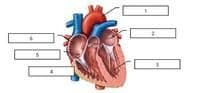
Serambi kiri ditunjukkan oleh gambar nomor ...
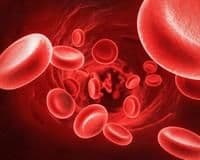
Gambar disamping menunjukkan komponen darah...
Denyut jantung kita akan lebih meningkat, jika kita melakukan aktivitas. Berikut ini aktivitas yang dapat meningkatkan denyut jantung adalah ....
Ketika serambi jantung mengembang yang terjadi adalah darah akan ….
Darah yang dipompa dari jantung menuju ke paru-paru banyak mengandung ….
Pembuluh nadi terbesar disebut....
Penyakit yang disebabkan karena kelebihan leukosit (sel darah putih) adalah ....
Penyakit kelainan darah yang menyebabkan darah sulit membeku dan bisa disebabkan karena keturunan adalah ....
Sistem peredaran darah pada hewan yang langsung dialirkan ke dalam rongga tubuh tanpa melalui pembuluh disebut sistem peredaran darah terbuka
Jantung katak terbagi atas tiga ruang, yaitu dua serambi kanan dan kiri serta satu bilik
Jantung ikan hanya terdiri dari dua ruang, yaitu serambi kanan dan serambi kiri
Sistem peredaran darah pada burung adalah sistem peredaran darah ganda, yang artinya darah beredar melewati jantung sebanyak dua kali
Cacing adalah kelompok hewan yang menggunakan peredaran darah terbuka
 PH_5_Organ Peredaran DarahClassification of plants • Plants can be classified as cultivated and wild plants. • Both cultivated and wild plants are very useful to people, animals and the environment. 1. Cultivated plants: • Cultivated plants are plants grown by people for selling. • They can be grown in the field, vegetable garden, home garden and orchard. Classification of plants 2. Wild plants Wild plants are plants that grow on their own outside the garden, orchard or field. They have many uses such as: • Food for people and animals • Shelter • Source of fuel in form of firewood. • Examples include, grasses, msasa, yellow wood, mahogany, mopane Plant Nutrition • The presence of plant nutrients in the soil make them grow well. • The three major plant nutrients are nitrogen, phosphorus and potassium. Sources of plant nutrients • The source for plant nutrients are grouped into organic and inorganic sources. Organic sources of plant nutrients • These are found in nature. • They are natural materials such, decayed plant and animal matter which include: • Animal manure from cattle, sheep, goats, poultry and pigs. • Green manure • Legume crops like beans, peas and groundnuts. • Humus • These material sources may also be called natural fertilizers. Inorganic sources of plant nutrients • These are sources of plant nutrients made by people in industries. They include: • Compound fertilizers like compound A, B, C and D. • These have two or more nutrients. • Straight fertilizers like ammonium nitrate, single super phosphate and urea. • A straight fertilizer supplies a single or more nutrient to the crop. A straight fertilizer A Compound fertilizer Sources of N,P,K • Ammonium nitrate and Urea- contain nitrogen Double super Phosphate, Single super phosphate-contain phosphorus • Muriate of Potash contains Potassium 2 . Compound fertilisers -have two or three of the three major plant nutrients (N.P.K). N-nitrogen P-phosphorus K-potassium Examples Compound D Wednesday 17 May 2023 Revision exercise (Plant nutrition) 1 .Name the 3 plant nutrients needed by plants. 2. What are the 2 groups of plant nutrients sources? 3. Give 3 examples of organic sources of plant nutrients. 4. What is a straight fertilizer? 5. Compound fertilizer supplies ……………or ………………. Nutrients. Vegetable crops • A vegetable is any part of a plant that is eaten by humans as food part of a meal. • Vegetables are grouped and named according to the part that is eaten. • These are leaf, root, fruit, flower, bulb, tuber and legume vegetables. Leaf vegetables Types of veg Legume etable cropsvegetables Fruit vegetables Root, bulb and tuber Flower vegetables Cabbage Peas Tomato Root: carrots Cauliflower Rape Green beans Pepper Parsnip broccoli Spinach Melons Beetroot Tsunga Cucumber Bulb: onion Lettuce Squash Garlic kale Egg plant Leek chillies Tuber: Irish potato Wednesday 31 May 2023 Vegetable crops 1. What is a vegetable? 2. Which one is not a vegetable from the list below? a. Covo B. cabbage C. wheat D. tomato 3. Choose a vegetable which is not a fruit vegetable. a. tomato B. pepper C. kale D. egg plant 4. From which pair of vegetables do we eat the flower? A. cauliflower and garlic B. broccoli and cauliflower C. broccoli and rape D. cauliflower and pepper 5. Give one example of a vegetable belonging to each of the following groups. a. root b. legume c. bulb 6. Name any 5 groups of vegetable classification according to the parts eaten. Growing leaf vegetables • Although there are many types of vegetables, the leaf, fruit and bulb vegetables are widely grown. • Leaf vegetables form the greater part of vegetable crops. • Leaf vegetables belong to a family called brassica. • Brassicas include cabbages, lettuce, spinach, covo and many others. • Each brassica family has got its own varieties called cultivar. • They usually grow under the same climatic conditions and are affected by the same pests and diseases. • The selection of a variety depends on the following : The intended use of the vegetable, for example, salad, stew or snacks. Days taken to mature. Disease resistant Season of the year Seedbed preparation • Brassica vegetables are usually raised in seedbeds. • The seedbeds are prepared by: • Marking the position of the bed 1 meter in width by any length using a tape measure, hammer and pegs. • Digging a seedbed to a depth of 25 to 30cm using a hoe. • Breaking lumps of soil using a garden rake. Soil requirements • Brassicas need: • Well drained soils. • Fertile soil for good growth • Slightly acidic soils (pH 5.5-6) Climatic requirements • Brassicas need cool to warm temperatures. • Very low temperatures cause cabbages to flower which is called bolting. • Brassicas can be grown throughout the year. Seedbed preparation • Brassica seedlings are usually raised in seedbeds. • A seedbed is prepared by: Marking the position of the bed 1 metre in width by any length using a tape measure, hammer and pegs. Digging a seedbed to depth of 25 to 30 cm using a hoe. Breaking lumps of soil using a garden rake. This is done in order to have a fine tilth and improve soil to seed contact. Making ridges that a 15cm high. Apply 3 to 5kg/m² of well decomposed manure. 60 to 100g/m² of compound fertilizer can be added into the soil. Management of vegetable crops • After transplanting the seedlings, the seedlings need to be looked after. (a)Controlling weeds: all vegetables must be kept weed free. • This is done either by hand pulling weeds or shallow cultivation using a hand fork. (b) Pest control: common pests that affect the brassicas are aphids and diamond black moth larva. • Aphids are small green insects that suck the juice from the leaves leaving them with curls. • They are controlled by spraying malathion using the instructions on the label. (c) Disease control: bacterial diseases are common in brassicas. • Common diseases are black rot and soft rot, especially in cabbages. • These are controlled by: Crop rotation Early planting Planting resistant cultivars (d) Top dressing: brassicas are top dressed using Ammonium Nitrate at a rate of 2.5g per plant. • Top dressing is usually done 3 or 4 weeks after germination. FIELD CROPS • Field crops are crops that are grown on a large piece of land. • Example of field crops: Maize Cotton Groundnuts Roundnuts Wheat Sunflower Tobacco Sugar cane Tea Coffee Soya beans sorghum Classification of field • Field crops can be classified according to use such crops cereal, fibre, sugar and oil. 1. Cereal crops: • A cereal is a grass grown for its edible seeds. • They are also known as grain crops. • The major cereal crops are maize, wheat, rice, barley, sorghum and millet. 2 . fiber crops : • these are crops which are grown for their fiber and are used in making textiles, ropes and rugs. • Important fiber crops are cotton, flax and sisal 3. Oil seed crops: • These crops are grown for the purpose of extracting oil from their seed. • The main oil seed crops are groundnuts, sunflower, soyabean and cotton seed. 4 . Sugar crops : • Sugar crops include sugarcane,Biomedical Engineering Flashcard 1 Q: What is biomedical engineering? A: The field that designs medical solutions (devices, implants, machines, medicines) to improve health. Flashcard 2 Q: How many bones does an adult have? A: 206 bones. Flashcard 3 Q: How many bones are humans born with? A: About 270 bones. Flashcard 4 Q: What is a prosthetic? A: An artificial device used to replace a missing body part. Flashcard 5 Q: What must engineers consider when designing prosthetics? A: Connection to the body Communication with the body Life-like movement Flashcard 6 Q: What is internal fixation? A: Hardware attached inside the body directly to the bone to repair it. Flashcard 7 Q: Examples of internal fixation? A: Rods, screws, plates, pins, bone grafts. Flashcard 8 Q: What is external fixation? A: Supports outside the body used to stabilize bones while they heal. Flashcard 9 Q: Examples of external fixation? A: Casts, braces, slings, external screws. Flashcard 10 Q: What is biocompatibility? A: Materials that can safely exist in the body without causing harm or rejection. Circulatory System Flashcard 11 Q: What is the job of the circulatory system? A: Deliver oxygen and nutrients and remove wastes from cells. Flashcard 12 Q: What do arteries do? A: Carry blood away from the heart. Flashcard 13 Q: What do veins do? A: Carry blood back to the heart. Flashcard 14 Q: What do capillaries do? A: Exchange oxygen, nutrients, and waste with tissues. Flashcard 15 Q: What are the 4 main components of blood? A: Plasma Red blood cells White blood cells Platelets Flashcard 16 Q: Name 3 circulatory diseases. A: Arteriosclerosis Hypertension (high blood pressure) Coronary heart disease Flashcard 17 Q: What lifestyle choices increase circulatory disease risk? A: Tobacco use Alcohol use Poor nutrition Physical inactivity Obesity Stem Cells Flashcard 18 Q: What are stem cells? A: Cells that can develop into many different specialized cell types. Flashcard 19 Q: Why is embryonic stem cell research controversial? A: Because it involves destroying embryos, which some believe is destroying human life. pH and Indicators Flashcard 20 Q: What pH number is an acid? A: Below 7. Flashcard 21 Q: What pH number is neutral? A: 7. Flashcard 22 Q: What pH number is a base? A: Above 7. Flashcard 23 Q: Examples of pH indicators? A: Litmus paper Red cabbage indicator Anthocyanins Hydrogels Flashcard 24 Q: What is a hydrogel? A: A material made of polymer chains that can hold large amounts of water. Flashcard 25 Q: Examples of hydrogels? A: Gelatin Collagen Alginate Fireworks Flashcard 26 Q: What are the 4 main parts of fireworks? A: Oxidizer, fuel, binder, metal salt. Flashcard 27 Q: What color does Barium produce? A: Light green. Flashcard 28 Q: What color does Copper produce? A: Blue-green. Flashcard 29 Q: What color does Strontium produce? A: Dark red. Flashcard 30 Q: What color does Potassium produce? A: Light purple. Flashcard 31 Q: What color does Lithium produce? A: Orange-red. Flashcard 32 Q: What effect does Iron produce in fireworks? A: Sparks.Peas Peas are one of the most important vegetables Zimbabweans can grow for export. They are legumes Legumes fix Nitrogen IMPORTANCE OF PEAS Peas have a lot of health benefits for human consumption. They can be eaten raw or added to a variety of dishes Peas have vitamins and antioxidants. They are good for heart performance. They are good for dealing with high blood pressure. They have a very high protein content VARIETIES Some of the common varieties to grow are Snowbird, Sabre, Serge, Alaska, Greenfeast and Recruit Varieties are also called cultivars FAVOURABLE CLIMATE Peas prefer cold conditions to grow well. Temperatures of 22 degrees or below (starting at 13 degrees Celsius) are the best for peas farming. The best temperature is 22 degrees Celsius. Extremely hot temperatures will lead to lack of growth or hard pods. SOIL REQUIREMENTS Soil should be fertile. The soil should have good drainage. Soil pH must be in the range of 6 to 7.5. The best soil type is sandy loam – clay soils can also cut it The soil should be deep LAND PREPARATION Land preparation includes the following Dig or plough to aerate the soil and improve drainage Harrow to break the clods (big lumps) Make ridges to keep water within the bed level the bed to ensure equal water distribution SOWING AND PLANTING Seeds must be sown about 2 to 3 centimeters into the ground The germination process takes place within at most 1 week. When sowing seeds, the in-row spacing should be 5 – 10 centimeters whereas the inter-row spacing should be 25 centimeters. Management Practices Watering is necessary but does not overdo it – water depending on the state of the pea plants. Generally, peas do not require lots of water. WEEDING - Weeding should be done occasionally as informed by the state of the field. MULCHING – to conserve soil moisture PEST CONTROL – to protect crops from damage DISEASE CONTROL – to protect crops from damage TRELLISING – to support indeterminate varieties PEST, DISEASE AND WEED CONTROL Aphids, beetles, leaf weevils, nematodes, and leaf miners are some of the common pests to look out for. Powdery and Downey mildew, fusarium wilt are some of the common diseases to look out for. As much as you can use chemical methods to deal with pests, diseases and weeds you can still use biological and cultural control methods. Most of the pests and diseases that affect peas can be dealt with by usingcultural methods like weed control. getting rid of affected plants and plant debris can control pest and diseases control. [t comes from the GREEK name "Epilepsia" which means "taking hold of or seizing". - It is a disorder characterized by: recurrent seizures. SEIZURES R ectment transient attacks of: R epresent: R esult from: ASSOCIATED WITH: somatic, psychic, or, autonomic clinical featmes. clinical features of abnormally hyperexcitable cortical neurons. paroxvsmal and excessive electrical neuronal discharges. EEG changes & may be disturbance of consciousness. same causes of convulsions 1. Idiopathic epile~ • It is the commonest cause. no cause can be detected ( 65 % ) • It may be associated with positive family history in some cases. • It starts in the l st & 2nd decades in the form of: -- Grand ma! epilepsy. Petit mal epilepsy. Myoclonic epilepsy. Atonic seizures. 2. Secondary epilepsy A. Local causes in the brain: l. Congenital: 2. Traumatic: cerebral palsy. a cause can be detected cerebral contusion or laceration. 3. Inflammatory: 4. Neoplastic: 5. Degenerative: 6. Vascular: encephalitis, brain tumours. mening1t1s, presenile dementia. brain abscess. stroke (especially hemon-hagic), hypertensive encephalopathy. B. General causes with secondary effects on the brain: I. Toxic: 2. Iatrogenic: 3. Metabolic: 4. Endocrinal: 5. Organ failure: 6. Heart disease: 7. Nutritional: - Alcohol, cocaine, lead. - Lidocaine, INH. - j glucose & ! glucose. - Hypoparathyroidism. - Hepatic failme. - Adam's Stoke's attacks. - Pellagra. - Botulism, tetanus. - Ambilhar, Amphetamine, Aminophylline. - j Ca & ! Ca. - Hype1thyroid crisis. - Renal failure. - Fallot's tetralogy. - j Na & ! Na. - Vitamin B6 deficiency. 8. Physical: 9. HYSTERICAL. - High fevers. - Heat stroke. 136 137 CLINICAL PICTURE 1. GENERALISED SEIZURES " Excessive electrical discharges from cortical neurons in BOTH hemispheres simultaneously " I. II. 1. Grand Mal Epile~: 1. Pre-ictal stage "attacks of tonic-clonic convulsions " (aura) It is a warning sign of a coming attack. It may be: • Somatic: • Psychic: • Autonomic: 2. Ictal stage Myoclonus, Hallucinations. Tachycardia, (seizure) Sudden loss of consciousness: Parasthesias. Sweating. for seconds to minutes. -- Tonic phase (few seconds) o The UL & LL: o o o o The HEAD: The JAWS: CYANOSIS: are extended. is retracted to one side & the eye balls rolled up. are firmly clenched, with biting of the TONGUE. due to impaired respiration. There may be incontinence of urine. Clonic phase (few minutes) o The UL & LL: o The HEAD: 3. Post-ictal stage - It may be: • Somatic: • Psychic: • Autonomic: Drug of choice: contract & relax repeatedly & rapidly. jerks forcibly. (sequelae) Todd's paralysis(< 24 hours, due to neuronal exhaustion). Confusion. Vomiting. Carbamazepine (Tegretol) or Phenytoin (Epanutin) Petit Mal Epilepsy: "attacks of loss of consciousness " " Absence " It starts in childhood & improves at puberty & usually disappears at the age of 20. 2. It is NOT PRECEEDED by aura & NOT FOLLOWED by sequelae. 3. It is usually PRECIPITATED by: hyperventilation 4. It is characterized by: or photic stimulation. sudden loss of consciousness of short duration (few seconds). 5. It may be associated with: • High frequency ( 50 attacks / day). • Falling to the ground without warning. • Jerky movements of the head & UL Drug of choice: (myoclonic petit mal). Valproate (Depakine) or Succinimide (Zarontin) 137 138 Ill. M oclonic Seizures: "attacks of involuntary clonic movements " - It is characterized by: sudden, jerky, shock-like INVOLUNTARY muscle contraction. • The jerks are bilateral contractions, mainly of the shoulders and arms. • However, some patients repmtjerking in the lower limbs, trunk, or head. - It may be of 2 types: - Occurs singly • Simple: • As a pait of: I Drug of choice: IV. Atonic seizures: (no loss of consciousness). - Grand mal epilepsy (aura). - Petit mal epilepsy. Valproate (Depakine) or Clonazepam (Rivotril) I - Transient attacks of brief loss of postural tone, often resulting in falls and injuries. 2. PARTIAL SEIZURES "Excessive electrical discharges from cmtical neurons in a ce1tain area in ONE hemisphere" A. Simple seizures: " No disturbance in consciousness " - The CP depends on the site of the hyperexcitable neurones in the cerebral cortex, whether in: "Motor area or Senso,y areas". 1. Motor fits: • Focal fits: • Motor jacksonian fits: 2. General Sensory fits: • Focal fits: • Sensory jacksonian fits: 3. Special Senso1y fits: • Visual hallucinations: • Auditory hallucinations: • Olfactory hallucinations: B. Complex seizures: - SITE: movement of part of a limb or the whole limb. movement of one side of the body (see before). parasthesia of part of a limb or the whole limb. parasthesia of one side of the body (see before). irritation of the visual sensory area. irritation of the auditory sensory area. initation of the uncus. " disturbance in consciousness " The hyperexcitable neurons are in the Temporal lobe "Temporal lobe epilepsy". - DURATION: The seizure lasts few seconds to few minutes. - The seizure starts with A ura, followed by A bsence, Automatism, Amnesia: 1. 2. 3. 4. A ura: A bsence: Automatism: A mnesia: Olfactory hallucinations, Deja-vu phenomenon, Sensation of fear. Absent patient with staring eyes (with no response to conversation). Involuntary Purposeless acts: motor ( eg, lip smacking, chewing) or verbal. No recalling of the seizure. 138 139 3. PARTIAL SEIZURES ~ GENERALISED SEIZURES " Partial seizures may spread to involve the whole brain .- secondarily generalised seizures " . HY-sterical epilepsY • Usually: • The cause: • Incidence: young neurotic Sj2 . psychological & there is no organic lesion. usually occurs in the presence of people. • It is associated with: • EEG: • It is not associated with: normal. • Missed ttt. • Menses. • Alkalosis. anxiety, palpitaion & hyperventilation. tongue biting or incontinence of urine. • Alcohol use & Drug abuse ( e.g. cocaine ). • S timulation by photons & Hyperventilation. • S leep deprivation & Stress & sudden withdrawal of antiepileptic drngs. INVESTIGATIONS 1. EEG: • It is the most specific test for epilepsy because it records the electrical activity of the brain. • It shows specific pattern: 2. LOCAL INVESTIGATIONS: "Epilepsy waves". "CT & MRI of the brain" • To identify or exclude a LOCAL CAUSE of seizures in the brain. 3. GENERAL INVESTIGATIONS: "Laboratory investigations" • To search for a GENERAL CAUSE of seizures, e.g. blood glucose. 139 140 TREATMENT A. General Measures: 1. 2. Moderation of the patient's physical activity. A void the precipitating factors ( Alcohol, hyperventilation, photic stimulation ...... ). 3. A ketogenic diet is encouraged because it will induce acidosis: - Acidosis is beneficial as it raises the threshold of stimulation of the brain cells. B. Specific Treatment: 2. 1. Treatment of the cause in secondary epilepsy. Anti-epileptic drugs: a) Always sta1t with one drug, then add another drug if there is no response. b) Always stop the drugs ONLY if: • The patient stays free of symptoms for at least 2 years. • The patient has a normal EEG. 3. Side effects of Anti-epileptic drugs: I . Skin rash. 2. 3. Bone marrow depression. Ataxia. Drug 1. Barbiturates (Pbenonobarbitone) 2. Hydantoin (Epanutin) 3. Carbamazepine 4. Clonazepam 5. Valproate 6. Succinamide ANTI-EPILEPTIC DRUGS NEW ANTI-EPILEPTIC DRUGS - These drugs are new dtugs that may be used in resistant seizures. 1. Lamotrigine: 200 - 400 mg/ day. 2. Felbamate: 3. Gabapentin: 400- 800 mg/ day. 600 - 1200 mg/ day. \ " General rules for use ": Dose 100-600 mg I day 100-600 mg / day 200-600 mg I day 2-6 mg I day 500-1500 mg I day 500-1000 mg / day Best indicated - Broad spectrum. - Not for petit mal. - Grand mal. - Motor Jacksonian fits. - Grand mal. - Motor Jacksonian fits. - Complex seizures. - Not for petit ma!. - Myoclonic. - Grand mat. - Broad spectrum. - Petit mat. 140 141 STATUS EPILEPTICUS DEFINITION - A medical emergency: 1. Repeated attacks of generalized convulsions, with lack of recove,y of consciousness, 2. Persistent attack of seizure lasting for at least 30 minutes. OR, - If the convulsions are not stopped rapidly, coma deepens & death may occur due to: heart failure or respiratory failure or brain damage or hyperpyrexia. - The most common causes are: sudden withdrawal of anti-epileptic drugs & stroke. TREATMENT A. General Measures: l. Take care of: " ABC " • Place the patient on the ground, to guard against falling from bed. • Mouth gag & 02 inhalation ( endo-tracheal intubation may be needed). • Record the vital signs regularly. 2. Take a sample of: - Venous blood: for the level of: - A.tierial blood: for the level of: 3. a nti-epileptic drugs, a lcohol. pH, p0 2, pC02, HC0 3. Give cerebral dehydrating measures: e.g. Frusemide, cone. Mannitol, Dexamethazone. B. Specific Treatment: - Phenytoin with diazepam (or clonazepam) immediately: 1. Phenytoin: 2. Diazepam: Clonazepam: seizures recur: 15 mg I Kg slow infusion. 5 mg slowly IV, to be repeated after 5 minutes if seizures recur: maximum dose: 20 mg. OR: 2 mg slowly IV, to be repeated after 5 minutes if maximum dose: 6 mg. - If seizures persist after 20 min. of Phenytoin & diazepam: 3. PHENOBARBITONE: - In resistant cases: 200 mg infusion. 4. GENERAL ANAESTHESIA: may be used.Crea 5 esercizi sulle equazioni di secondo gradoMath 5 SequenceShort Quiz in MAPEH 5