Loading...


5to: What-What color-Where
Quiz by Magui C
Customize this quiz to suit your class
Instantly translate to 100+ languages
Tag the questions with any skills you have. Your dashboard will track each student's mastery of each skill.
Give this quiz to my class
What is this?
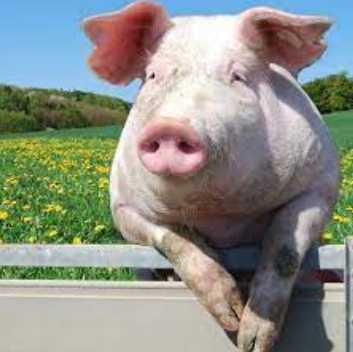
It's a cow.
It's a pink.
It's a pig.
What color is it?
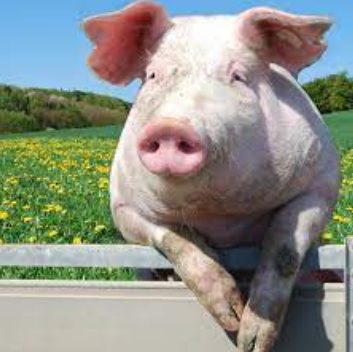
It's brown.
It is pink.
It's red.
What is this?

What color is it?
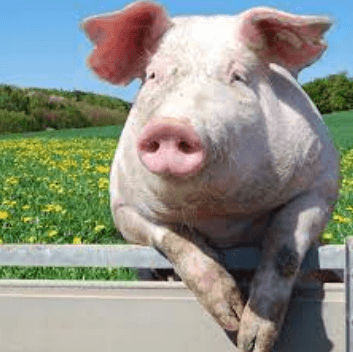
Where is it?
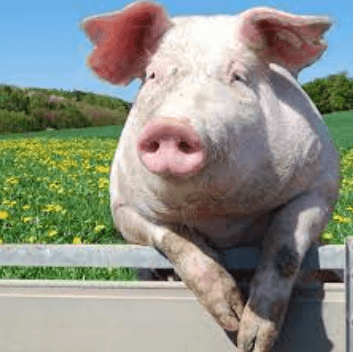
What´s the meaning of "WHERE"?
What is this?
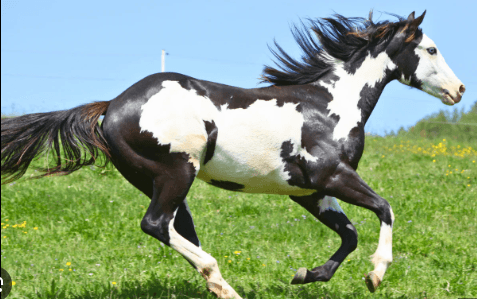
What color is it?

What is this?
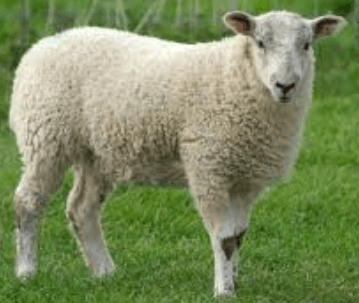
What color is it?

What is this?
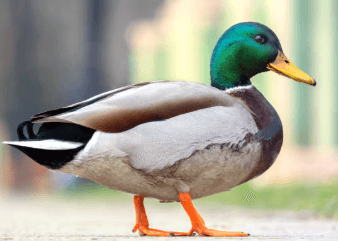
Where is it?

 What is a Plant Cell? Plant cells are eukaryotic cells that vary in several fundamental factors from other eukaryotic organisms. Both plant and animal cells contain a nucleus along with similar organelles. One of the distinctive aspects of a plant cell is the presence of a cell wall outside the cell membrane. Plant Cell Structure Just like different organs within the body, plant cell structure includes various components known as cell organelles that perform different functions to sustain itself. These organelles include: Cell Wall It is a rigid layer which is composed of polysaccharides cellulose, pectin and hemicellulose. It is located outside the cell membrane. It also comprises glycoproteins and polymers such as lignin, cutin, or suberin. The primary function of the cell wall is to protect and provide structural support to the cell. The plant cell wall is also involved in protecting the cell against mechanical stress and providing form and structure to the cell. It also filters the molecules passing in and out of it. The formation of the cell wall is guided by microtubules. It consists of three layers, namely, primary, secondary and the middle lamella. The primary cell wall is formed by cellulose laid down by enzymes. Cell membrane It is the semi-permeable membrane that is present within the cell wall. It is composed of a thin layer of protein and fat. The cell membrane plays an important role in regulating the entry and exit of specific substances within the cell. For instance, cell membrane keeps toxins from entering inside, while nutrients and essential minerals are transported across. Nucleus The nucleus is a membrane-bound structure that is present only in eukaryotic cells. The vital function of a nucleus is to store DNA or hereditary information required for cell division, metabolism and growth. 1. Nucleolus: It manufactures cells’ protein-producing structures and ribosomes. 2. Nucleopore: Nuclear membrane is perforated with holes called nucleopore that allow proteins and nucleic acids to pass through. Plastids They are membrane-bound organelles that have their own DNA. They are necessary to store starch and to carry out the process of photosynthesis. It is also used in the synthesis of many molecules, which form the building blocks of the cell. Some of the vital types of plastids and their functions are stated below: Leucoplasts They are found in the non-photosynthetic tissue of plants. They are used for the storage of protein, lipid and starch. Chromoplasts They are heterogeneous, colored plastid which is responsible for pigment synthesis and for storage in photosynthetic eukaryotic organisms. Chromoplasts have red-, orange- and yellow-colored pigments which provide color to all ripe fruits and flowers. Central Vacuole It occupies around 30% of the cell’s volume in a mature plant cell. Tonoplast is a membrane that surrounds the central vacuole. The vital function of the central vacuole apart from storage is to sustain turgor pressure against the cell wall. The central vacuole consists of cell sap. It is a mixture of salts, enzymes and other substances. Golgi Apparatus They are found in all eukaryotic cells, which are involved in distributing synthesized macromolecules to various parts of the cell. Ribosomes They are the smallest membrane-bound organelles which comprise RNA and protein. They are the sites for protein synthesis, hence, also referred to as the protein factories of the cell. Mitochondria They are the double-membraned organelles found in the cytoplasm of all eukaryotic cells. They provide energy by breaking down carbohydrate and sugar molecules, hence they are also referred to as the “Powerhouse of the cell.” Lysosome Lysosomes are called suicidal bags as they hold digestive enzymes in an enclosed membrane. They perform the function of cellular waste disposal by digesting worn-out organelles, food particles and foreign bodies in the cell. In plants, the role of lysosomes is undertaken by the vacuoles. Chloroplasts It is an elongated organelle enclosed by phospholipid membrane. The chloroplast is shaped like a disc and the stroma is the fluid within the chloroplast that comprises a circular DNA. Each chloroplast contains a green colored pigment called chlorophyll required for the process of photosynthesis. The chlorophyll absorbs light energy from the sun and uses it to transform carbon dioxide and water into glucose. Structure of Chloroplast Chloroplasts are found in all higher plants. It is oval or biconvex, found within the mesophyll of the plant cell. The size of the chloroplast usually varies between 4-6 µm in diameter and 1-3 µm in thickness. They are double-membrane organelle with the presence of outer, inner and intermembrane space. There are two distinct regions present inside a chloroplast known as the grana and stroma. • Grana are made up of stacks of disc-shaped structures known as thylakoids or lamellae. The granum of the chloroplast consists of chlorophyll pigments and are the functional units of chloroplasts. • Stroma is the homogenous matrix which contains grana and is similar to the cytoplasm in cells in which all the organelles are embedded. Stroma also contains various enzymes, DNA, ribosomes, and other substances. Stroma lamellae function by connecting the stacks of thylakoid sacs or grana. The chloroplast structure consists of the following parts: Membrane Envelope It comprises inner and outer lipid bilayer membranes. The inner membrane separates the stroma from the intermembrane space. Intermembrane Space The space between inner and outer membranes. Thylakoid System (Lamellae) The system is suspended in the stroma. It is a collection of membranous sacs called thylakoids or lamellae. The green colored pigments called chlorophyll are found in the thylakoid membranes. It is the sight for the process of light-dependent reactions of the photosynthesis process. The thylakoids are arranged in stacks known as grana and each granum contains around 10-20 thylakoids. Stroma It is a colorless, alkaline, aqueous, protein-rich fluid present within the inner membrane of the chloroplast present surrounding the grana. Grana Stack of lamellae in plastids is known as grana. These are the sites of conversion of light energy into chemical energy. Chlorophyll It is a green photosynthetic pigment that helps in the process of photosynthesis. Functions of Chloroplast Following are the important chloroplast functions: • The most important function of the chloroplast is to synthesize food by the process of photosynthesis. • Absorbs light energy and converts it into chemical energy. • Chloroplast has a structure called chlorophyll which functions by trapping the solar energy and is used for the synthesis of food in all green plants. • Produces NADPH and molecular oxygen (O 2 ) by photolysis of water. • Produces ATP – Adenosine triphosphate by the process of photosynthesis. • The carbon dioxide (CO2) obtained from the air is used to generate carbon and sugar during the Calvin Cycle or dark reaction of photosynthesis. Mitochondria “Mitochondria are membrane-bound organelles present in the cytoplasm of all eukaryotic cells, that produce adenosine triphosphate (ATP), the main energy molecule used by the cell.” What are Mitochondria? Popularly known as the “Powerhouse of the cell,” mitochondria (singular: mitochondrion) are a double membrane-bound organelle found in most eukaryotic organisms. They are found inside the cytoplasm and essentially function as the cell’s “digestive system.” They play a major role in breaking down nutrients and generating energy-rich molecules for the cell. Many of the biochemical reactions involved in cellular respiration take place within the mitochondria. The term ‘mitochondrion’ is derived from the Greek words “mitos” and “chondrion” which means “thread” and “granules-like”, respectively. It was first described by a German pathologist named Richard Altmann in the year 1890. Structure of Mitochondria • The mitochondrion is a double-membraned, rod-shaped structure found in both plant and animal cell. • Its size ranges from 0.5 to 1.0 micrometers in diameter. • The structure comprises an outer membrane, an inner membrane, and a gel-like material called the matrix. • The outer membrane and the inner membrane are made of proteins and phospholipid layers separated by the intermembrane space. • The outer membrane covers the surface of the mitochondrion and has a large number of special proteins known as porins. Cristae The inner membrane of mitochondria is rather complex in structure. It has many folds that form a layered structure called cristae, and this helps in increasing the surface area inside the organelle. The cristae and the proteins of the inner membrane aid in the production of ATP molecules. The inner mitochondrial membrane is strictly permeable only to oxygen and ATP molecules. A number of chemical reactions take place within the inner membrane of mitochondria. Mitochondrial Matrix The mitochondrial matrix is a viscous fluid that contains a mixture of enzymes and proteins. It also comprises ribosomes, inorganic ions, mitochondrial DNA, nucleotide cofactors, and organic molecules. The enzymes present in the matrix play an important role in the synthesis of ATP molecules. Functions of Mitochondria The most important function of mitochondria is to produce energy through the process of oxidative phosphorylation. It is also involved in the following process: 1. Regulates the metabolic activity of the cell 2. Promotes the growth of new cells and cell multiplication 3. Helps in detoxifying ammonia in the liver cells 4. Plays an important role in apoptosis or programmed cell death 5. Responsible for building certain parts of the blood and various hormones like testosterone and estrogen 6. Helps in maintaining an adequate concentration of calcium ions within the compartments of the cell 7. It is also involved in various cellular activities like cellular differentiation, cell signaling, cell senescence, controlling the cell cycle and in cell growth. Disorders Associated with Mitochondria Any irregularity in the way mitochondria function can directly affect human health, but often, it is difficult to identify because symptoms differ from person to person. Disorders of the mitochondria can be quite severe; in some cases, they can even cause an organ to fail.1. The following are ingredients in preparing pumping solution, EXCEPT; a. 5 kgs ham leg c. 1 cup saturated salt solution b. one tablespoon sugar d. 2 drops maplein 2. What is the value in grams of 6.4% refined salt if the amount of pork meat is 1 kilogram? a. 64 grams c. 640 grams b. 6.4 kilograms d. 6,400 grams 3. What is the main purpose of curing meat? a. To tenderize it c. To add color to it b. To prevent spoilage d. To increase its weight 4. What is the advantage of using pumping pickle over cover pickle and dry cure mixtures? a. It reduces the curing time. b. It enhances the flavor. c. It controls the concentration of salt. d. All of the above 5. What is the function of phosphate in curing solutions? a. It increases the water-holding capacity of the meat. b. It inhibits the growth of bacteria. c. It prevents oxidation of fat. d. It improves the texture of the meat. 6. What is the function of carrageenan in curing solutions? a. It acts as a thickener. b. It acts as a binder. c. It acts as a stabilizer. d. All of the above 7. In coloring salted eggs, how many teaspoons of vinegar must be added? a. 1 teaspoon b. 2 teaspoons c. 3 teaspoons d. 4 teaspoons 8. The following are factors that must be considered in packaging eggs. a. quality maintenance b. packaging design c. type of transport d. cost 9. In type 3 packaging material for eggs, what type of materials can these be made? a. burlap b. plastic c. paper board d. polystyrene 10. How many hours must be needed to bake the ham in an oven? a. 5 hours b. 3 hours c. 4 hours d. 2 hours 11. What is the ideal temperature of a smoke fish when storing it at home inside a refrigerator? a. 30℃ b. 38 ℃ c. 100 ℃ d. 50 ℃ 12. The following are ingredients for curing meat EXCEPT a. salt b. sugar c. vinegar d. cooking oil 13. What is the maximum period for commercial salted duck eggs? a. 18 days b. 21 days c. 14 days d. 30 days 14. What type of curing method is needed when fatty fish such as herring is being used? a. pickle curing b. dry curing c. cover pickle curing d. Pumping pickle curing 15. In making a pork ham, how many quarts of water must be needed to bring it to a boil? a. 2 quarts b. 3 quarts c. 4 quarts d. 5 quarts 16. In making a homemade skinless pork longganisa, what is the percentage of pork fats and lean meat? a. 20% fats, 80% lean meat b. 30% fats, 70% lean meat c. 40% fats, 60 lean meat d. 50% fats, 50% lean meat 17. It is a systematic procedure of producing a record for reference A. output C. documentation B. production report D. input 18. Anything produced, especially through a process, a product, a yield. A. documentation C. output B. input D. production report 19. It is the process of capturing data or translating information to a recording format. A. documentation C. production report B. reporting D. output 20. What is the value in grams of 6.4% refined salt if the amount of pork meat is 1 kilogram? a. 64 grams c. 640 grams b. 6.4 kilograms d. 6,400 grams 21. What is the difference between pumping pickle and cover pickle? a. Pumping pickle is injected into the meat, while cover pickle is poured over it. b. Pumping pickle is made with vinegar, while cover pickle is made with water. c. Pumping pickle is used for whole cuts of meat, while cover pickle is used for sliced meat. d. Pumping pickle is a dry mixture, while cover pickle is a liquid solution. 22. What is the main ingredient of dry cure mixtures? a. Sugar b. Salt c. Spices d. Phosphate 23. What is the function of vitamin C powder in curing solutions? a. It acts as an antioxidant. b. It enhances the color of the meat. c. It accelerates the curing reaction. d. All of the above 24. What is the ideal temperature for storing cured meat? a. Below 0°C b. Between 0°C and 4°C c. Between 4°C and 10°C d. Above 10°C 25. The following are advantages of packaging shell eggs EXCEPT. a. It protects against micro-organisms such as bacteria b. It prevents the loss of moisture. c. It protects the eggs from possible crushing while being handled, stored, or transported. d. It prolong the shelf life of the eggs. 26. How many pieces of eggs can be filled in a type 2 packaging materials, filler tray? a. 36 b. 12 c. 30 d. 24 27. How many hours must be needed in smoking ham? a. 10 to 19 hours b. 5 to 9 hours c. 15 to 24 hours d. 20 to 29 hours 28. It is a food packaging method that removes all air from a food-filled, plastic film package before sealing it. a. smoking b. drying c. vacuum packing d. weighing 29. Which is NOT TRUE about packaging a smoked fish? a. Sort cooled smoked fish according to size b. Pack or transfer smoked fish in bulk packaging materials by arranging the fish head and tail in any position. c. When the packaging material is nearly full, weigh the whole pack to check the product weight attained. d. Close or seal the packs. 30. The following nutrients can be found in an egg, EXCEPT. a. vitamins b. minerals c. omega 3 d. amino acids 5to Social: Sense of Ear5to - Edgar Allan Poe "Narraciones extraordinarias"5to - II Evaluación Bimestral de Comunicación5to - Literatura Clásica Occidental Griega5to - Fiador M. Dostoiesvki "Crimen y castigo"5TO DE PRIMARIA-PUBLISHER