Loading...

Track each student's skills and progress in your Mastery dashboards
The picture shows a microscopic view of blood. Blood is made of different types of cells that work together.
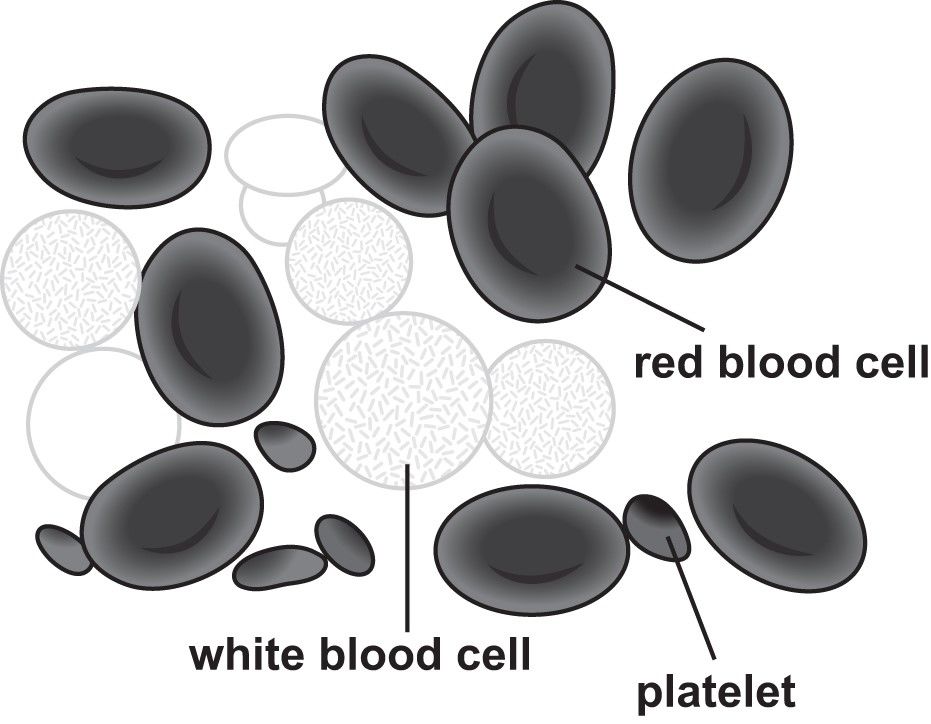
they are made up of other cells
they make up unicellular organisms
they are part of a living thing
they are very large
The picture shows a microscopic view of blood. Blood is made of different types of cells that work together.
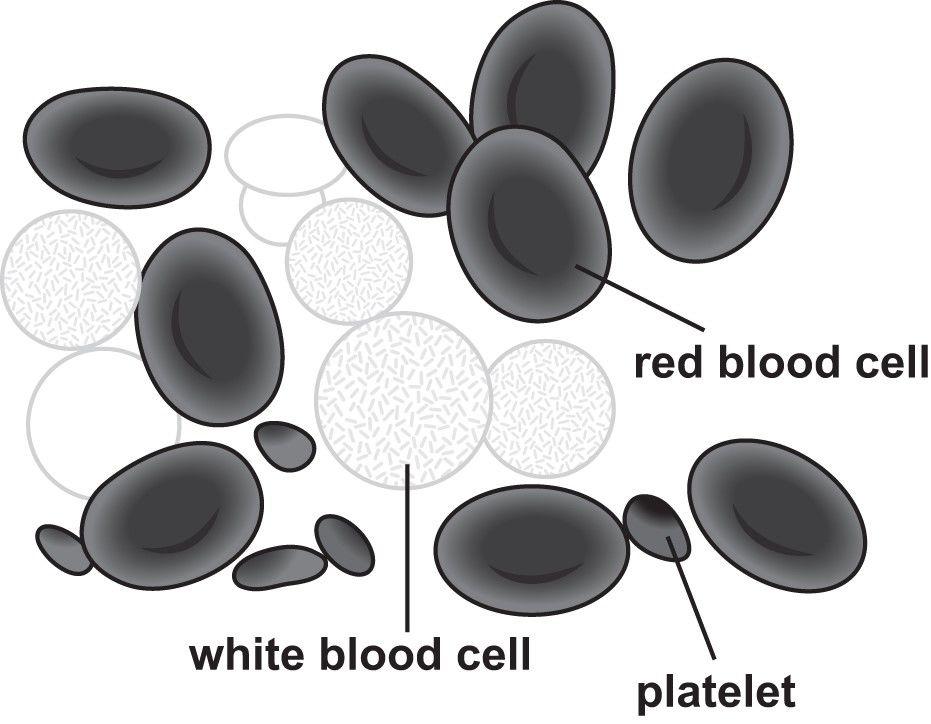
Which statement correctly tells why the cells of unicellular and multicellular organisms divide?
If you were to compare the function of a cell to the function of parts of a house, which part of the house would match a cell?
. The cell theory describes three basiccharacteristics of cells and living things. Summarize these basiccharacteristics.
Compare how cells in unicellular and multicellular organisms perform the tasks needed for life.
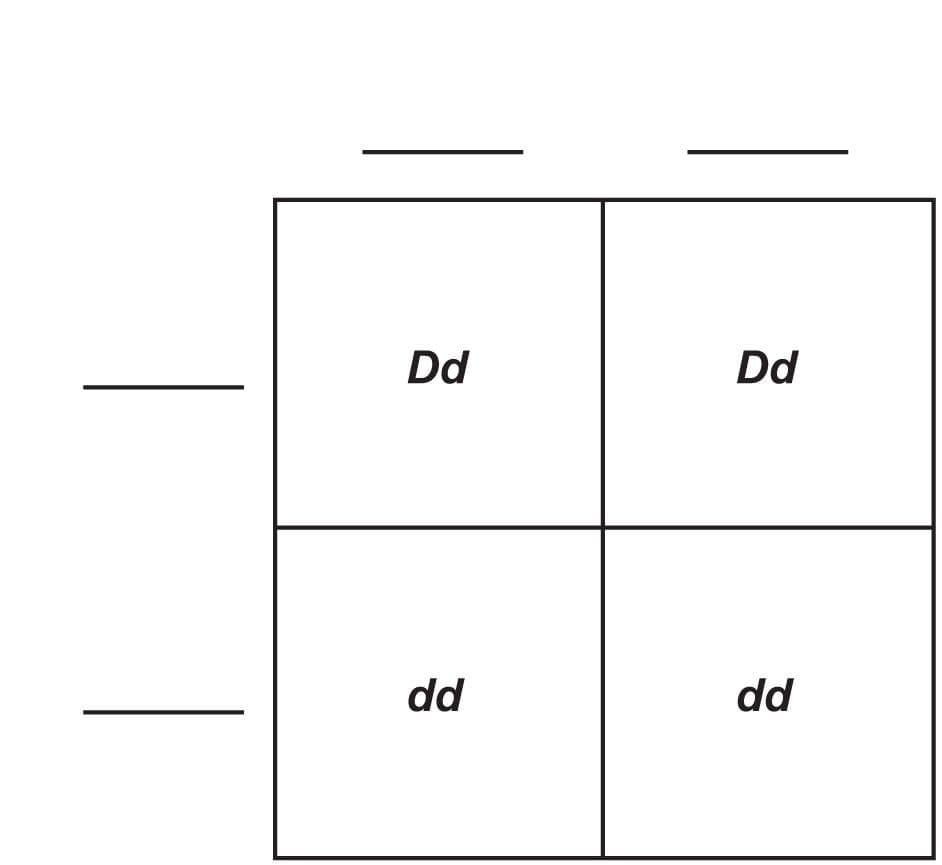
Look at the diagram shown. The alleles for the parents are missing. What is the dominant phenotype of the offspring in the cross shown?
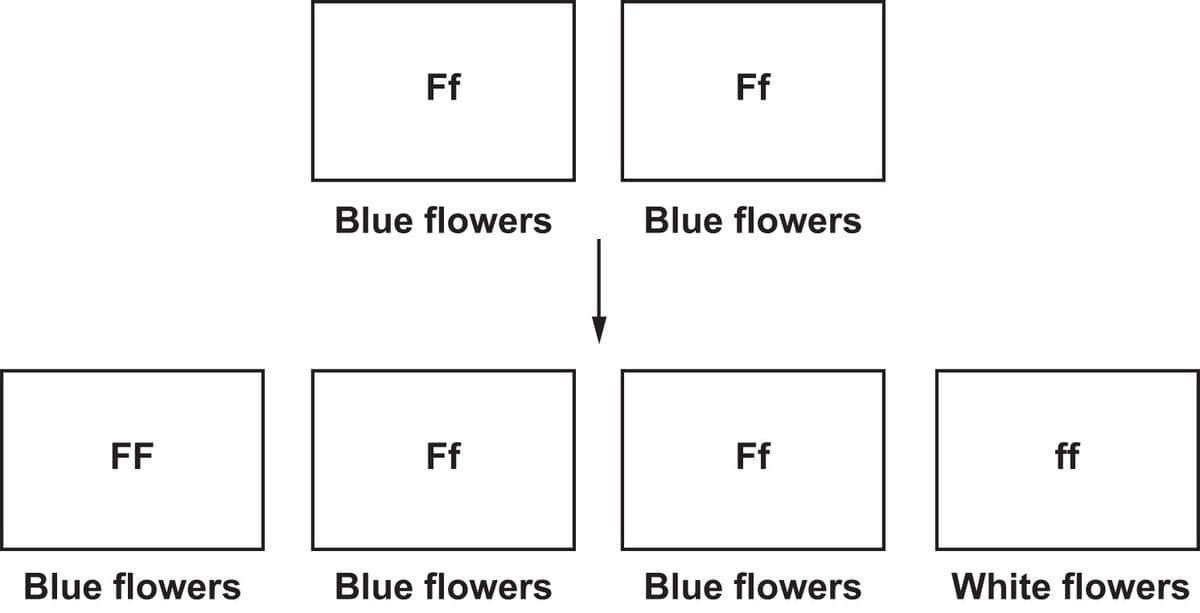
The diagram shows a cross similar to one of Mendel’s pea plant crosses. What is the dominant phenotype of the offspring in the cross shown?
A pine tree has organs that carry out specific functions needed for survival. What function do the tree’s leaves carry out?
Leaf-cutter ants and lianas are two of the many organisms that live in the Amazon rainforest. Leaf-cutter ants live in large colonies on the rainforest floor. Lianas are vines that grow from the rainforest floor to the top of tall trees.
Five needs of living things are listed. Write the letter of each need under each correct category. Some letters will be used more than once.
A. Water
B. Nutrients from the soil
C. Energy from sunlight
D. Gases From Air
E. Energy from Sugar
Using the letters from above, correctly identify which letter would be under Needs of leaf cutter ants and needs of liana vines, Type your answers below

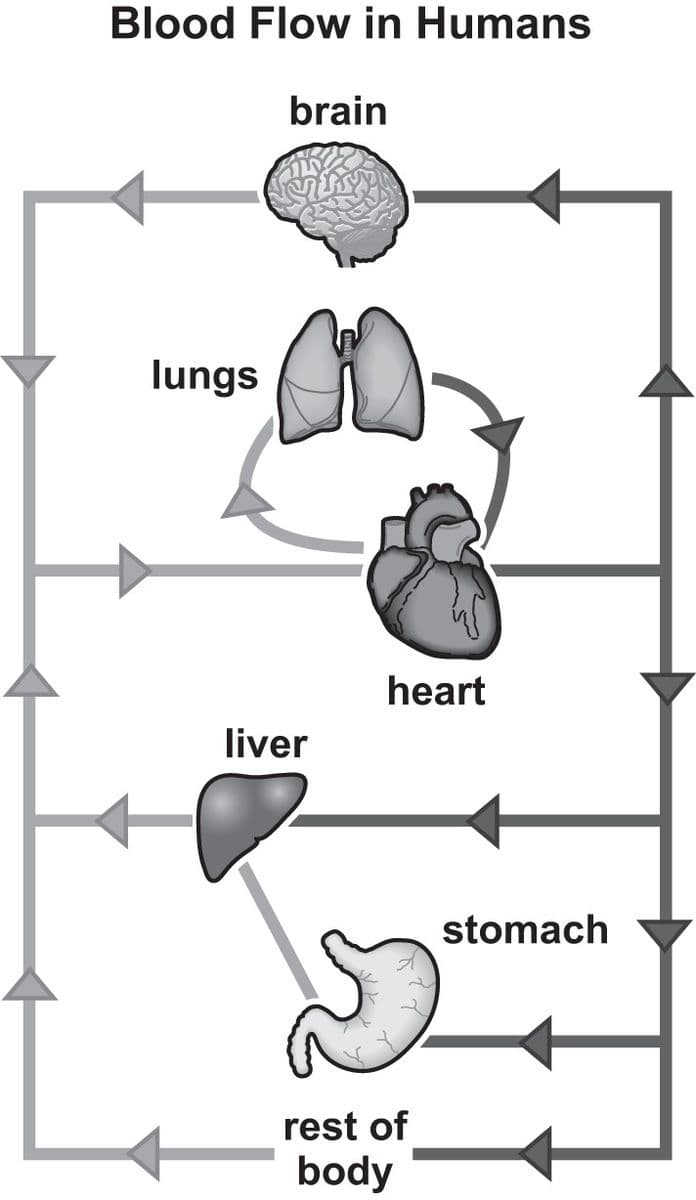
The diagram above shows blood flow through organs in the human body
Describe how cells, tissues, organs, and organ systems depend on one another.
Henry designs an experiment to discover why plants without flowers tend to bewind-pollinated and not animal-pollinated. He takes samples from various plants and studies them in the field. He finds that the evidence supports his hypothesis. Which of these was the hypothesis Henry was testing?
Where would you expect to see seedless plants, such as ferns and mosses?
The chart describes several different parts of flowering plants. Which of these gives the correct labels for columns, B, and C?

Which type of plant makes up the largest group in the Plantaekingdom?
How do flowering plants reproduce through sexual reproduction?
Rice is an important food crop throughout the world. Growing rice requires a large amount of water because the roots of rice plants must remain under water. Explain how genes could play a role in helping farmers grow rice using less water.
Which of these best describes successful animal behaviors?
A zoologist is comparing animals that reproduce asexually with those that reproduce sexually. What is sexual reproduction? What is the major advantage of sexual reproduction?
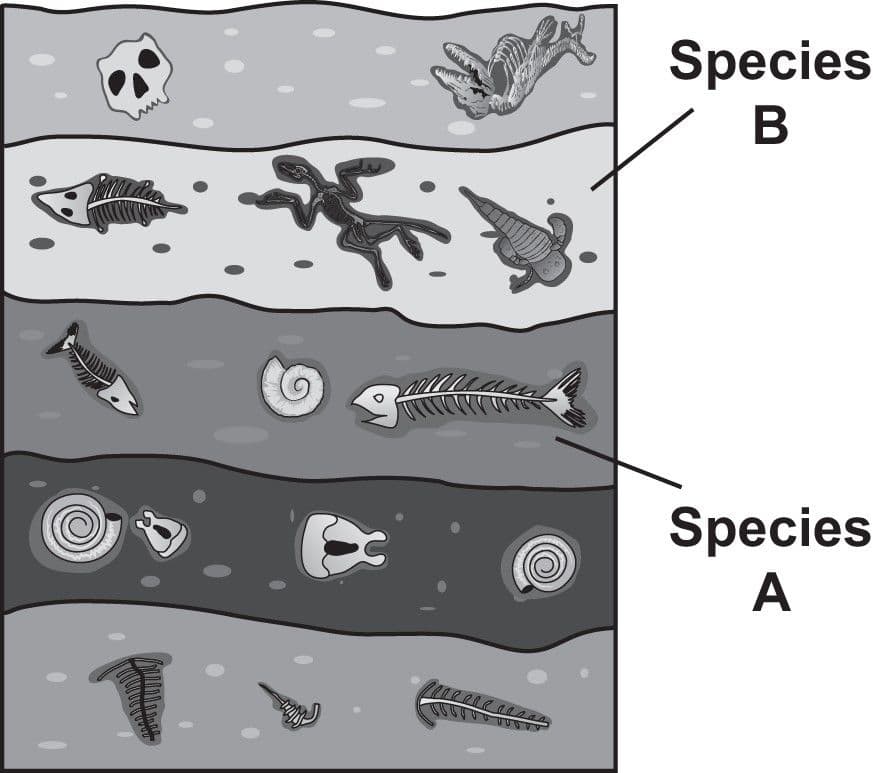
A scientist studies a fossil record as shown. He concludes that Species A is older than Species B. Which of these statements supports his conclusion?
Scientists have found several remains of woolly mammoths in the Arctic tundra. Scientists want to recreate the fossilization event to understand how the animals died. Which of these experiments would most closely model the process by which a woolly mammoth would have been fossilized?
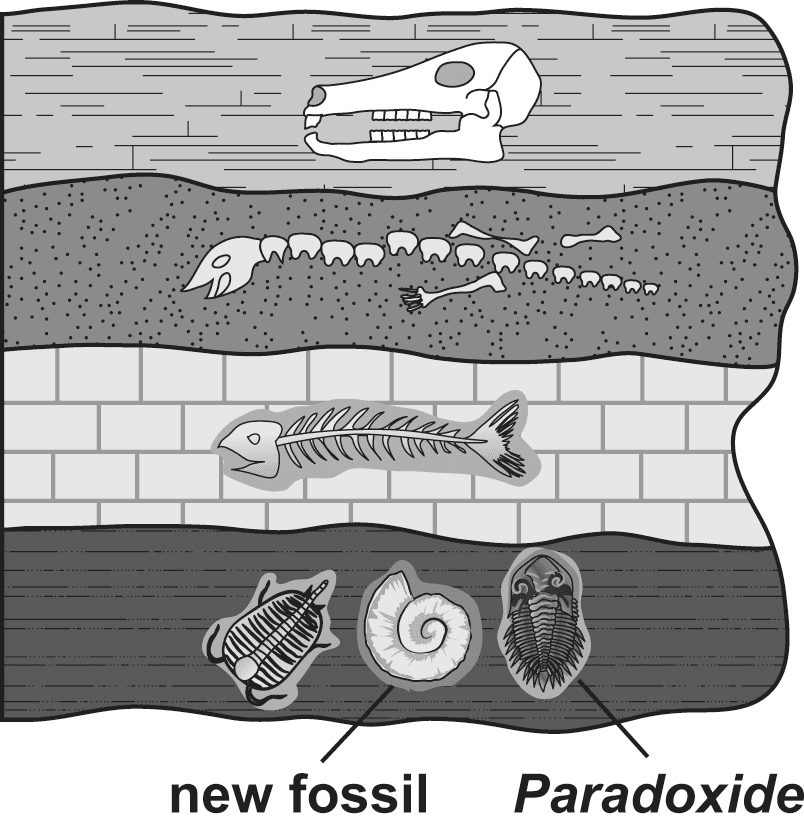
Explain how index fossils are used to help date newly discovered fossils.
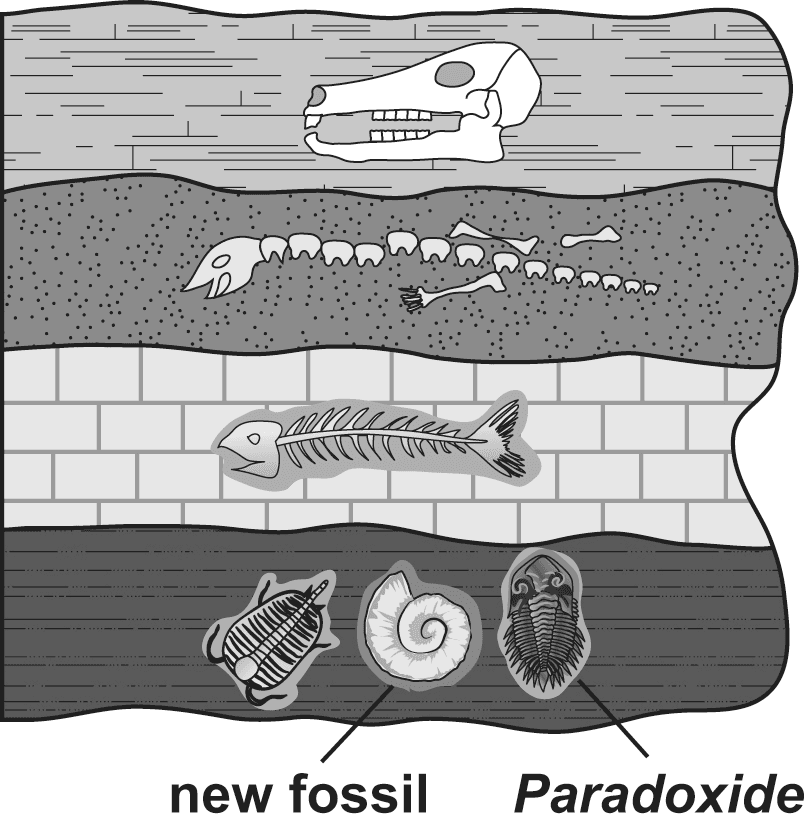
1. Identify another method that could be used to determine the age of the fossil.
2. Explain why determining the age of the new fossil find is important to scientists.
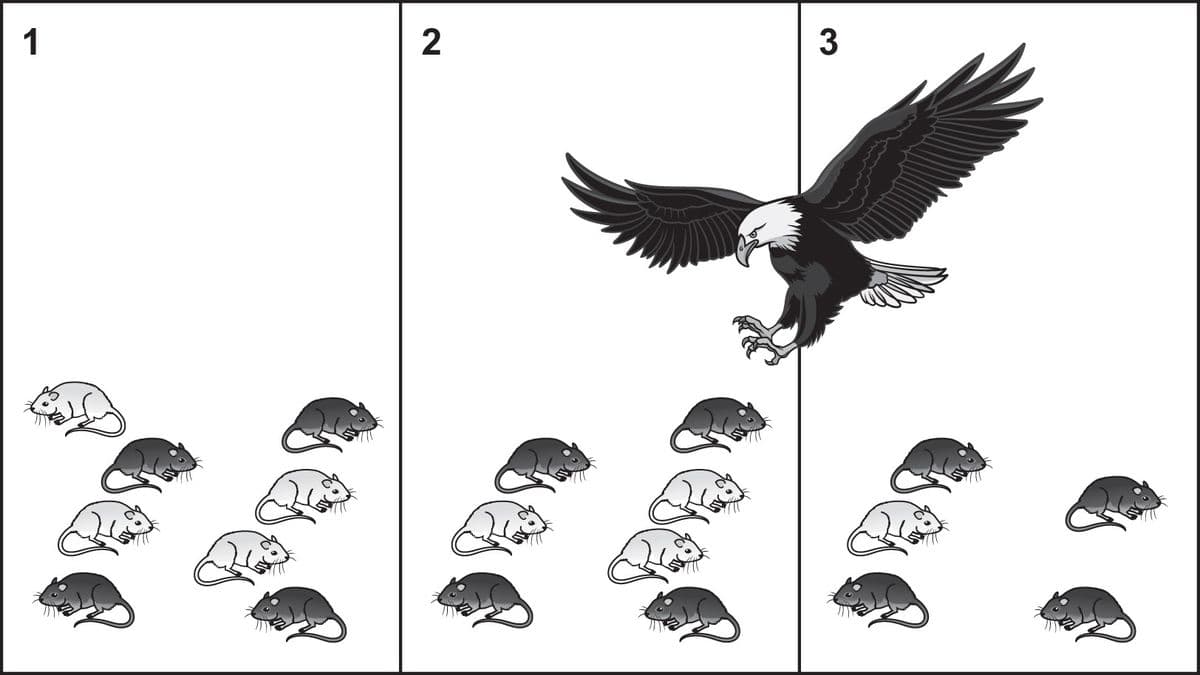
The picture shows the changes over time in a population of mice in the wild after an eagle has moved into its environment. The white and dark mice differ only in color.
Two finches are shown.
Assume that each finch comes from a large population of similar finches in its particular environment. Imagine a drought in the environment of Finch 1 makes the small seeds they normally feed off of scarce. Describe how natural selection could cause the population of finches in the first group to evolve over time to resemble the population finch 2.

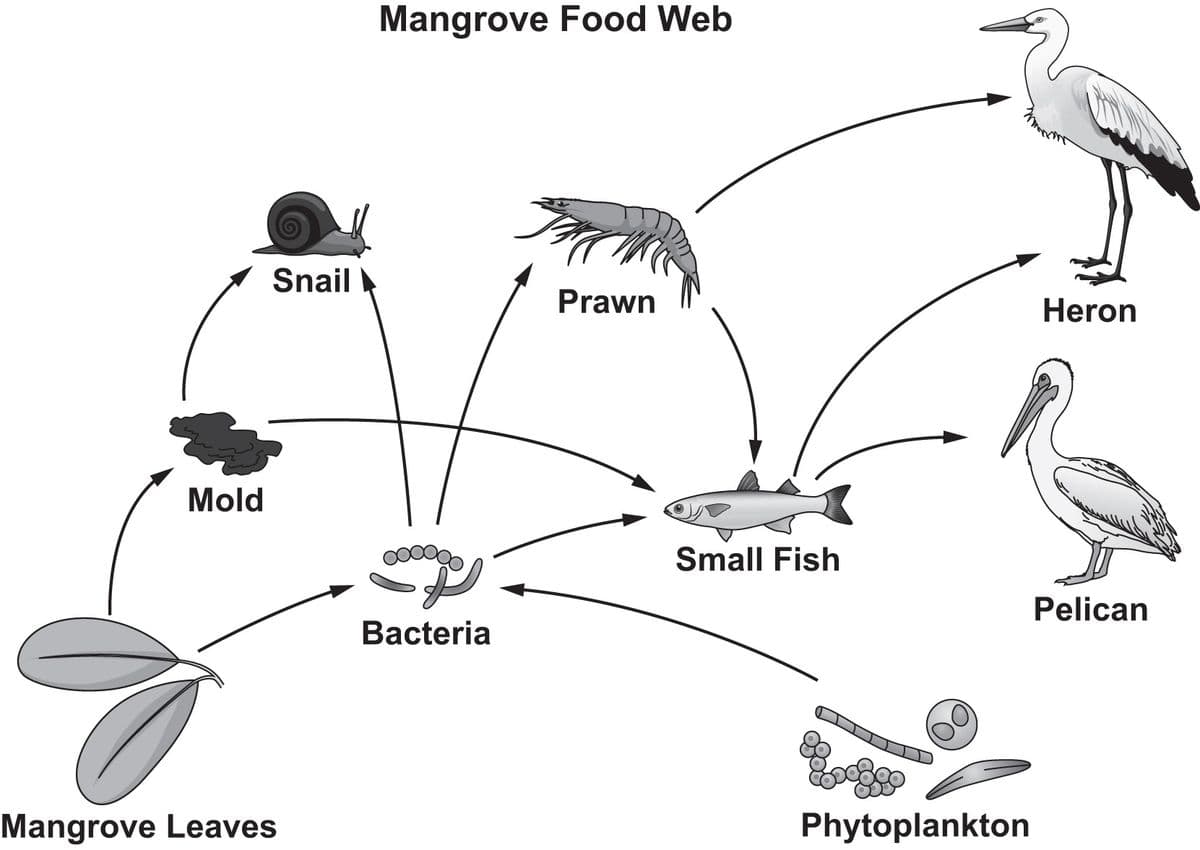
Humans have fished prawns and small fish in an estuary to near extinction. Describe the impact this could have on the bacteria and mold population as well as the heron and pelican populations.
Explain how speciation could occur in a squirrel species that live in an urban area.
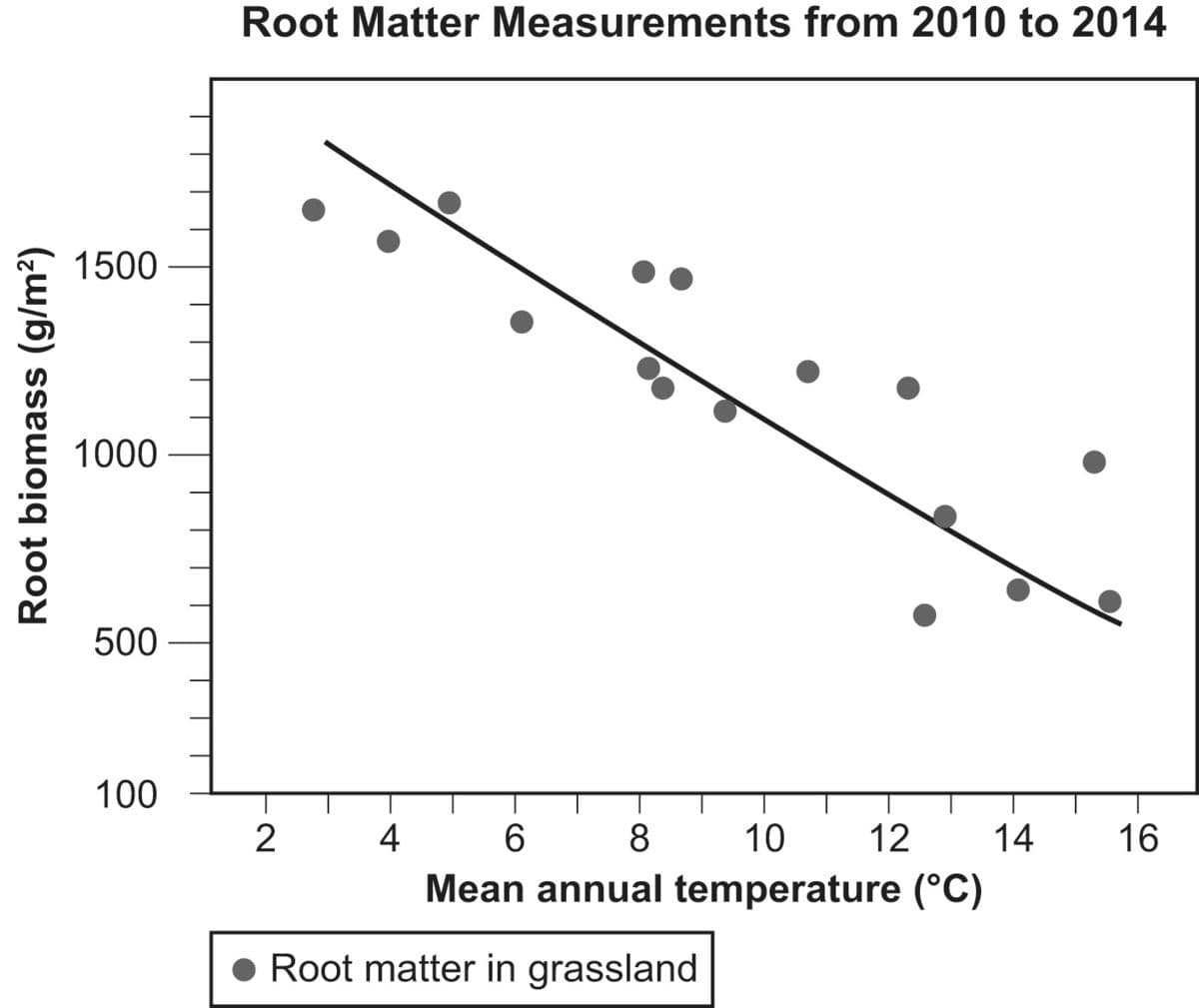
Scientists are studying how the average temperature affects how roots of grasses in grassland ecosystems grow. The amount of plant roots found in the soil is called root matter. The graph shows the amount of root matter that can be found in soil depending on the average annual temperature.
Based on the graph, what prediction could scientists make about the grass populations in this grassland ecosystem?
Mutualism is a type of interaction between populations of organisms in an ecosystem. For example, bees and flowers have a mutualistic relationship in which the flowers are pollinated and the bees receive food.
Explain how a mutualistic relationship is different from a commensalistic relationship.
If a city starts planting wildflowers along the roadways, how would you expect the population of bees to change over time? Explain your reasoning.
The diagram shows how energy can move through an ecosystem. Which organism would complete the diagram?

Decomposers cycle matter and energy between which of these?
Orangutans are critically endangered and losing their habitat because the trees in the rainforest are being cut down. Write your answer on the lines.
