Loading...


a, an or some
Quiz by Anastasia Matveeva
Customize this quiz to suit your class
Instantly translate to 100+ languages
Tag the questions with any skills you have. Your dashboard will track each student's mastery of each skill.
Give this quiz to my class
a,an,some

b) an exam
c) some exam
a) a exam
a,an,some
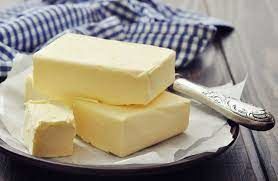
a) a butter
b) an butter
c) some butter
a,an,some

a,an,some
a,an, some

a, an, some

a, an, some

a,an,some

a, an, some
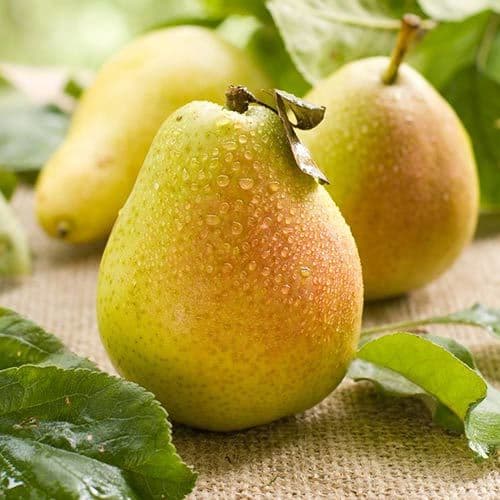
a, an, some

a, an, some

a, an, some

a, an, some

a, an, some

a, an, some
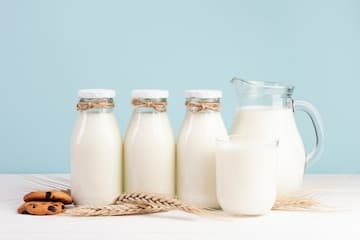
a, an, some

a, an, some
 a/an or some Word Definition assassin Someone who murders a well-known person avenge to hurt or get back at someone because they have offended you defensive used to protect someone or something from harm slavery the system that forced African Americans to work for an owner and be treated like property. tyrant a ruler who uses power in a cruel and unfair way accept to be okay with something that is challenging or unpleasant support to agree with an idea or person because you believe it is important familiar often seen or understood intend to plan to do something; reach a goal manage to do something that is difficult or unpleasant, especially after trying hard. attempt to try to do something that is difficult or challenging What is the relationship between faults and earthquakes? What happens to a fault when an earthquake occurs? Earthquakes occur on faults - strike-slip earthquakes occur on strike-slip faults, normal earthquakes occur on normal faults, and thrust earthquakes occur on reverse or thrust faults. When an earthquake occurs on one of these faults, the rock on one side of the fault slips with respect to the other. The fault surface can be vertical, horizontal, or at some angle to the surface of the earth. The slip direction can also be at any angle. What is a fault and what are the different types? A fault is a fracture or zone of fractures between two blocks of rock. Faults allow the blocks to move relative to each other. This movement may occur rapidly, in the form of an earthquake - or may occur slowly, in the form of creep. Faults may range in length from a few millimeters to thousands of kilometers. Most faults produce repeated displacements over geologic time. During an earthquake, the rock on one side of the fault suddenly slips with respect to the other. The fault surface can be horizontal or vertical or some arbitrary angle in between. Earth scientists use the angle of the fault with respect to the surface (known as the dip) and the direction of slip along the fault to classify faults. Faults which move along the direction of the dip plane are dip-slip faults and described as either normal or reverse (thrust), depending on their motion. Faults which move horizontally are known as strike-slip faults and are classified as either right-lateral or left-lateral. Faults which show both dip-slip and strike-slip motion are known as oblique-slip faults. The following definitions are adapted from The Earth by Press and Siever. normal fault - a dip-slip fault in which the block above the fault has moved downward relative to the block below. This type of faulting occurs in response to extension and is often observed in the Western United States Basin and Range Province and along oceanic ridge systems. Normal Fault Animation reverse (thrust) fault - a dip-slip fault in which the upper block, above the fault plane, moves up and over the lower block. This type of faulting is common in areas of compression, such as regions where one plate is being subducted under another as in Japan. When the dip angle is shallow, a reverse fault is often described as a thrust fault. Thrust Fault Animation Blind Thrust Fault Animation strike-slip fault - a fault on which the two blocks slide past one another. The San Andreas Fault is an example of a right lateral fault. Strike-slip Fault Animation A left-lateral strike-slip fault is one on which the displacement of the far block is to the left when viewed from either side. A right-lateral strike-slip fault is one on which the displacement of the far block is to the right when viewed from either side. Accommodate: To provide lodging or make adjustments to meet someone's needs or requirements. Accused: A person who is charged with or suspected of committing a crime or wrongdoing. Ambassadors: Diplomatic representatives of one country appointed to another country to promote and protect their home country's interests. Apparel: Clothing or garments worn by individuals. Attached: Connected or joined to something. Attendees: People who are present at an event or gathering. Bulletins: Official announcements or reports that provide information on a specific topic or event. Colloquial: Informal language or expressions used in everyday conversation. Currency: The system of money used in a particular country or region. Efficacy: The ability or effectiveness of something to produce the desired result or outcome. Erroneous: Incorrect or mistaken. Essence: The fundamental nature or quality of something. Gimmick: A clever or unique feature or trick used to attract attention or promote something. Occult: Relating to supernatural or mystical beliefs, practices, or phenomena. Syllabus: An outline or summary of topics to be covered in a course or educational program. Symmetry: The quality of being made up of exactly similar parts facing each other or around an axis. Tattoo: A permanent design or marking made on the skin by injecting ink. Territory: A defined area of land or jurisdiction. Utterance: A spoken word or phrase. Warranty: A written guarantee or promise provided by a manufacturer or seller to repair or replace a faulty product within a specified period.A solution is a mixture in which one or more substances are uniformly distributed in another substance. Solutions can be mixtures of liquids, solids, or gases. For example, plasma, the liquid part of blood, is a very complex solution. It is composed of many types of ions and large molecules, as well as gases, that are dissolved in water. A solute (SAHL-YOOT) is a substance dissolved in the solvent. The particles that compose a solute may be ions, atoms, or molecules. The solvent is the substance in which the solute is dissolved. For example, when sugar, a solute, and water, a solvent, are mixed, a solution of sugar water results. Though the sugar dissolves in the water, neither the sugar molecules nor the water molecules are altered chemically. If the water is boiled away, the sugar molecules remain and are unchanged. Solutions can be composed of various proportions of a given solute in a given solvent. Thus, solutions can vary in concentra- tion. The concentration of a solution is the amount of solute dis- solved in a fixed amount of the solution. For example, a 2 percent saltwater solution contains 2 g of salt dissolved in enough water to make 100 mL of solution. The more solute dissolved, the greater is the concentration of the solution. A saturated solution is one in which no more solute can dissolve. Aqueous (AY-kwee-uhs) solutions—solutions in which water is the solvent—are universally important to living things. Marine microorganisms spend their lives immersed in the sea, an aqueous solution. Most nutrients that plants need are in aqueous solutions in moist soil. Body cells exist in an aqueous solution of intercellu- lar fluid and are themselves filled with fluid; in fact, most chemical reactions that occur in the body occur in aqueous solutions. Copyright © by Holt, Rinehart and Winston. All rights reserved. Liquid water Solid water Ice (solid water) is less dense than liquid water because of the structure of ice crystals. The water molecules in ice are bonded to each other in a way that creates large amounts of open space between the molecules, relative to liquid water. FIGURE 2-12 solvent from the Latin solvere, meaning “to loosen” Word Roots and Origins CHEMISTRY OF LIFE 43 ACIDS AND BASES One of the most important aspects of a living system is the degree of its acidity or alkalinity. What do we mean when we use the terms acid and base? Ionization of Water As water molecules move about, they bump into one another. Some of these collisions are strong enough to result in a chemical change: one water molecule loses a proton (a hydrogen nucleus), and the other gains this proton. This reaction really occurs in two steps. First, one molecule of water pulls apart another water molecule, or dissociates, into two ions of opposite charge: H2O ∏ H OH The OH ion is known as the hydroxide ion. The free H ion can react with another water molecule, as shown in the equation below. H H2O ∏ H3O The H3O ion is known as the hydronium ion. Acidity or alkalin- ity is a measure of the relative amounts of hydronium ions and hydroxide ions dissolved in a solution. If the number of hydronium ions in a solution equals the number of hydroxide ions, the solution is said to be neutral. Pure water contains equal numbers of hydro- nium ions and hydroxide ions and is therefore a neutral solution. Acids If the number of hydronium ions in a solution is greater than the number of hydroxide ions, the solution is an acid. For example, when hydrogen chloride gas, HCl, is dissolved in water, its mol- ecules dissociate to form hydrogen ions, H, and chloride ions, Cl, as is shown in the equation below. HCl ∏ H Cl These free hydrogen ions combine with water molecules to form hydronium ions, H3O. This aqueous solution contains many more hydronium ions than it does hydroxide ions, making it an acidic solution. Acids tend to have a sour taste; how- ever, never taste a substance to test it for acidity. In concentrated forms, they are highly corrosive to some materials, as you can see in Figure 2-13. Bases If sodium hydroxide, NaOH, a solid, is dissolved in water, it dissociates to form sodium ions, Na, and hydroxide ions, OH, as shown in the equation below. NaOH ∏ Na OH Copyright © by Holt, Rinehart and Winston. All rights reserved. Eco Connection onnection Acid Precipitation Acid precipitation, more commonly called acid rain, describes rain, snow, sleet, or fog that contains high levels of sulfuric and nitric acids. These acids form when sulfur dioxide gas, SO2, and nitrogen oxide gas, NO, react with water in the atmosphere to produce sulfuric acid, H2SO4, and nitric acid, HNO3. Acid precipitation makes soil and bodies of water, such as lakes, more acidic than normal. These high acid levels can harm plant and animal life directly. A high level of acid in a lake may kill mollusks, fish, and amphibians. Even in a lake that does not have a very elevated level of acid, acid precipitation may leach aluminum and magnesium from soils, poisoning water- dwelling species. Reducing fossil-fuel consump- tion, such as occurs in gasoline engines and coal-burning power plants, should reduce high acid levels in precipitation. Sulfur dioxide, SO2, which is produced when fossil fuels are burned, reacts with water in the atmosphere to produce acid precipitation. Acid precipitation, or acid rain, can make lakes and rivers too acidic to support life and can even corrode stone, such as the face of this statue. FIGURE 2-13 44 CHAPTER 2 This solution then contains more hydroxide ions than hydronium ions and is therefore defined as a base. The adjective alkaline refers to bases. Bases have a bitter taste; however, never taste a substance to test for alkalinity. They tend to feel slippery because the OH ions react with the oil on our skin to form a soap. In fact, commercial soap is the product of a reaction between a base and a fat. pH Scientists have developed a scale for comparing the relative con- centrations of hydronium ions and hydroxide ions in a solution. This scale is called the pH scale, and it ranges from 0 to 14, as shown in Figure 2-14. A solution with a pH of 0 is very acidic, a solution with a pH of 7 is neutral, and a solution with a pH of 14 is very basic. A solution’s pH is measured on a logarithmic scale. That is, the change of one pH unit reflects a 10-fold change in the acidity or alkalinity. For example, urine has 10 times the H3O ions at a pH of 6 than water does at a pH of 7. Vinegar, has 1,000 times more H3O ions at a pH of 3 than urine at a pH of 6, and 10,000 times more H3O ions than water at a pH of 7. The pH of a solution can be measured with litmus paper or with some other chemical indicator that changes color at various pH levels. Buffers The control of pH is important for living systems. Enzymes can function only within a very narrow pH range. The control of pH in organisms is often accomplished with buffers. Buffers are chemi- cal substances that neutralize small amounts of either an acid or a base added to a solution. As Figure 2-14 shows, the composition of your internal environment—in terms of acidity and alkalinity— varies greatly. Some of your body fluids, such as stomach acid and urine, are acidic. Others, such as intestinal fluid and blood, areVocabulary List 1. Avocation Definition: A hobby or activity someone enjoys doing in addition to their main work. Example: Drawing cartoons was his favorite avocation after school. 2. Supercolossal Definition: Extremely large; even bigger than enormous. Example: They ordered a supercolossal pizza to share. 3. Repress Definition: To hold back or keep feelings or thoughts hidden. Example: She tried to repress her anger during the argument. 4. Subliminally Definition: In a way that affects the mind without someone realizing it. Example: The music subliminally made the store feel calmer. 5. Thrombosis Definition: A medical condition where a blood clot forms inside a blood vessel. Example: The doctor warned that lack of exercise can increase the risk of thrombosis. 6. Sclerosis Definition: A hardening of body tissue, especially arteries or organs. Example: The patient was diagnosed with sclerosis that affected his mobility. 7. Distortion Definition: A change that makes something appear different from what it really is. Example: The funhouse mirror caused a distortion of her reflection. 8. Philanthropy Definition: The act of giving money or help to improve the lives of others. Example: His philanthropy helped build a new library for the town. 9. Prevarications Definition: Lies or evasive statements used to avoid telling the truth. Example: The teacher grew tired of the student’s prevarications about missing homework. 10. Syndrome Definition: A group of symptoms or behaviors that occur together. Example: The doctor studied the syndrome to better understand the illness. 11. Schizophrenic Definition: Relating to a mental disorder where a person may have difficulty distinguishing reality from imagination. Example: The character in the story showed schizophrenic behavior. 12. Subsidize Definition: To support financially, usually with money from the government or an organization. Example: The city decided to subsidize public transportation. 13. Phenomenal Definition: Very remarkable or impressive. Example: The athlete gave a phenomenal performance in the race. 14. Demented Definition: Showing disturbed or irrational behavior. Example: The villain in the movie had a demented laugh. 15. Patron Definition: A person who supports or regularly visits a business, artist, or organization. Example: She was a loyal patron of the local bookstore. 16. Cultural Lag Definition: When ideas and beliefs take longer to change than technology or society. Example: Cultural lag can make it hard for laws to keep up with new technology. 17. Omens Definition: Signs believed to predict something that will happen in the future. Example: Some people think black cats are omens of bad luck. 18. Antagonistic Definition: Showing hostility or opposition. Example: The rival teams were antagonistic toward each other. 19. Voluptuous Definition: Curvy and attractive in a full, rich way. Example: The sculpture showed a voluptuous figure. 20. Oscilloscope Definition: A device used to view and measure electrical signals. Example: The scientist used an oscilloscope to study the sound waves. 21. Putrid Definition: Rotting and giving off a very bad smell. Example: The garbage smelled putrid after sitting in the sun. 22. Fixated Definition: Focused or obsessed with something. Example: He became fixated on winning the competition. 23. Mundane Definition: Ordinary, dull, or routine. Example: She was tired of the mundane chores she had to do every day. 24. Ghouls Definition: Evil or ghost-like creatures that feed on the dead in stories or legends. Example: The haunted house story was filled with ghouls and monsters. 25. Maladjusted Definition: Unable to cope well with the demands of life or society. Example: The counselor helped the maladjusted student deal with stress. 26. Incongruous Definition: Not fitting in; out of place. Example: The fancy chandelier looked incongruous in the small cabin. 27. Tribute Definition: Something done or given to show respect or admiration. Example: The concert was a tribute to the famous musician. 28. Audibly Definition: In a way that can be heard clearly. Example: He audibly sighed when the test ended. 29. Proficiency Definition: Skill or competence in doing something. Example: Her proficiency in math helped her tutor other students.Create a comprehension quiz for the following vocabulary; To be getting on in age: Growing older; advancing in years. Pet peeve: Something that annoys or bothers someone significantly. Pinhead: A small-minded or foolish person. Nit-pick: To find fault with small or trivial details. Whilst/while: During the time that; at the same time as. On a dig: Engaged in archaeological excavation. Mad vs crazy: "Mad" typically refers to anger or insanity, while "crazy" can denote insanity or extreme enthusiasm. Twitch: A sudden, quick movement or spasm. Dreamt/dreamed: Past tense forms of the verb "to dream." Eaves: The part of a roof that overhangs the walls. Burly man: A strong, muscular man. She’s a looker: A woman who is attractive or visually appealing. Breech birth: A birth in which the baby is delivered feet first instead of head first. Being too forward: Acting too boldly or presumptuously. Gooey: Soft and sticky, often used to describe certain textures or emotional situations. Spare tire: Excess fat around the waistline; a protruding belly. Twists and turns of fate: Unexpected changes or developments in life. Pompous: Self-important or arrogant. Play a prank on someone: To carry out a mischievous trick or joke on someone. Scamps: Mischievous or playful individuals, often used affectionately. To tend one's resignation: To formally submit one's resignation from a job. A sound judgment: A wise or rational decision. To set someone up with someone else: To arrange a meeting or date between two people. Loon: A colloquial term for a crazy or eccentric person. Duvet: A type of blanket filled with feathers, down, or synthetic fibers, used as a bed covering. Don't Meddle: Do not interfere or intervene. Croquet mallet: A hammer-like instrument used to strike croquet balls. Cut it out: Stop doing something annoying or inappropriate. Pop over: Visit briefly or unexpectedly. It was a riot: It was extremely funny or enjoyable. Spit Tspat spat: Sounds indicating a quick, spat-out expulsion of saliva. A hoot: Something that is amusing or enjoyable. Overhear: To unintentionally hear what others are saying without their knowledge. You're quite a package: You possess many appealing qualities or attributes. I'm quite a catch: I am an attractive or desirable partner. Limper: A person who walks with a limp. A hanky: A handkerchief, a small piece of cloth carried for personal hygiene or used as a fashion accessory.1. Sit down – Sit on a chair or lower your body. Example: "Please sit down and relax." (Сядьте и расслабьтесь.) 2. Lie down – Recline or rest horizontally. Example: "You should lie down if you're tired." (Тебе следует прилечь, если ты устал.) 3. Turn down – Refuse an offer or reduce volume/heat. Example: "She turned down the job offer." (Она отказалась от предложения о работе.) 4. Slow down – Reduce speed. Example: "Slow down! The road is icy." (Сбавь скорость! Дорога скользкая.) 5. Calm down – Become less angry or anxious. Example: "Calm down and tell me what happened." (Успокойся и расскажи, что случилось.) 6. Break down – Stop working (machine) or lose control emotionally. Example: "My car broke down yesterday." (Моя машина сломалась вчера.) 7. Write down – Record something on paper. Example: "Write down the phone number." (Запиши номер телефона.) 8. Put down – Place something on a surface or insult someone. Example: "Put down the book on the table." (Положи книгу на стол.) 9. Bring down – Reduce (prices, temperature) or make someone sad. Example: "The news brought her down." (Новость расстроила ее.) 10. Cut down – Reduce consumption (e.g., food, expenses). Example: "I need to cut down on sugar." (Мне нужно сократить потребление сахара.) 11. Let down – Disappoint someone. Example: "He let me down by not coming." (Он меня подвел, не прийдя.) 12. Shut down – Close a business or turn off a machine. Example: "The factory shut down last year." (Фабрика закрылась в прошлом году.) 13. Knock down – Demolish or hit someone to the ground. Example: "They knocked down the old building." (Они снесли старое здание.) 14. Settle down – Start living a stable life or calm down. Example: "They want to settle down and have kids." (Они хотят остепениться и завести детей.) 15. Go down – Decrease or descend. Example: "The price of gas went down." (Цена на бензин снизилась.) 16. Come down – Move from a higher place or become cheaper. Example: "Come down the stairs carefully." (Спускайся по лестнице осторожно.) 17. Hold down – Keep a job or suppress something. Example: "He holds down two jobs." (Он работает на двух работах.) 18. Burn down – Destroy by fire.