Loading...


A sumar...
Quiz by Gladys Esperanza Ravelo Estrada
Customize this quiz to suit your class
Instantly translate to 100+ languages
Tag the questions with any skills you have. Your dashboard will track each student's mastery of each skill.
Give this quiz to my class
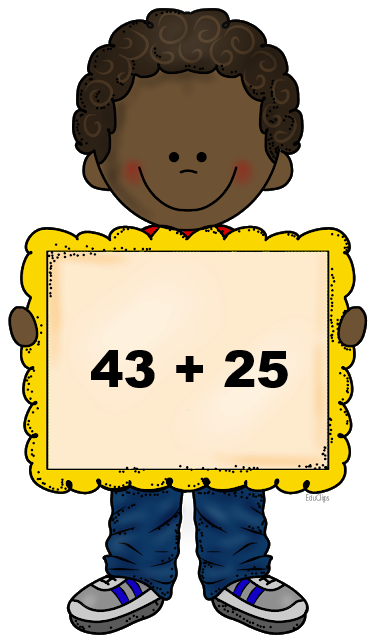
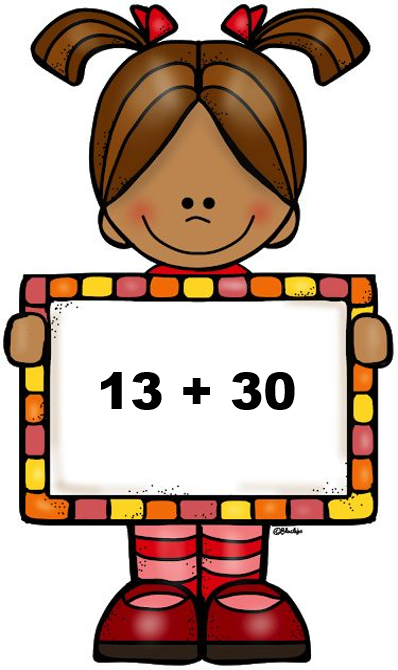
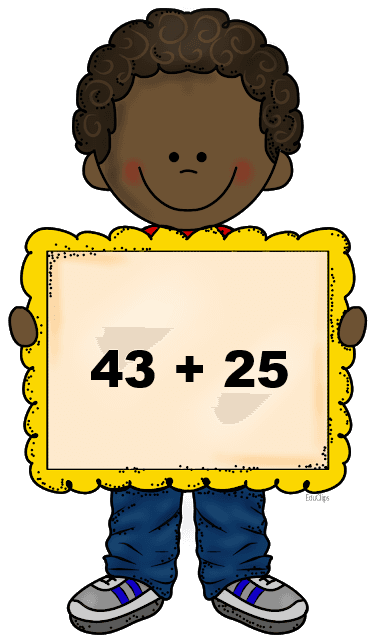
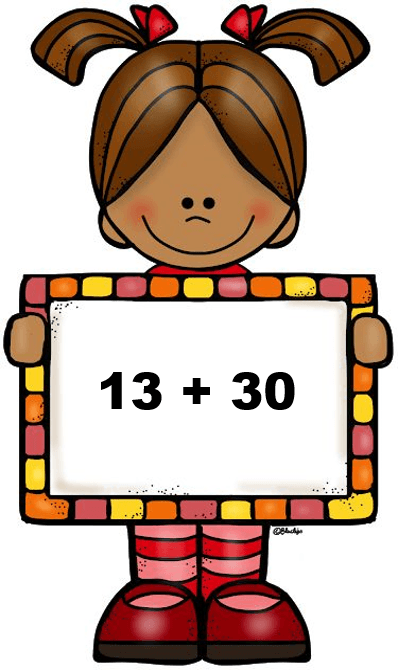
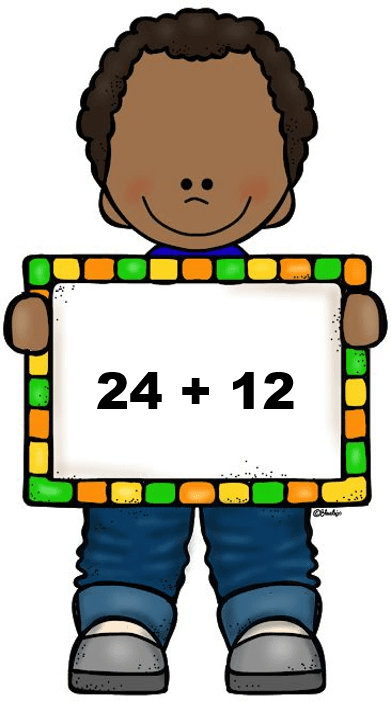
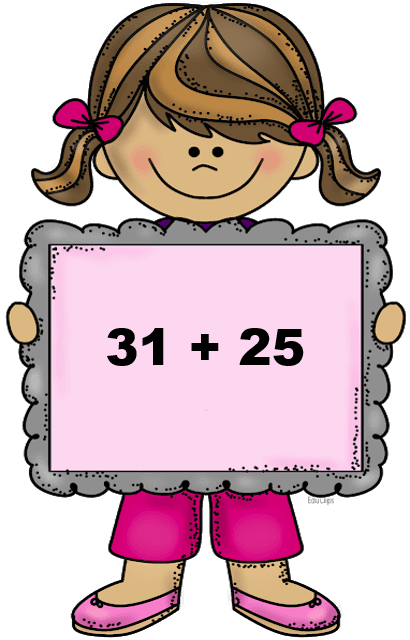
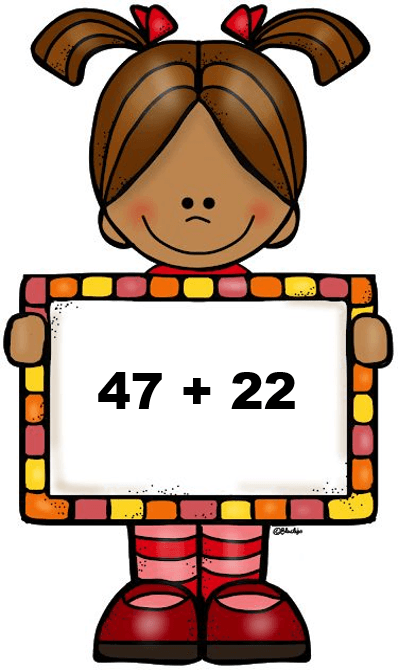

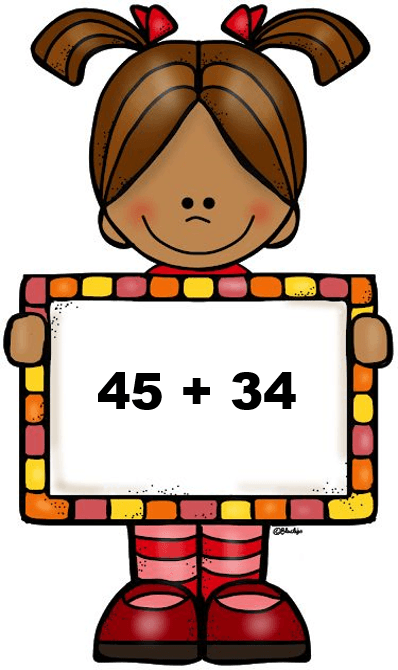

 ¡Vamos a Sumar!Which of the following carbohydrates is not a sugar?PASSIVE TRANSPORT Cell membranes help organisms maintain homeostasis by controlling what substances may enter or leave cells. Some substances can cross the cell membrane without any input of energy by the cell in a process known as passive transport. DIFFUSION The simplest type of passive transport is diffusion. Diffusion is the movement of molecules from an area of higher concentration to an area of lower concentration. This difference in the concentration of molecules across a distance is called a concentration gradient. Consider what happens when you add a sugar cube to a beaker of water. As shown in Figure 5-1, the sugar cube sinks to the bottom of the beaker. This sinking makes the concentration of sugar mole- cules greater at the bottom of the beaker than at the top. As the cube dissolves, the sugar molecules begin to diffuse slowly through the water, moving towards the lower concentration at the top. Diffusion is driven entirely by the molecules’ kinetic energy. Molecules are in constant motion because they have kinetic energy. Molecules move randomly, traveling in a straight line until they hit an object, such as another molecule. When they hit some- thing, they bounce off and move in a new direction, traveling in another straight line. If no object blocks their movement, they con- tinue on their path. Thus, molecules tend to move from areas where they are more concentrated to areas where they are less concentrated, or “down” their concentration gradient. In the absence of other influences, diffusion will eventually cause the molecules to be in equilibrium—the concentration of molecules will be the same throughout the space the molecules occupy. Returning to the example in Figure 5-1, if the beaker of water is left undisturbed, at some point the concentration of sugar molecules will be the same throughout the beaker. The sugar concentration will then be at equilibrium. SECTION 1 OBJECTIVES ● Explain how an equilibrium is established as a result of diffusion. ● Distinguish between diffusion and osmosis. ● Explain how substances cross the cell membrane through facilitated diffusion. ● Explain how ion channels assist the diffusion of ions across the cell membrane. VOCABULARY passive transport diffusion concentration gradient equilibrium osmosis hypotonic hypertonic isotonic contractile vacuole turgor pressure plasmolysis cytolysis facilitated diffusion carrier protein ion channel Sugar Water 1 2 3 FIGURE 5-1 Sugar molecules, initially in a high concentration at the bottom of a beaker, , will move about randomly through diffusion, , and eventually reach equilibrium, . At equilibrium the sugar concentration will be the same throughout the beaker. Diffusion occurs naturally because of the kinetic energy the molecules possess. 3 2 1 Copyright © by Holt, Rinehart and Winston. All rights reserved. 98 CHAPTER 5 It is important to understand that even at equilibrium the ran- dom movement of molecules continues. But because there is an equal concentration of molecules everywhere, molecules are just as likely to move in one direction as in any other. The random movements of many molecules in many directions balance one another, and equilibrium is maintained. Diffusion Across Membranes Cell membranes allow some molecules to pass through, but not others. If a molecule can pass through a cell membrane, it will diffuse from an area of higher concentration on one side of the membrane to an area of lower concentration on the other side. Diffusion across a membrane is also called simple diffusion, and only allows certain molecules to pass through the membrane. The simple diffusion of a molecule across a cell membrane depends on the size and type of molecule and on the chemical nature of the membrane. A membrane can be made, in part, of a phospho- lipid bilayer, and certain proteins can form pores in the membrane. Molecules that can dissolve in lipids may pass directly through the membrane by diffusion. For example, because of their nonpolar nature, both carbon dioxide and oxygen dissolve in lipids. Molecules that are very small but not soluble in lipids may diffuse across the membrane by moving through the pores in the membrane.CELLULAR RESPIRATION CELLULAR RESPIRATION What is it? Cellular respiration is the process by which cells break down glucose (a simple sugar) and other organic molecules to release energy in the form of ATP (adenosine triphosphate), which powers cell activities. Overall equation: C6H12O6 + 6O2 ⟶ 6CO2 + 6H2O + ATP (energy) Stages of Cellular Respiration 1. Glycolysis (in the cytoplasm) • Where it happens: Cytoplasm (outside mitochondria) • What happens: o One molecule of glucose (6 carbons) is split into two molecules of pyruvate (3 carbons each). o 2 ATP are used to start the process. o 4 ATP are produced (net gain = 2 ATP). o 2 NADH (electron carriers) are also produced. Summary of glycolysis products per glucose: • 2 ATP (net gain) • 2 NADH • 2 Pyruvate 2. Krebs Cycle (Citric Acid Cycle) (in the mitochondrial matrix) • Where it happens: Mitochondrial matrix • What happens: o Each pyruvate (3C) is converted to acetyl-CoA (2C) before entering the cycle. o Acetyl-CoA combines with oxaloacetate (4C) to form citric acid (6C). o Through a series of enzyme-controlled reactions, citric acid is broken down, releasing CO₂, ATP, NADH, and FADH₂. Summary of Krebs Cycle products (per 2 pyruvates): • 2 ATP • 6 NADH • 2 FADH₂ • 4 CO₂ (exhaled as waste) 3. Electron Transport Chain (ETC) & Oxidative Phosphorylation (in the inner mitochondrial membrane) • Where it happens: Inner mitochondrial membrane (cristae) • What happens: o NADH and FADH₂ donate high-energy electrons to proteins in the ETC. o As electrons move through the chain, protons (H⁺) are pumped across the membrane, creating a proton gradient. o This gradient powers ATP synthase, which makes lots of ATP (like a turbine powered by flowing water). o Oxygen acts as the final electron acceptor, combining with electrons and hydrogen to form water (H₂O). Summary of ETC products: • About 34 ATP • H₂O Total Energy Yield from One Glucose (Aerobic Respiration) • Glycolysis → 2 ATP • Krebs Cycle → 2 ATP • ETC → ~34 ATP Total: ~38 ATP (usually 36 in eukaryotes due to energy costs) Anaerobic Respiration (When Oxygen is Absent) If oxygen is not available, cells switch to fermentation: • Alcoholic Fermentation (yeast & some bacteria): pyruvate → ethanol + CO₂ • Lactic Acid Fermentation (muscles & some bacteria): pyruvate → lactic acid These processes only make 2 ATP per glucose, much less efficient than aerobic respiration. Key Takeaway: Cellular respiration is like the cell’s power plant: glycolysis breaks glucose into smaller pieces, the Krebs cycle extracts more high-energy electrons, and the ETC uses those electrons to generate the bulk of ATP. Oxygen is essential for the final step, which is why we need to breathe to stay alive.CARBOHYDRATES Carbohydrates are organic compounds composed of carbon, hydrogen, and oxygen in a ratio of about one carbon atom to two hydrogen atoms to one oxygen atom. The number of carbon atoms in a carbohydrate varies. Some carbohydrates serve as a source of energy. Other carbohydrates are used as structural materials. Carbohydrates can exist as monosaccharides, disaccharides, or polysaccharides. Monosaccharides A monomer of a carbohydrate is called a monosaccharide (MAHN-oh-SAK-uh-RIED). A monosaccharide—or simple sugar— contains carbon, hydrogen, and oxygen in a ratio of 1:2:1. The gen- eral formula for a monosaccharide is written as (CH2O)n, where n is any whole number from 3 to 8. For example, a six-carbon mono- saccharide, (CH2O)6, would have the formula C6H12O6. The most common monosaccharides are glucose, fructose, and galactose, as shown in Figure 3-6. Glucose is a main source of energy for cells. Fructose is found in fruits and is the sweetest of the monosaccharides. Galactose is found in milk. Notice in Figure 3-6 that glucose, fructose, and galactose have the same molecular formula, C6H12O6, but differing structures. The different structures determine the slightly different properties of the three compounds. Compounds like these sugars, with a single chemical formula but different structural forms, are called isomers (IE-soh-muhrz). SECTION 2 OBJECTIVES ● Distinguish between monosaccharides, disaccharides, and polysaccharides. ● Explain the relationship between amino acids and protein structure. ● Describe the induced fit model of enzyme action. ● Compare the structure and function of each of the different types of lipids. ● Compare the nucleic acids DNA and RNA. VOCABULARY carbohydrate monosaccharide disaccharide polysaccharide protein amino acid peptide bond polypeptide enzyme substrate active site lipid fatty acid phospholipid wax steroid nucleic acid deoxyribonucleic acid (DNA) ribonucleic acid (RNA) nucleotide C HO H C H OH C OH H C CH2OH H C H OH O Glucose C OH C O H OH C OH H CH2OH C H CH2OH Fructose C H HO C OH H C OH H C CH2OH H C H OH O Galactose Glucose, fructose, and galactose have the same chemical formula, but their structural differences result in different properties among the three compounds. FIGURE 3-6 Copyright © by Holt, Rinehart and Winston. All rights reserved. 56 CHAPTER 3 Disaccharides and Polysaccharides In living things, two monosaccharides can combine in a condensa- tion reaction to form a double sugar, or disaccharide (die-SAK-e-RIED). For example in Figure 3-4, the monosaccharides fructose and glu- cose can combine to form the disaccharide sucrose. A polysaccharide is a complex molecule composed of three or more monosaccharides. Animals store glucose in the form of the polysaccharide glycogen. Glycogen consists of hundreds of glucose molecules strung together in a highly branched chain. Much of the glucose that comes from food is ultimately stored in your liver and muscles as glycogen and is ready to be used for quick energy. Plants store glucose molecules in the form of the polysaccha- ride starch. Starch molecules have two basic forms—highly branched chains that are similar to glycogen and long, coiled, unbranched chains. Plants also make a large polysaccharide called cellulose. Cellulose, which gives strength and rigidity to plant cells, makes up about 50 percent of wood. In a single cellu- lose molecule, thousands of glucose monomers are linked in long, straight chains. These chains tend to form hydrogen bonds with each other. The resulting structure is strong and can be broken down by hydrolysis only under certain conditions. PROTEINS Proteins are organic compounds composed mainly of carbon, hydrogen, oxygen, and nitrogen. Like most of the other biological macromolecules, proteins are formed from the linkage of monomers called amino acids. Hair and horns, as shown in Figure 3-7a, are made mostly of proteins, as are skin, muscles and many biological catalysts (enzymes). Amino Acids There are 20 different amino acids, and all share a basic structure. As Figure 3-7b shows, each amino acid contains a central carbon atom covalently bonded to four other atoms or functional groups. A single hydrogen atom, highlighted in blue in the illustration, bonds at one site. A carboxyl group, —COOH, highlighted in green, bonds at a second site. An amino group, —NH2, highlighted in yel- low, bonds at a third site. A side chain called the R group, high- lighted in red, bonds at the fourth site. The main difference among the different amino acids is in their R groups. The R group can be complex or it can be simple, such as the CH3 group shown in the amino acid alanine in Figure 3-7b. The differences among the amino acid R groups gives different proteins very different shapes. The different shapes allow pro- teins to carry out many different activities in living things. Amino acids are commonly shown in a simplified way such as balls, as shown in Figure 3-7c. (a) Many structures, such as hair and horns are made of proteins. (b) Proteins are made up of amino acids. Amino acids differ only in the type of R group (shown in red) they carry. Polar R groups can dissolve in water, but nonpolar R groups cannot. (c) Amino acids have complex structures, so, in this and other textbooks, they are often simplified into balls. FIGURE 3-7 (b) Alanine (an amino acid) (c) Simplified version of amino acid CH3 H N OH C C H O H (a) Copyright © by Holt, Rinehart and Winston. All rights reserved. BIOCHEMISTRY 57 H H N C C OH H O H CH3 H2O Glycine Alanine H N OH C C H O H H H N C C H O H CH3 N OH C C H O H (a) (b) (a) The peptide bond (shaded blue) that binds amino acids together to form a polypeptide results from a condensation reaction that produces water. (b) Poly- peptides are commonly shown as a string of balls in this textbook and elsewhere. Each ball represents an amino acid. FIGURE 3-8 Substrate Products Enzyme 1 2 3 In the induced fit model of enzyme action, the enzyme can attach only to a substrate (reactant) with a specific shape. The enzyme then changes and reduces the activation energy of the reaction so reactants can become products. The enzyme is unchanged and is available to be used again. 3 2 1 FIGURE 3-9 Dipeptides and Polypeptides Figure 3-8a shows how two amino acids bond to form a dipeptide (die-PEP-TIED). In this condensation reaction, the two amino acids form a covalent bond, called a peptide bond (shaded in blue in Figure 3-8a) and release a water molecule. Amino acids often form very long chains called polypeptides (PAHL-i-PEP-TIEDZ). Proteins are composed of one or more polypep- tides. Some proteins are very large molecules, containing hun- dreds of amino acids. Often, these long proteins are bent and folded upon themselves as a result of interactions—such as hydrogen bonding—between individual amino acids. Protein shape can also be influenced by conditions such as temperature and the type of solvent in which a protein is dissolved. For exam- ple, cooking an egg changes the shape of proteins in the egg white. The firm, opaque result is very different from the initial clear, runny material. Enzymes Enzymes—RNA or protein molecules that act as biological catalysts—are essential for the functioning of any cell. Many enzymes are proteins. Figure 3-9 shows an induced fit model of enzyme action. Enzyme reactions depend on a physical fit between the enzyme molecule and its specific substrate, the reactant being catalyzed. Notice that the enzyme has folds, or an active site, with a shape that allows the substrate to fit into the active site. An enzyme acts only on a specific substrate because only that substrate fits into its active site. The linkage of the enzyme and substrate causes a slight change in the enzyme’s shape. The change in the enzyme’s shape weakens some chemical bonds in the substrate, which is one way that enzymes reduce activation energy, the energy needed to start the reaction. After the reaction, the enzyme releases the products. Like any catalyst, the enzyme itself is unchanged, so it can be used many times. An enzyme may not work if its environment is changed. For example, change in temperature or pH can cause a change in the shape of the enzyme or the substrate. If such a change happens, the reaction that the enzyme would have catalyzed cannot occur.A solution is a mixture in which one or more substances are uniformly distributed in another substance. Solutions can be mixtures of liquids, solids, or gases. For example, plasma, the liquid part of blood, is a very complex solution. It is composed of many types of ions and large molecules, as well as gases, that are dissolved in water. A solute (SAHL-YOOT) is a substance dissolved in the solvent. The particles that compose a solute may be ions, atoms, or molecules. The solvent is the substance in which the solute is dissolved. For example, when sugar, a solute, and water, a solvent, are mixed, a solution of sugar water results. Though the sugar dissolves in the water, neither the sugar molecules nor the water molecules are altered chemically. If the water is boiled away, the sugar molecules remain and are unchanged. Solutions can be composed of various proportions of a given solute in a given solvent. Thus, solutions can vary in concentra- tion. The concentration of a solution is the amount of solute dis- solved in a fixed amount of the solution. For example, a 2 percent saltwater solution contains 2 g of salt dissolved in enough water to make 100 mL of solution. The more solute dissolved, the greater is the concentration of the solution. A saturated solution is one in which no more solute can dissolve. Aqueous (AY-kwee-uhs) solutions—solutions in which water is the solvent—are universally important to living things. Marine microorganisms spend their lives immersed in the sea, an aqueous solution. Most nutrients that plants need are in aqueous solutions in moist soil. Body cells exist in an aqueous solution of intercellu- lar fluid and are themselves filled with fluid; in fact, most chemical reactions that occur in the body occur in aqueous solutions. Copyright © by Holt, Rinehart and Winston. All rights reserved. Liquid water Solid water Ice (solid water) is less dense than liquid water because of the structure of ice crystals. The water molecules in ice are bonded to each other in a way that creates large amounts of open space between the molecules, relative to liquid water. FIGURE 2-12 solvent from the Latin solvere, meaning “to loosen” Word Roots and Origins CHEMISTRY OF LIFE 43 ACIDS AND BASES One of the most important aspects of a living system is the degree of its acidity or alkalinity. What do we mean when we use the terms acid and base? Ionization of Water As water molecules move about, they bump into one another. Some of these collisions are strong enough to result in a chemical change: one water molecule loses a proton (a hydrogen nucleus), and the other gains this proton. This reaction really occurs in two steps. First, one molecule of water pulls apart another water molecule, or dissociates, into two ions of opposite charge: H2O ∏ H OH The OH ion is known as the hydroxide ion. The free H ion can react with another water molecule, as shown in the equation below. H H2O ∏ H3O The H3O ion is known as the hydronium ion. Acidity or alkalin- ity is a measure of the relative amounts of hydronium ions and hydroxide ions dissolved in a solution. If the number of hydronium ions in a solution equals the number of hydroxide ions, the solution is said to be neutral. Pure water contains equal numbers of hydro- nium ions and hydroxide ions and is therefore a neutral solution. Acids If the number of hydronium ions in a solution is greater than the number of hydroxide ions, the solution is an acid. For example, when hydrogen chloride gas, HCl, is dissolved in water, its mol- ecules dissociate to form hydrogen ions, H, and chloride ions, Cl, as is shown in the equation below. HCl ∏ H Cl These free hydrogen ions combine with water molecules to form hydronium ions, H3O. This aqueous solution contains many more hydronium ions than it does hydroxide ions, making it an acidic solution. Acids tend to have a sour taste; how- ever, never taste a substance to test it for acidity. In concentrated forms, they are highly corrosive to some materials, as you can see in Figure 2-13. Bases If sodium hydroxide, NaOH, a solid, is dissolved in water, it dissociates to form sodium ions, Na, and hydroxide ions, OH, as shown in the equation below. NaOH ∏ Na OH Copyright © by Holt, Rinehart and Winston. All rights reserved. Eco Connection onnection Acid Precipitation Acid precipitation, more commonly called acid rain, describes rain, snow, sleet, or fog that contains high levels of sulfuric and nitric acids. These acids form when sulfur dioxide gas, SO2, and nitrogen oxide gas, NO, react with water in the atmosphere to produce sulfuric acid, H2SO4, and nitric acid, HNO3. Acid precipitation makes soil and bodies of water, such as lakes, more acidic than normal. These high acid levels can harm plant and animal life directly. A high level of acid in a lake may kill mollusks, fish, and amphibians. Even in a lake that does not have a very elevated level of acid, acid precipitation may leach aluminum and magnesium from soils, poisoning water- dwelling species. Reducing fossil-fuel consump- tion, such as occurs in gasoline engines and coal-burning power plants, should reduce high acid levels in precipitation. Sulfur dioxide, SO2, which is produced when fossil fuels are burned, reacts with water in the atmosphere to produce acid precipitation. Acid precipitation, or acid rain, can make lakes and rivers too acidic to support life and can even corrode stone, such as the face of this statue. FIGURE 2-13 44 CHAPTER 2 This solution then contains more hydroxide ions than hydronium ions and is therefore defined as a base. The adjective alkaline refers to bases. Bases have a bitter taste; however, never taste a substance to test for alkalinity. They tend to feel slippery because the OH ions react with the oil on our skin to form a soap. In fact, commercial soap is the product of a reaction between a base and a fat. pH Scientists have developed a scale for comparing the relative con- centrations of hydronium ions and hydroxide ions in a solution. This scale is called the pH scale, and it ranges from 0 to 14, as shown in Figure 2-14. A solution with a pH of 0 is very acidic, a solution with a pH of 7 is neutral, and a solution with a pH of 14 is very basic. A solution’s pH is measured on a logarithmic scale. That is, the change of one pH unit reflects a 10-fold change in the acidity or alkalinity. For example, urine has 10 times the H3O ions at a pH of 6 than water does at a pH of 7. Vinegar, has 1,000 times more H3O ions at a pH of 3 than urine at a pH of 6, and 10,000 times more H3O ions than water at a pH of 7. The pH of a solution can be measured with litmus paper or with some other chemical indicator that changes color at various pH levels. Buffers The control of pH is important for living systems. Enzymes can function only within a very narrow pH range. The control of pH in organisms is often accomplished with buffers. Buffers are chemi- cal substances that neutralize small amounts of either an acid or a base added to a solution. As Figure 2-14 shows, the composition of your internal environment—in terms of acidity and alkalinity— varies greatly. Some of your body fluids, such as stomach acid and urine, are acidic. Others, such as intestinal fluid and blood, arePepper milk is a simple drink often prepared in India with hot milk, turmeric powder and a spice powder. Many Indian grandmothers say nothing is better than this simple pepper milk drink because it clears the nose and throat. And kids love it too, especially if the pepper milk has a bit of sugar!Hello, Spring! Wake up, Timmy! Put on your slippers and look outside. Spring is coming. Off we go! Don’t be slow. Let’s slip down the slide. The spring breeze is cool. What fell on your sleeve? It’s a spotted spider. Hey, spider. Please don’t slip away! Have a spoon of sugar.