Loading...


Absolute Maths
Quiz by Prabha Jacob
Customize this quiz to suit your class
Instantly translate to 100+ languages
Tag the questions with any skills you have. Your dashboard will track each student's mastery of each skill.
Give this quiz to my class
1
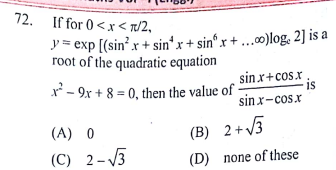
A
D
C
B
2
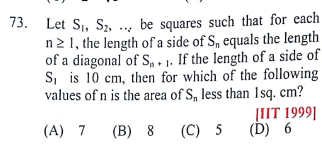
D
C
A
B
1
2
3
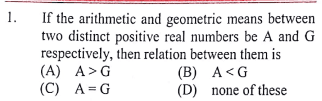
4
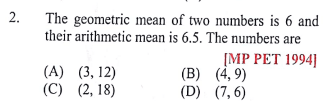
5
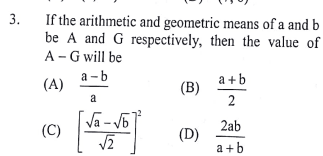
6

7

8
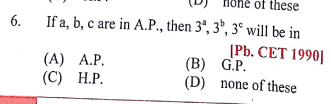
9

10
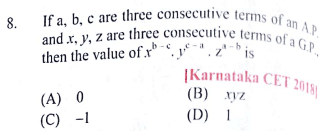
11
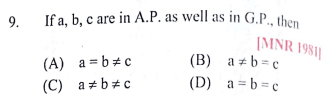
12
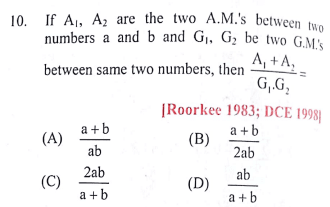
13
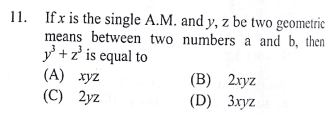
14
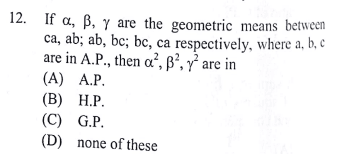
15
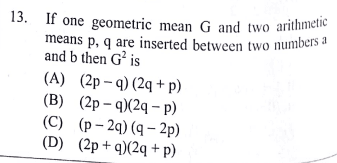
16
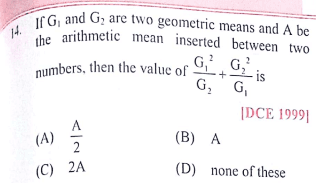
17
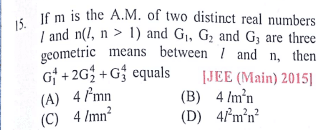
18
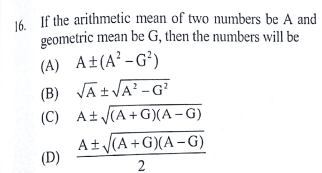
19

20
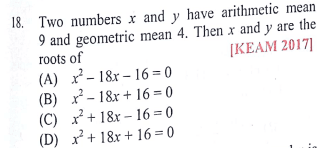
21

22

23

24

25
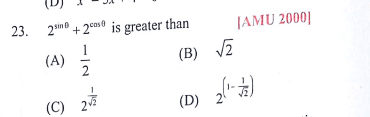
26
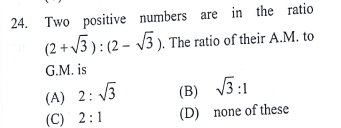
27

28
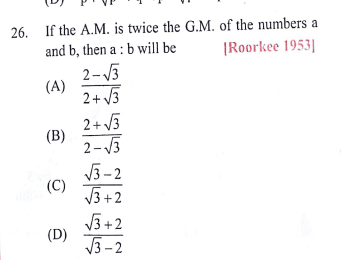
29
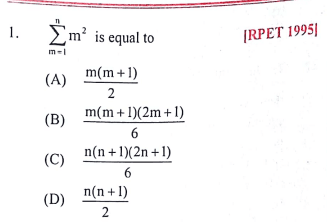
30
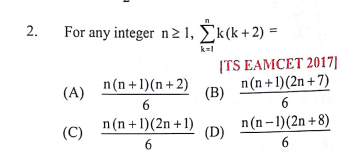
31
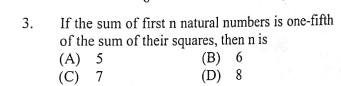
32
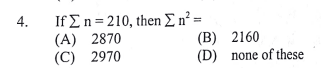
33
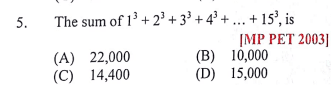
34
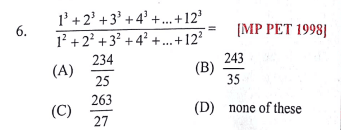
35
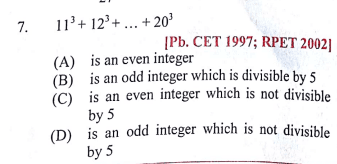
36
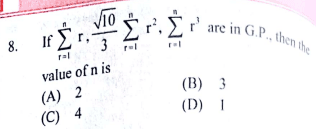
37

38
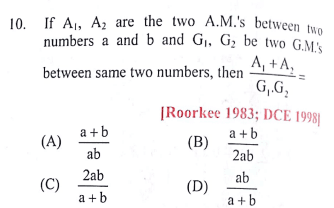
39

40
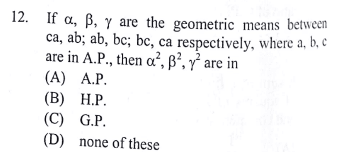
41

42
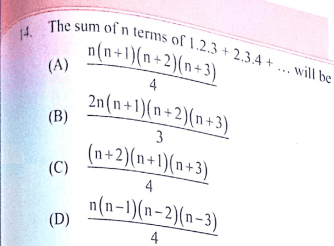
43
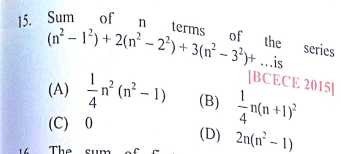
44
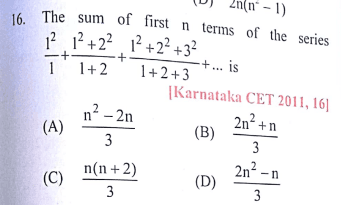
45
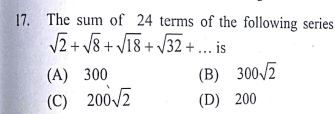
46
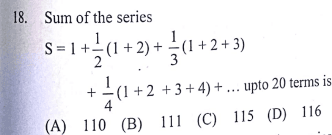
47
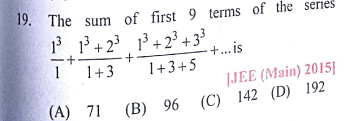
48
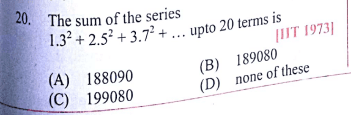
49
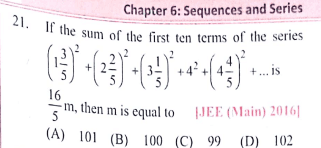
50
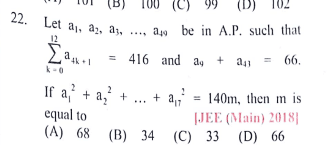
51

52
53

54
 Short Quiz in Math 7 represents the absolute value of a number on a number line as the distanceShort Quiz in Math 7 solves linear equation or inequality in one variable involving absolute valueInterpret the absolute value of a rational number as the distance from zero on a number line: ➢ given a mathematical context (L3) ➢ given a real-world context (L4) ➢ and explain its meaning given a real-world context CONCEPT OF INTEGERS What are INTEGERS? Integers are whole numbers that describe opposite ideas in mathematics. Integers can either be negative (-), positive (+) or zero. The integer zero is neutral. It is neither positive nor negative, but is an integer. Integers can be represented on a number line, which can help us understand the value of the integer. POSITIVE INTEGERS Are numbers to the right of zero. Are valued greater than zero. Express ideas of up, a gain or a profit. The sign for a positive integer is (+), however the sign is not always needed. Meaning +3 is the same value as 3. NEGATIVE INTEGERS Are numbers to the left of zero. Are valued less than zero. Express ideas of down or a loss. The sign for a negative integer is (-). This sign is always needed. Opposite Numbers/Integers – are the pairs of integers that have the same absolute value or have the same distance away from zero. ABSOLUTE VALUE The distance of a number from the origin (0) regardless of direction is called absolute value. The absolute value of a number is never negative. The symbol for absolute value is two straight lines surrounding the number or expression for which you wish to indicate absolute value. Examples: I 4 I = 4, +4 is read “ the absolute value of 4 is 4 “ I -3 I = 3, -3 is read “ the absolute value of -3 is 3” - I 3 I = -3, means “ the negative of the absolute value of 3 is -3 “ COMPARING AND ARRANGING INTEGERS Integers can be compared using a number line. As you move to the left along the number line, the integers decrease in value. On the other hand, integers increase in value as you move to the right along the number line. To arrange integers in ascending order is to arrange them from least to greatest. This means that when you use the number line, the smallest the integer is to the left of 0 on the number line. To arrange integers in descending order is to arrange them from greatest to least. This means that when you use the number line, the largest the integer is to the right of 0 on the number line. This is read as “nine is greater than negative 12.” This is read as “negative thirteen is less than negative 5.” This is read as “negative eight is greater than negative 18.”What are INTEGERS? Integers are whole numbers that describe opposite ideas in mathematics. Integers can either be negative (-), positive (+) or zero. The integer zero is neutral. It is neither positive nor negative, but is an integer. Integers can be represented on a number line, which can help us understand the value of the integer. POSITIVE INTEGERS Are numbers to the right of zero. Are valued greater than zero. Express ideas of up, a gain or a profit. The sign for a positive integer is (+), however the sign is not always needed. Meaning +3 is the same value as 3. NEGATIVE INTEGERS Are numbers to the left of zero. Are valued less than zero. Express ideas of down or a loss. The sign for a negative integer is (-). This sign is always needed. Opposite Numbers/Integers – are the pairs of integers that have the same absolute value or have the same distance away from zero. ABSOLUTE VALUE The distance of a number from the origin (0) regardless of direction is called absolute value. The absolute value of a number is never negative. The symbol for absolute value is two straight lines surrounding the number or expression for which you wish to indicate absolute value. Examples: I 4 I = 4, +4 is read “ the absolute value of 4 is 4 “ I -3 I = 3, -3 is read “ the absolute value of -3 is 3” - I 3 I = -3, means “ the negative of the absolute value of 3 is -3 “ COMPARING AND ARRANGING INTEGERS Integers can be compared using a number line. As you move to the left along the number line, the integers decrease in value. On the other hand, integers increase in value as you move to the right along the number line. To arrange integers in ascending order is to arrange them from least to greatest. This means that when you use the number line, the smallest the integer is to the left of 0 on the number line. To arrange integers in descending order is to arrange them from greatest to least. This means that when you use the number line, the largest the integer is to the right of 0 on the number line. This is read as “nine is greater than negative 12.” This is read as “negative thirteen is less than negative 5.” This is read as “negative eight is greater than negative 18.” RWhat are INTEGERS? Integers are whole numbers that describe opposite ideas in mathematics. Integers can either be negative (-), positive (+) or zero. The integer zero is neutral. It is neither positive nor negative, but is an integer. Integers can be represented on a number line, which can help us understand the value of the integer. POSITIVE INTEGERS Are numbers to the right of zero. Are valued greater than zero. Express ideas of up, a gain or a profit. The sign for a positive integer is (+), however the sign is not always needed. Meaning +3 is the same value as 3. NEGATIVE INTEGERS Are numbers to the left of zero. Are valued less than zero. Express ideas of down or a loss. The sign for a negative integer is (-). This sign is always needed. Opposite Numbers/Integers – are the pairs of integers that have the same absolute value or have the same distance away from zero. ABSOLUTE VALUE The distance of a number from the origin (0) regardless of direction is called absolute value. The absolute value of a number is never negative. The symbol for absolute value is two straight lines surrounding the number or expression for which you wish to indicate absolute value. Examples: I 4 I = 4, +4 is read “ the absolute value of 4 is 4 “ I -3 I = 3, -3 is read “ the absolute value of -3 is 3” - I 3 I = -3, means “ the negative of the absolute value of 3 is -3 “ COMPARING AND ARRANGING INTEGERS Integers can be compared using a number line. As you move to the left along the number line, the integers decrease in value. On the other hand, integers increase in value as you move to the right along the number line. To arrange integers in ascending order is to arrange them from least to greatest. This means that when you use the number line, the smallest the integer is to the left of 0 on the number line. To arrange integers in descending order is to arrange them from greatest to least. This means that when you use the number line, the largest the integer is to the right of 0 on the number line. This is read as “nine is greater than negative 12.” This is read as “negative thirteen is less than negative 5.” This is read as “negative eight is greater than negative 18.” 8.11.B Determine the Mean Absolute Deviation & Use to Measure the Average Distance Data is from the Mean111.28.B.11.b Mean Absolute Deviation