Loading...


ADA 14: Nomenclatura orgánica
Quiz by Gabriel Argüelles
Customize this quiz to suit your class
Instantly translate to 100+ languages
Tag the questions with any skills you have. Your dashboard will track each student's mastery of each skill.
Give this quiz to my class
¿Cuál es la fórmula semidesarrollada del siguiente compuesto?
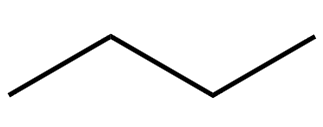
¿Cuál es la fórmula esqueletal del CH3-CH=CH-CH3?
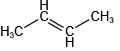




¿Cuál es la fórmula semidesarrollada del siguiente compuesto?
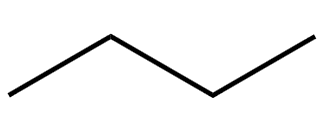
¿Cuál es la fórmula esqueletal del CH3-CH=CH-CH3?
¿Cuál es su fórmula semidesarrollada?
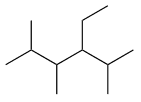
¿Cuál es su fórmula esqueletal?

¿Cuál es la fórmula semidesarrollada?
Poner los triples enlaces como dobles, es decir, con: =
Los sustituyentes ponlos entre paréntesis y SIN separar de la cadena principal con guion. Ejemplo: CH3-CH(CH3)-CH3 [2-metilpropano]
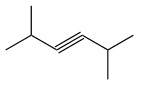
¿Cuál es la fórmula esqueletal del siguiente compuesto?
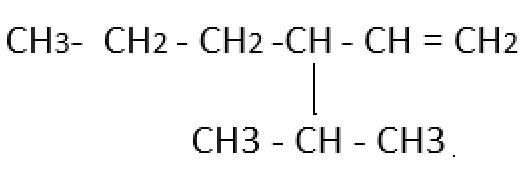
¿Qué tipo de compuesto orgánico es?
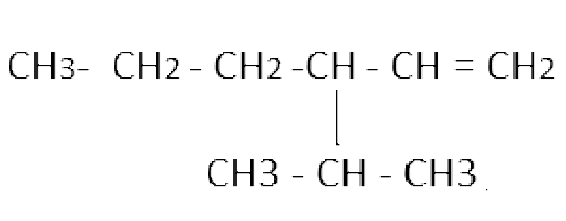
¿Cuál es su nomenclatura?
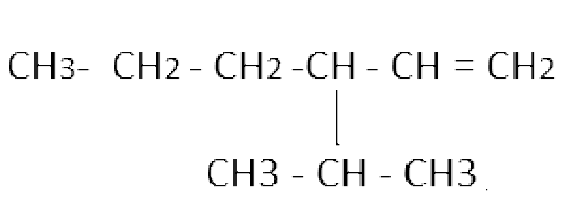
¿Qué tipo de compuesto orgánico es?
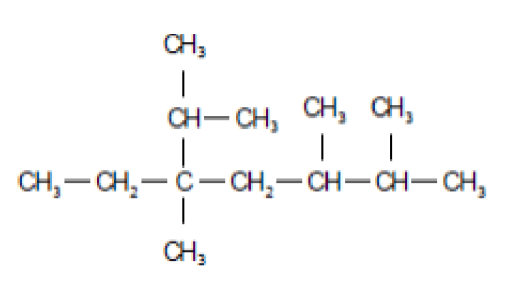
¿Cuál es la nomenclatura del siguiente compuesto?

¿Cuál es la nomenclatura del siguiente compuesto?

¿Qué tipo de compuesto orgánico es?

Corrige la nomenclatura

¿Qué tipo de compuesto es?
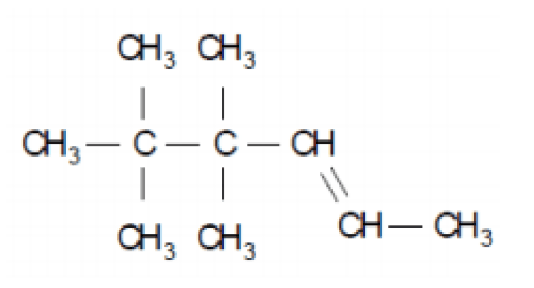
¿Qué tipo de compuesto orgánico es el siguiente compuesto?

¿Cuál es el nombre del siguiente compuesto?
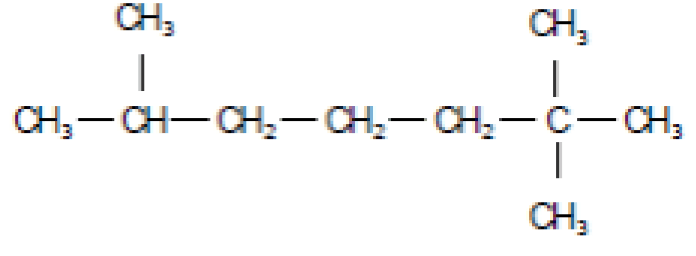
¿Qué tipo de compuesto es?
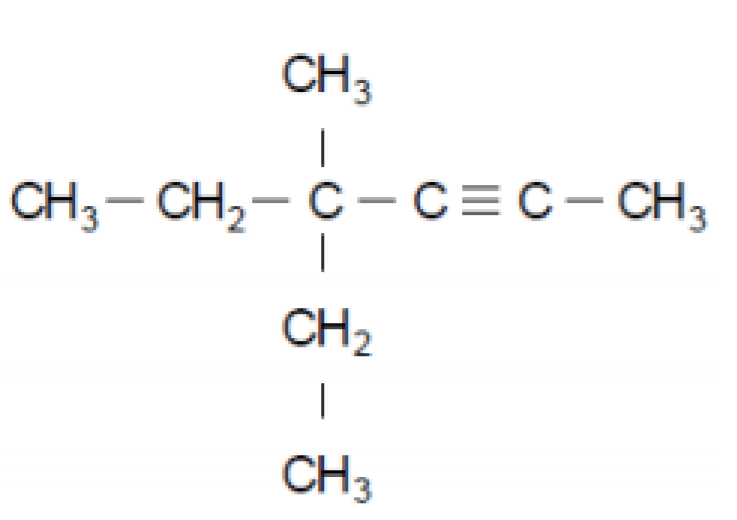
¿Cuál es la nomenclatura del siguiente compuesto?
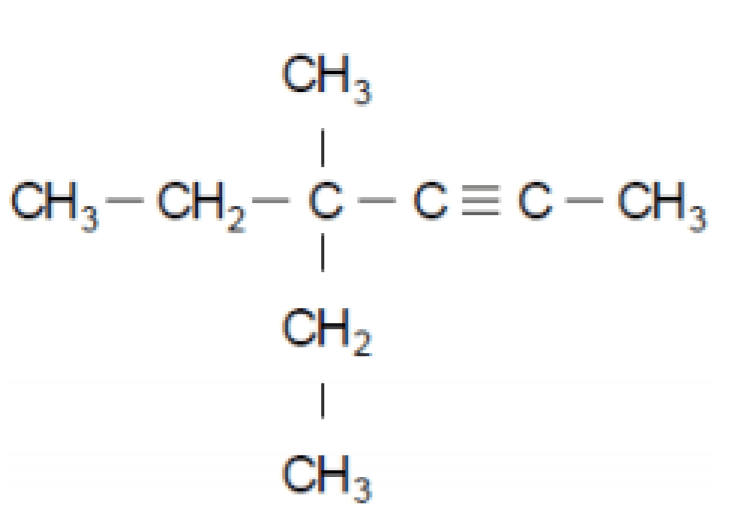
¿Qué tipo de compuesto orgánico es?
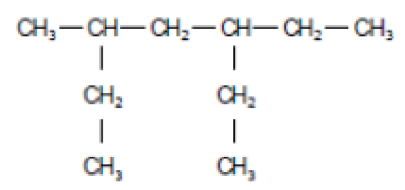
¿Qué nomenclatura tiene el siguiente compuesto?
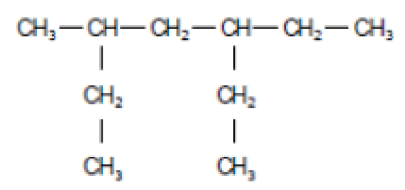
¿Qué tupo de compuesto orgánico es el siguiente?
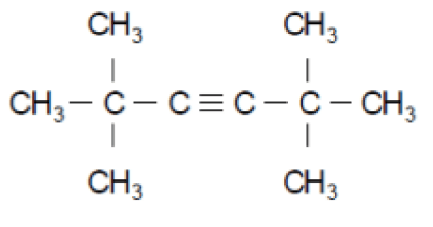
¿Cuál es la nomenclatura del siguiente compuesto?

¿Qué tipo de compuesto es el siguiente?
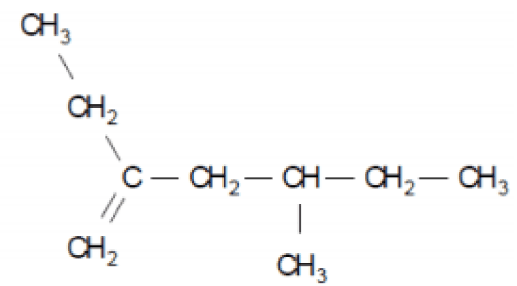
¿Cuál es la nomenclatura del siguiente compuesto?
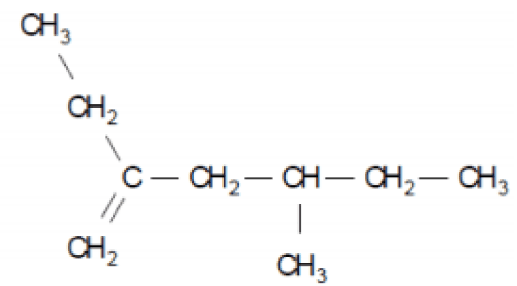
¿Qué tipo de compuesto orgánico es el siguiente?
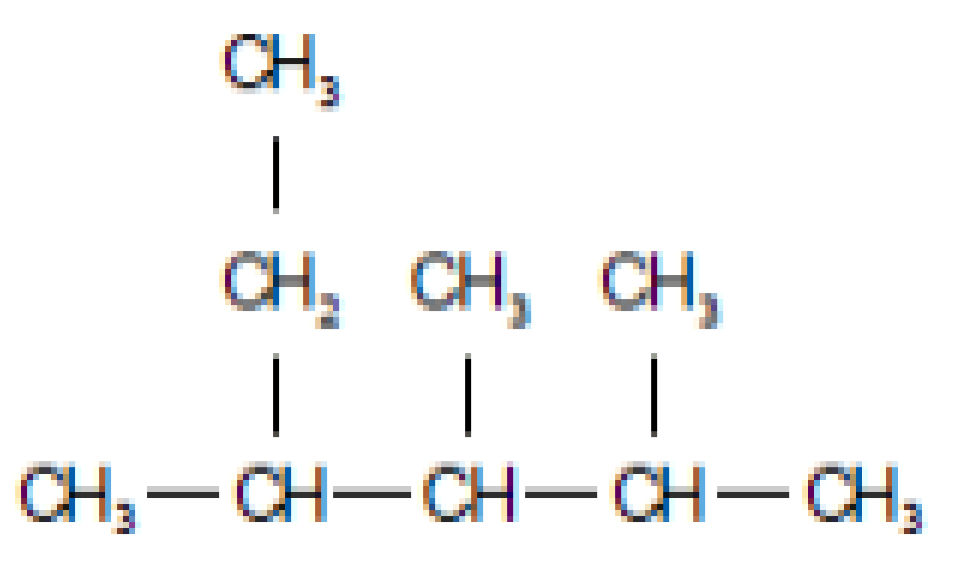
¿Cuál es la nomenclatura del siguiente compuesto?
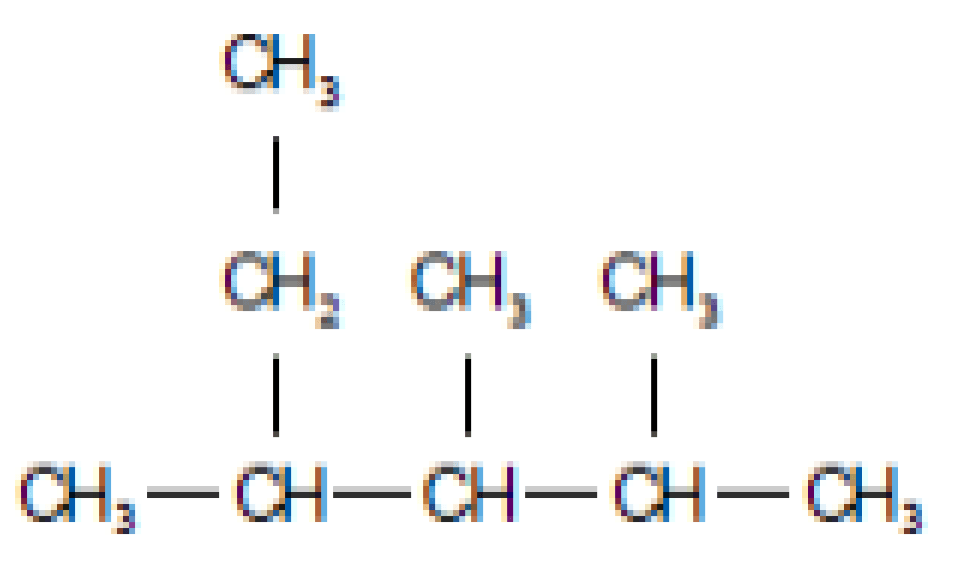
¿Qué tipo de compuesto es el "3-etil-2-metil-hexano"?
¿Cuál es la nomenclatura del siguiente compuesto?
CH3-CH=CH-CH2 -CH2-CH3
¿Qué tipo de compuesto es el "CH3-CH=CH-CH2 -CH2-CH3"?
¿Qué tipo de compuesto es el "1,3,5-octatriino"?
¿Cuál es la nomenclatura del siguiente compuesto?
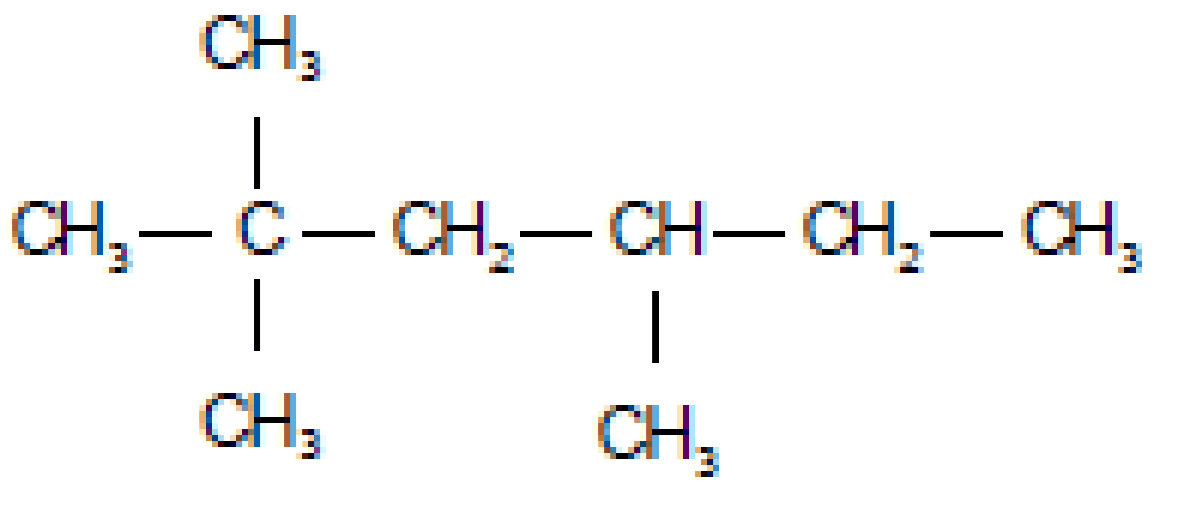
¿Qué tipo de compuesto es el anterior?

¿Cuál es la nomenclatura del siguiente compuesto?
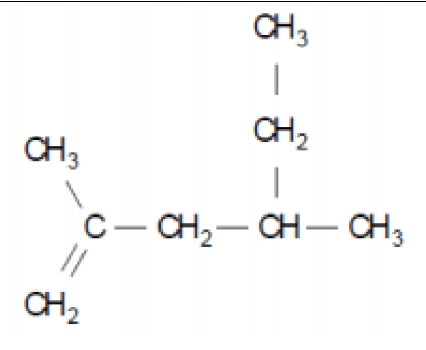
¿Qué tipo de compuesto orgánico es la sustancia anterior?
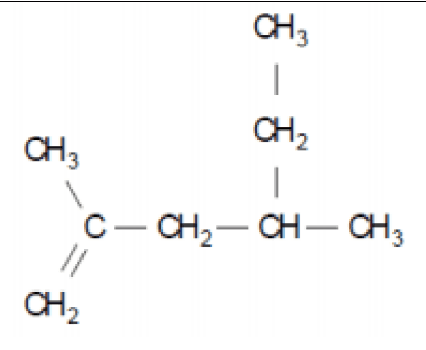
¿Cuál es la nomenclatura del siguiente compuesto orgánico?

¿Qué tipo de compuesto orgánico es el anterior?
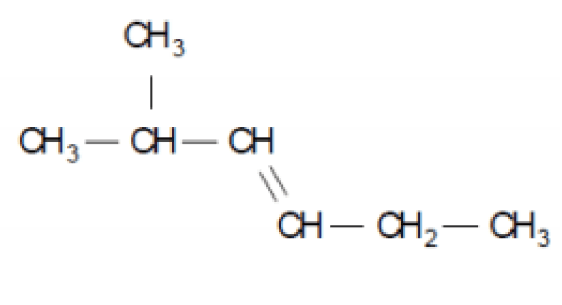
¿Qué tipo de compuesto es el anterior?
¿Cuál es la estructura del 3-metil-1-butino?
¿Qué tipo de hidrocarburo es el anterior?
¿Qué tipo de hidrocarburo es el compuesto anterior?
 SOAL 1. Dalam Islam, tawuran termasuk perbuatan yang… A. Dianjurkan jika untuk membela teman B. Boleh dilakukan jika merasa benar C. Dilarang karena merugikan banyak pihak D. Wajib jika ada yang memulai E. Diperbolehkan dalam keadaan tertentu 2. Yang dimaksud dengan zina hati adalah… A. Perbuatan zina secara langsung B. Keinginan dan niat dalam hati terhadap hal yang dilarang C. Perkataan kasar kepada orang lain D. Perbuatan mencuri E. Melakukan ibadah dengan ikhlas 3. Salah satu faktor seseorang melakukan pacaran adalah... A. Tekanan ekonomi B. Rasa ketertarikan C. Kewajiban keluarga D. Tuntutan sekolah E. Peraturan pemerintah 4. Dalam konteks pembagian zina anggota tubuh (zina kecil), yang dimaksud dengan "zina tangan" secara spesifik adalah... a. Menggunakan tangan untuk mengambil barang yang bukan haknya. b. Memukul orang lain hingga terluka karena marah. c. Menyentuh atau memegang lawan jenis yang bukan mahram dengan sengaja. d. Menuliskan kata-kata kasar atau fitnah di media sosial. e. Memberikan bantuan kepada orang yang berniat melakukan maksiat. 5. Seorang remaja mulai merokok karena ingin diterima dalam kelompok pergaulannya. Jika dilihat dari sudut pandang pengambilan keputusan, tindakan yang paling tepat adalah… A. Mengikuti kebiasaan kelompok agar tidak dikucilkan B. Menolak dengan tegas dan mencari lingkungan yang lebih sehat C. Mencoba sekali saja agar tidak penasaran D. Diam saja tanpa mengambil sikap E. Ikut merokok tetapi diam-diam 6. Zina kaki terjadi ketika seseorang… A. Menggunakan kaki untuk bekerja B. Melangkah menuju hal yang dilarang agama C. Berjalan santai di taman D. Pergi ke tempat umum E. Mengantar teman pulang 7. Menurut hadits Nabi SAW, zina mata dilakukan dengan cara... A. Mendengar hal-hal yang haram B. Berbicara tentang lawan jenis C. Melihat lawan jenis yang bukan mahram dengan syahwat D. Memikirkan hal-hal kotor E. Meraba lawan jenis 8. Tawuran bertentangan dengan ajaran Islam karena tidak mencerminkan sikap… A. Sombong B. Sabar dan menahan amarah C. Malas D. Boros E. Takut 9. Contoh zina hati adalah… A. Membantu orang tua B. Berniat melakukan perbuatan maksiat C. Belajar dengan sungguh-sungguh D. Menjaga lisan dari kata-kata buruk E. Bersedekah kepada yang membutuhkan 10. Kurangnya perhatian dari keluarga dapat menyebabkan remaja... A. Menjadi lebih mandiri tanpa pengaruh B. Mencari kenyamanan melalui pacaran C. Menghindari semua pergaulan D. Lebih fokus belajar E. Menjadi pemimpin 11. Rasulullah SAW bersabda bahwa setiap anak Adam telah ditentukan bagian zinanya yang tidak bisa tidak akan dialaminya. Dalam hadits tersebut, Rasulullah menegaskan bahwa "zina tangan adalah..." a. Menunjuk b. Menggenggam c. Menulis d. Menyentuh e. Memberi 12. Perhatikan pernyataan berikut: (1) Tekanan teman sebaya (2) Kurangnya pengawasan orang tua (3) Rasa ingin tahu tinggi (4) Prestasi akademik yang baik Faktor utama yang mendorong remaja terjerumus dalam pergaulan bebas dan merokok ditunjukkan oleh nomor… A. (1), (2), dan (3) B. (1), (2), dan (4) C. (2), (3), dan (4) D. (1) dan (4) saja E. (3) dan (4) saja 13. Perilaku zina kaki harus dihindari karena… A. Membuat tubuh lelah B. Termasuk perbuatan dosa C. Mengurangi waktu istirahat D. Membuat kaki sakit E. Menghambat aktivitas 14. Zina mata termasuk dalam kategori perbuatan yang... A. Diperbolehkan jika tidak sengaja B. Dosa besar dan wajib dihindari C. Merupakan dosa kecil D. Biasa saja dan tidak berdampak E. Dapat dihapus dengan sedekah saja 15. Berikut ini yang merupakan dampak negatif dari tawuran adalah… A. Menambah teman baru B. Mendapat pujian dari masyarakat C. Terjalin persatuan D. Menimbulkan kerusakan dan korban E. Meningkatkan prestasi 16. Perbedaan zina hati dan zina fisik adalah… A. Zina hati lebih berat dari zina fisik B. Zina fisik tidak berdosa C. Zina hati hanya dalam pikiran/perasaan, sedangkan zina fisik dalam perbuatan D. Keduanya tidak ada hubungan E. Zina hati tidak perlu dihindari 17. Seorang siswa mulai berpacaran karena semua temannya melakukannya. Faktor utama yang memengaruhi adalah... A. Media sosial B. Rasa penasaran C. Lingkungan pergaulan D. Kurangnya aturan sekolah E. Pendidikan agama 18. Al-Qur'an Surah Al-Isra ayat 32 melarang umat Islam untuk "mendekati zina". Bagaimana kaitan larangan "mendekati" tersebut dengan perbuatan zina tangan? a. Zina tangan hanya dilarang jika dilakukan oleh mereka yang sudah menikah. b. Zina tangan dianggap sebagai salah satu pintu atau perantara yang dilarang karena dapat mengarah pada zina besar. c. Ayat tersebut hanya melarang zina besar, sedangkan zina tangan hanya dianggap makruh. d. Larangan tersebut hanya berlaku jika sentuhan tangan dilakukan di tempat yang sepi. e. Zina tangan tidak termasuk dalam cakupan ayat tersebut karena tidak melibatkan persetubuhan. 19. Seorang siswa mengetahui bahwa temannya sering merokok di lingkungan sekolah. Sikap yang paling mencerminkan tanggung jawab sosial adalah… A. Membiarkannya karena itu urusan pribadi B. Ikut mencoba agar memahami perasaan teman C. Menegur dengan baik dan melaporkan kepada pihak sekolah D. Menjauhi tanpa alasan yang jelas E. Menyebarkan kabar tersebut ke teman lain 20. Seseorang yang sengaja pergi ke tempat maksiat berarti… A. Melakukan kebaikan B. Melakukan zina hati C. Melakukan zina kaki D. Melakukan ibadah E. Tidak melakukan apa-apa 21. Contoh perilaku zina mata dalam kehidupan sehari-hari adalah... A. Menundukkan pandangan saat bertemu lawan jenis B. Membaca Al-Qur'an C. Menonton film porno atau tayangan aurat D. Menghadiri majelis ilmu E. Melihat pemandangan alam 22. Cara menghindari tawuran menurut ajaran Islam adalah… A. Membalas jika diserang B. Ikut-ikutan teman C. Menyelesaikan masalah dengan musyawarah D. Membentuk kelompok untuk melawan E. Menghindari semua orang 23. Cara menghindari zina hati adalah… A. Mengikuti hawa nafsu B. Membiarkan pikiran bebas C. Menjaga pandangan dan memperkuat iman D. Mengabaikan nasihat agama E. Bergaul bebas tanpa batas 24. Jika seorang siswa mengalami stres akibat hubungan pacaran, dampak yang paling tepat adalah... A. Meningkatnya prestasi belajar B. Hubungan sosial menjadi lebih baik C. Tekanan emosional dan mental D. Menjadi lebih disiplin E. Lebih fokus pada tujuan hidup 25. Terdapat sebuah hadits yang memberikan peringatan keras bahwa ditusuknya kepala seseorang dengan pasak/jarum besi lebih baik baginya daripada menyentuh wanita yang tidak halal baginya. Pelajaran utama dari kerasnya ancaman ini adalah... a. Syariat Islam menetapkan hukuman fisik bagi pelaku zina tangan di dunia. b. Menyentuh lawan jenis yang bukan mahram adalah dosa kecil yang mudah dihapuskan. c. Besarnya bahaya fitnah dari sentuhan fisik sehingga Islam menutup rapat celah tersebut dengan peringatan yang sangat berat. d. Ancaman tersebut hanya berlaku bagi kaum laki-laki dan tidak berlaku bagi wanita. e. Perbuatan tersebut hanya dilarang jika dilakukan dengan niat ingin melamar. 26. Dampak jangka panjang dari kebiasaan merokok bagi remaja tidak hanya pada kesehatan, tetapi juga kehidupan sosial. Contoh dampak sosial yang tepat adalah… A. Meningkatkan rasa percaya diri B. Memperluas jaringan pertemanan C. Menurunkan kepercayaan orang lain D. Membuat lebih fokus belajar E. Menambah energi dalam aktivitas 27. Sikap yang benar untuk menghindari zina kaki adalah… A. Mengikuti teman ke tempat negatif B. Membiasakan diri pergi ke tempat baik C. Mendatangi tempat maksiat D. Tidak peduli ke mana kaki melangkah E. Pergi ke tempat yang merugikan diri 28. Perhatikan pernyataan berikut! (1) Memandang lawan jenis dengan kagum (2) Melihat foto yang tidak menutup aurat (3) Menundukkan pandangan (ghadhul bashar) (4) Menonton adegan mesra di media sosial (5) Tidak sengaja melihat lawan jenis Yang termasuk contoh zina mata ditunjukkan oleh nomor... A. (1), (2), dan (3) B. (2), (3), dan (4) C. (1), (2), dan (4) D. (3), (4), dan (5) E. (1), (3), dan (5) KUNCI JAWABAN 1. C 2. B 3. B 4. C 5. B 6. B 7. C 8. B 9. B 10. B 11. D 12. A 13. B 14. C 15. D 16. C 17. C 18. B 19. C 20. C 21. C 22. C 23. C 24. C 25. C 26. C 27. B 28. CMATERI PERKULIAHAN Sub-CPMK 1.7 Mampu menghitung performa produksi (IP, FCR) dan melakukan Analisis Usaha Broiler per satu siklus produksi 1. IDENTITAS MATERI Mata Kuliah : Produksi Ternak Potong Unggas Komersil Pokok Bahasan : Evaluasi Performa Produksi dan Analisis Usaha Broiler Sub-CPMK : 1.7 Capaian Pembelajaran : Mahasiswa mampu: Menjelaskan parameter performa produksi broiler. Menghitung Feed Conversion Ratio (FCR). Menghitung Indeks Performa (IP). Menganalisis hasil performa produksi dalam satu siklus pemeliharaan. Menyusun analisis usaha broiler per satu siklus produksi. Menarik kesimpulan kelayakan usaha berdasarkan hasil teknis dan ekonomis. ________________________________________ 2. TUJUAN PEMBELAJARAN Setelah mengikuti perkuliahan ini, mahasiswa diharapkan mampu: Memahami konsep dasar evaluasi performa broiler. Mengidentifikasi data teknis yang dibutuhkan dalam perhitungan performa. Menghitung mortalitas, deplesi, bobot badan rata-rata, FCR, dan IP. Menghitung biaya produksi, penerimaan, keuntungan, dan efisiensi usaha broiler. Menganalisis hubungan antara performa teknis dengan hasil ekonomi usaha. ________________________________________ 3. DESKRIPSI MATERI Dalam usaha broiler modern, keberhasilan produksi tidak hanya diukur dari bobot panen, tetapi juga dari efisiensi penggunaan pakan, tingkat kematian, umur panen, serta keuntungan yang diperoleh per siklus. Oleh karena itu, diperlukan kemampuan untuk menghitung parameter teknis produksi seperti FCR dan IP, serta mengaitkannya dengan analisis usaha agar dapat diketahui apakah usaha berjalan efisien dan menguntungkan. ________________________________________ 4. POKOK-POKOK MATERI A. Konsep Dasar Evaluasi Performa Produksi Broiler 1. Pengertian Performa Produksi Performa produksi broiler adalah gambaran tingkat keberhasilan pemeliharaan ayam broiler selama satu periode/siklus pemeliharaan yang dinilai dari indikator teknis tertentu. 2. Parameter Utama Performa Produksi Parameter yang umum digunakan meliputi: Populasi awal DOC Jumlah ayam hidup saat panen Mortalitas (%) Deplesi (%) Umur panen (hari) Bobot badan rata-rata panen (kg/ekor) Total konsumsi pakan (kg) Feed Conversion Ratio (FCR) Indeks Performa (IP) ________________________________________ B. Parameter Teknis dan Rumus Perhitungan ________________________________________ 1. Mortalitas (%) Pengertian: Persentase ayam yang mati selama masa pemeliharaan. Rumus: "Mortalitas (%)"="Jumlah ayam mati" /"Populasi awal" ×100 Contoh: Populasi awal = 5.000 ekor Ayam mati = 150 ekor "Mortalitas"=150/5000×100=3% ________________________________________ 2. Deplesi (%) Pengertian: Persentase pengurangan populasi akibat kematian dan afkir/culling. Rumus: "Deplesi (%)"="Ayam mati + ayam afkir" /"Populasi awal" ×100 Jika tidak ada afkir, maka deplesi = mortalitas. ________________________________________ 3. Persentase Ayam Hidup / Livability (%) Rumus: "Livability (%)"="Jumlah ayam panen" /"Populasi awal" ×100 atau "Livability (%)"=100-"Deplesi (%)" ________________________________________ 4. Bobot Badan Rata-Rata Panen Rumus: "Bobot rata-rata (kg/ekor)"="Total bobot panen (kg)" /"Jumlah ayam panen (ekor)" ________________________________________ 5. Feed Conversion Ratio (FCR) Pengertian: FCR adalah rasio jumlah pakan yang dikonsumsi terhadap pertambahan bobot hidup atau bobot hidup yang dihasilkan. Rumus praktis broiler: "FCR"="Total konsumsi pakan (kg)" /"Total bobot hidup panen (kg)" Interpretasi: Semakin rendah nilai FCR, semakin efisien penggunaan pakan. Contoh: Total pakan = 16.000 kg Total bobot panen = 9.600 kg "FCR"=16.000/9.600=1,67 Interpretasi: Untuk menghasilkan 1 kg bobot hidup, dibutuhkan 1,67 kg pakan. ________________________________________ 6. Indeks Performa (IP) Pengertian: IP adalah indikator gabungan untuk menilai performa pemeliharaan broiler berdasarkan: daya hidup, bobot badan, umur panen, efisiensi pakan. Rumus umum IP: "IP"=("Livability (%)" ×"Bobot rata-rata (kg)" )/("Umur panen (hari)" ×"FCR" )×100 Contoh: Livability = 97% Bobot rata-rata = 2,0 kg Umur panen = 35 hari FCR = 1,67 "IP"=(97×2,0)/(35×1,67)×100 "IP"=194/58,45×100=331,9 Jadi, IP = 331,9 ________________________________________ C. Interpretasi Nilai FCR dan IP 1. Interpretasi FCR < 1,50 = sangat efisien 1,50 – 1,65 = efisien/baik 1,66 – 1,80 = cukup > 1,80 = kurang efisien Catatan: Nilai ini dapat berbeda tergantung strain, umur panen, sistem kandang, musim, dan standar perusahaan. ________________________________________ 2. Interpretasi IP (umum) > 400 = sangat baik / ممتاز 351 – 400 = baik 301 – 350 = cukup baik 251 – 300 = sedang < 250 = kurang Dalam praktik kemitraan, IP sering menjadi dasar evaluasi bonus performa. ________________________________________ 5. HUBUNGAN PARAMETER TEKNIS DENGAN KINERJA USAHA Performa teknis sangat menentukan keuntungan usaha broiler: FCR naik → biaya pakan meningkat → laba turun Mortalitas naik → ayam panen berkurang → penerimaan turun Bobot panen rendah → total kg jual turun → omzet turun Umur panen terlalu lama → biaya operasional naik → efisiensi turun IP tinggi → menunjukkan usaha lebih efisien dan berpotensi lebih menguntungkan ________________________________________ 6. ANALISIS USAHA BROILER PER SATU SIKLUS PRODUKSI A. Pengertian Analisis Usaha Analisis usaha broiler adalah perhitungan ekonomi untuk mengetahui: total biaya produksi, total penerimaan, pendapatan/keuntungan, efisiensi usaha, kelayakan usaha per satu siklus pemeliharaan. ________________________________________ B. Komponen Biaya Produksi 1. Biaya Tetap (Fixed Cost) Biaya yang relatif tidak berubah dalam satu siklus, misalnya: Penyusutan kandang Penyusutan peralatan Pajak/sewa lahan (jika dihitung) Bunga modal tetap (opsional) 2. Biaya Variabel (Variable Cost) Biaya yang berubah sesuai jumlah populasi, misalnya: DOC Pakan Obat, vitamin, vaksin (OVK) Sekam/litter Gas/LPG/bahan bakar brooder Listrik dan air Tenaga kerja Desinfektan dan sanitasi Biaya panen/angkut Biaya lain-lain operasional Catatan penting: Pada usaha broiler, pakan biasanya menyumbang 60–70% dari total biaya produksi. ________________________________________ 7. RUMUS ANALISIS USAHA 1. Total Biaya Produksi (TC) "TC"="Biaya Tetap"+"Biaya Variabel" ________________________________________ 2. Total Penerimaan (TR) Jika dijual berdasarkan bobot hidup: "TR"="Total bobot panen (kg)"×"Harga jual per kg" Jika ada penerimaan tambahan: "TR total"="Penjualan ayam"+"Penjualan kotoran"+"Penjualan karung pakan/bekas" ________________________________________ 3. Keuntungan / Pendapatan (π) π="TR"-"TC" ________________________________________ 4. R/C Ratio R/C="TR" /"TC" Kriteria: R/C > 1 → usaha menguntungkan R/C = 1 → impas R/C < 1 → usaha merugi ________________________________________ 5. B/C Ratio (opsional) B/C=("TR" -"TC" )/"TC" ________________________________________ 6. Harga Pokok Produksi (HPP) "HPP per kg"="Total biaya produksi" /"Total bobot panen (kg)" Interpretasi: Jika harga jual > HPP → usaha berpotensi untung. FAKTOR-FAKTOR YANG MEMPENGARUHI FCR, IP, DAN KEUNTUNGAN A. Faktor Teknis Kualitas DOC Mutu pakan Program brooding Kepadatan kandang Ventilasi dan suhu kandang Kualitas air minum Program vaksinasi dan biosekuriti Manajemen litter Ketepatan waktu panen B. Faktor Ekonomi Harga DOC Harga pakan Harga jual ayam hidup Biaya tenaga kerja Biaya energi (gas/listrik) Sistem usaha (mandiri vs kemitraan) STRATEGI MENINGKATKAN PERFORMA DAN KEUNTUNGAN Gunakan DOC berkualitas dan seragam Laksanakan brooding secara optimal (0–14 hari sangat krusial) Pastikan feed intake dan water intake normal Terapkan biosekuriti ketat Kurangi feed wastage Pantau bobot badan mingguan Lakukan culling selektif Tentukan umur panen berdasarkan kombinasi FCR, bobot, dan harga pasar Evaluasi performa tiap siklus dengan pencatatan lengkap Gunakan data historis untuk perbaikan keputusan produksi RANGKUMAN MATERI FCR menunjukkan efisiensi penggunaan pakan. Semakin kecil FCR, semakin baik. IP adalah indikator gabungan performa broiler yang mempertimbangkan: daya hidup, bobot panen, umur panen, efisiensi pakan. Analisis usaha broiler harus mengintegrasikan: aspek teknis (FCR, IP, mortalitas, bobot panen) aspek ekonomi (biaya, penerimaan, laba, R/C, HPP) Usaha broiler dinilai baik apabila: FCR efisien, mortalitas rendah, IP tinggi, HPP lebih rendah dari harga jual, R/C ratio > 1. PENUTUP Kemampuan menghitung FCR, IP, dan melakukan analisis usaha broiler per satu siklus produksi merupakan kompetensi penting dalam manajemen produksi broiler modern. Mahasiswa tidak hanya dituntut memahami teori, tetapi juga harus mampu membaca data produksi, melakukan perhitungan secara akurat, dan mengambil keputusan manajerial berbasis hasil analisis teknis-ekonomis. REFERENSI SINGKAT (untuk bahan ajar/RPS) North, M.O., & Bell, D.D. Commercial Chicken Production Manual. Leeson, S., & Summers, J.D. Commercial Poultry Nutrition. Bell, D.D., & Weaver, W.D. Commercial Chicken Meat and Egg Production. Saputra, dkk. Literatur manajemen broiler modern dan analisis usaha ternak unggas. Standar teknis perusahaan integrator/kemitraan broiler (CP, Japfa, Malindo, dll.) untuk benchmarking FCR dan IP. 1. Bacalah teks berikut! Taman sekolah dipenuhi bunga warna-warni yang bermekaran. Udara di sekitarnya terasa sejuk karena pepohonan rindang. Banyak kupu-kupu beterbangan di antara bunga. Taman sekolah dibangun pada tahun 2019. Kalimat yang sebaiknya dihapus agar deskripsi lebih fokus adalah ... A. Kalimat 1 B. Kalimat 2 C. Kalimat 3 ✅ D. Kalimat 4 2. Perhatikan tujuan teks deskripsi, yaitu membantu pembaca membayangkan suatu objek atau suasana. Di antara pilihan berikut, kalimat manakah yang paling efektif mencapai tujuan tersebut? A. Pasar tradisional pada malam hari sangat sepi, hanya terdengar suara angin berhembus. ✅ B. Pasar tradisional pada malam hari sangat ramai, penuh dengan suara tawar-menawar dan aroma makanan yang menggugah selera. C. Pasar tradisional pada malam hari sangat kotor, sampah berserakan di mana-mana. D. Pasar tradisional pada malam hari sangat gelap, tidak ada satu pun lampu yang menyala. 3. Bacalah paragraf berikut! Pantai itu memiliki pasir putih yang lembut dan air laut yang jernih. Deburan ombak terdengar menenangkan di sepanjang pesisir. .... Pengunjung dapat menikmati keindahan pantai sambil merasakan semilir angin laut. Kalimat yang tepat untuk melengkapi paragraf tersebut adalah .... A. Pantai tersebut dibuka untuk umum pada tahun 2015. B. Banyak pedagang berjualan di sekitar pantai. ✅ C. Deretan pohon kelapa yang berjajar menambah keindahan pemandangan pantai. D. Pantai itu menjadi tujuan wisata masyarakat setempat. 4. Taman sekolah tampak asri dan bersih. Berbagai bunga berwarna-warni tumbuh di sepanjang jalan setapak. Pohon-pohon rindang membuat udara terasa sejuk. Di beberapa sudut taman terdapat bangku yang digunakan siswa untuk membaca dan beristirahat. Berdasarkan isi kutipan tersebut, bagian struktur teks deskripsi yang paling tepat adalah .... A. Identifikasi, karena memperkenalkan objek secara umum. B. Simpulan, karena berisi penegasan akhir. ✅ C. Deskripsi bagian, karena menjelaskan ciri-ciri objek secara rinci. D. Koda, karena berisi pesan penulis. 5. Bacalah paragraf-paragraf berikut! A. Pada hari Minggu, Rina dan keluarganya pergi ke pantai. Mereka bermain pasir dan menikmati suasana pantai hingga sore hari. B. Untuk membuat es teh, siapkan gelas, teh, gula, dan air panas. Setelah itu, seduh teh dan tambahkan gula secukupnya. C. Taman sekolah tampak asri dan bersih. Berbagai bunga berwarna-warni bermekaran di setiap sudut taman. Pohon-pohon rindang membuat udara terasa sejuk dan nyaman bagi para siswa. D. Sampah merupakan sisa kegiatan manusia yang dapat mencemari lingkungan. Oleh karena itu, masyarakat perlu menjaga kebersihan dengan membuang sampah pada tempatnya. Paragraf yang termasuk teks deskripsi adalah .... A. Paragraf A B. Paragraf B ✅ C. Paragraf C D. Paragraf D 6. Perhatikan paragraf berikut! Rumah Gadang merupakan rumah adat masyarakat Minangkabau yang memiliki bentuk atap menyerupai tanduk kerbau. Untuk mencapai bangunan utama, pengunjung harus melewati halaman yang luas dan bersih. Di sepanjang jalan menuju rumah adat tersebut, tampak taman yang tertata rapi serta pepohonan yang rindang. Suasana sejuk dan nyaman membuat pengunjung betah berada di kawasan itu. Isi paragraf deskripsi di atas adalah .... A. Gambaran bentuk atap Rumah Gadang ✅ B. Gambaran perjalanan dan suasana menuju Rumah Gadang C. Gambaran sejarah Rumah Gadang D. Gambaran kegiatan masyarakat Minangkabau Kunci Jawaban: B 7. Perhatikan dua kutipan berikut! Teks A "Rumah adat itu memiliki panjang 20 meter dan lebar 10 meter." Teks B "Rumah adat itu tampak megah dengan ukiran berwarna emas dan atap yang menjulang tinggi." Jika tujuan penulis adalah membuat pembaca seolah-olah melihat objek secara langsung, teks yang lebih efektif adalah .... A. Teks A, karena berisi data yang akurat. ✅ B. Teks B, karena menggunakan rincian yang membangun imajinasi pembaca. C. Keduanya sama efektif. D. Keduanya tidak sesuai. 8. Perhatikan susunan paragraf berikut! (1) Dinding museum dihiasi berbagai foto bersejarah dan koleksi benda peninggalan masa lampau. (2) Museum Nasional merupakan salah satu museum terbesar di Indonesia. (3) Ruangan museum tampak bersih, luas, dan tertata rapi. Agar menjadi teks deskripsi yang runtut, urutan yang tepat adalah .... A. (1)-(2)-(3) ✅ B. (2)-(1)-(3) C. (3)-(1)-(2) D. (1)-(3)-(2) 9. "Pembaca diharapkan dapat memahami letak berbagai fasilitas di lingkungan sekolah tanpa harus melihat denah." Jenis deskripsi yang paling tepat digunakan untuk mencapai tujuan tersebut adalah .... A. Subjektif, karena dapat menunjukkan kesan penulis terhadap sekolah. B. Objektif, karena menyajikan data tentang sekolah. ✅ C. Spasial, karena menekankan posisi dan hubungan antarlokasi dalam ruang. D. Imajinatif, karena membuat pembaca berimajinasi. 10. Seorang siswa menulis deskripsi berikut. "Perpustakaan sekolah itu bagus. Banyak buku ada di sana." Guru menilai teks tersebut belum mampu menghadirkan gambaran yang kuat kepada pembaca. Perbaikan yang paling tepat adalah .... A. Menambahkan jumlah buku yang tersedia. B. Menambahkan tahun berdirinya perpustakaan. ✅ C. Menggunakan kata sifat dan rincian pancaindra yang memperjelas kondisi perpustakaan. D. Menambahkan nama petugas perpustakaan. Bacalah teks berikut untuk soal nomor 11 - 15! “Perpustakaan sekolah memiliki ruangan yang luas dan bersih. Rak-rak buku tersusun rapi di setiap sudut ruangan. Cahaya matahari masuk melalui jendela besar sehingga ruangan tampak terang. Suasana yang tenang membuat siswa nyaman membaca." 11. Seorang siswa berpendapat bahwa teks tersebut akan tetap mencapai tujuan deskripsi meskipun kalimat tentang pencahayaan dihilangkan. Pendapat tersebut .... A. Benar, karena pencahayaan tidak berhubungan dengan kenyamanan membaca. B. Benar, karena informasi tentang rak buku sudah cukup menggambarkan perpustakaan. C. Kurang tepat, karena pencahayaan membantu menunjukkan kondisi fisik perpustakaan meskipun bukan unsur utama. ✅ D. Salah, karena tanpa kalimat tersebut teks tidak lagi termasuk teks deskripsi. 12. Penggunaan kata luas, bersih, rapi, terang, dan tenang dalam teks tersebut berfungsi untuk .... A. Menjelaskan urutan kegiatan yang dilakukan di perpustakaan. B. Menunjukkan hubungan sebab akibat dalam teks. ✅ C. Membantu pembaca membayangkan kondisi perpustakaan secara lebih jelas. D. Menyampaikan pendapat penulis tentang pentingnya membaca. 13. Jika kalimat "rak-rak buku tersusun rapi" dihilangkan, dampaknya adalah A. Teks menjadi lebih jelas B. Gambaran perpustakaan menjadi kurang lengkap C. Teks berubah menjadi narasi D. Tidak ada perubahan Jawaban: B 14. Berdasarkan isi teks, faktor yang paling berpengaruh terhadap kenyamanan perpustakaan adalah .... A. Ukuran ruangan yang luas. B. Banyaknya rak buku. C. Jendela yang besar. ✅ D. Kombinasi suasana tenang, pencahayaan yang baik, dan penataan ruang yang rapi 15. Kalimat tambahan yang paling sesuai untuk memperkuat deskripsi perpustakaan adalah A. Banyak siswa meminjam buku B. Perpustakaan memiliki seorang petugas C. Perpustakaan dibuka setiap hari Senin D. Udara di dalam ruangan terasa sejuk dan segar✅ Jawaban: D 16. Perhatikan kedua kutipan berikut! Teks A "Menurutku, Rumah Gadang merupakan rumah adat yang paling indah karena bentuk atapnya yang unik dan megah." Teks B "Rumah Gadang memiliki atap berbentuk menyerupai tanduk kerbau dan dinding yang dihiasi ukiran khas Minangkabau." Perbedaan utama kedua kutipan tersebut adalah .... A. Teks A menggunakan fakta, sedangkan Teks B menggunakan pendapat. B. Teks A termasuk deskripsi objektif, sedangkan Teks B deskripsi subjektif. ✅ C. Teks A termasuk deskripsi subjektif karena mengandung pendapat penulis, sedangkan Teks B lebih objektif karena menggambarkan objek berdasarkan ciri yang tampak. D. Kedua teks termasuk deskripsi subjektif. 17. Perhatikan dua kutipan berikut! Teks A "Taman sekolah dipenuhi bunga berwarna-warni." Teks B "Taman sekolah dipenuhi bunga berwarna-warni. Aroma bunga yang harum tercium saat angin bertiup dan udara terasa sejuk di bawah pepohonan rindang." Jika tujuan penulis adalah membuat pembaca seolah-olah hadir di lokasi yang dideskripsikan, alasan paling kuat memilih Teks B adalah .... A. Menggunakan kalimat yang lebih panjang daripada Teks A. B. Menyajikan informasi yang lebih banyak daripada Teks A. C. Memanfaatkan lebih dari satu pancaindra sehingga gambaran objek menjadi lebih hidup. ✅ D. Menggunakan kata sifat yang lebih beragam daripada Teks A. Jebakan: D hampir benar, tetapi yang menjadi inti adalah penggunaan pancaindra. 18. (C4-C5 Analisis) Perhatikan kalimat berikut! "Perpustakaan sekolah nyaman." Manakah informasi yang paling tidak mendukung penguatan deskripsi tersebut? A. Cahaya matahari masuk melalui jendela besar sehingga ruangan tampak terang. B. Rak-rak buku tersusun rapi dan mudah dijangkau siswa. C. Udara di dalam ruangan terasa sejuk dan segar. D. Perpustakaan diresmikan oleh kepala sekolah pada tahun 2021. ✅ Jebakan: Semua opsi berupa informasi tentang perpustakaan, tetapi hanya D yang tidak membantu pembaca membayangkan suasana. 19. (C5 Evaluasi) Perhatikan dua kalimat berikut! (1) Kelas itu bersih. (2) Kelas itu tampak bersih dengan lantai mengilap dan meja yang tertata rapi. Jika kalimat (2) diganti menjadi kalimat (1), perubahan yang paling mungkin terjadi adalah .... A. Informasi utama tetap ada, tetapi kekuatan deskripsi dalam membangun imajinasi pembaca berkurang. ✅ B. Teks menjadi tidak sesuai dengan struktur deskripsi. C. Teks berubah menjadi teks laporan hasil observasi. D. Makna teks menjadi bertentangan dengan tujuan penulis. Jebakan: A dan D terlihat mirip, tetapi D terlalu berlebihan. 20. "Taman sekolah itu dipenuhi bunga berwarna-warni yang bermekaran dan pepohonan rindang yang membuat udara terasa sejuk." Jika kata berwarna-warni, bermekaran, dan rindang dihilangkan, dampak yang paling mungkin terjadi adalah .... A. Struktur teks menjadi tidak lengkap. B. Informasi dalam teks menjadi tidak benar. C. Tujuan teks berubah menjadi teks narasi. ✅ D. Gambaran objek menjadi kurang jelas sehingga pembaca lebih sulit membayangkan suasana taman.Alright, Isti — here’s a longer and more detailed English version of the Isaac Newton text, still written at a level that’s accessible for Grade 4 students, but rich enough in information to meet PISA literacy expectations and EF A2-level vocabulary. I’ve kept sentences short, clear, and with explanations for new concepts so it’s easier for young learners to follow, while still including both famous facts and lesser-known stories. ⸻ Isaac Newton: The Man Who Changed the Way We See the World A Boy from a Small Village Isaac Newton was born on January 4, 1643, in Woolsthorpe, a small village in England. His life was not easy. His father died before he was born. When he was just a few months old, his mother remarried and left him to live with his grandmother. Isaac missed his parents, but he kept himself busy by making things and exploring the world around him. As a child, Isaac liked to build models and machines. He made a small windmill that could turn with the wind. He built a water clock that told the time by dripping water into a container. He even made a sundial — a clock that tells the time by using the shadow of the sun. 💡 Did you know? The sundial marks that Isaac carved as a boy can still be seen today on the wall of his old house. ⸻ School and Curiosity When Newton first went to school, he was not the top student. At first, he did not pay much attention in class. But one day, another boy teased him for not being smart. Newton decided to study hard to prove him wrong. Soon, he became the best in his class. Isaac loved asking questions. He wanted to know how and why things happened. He enjoyed watching the stars at night and thinking about how the world worked. ⸻ The Falling Apple and Gravity One of the most famous stories about Newton is the falling apple. One afternoon, Isaac sat in his mother’s garden and saw an apple drop from a tree. This made him think: “Why does the apple fall straight down? Why doesn’t it fly up into the sky?” From this question, Newton began to think about gravity — an invisible force that pulls objects toward each other. Gravity is what keeps our feet on the ground. It’s also what keeps the Moon moving around the Earth and the planets moving around the Sun. 💡 Fun fact: The apple did not hit Newton’s head. That’s just a story people made up later to make the tale more exciting. ⸻ Newton’s Three Laws of Motion Newton studied movement and wrote three important rules: 1. Objects stay still or keep moving unless something makes them change. • Example: A ball will not roll unless you push it. 2. The bigger the push, the bigger the movement. • Example: If you kick a ball harder, it will go faster and farther. 3. Every action has an equal and opposite reaction. • Example: When you jump off a boat, the boat moves backward as you move forward. These three laws are still used today to understand how cars, rockets, and even roller coasters work. ⸻ Discoveries in Light and Color Newton also studied light. He found that white light is not just one color — it is made of many colors. He used a glass prism to split sunlight into a rainbow. This helped scientists understand how colors work. ⸻ Inventions and New Ideas Newton made a special telescope that used mirrors instead of lenses. This type of telescope made images of planets and stars much clearer. It is still called the Newtonian telescope today. He also worked in mathematics and helped create a new type of math called calculus, which is used to study changes and movement. ⸻ Strange Experiments Newton was so curious that he sometimes tested ideas on himself. Once, he put a thin needle, called a bodkin, beside his eye to see how it would change his vision. It was very dangerous, but luckily he did not go blind. 💡 Did you know? Newton also studied alchemy — an old kind of science where people tried to turn metal into gold. He never succeeded, but it showed how wide his interests were. ⸻ Later Life and Work At the age of 27, Newton became a professor at Cambridge University. He later worked for the Royal Mint, making sure coins were made safely and stopping people from making fake money. He was very strict, and some criminals were sent to prison because of his work. Newton never married. He spent most of his life reading, writing, and doing experiments. ⸻ The End of His Life Isaac Newton died in 1727 at the age of 84. He was buried in Westminster Abbey, a famous place in London where great people of Britain are honored. His work changed the world forever. Even today, scientists, engineers, and students still use Newton’s laws and ideas. 💬 Newton once said: “If I have seen further, it is by standing on the shoulders of giants.” This means we can make new discoveries by learning from the work of others who came before us. give 10 questions to each passage with PISA literacy standard for kid 10 years, 1. Nikola Tesla: The Man Who Dreamed of Lightning Born: July 10, 1856 Died: January 7, 1943 When Nikola Tesla was a boy in Croatia, he saw a flash of lightning and asked his mother, “Can we catch the light?” That question never left him. As he grew older, Tesla became a brilliant inventor, especially fascinated by electricity. He believed in a future where energy could be sent wirelessly through the air—like music through the radio! Tesla invented the alternating current (AC) system, which became the foundation of modern electricity. At the time, Thomas Edison promoted direct current (DC), and the two men had a fierce competition. Many laughed at Tesla's bold ideas, but he never gave up. He dreamed of wireless communication, flying machines, and even free energy for everyone. Though he died alone and poor, today the world honors his vision. Think About It: Why do you think people didn’t believe Tesla at first? What can we learn from Tesla’s courage to dream big? 2. Charles Darwin: The Man Who Studied the World’s Weirdest Creatures Born: February 12, 1809 Died: April 19, 1882 When young Charles Darwin got on a ship called HMS Beagle, he didn’t know he would change science forever. He sailed around the world for five years, collecting plants, animals, and fossils. On the Galápagos Islands, he noticed something curious: finches had different beaks depending on their island. Why? Darwin’s observations led him to write the theory of evolution by natural selection. It explained how animals adapt and survive. But his ideas shocked many people because they seemed to challenge religious beliefs. Despite the controversy, Darwin continued his work. His book On the Origin of Species changed how we see life on Earth. Think About It: Should scientists share their ideas even if they go against what others believe? How did traveling help Darwin make new discoveries? 3. Marie Curie: The Woman Who Glowed in the Dark Born: November 7, 1867 Died: July 4, 1934 Marie Curie was born in Poland at a time when girls were not allowed to study science. But that didn’t stop her. She moved to France, worked day and night, and discovered radioactivity, a powerful energy hidden inside atoms. She and her husband, Pierre Curie, found two new elements: polonium and radium. She became the first woman to win a Nobel Prize, and the only person to win in two different sciences: physics and chemistry. Even when Pierre died in an accident, Marie continued their work. Her discoveries helped doctors treat cancer—but working with radioactive materials also harmed her health. She died from radiation exposure, but her legacy lives on. Think About It: What challenges did Marie Curie face as a woman in science? Why is it important to balance discovery with safety? 4. Galileo Galilei: The Star Watcher Who Defied the Church Born: February 15, 1564 Died: January 8, 1642 Galileo loved looking at the stars. He built one of the first powerful telescopes and made stunning discoveries: mountains on the Moon, moons around Jupiter, and that the Earth orbits the Sun—not the other way around. This idea, called heliocentrism, went against the teachings of the Church. He was put on trial and forced to say he was wrong. But he wasn’t. He spent his last years under house arrest, quietly writing. Today, Galileo is called the father of modern science for daring to question what others blindly believed. Think About It: Why do you think Galileo was punished for telling the truth? Should science always follow evidence, even if it goes against powerful beliefs? 5. Isaac Newton: The Man Who Asked “Why?” When an Apple Fell Born: January 4, 1643 Died: March 31, 1727 One day, an apple fell from a tree, and Isaac Newton began to wonder: Why did it fall down, not sideways or up? This simple question led to his theory of gravity. Newton also invented calculus, described the laws of motion, and changed physics forever. But Newton wasn’t just a genius—he was curious, quiet, and often worked alone. He believed everything in nature followed rules, and it was our job to discover them. Thanks to him, we understand how planets move, how rockets launch, and why you fall when you trip. Think About It: How did Newton’s curiosity lead to great discoveries? Do you think working alone helped or hurt Newton? 6. Ada Lovelace: The First Computer Programmer Before Computers Existed Born: December 10, 1815 Died: November 27, 1852 Ada Lovelace was the daughter of the famous poet Lord Byron, but she didn’t love poetry—she loved numbers! At a time when girls were expected to sew, Ada studied mathematics. She met Charles Babbage, who designed an early computer called the Analytical Engine. Ada imagined the machine could do more than just math—it could create music, art, and even write! She wrote what is now considered the first computer program, long before real computers were built. Think About It: How did Ada imagine something that didn’t exist yet? Why do we call her a pioneer in technology? 7. Albert Einstein: The Man Who Brought Time and Space Together Born: March 14, 1879 Died: April 18, 1955 Albert Einstein wasn’t always a good student. In fact, his teachers thought he was slow. But Einstein thought deeply. He asked big questions like, “What if you could ride a beam of light?” His theories of relativity changed how we see space, time, and gravity. He also warned the world about the dangers of nuclear weapons, even though his ideas helped create them. Einstein believed science should help people, not harm them. With his messy hair, kind smile, and brilliant mind, he remains a symbol of genius. Think About It: Can someone be bad in school but still be brilliant? Should scientists be responsible for how their inventions are used? 8. Pythagoras: The Musician Who Loved Math Born: Around 570 BC Died: Around 495 BC Long ago in ancient Greece, Pythagoras believed the universe followed numbers. He discovered the Pythagorean Theorem, a rule about triangles that helps us build houses, design computers, and navigate space. He also believed that music had math inside it—that certain notes made perfect harmony because of mathematical ratios. Pythagoras started a secret school and taught his students to search for truth through numbers, shapes, and sound. Think About It: Why do you think Pythagoras saw math in everything? How does music relate to math? 9. Rosalind Franklin: The Woman Behind the DNA Discovery Born: July 25, 1920 Died: April 16, 1958 Rosalind Franklin loved looking closely at things. She used a special machine called X-ray crystallography to photograph molecules. One of her greatest photos, called Photo 51, showed the shape of DNA, the molecule that carries life’s instructions. But her work was taken without credit. Two men, Watson and Crick, used her photo to build their famous model of DNA and won the Nobel Prize. Rosalind died young and never knew how important her work became. Think About It: Why is it important to give credit in science? What can we learn from Rosalind’s quiet strength? 10. Carl Linnaeus: The Man Who Gave Names to Everything Born: May 23, 1707 Died: January 10, 1778 Have you ever wondered why a tiger is called Panthera tigris? That’s thanks to Carl Linnaeus, a Swedish scientist who created a way to name and organize every living thing. His system is still used today in biology. Linnaeus loved nature and spent his life collecting plants, animals, and even rocks. He believed that by organizing life, we could better understand it. Thanks to him, we now have a global “dictionary of nature.” Think About It: Why is it important to name and organize living things? How does order help us understand the world?Make mcq quiz with 4 option in which one is correct -'10 Basis of Material Science • .....;;;";;;"~~;;,,;;,,,,;.;.,,;;,,,;,,;.;,.,------------ 6. Temporary materials: Some materials are meant to be placed in the oral cavity for a short period of time for different reasons. • Temporary crowns: While a permanent crown is prepared in the dental laboratory, the patient must wait for few days before it can be fabricated and cemented into place. Does patient experience any problems during this time period? If the tooth is vital (the pulp is alive), the patient is likely to experience pain and sensitivity while eating and drinking, also it looks unesthetic. What can be done to solve this problem? A temporary crown is placed before the patient leaves the clinic. It is constructed and luted in the same appointment in which the crown preparation is done. Temporary crowns are not very strong or esthetic but they serve adequately till the permanent crown is ready to be cemented. • Temporary restorations: Sometimes it is difficult to decide immediately the best line of treatment for a particular tooth. The exact condition of the pulp may not be obvious to the dentist from the patient's symptoms. A dentist removes all or part of the decay and then places a temporary restoration to have time to observe the behaviour of the pulp or to give the pilip time to heal before deciding the further treatment required. Classification based on Location of Fabrication 4,9 Materials can be classified based on the location of fabrication into: • Direct restorative materials. • Indirect restorative materials Direct restorative materials: They include those materials which are used to restore cavity preparations directly in the oral cavity (Box 1.5). Box 1.5: Examples of direct restorative materials Amalgam, composites, glass ionomer and other materials, which set by chemical reactions in the mouth. Indirect restorative materials: It includes those restorations which must be fabricated outside the mouth, indirectly on a cast/ model/ die, because their processing condition would harm oral tissues. Materials used in the construction of such prosthesis are called indirect restorative materials (Box 1.6). Box 1.6: Examples of indirect restorative materials Gold inlays, crowns of metal, ceramic and polymers, which are processed at elevated temperatures. Some indirect composite restorations can be processed under specific wavelength of light, e.g. Ceramage. Classification based on Longevity of Use 1. Permanent restorations: These restorations are not planned to be replaced for a particular time period. Though they are referred to as permanent, actually they are not, e.g. fillings, crowns, bridges and dentures do not last forever (Fig. 1.5). 2. Temporary restorations: These restorations are planned to be replaced in a short period of time, such as few days to weeks. For ~ Permanent C/) c c -.2 0 c- :;::; Cll co Interim ~ Q; 0 .8ll::1iJ C/) o~ Cll a:: c:=:J Temporary Time period Fig. 1.5: Diagram depicting the time period of use of a restoration. (Arrow in permanent restoration depicts that such restorations are not planned to be replaced for a long period of time.) Introducton to Dental Materials Dental materials Box 1.7: Characteristics of metals 1. High thermal and electrical conductivity 2. Ductility (pure metals are very soft and they can be bent without breaking) 3. Opacity (they do not transmit light) 4. Luster (they have a surface that strongly reflects light and appears bright and shiny) 5. They tend to dissolve to some extent in water or other aqueous solutions, producing cations. 6. All metals are white (actually gray) except for gold, which is yellow, and copper, which is reddish. 7. All metals are solid at room temperature except mercury, which is liquid at room temperature and is used with silver alloys as amalgam. 8. All metals have high melting temperatures because of high strength of the metallic bond that holds the atoms together. 3. Polymers 4. Composites Composites are mixtures of two or more of the first three classes in which the different components remain distinct from one another in the final structure. A common example is composite resin. Fig. 1.7a: Three-dimensional structure of iron (metal) Metals Metals are the oldest of the three classes of materials that have been used as dental materials. Metals are characterized by metallic bonds (Box 1.7) which will be discussed in the next chapter. Metals solidify with their atoms in a regular or crystalline arrangement (see Chapter 2), often in the form of a cube (Fig. 1.7a). example, temporary fillings done in a tooth during root canal treatment, which have to be replaced within 2-4 days during subsequent visits. They are used to protect the tooth and provide function till the final restoration is done. 3. Interim restoration: At times, dental treatment requires "long-term" definite temporary restorations or "interim" restorations. For examle, a 7-year-old child, met with trauma and fractured one of his central incisors. A large composite build- up may serve his immediate requirement until the root formation is completed and a permanent crown is placed. 5 Classification based on the Chemical Nature of the Material These are the atoms that make up a material and the way they are bonded together determine the properties of that materiaLS Weak bonds make for weak materials and vice versa (Table 1.4). Materials can be classified into different categories based on their primary atomic bonds (Fig. 1.6): 1. Metals 2. Ceramics Fig. 1.6: Classification of dental materials based on chemical nature 12 Basis of Material Science Box 1.9: Benefits of ceramics in dentistry 1. Many ceramic oxides are used as pigmenting agents. These oxides produce good range of colors. Due to this characteristic, we are able to match almost any tooth color with good esthetic results. 2. They are inert, i.e. not chemically reactive. This quality provides ceramics with good bio- compatibility. 3. Ceramic materials are translucent, like natural teeth. This translucency gives the ceramic crown a more natural appearance than any other dental material. Fig. 1.7b: Internal arrangement of tetrahedral structure of ceramic (silica) four large oxygen atoms surround smaller silicon atom Ceramics A ceramic is a compound formed by the union of a metallic and a non-metallic element (Box 1.8). Most of these materials are oxides, formed by the union of oxygen with metals such as silicon, aluminum, calcium and magnesium (Fig.1.7b). Ceramics may be simple or complex. Examples of simple ceramics are alumina and silica. Examples of complex ceramics are feldspar (potassium aluminum silicate) and kaolin (hydrated aluminum silicate). Ceramics may be crystalline or non- crystalline (i.e. amorphous). Porcelain is a specific type of ceramic used extensively in dentistry (Box 1.9). Box 1.8: Characteristics of ceramics 1. High melting points. 2. Brittleness, which means they cannot be bent or deformed (no sliding) to any extent without actually cracking and breaking. 3. They are poor conductor of heat and electricity. 4. They are chemically inert. 5. They have excellent esthetic result in terms of matching natural teeth. Fig. 1.8: Stucture of synthetic polymer Polymers They are the latest addition (early to mid- 1900s) to dental materials. Most of the polymers are nowadays synthesized by humans. Polymers are giant, long-chain organic molecules (Fig. 1.8). Polymers are characterized by covalent bonds within each molecule, giving them tremendous strength in a single direction. Try to break a nylon rope by pulling it! They are poor conductors of heat and electri- city. Most polymers have a structure containing thousands of carbon atoms linked together like beads on a string. Others, such as silicone polymers are formed with silicon-oxygen bonds. Introducton to Dental Materials Table 1.4: Characteristics of different materials 13 Characteristics Bond Properties Crystal structure Metals Metallic bonding High strength and hardness, high electrical and thermal conductivity BCC, FCC, or HCP unit cells Ceramics Ionic or covalent bonding, or both High hardness and stiffness, electrically insulating, refractory, and chemically inert Crystalline or amorphous Polymers Covalent bonding Low sensitivity, high electrical resistivity, and low thermal conductivity, strength and stiffness vary widely Amorphous and crystalline Composites Composites are combinations of any of the basic ceramic, metallic and polymeric materials (Box 1.10). Each material that makes up composites is called a phase. Their properties tend to be somewhere between those of their basic constituents and are used to enhance their performance, longevity and handling chracterstics. Box 1.10: Types of composites in dentistry 1. Ceramic - metallic composite: Tungsten carbide bur. 2. Metal - polymer composite: Die materials in dental laboratory. 3. Ceramic - polymer composite: Enamel, dentin, bone and restorative composites. A composite is a kind of "combination" of materials, which compliment each other. The properties lacking in one material are compensated by those of the other material. For example, restorative composite has two phases, namely resin and fillers. Teeth and bones are examples of natural composites. Enamel is a composite of hydroxyapatite (which is a ceramic material) and protein (which is a polymer). EVALUATION OF DENTAL MATERIALS Most manufacturers of dental materials maintain a quality assurance programme (As per international standard like ADA specifications) and materials are thoroughly tested before being released into the market for dental practitioner (Fig. 1.9). Laboratory Evaluations Most ADA/ ANSI specifications involve laboratory tests. The tests performed as per these specifications are useful but they all are performed in vitro, (carried out in the laboratory away from the clinical conditions) which have a lot of limitations in clinical practice.lO Clinical Notes 1. For example, most of the direct restorative materials are tested for their compressive strength but ultimately the material is subjected to a combination of compressive, tensile and shear stresses, which may decide the final success or failure of the material under masticatory load. 2. Similarly upper dentures mostly fracture along the midline because of bending. Hence a bending or transverse strength ~B-a-s-is-o-f-M-a-t-e-ria-I-S~c-ie-n-c-e-------------- ---------. test is far more meaningful for denture base materials than a compression test. Clinical Trials The majority of new materials are subjected to extensive clinical trials normally in co-operation with a dental college or hospital departments prior to their release. CONCLUSION As the number of available materials is going up, it is important that the dentist remains more aware about new products so that their judgement about the selection of material remains successful. Materials which have not been thoroughly evaluated should be avoided, specially with clinical dentistry falling under Consumer Protection Act (CPA). I Research and development I iI Manufacturer/analysis Ideal requirements for clinical use: Thermal, optical, mechanical, chemical, biological Available materials and their properties are evaluated Launch of new I product Choice and selection of material by the dentist Critical assessment based on clinical performance I I H feedback to IAda kimia di rupiahkuada 2 kuni,satu kunci utuk kelas 4B lalu satu lagi untuk kelas 2A ,ibu guru ingi masuk ke kelas 4B yang mana ibu guru harus mengguakan kunAda berapa rukun iman?