Loading...


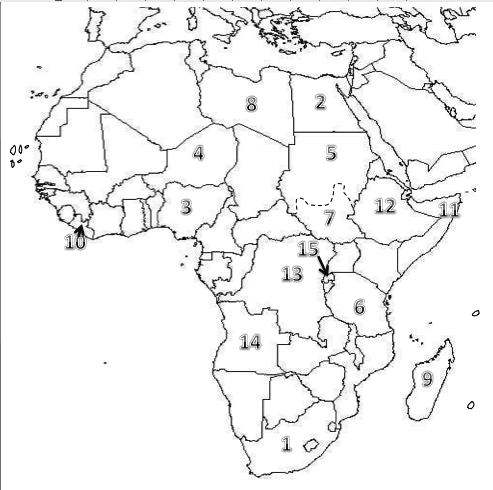
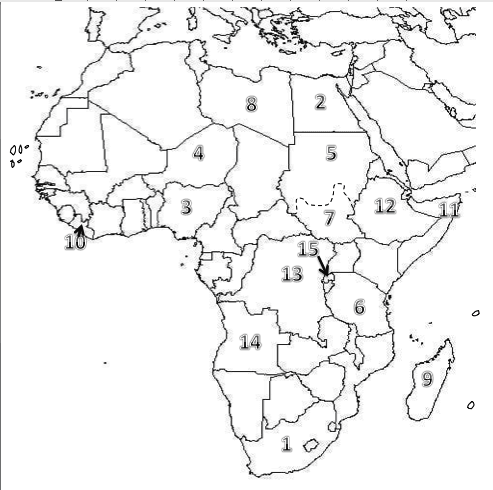
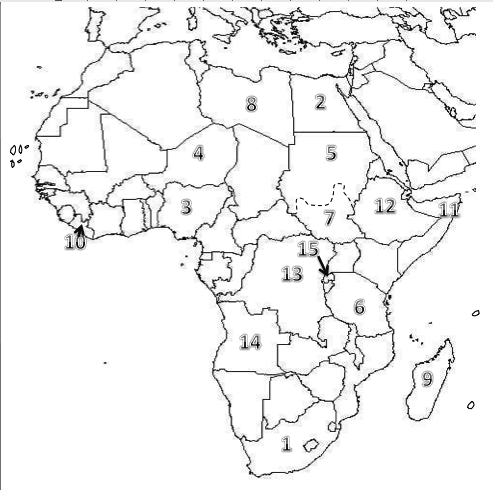
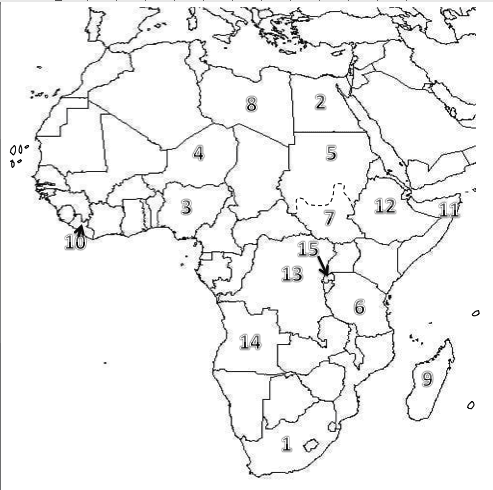
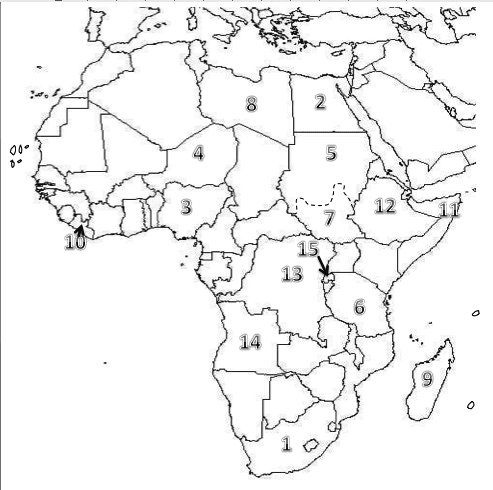
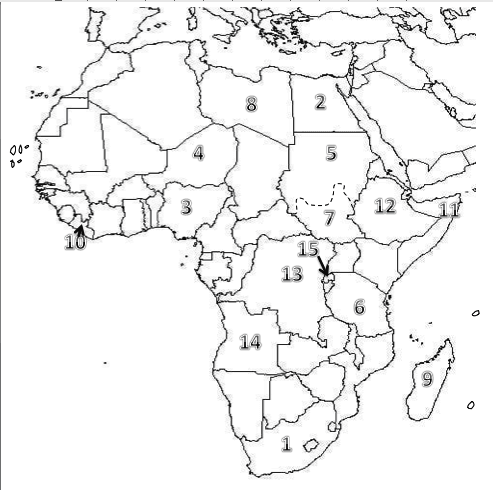
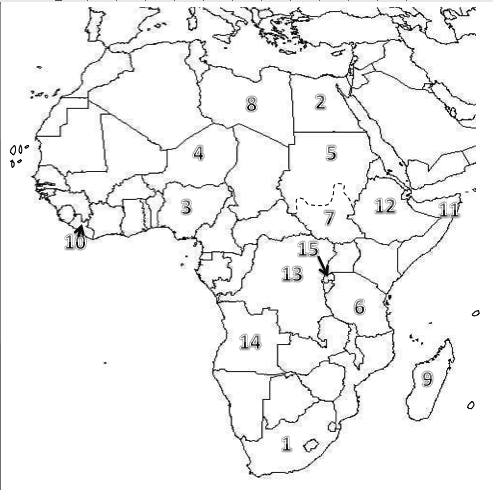
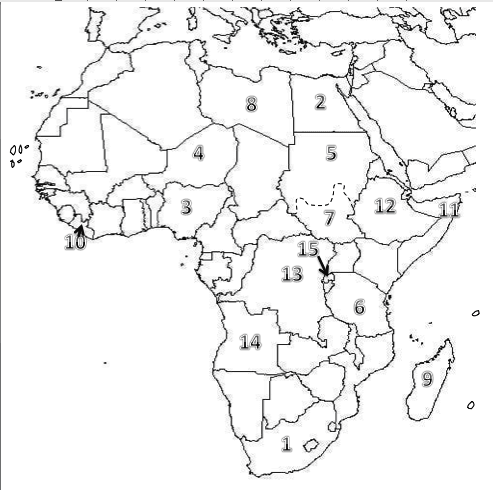
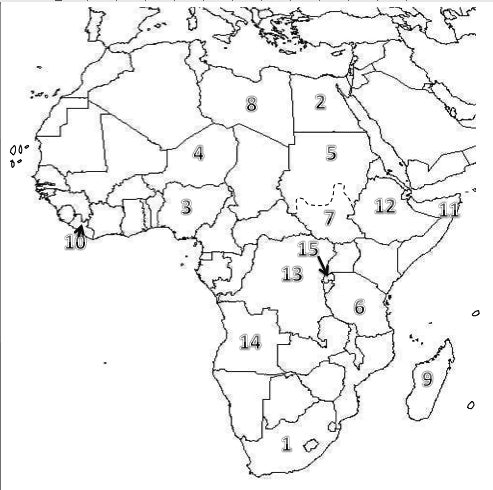
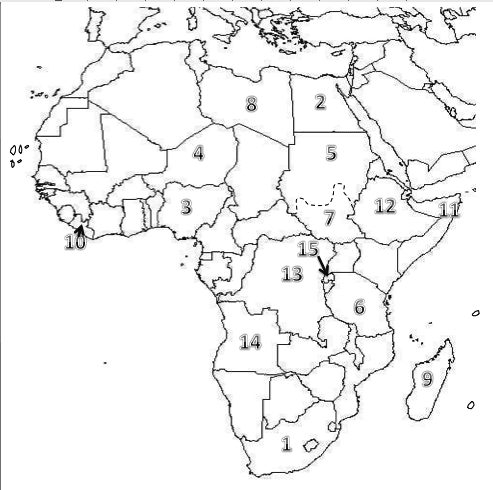
Africa Country Review Quiz
Quiz by Brianne Anfinson
Customize this quiz to suit your class
Instantly translate to 100+ languages
Tag the questions with any skills you have. Your dashboard will track each student's mastery of each skill.
Give this quiz to my class
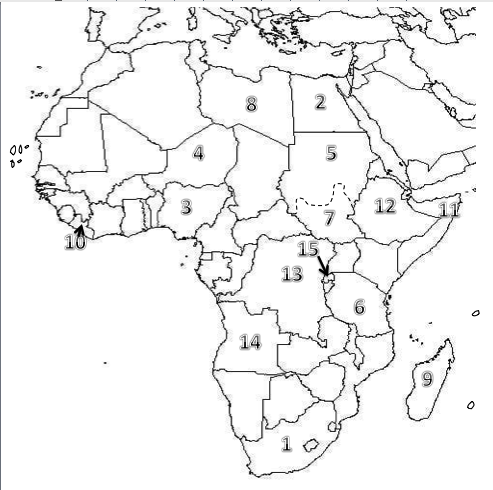
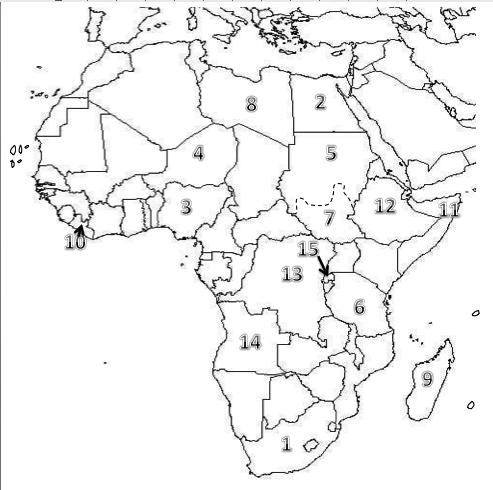
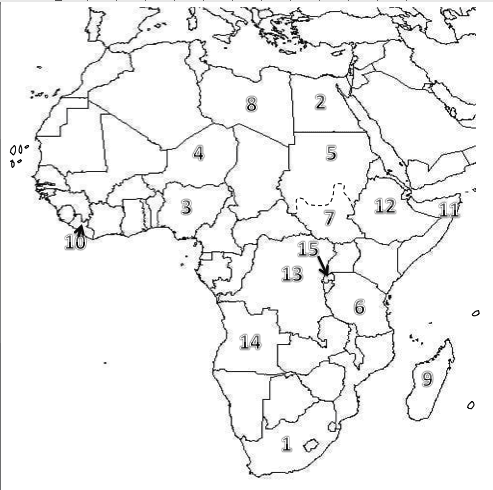
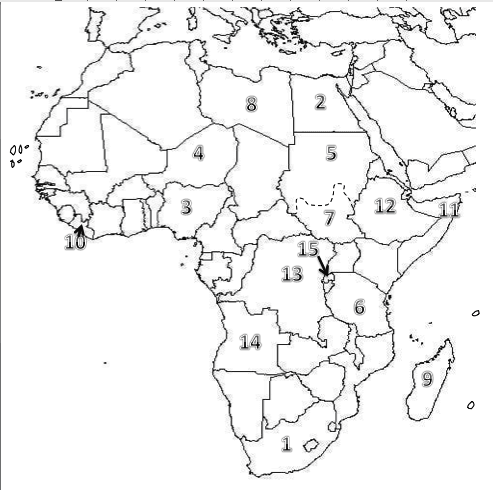
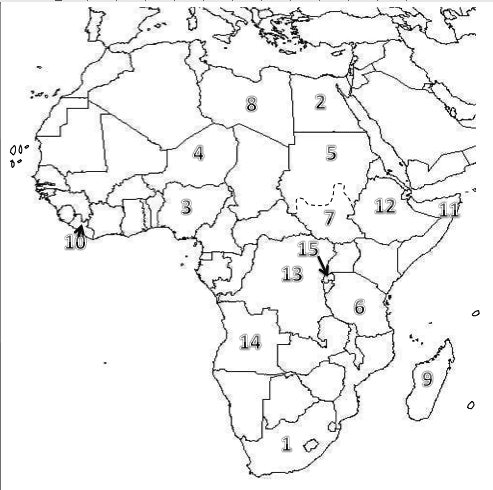
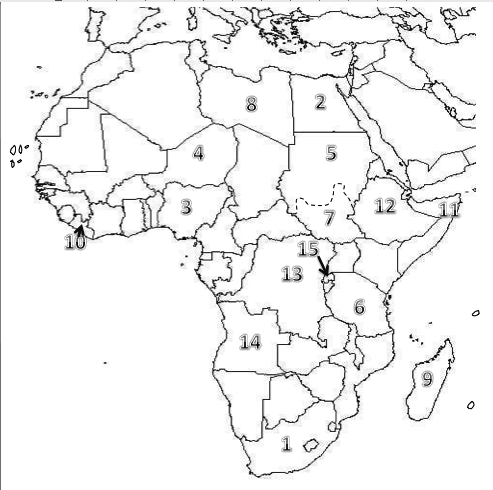
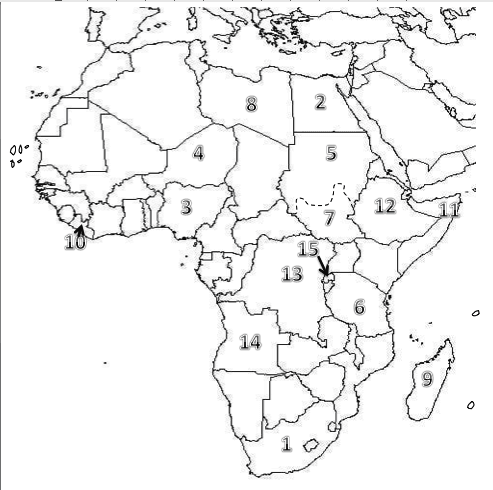
 Management and Globalization Global Management Why companies go global How companies for global Global Business environments Global Business Types of global business Pros and cons of global businesses Ethnic Challenges for global business Culture and Global Diversity Cultural intelligence Silent language of culture Tight and loose cultures Values and national cultures Global Management Learning Are management theories universal? Intercultural competencies Global learning goals Key concepts of the challenges of globalisation: Global economy Resources, markets and competition are worldwide in scope Internationalisation The process of increasing involvement in international operations Globalization/Deglobalization Glob- the growing interdependence among elements in the global economy The worldwide interdependence of resource flows, product markets and business competition World 3.0 Different views: World flat vs. round Distance is a metaphor that represents the degree of dissimilarities between countries Balancing cooperation in the global Global Management Global management - managing things in different countries Managing business and organizations with interests in more than one country What do we expect from global Managers Knowing how to adapt Knowing the language Global Manager Is culturally aware and informed on international affairs International Business Conducting for-profit transactions of goods and services across national boundaries International Motive Why do firms internatioalize their activities Cheaper labour Labour tax Natural resources Enrolments to do business Clientele Exclusive materials Personal benefits: Taxes Reasons why businesses go global Customers Suppluers Capital During (1993) - 4 motive 1. Market seeking 2. Efficiency Seeking 3. Resource seeking 4. Strategic Asset Seeking Cuervo Cazurra, Narula and un (2015) - 4 motive s Internationalization Motives A company may also explore the opportunities in different markets in order to take advantage and in some cases extend the product life cycle What is a Market Entry Strategy Involves the sale of goods or services to foreign markets but do not require expensive investments Franchising Exporting and importing Involve the sale of goods or services to foreign markets but do Types of market entry strategies Global sourcing Exporting Importing Licensing agreement Franchising Types of Foreign Direct Investment (FDI) strategies: Joint venture Strategic alliance Owned Subsidiary (sometimes called WOS) How to go abroad What conditions will affect the decisions of firms on how to internationalize their activities? During (1978)- Eclectic paradigm OLI model OLI- Ownership, Location and Internalization Advantages Ownership advantages Resources owned by the organization that can be transferred across locations include trademarks, production techniques and processes, managerial skills and other resources not available to the competitors Location Advantages Represent the implications of choosing to produce or to perform activities in a specific location (country or region) Internalization Advantages: The ability to internalize or to incorporate activities that add value to its business Evolution of Concepts- New Elements Although economic factors are certainly important to explain the formation, growth and expansion of firms within and across national borders, they are not sufficient to explain the additional complexity when a firm decides to expand its activities across national borders Economic factors Investigate the economic elements that affect the internationalization of firms Behavioural Elements Explaining the additional challenges (and perhaps opportunities) a firm faces in foreign host countries when compared to indigenous (local) firms Behavioural theories Johanson and Wiedersheim-Paul (1975) and Johanson and Vahlne (1977) Included the psychic Distance concept (beckerman,1956) to explain the internationalization behaviour of firms The Uppsala internationalization model Psychic distance is: the sum of factors preventing the flow of infomatio from and to the market Psychic Distance is a broad concept that includes several elements such as: language, culture, political systems, level of education, level of industrial development Firms behave in a “Risk Averse” manner It means that when the perceived risk goes down, the firm increase its commitment to the foreign market \ The Haier Group Data Strategy Big DATA and Small DATA The use of small data to satisfy individual customers’ needs, however, the book mentions a huge cultural shock at the plant in Camden, south caroline Ex: top down, hard hat colors and hierarchy Culutral Differnces can have a huge impact on the internationalization of firms Kogut and Singh (1988)- Cultural Distance Index First statsical study on the implication of ciltiral distance to the selection of entry mode When investigating in culturally distant countries, foreign firms can choose to partner with foreign firms in order to gain local knowledge and share the risk associated to the investment (higher commitment = higher risk) How Companies Go Global Global sourcing The process of purchasing materials or services around teh world for local use Exporting Selling locally made products in foreign markets Importing Buying foreign made products and selling them domestically Exports correspond to what percentage of Candain GDP What countries are the major trending partners of Canada Management and Globalization How Companies Go Global Licensing Agreement One firm pays a fee for rights to make or sell another company’s products What are the potential risks associated to licesning The case of new balance in China Franchising A fee is paid for the rights to use another firms name, branding and methods Insourcing Insourcing: refers to local job creation that results from foreign direct investment Types of insourcing Joint ventures: operate in a foreign country through co-ownership by foreign and local partners Strategic alliances: A partnership in which foreign and domestic firms share resources and knowledge for mutual gains Foreign subsidiaries: local operation completely owned by a foreign firm Criteria for choosing a joint venture partner: Familiarity with your firm’s major business String local workforce Values its customers Future expansion possibilities Strong local market for partner’s own products Good Profit potential Sound financial standing Global business environments Legal and poliical systems Trade agreements and trade barriers Regional economic alliances Legal and political systems Differing laws and practices regards Business ownership Negotiation and implementation of contracts Foreign currency exchange Protection of intellectual property rights Counterfeit merchandise Political risk Potential loss in value of foreign investment due to instability and political changes in the host country Political risk analysis (expertise/experience) Forecast political disruptions that threaten the value of a foreign investment Changes in the rules of the game Brexit US Trade Wars-mexico-China Other examples Bolivia, Venezuela, China De-globalization The process of weakening interdependence among nations Trade Agreements and trade Barriers World trade organization Most favourd nation status Tariffs Nontariss barriers (quotes, restrictions, etc.) Protectionism Regional Economic Alliances USMCA (replacment for the NAFTA-North American Free trade Agreement) EU- European Union APEC- Aisa Pacific Economic Copperation ASEAN - Association of Southeast Asian Nationas SADC - Southern Africa Development Community MERCOSUR- Chapter 5- Global Management and Cultural Diversity (part 2) Review Types of global business Global corporation MNE (multinational enterprise) or MNC (multinational corporation) with extensive business operations in more than one foreign country Transnational corporation A global corporation that operates worldwide on borderless basis Some host country complaints about MNCs Host Country companits about MNCs: Excessive profits Interference with local government Domination of local economy Interference with local government Hiring the best local talent Limited technology transfer Disrespect for local customers Examples - War in Ukraine Disruption in global -value chains and increased pressure and interference of MNCs with local government Fertilizer imports in Brazil (one of the major producers of agricultural commodities) We must consider the triple bottom line and the impact in society, the environment and the economy $2.5 billion invest in potash mine in Brazill What about Globalization gap Large multinationals adn industrilizednaitons gaining disporoportinonally form globalization Globalization gap: Large multinational and industrialized nations gaining disproportionally from Globalization Some MNC complaints about host countries MNC Complaints about host countries: Profiit limitations Laws and regulations Overpirce resources Exploitative rules Foreign exchange restriction Failure to uphold contracts Mutual benefits for host countries and multinational companies Mutual benefits for host country and global corporation of MNC: Shared growth opportunities Shared income opportunities Shared learning opportunities Share development opportunities Develop projects together What are some of the ethical challenges for global business Ethincal challenges for global business Child labour Employmnet of children for worl otherwise done by adults Sweatshops Employment of workers at very low wages for long hours in poor working conditions Ex: Nike bad labour prices Unsafe working conditions Corruption Illegal practices that further one’s business interests Corrupiotn of froeign public officials Act makes it illegal for Candain firms and their representatives to engage in corrupt practices overseas Bribes to foreign officials Excessive commissions Non-monetary gifts Sweatshops Conflict materials What is culture Culture : The shared set of beliefs, values, and patterns of behvaiourr common to a group of people Food preferences Values and traditions Language and beliefs Religion Art music Life style Hofstede defines culture as: “The collectiv programing of teh mind distinguishing the members of one group or category of people from others” What is culture shock Culture Shock: Confusion and discoumfert a person experiences in an unfaamiliar culture Stages to adjusting to a new culture Confusion Small vitorires The honeymoon Irritation and anger Reality Cultural Intelligence The ability to adapt and adjust to new cultures What is Ethnocentrism Tendency to consider one’s own culture as superior others Slinet languages of culture Contect Low context High context Space Proxemics Ex: personal space Time Monochronic Polychronic High and low contexts cultures Edward T.Hall (1959) Def: Part of a discourse that surround a word or passage and can throw on its meaning Low context cultures Emphizes communication via spoken or written words Countries like United States, Canada and Germany High context cultures Rely on nonverbal and situational cues as well as on spoken or written works Thailand Malaysia Time Monochronic cultures People tend to do one thing at a time Canda Polychronic cultures Time is used to accomplish many different things at once Egypt Space Proxemics Study of how people use space to communicate In North American people value “personal space’ Many Latin and Asian cultures expect much less personal space Tight and Loose Cultures Cultural tightness-looseness Tight = Strength of norms that govern social behvaviour Japan, Korea, Malaysia Loose = tolerance for any deviation from norms Australia, Brazil, Hungary Values and national cultures (Hofstede) Power distance Uncertainty avoidance Individalism-collectivism Masculinity-femininty Time Orientation Indulgence vs. Restraint Comparative management How management pratices systematically differ among countries and /or cultures Intercultural competencies Skills and personal characteristics that help us be successful in cross cultural situations Global Managers (know how to adapt) Need to successfully apply management functions across interantional boundaries Global Learning goals Not universal Engage critical thinking Look everywhere for new management ideas Always consider culture Match the Capital Citywith its Country- AfricaMatch country and nationalities Argentina, Australia, Brazil, Colombia, India, Italy, MExico, The US/ the USA , South Africa, Souht Korea, Poland, Spain, Turkey, the UK, China, Vietnam, Japan, France, Germany, SwitzwelandDemocratic Constitution in South Africa Struggle against Apartheid • Apartheid was the name of a system of racial discrimination unique to South Africa. • This system was particularly oppressive for the blacks. → They were forbidden from living in white areas. • Since 1950, the blacks, coloured and Indians fought against the apartheid system. • The African National Congress (ANC) was the umbrella organisation that led the struggle against the policies of segregation. • In 1964, Nelson Mandela and seven other leaders were sentenced to life imprisonment in 1964 for daring to oppose the apartheid regime in his country. Towards a New Constitution • As protests and struggles against apartheid had increased, the white regime changed its policies. • After 28 years of imprisonment, Nelson Mandela released from jail. • At the midnight of 26 April 1994, democracy was adopted as a form of government in South Africa. • After two years, a constitution came out which gave to its citizens the most extensive rights available in any country. Why do we need a Constitution? • A constitution is necessary because: → It generates a degree of trust and coordination that is necessary for different kind of people to live together. → It specifies how the government will be constituted, who will have power to take which decisions. → It lays down limits on the powers of the government and tells us what the rights of the citizens are. → It expresses the aspirations of the people about creating a good society. Making of the Indian Constitution • In 1928, Motilal Nehru and eight other Congress leaders drafted a constitution for India. • In 1931, the resolution at the Karachi session of the Indian National Congress dwelt on how independent India’s constitution should look like. • Factors contributed to the making of our Constitution. → Ideals of French Revolution → The practice of parliamentary democracy in Britain → The Bill of Rights in the US → The socialist revolution in Russia The Constituent Assembly • In July 1946, Elections to the Constituent Assembly were held. → The drafting of the document called the constitution was done Constituent Assembly. → Dr. Rajendra Prasad was the Chairman of the Constituent Assembly. → In December 1946, the first meeting was held. • After the country was divided into India and Pakistan, the Constituent Assembly also got divided. • The Assembly adopted the Constitution on 26 November 1949 but it came into effect on 26 January 1950. • To mark this day we celebrate January 26 as Republic Day every year. • The Constituent Assembly worked in a systematic, open and consensual manner. → First some basic principles were decided and agreed upon. → Then a Drafting Committee chaired by Dr. B.R. Ambedkar prepared a draft constitution for discussion. → More than two thousand amendments were considered. Philosophy of the Constitution • The Constitution begins with a short statement of its basic values which is called the Preamble to the constitution. The preamble focuses on: → Justice, social, economic and political. → Liberty of thoughts, expression, belief, faith and worship. → Equality of status and of opportunity. → Fraternity assuring the dignity of the individual and the unity and integrity of the nation.Egypt Where Is It? Egypt is a country in North Africa. The Mediterranean Sea is to the north. The Red Sea is to the east. Other countries are to the west and south. The capital city of Egypt is Cairo. It is also one of the largest cities in Africa. More than eleven million people live there. People. More than eighty-six million people live in Egypt. Most of them speak Arabic. Many people live in farming towns along the Nile River. Some farmers in Egypt grow cotton along the Nile. The cotton is used to make clothes. Farmers also grow rice, wheat, and other foods. Land. The desert stretches across all of Egypt. The Nile River runs through the east. It is the longest river in the world. The Nile ends at the Mediterranean Sea. The land where the Nile ends is the Nile Delta. Egypt also has mountains. Tall mountains rise in the east. Low mountains rise in the west. Animals. Many animals live in Egypt. Foxes, lizards, and other animals live in the desert. People raise water buffalo, sheep. and goats. Some people use camels to travel from place to place. History. Egypt is very old. Long ago, kings called pharaohs ruled the land. People believed the pharaohs were gods.The pharaohs had huge pyramids built. These pyramids are tombs for the pharaohs. Gold treasures were placed in the tombs. Some of these treasures are in museums now. Conclusion. Egypt is an amazing country. It is also a very old country. Egypt has many important things to learn about.Key Word Definition
Aid Assistance in the form of grants or loans at below market rates. For example, the UK provided aid to Nepal after the 2015 earthquake to help with reconstruction efforts.
Barriers to Trade Government constraints on the flow of international goods and services, such as tariffs and quotas. For example, the European Union imposes tariffs on certain agricultural products to protect its farmers.
BRICS An acronym for an association of five major emerging nations: Brazil, Russia, India, China, and South Africa. For example, BRICS nations often meet to discuss economic cooperation and development strategies.
Demographic Aging The rise in the median age of a population. For example, Japan is experiencing demographic aging, with a significant increase in the elderly population.
Economic Core Region The most highly developed region(s) in a country. For example, London is considered an economic core region in the UK due to its high level of development and economic activity.
GNP (Gross National Product) GDP plus overseas earnings, also known as GNI (Gross National Income). For example, the GNP of the United States includes the value of goods and services produced domestically and the income earned by its citizens abroad.
HIC (Higher Income Country) A country with a high level of income and development. For example, Germany is classified as a higher income country due to its high GDP per capita and advanced infrastructure.
NEE (Newly Emerging Economy) A country that is experiencing rapid economic growth and industrialisation. For example, China is an example of a newly emerging economy, having rapidly industrialised and grown economically over the past few decades.
LIC (Lower Income Country) A country with a low level of income and development. For example, Malawi is considered a lower income country, with a low GDP per capita and limited access to healthcare and education.
GDHI (Gross Disposable Household Income) The amount of money that households have available for spending and saving after taxes and social contributions. For example, in the UK, the GDHI varies significantly between regions, with London having one of the highest levels.
Gini Coefficient A measure of income inequality within a population, ranging from 0 (perfect equality) to 100 (perfect inequality). For example, South Africa has a high Gini coefficient, indicating significant income inequality within the country.
Trade Unions Organisations that promote trade between member countries, such as the East African Community (EAC). For example, the East African Community (EAC) works to promote economic integration and trade among its member states.
Fair Trade A movement aimed at helping producers in developing countries achieve better trading conditions and promote sustainability. For example, Fairtrade coffee ensures that farmers receive a fair price for their product and work under safe conditions.
FDI (Foreign Direct Investment) Investment made by a company or individual in one country in business interests in another country. For example, Toyota's investment in manufacturing plants in the UK is an example of foreign direct investment.
Debt Relief The partial or total remission of debts, especially those owed by developing countries to external creditors. For example, the Heavily Indebted Poor Countries (HIPC) initiative provides debt relief to eligible countries to help them achieve sustainable development.
International Aid Voluntary transfer of resources from one country to another, often in the form of financial assistance, goods, or services. For example, the UK provides international aid to various countries through its Department for International Development (DFID).
Top-Down Development Large-scale development projects led by national governments or international organisations. For example, the construction of the Three Gorges Dam in China is an example of a top-down development project.
Bottom-Up Development Small-scale development projects led by local communities or NGOs, focusing on the needs of the poorest and most vulnerable. For example, WaterAid's installation of hand pumps in rural villages in Africa is an example of a bottom-up development project.
Urbanisation The increase in the proportion of people living in urban areas compared to rural areas. For example, rapid urbanisation in India has led to the growth of megacities like Mumbai and Delhi.
Geopolitics The study of the effects of geography (human and physical) on international politics and relations. For example, the geopolitics of the Arctic region involves disputes over territorial claims and access to natural resources.
Quality of Life The general well-being of individuals and societies, outlining negative and positive features of life. For example, Scandinavian countries are often ranked high in quality of life due to their strong social welfare systems and high levels of happiness.
Poverty Cycle A set of factors or events by which poverty, once started, is likely to continue unless there is outside intervention. For example, lack of education and healthcare can trap families in a poverty cycle, making it difficult for future generations to improve their living standards.
Sustainable Development Economic development that is conducted without depletion of natural resources. For example, the use of renewable energy sources like wind and solar power is a key aspect of sustainable development.
Humanitarian Aid Material or logistical assistance provided for humanitarian purposes, typically in response to crises including natural disasters and man-made disaster. For example, humanitarian aid was provided to Haiti after the devastating earthquake in 2010 to help with immediate relief efforts.
Economic Growth An increase in the production of goods and services in an economy over a period of time. For example, China's economic growth over the past few decades has lifted millions of people out of poverty.
Social Indicators Measures that describe the well-being of individuals or communities, such as health, education, and income. For example, life expectancy and literacy rates are common social indicators used to assess development.
Environmental Sustainability Responsible interaction with the environment to avoid depletion or degradation of natural resources and allow for long-term environmental quality. For example, practices like recycling and conservation of natural habitats contribute to environmental sustainability.
Infrastructure The basic physical and organisational structures and facilities needed for the operation of a society or enterprise. For example, good infrastructure, such as roads, bridges, and schools, is essential for economic development.
Globalisation The process by which businesses or other organisations develop international influence or start operating on an international scale. For example, the globalisation of technology companies like Apple and Google has led to their products being available worldwide.
Microfinance Financial services provided to low-income individuals or groups who are typically excluded from traditional banking. For example, microfinance institutions like Grameen Bank provide small loans to entrepreneurs in developing countries to help them start or expand their businesses.
Sarah is a 19-year-old woman who sailed solo around the world in just one year. Listen to the following excerpts from her taped journal as she sailed. January 10th: I left the island of Jamaica yesterday, and now I’m on my way to the Panama Canal. I’m excited, because I never tried to sail around the world alone before. February 23rd: I arrived at the Galapagos Islands today. It’s my first time here. There are so many amazing animals to see on these islands – sea lions, iguanas, and the Galapagos tortoise. August 15th: I am now in Darwin, Australia – at the northern point of this country. Sailing here was quite good, but sometimes the ocean was very rough. November 7th: I’m now in South Africa, in Port Elizabeth. Many people welcomed me when I came into port. I’m happy, but I still have to cross the Atlantic Ocean. December 30th: I can see the city of Kingston in the distance. There are many boats around me, and people are congratulating me. I did it! I met my goal! I sailed around the world in less than a year.1. Settlements Importance of Rivers Fertile Land: The soil near rivers was great for farming, thanks to regular flooding that added nutrients. Trade and Travel: Rivers made moving things and people easy, which helped trade and communication. Protection: Rivers could act as natural barriers, making it harder for enemies to attack. Food: Rivers were full of fish and other food, adding to what people could eat. Energy: People used the river's flow to power machines, for example, grinding grain. Cleanliness: Rivers were used to wash away waste, keeping settlements cleaner. Culture: Rivers often had spiritual importance, and ceremonies and stories revolved around them. Common Geographic Features of Ancient Civilizations Mesopotamia: the Tigris and Euphrates Rivers in central Iraq Indus River Valley: the river runs in the northwestern part of India Nile River Valley: the major river of Egypt Yellow River Valley: a major river flowing through the southern part of China Rivers provided water, food, transportation, and shaped the way of life and development of these ancient civilizations. Impact of Mountains on Settlements Mountains served as barriers to early settlement due to the lack of technology to cross them. The Himalayan Mountains isolated much of India and China during their early development. Impact of Deserts on Migration Deserts posed significant challenges to people who wanted to migrate due to their harsh and unforgiving conditions. Notable deserts include the Empty Quarter in Saudi Arabia and the Sahara Desert in Africa. Changes in Migration and Cultural Blending Advancements in transportation technology post-Industrial Revolution increased cultural blending. Transportation advancements enabled global migration. Before, cultures were isolated, focusing on beliefs and local adaptations. The Industrial Revolution transformed migration and cultural blending. 2. How Humans Modify and Adapt to Their Environment Ways Humans Modify Their Environment Mining: Removing the earth's surface for precious metals. Irrigation: Diverting water for farming. Transportation: Moving goods with trains, cars, airplanes, and boats. Mining Strip mining removes large layers of the earth. Can impact the environment by removing plants and polluting water sources. Irrigation Diverting water for farming and urban development. Transportation Moving goods using trains, cars, airplanes, and boats. Human Adaptation to the Environment Adjusting to environmental conditions by changing behavior. Examples: Wearing specific clothing, using specific building materials. Human Modification of the Environment Changing the earth to meet human needs by physically altering the environment. Examples: Dams, canals, roads, bridges. Impact of Weather and Geological Events on Humans Events like earthquakes, hurricanes, and cold weather affect human settlements. Examples: Building earthquake-resistant buildings, creating levees, using ice for tourism. 3. Understanding Culture Introduction to Culture Culture refers to the way of life of a group of people who live in a particular place. It includes traditions, beliefs, values, and the way they do things. Cultural Characteristics Religious traditions Language Family values Laws Cultural characteristics make each culture unique. Cultural Representations Art Architecture Music Literature Cultural representations express a culture's creativity and show their beliefs and history to the world. Government and Culture Types of government reflect cultural beliefs and traditions. Examples: democratic republic, communist state. The way a country is governed tells a lot about its culture. Economic Systems and Cultures Economic systems reflect cultural values. Examples: bartering, modern economies (e.g., United States, China). How people earn and spend money also reflects their culture. Spread of Cultural Ideas Trade: Spreading ideas through interactions during trade. Travel: Visitors bringing new ideas. War: Conquering armies imposing beliefs. Cultural ideas spread through trade, travel, and war. Multicultural Societies Blending of multiple cultural and ethnic groups. Common in advanced societies with immigration. Multicultural societies create something new by bringing together different cultures. Cultural Adaptation Cultures can change and adapt by taking new ideas and blending them with their own traditions. Example: 'Tex-Mex' food, which blends Mexican and Texan traditions.
Management and Globalization Global Management Why companies go global How companies for global Global Business environments Global Business Types of global business Pros and cons of global businesses Ethnic Challenges for global business Culture and Global Diversity Cultural intelligence Silent language of culture Tight and loose cultures Values and national cultures Global Management Learning Are management theories universal? Intercultural competencies Global learning goals Key concepts of the challenges of globalisation: Global economy Resources, markets and competition are worldwide in scope Internationalisation The process of increasing involvement in international operations Globalization/Deglobalization Glob- the growing interdependence among elements in the global economy The worldwide interdependence of resource flows, product markets and business competition World 3.0 Different views: World flat vs. round Distance is a metaphor that represents the degree of dissimilarities between countries Balancing cooperation in the global Global Management Global management - managing things in different countries Managing business and organizations with interests in more than one country What do we expect from global Managers Knowing how to adapt Knowing the language Global Manager Is culturally aware and informed on international affairs International Business Conducting for-profit transactions of goods and services across national boundaries International Motive Why do firms internatioalize their activities Cheaper labour Labour tax Natural resources Enrolments to do business Clientele Exclusive materials Personal benefits: Taxes Reasons why businesses go global Customers Suppluers Capital During (1993) - 4 motive 1. Market seeking 2. Efficiency Seeking 3. Resource seeking 4. Strategic Asset Seeking Cuervo Cazurra, Narula and un (2015) - 4 motive s Internationalization Motives A company may also explore the opportunities in different markets in order to take advantage and in some cases extend the product life cycle What is a Market Entry Strategy Involves the sale of goods or services to foreign markets but do not require expensive investments Franchising Exporting and importing Involve the sale of goods or services to foreign markets but do Types of market entry strategies Global sourcing Exporting Importing Licensing agreement Franchising Types of Foreign Direct Investment (FDI) strategies: Joint venture Strategic alliance Owned Subsidiary (sometimes called WOS) How to go abroad What conditions will affect the decisions of firms on how to internationalize their activities? During (1978)- Eclectic paradigm OLI model OLI- Ownership, Location and Internalization Advantages Ownership advantages Resources owned by the organization that can be transferred across locations include trademarks, production techniques and processes, managerial skills and other resources not available to the competitors Location Advantages Represent the implications of choosing to produce or to perform activities in a specific location (country or region) Internalization Advantages: The ability to internalize or to incorporate activities that add value to its business Evolution of Concepts- New Elements Although economic factors are certainly important to explain the formation, growth and expansion of firms within and across national borders, they are not sufficient to explain the additional complexity when a firm decides to expand its activities across national borders Economic factors Investigate the economic elements that affect the internationalization of firms Behavioural Elements Explaining the additional challenges (and perhaps opportunities) a firm faces in foreign host countries when compared to indigenous (local) firms Behavioural theories Johanson and Wiedersheim-Paul (1975) and Johanson and Vahlne (1977) Included the psychic Distance concept (beckerman,1956) to explain the internationalization behaviour of firms The Uppsala internationalization model Psychic distance is: the sum of factors preventing the flow of infomatio from and to the market Psychic Distance is a broad concept that includes several elements such as: language, culture, political systems, level of education, level of industrial development Firms behave in a “Risk Averse” manner It means that when the perceived risk goes down, the firm increase its commitment to the foreign market \ The Haier Group Data Strategy Big DATA and Small DATA The use of small data to satisfy individual customers’ needs, however, the book mentions a huge cultural shock at the plant in Camden, south caroline Ex: top down, hard hat colors and hierarchy Culutral Differnces can have a huge impact on the internationalization of firms Kogut and Singh (1988)- Cultural Distance Index First statsical study on the implication of ciltiral distance to the selection of entry mode When investigating in culturally distant countries, foreign firms can choose to partner with foreign firms in order to gain local knowledge and share the risk associated to the investment (higher commitment = higher risk) How Companies Go Global Global sourcing The process of purchasing materials or services around teh world for local use Exporting Selling locally made products in foreign markets Importing Buying foreign made products and selling them domestically Exports correspond to what percentage of Candain GDP What countries are the major trending partners of Canada Management and Globalization How Companies Go Global Licensing Agreement One firm pays a fee for rights to make or sell another company’s products What are the potential risks associated to licesning The case of new balance in China Franchising A fee is paid for the rights to use another firms name, branding and methods Insourcing Insourcing: refers to local job creation that results from foreign direct investment Types of insourcing Joint ventures: operate in a foreign country through co-ownership by foreign and local partners Strategic alliances: A partnership in which foreign and domestic firms share resources and knowledge for mutual gains Foreign subsidiaries: local operation completely owned by a foreign firm Criteria for choosing a joint venture partner: Familiarity with your firm’s major business String local workforce Values its customers Future expansion possibilities Strong local market for partner’s own products Good Profit potential Sound financial standing Global business environments Legal and poliical systems Trade agreements and trade barriers Regional economic alliances Legal and political systems Differing laws and practices regards Business ownership Negotiation and implementation of contracts Foreign currency exchange Protection of intellectual property rights Counterfeit merchandise Political risk Potential loss in value of foreign investment due to instability and political changes in the host country Political risk analysis (expertise/experience) Forecast political disruptions that threaten the value of a foreign investment Changes in the rules of the game Brexit US Trade Wars-mexico-China Other examples Bolivia, Venezuela, China De-globalization The process of weakening interdependence among nations Trade Agreements and trade Barriers World trade organization Most favourd nation status Tariffs Nontariss barriers (quotes, restrictions, etc.) Protectionism Regional Economic Alliances USMCA (replacment for the NAFTA-North American Free trade Agreement) EU- European Union APEC- Aisa Pacific Economic Copperation ASEAN - Association of Southeast Asian Nationas SADC - Southern Africa Development Community MERCOSUR- Chapter 5- Global Management and Cultural Diversity (part 2) Review Types of global business Global corporation MNE (multinational enterprise) or MNC (multinational corporation) with extensive business operations in more than one foreign country Transnational corporation A global corporation that operates worldwide on borderless basis Some host country complaints about MNCs Host Country companits about MNCs: Excessive profits Interference with local government Domination of local economy Interference with local government Hiring the best local talent Limited technology transfer Disrespect for local customers Examples - War in Ukraine Disruption in global -value chains and increased pressure and interference of MNCs with local government Fertilizer imports in Brazil (one of the major producers of agricultural commodities) We must consider the triple bottom line and the impact in society, the environment and the economy $2.5 billion invest in potash mine in Brazill What about Globalization gap Large multinationals adn industrilizednaitons gaining disporoportinonally form globalization Globalization gap: Large multinational and industrialized nations gaining disproportionally from Globalization Some MNC complaints about host countries MNC Complaints about host countries: Profiit limitations Laws and regulations Overpirce resources Exploitative rules Foreign exchange restriction Failure to uphold contracts Mutual benefits for host countries and multinational companies Mutual benefits for host country and global corporation of MNC: Shared growth opportunities Shared income opportunities Shared learning opportunities Share development opportunities Develop projects together What are some of the ethical challenges for global business Ethincal challenges for global business Child labour Employmnet of children for worl otherwise done by adults Sweatshops Employment of workers at very low wages for long hours in poor working conditions Ex: Nike bad labour prices Unsafe working conditions Corruption Illegal practices that further one’s business interests Corrupiotn of froeign public officials Act makes it illegal for Candain firms and their representatives to engage in corrupt practices overseas Bribes to foreign officials Excessive commissions Non-monetary gifts Sweatshops Conflict materials What is culture Culture : The shared set of beliefs, values, and patterns of behvaiourr common to a group of people Food preferences Values and traditions Language and beliefs Religion Art music Life style Hofstede defines culture as: “The collectiv programing of teh mind distinguishing the members of one group or category of people from others” What is culture shock Culture Shock: Confusion and discoumfert a person experiences in an unfaamiliar culture Stages to adjusting to a new culture Confusion Small vitorires The honeymoon Irritation and anger Reality Cultural Intelligence The ability to adapt and adjust to new cultures What is Ethnocentrism Tendency to consider one’s own culture as superior others Slinet languages of culture Contect Low context High context Space Proxemics Ex: personal space Time Monochronic Polychronic High and low contexts cultures Edward T.Hall (1959) Def: Part of a discourse that surround a word or passage and can throw on its meaning Low context cultures Emphizes communication via spoken or written words Countries like United States, Canada and Germany High context cultures Rely on nonverbal and situational cues as well as on spoken or written works Thailand Malaysia Time Monochronic cultures People tend to do one thing at a time Canda Polychronic cultures Time is used to accomplish many different things at once Egypt Space Proxemics Study of how people use space to communicate In North American people value “personal space’ Many Latin and Asian cultures expect much less personal space Tight and Loose Cultures Cultural tightness-looseness Tight = Strength of norms that govern social behvaviour Japan, Korea, Malaysia Loose = tolerance for any deviation from norms Australia, Brazil, Hungary Values and national cultures (Hofstede) Power distance Uncertainty avoidance Individalism-collectivism Masculinity-femininty Time Orientation Indulgence vs. Restraint Comparative management How management pratices systematically differ among countries and /or cultures Intercultural competencies Skills and personal characteristics that help us be successful in cross cultural situations Global Managers (know how to adapt) Need to successfully apply management functions across interantional boundaries Global Learning goals Not universal Engage critical thinking Look everywhere for new management ideas Always consider culture Match the Capital Citywith its Country- AfricaMatch country and nationalities Argentina, Australia, Brazil, Colombia, India, Italy, MExico, The US/ the USA , South Africa, Souht Korea, Poland, Spain, Turkey, the UK, China, Vietnam, Japan, France, Germany, SwitzwelandDemocratic Constitution in South Africa Struggle against Apartheid • Apartheid was the name of a system of racial discrimination unique to South Africa. • This system was particularly oppressive for the blacks. → They were forbidden from living in white areas. • Since 1950, the blacks, coloured and Indians fought against the apartheid system. • The African National Congress (ANC) was the umbrella organisation that led the struggle against the policies of segregation. • In 1964, Nelson Mandela and seven other leaders were sentenced to life imprisonment in 1964 for daring to oppose the apartheid regime in his country. Towards a New Constitution • As protests and struggles against apartheid had increased, the white regime changed its policies. • After 28 years of imprisonment, Nelson Mandela released from jail. • At the midnight of 26 April 1994, democracy was adopted as a form of government in South Africa. • After two years, a constitution came out which gave to its citizens the most extensive rights available in any country. Why do we need a Constitution? • A constitution is necessary because: → It generates a degree of trust and coordination that is necessary for different kind of people to live together. → It specifies how the government will be constituted, who will have power to take which decisions. → It lays down limits on the powers of the government and tells us what the rights of the citizens are. → It expresses the aspirations of the people about creating a good society. Making of the Indian Constitution • In 1928, Motilal Nehru and eight other Congress leaders drafted a constitution for India. • In 1931, the resolution at the Karachi session of the Indian National Congress dwelt on how independent India’s constitution should look like. • Factors contributed to the making of our Constitution. → Ideals of French Revolution → The practice of parliamentary democracy in Britain → The Bill of Rights in the US → The socialist revolution in Russia The Constituent Assembly • In July 1946, Elections to the Constituent Assembly were held. → The drafting of the document called the constitution was done Constituent Assembly. → Dr. Rajendra Prasad was the Chairman of the Constituent Assembly. → In December 1946, the first meeting was held. • After the country was divided into India and Pakistan, the Constituent Assembly also got divided. • The Assembly adopted the Constitution on 26 November 1949 but it came into effect on 26 January 1950. • To mark this day we celebrate January 26 as Republic Day every year. • The Constituent Assembly worked in a systematic, open and consensual manner. → First some basic principles were decided and agreed upon. → Then a Drafting Committee chaired by Dr. B.R. Ambedkar prepared a draft constitution for discussion. → More than two thousand amendments were considered. Philosophy of the Constitution • The Constitution begins with a short statement of its basic values which is called the Preamble to the constitution. The preamble focuses on: → Justice, social, economic and political. → Liberty of thoughts, expression, belief, faith and worship. → Equality of status and of opportunity. → Fraternity assuring the dignity of the individual and the unity and integrity of the nation.Egypt Where Is It? Egypt is a country in North Africa. The Mediterranean Sea is to the north. The Red Sea is to the east. Other countries are to the west and south. The capital city of Egypt is Cairo. It is also one of the largest cities in Africa. More than eleven million people live there. People. More than eighty-six million people live in Egypt. Most of them speak Arabic. Many people live in farming towns along the Nile River. Some farmers in Egypt grow cotton along the Nile. The cotton is used to make clothes. Farmers also grow rice, wheat, and other foods. Land. The desert stretches across all of Egypt. The Nile River runs through the east. It is the longest river in the world. The Nile ends at the Mediterranean Sea. The land where the Nile ends is the Nile Delta. Egypt also has mountains. Tall mountains rise in the east. Low mountains rise in the west. Animals. Many animals live in Egypt. Foxes, lizards, and other animals live in the desert. People raise water buffalo, sheep. and goats. Some people use camels to travel from place to place. History. Egypt is very old. Long ago, kings called pharaohs ruled the land. People believed the pharaohs were gods.The pharaohs had huge pyramids built. These pyramids are tombs for the pharaohs. Gold treasures were placed in the tombs. Some of these treasures are in museums now. Conclusion. Egypt is an amazing country. It is also a very old country. Egypt has many important things to learn about.Key Word Definition
Aid Assistance in the form of grants or loans at below market rates. For example, the UK provided aid to Nepal after the 2015 earthquake to help with reconstruction efforts.
Barriers to Trade Government constraints on the flow of international goods and services, such as tariffs and quotas. For example, the European Union imposes tariffs on certain agricultural products to protect its farmers.
BRICS An acronym for an association of five major emerging nations: Brazil, Russia, India, China, and South Africa. For example, BRICS nations often meet to discuss economic cooperation and development strategies.
Demographic Aging The rise in the median age of a population. For example, Japan is experiencing demographic aging, with a significant increase in the elderly population.
Economic Core Region The most highly developed region(s) in a country. For example, London is considered an economic core region in the UK due to its high level of development and economic activity.
GNP (Gross National Product) GDP plus overseas earnings, also known as GNI (Gross National Income). For example, the GNP of the United States includes the value of goods and services produced domestically and the income earned by its citizens abroad.
HIC (Higher Income Country) A country with a high level of income and development. For example, Germany is classified as a higher income country due to its high GDP per capita and advanced infrastructure.
NEE (Newly Emerging Economy) A country that is experiencing rapid economic growth and industrialisation. For example, China is an example of a newly emerging economy, having rapidly industrialised and grown economically over the past few decades.
LIC (Lower Income Country) A country with a low level of income and development. For example, Malawi is considered a lower income country, with a low GDP per capita and limited access to healthcare and education.
GDHI (Gross Disposable Household Income) The amount of money that households have available for spending and saving after taxes and social contributions. For example, in the UK, the GDHI varies significantly between regions, with London having one of the highest levels.
Gini Coefficient A measure of income inequality within a population, ranging from 0 (perfect equality) to 100 (perfect inequality). For example, South Africa has a high Gini coefficient, indicating significant income inequality within the country.
Trade Unions Organisations that promote trade between member countries, such as the East African Community (EAC). For example, the East African Community (EAC) works to promote economic integration and trade among its member states.
Fair Trade A movement aimed at helping producers in developing countries achieve better trading conditions and promote sustainability. For example, Fairtrade coffee ensures that farmers receive a fair price for their product and work under safe conditions.
FDI (Foreign Direct Investment) Investment made by a company or individual in one country in business interests in another country. For example, Toyota's investment in manufacturing plants in the UK is an example of foreign direct investment.
Debt Relief The partial or total remission of debts, especially those owed by developing countries to external creditors. For example, the Heavily Indebted Poor Countries (HIPC) initiative provides debt relief to eligible countries to help them achieve sustainable development.
International Aid Voluntary transfer of resources from one country to another, often in the form of financial assistance, goods, or services. For example, the UK provides international aid to various countries through its Department for International Development (DFID).
Top-Down Development Large-scale development projects led by national governments or international organisations. For example, the construction of the Three Gorges Dam in China is an example of a top-down development project.
Bottom-Up Development Small-scale development projects led by local communities or NGOs, focusing on the needs of the poorest and most vulnerable. For example, WaterAid's installation of hand pumps in rural villages in Africa is an example of a bottom-up development project.
Urbanisation The increase in the proportion of people living in urban areas compared to rural areas. For example, rapid urbanisation in India has led to the growth of megacities like Mumbai and Delhi.
Geopolitics The study of the effects of geography (human and physical) on international politics and relations. For example, the geopolitics of the Arctic region involves disputes over territorial claims and access to natural resources.
Quality of Life The general well-being of individuals and societies, outlining negative and positive features of life. For example, Scandinavian countries are often ranked high in quality of life due to their strong social welfare systems and high levels of happiness.
Poverty Cycle A set of factors or events by which poverty, once started, is likely to continue unless there is outside intervention. For example, lack of education and healthcare can trap families in a poverty cycle, making it difficult for future generations to improve their living standards.
Sustainable Development Economic development that is conducted without depletion of natural resources. For example, the use of renewable energy sources like wind and solar power is a key aspect of sustainable development.
Humanitarian Aid Material or logistical assistance provided for humanitarian purposes, typically in response to crises including natural disasters and man-made disaster. For example, humanitarian aid was provided to Haiti after the devastating earthquake in 2010 to help with immediate relief efforts.
Economic Growth An increase in the production of goods and services in an economy over a period of time. For example, China's economic growth over the past few decades has lifted millions of people out of poverty.
Social Indicators Measures that describe the well-being of individuals or communities, such as health, education, and income. For example, life expectancy and literacy rates are common social indicators used to assess development.
Environmental Sustainability Responsible interaction with the environment to avoid depletion or degradation of natural resources and allow for long-term environmental quality. For example, practices like recycling and conservation of natural habitats contribute to environmental sustainability.
Infrastructure The basic physical and organisational structures and facilities needed for the operation of a society or enterprise. For example, good infrastructure, such as roads, bridges, and schools, is essential for economic development.
Globalisation The process by which businesses or other organisations develop international influence or start operating on an international scale. For example, the globalisation of technology companies like Apple and Google has led to their products being available worldwide.
Microfinance Financial services provided to low-income individuals or groups who are typically excluded from traditional banking. For example, microfinance institutions like Grameen Bank provide small loans to entrepreneurs in developing countries to help them start or expand their businesses.
Sarah is a 19-year-old woman who sailed solo around the world in just one year. Listen to the following excerpts from her taped journal as she sailed. January 10th: I left the island of Jamaica yesterday, and now I’m on my way to the Panama Canal. I’m excited, because I never tried to sail around the world alone before. February 23rd: I arrived at the Galapagos Islands today. It’s my first time here. There are so many amazing animals to see on these islands – sea lions, iguanas, and the Galapagos tortoise. August 15th: I am now in Darwin, Australia – at the northern point of this country. Sailing here was quite good, but sometimes the ocean was very rough. November 7th: I’m now in South Africa, in Port Elizabeth. Many people welcomed me when I came into port. I’m happy, but I still have to cross the Atlantic Ocean. December 30th: I can see the city of Kingston in the distance. There are many boats around me, and people are congratulating me. I did it! I met my goal! I sailed around the world in less than a year.1. Settlements Importance of Rivers Fertile Land: The soil near rivers was great for farming, thanks to regular flooding that added nutrients. Trade and Travel: Rivers made moving things and people easy, which helped trade and communication. Protection: Rivers could act as natural barriers, making it harder for enemies to attack. Food: Rivers were full of fish and other food, adding to what people could eat. Energy: People used the river's flow to power machines, for example, grinding grain. Cleanliness: Rivers were used to wash away waste, keeping settlements cleaner. Culture: Rivers often had spiritual importance, and ceremonies and stories revolved around them. Common Geographic Features of Ancient Civilizations Mesopotamia: the Tigris and Euphrates Rivers in central Iraq Indus River Valley: the river runs in the northwestern part of India Nile River Valley: the major river of Egypt Yellow River Valley: a major river flowing through the southern part of China Rivers provided water, food, transportation, and shaped the way of life and development of these ancient civilizations. Impact of Mountains on Settlements Mountains served as barriers to early settlement due to the lack of technology to cross them. The Himalayan Mountains isolated much of India and China during their early development. Impact of Deserts on Migration Deserts posed significant challenges to people who wanted to migrate due to their harsh and unforgiving conditions. Notable deserts include the Empty Quarter in Saudi Arabia and the Sahara Desert in Africa. Changes in Migration and Cultural Blending Advancements in transportation technology post-Industrial Revolution increased cultural blending. Transportation advancements enabled global migration. Before, cultures were isolated, focusing on beliefs and local adaptations. The Industrial Revolution transformed migration and cultural blending. 2. How Humans Modify and Adapt to Their Environment Ways Humans Modify Their Environment Mining: Removing the earth's surface for precious metals. Irrigation: Diverting water for farming. Transportation: Moving goods with trains, cars, airplanes, and boats. Mining Strip mining removes large layers of the earth. Can impact the environment by removing plants and polluting water sources. Irrigation Diverting water for farming and urban development. Transportation Moving goods using trains, cars, airplanes, and boats. Human Adaptation to the Environment Adjusting to environmental conditions by changing behavior. Examples: Wearing specific clothing, using specific building materials. Human Modification of the Environment Changing the earth to meet human needs by physically altering the environment. Examples: Dams, canals, roads, bridges. Impact of Weather and Geological Events on Humans Events like earthquakes, hurricanes, and cold weather affect human settlements. Examples: Building earthquake-resistant buildings, creating levees, using ice for tourism. 3. Understanding Culture Introduction to Culture Culture refers to the way of life of a group of people who live in a particular place. It includes traditions, beliefs, values, and the way they do things. Cultural Characteristics Religious traditions Language Family values Laws Cultural characteristics make each culture unique. Cultural Representations Art Architecture Music Literature Cultural representations express a culture's creativity and show their beliefs and history to the world. Government and Culture Types of government reflect cultural beliefs and traditions. Examples: democratic republic, communist state. The way a country is governed tells a lot about its culture. Economic Systems and Cultures Economic systems reflect cultural values. Examples: bartering, modern economies (e.g., United States, China). How people earn and spend money also reflects their culture. Spread of Cultural Ideas Trade: Spreading ideas through interactions during trade. Travel: Visitors bringing new ideas. War: Conquering armies imposing beliefs. Cultural ideas spread through trade, travel, and war. Multicultural Societies Blending of multiple cultural and ethnic groups. Common in advanced societies with immigration. Multicultural societies create something new by bringing together different cultures. Cultural Adaptation Cultures can change and adapt by taking new ideas and blending them with their own traditions. Example: 'Tex-Mex' food, which blends Mexican and Texan traditions.