Loading...


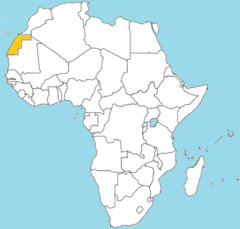
African Countries
Quiz by Robert
Customize this quiz to suit your class
Instantly translate to 100+ languages
Tag the questions with any skills you have. Your dashboard will track each student's mastery of each skill.
Give this quiz to my class
















 African Countries TestAFRICAN COUNTRIES MAP POINTING PART 2African Countries ScrambledGr 2 - Arab African CountriesCryptocurrency regulations in Africa vary significantly across the continent, reflecting different approaches by governments to balance innovation with consumer protection and financial stability. Here's an overview of the regulatory landscape in several key African countries: 1. Nigeria Central Bank Ban: In February 2021, the Central Bank of Nigeria (CBN) banned financial institutions from providing services to crypto exchanges, effectively restricting crypto transactions through traditional banking channels. eNaira: Despite the restrictive stance on cryptocurrencies, Nigeria launched its central bank digital currency (CBDC), the eNaira, in October 2021, aiming to enhance financial inclusion and support the digital economy. 2. South Africa Regulatory Framework: The Financial Sector Conduct Authority (FSCA) has proposed a regulatory framework to classify cryptocurrencies as financial products. This will subject crypto service providers to regulations similar to those governing other financial services. AML/CFT Compliance: Crypto exchanges are required to comply with Anti-Money Laundering (AML) and Combating the Financing of Terrorism (CFT) regulations. 3. Kenya Regulatory Caution: The Central Bank of Kenya (CBK) has issued warnings about the risks associated with cryptocurrencies but has not imposed an outright ban. Cryptocurrencies are not considered legal tender. Innovation Support: Kenya is known for its innovative financial services sector, including mobile money, which creates a fertile ground for crypto and blockchain adoption despite the cautious regulatory stance. 4. Ghana Regulatory Research: The Bank of Ghana is conducting research into cryptocurrencies and blockchain technology, with a focus on understanding the potential benefits and risks. Sandbox Initiative: Ghana has introduced a regulatory sandbox to encourage innovation in fintech, including blockchain and cryptocurrencies. 5. Uganda Regulatory Oversight: The Bank of Uganda has warned the public about the risks of cryptocurrencies but has not imposed a ban. There is ongoing discussion about developing a regulatory framework. Blockchain Adoption: Uganda is exploring the use of blockchain technology in various sectors, including agriculture and healthcare. 6. Zimbabwe Ban and Reconsideration: The Reserve Bank of Zimbabwe (RBZ) initially banned banks from processing crypto transactions but has since been exploring ways to regulate the industry. Blockchain Task Force: The government has established a blockchain and digital assets task force to study the implications and potential uses of the technology. 7. Tanzania Government Support: In 2021, the Tanzanian government indicated support for adopting blockchain and cryptocurrency technologies, with the central bank working on creating a regulatory framework. Presidential Endorsement: President Samia Suluhu Hassan called on the central bank to prepare for the adoption of cryptocurrencies. Regional Initiatives and Trends Cross-Border Collaboration: Some African countries are exploring regional cooperation to harmonize crypto regulations and promote cross-border fintech solutions. Fintech Hubs: Countries like Nigeria, South Africa, and Kenya are becoming fintech hubs, attracting startups and investment in the blockchain and crypto space. Education and Awareness: Efforts are being made to educate the public and policymakers about cryptocurrencies and blockchain technology to promote informed decision-making. Challenges and Considerations Regulatory Uncertainty: The lack of clear and consistent regulations across the continent poses challenges for businesses and investors. Risk Management: Balancing innovation with risk management, particularly concerning AML/CFT compliance, is a key concern for regulators. Infrastructure and Accessibility: Limited internet access and technological infrastructure can hinder widespread adoption and effective regulation. The regulatory landscape for cryptocurrencies in Africa is dynamic and evolving, with a mix of cautious approaches and supportive measures aimed at harnessing the benefits of blockchain technology while managing associated risks.Stop thief! Thieves are punished differently in different places. In Europe, if you are stolen by somebody, the police usually just make a note. And the thieves are allowed to have lawyers to defend them. So the punishment will be light. In the United Arab Emirates, most local people believe in Islam. They think theft is extremely evil. Thieves may be cut off their hands. In African countries, the punishment of thieves is serious. They may be beaten, chopped off hands, carved on faces, etc. In Japan, people have 'zero tolerance' for stealing. Once a man stole 10 yen, less than I RMB, and he was sentenced to one year in prison. If you see a thief, what can you do? Call the police. Pretend that you know the stolen person and say hello to him. Seek help from the people around you. Record the thief with your phone and send the video to the police.The Columbian Exchange was the widespread exchange of animals, plants, culture, disease, people, and ideas that began between European countries and their colonies in North and South America. The Spanish came to the Americas in search of gold and other riches. The Europeans wanted to convert the Native Americans to Christianity/Roman Catholicism. Spain had the greatest impact on the culture of Latin America. Sugarcane was a crop that was grown in the Caribbean that required a lot of land and labor. Native populations died out largely due to diseases that they had no natural immunity to before the arrival of Europeans. When the Native populations died out, African slaves were brought over to work. Two cultural elements in Latin America that resulted from the Columbian Exchange were language - Spanish, and religion - Roman Catholicism/Christianity. Environmental Issues Deforestation is the clearing of forests for human demands such as farmland, timber, and mining. The Amazon Rainforest in Brazil is one area experiencing major deforestation. Hurricanes can damage the economies in the Caribbean and Central America by keeping tourists away. Economy The three economic indicators used to determine the Human Development Index (HDI) are: life expectancy, literacy rate, and GDP per capita. Higher literacy rates, GDP per capita, and life expectancy are associated with more developed countries, while lower literacy rates, GDP per capita, and life expectancy are associated with less developed countries. The three sectors of the economy are primary/agriculture (e.g. rancher), secondary/manufacturing (e.g. table factory), and tertiary/services (e.g. teacher). A single product economy is when a country depends on just one product for almost all of its jobs, like the Caribbean Islands depend on tourism. Three disadvantages of a single product economy are: having to import other goods/resources, facing competition from other countries for the same product, and if the product fails, the economy is ruined which could restrict access to goods/resources. A free enterprise/market economy is when individual people and businesses make all economic decisions. A command/communist economy is when the government makes all basic economic decisions. Cuba has a communist economy where the government controls all aspects of the economy.Key Word Definition
Aid Assistance in the form of grants or loans at below market rates. For example, the UK provided aid to Nepal after the 2015 earthquake to help with reconstruction efforts.
Barriers to Trade Government constraints on the flow of international goods and services, such as tariffs and quotas. For example, the European Union imposes tariffs on certain agricultural products to protect its farmers.
BRICS An acronym for an association of five major emerging nations: Brazil, Russia, India, China, and South Africa. For example, BRICS nations often meet to discuss economic cooperation and development strategies.
Demographic Aging The rise in the median age of a population. For example, Japan is experiencing demographic aging, with a significant increase in the elderly population.
Economic Core Region The most highly developed region(s) in a country. For example, London is considered an economic core region in the UK due to its high level of development and economic activity.
GNP (Gross National Product) GDP plus overseas earnings, also known as GNI (Gross National Income). For example, the GNP of the United States includes the value of goods and services produced domestically and the income earned by its citizens abroad.
HIC (Higher Income Country) A country with a high level of income and development. For example, Germany is classified as a higher income country due to its high GDP per capita and advanced infrastructure.
NEE (Newly Emerging Economy) A country that is experiencing rapid economic growth and industrialisation. For example, China is an example of a newly emerging economy, having rapidly industrialised and grown economically over the past few decades.
LIC (Lower Income Country) A country with a low level of income and development. For example, Malawi is considered a lower income country, with a low GDP per capita and limited access to healthcare and education.
GDHI (Gross Disposable Household Income) The amount of money that households have available for spending and saving after taxes and social contributions. For example, in the UK, the GDHI varies significantly between regions, with London having one of the highest levels.
Gini Coefficient A measure of income inequality within a population, ranging from 0 (perfect equality) to 100 (perfect inequality). For example, South Africa has a high Gini coefficient, indicating significant income inequality within the country.
Trade Unions Organisations that promote trade between member countries, such as the East African Community (EAC). For example, the East African Community (EAC) works to promote economic integration and trade among its member states.
Fair Trade A movement aimed at helping producers in developing countries achieve better trading conditions and promote sustainability. For example, Fairtrade coffee ensures that farmers receive a fair price for their product and work under safe conditions.
FDI (Foreign Direct Investment) Investment made by a company or individual in one country in business interests in another country. For example, Toyota's investment in manufacturing plants in the UK is an example of foreign direct investment.
Debt Relief The partial or total remission of debts, especially those owed by developing countries to external creditors. For example, the Heavily Indebted Poor Countries (HIPC) initiative provides debt relief to eligible countries to help them achieve sustainable development.
International Aid Voluntary transfer of resources from one country to another, often in the form of financial assistance, goods, or services. For example, the UK provides international aid to various countries through its Department for International Development (DFID).
Top-Down Development Large-scale development projects led by national governments or international organisations. For example, the construction of the Three Gorges Dam in China is an example of a top-down development project.
Bottom-Up Development Small-scale development projects led by local communities or NGOs, focusing on the needs of the poorest and most vulnerable. For example, WaterAid's installation of hand pumps in rural villages in Africa is an example of a bottom-up development project.
Urbanisation The increase in the proportion of people living in urban areas compared to rural areas. For example, rapid urbanisation in India has led to the growth of megacities like Mumbai and Delhi.
Geopolitics The study of the effects of geography (human and physical) on international politics and relations. For example, the geopolitics of the Arctic region involves disputes over territorial claims and access to natural resources.
Quality of Life The general well-being of individuals and societies, outlining negative and positive features of life. For example, Scandinavian countries are often ranked high in quality of life due to their strong social welfare systems and high levels of happiness.
Poverty Cycle A set of factors or events by which poverty, once started, is likely to continue unless there is outside intervention. For example, lack of education and healthcare can trap families in a poverty cycle, making it difficult for future generations to improve their living standards.
Sustainable Development Economic development that is conducted without depletion of natural resources. For example, the use of renewable energy sources like wind and solar power is a key aspect of sustainable development.
Humanitarian Aid Material or logistical assistance provided for humanitarian purposes, typically in response to crises including natural disasters and man-made disaster. For example, humanitarian aid was provided to Haiti after the devastating earthquake in 2010 to help with immediate relief efforts.
Economic Growth An increase in the production of goods and services in an economy over a period of time. For example, China's economic growth over the past few decades has lifted millions of people out of poverty.
Social Indicators Measures that describe the well-being of individuals or communities, such as health, education, and income. For example, life expectancy and literacy rates are common social indicators used to assess development.
Environmental Sustainability Responsible interaction with the environment to avoid depletion or degradation of natural resources and allow for long-term environmental quality. For example, practices like recycling and conservation of natural habitats contribute to environmental sustainability.
Infrastructure The basic physical and organisational structures and facilities needed for the operation of a society or enterprise. For example, good infrastructure, such as roads, bridges, and schools, is essential for economic development.
Globalisation The process by which businesses or other organisations develop international influence or start operating on an international scale. For example, the globalisation of technology companies like Apple and Google has led to their products being available worldwide.
Microfinance Financial services provided to low-income individuals or groups who are typically excluded from traditional banking. For example, microfinance institutions like Grameen Bank provide small loans to entrepreneurs in developing countries to help them start or expand their businesses.
African Countries TestAFRICAN COUNTRIES MAP POINTING PART 2African Countries ScrambledGr 2 - Arab African CountriesCryptocurrency regulations in Africa vary significantly across the continent, reflecting different approaches by governments to balance innovation with consumer protection and financial stability. Here's an overview of the regulatory landscape in several key African countries: 1. Nigeria Central Bank Ban: In February 2021, the Central Bank of Nigeria (CBN) banned financial institutions from providing services to crypto exchanges, effectively restricting crypto transactions through traditional banking channels. eNaira: Despite the restrictive stance on cryptocurrencies, Nigeria launched its central bank digital currency (CBDC), the eNaira, in October 2021, aiming to enhance financial inclusion and support the digital economy. 2. South Africa Regulatory Framework: The Financial Sector Conduct Authority (FSCA) has proposed a regulatory framework to classify cryptocurrencies as financial products. This will subject crypto service providers to regulations similar to those governing other financial services. AML/CFT Compliance: Crypto exchanges are required to comply with Anti-Money Laundering (AML) and Combating the Financing of Terrorism (CFT) regulations. 3. Kenya Regulatory Caution: The Central Bank of Kenya (CBK) has issued warnings about the risks associated with cryptocurrencies but has not imposed an outright ban. Cryptocurrencies are not considered legal tender. Innovation Support: Kenya is known for its innovative financial services sector, including mobile money, which creates a fertile ground for crypto and blockchain adoption despite the cautious regulatory stance. 4. Ghana Regulatory Research: The Bank of Ghana is conducting research into cryptocurrencies and blockchain technology, with a focus on understanding the potential benefits and risks. Sandbox Initiative: Ghana has introduced a regulatory sandbox to encourage innovation in fintech, including blockchain and cryptocurrencies. 5. Uganda Regulatory Oversight: The Bank of Uganda has warned the public about the risks of cryptocurrencies but has not imposed a ban. There is ongoing discussion about developing a regulatory framework. Blockchain Adoption: Uganda is exploring the use of blockchain technology in various sectors, including agriculture and healthcare. 6. Zimbabwe Ban and Reconsideration: The Reserve Bank of Zimbabwe (RBZ) initially banned banks from processing crypto transactions but has since been exploring ways to regulate the industry. Blockchain Task Force: The government has established a blockchain and digital assets task force to study the implications and potential uses of the technology. 7. Tanzania Government Support: In 2021, the Tanzanian government indicated support for adopting blockchain and cryptocurrency technologies, with the central bank working on creating a regulatory framework. Presidential Endorsement: President Samia Suluhu Hassan called on the central bank to prepare for the adoption of cryptocurrencies. Regional Initiatives and Trends Cross-Border Collaboration: Some African countries are exploring regional cooperation to harmonize crypto regulations and promote cross-border fintech solutions. Fintech Hubs: Countries like Nigeria, South Africa, and Kenya are becoming fintech hubs, attracting startups and investment in the blockchain and crypto space. Education and Awareness: Efforts are being made to educate the public and policymakers about cryptocurrencies and blockchain technology to promote informed decision-making. Challenges and Considerations Regulatory Uncertainty: The lack of clear and consistent regulations across the continent poses challenges for businesses and investors. Risk Management: Balancing innovation with risk management, particularly concerning AML/CFT compliance, is a key concern for regulators. Infrastructure and Accessibility: Limited internet access and technological infrastructure can hinder widespread adoption and effective regulation. The regulatory landscape for cryptocurrencies in Africa is dynamic and evolving, with a mix of cautious approaches and supportive measures aimed at harnessing the benefits of blockchain technology while managing associated risks.Stop thief! Thieves are punished differently in different places. In Europe, if you are stolen by somebody, the police usually just make a note. And the thieves are allowed to have lawyers to defend them. So the punishment will be light. In the United Arab Emirates, most local people believe in Islam. They think theft is extremely evil. Thieves may be cut off their hands. In African countries, the punishment of thieves is serious. They may be beaten, chopped off hands, carved on faces, etc. In Japan, people have 'zero tolerance' for stealing. Once a man stole 10 yen, less than I RMB, and he was sentenced to one year in prison. If you see a thief, what can you do? Call the police. Pretend that you know the stolen person and say hello to him. Seek help from the people around you. Record the thief with your phone and send the video to the police.The Columbian Exchange was the widespread exchange of animals, plants, culture, disease, people, and ideas that began between European countries and their colonies in North and South America. The Spanish came to the Americas in search of gold and other riches. The Europeans wanted to convert the Native Americans to Christianity/Roman Catholicism. Spain had the greatest impact on the culture of Latin America. Sugarcane was a crop that was grown in the Caribbean that required a lot of land and labor. Native populations died out largely due to diseases that they had no natural immunity to before the arrival of Europeans. When the Native populations died out, African slaves were brought over to work. Two cultural elements in Latin America that resulted from the Columbian Exchange were language - Spanish, and religion - Roman Catholicism/Christianity. Environmental Issues Deforestation is the clearing of forests for human demands such as farmland, timber, and mining. The Amazon Rainforest in Brazil is one area experiencing major deforestation. Hurricanes can damage the economies in the Caribbean and Central America by keeping tourists away. Economy The three economic indicators used to determine the Human Development Index (HDI) are: life expectancy, literacy rate, and GDP per capita. Higher literacy rates, GDP per capita, and life expectancy are associated with more developed countries, while lower literacy rates, GDP per capita, and life expectancy are associated with less developed countries. The three sectors of the economy are primary/agriculture (e.g. rancher), secondary/manufacturing (e.g. table factory), and tertiary/services (e.g. teacher). A single product economy is when a country depends on just one product for almost all of its jobs, like the Caribbean Islands depend on tourism. Three disadvantages of a single product economy are: having to import other goods/resources, facing competition from other countries for the same product, and if the product fails, the economy is ruined which could restrict access to goods/resources. A free enterprise/market economy is when individual people and businesses make all economic decisions. A command/communist economy is when the government makes all basic economic decisions. Cuba has a communist economy where the government controls all aspects of the economy.Key Word Definition
Aid Assistance in the form of grants or loans at below market rates. For example, the UK provided aid to Nepal after the 2015 earthquake to help with reconstruction efforts.
Barriers to Trade Government constraints on the flow of international goods and services, such as tariffs and quotas. For example, the European Union imposes tariffs on certain agricultural products to protect its farmers.
BRICS An acronym for an association of five major emerging nations: Brazil, Russia, India, China, and South Africa. For example, BRICS nations often meet to discuss economic cooperation and development strategies.
Demographic Aging The rise in the median age of a population. For example, Japan is experiencing demographic aging, with a significant increase in the elderly population.
Economic Core Region The most highly developed region(s) in a country. For example, London is considered an economic core region in the UK due to its high level of development and economic activity.
GNP (Gross National Product) GDP plus overseas earnings, also known as GNI (Gross National Income). For example, the GNP of the United States includes the value of goods and services produced domestically and the income earned by its citizens abroad.
HIC (Higher Income Country) A country with a high level of income and development. For example, Germany is classified as a higher income country due to its high GDP per capita and advanced infrastructure.
NEE (Newly Emerging Economy) A country that is experiencing rapid economic growth and industrialisation. For example, China is an example of a newly emerging economy, having rapidly industrialised and grown economically over the past few decades.
LIC (Lower Income Country) A country with a low level of income and development. For example, Malawi is considered a lower income country, with a low GDP per capita and limited access to healthcare and education.
GDHI (Gross Disposable Household Income) The amount of money that households have available for spending and saving after taxes and social contributions. For example, in the UK, the GDHI varies significantly between regions, with London having one of the highest levels.
Gini Coefficient A measure of income inequality within a population, ranging from 0 (perfect equality) to 100 (perfect inequality). For example, South Africa has a high Gini coefficient, indicating significant income inequality within the country.
Trade Unions Organisations that promote trade between member countries, such as the East African Community (EAC). For example, the East African Community (EAC) works to promote economic integration and trade among its member states.
Fair Trade A movement aimed at helping producers in developing countries achieve better trading conditions and promote sustainability. For example, Fairtrade coffee ensures that farmers receive a fair price for their product and work under safe conditions.
FDI (Foreign Direct Investment) Investment made by a company or individual in one country in business interests in another country. For example, Toyota's investment in manufacturing plants in the UK is an example of foreign direct investment.
Debt Relief The partial or total remission of debts, especially those owed by developing countries to external creditors. For example, the Heavily Indebted Poor Countries (HIPC) initiative provides debt relief to eligible countries to help them achieve sustainable development.
International Aid Voluntary transfer of resources from one country to another, often in the form of financial assistance, goods, or services. For example, the UK provides international aid to various countries through its Department for International Development (DFID).
Top-Down Development Large-scale development projects led by national governments or international organisations. For example, the construction of the Three Gorges Dam in China is an example of a top-down development project.
Bottom-Up Development Small-scale development projects led by local communities or NGOs, focusing on the needs of the poorest and most vulnerable. For example, WaterAid's installation of hand pumps in rural villages in Africa is an example of a bottom-up development project.
Urbanisation The increase in the proportion of people living in urban areas compared to rural areas. For example, rapid urbanisation in India has led to the growth of megacities like Mumbai and Delhi.
Geopolitics The study of the effects of geography (human and physical) on international politics and relations. For example, the geopolitics of the Arctic region involves disputes over territorial claims and access to natural resources.
Quality of Life The general well-being of individuals and societies, outlining negative and positive features of life. For example, Scandinavian countries are often ranked high in quality of life due to their strong social welfare systems and high levels of happiness.
Poverty Cycle A set of factors or events by which poverty, once started, is likely to continue unless there is outside intervention. For example, lack of education and healthcare can trap families in a poverty cycle, making it difficult for future generations to improve their living standards.
Sustainable Development Economic development that is conducted without depletion of natural resources. For example, the use of renewable energy sources like wind and solar power is a key aspect of sustainable development.
Humanitarian Aid Material or logistical assistance provided for humanitarian purposes, typically in response to crises including natural disasters and man-made disaster. For example, humanitarian aid was provided to Haiti after the devastating earthquake in 2010 to help with immediate relief efforts.
Economic Growth An increase in the production of goods and services in an economy over a period of time. For example, China's economic growth over the past few decades has lifted millions of people out of poverty.
Social Indicators Measures that describe the well-being of individuals or communities, such as health, education, and income. For example, life expectancy and literacy rates are common social indicators used to assess development.
Environmental Sustainability Responsible interaction with the environment to avoid depletion or degradation of natural resources and allow for long-term environmental quality. For example, practices like recycling and conservation of natural habitats contribute to environmental sustainability.
Infrastructure The basic physical and organisational structures and facilities needed for the operation of a society or enterprise. For example, good infrastructure, such as roads, bridges, and schools, is essential for economic development.
Globalisation The process by which businesses or other organisations develop international influence or start operating on an international scale. For example, the globalisation of technology companies like Apple and Google has led to their products being available worldwide.
Microfinance Financial services provided to low-income individuals or groups who are typically excluded from traditional banking. For example, microfinance institutions like Grameen Bank provide small loans to entrepreneurs in developing countries to help them start or expand their businesses.