Explain how the physical features and human characteristics of a place influenced the development of civilizations, societies and regions (e.g., location near rivers and natural barriers, trading practices and spread of culture).
Explain how conflict, compromise and negotiation over the availability of resources (i.e. natural, human and capital) impacted the economic development of various civilizations, societies and regions (e.g., competition for scarce resources, unequal distribution of wealth and the emergence of powerful trading networks)
Track each student's skills and progress in your Mastery dashboards
Give this quiz to my class
Q 1/7
Score 0
Which product was one of the major products of both Ancient Greece and Greece today?
60
all of these
olives
fish
grapes
Q 2/7
Score 0
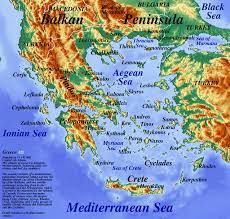
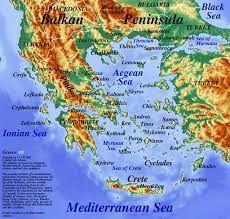
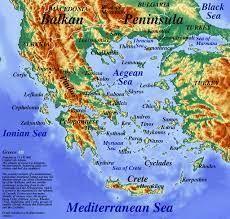
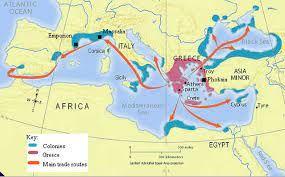
Using the map in the picture, which feature is a major feature in the land and geography of Greece?
60
deserts and sandy areas
large river valleys
mountains, islands, oceans and seas
areas of heavy forest
7 questions
Q.
Which product was one of the major products of both Ancient Greece and Greece today?
1
60 sec
6.E.1
Q.
Using the map in the picture, which feature is a major feature in the land and geography of Greece?
2
60 sec
6.G.1.1
Q.
Because Greece had many islands and lots of coastline, which activities would you expect to be important to ancient Greeks?
3
60 sec
6.G.1.1
Q.
Which reading strategy did we practice when working with the class text?
4
60 sec
Q.
Based on what you can see and tell from the landscape of Greece, why would Greeks want to create colonies in areas near to them?
5
60 sec
6.E.1.1
Q.
The Greeks raised mostly goats and sheep instead of horses and cows. This was most likely because...
6
60 sec
6.G.1.1
Q.
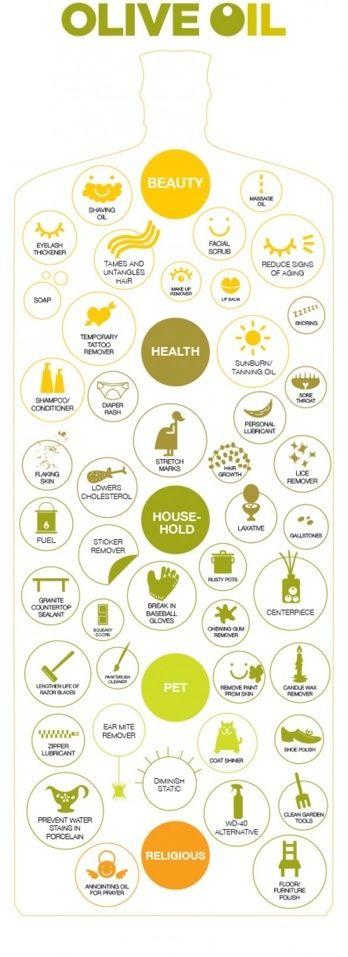
Based on the infographics, olives were probably a huge money making industry because...