Loading...


Animal Nutrition and the Skeletal System
Quiz by Matthew Curtis
Customize this quiz to suit your class
Instantly translate to 100+ languages
Tag the questions with any skills you have. Your dashboard will track each student's mastery of each skill.
Give this quiz to my class
Why do carnivores have eyes on the front of their heads?
So they can see in the dark.
So they can see in all directions
So they can focus and target their prey.
So they can look out for predators
Why do carnivores have strong limbs?
So they can climb trees and hide
So they can run away from predators
So they can scare other animals
So they can chase and catch their prey.
Why do carnivores have eyes on the front of their heads?
Why do carnivores have strong limbs?
Why do herbivores have eyes on the side of their heads?
Why do herbivores have ears that twist round?
Humans are omnivores because they can eat plants and animal meat.
Humans can eat anything they want to and still be healthy.
Vitamins and minerals are not needed in a healthy diet.
Match each food group with the correct description.
Label the major bones in the human skeleton. Use the useful words to help you.

Use the useful words to complete the sentences about joints.
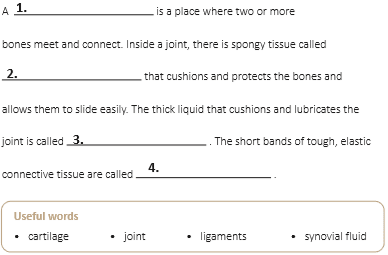
Match the type of joint to a description of how it moves.
Your muscles work ....
When bending your arm, your ....
When straightening your arm, your ....
What type of skeleton does this animal have?

What type of skeleton does this animal have?
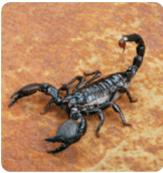
What type of skeleton does this animal have?

Group the skeleton type with an advantage and a disadvantage.
Nutrition, Metabolism, and Body Temperature Regulation. Nutrient is a substance that promotes normal growth, maintenance, and repair. Major nutrients are carbohydrates, lipids, and proteins. Other nutrients include vitamins and minerals (and technically speaking, water).Complex carbohydrates (starches) are found in bread, cereal, flour, pasta, nuts, and potatoes .Simple carbohydrates (sugars) are found in soft drinks, candy, fruit, and ice cream.Glucose is the molecule ultimately used by body cells to make ATP.Neurons and RBCs rely almost entirely upon glucose to supply their energy needs.Excess glucose is converted to glycogen or fat and stored .The most abundant dietary lipids, triglycerides, are found in both animal and plant foods.Essential fatty acids – linoleic and linolenic acid, found in most vegetables, must be ingested. Dietary fats help the body to absorb vitamins, a major energy fuel of hepatocytes and skeletal muscle, and a component of myelin sheaths and all cell membranes. Lipids functions in smooth muscle contraction, control of blood pressure and inflammation. Cholesterol stabilizes membranes and is a precursor of bile salts and steroid hormones. The dietary requirements for lipids are higher for infants and children than for adults. The American Heart Association suggests that fats should represent less than 30% of one’s total caloric intake, saturated fats should be limited to 10% or less of one’s total fat intake, and daily cholesterol intake should not exceed 200 mg. Complete proteins that meet all the body’s amino acid needs are found in eggs, milk, milk products, meat, and fish.Incomplete proteins are found in legumes, nuts, seeds, grains, and vegetables. Essential amino acids are the building blocks for nonessential amino acids. Protein supply for nonprotein nitrogen-containing substances. Daily intake should be approximately 0.8g/kg of body weight. All amino acids needed must be present at the same time for protein synthesis to occur. Protein will be used as fuel if there is insufficient carbohydrate or fat available. The rate of protein synthesis equals the rate of breakdown and loss. Anabolic hormones accelerate protein synthesis. Vitamins are organic compounds needed for growth and good health. They are crucial in helping the body use nutrients and often function as coenzymes. Only vitamins D, K, and B are synthesized in the body; all others must be ingested. Water-soluble vitamins (B-complex and C) are absorbed in the gastrointestinal tract . Vitamin B12 additionally requires gastric intrinsic factor to be absorbed. Fat-soluble vitamins (A, D, E, and K) bind to ingested lipids and are absorbed with their digestion products. Vitamins A, C, and E also act in an antioxidant cascade. There are seven minerals are required in moderate amounts . These are calcium, phosphorus, potassium, sulfur, sodium, chloride, and magnesium. Dozens are required in trace amounts. Minerals work with nutrients to ensure proper body functioning. Calcium, phosphorus, and magnesium salts harden bone. Life Processes Identify and define the seven life processes (MRS GREN). Classification Group living organisms based on observed similarities and differences. Classify vertebrates into taxonomic groups based on visible physical characteristics. Construct a dichotomous key to classify vertebrates. Cells Compare the structure of generalised plant and animal cells, and selected microbes (e.g. bacteria, fungi and Amoeba) Distinguish among cell wall, cell membrane, nucleus, cytoplasm, temporary and permanent vacuoles, mitochondrion, chloroplast, endoplasmic reticulum and ribosomes. Relate the structure of organelles to their functions; Identify specialised cells such as blood cells, ciliated epithelial cells, nerve cells, root hair cells, sperm cells and egg cells. Explain the importance of cell specialisation in multicellular organisms; include hierarchy of cells, tissues, organs; organ systems and then organism Diffusion, Osmosis, Active transport and Osmoregulation Explain the processes of diffusion, osmosis and active transport. Identify everyday instances of these processes occurring. Discuss the importance of diffusion, osmosis and active transport in living systems. Nutrition in Plants Describe the process of photosynthesis in green plants; test for end products, starch or reducing sugar (glucose). Relate the structure of the leaf of a flowering plant to its function in photosynthesis; draw and label the external features and the internal structure (cross section) of a leaf as seen in cross section under the light microscope. Nutrition in Humans Discuss the importance of a balanced diet in humans. State components of a balanced diet (carbohydrates, fats, proteins, vitamins and minerals, water and roughage and their roles) along with the results of their deficiency or surplus. Suggest dietary recommendations for treating and preventing named deficiency and physiological diseases (such as those outlined in the manual and your notes). Perform tests to distinguish among food substances - Test for proteins (Biuret), fats (grease spot), starch (iodine), reducing sugars (Benedict’s solution). The Digestive System in Humans Relate the structures of the human alimentary canal to their functions; Draw and label simple diagrams of the alimentary canal and internal structure of a tooth required. Describe mastication and the role of teeth in the mechanical breakdown of food to be included. (Compare types of teeth in humans and compare types of teeth in herbivores and carnivores.) Explain the role and importance of enzymes role of digestive enzymes in the mouth, stomach and pancreatic enzymes in the small intestine. Discuss properties of enzymes. Deduce from tables and graphs the effects of temperature and pH on enzyme activity. Experimental Skills Follow all drawing rules as outlined in the drawing skills checklist posted in the classroom (including calculation of magnification).Classification of plants • Plants can be classified as cultivated and wild plants. • Both cultivated and wild plants are very useful to people, animals and the environment. 1. Cultivated plants: • Cultivated plants are plants grown by people for selling. • They can be grown in the field, vegetable garden, home garden and orchard. Classification of plants 2. Wild plants Wild plants are plants that grow on their own outside the garden, orchard or field. They have many uses such as: • Food for people and animals • Shelter • Source of fuel in form of firewood. • Examples include, grasses, msasa, yellow wood, mahogany, mopane Plant Nutrition • The presence of plant nutrients in the soil make them grow well. • The three major plant nutrients are nitrogen, phosphorus and potassium. Sources of plant nutrients • The source for plant nutrients are grouped into organic and inorganic sources. Organic sources of plant nutrients • These are found in nature. • They are natural materials such, decayed plant and animal matter which include: • Animal manure from cattle, sheep, goats, poultry and pigs. • Green manure • Legume crops like beans, peas and groundnuts. • Humus • These material sources may also be called natural fertilizers. Inorganic sources of plant nutrients • These are sources of plant nutrients made by people in industries. They include: • Compound fertilizers like compound A, B, C and D. • These have two or more nutrients. • Straight fertilizers like ammonium nitrate, single super phosphate and urea. • A straight fertilizer supplies a single or more nutrient to the crop. A straight fertilizer A Compound fertilizer Sources of N,P,K • Ammonium nitrate and Urea- contain nitrogen Double super Phosphate, Single super phosphate-contain phosphorus • Muriate of Potash contains Potassium 2 . Compound fertilisers -have two or three of the three major plant nutrients (N.P.K). N-nitrogen P-phosphorus K-potassium Examples Compound D Wednesday 17 May 2023 Revision exercise (Plant nutrition) 1 .Name the 3 plant nutrients needed by plants. 2. What are the 2 groups of plant nutrients sources? 3. Give 3 examples of organic sources of plant nutrients. 4. What is a straight fertilizer? 5. Compound fertilizer supplies ……………or ………………. Nutrients. Vegetable crops • A vegetable is any part of a plant that is eaten by humans as food part of a meal. • Vegetables are grouped and named according to the part that is eaten. • These are leaf, root, fruit, flower, bulb, tuber and legume vegetables. Leaf vegetables Types of veg Legume etable cropsvegetables Fruit vegetables Root, bulb and tuber Flower vegetables Cabbage Peas Tomato Root: carrots Cauliflower Rape Green beans Pepper Parsnip broccoli Spinach Melons Beetroot Tsunga Cucumber Bulb: onion Lettuce Squash Garlic kale Egg plant Leek chillies Tuber: Irish potato Wednesday 31 May 2023 Vegetable crops 1. What is a vegetable? 2. Which one is not a vegetable from the list below? a. Covo B. cabbage C. wheat D. tomato 3. Choose a vegetable which is not a fruit vegetable. a. tomato B. pepper C. kale D. egg plant 4. From which pair of vegetables do we eat the flower? A. cauliflower and garlic B. broccoli and cauliflower C. broccoli and rape D. cauliflower and pepper 5. Give one example of a vegetable belonging to each of the following groups. a. root b. legume c. bulb 6. Name any 5 groups of vegetable classification according to the parts eaten. Growing leaf vegetables • Although there are many types of vegetables, the leaf, fruit and bulb vegetables are widely grown. • Leaf vegetables form the greater part of vegetable crops. • Leaf vegetables belong to a family called brassica. • Brassicas include cabbages, lettuce, spinach, covo and many others. • Each brassica family has got its own varieties called cultivar. • They usually grow under the same climatic conditions and are affected by the same pests and diseases. • The selection of a variety depends on the following : The intended use of the vegetable, for example, salad, stew or snacks. Days taken to mature. Disease resistant Season of the year Seedbed preparation • Brassica vegetables are usually raised in seedbeds. • The seedbeds are prepared by: • Marking the position of the bed 1 meter in width by any length using a tape measure, hammer and pegs. • Digging a seedbed to a depth of 25 to 30cm using a hoe. • Breaking lumps of soil using a garden rake. Soil requirements • Brassicas need: • Well drained soils. • Fertile soil for good growth • Slightly acidic soils (pH 5.5-6) Climatic requirements • Brassicas need cool to warm temperatures. • Very low temperatures cause cabbages to flower which is called bolting. • Brassicas can be grown throughout the year. Seedbed preparation • Brassica seedlings are usually raised in seedbeds. • A seedbed is prepared by: Marking the position of the bed 1 metre in width by any length using a tape measure, hammer and pegs. Digging a seedbed to depth of 25 to 30 cm using a hoe. Breaking lumps of soil using a garden rake. This is done in order to have a fine tilth and improve soil to seed contact. Making ridges that a 15cm high. Apply 3 to 5kg/m² of well decomposed manure. 60 to 100g/m² of compound fertilizer can be added into the soil. Management of vegetable crops • After transplanting the seedlings, the seedlings need to be looked after. (a)Controlling weeds: all vegetables must be kept weed free. • This is done either by hand pulling weeds or shallow cultivation using a hand fork. (b) Pest control: common pests that affect the brassicas are aphids and diamond black moth larva. • Aphids are small green insects that suck the juice from the leaves leaving them with curls. • They are controlled by spraying malathion using the instructions on the label. (c) Disease control: bacterial diseases are common in brassicas. • Common diseases are black rot and soft rot, especially in cabbages. • These are controlled by: Crop rotation Early planting Planting resistant cultivars (d) Top dressing: brassicas are top dressed using Ammonium Nitrate at a rate of 2.5g per plant. • Top dressing is usually done 3 or 4 weeks after germination. FIELD CROPS • Field crops are crops that are grown on a large piece of land. • Example of field crops: Maize Cotton Groundnuts Roundnuts Wheat Sunflower Tobacco Sugar cane Tea Coffee Soya beans sorghum Classification of field • Field crops can be classified according to use such crops cereal, fibre, sugar and oil. 1. Cereal crops: • A cereal is a grass grown for its edible seeds. • They are also known as grain crops. • The major cereal crops are maize, wheat, rice, barley, sorghum and millet. 2 . fiber crops : • these are crops which are grown for their fiber and are used in making textiles, ropes and rugs. • Important fiber crops are cotton, flax and sisal 3. Oil seed crops: • These crops are grown for the purpose of extracting oil from their seed. • The main oil seed crops are groundnuts, sunflower, soyabean and cotton seed. 4 . Sugar crops : • Sugar crops include sugarcane,Nutrition Notes Nutrition- study of how your body uses food Process by which body uses nutrients How you look and feel Resist diseases and illness How you perform physically and mentally Nutrients: substances in food your body needs to grow, repair and supply energy to your body cells 6 Classes of Nutrients 1.Carbohydrates: 1 gram= 4 calories 2. Protein: 1 gram- 4 calories 3. Fats: 1 gram= 9 calories 4.Water 5. Vitamins 6. Minerals Calorie: measurement of energy in food Metabolism: Rate at which body burns energy(calories) Hunger: physical drive to eat Appetite: pshycological desire for food What influences your food choices: Foods you like Health Reasons Family and Culture Time & Money Advertising Emotions Friends Social Media: Modeling Nutrients Carbohydrates: your body’s main source of energy sugars/starches in food 45%-65% of diet #1 source of energy Simple: sugars converted to glucose= energy (fruits, dairy, honey, some manufactured foods) Complex: sugars linked together (starches) (grains, bread, pasta, beans, vegetables) Fiber: tough, indigestible carbohydrates Cleans our digestive system Prevents some types of cancer Prevents heart disease (fruits, vegetables, whole grains,nuts) 2. Protein: growth and repair of body tissues Made up of chemicals called “amino acids” Basic building material of all body cells (muscles, bones, skin, internal organs) Secondary source of energy protein(hemoglobin) attaches to oxygen in blood Functions as hormones regulating body functions 10-15% of diet *Body uses 20 Amino Acids found in food ( body produces 11 and 9 must come from diet) Essential amino acids: 9 amino acids body doesn't produce Complete Amino Acids: foods that contain all 9 essential amino acids ( animal products) Incomplete Amino Acids: food products that do not contain all 9 essential amino acids. Fats 15-25% of diet Secondary source of energy Blood clotting Controlling inflammation Maintains healthy skin/hair absorb /transport fat soluble vitamins Regulates body temperature Types of Fat Unsaturated: “good” fat Liquid at room temperature Can help fight heart disease (veg oil, nuts) Saturated: “bad” fat Solid at room temp Clogs arteries Causes strokes, heart attack, diabetes (animal products, meat, dairy) Cholesterol: waxy like fat substance found in meat products HDL: good type of cholesterol Body creates(liver) Creates cell wall, hormones, and vit D LDL: bad cholesterol- found in foods (clogs arteries) 4. Trans Fat: “one of the worst type of fats” Formed by a process called “hydrogenation”: adding Hydrogen molecules to unsaturated fats to make it more solid and resistant to chemical change. Vitamins A vitamin is a chemical compound that is needed in small amounts for the human body to work correctly. Vitamins are classified as either fat soluble (vitamins A, D, E and K) or water soluble (vitamins B and C). This difference between the two groups is very important. It determines how each vitamin acts within the body. The fat soluble vitamins are soluble in lipids (fats). Fat soluble vitamins can be stored in our body Water soluble vitamins must be taken every day Human body produces some amounts of Vitamin D & K• There are two groups of animals which are important in agriculture. • The groups are domestic and wild animals. 1. Domestic animals • These are animals which are trained to live with people in their homes. • Some examples includes : Uses of domestic animals • Source of food, for example milk, eggs and meat. • For cultural purposes, for example paying lobola. • Some are used for transport and labour. • Domestic animals can also be a source of income. 2 . Wild animals • These are animals which are found in game reserves and in the forests • They are also called game animals. • Examples of wild animals are: Uses of wild animals • Some of the wild animals give us meat, hides and ivory. • Wild animals attract visitors from other countries, so the country gets money. Wednesday 06 September 2023 Exercise: Domestic animals 1. What is a domestic animal? [2] 2. What is a wild animal? [2] 3. Name any 4 domestic animals that you know. [4] 4. State any 2 uses of domestic animals. [2] 5. Name any 3 wild animals that you know. [3] 6. Give 2 uses of wild ani mals. [2] 7. Wild animals can also be called animals. [1] • Animals, like human beings need good food to help them to grow and reproduce. • The main sources of food for animals include stock feeds, pastures, veld grass, crop remains and cereal grains. • These foods contain the most needed essential nutrients. Nutrient Function carbohydrates Gives energy Fats Give energy and warmth Proteins Helps in growth and repair of body parts Minerals Help in the formation of bones and teeth Vitamins Help develop good sight, improve fertility and help animals fight diseases Water Transports food in the body, cools the body and remove waste from the body. • Livestock are domesticated animals that are kept for food, use or for sale. • Small livestock has many uses. • They are a good source of food. • They also give us manure to use in gardens. • We get clothes and medicine as well from small livestock • Examples of small livestock are rabbits, sheep, goats and all form of poultry Poultry • All animals that are kept by farmers which have wings and feathers and lay eggs are called poultry. • They are a good source of white meat, eggs and manure. • They are also a source of income when we well them and their products. • Poultry includes chicken, guinea fowl, ducks, turkey, pigeons and quail birds. Rabbits • Rabbits have 3 known uses which are: They are kept for meat Kept for pelts. (pelt is animal skin used to make blankets, hats and jackets) They are used at agricultural shows • Rabbits are cheap to buy, easy to keep and feed. • They take about 4 months to mature. • Rabbits are fed using green vegetables and rabbit pellets. Wednesday 20 September 2023 Small livestock 1. Give 3 examples of small livestock. [3] 2. State 3 things that are provided by small livestock. [3] 3. What are the 2 uses of rabbits? [2] 4. Pelts are used to make _________________ [1] 5. State any 4 examples poultry. [4] 6. Rabbits take ___________ months to mature. [1] 7. What is poultry? • Apiculture is the keeping of bees in order for them to produce honey for sale. • Apiculture is very important because: (i) Provides honey - a valuable nutritional food (ii) Provides bees wax - which has many uses in industry Uses of wax For making candles Polish furniture Make crayons Prevent tools from rusting (iii) Honey bees are excellent pollinating agents, thus increasing agricultural yields. BEE COLONY Inhabitants of the bee colony and their roles • A honey bee colony typically consists of three kinds of adult bees: workers, drones and the queen 1. Workers • Workers are the smallest and constitute the majority of bees occupying the colony. • They do not lay eggs. • Workers have specialized structures, such as brood food glands, scent glands, wax glands, and pollen baskets. • these allow them to perform all the labors of the hive. Roles of the worker bees they forage for nectar, pollen, water, and plant sap. They clean and polish the cells. feed the brood. care for the queen. remove debris. handle incoming nectar. build beeswax combs. guard the entrance. 2. Drones • Drones (male bees) are the largest bees in the colony. • They are generally present only during late spring and summer. • The drone’s head is much larger than that of either the queen or worker. • Drones have no stinger, pollen baskets, or wax glands. • Their main function is to mate with the queen. 3 . Queen • Each colony has only one queen. • The queen is the largest of the bees in a bee colony. • The Queen Bee plays a vital role in the hive because she is the only female with fully developed ovaries. • She produces both fertilized and unfertilized eggs. • Queens lay the greatest number of eggs in the spring and early summer. • The queen also produce chemical scents that help regulate the unity of the colony. 1. What is apiculture? [2] 2. Give 3 reasons why apiculture is important in Zimbabwe. [3] 3. Name the 3 inhabitants of the bee colony. [3] 4. Briefly explain the roles of each inhabitant named in number 3. • Apart from using hand tools, farmers also use some farm implements and machinery to carry out their field work. • Machines help farmers do their work more easily and quickly. • The most common implements used by farmers to grow, harvest and transport their produces are: mouldboard plough Cultivator Scotch cart Harrow Planter Maize sheller combine harvesters Boom sprayers Disc harrow Spike toothed harrow KNAPSACK SPRAYER • Farming is a business. • Communal farmers grow crops and keep animal mainly for their own use. • If there is any extra they sell to get money. • Commercial farmers grow crops and keep animals for sale. • Crops and animals produced are called farm produce. • There are places were farmers have to sell their produce. • Farmers can take their produce to local markets. • A market is a place where buying and selling occurs. • Some of the local markets includes: A shopping centre A school A nearest bus stop A local village A school Local Grain Marketing Board depot (GMB) Types of farm produce Beef Fruits Mutton Eggs Vegetables Pork Milk Chicken Cereals/grains beansOrchard / fruit trees Importance of fruit trees • Fruit trees are important for the following uses: They are a source of food, they produce fruits Some are used for making medicines Others provide shade and can also act as wind breakers. Those with beautiful flowers are very decorative. They contain vitamins which means they have nutritional value. Classification of fruit trees • Fruit trees are classified as indigenous and exotic. Indigenous fruit trees • are those that natural grow in a country. • They take longer to grow. • Examples of indigenous fruit trees are: English name Shona Name Snot apple Water berry Red ivory Fig Monkey orange Wild custard apple Mobola fruit Exotic fruit trees • These are trees that were brought from other countries. • They are commercially grown in orchards. • Common exotic fruit trees include: • Exotic fruit trees grow faster than indigenous. Ornamental horticulture • It deals with the growing of decorative plants. • Decorative plants are collectively called ornamental plants. • They include trees, shrubs, flowers and lawn grasses. Importance of ornamental plants They beautify the environment. Flowers often produce a pleasing fragrance. Flowers attract insects like bees that are responsible for pollination. Plants produce oxygen that we need for breathing. • Some are used for making medicines. • Lawn grasses prevent soil erosion. • Plants provide shelter for birds and insects. Classification of ornamental plants • There are four classes of ornamental plants. Trees Shrubs Flowers Lawn Trees: • Ornamental trees are very useful as decorative plants. • This is because most of these trees produce beautiful flowers and some are ever green. • Examples of decorative trees include flamboyant, jacaranda, pines, Cyprus. Shrubs: • A shrub is a woody plant with many branches but smaller than a tree. • Some of them are ornamentals because they produce beautiful flowers. • Others can be cut into decorative shapes. • The golden duranta is good example because it can be cut into nice shapes. • The bougainvillea is another example of a decorative plant because: It can act as a climbing plant. It produces decorative flowers. It can also be cut into any shape using a hedge shear. Flowers: • Flowers have the following functions: They are used for decorations at weddings, hotels and parties. They are used as an expression of love and appreciation such as valentine’s day and get well soon messages. They are useful in bee farming called apiculture as they are a source of nectar used for making honey. Flowers produce a pleasant fragrance used in the production of soaps and scents for perfumes, deodorant and lotions. Lawn: • A lawn is an area of grass that is kept cut short and is usually part of someone's garden or backyard, or part of a park. • Some lawn grasses grown in Zimbabwe are Durban, kikuyu, couch and buffalo lawn. • They prevent soil erosion. • They also provide a comfortable outdoor resting place. Forestry Importance of trees • Trees are important to us and animals. • The Forestry Commission is responsible for taking care of trees in Zimbabwe. • Trees are also important to the environment because: They are a source of fuel in the form of firewood. They are used for making most of the furniture we use. Most medicines come from both exotic and indigenous trees, for example pine trees and gum trees are used for making cough medicines. Trees provide browsing animals like the kudu and giraffe with food. Fruits from both exotic and indigenous fruit trees are a rich source of vitamins Trees give out oxygen which we need for breathing. Trees provide timber that can be used for roofing. • Trees are grouped according to where they come from. • The groups are indigenous and exotic. 1 . Indigenous trees : • These are local trees that have always been grown in their country. Shona name English name Mutohwe Snot apple Mususu Yellow wood Mubvamaropa Blood wood Muuyu Baobab Muonde Fig tree Musasa msasa Characteristics of indigenous trees take longer to mature Do not produce straight poles Grow on their own Hard wood 2 .Exotic trees : • These are trees that have been brought from another country to be grown in Zimbabwe. Characteristics of exotic trees They are brought in a country from another country. Grow very fast. Have soft woods Usually grow straight Usually grown in orchards and plantations Common exotic trees in Zimbabwe are: Gum trees Pine trees Wattle Cyprus Date palm Mango Apple pawpaw Causes of plant damage • plant damage is when cultivated crops are kept from normal growth that leads to reduced yields. • plant damage is caused by both living and non living things. • Some of the common causes of crop damage are: (a)Pests • These are living organisms that cause physical damage to crops. • Examples of pests are weevils, army worm, aphids, cutworms and locusts. (b) Diseases • Plant diseases are caused by living organisms called pathogens. • These pathogens infest the plant and take away nutrients. • Fruit rot and bacteria spot are some of the examples of plant diseases. (c) Weeds • these are plant which grow where they are not wanted. • For example if black jack grows in a groundnut field, it is a weed. • Weeds compete for nutrients with cultivated plants. (d) Very high temperatures • High temperatures may cause crops to wither. • High temperatures may also lead to lightning and fires. • This can burn up crops. ( e) Frost • Frost damages crops in winter. • Tomatoes, potatoes, and beans are easily damaged by frost. (f) Drought • drought is when there is no rainfall in a season where it supposed to be raining. • It is one of the most serious forms of crop damage. • Plants wither and die if there is no rainfall. ( g) Animals • Wild animals like baboons often eat maize crops before they mature. • Birds also are a problem to crops like sorghum. Signs of plant damage • There are various signs that show plant damage. • Some can be corrected but some lead to total loss. • Some signs of plant damage include: Lodged plants Flowers and small fruits blown to the ground Dull leaf color Wilted plants Stunted growthAnimal Digestion and NutritionPlant or animal?