Loading...


AURA - ADIVINA LA IMAGEN RECORTADA
Quiz by CRIS FERNANDA CONDORI HUACHO
Customize this quiz to suit your class
Instantly translate to 100+ languages
Tag the questions with any skills you have. Your dashboard will track each student's mastery of each skill.
Give this quiz to my class
¿QUE PERSONAJE HISTORICO ES?
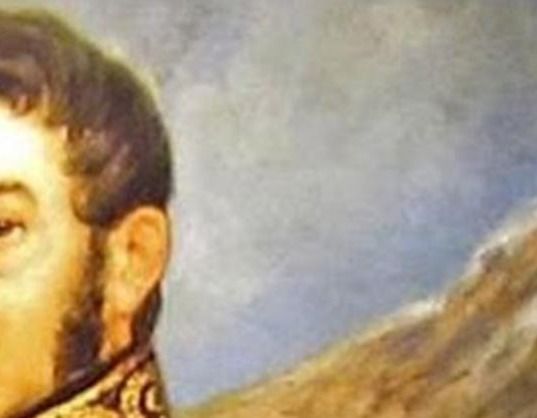
José Fernando de Abascal y Souza
Jose de la Serna
Simon Bolivar
José Francisco de San Martín y Matorras
¿QUE EX PRESIDENTE DEL PERÚ ES?
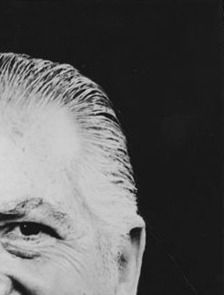
Fernando Belaúnde Terry
Juan Velasco Alvarado
José Pardo y Barreda
Óscar Benavides
¿QUE PERSONAJE HISTORICO ES?
¿QUE EX PRESIDENTE DEL PERÚ ES?
¿QUE PERSONAJE INFLUYENTE ES EL DE LA IMAGEN?
¿QUE DOCENTE DE LA ESCUELA PROFESIONAL DE ADMINISTRACIÓN ES?

¿QUE PERSONAJE REPRESENTANTIVO DEL FUTBOL ES?
¿QUE ALCALDE DE LA PROVINCIA DE CAMANÁ ES?

¿QUE FUTBOLISTA PERUANO ES?

¿QUE PERSONAJE DE AL FONDO HAY SITIO ES?

¿QUE EX PRESIDENTE DEL PERÚ ES?

¿COMO SE LLAMA EL FUNDADOR DE TIKTOK?

¿A QUE PAIS LE PERTENECE LA BANDERA?

¿COMO SE LLAMA LA PINTURA?
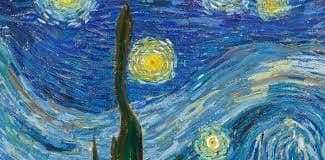
¿QUE PERSONAJE INFLUYENTE ES EL DE LA IMAGEN?

¿QUE PERSONAJE HISTORICO ES?

¿QUE PERSONAJE HISTORICO ES?
 Aura-Capítulos 1 y 2Lo spettacolare ritratto di Eleonora di Toledo assieme al secondogenito Giovanni è uno dei massimi capolavori del Bronzino, ed è l’opera che ha contribuito a consegnare all’immaginario collettivo lo splendore della sposa di Cosimo I de’ Medici. Eleonora, con la sua pelle candida, i suoi ricchi gioielli e l’abito maestoso, si staglia contro un magnetico sfondo blu che le conferisce un’aura di sacralità e dà al suo ritratto il valore di un’apparizione. L’immensa distesa di azzurro fu eseguita con il pigmento più costoso a disposizione, il blu lapislazzuli, tradizionalmente riservato nell’arte italiana al mantello della Vergine, quindi segno di devozione identificativo di Maria. Uno dei compiti di questo ritratto è sicuramente quello di esaltare il ruolo dinastico della Duchessa, garante della successione di casa Medici, rafforzata dalla nascita nel 1543 proprio di quel Giovanni che le sta a fianco, il secondo figlio maschio candidato alla carriera ecclesiastica come toccò al celebre antenato di cui portava il nome, il secondogenito del Magnifico Lorenzo, divenuto papa nel 1513. Altro elemento significativo è certamente la veste tessuta in un ‘broccato riccio’, un tessuto costosissimo, specialità della manifattura fiorentina, spesso riservato alla confezione di abiti liturgici. I motivi ripetuti nella stoffa, il melograno e la pigna, sono simboli cristiani di resurrezione e rigenerazione, adatti a indicare la fertilità della duchessa. Ma il dipinto non vuole certo restituire esclusivamente l’immagine di una buona moglie e madre cristiana. Eleonora fu donna di Stato, abile amministratrice, braccio destro del Duca. Nell’estate del 1545, mentre Bronzino ne eseguiva il ritratto, Eleonora aveva già ricoperto tre volte il ruolo di capo di Stato durante le assenze di Cosimo. Il taglio stesso del quadro, nel suo ritrarla fino alle ginocchia (ripetendo l’innovativa soluzione che Raffaello adottò per il ritratto di Leone X), conferisce imponenza e autorevolezza a questa donna il cui volto è l’emblema di uno spirito fermo e nobile. Bronzino riuscì a cogliere tutti i tratti della personalità di Eleonora e a comunicarli in uno straordinario ritratto che rappresenta una moglie e madre, ma anche una donna potente e indipendente. [t comes from the GREEK name "Epilepsia" which means "taking hold of or seizing". - It is a disorder characterized by: recurrent seizures. SEIZURES R ectment transient attacks of: R epresent: R esult from: ASSOCIATED WITH: somatic, psychic, or, autonomic clinical featmes. clinical features of abnormally hyperexcitable cortical neurons. paroxvsmal and excessive electrical neuronal discharges. EEG changes & may be disturbance of consciousness. same causes of convulsions 1. Idiopathic epile~ • It is the commonest cause. no cause can be detected ( 65 % ) • It may be associated with positive family history in some cases. • It starts in the l st & 2nd decades in the form of: -- Grand ma! epilepsy. Petit mal epilepsy. Myoclonic epilepsy. Atonic seizures. 2. Secondary epilepsy A. Local causes in the brain: l. Congenital: 2. Traumatic: cerebral palsy. a cause can be detected cerebral contusion or laceration. 3. Inflammatory: 4. Neoplastic: 5. Degenerative: 6. Vascular: encephalitis, brain tumours. mening1t1s, presenile dementia. brain abscess. stroke (especially hemon-hagic), hypertensive encephalopathy. B. General causes with secondary effects on the brain: I. Toxic: 2. Iatrogenic: 3. Metabolic: 4. Endocrinal: 5. Organ failure: 6. Heart disease: 7. Nutritional: - Alcohol, cocaine, lead. - Lidocaine, INH. - j glucose & ! glucose. - Hypoparathyroidism. - Hepatic failme. - Adam's Stoke's attacks. - Pellagra. - Botulism, tetanus. - Ambilhar, Amphetamine, Aminophylline. - j Ca & ! Ca. - Hype1thyroid crisis. - Renal failure. - Fallot's tetralogy. - j Na & ! Na. - Vitamin B6 deficiency. 8. Physical: 9. HYSTERICAL. - High fevers. - Heat stroke. 136 137 CLINICAL PICTURE 1. GENERALISED SEIZURES " Excessive electrical discharges from cortical neurons in BOTH hemispheres simultaneously " I. II. 1. Grand Mal Epile~: 1. Pre-ictal stage "attacks of tonic-clonic convulsions " (aura) It is a warning sign of a coming attack. It may be: • Somatic: • Psychic: • Autonomic: 2. Ictal stage Myoclonus, Hallucinations. Tachycardia, (seizure) Sudden loss of consciousness: Parasthesias. Sweating. for seconds to minutes. -- Tonic phase (few seconds) o The UL & LL: o o o o The HEAD: The JAWS: CYANOSIS: are extended. is retracted to one side & the eye balls rolled up. are firmly clenched, with biting of the TONGUE. due to impaired respiration. There may be incontinence of urine. Clonic phase (few minutes) o The UL & LL: o The HEAD: 3. Post-ictal stage - It may be: • Somatic: • Psychic: • Autonomic: Drug of choice: contract & relax repeatedly & rapidly. jerks forcibly. (sequelae) Todd's paralysis(< 24 hours, due to neuronal exhaustion). Confusion. Vomiting. Carbamazepine (Tegretol) or Phenytoin (Epanutin) Petit Mal Epilepsy: "attacks of loss of consciousness " " Absence " It starts in childhood & improves at puberty & usually disappears at the age of 20. 2. It is NOT PRECEEDED by aura & NOT FOLLOWED by sequelae. 3. It is usually PRECIPITATED by: hyperventilation 4. It is characterized by: or photic stimulation. sudden loss of consciousness of short duration (few seconds). 5. It may be associated with: • High frequency ( 50 attacks / day). • Falling to the ground without warning. • Jerky movements of the head & UL Drug of choice: (myoclonic petit mal). Valproate (Depakine) or Succinimide (Zarontin) 137 138 Ill. M oclonic Seizures: "attacks of involuntary clonic movements " - It is characterized by: sudden, jerky, shock-like INVOLUNTARY muscle contraction. • The jerks are bilateral contractions, mainly of the shoulders and arms. • However, some patients repmtjerking in the lower limbs, trunk, or head. - It may be of 2 types: - Occurs singly • Simple: • As a pait of: I Drug of choice: IV. Atonic seizures: (no loss of consciousness). - Grand mal epilepsy (aura). - Petit mal epilepsy. Valproate (Depakine) or Clonazepam (Rivotril) I - Transient attacks of brief loss of postural tone, often resulting in falls and injuries. 2. PARTIAL SEIZURES "Excessive electrical discharges from cmtical neurons in a ce1tain area in ONE hemisphere" A. Simple seizures: " No disturbance in consciousness " - The CP depends on the site of the hyperexcitable neurones in the cerebral cortex, whether in: "Motor area or Senso,y areas". 1. Motor fits: • Focal fits: • Motor jacksonian fits: 2. General Sensory fits: • Focal fits: • Sensory jacksonian fits: 3. Special Senso1y fits: • Visual hallucinations: • Auditory hallucinations: • Olfactory hallucinations: B. Complex seizures: - SITE: movement of part of a limb or the whole limb. movement of one side of the body (see before). parasthesia of part of a limb or the whole limb. parasthesia of one side of the body (see before). irritation of the visual sensory area. irritation of the auditory sensory area. initation of the uncus. " disturbance in consciousness " The hyperexcitable neurons are in the Temporal lobe "Temporal lobe epilepsy". - DURATION: The seizure lasts few seconds to few minutes. - The seizure starts with A ura, followed by A bsence, Automatism, Amnesia: 1. 2. 3. 4. A ura: A bsence: Automatism: A mnesia: Olfactory hallucinations, Deja-vu phenomenon, Sensation of fear. Absent patient with staring eyes (with no response to conversation). Involuntary Purposeless acts: motor ( eg, lip smacking, chewing) or verbal. No recalling of the seizure. 138 139 3. PARTIAL SEIZURES ~ GENERALISED SEIZURES " Partial seizures may spread to involve the whole brain .- secondarily generalised seizures " . HY-sterical epilepsY • Usually: • The cause: • Incidence: young neurotic Sj2 . psychological & there is no organic lesion. usually occurs in the presence of people. • It is associated with: • EEG: • It is not associated with: normal. • Missed ttt. • Menses. • Alkalosis. anxiety, palpitaion & hyperventilation. tongue biting or incontinence of urine. • Alcohol use & Drug abuse ( e.g. cocaine ). • S timulation by photons & Hyperventilation. • S leep deprivation & Stress & sudden withdrawal of antiepileptic drngs. INVESTIGATIONS 1. EEG: • It is the most specific test for epilepsy because it records the electrical activity of the brain. • It shows specific pattern: 2. LOCAL INVESTIGATIONS: "Epilepsy waves". "CT & MRI of the brain" • To identify or exclude a LOCAL CAUSE of seizures in the brain. 3. GENERAL INVESTIGATIONS: "Laboratory investigations" • To search for a GENERAL CAUSE of seizures, e.g. blood glucose. 139 140 TREATMENT A. General Measures: 1. 2. Moderation of the patient's physical activity. A void the precipitating factors ( Alcohol, hyperventilation, photic stimulation ...... ). 3. A ketogenic diet is encouraged because it will induce acidosis: - Acidosis is beneficial as it raises the threshold of stimulation of the brain cells. B. Specific Treatment: 2. 1. Treatment of the cause in secondary epilepsy. Anti-epileptic drugs: a) Always sta1t with one drug, then add another drug if there is no response. b) Always stop the drugs ONLY if: • The patient stays free of symptoms for at least 2 years. • The patient has a normal EEG. 3. Side effects of Anti-epileptic drugs: I . Skin rash. 2. 3. Bone marrow depression. Ataxia. Drug 1. Barbiturates (Pbenonobarbitone) 2. Hydantoin (Epanutin) 3. Carbamazepine 4. Clonazepam 5. Valproate 6. Succinamide ANTI-EPILEPTIC DRUGS NEW ANTI-EPILEPTIC DRUGS - These drugs are new dtugs that may be used in resistant seizures. 1. Lamotrigine: 200 - 400 mg/ day. 2. Felbamate: 3. Gabapentin: 400- 800 mg/ day. 600 - 1200 mg/ day. \ " General rules for use ": Dose 100-600 mg I day 100-600 mg / day 200-600 mg I day 2-6 mg I day 500-1500 mg I day 500-1000 mg / day Best indicated - Broad spectrum. - Not for petit mal. - Grand mal. - Motor Jacksonian fits. - Grand mal. - Motor Jacksonian fits. - Complex seizures. - Not for petit ma!. - Myoclonic. - Grand mat. - Broad spectrum. - Petit mat. 140 141 STATUS EPILEPTICUS DEFINITION - A medical emergency: 1. Repeated attacks of generalized convulsions, with lack of recove,y of consciousness, 2. Persistent attack of seizure lasting for at least 30 minutes. OR, - If the convulsions are not stopped rapidly, coma deepens & death may occur due to: heart failure or respiratory failure or brain damage or hyperpyrexia. - The most common causes are: sudden withdrawal of anti-epileptic drugs & stroke. TREATMENT A. General Measures: l. Take care of: " ABC " • Place the patient on the ground, to guard against falling from bed. • Mouth gag & 02 inhalation ( endo-tracheal intubation may be needed). • Record the vital signs regularly. 2. Take a sample of: - Venous blood: for the level of: - A.tierial blood: for the level of: 3. a nti-epileptic drugs, a lcohol. pH, p0 2, pC02, HC0 3. Give cerebral dehydrating measures: e.g. Frusemide, cone. Mannitol, Dexamethazone. B. Specific Treatment: - Phenytoin with diazepam (or clonazepam) immediately: 1. Phenytoin: 2. Diazepam: Clonazepam: seizures recur: 15 mg I Kg slow infusion. 5 mg slowly IV, to be repeated after 5 minutes if seizures recur: maximum dose: 20 mg. OR: 2 mg slowly IV, to be repeated after 5 minutes if maximum dose: 6 mg. - If seizures persist after 20 min. of Phenytoin & diazepam: 3. PHENOBARBITONE: - In resistant cases: 200 mg infusion. 4. GENERAL ANAESTHESIA: may be used.abcEuropean IstitutionClassroom Commands and PronounsUNIT 6 DO / DOESDemonstrativpronomen + Welch-