Loading...


Automotive Engine Component and Systems
Quiz by JOSE RAOUL NAVATA
Tag the questions with any skills you have. Your dashboard will track each student's mastery of each skill.
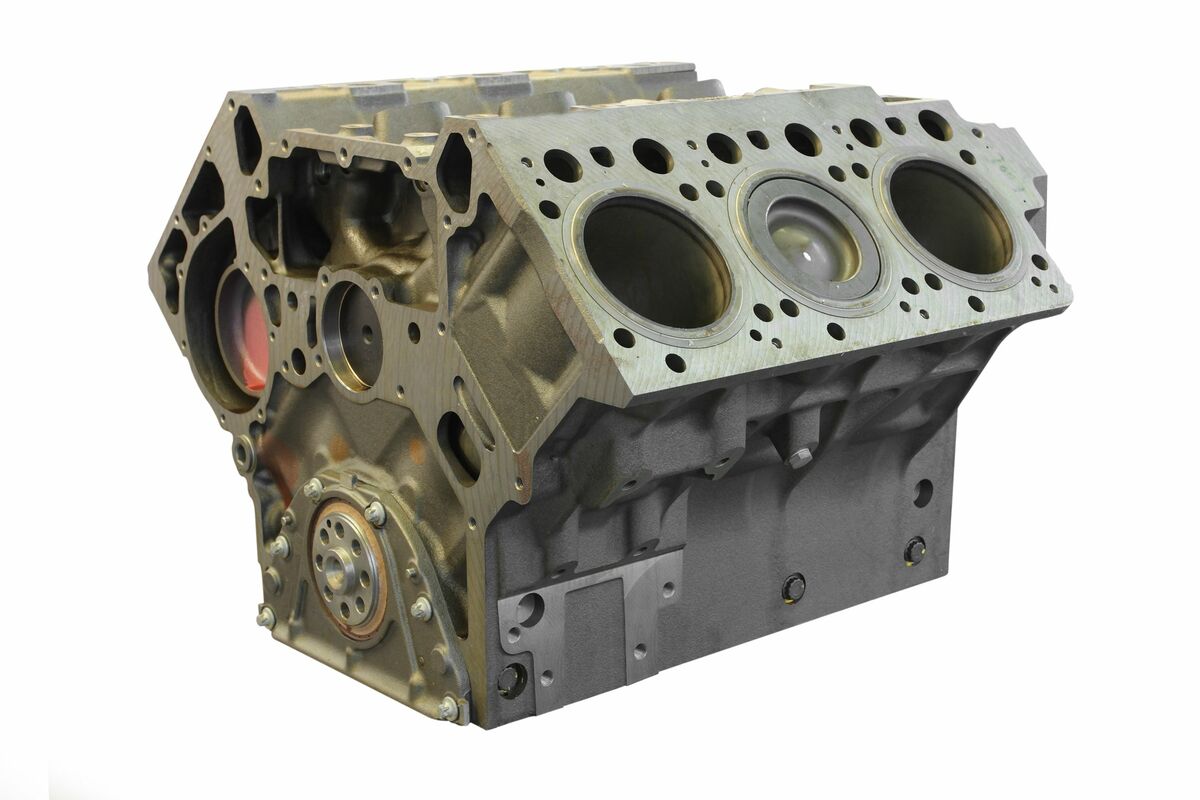
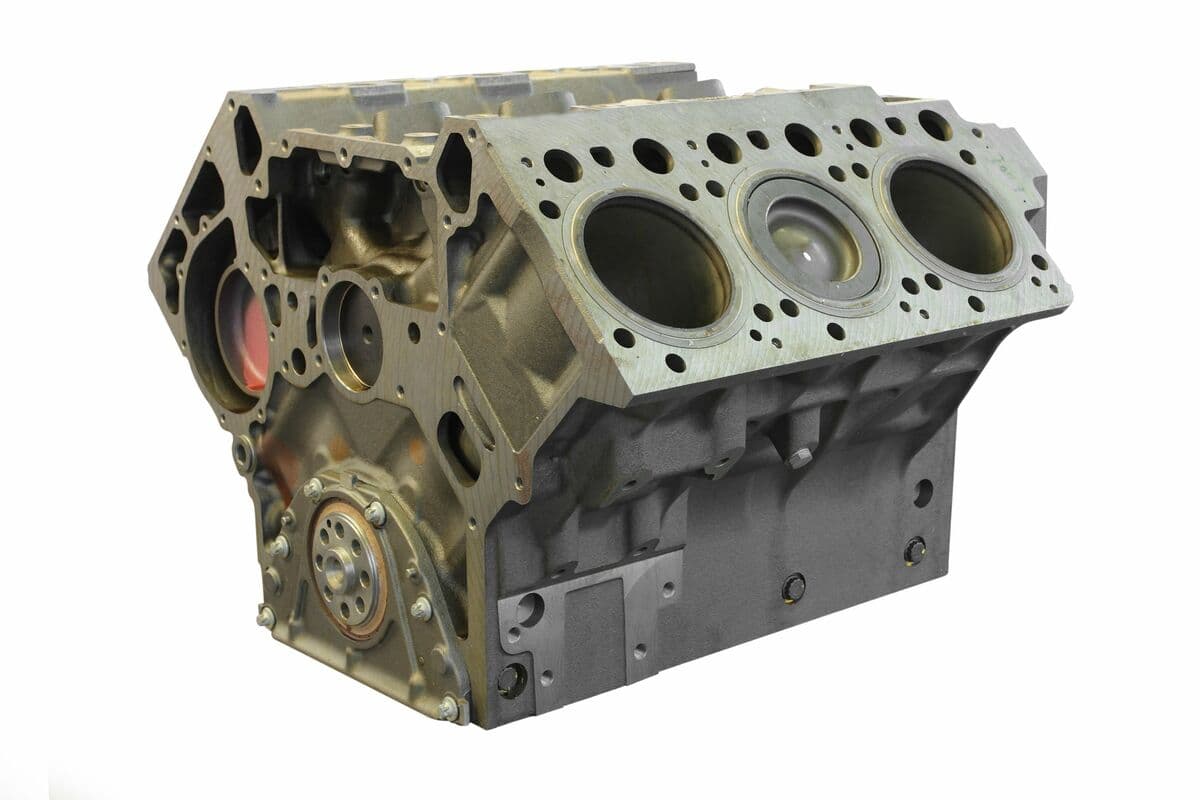
Is the backbone of the car’s engine, and is often made out of aluminium or iron. It houses almost all the engine’s core components, such as the pistons, the crankshaft and connecting rods.
Ignition Coil
Muffler
Carburator
Engine Block
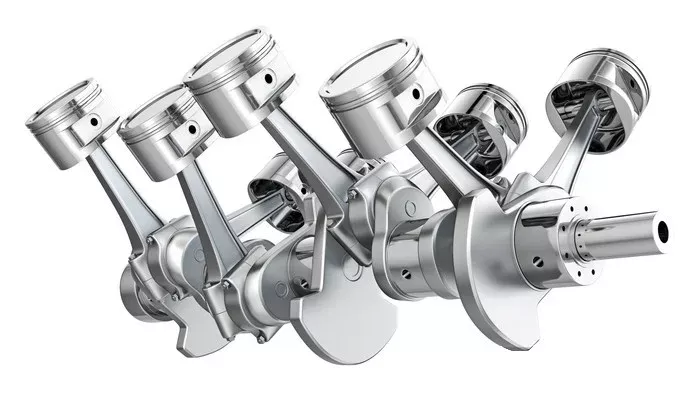
Are in charge of transferring the energy that is created during the combustion cycle and transmitting it to the crankshaft, propelling our vehicles.
Camshaft
Crankshafts
Valves
Pistons
Is the backbone of the car’s engine, and is often made out of aluminium or iron. It houses almost all the engine’s core components, such as the pistons, the crankshaft and connecting rods.
Are in charge of transferring the energy that is created during the combustion cycle and transmitting it to the crankshaft, propelling our vehicles.
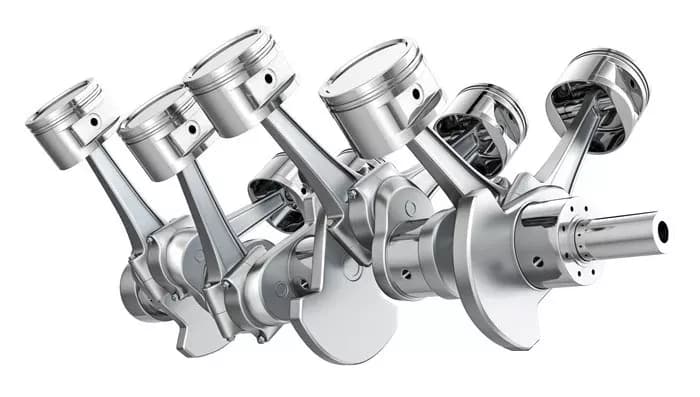
Is a vital mechanical component in an internal combustion engine that converts the up-and-down (linear) motion of the pistons into rotational energy.
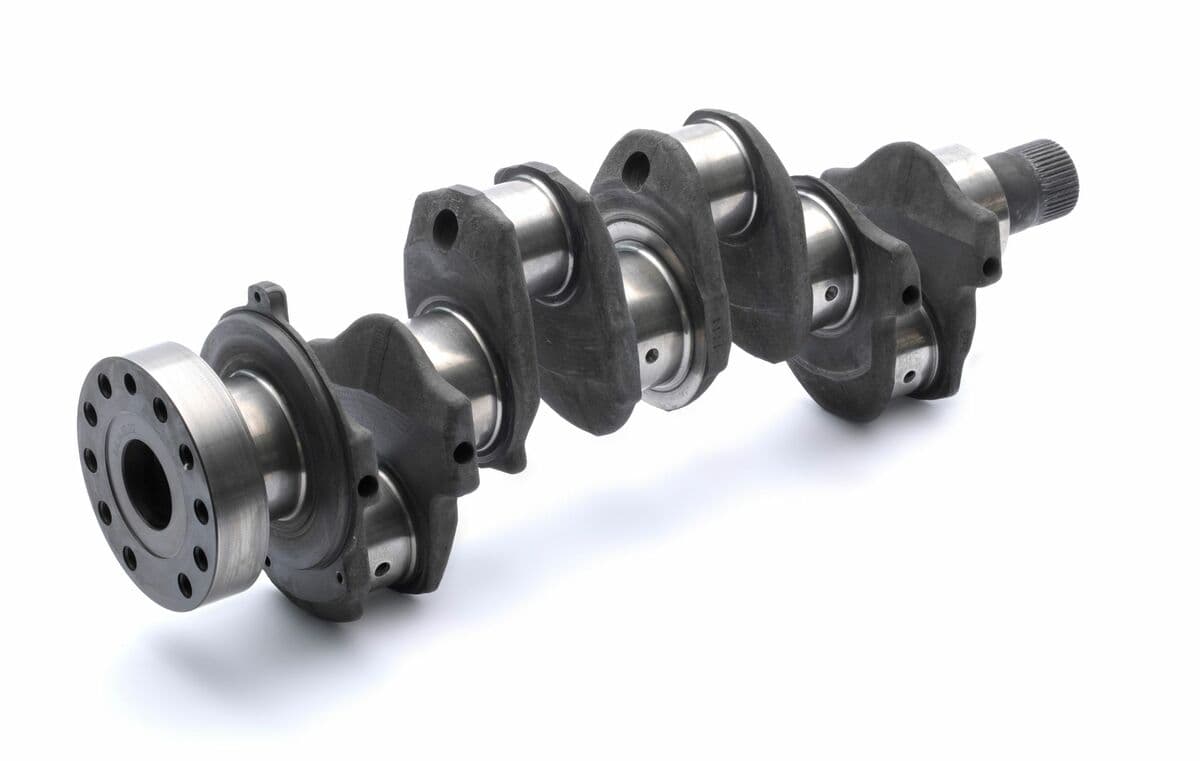
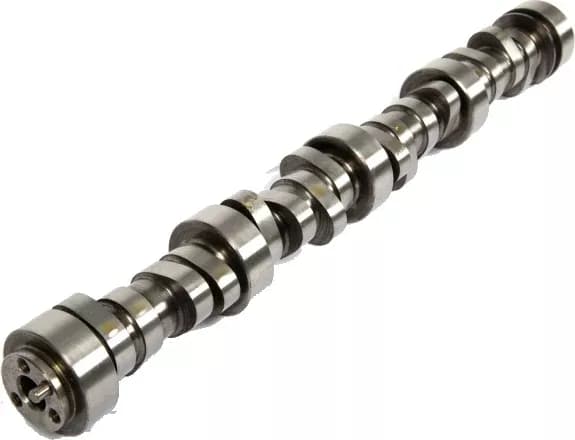
Is the main body of the engine. Its main role is to regulate the timing of the opening and closing of valves, by pressing the end of the valve stem. Without it, it would be impossible to start the engine.
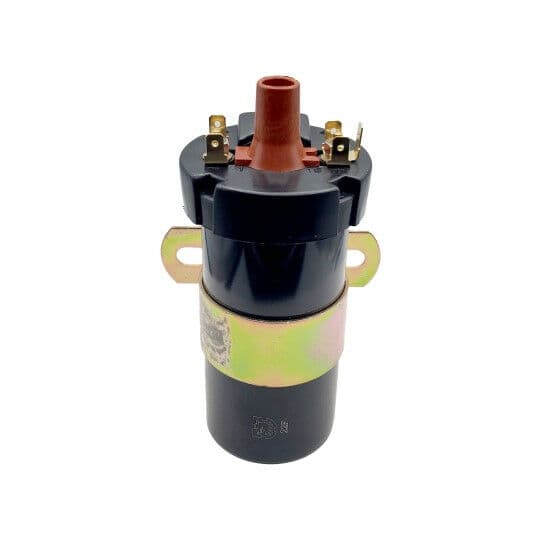
Acts as an induction transformer, converting your car's low 12-volt battery power into the 20,000 to 45,000 volts required to create an electric spark across the spark plug gaps
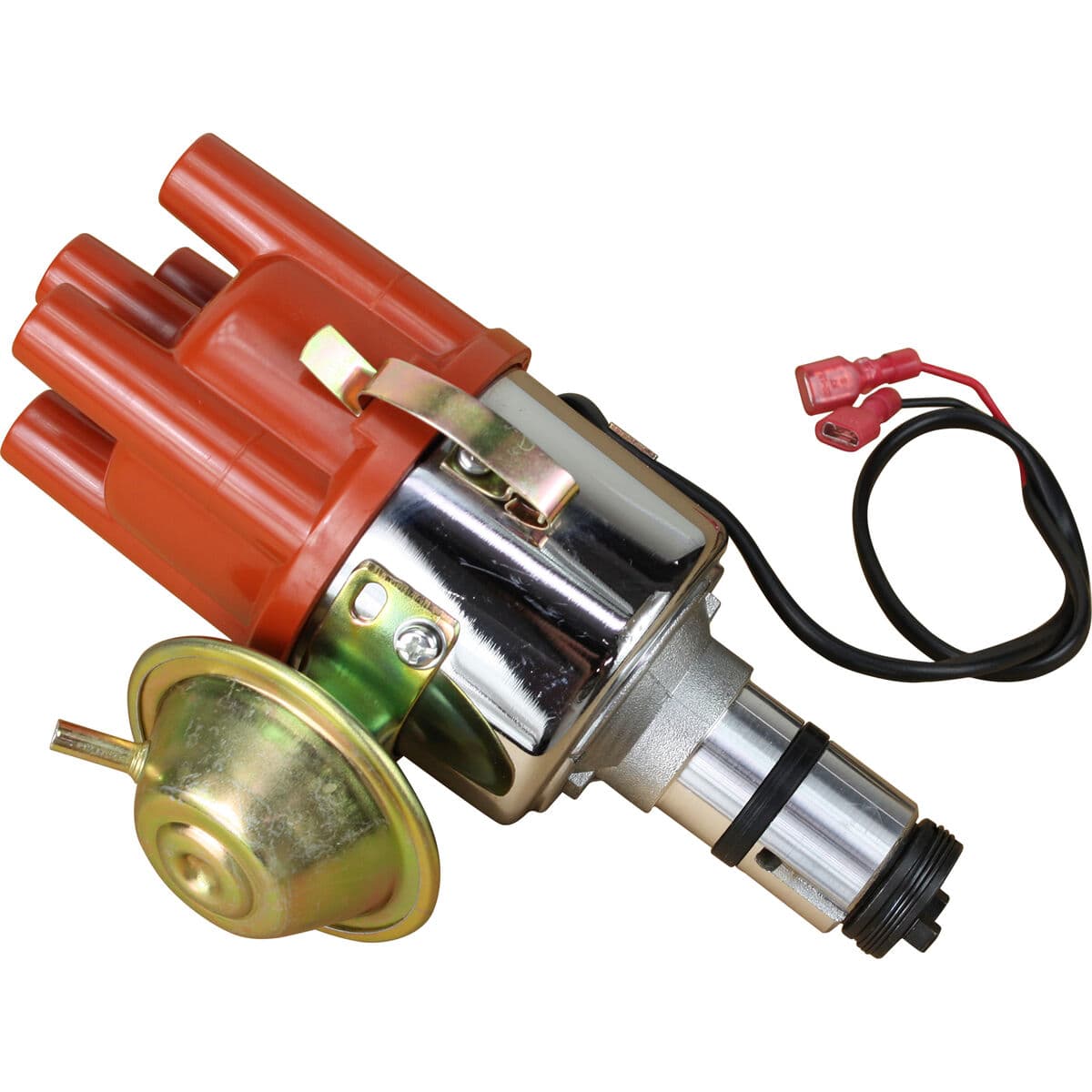
Is an electromechanical routing device used in older spark-ignition internal combustion engines. Its primary job is to take the ultra-high voltage pulses generated by a single ignition coil and distribute them to each individual spark plug in a precise firing sequence at the exact millisecond needed.
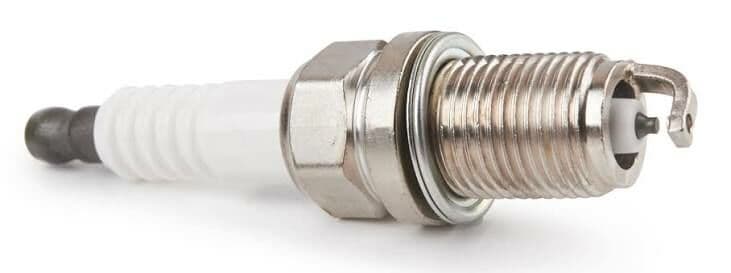
Is an electrical device that screws into an engine's cylinder head to ignite the compressed fuel-air mixture via an electric arc
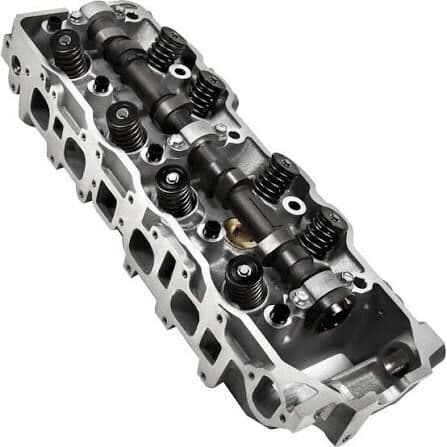
The top cover of the engine block containing the valves, spark plugs, and fuel injectors.
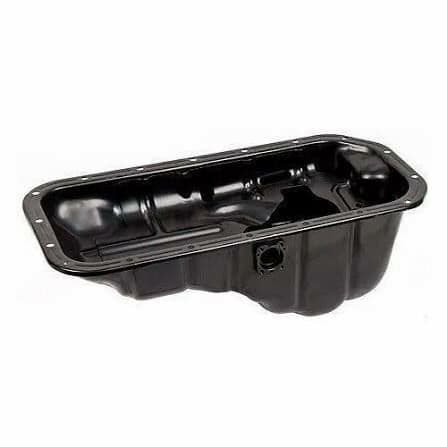
The reservoir bolted to the bottom of the engine block that stores the engine oil for lubrication.
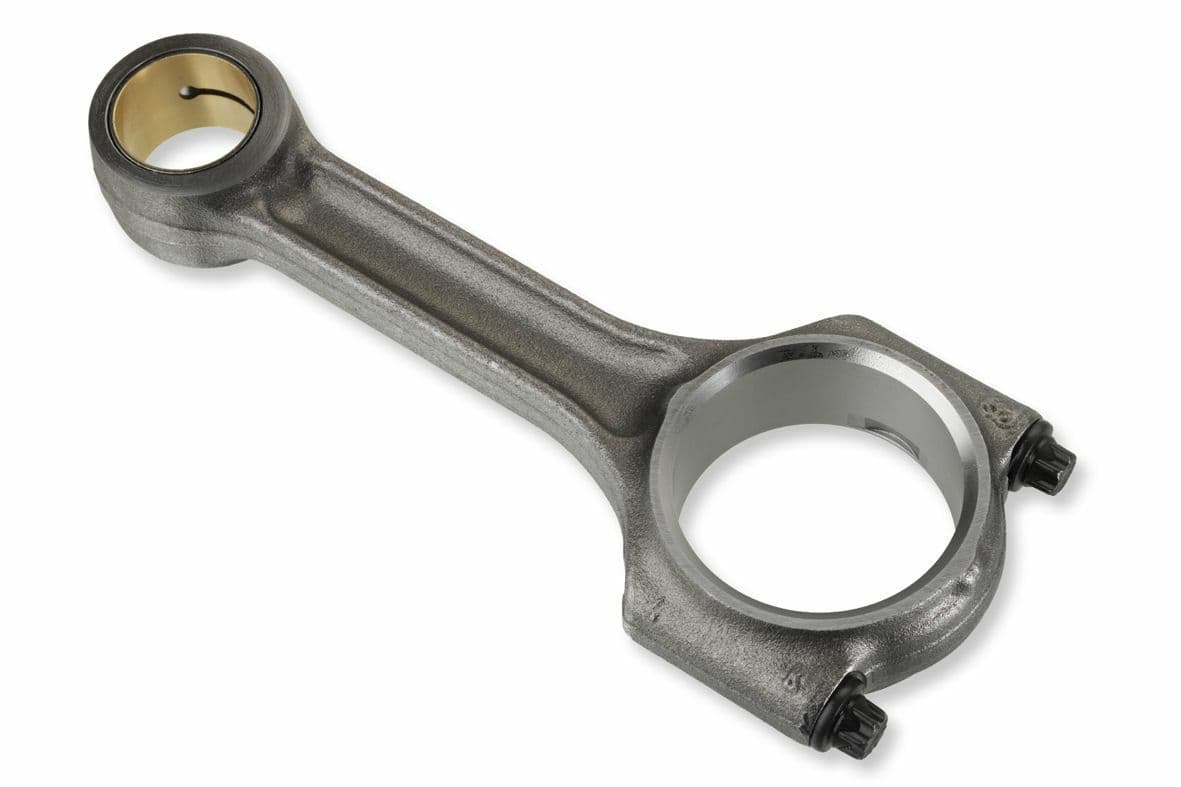
The metal links that transmit the force from the moving pistons directly to the crankshaft.
Is a mechanical device that mixes air and fuel in the correct ratio for internal combustion engines.
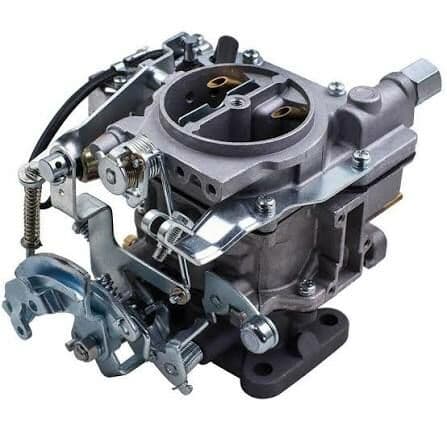
Is a high-pressure mechanical or electronic pump that delivers precise amounts of fuel directly to the cylinders or injectors
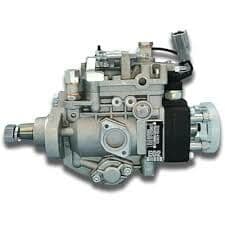
Is an electronically controlled mechanical valve that sprays pressurized fuel as a fine, atomized mist into an engine's combustion chamber or intake manifold.
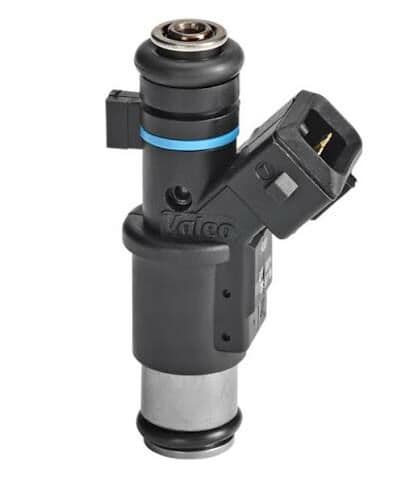
Is a critical engine component that acts as the primary respiratory system for an internal combustion vehicle.
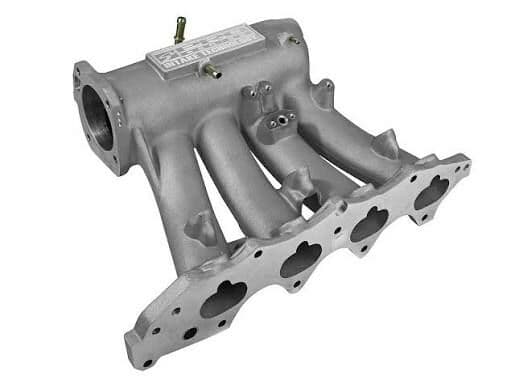
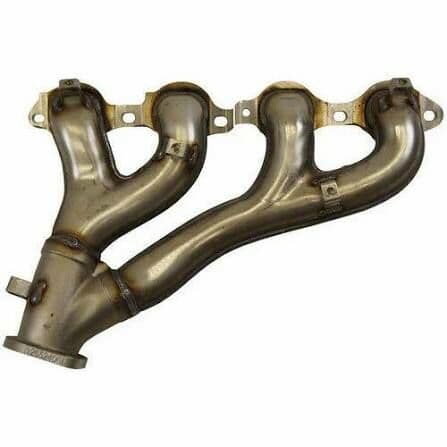
Is a vital part of a vehicle's exhaust system. Bolted directly to the engine's cylinder head, it collects the hot exhaust gases from multiple engine cylinders and funnels them into a single pipe.
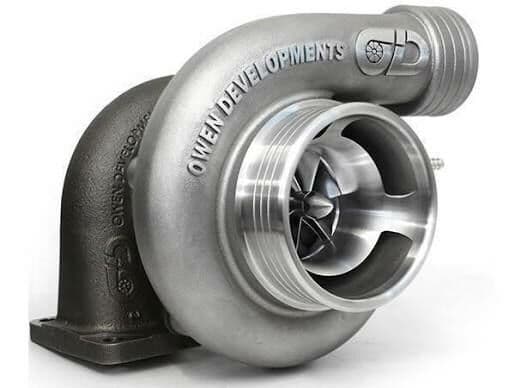
Is an induction device that increases an engine's power by forcing extra compressed air into the combustion chamber.
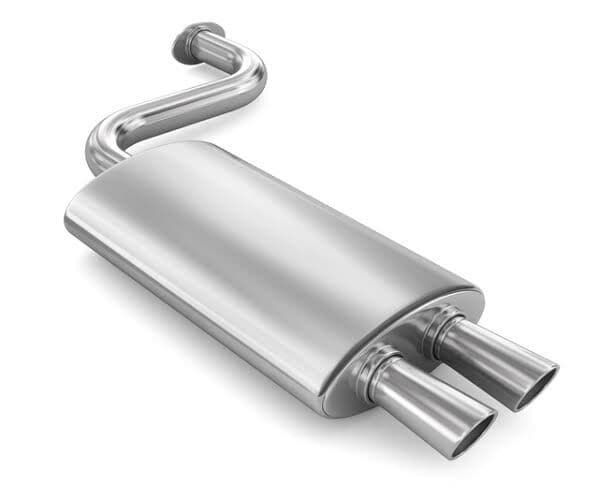
Is a device installed in the exhaust system to reduce the noise emitted by the engine.
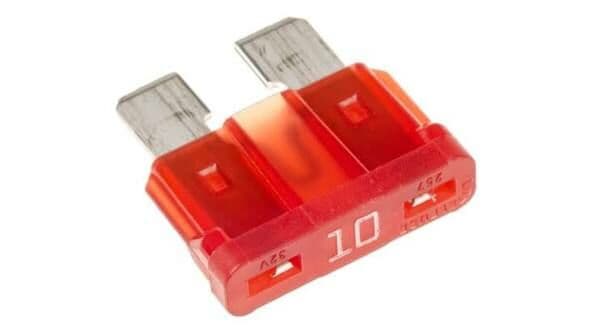
A device that protects your vehicle’s electrical circuits from short circuits and overloading.
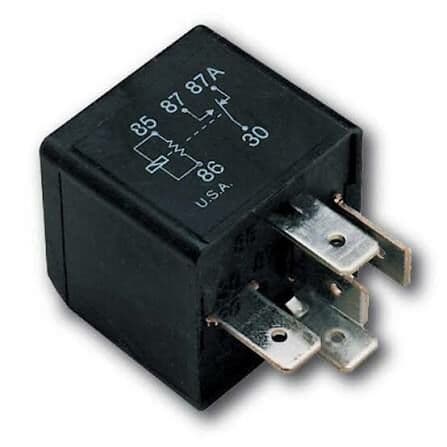
A device that acts as an electronically controlled switch that safely connects your vehicle's steering wheel button to the horn.
Is the master electrical controller that routes power from the vehicle battery to the starter motor and essential electrical components.