Loading...

B1.6-1.10 Transport across membranes & gas exchange
Quiz by Mr R Horn
Customize this quiz to suit your class
Instantly translate to 100+ languages
Tag the questions with any skills you have. Your dashboard will track each student's mastery of each skill.
Give this quiz to my class
Correct definition of 'diffusion'?
Overall (net) movement of particles from a high concentration to a low concentration
Overall (net) movement of water from a high concentration to a low concentration
Overall (net) movement of particles from a low concentration to a high concentration
Overall (net) movement of particles from a dilute solution to a more concentrated solution
Correct definition of 'active transport'?
The overall (net) movement of particles from a high concentration to a low concentration, using energy.
The movement of water across a membrane, from a dilute solution to a more concentrated solution
The movement of particles across a membrane, from a low concentration to a higher concentration, using energy.
Overall (net) movement of particles from a dilute solution to a more concentrated solution
Correct definition of 'diffusion'?
Correct definition of 'active transport'?
True or false? 'Active transport can move particles against their concentration gradient.'
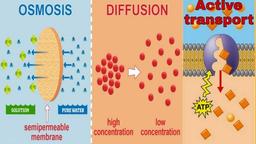
Which type of transport is shown in the picture?

Which type of transport is shown in the picture?

The graph shows what happens to the mass of potato sticks when placed in different concentration solutions. What is the Independent Variable?
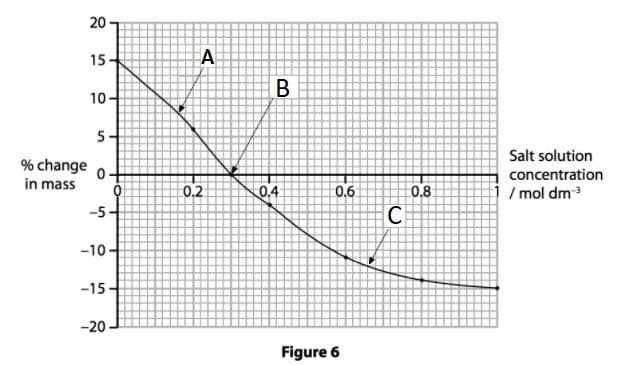
The graph shows what happens to the mass of potato sticks when placed in different concentration solutions. What is the Dependent Variable?
The graph shows what happens to the mass of potato sticks when placed in different concentration solutions. What is the Control Variable?
Which letter on the graph shows where the potato sticks are increasing in mass?
Which letter on the graph shows where the potato sticks are decreasing in mass?
Which letter on the graph shows where the potato sticks are in hypotonic solution?
Which letter on the graph shows where the potato sticks are in hypertonic solution?
Which letter on the graph shows where the potato sticks are in an isotonic solution?
Which picture shows a turgid plant cell?
Which picture shows a plasmolysed cell?
Which picture shows a flaccid plant cell?
Which type of transport needs energy?
If a cell carried out a lot of active transport, which subcellular structure would you expect to find in large numbers inside the cell?
How are the lungs adapted to increase the surface area?
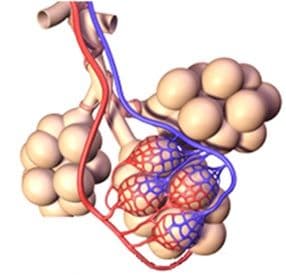
How are the lungs adapted to decrease the distance that oxygen must diffuse?
How are the lungs adapted to maintain a high concentration gradient?
Which letter shows particles moving out of a cell by active transport
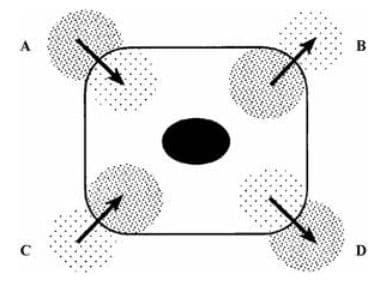
Which letter shows particles moving into a cell by active transport
Which letter shows particles moving out of a cell by diffusion
Why do root hair cells usually have lots of mitochondria

Osmosis is the movement of ....(1).... across a ....(2).... from a ....(3).... to a ....(4) .....
If plant cells lose water, the whole plant will _ _ _ _

If water enters a plant cell by osmosis the cell membrane will push against the cell wall. The cell is said to be _ _ _ _ _ _

If water moves out of a plant cell, by osmosis, the volume of cytoplasm decreases, causing a gap to form between the cell membrane and the cell wall. The cell is said to be _ _ _ _ _ _ _ _ _ _ _

'Solution A' is ........................................... (compared to 'Solution B')

 Environmental Protection — Vocabulary Quiz (B1+) 🧠 1. What does “renewable energy” mean? a) Energy that never runs out and comes from nature 🌞 b) Energy that comes only from coal and oil c) Energy that can’t be used again d) Energy made from plastic ✅ Correct answer: a) Energy that never runs out and comes from nature 🌞 🧃 2. What are “single-use plastics”? a) Plastics that can be recycled many times b) Plastics used once and then thrown away 🚯 c) Plastics that last forever d) Plastics used only for energy production ✅ Correct answer: b) Plastics used once and then thrown away 🚯 🗑️ 3. What is “waste”? a) Things we eat b) Things we throw away because we don’t need them ♻️ c) Energy from the sun d) Clean water and air ✅ Correct answer: b) Things we throw away because we don’t need them ♻️ 🌱 4. What does “reduce” mean in the context of environmental protection? a) To use more of something b) To make or use less of something 🔽 c) To destroy nature d) To create pollution ✅ Correct answer: b) To make or use less of something 🔽 ♻️ 5. What does “recycle” mean? a) To use materials again instead of throwing them away b) To burn plastic waste c) To stop using energy d) To clean streets ✅ Correct answer: a) To use materials again instead of throwing them away 💬 6. Choose the correct sentence: a) We should recycle waste to protect the environment. ✅ b) We should throw away all plastic bottles. c) Renewable energy is bad for nature. d) We need more single-use plastics in our cities. ✅ Correct answer: a) We should recycle waste to protect the environment. 🌿 7. Fill in the blank: We can ______ pollution if we use public transport and save electricity. a) recycle b) reduce c) waste d) throw ✅ Correct answer: b) reduce 💡 8. True or False: “Solar and wind power are examples of renewable energy.” ✅ Answer: True ☀️💨 🏆 9. Which of these actions helps protect the environment the most? a) Using renewable energy b) Buying single-use plastics c) Producing more waste d) Throwing rubbish in the street ✅ Correct answer: a) Using renewable energy 🌎 10. Complete the sentence: People should ______ paper, glass, and plastic to keep the planet clean. a) waste b) reduce c) recycle d) ignore ✅ Correct answer: c) recycleRiferimenti normativi per il settore residenziale: Art 81: Accesso alla rete viaria—>> il cancello deve essere arretrato di almeno 4,5m dal filo esterno del marciapiede Art 82: Passo carrabile—>> larghezza non inferiore a 4,5m e non superiore a 6,5m Art 83:Pendenza Rampa —>> max 16% Art 97: Superficie minima degli ambienti - cucina —>> min 5mq - studio—>> min 7mq - soggiorno—>> min 14 mq - soggiorno spazi di cottura—>> 17 -camera (1posto letto)—>> 8mq - camera (2posti letto)—>> 12mq Superficie alloggio totale —>> non inferiore a 28 mq Art 95: Altezze minime- cucina, soggiorno, camera e studio—>> min 2,70m -locali accessori—>> min 2,40 m (bagno, lavanderie) - locali di servizio—>> min 2,10m (disimpegni, riposti.) - soppalchi—>> min 2,10m - parapetti—>> non inf. a 1,1m (10 cm cordolo) (92) Art 86: Distanze - negli edifici di nuova costruzione la distanza degli edifici dal confine con proprietà di terzi — nei NAF—>> non inf. a 3 m — altri ambiti —>> non inf. a 5m Art 89: Scale (R.E. ) —alzate—>> max 12 consecutive — a chiocciola—>> consentite solo all’interno di un’unità abit. — illuminazione—>> se collegano più di due piani devono . essere areati con lucernario. Dim: 0,3 mq . per ogni piano servito (R.I.: 0,4 mq x piano) — areazione —>> non ci può essere areazione verso i vani scala . ( Lo dice anche il regolamento d’igiene ) (R.I) —>> superficie non inferiore a 1mq per piano servi. — larghezza (R.I.) —>> deve garantire la possibilità di soccorso e . trasporto di persone Art 88: Locali sotterranei —>> non possono MAI essere adibiti ad abitazione Locali seminterrati—>> possono ma devono rispettare determinati . requisiti - l’altezza media deve essere > di 2,7m Art 91: Copertura—>> istallazione di apparati tecnici non deve essere visibile . dalle pubbliche vie Art 98: Bagni —>> ambiente contenente il vaso deve essere disimpegnato . dalla cucina (R.I: disimpegnato dai locali abitabili, esclusione Secondo bagno se è a servizio esclusivo di una camera) (R.I)—>> deve essere dotato di vaso, lavabo, bidet doccia o vasca —>> il lavabo può essere ubicato nell’antibagno Art 100: Areazione —>> riscontro d’aria deve essere garantito su aperture . perpendicolari o contrapposte.(non inf. a 1\10) —>> appartamenti inf. a 60mq possono essere . monoaffaccio ( ma non esposti a nord) Art 125: Raccolta rifiuti (R.E)—>> non meno di 0,18mq per ogni abitante . virtuale —>> non meno di 5 mq —>> altezza minima 2,4m (R.I: 2 m) —>> deve avere un punto di allacciamento d’acqua Regolamento d’igiene —>> dimensione tale da poter contenere 4,5l Di rifiuti per abitante.( in ogni caso > di 2mq) —>> scarichi sifonati dall’acqua di lavaggio —>> accorgimenti che assicurino un’adeguata Difesa antimurina e antinsetti Norma UNI 10750: superficie commerciale (ciò che compriamo) , cioè la somma delle superfici coperte—>> 100% delle superfici calpestatili —>>100% delle superfici su cui poggiano . Le pareti divisorie interne non portanti —>> 50% delle pareti portanti interne perimetrali —>> 25% delle aree non abitabili Superfici scoperte—>> 25% dei balconi e delle terrazze scoperte —>> 35% dei balconi e dei terrazzi coperti (3 lati) —>> 35% dei pati e dei porticati —>> 60% delle verande —>> 15% dei giardini di appartamento —>> 10% dei giardini di ville e villini (Se un muro è al confine con un altro appartamento lo considero dalla mezzeria, se confina con uno spazio comune idem, lo considero tutto invece se da sull’esterno ) Regolamento d’igiene (su esso prevale il Re) : norme che discipilinano degli aspetti della vita quotidiana al fine di tutelare la salute dei fruitori Si occupa di : Rumori , odori , fumi, vapori. Scarichi nel sottosuolo Pulizia e decoro Malattie infettive Igenicità degli ambienti Pareti trasparenti (tenendo conto di telai e infissi)—>> deve avere un area pari a 1\8 (nazionale), 1\10 (Milano ) della superficie di pavimento Profondità di pavimento—>> non deve superare i 2,5m dalla finestra Bagno cieco solo se la superficie lorda di pavimento è inferiore ai 70mq e se è presente una sola camera da letto , oppure se è un secondo bagno (altrimenti finestra > 0,5 apribile). Superficie illuminante—>> superficie totale dell’apertura meno - superficie finale non utile (C): 60 cm - superficie superiore non utile (A) A= va considerato per intero se non ci sono aggetti o se questi sono inferiori a 150 cm. Al contrario ne considero solo un terzo. Es: con aggetto, b+ 1\3a . Se il rapporto illuminante è rispettato la profondità del locale non può essere più di 2,5 volte l’altezza del voltino . Se non è rispettato (inferiore a 1\8) allora deve essere 3,5 volte Alloggi devono essere dotati— per 1\2 perone—>> 1 spazio cottura,1 servizio igienico , 1 ripostiglio — per 3\4 persone—>> 1 cucina indipendente, 1 servizio igienico , 1 ripostiglio — per 4\5 persone —>> 1 cucina indipendente, 2 servizi igienici, 1 ripostiglio (per il secondo servizio è richiesta una superficie minima di 2mq e un lato minimo di 1,2m) Dotazione dei servizi: Cucina—>> pavimenti e pareti con superficie Di materiale impermeabile, liscio, lavabile,resist. —>> soffitto materiale traspirante —>> cappa collegata a ogni punto di cottura (Vedi bagno su) Prevenzione incendi : definisce —dimensionamenti—accessi all’area (locali di intrattenimento e di pubblico Spettacolo —>> larghezza 3,5 —>> h libera 4m —>> raggio di svolta 13m —>> pendenza non sup al 10% —>> resist al carico almeno 20t —profondità locali —>> i locali al chiuso non possono Essere ubicati oltre il secondo piano Interrato (non oltre i 10m) . Questi se Sono tra i 7,5 e i 10 m devono essere Protetti da un’impianto sprinkler e Essere dotati di uscite sicure. — carichi d’incendio — comunicazione (locali di intrattenimento e di pubb. Spettacolo —>> locali possono comunicare con altre Attività purché dotate di filtri a prova di Fumo e di porte REI (ameno 30) (queste Non vanno cont nel comp. delle vie d’uscit) — compartimentazioni — autorimesse — comportamento al fuocoTITOLO I PRINCIPI Art. 1 – Personalità giuridica e principi fondamentali 1. In armonia con i principi costituzionali ed in attuazione della legislazione vigente, il presente Statuto disciplina l'ordinamento dell'Università degli Studi di Napoli Federico II, nel seguito denominata "Università". 2. L'Università ha personalità giuridica di diritto pubblico che esercita per conseguire i propri fini istituzionali. 3. L'Università è organizzata secondo i criteri di efficienza, di efficacia, di valutazione e di riconoscimento del merito, di trasparenza e di semplificazione e di decentramento funzionale ed organizzativo. 4. I poteri di indirizzo e di controllo spettano agli organi di governo dell'Università, l’attività amministrativa e tecnica è svolta dai dirigenti, con autonomi poteri di spesa e di gestione delle risorse umane e strumentali. 5. Simboli dell'Università sono la raffigurazione dell'Imperatore Federico II assiso sul trono e l'aquila sveva di Sicilia che compare sul gonfalone, tutelati ai sensi della vigente normativa in materia di marchio. Tali simboli possono essere utilizzati da altri soggetti pubblici o privati previa autorizzazione del Consiglio di Amministrazione, su proposta del Rettore. 6. Il sigillo ufficiale, raffigurante l'Imperatore Federico II assiso sul trono, è custodito dal Rettore. 7. L’Università conserva i privilegi, gli onori ed i distintivi derivati da antiche leggi e consuetudini e si impegna ad armonizzare la tradizione con i valori ed i principi coevi cui si ispira. Art. 2 – Finalità istituzionali 1. L’Università, a riconoscimento dell’inderogabile funzione e vocazione pubblica, afferma il proprio carattere laico, pluralistico ed indipendente da ogni orientamento ideologico, politico ed economico. 2. Fini primari dell’Università sono la ricerca e la didattica che l’Ateneo persegue promuovendo l’organizzazione, l’elaborazione e la trasmissione delle conoscenze, la formazione culturale e professionale, la crescita della coscienza civile degli studenti. Il miglioramento della qualità dei processi formativi viene assicurato anche con l’ausilio delle tecniche di apprendimento a distanza e di altre tecnologie innovative. 3. L’Università garantisce la libertà di manifestazione del pensiero, di associazione e di riunione, allo scopo di realizzare il pieno concorso di tutte le sue componenti alla vita democratica dell’Ateneo. 4. L’Università si impegna ad assicurare parità e pari opportunità di genere, rafforzando la tutela dei lavoratori e delle lavoratrici e garantendo l'assenza di qualunque forma di violenza morale o psicologica, di discriminazione diretta e indiretta relativa al genere, all'età, all'orientamento sessuale, all'origine etnica, alla disabilità, alla religione e alla lingua. A garanzia dell’effettività delle tutele riconosciute è istituito il “Comitato Unico di Garanzia per le pari opportunità, la valorizzazione del benessere di chi lavora e contro le discriminazioni”. 5. L’Università si impegna a perseguire i propri fini nel rispetto dei principi di ecosostenibilità, di sicurezza e salubrità dei luoghi di lavoro. 6. L’Università garantisce ai singoli professori e ricercatori, rispettandone lo stato giuridico, la libertà e l’autonomia della ricerca e dell’insegnamento, tenendo conto delle esigenze di coordinamento e degli obiettivi formativi degli ordinamenti didattici previsti dalle strutture di appartenenza. 7. L’Università, soggetto autonomo ed unitario, riconosce la pluralità delle culture che concorrono a costituire la sua identità. 8. L’Università promuove il trasferimento delle conoscenze attraverso la ricerca, la formazione, le attività di certificazione, di brevetto e di spin-off, nel conseguimento della qualità e dell'eccellenza. 9. L’Università avversa l’utilizzo dei risultati delle proprie attività per applicazioni che perseguano scopi contrari ai principi della dignità e libertà dell’uomo e della pacifica convivenza fra i popoli. 10.L’Università concorre allo sviluppo della cultura, del benessere sociale ed economico e del livello produttivo del Paese, anche attraverso forme di collaborazione con soggetti nazionali ed internazionali, pubblici e privati, che promuovono attività culturali e di ricerca. A tal fine sostiene in particolare programmi europei e di cooperazione e favorisce la più ampia fruizione delle proprie strutture. 11.L’Università garantisce il principio dell’accesso pieno ed aperto alla letteratura scientifica e promuove la libera diffusione in rete dei risultati delle ricerche prodotte in Ateneo, per assicurarne la più ampia diffusione; partecipa al processo di costruzione ed implementazione dello «spazio europeo dell’apprendimento permanente». 12.L’Università contrasta il conflitto di interessi in tutte le sue forme. 13.L’Università può partecipare, per una migliore realizzazione delle proprie finalità istituzionali e nei limiti delle stesse, a consorzi e ad altre forme associative di diritto privato, ivi comprese le società di capitali, anche mediante partecipazione finanziaria secondo la disciplina dettata con Regolamento di Ateneo. Art. 3 – Ricerca e didattica 1. L'Università garantisce la pari rilevanza del sapere umanistico, scientifico e tecnico; programma, mediante piani di sviluppo, le attività di ricerca e di insegnamento e ne valuta i risultati. 2. L’Università adotta criteri e fissa principi che consentano una equilibrata distribuzione delle risorse finanziarie destinate alla ricerca, tenuto conto di tutte le fonti di finanziamento, delle obiettive articolazioni dei settori di ricerca e delle loro effettive esigenze, nonché della qualità e della produttività delle ricerche, valutate secondo specifici criteri ed indicatori disancorati da logiche esclusivamente economiche. L'Università incoraggia e favorisce, comunque, la ricerca di base in ogni disciplina. 3. L’Università eroga formazione permanente, sulla base di criteri e standard formativi univocamente riconosciuti a livello nazionale, comunitario ed internazionale. 4. L’Università promuove la valutazione bioetica della ricerca sperimentale, con particolare riguardo alla sperimentazione clinica riferita ai problemi biomedici connessi con la vita e la salute dell’uomo, nonché la valutazione etico-scientifica della sperimentazione animale. 5. L’Università promuove la gestione in qualità delle attività di ricerca, didattiche e di servizio, garantendo il loro sviluppo organico e uniforme. A tal fine l’Università incentiva, anche attraverso meccanismi premiali, la certificazione di qualità e l’accreditamento delle sue strutture e delle attività collegate. 6. L'Università può beneficiare di contributi, lasciti e donazioni. 7. L'Università, nel rispetto delle funzioni istituzionali di ricerca e di insegnamento e nei limiti e con le modalità fissate da Regolamento, può svolgere attività di ricerca, di consulenza e di servizio nell’interesse prevalente di soggetti pubblici e privati, anche dotandosi di apposite risorse umane e strumentali, i cui oneri finanziari ed economici siano previsti nei relativi contratti e assunti secondo la normativa vigente. I proventi derivanti da contratti e convenzioni per conto terzi sono ripartiti secondo le modalità disciplinate con Regolamento di Ateneo, che dovrà riservarne una quota a copertura delle spese di carattere generale delle strutture interessate, una quota destinata al finanziamento della ricerca scientifica ed una quota destinata al Fondo comune di Ateneo. Nessun professore e ricercatore, senza il proprio consenso, può essere tenuto a svolgere attività di ricerca, di consulenza e di servizio per conto terzi, oggetto di contratti e convenzioni stipulati nell'interesse prevalente del committente. 8. L'Università può commissionare a proprie strutture lo svolgimento di attività di ricerca, di consulenza e di servizio. Art. 4 – Rapporti Internazionali 1. L’Università ha tra i suoi obiettivi prioritari la promozione della dimensione internazionale della ricerca scientifica e della didattica. A tal fine: a) stipula accordi e convenzioni con Atenei ed istituzioni culturali e scientifiche di alta qualità di altri Paesi; b) promuove ed incoraggia gli scambi internazionali di professori, ricercatori e studenti, anche con interventi di natura economica; c) sostiene i progetti di ricerca internazionali e le reti internazionali di dottorato; d) tende alla dimensione internazionale della formazione dei laureati per arricchirne la preparazione e potenziarne le prospettive occupazionali; e) favorisce l’attrazione dall’estero di professori e ricercatori, borsisti post-dottorato, studiosi di chiara fama e studenti particolarmente capaci e meritevoli. 2. L’Università collabora con organismi nazionali ed internazionali a definire ed a realizzare programmi di cooperazione scientifica e di formazione, avendo particolare attenzione a quelli rivolti ai Paesi meno sviluppati. 3. L’Università provvede a strutture per l’ospitalità anche in collaborazione con altri enti, specialmente con quelli preposti ad assicurare il diritto allo studio. Articolo 5 – Diritto allo studio 1. L'Università promuove il diritto allo studio e ne favorisce il concreto esercizio, anche predisponendo spazi ed attrezzature adeguati e ricorrendo, se necessario, a strutture decentrate. 2. L’Università favorisce la partecipazione attiva degli studenti alla vita universitaria. In applicazione dei principi costituzionali si impegna a rimuovere condizioni di disparità e disagio, in particolare, degli studenti meno abbienti, diversamente abili, stranieri e fuori sede. Attua le iniziative necessarie ad assicurare agli studenti una preparazione culturale e scientifica idonea a soddisfare le domande di formazione, anche in relazione alle diverse esigenze della società. 3. L'Università collabora con Stato, Regioni, altri enti ed istituzioni al fine di stimolare la crescita culturale degli studenti e valorizzare l'offerta didattica, di assistenza, di orientamento e di inserimento nel mondo del lavoro. Articolo 6 –Principi organizzativi 1. L’Università assicura il rispetto dei principi di efficienza ed efficacia attraverso l’utilizzo di modelli procedimentali ed organizzativi ispirati alla ottimizzazione dei tempi dei processi decisionali, privilegiando l’uso degli strumenti telematici e di semplificazione. 2. L’Università, in attuazione dei principi di autonomia, di decentramento e di sussidiarietà, si articola in Dipartimenti e Scuole. I Centri di ricerca, i Centri di Servizio interdipartimentali ed i Centri di Servizio costituiscono ulteriori articolazioni dell’Ateneo. 3. In attuazione dei principi di efficienza, efficacia e semplificazione, è ammessa la delega delle funzioni. Gli atti di delega, in forma scritta obbligatoria, devono riguardare materie determinate, oggetto e durata definiti e sono pubblicati nell’Albo Ufficiale on line di Ateneo. 4. Ai professori o ricercatori che ricoprano incarichi e funzioni ufficiali, non rientranti nei compiti istituzionali di didattica e di ricerca, può essere riconosciuta, nei casi previsti dal presente Statuto, una indennità di funzione nella misura determinata dal Consiglio di Amministrazione, sentito il Collegio dei Revisori dei Conti. (Comma così modificato dal D.R. n. 4763 del 23/11/2019) 5. L’Università è rappresentata e difesa in giudizio dall’Avvocatura dello Stato ovvero da legali interni iscritti all’elenco speciale annesso all’albo degli avvocati. L’Università può altresì avvalersi del patrocinio di avvocati del libero foro nei limiti e con le modalità previste da apposito regolamento di Ateneo. Resta ferma la rappresentanza e difesa in giudizio dell’Università da parte di propri funzionari nei casi previsti dalla legge. (Comma introdotto dal D.R. n. 2320 del 13/07/2016) Articolo 7 – Trasparenza e Informazione 1. L'Università riconosce nella corretta e tempestiva informazione una delle condizioni essenziali per garantire la trasparenza. 2. Strumenti di effettivo rispetto dei principi di informazione, pubblicità e trasparenza sono il sito web di Ateneo e l’Albo ufficiale on line di Ateneo, sui quali vanno pubblicati gli atti di interesse generale, secondo modalità stabilite da Regolamento. 3. L'accesso ai documenti amministrativi è disciplinato secondo modalità stabilite da Regolamento ai sensi della normativa nazionale vigente. 4. Gli appartenenti alla comunità universitaria di cui all’art. 9 comma 2, possono consultare, nel rispetto delle previsioni di legge, i verbali delle adunanze degli organi collegiali dell'Università concernenti l'organizzazione, gli indicatori relativi agli andamenti gestionali e all'utilizzo delle risorse per il perseguimento delle funzioni istituzionali, i risultati dell'attività di misurazione e valutazione svolta dagli organi competenti. Tale consultazione può essere effettuata negli uffici presso i quali i verbali sono custoditi o mediante accesso al sito web di Ateneo nell’area riservata al personale, secondo modalità stabilite da Regolamento. Articolo 8 – Altre attività 1. L'Università favorisce le attività sociali, culturali, ricreative e sportive, anche quelle autogestite dagli studenti, attraverso la predisposizione, nei limiti consentiti dalle disposizioni di legge vigenti in materia e compatibilmente con le risorse finanziarie disponibili, di strutture e servizi necessari al loro svolgimento. Collabora, altresì, con gli enti sportivi universitari legalmente riconosciuti. TITOLO II SOGGETTI Art. 9 – Comunità Universitaria 1. L’Università realizza i fini istituzionali attraverso la sua comunità. 2. La comunità universitaria è formata dagli studenti, dai professori, dai ricercatori, dal personale dirigente e tecnico-amministrativo e da tutti coloro che trascorrono periodi di ricerca, di insegnamento e di studio presso l'Università e/o concorrono allo svolgimento delle sue funzioni istituzionali. 3. I valori fondamentali della Comunità Universitaria sono determinati dal Codice Etico dell’Ateneo. Sulle violazioni del Codice Etico, qualora non ricadano sotto la competenza del Collegio di Disciplina, decide, su proposta del Rettore, il Senato Accademico, previa istruttoria da parte di una Commissione Etica di Garanzia nominata dal Senato Accademico su proposta del Rettore e composta secondo le modalità previste dal Codice Etico. (Comma così modificato dal D.R. n. 2175 del 17/06/2015) 4. Le componenti della comunità partecipano alla vita universitaria con pari dignità, secondo le funzioni previste dalla normativa vigente ed in base al ruolo di appartenenza. 5. Tutti coloro che hanno conseguito un titolo di studio presso l’Università Federico II possono continuare a far parte della comunità universitaria attraverso l’Associazione Federiciana “Ex Alumni”. Art. 10 – Studenti 1. Sono studenti dell’Università coloro che risultano regolarmente iscritti ai corsi di laurea, di laurea magistrale, di specializzazione e di dottorato di ricerca. Fatta eccezione per l’elettorato attivo e passivo in ordine alla rappresentanza all’interno degli Organi collegiali, sono equiparati agli studenti: gli iscritti ai master universitari ed ai corsi di perfezionamento, nonché gli studenti stranieri la cui mobilità sia prevista e disciplinata da accordi e convenzioni internazionali. 2. Al fine di consentire un proficuo rapporto tra docenti e studenti e favorire un miglior inserimento degli studenti nella comunità universitaria, l'Università può determinare, con le procedure e nei casi previsti dalla vigente normativa, il numero massimo delle iscrizioni ai corsi di studio, che viene fissato dal Consiglio di Amministrazione, sentiti il Nucleo di Valutazione, il Consiglio degli Studenti e il Senato accademico. 3. I criteri, le modalità di ammissione e le condizioni per il mantenimento dello status di studente, sono stabiliti dal Regolamento didattico di Ateneo. 4. Il numero massimo e le modalità di ammissione alle Scuole di specializzazione ed ai corsi di dottorato di ricerca sono definiti sulla base delle norme di legge nonché delle risorse economiche, didattiche e strutturali dell'Università. 5. Gli studenti possono partecipare all'attività di ricerca funzionale alla loro formazione, nei limiti previsti dalla normativa vigente. 6. Gli studenti partecipano alla gestione dell'Università attraverso le proprie rappresentanze negli Organi collegiali ove previsto nel presente Statuto. 7. L'Università può stabilire collaborazioni studentesche per la gestione di servizi per i quali, secondo quanto previsto dalla normativa vigente, è possibile il ricorso a singoli studenti, alle associazioni studentesche, nonché alle cooperative studentesche. 8. Gli studenti sono tenuti a contribuire all'ordinato funzionamento delle attività universitarie, alla partecipazione agli Organi collegiali, al corretto uso delle strutture e alla piena valorizzazione delle opportunità culturali. Art. 11 – Professori e Ricercatori 1. In conformità ai compiti previsti per ciascun ruolo o funzione, i professori ed i ricercatori assicurano la loro attività, nei limiti del proprio impegno didattico, in qualsiasi corso di studio attivato nell’Ateneo. 2. I professori e i ricercatori concorrono al raggiungimento delle finalità istituzionali dell’Università. Le attività di didattica, ricerca nonché gli incarichi gestionali eventualmente attribuiti definiscono il quadro complessivo per la valutazione di ciascun professore e ricercatore. (Comma così modificato dal D.R. n. 4763 del 23/11/2019) 3. Ai professori e ai ricercatori può essere riconosciuta la titolarità di fondi finalizzati di ricerca. 4. La carica di Rettore, Prorettore, Direttore di Dipartimento, Presidente di Scuola, Coordinatore del Nucleo di Valutazione e Coordinatore di Corso di studio è riservata ai professori a tempo pieno. E’ altresì riservata ai ricercatori e professori a tempo pieno la carica di componenti del Consiglio di Amministrazione. Un Regolamento di Ateneo disciplina le modalità di svolgimento delle attività per i professori e i ricercatori a tempo pieno e a tempo definito. Art. 12 – Personale dirigente e tecnico-amministrativo 1. Il personale tecnico-amministrativo e il personale dirigente dell’Ateneo, secondo quanto disposto dall’art. 23, comma 1, del D. Lgs. 30/3/2001 n. 165 e s.m.i., svolgono i compiti propri delle rispettive aree di competenza, nell’ambito dell’Amministrazione centrale e delle altre strutture previste dal presente Statuto. 2. Il personale partecipa alla gestione dell'Università attraverso le proprie rappresentanze negli Organi collegiali, ove previsto dal presente Statuto. 3. L’Università, nel rispetto delle previsioni normative vigenti, garantisce periodicamente lo svolgimento di corsi di formazione e aggiornamento professionale, volti a promuovere il miglioramento dei servizi e ad accrescere le buone pratiche, favorendo la più ampia partecipazione. 4. I Dirigenti, nell’ambito delle proprie competenze, collaborano con il Direttore generale nella gestione ed organizzazione dei servizi, delle risorse strumentali e del personale tecnico-amministrativo. In particolare: a) formulano proposte ed esprimono pareri al Direttore generale; b) curano l'attuazione dei progetti e svolgono l’attività di gestione ad essi assegnati dal Direttore generale, adottando i relativi atti e provvedimenti amministrativi ed esercitano i poteri di spesa nei limiti fissati dal Regolamento per l’Amministrazione e la Contabilità; c) emanano i provvedimenti amministrativi di autorizzazione, concessione o di analoga natura il cui rilascio presupponga accertamenti e valutazioni da eseguire secondo criteri predeterminati dalla Legge, dallo Statuto, dai Regolamenti o da deliberazioni degli organi dell’università; d) svolgono tutti gli altri compiti ad essi delegati dal Direttore generale; e) dirigono, coordinano e controllano l'attività degli uffici che da essi dipendono e dei responsabili dei procedimenti amministrativi, anche con poteri sostitutivi in caso di inerzia; f) effettuano la valutazione del personale assegnato ai propri uffici, nel rispetto del principio del merito; g) esercitano, nei casi previsti dalla legge, l’azione disciplinare nei confronti del personale tecnico-amministrativo che da essi dipende. 5. Per particolari esigenze di carattere specialistico, l'Università può affidare a personale dipendente, nei limiti previsti dalla vigente normativa e sulla base di criteri predefiniti e valutazioni comparative per titoli, prestazioni lavorative non rientranti tra le funzioni o mansioni svolte da detto personale in ragione dell’ufficio; tali prestazioni non costituiscono obbligo per il dipendente e possono essere assegnate solo previo assenso dell’interessato. 6. Gli incarichi dirigenziali a tempo determinato a personale non appartenente al ruolo della dirigenza sono disciplinati dall’art. 19, commi 6, 6 bis, e 6 ter, del D. Lgs. 30/3/2001 n. 165 e s.m.i. con le modalità stabilite da apposito Regolamento di Ateneo. TITOLO III ORGANI CAPO I ORGANI DI GOVERNO Art. 13 – Organi 1. Sono organi dell’Università: a) Il Rettore; b) Il Senato accademico; c) Il Consiglio di Amministrazione; d) Il Direttore generale; e) Il Nucleo di Valutazione; f) Il Collegio dei Revisori dei Conti. Art. 14 – Il Rettore 1. Il Rettore ha la rappresentanza legale dell’Università, esercita le funzioni di indirizzo, iniziativa e coordinamento delle attività scientifiche e didattiche, è responsabile del perseguimento delle finalità dell’Università secondo criteri di qualità e nel rispetto dei principi di efficacia, efficienza, trasparenza e promozione del merito. 2. Svolge, in particolare, le seguenti funzioni: a) convoca e presiede il Senato accademico e il Consiglio di Amministrazione; b) emana i Regolamenti; c) propone il documento di programmazione triennale di Ateneo ai sensi della normativa vigente, tenuto conto delle proposte e dei pareri del Senato accademico; d) propone la programmazione finanziaria annuale e triennale e la programmazione del personale; e) propone il bilancio di previsione annuale e triennale e il conto consuntivo; f) propone il conferimento dell’incarico di Direttore generale ed assegna allo stesso gli obiettivi strategici, secondo le linee di programmazione stabilite dal Consiglio di Amministrazione. g) assume l’iniziativa dei procedimenti disciplinari, anche di quelli relativi alle violazioni del Codice Etico, nei confronti dei professori e dei ricercatori; h) accerta la legittimità degli atti relativi alle proposte di chiamata avanzate dai Dipartimenti dei professori di prima e seconda fascia e dei ricercatori; i) stipula i contratti per il conferimento di assegni per lo svolgimento di attività di ricerca, per l’attività di insegnamento e per il reclutamento di ricercatori a tempo determinato; j) in casi di necessità e di urgenza adotta i provvedimenti opportuni e li sottopone alla ratifica dell’organo competente nella prima adunanza successiva; k) assume tutte le determinazioni di sua competenza relative ai rapporti con il Servizio sanitario nazionale e regionale previste dalle norme e dalle convenzioni vigenti; l) provvede alle nomine e alle designazioni di sua competenza; m) conferisce procura alle liti; (Comma così modificato dal D.R. n. 2320 del 13/07/2016). n) esercita ogni ulteriore funzione non espressamente attribuita ad altri Organi dal presente Statuto. (Comma introdotto dal D.R. n. 2320 del 13/07/2016). 3. L’ufficio di Rettore è incompatibile con ogni altra carica elettiva dell’Università, con incarichi elettivi presso altre Università italiane, statali, non statali legalmente riconosciute e telematiche, incarichi e nomine presso Fondazioni universitarie ed incarichi di natura politica e sindacale. 4. Il Rettore, su sua richiesta, ha diritto ad una limitazione dell’attività didattica. Art. 15 – Elezione del Rettore 1. Il Rettore è eletto tra i professori ordinari a tempo pieno in servizio presso le Università italiane. 2. L’elezione avviene sulla base della presentazione di candidature e di un programma, con modalità stabilite dal Regolamento generale di Ateneo. 3. Il Rettore dura in carica sei anni; il mandato non è rinnovabile. 4. Sono elettori del Rettore: i professori e i ricercatori a tempo indeterminato, i ricercatori a tempo determinato di cui all’art. 24, comma 3, lett. b) della Legge 30/12/2010, n. 240; i componenti del Consiglio degli studenti; i rappresentanti del personale tecnicoamministrativo e dirigenziale nel Senato Accademico, nel Consiglio di Amministrazione ove presenti, nei Consigli di Dipartimento, ed i rappresentanti eletti del personale dell’Amministrazione Centrale in numero pari al 2% dei professori e ricercatori con diritto di voto. 5. L’elezione è indetta dal Decano dei professori ordinari. Nel caso di pari anzianità nel ruolo prevale la maggiore anzianità anagrafica. 6. Il corpo elettorale è convocato dal Decano non prima di centottanta giorni dalla scadenza del mandato del Rettore in carica e in modo che le operazioni elettorali siano completate in tempo utile rispetto al termine di scadenza. Il Decreto di convocazione riporta il calendario delle votazioni, con l’indicazione di tre date, compresa quella dell’eventuale turno di ballottaggio. L’avviso di convocazione è pubblicato nell’Albo Ufficiale on line dell’Università disponibile sul sito internet istituzionale della stessa, almeno trenta giorni prima della data fissata per la prima votazione ed è inviato negli stessi termini agli aventi diritto al voto. 7. Ciascuna votazione è valida se vi partecipa la metà più uno degli aventi diritto. Nelle prime due votazioni risulta eletto il candidato che abbia ottenuto la maggioranza assoluta dei voti. Qualora per due votazioni nessun candidato abbia conseguito tale maggioranza, si procede a votazione di ballottaggio tra i due candidati più votati nella seconda votazione; risulta eletto il candidato che ottiene il maggior numero di voti. In caso di parità prevale il più anziano nel ruolo e, in caso di ulteriore parità, il più anziano per età anagrafica. L’eletto è proclamato dal Decano ed è nominato con Decreto del Ministro competente per l’Università. 8. Nel caso di anticipata cessazione, le funzioni di ordinaria amministrazione vengono assunte dal Prorettore e il Decano dei professori ordinari convoca il corpo elettorale tra il trentesimo e il sessantesimo giorno successivo alla data di cessazione, notificando l’avviso di convocazione almeno venti giorni prima della data stabilita per lo svolgimento della prima votazione. 9. Nel caso di elezione per anticipata cessazione, il Rettore eletto assume la carica all’atto della nomina e resta in carica per i sei anni successivi. 10.Il Rettore è obbligato alle dimissioni in caso di motivata mozione di sfiducia proposta dal Senato accademico e approvata dal corpo elettorale. La mozione di sfiducia deve essere proposta dal Senato accademico – comunque non prima che siano trascorsi due anni dall’inizio del mandato del Rettore – a maggioranza dei due terzi dei suoi componenti. La votazione del corpo elettorale sulla mozione di sfiducia è valida se vi prende parte la metà più uno degli aventi diritto al voto, come individuati dal precedente comma 4. Il corpo elettorale è convocato secondo modalità analoghe a quelle previste per l’elezione del Rettore. La mozione deve essere approvata con la maggioranza dei tre quinti dei votanti. Art. 16 – Il Prorettore e i delegati del Rettore 1. Il Rettore nomina, tra i professori ordinari a tempo pieno presso l’Ateneo, un Prorettore che lo sostituisce in caso di assenza o impedimento. 2. Il Prorettore può richiedere al Rettore una limitazione dell’attività didattica. 3. Il Prorettore partecipa, senza diritto di voto, alle adunanze del Senato accademico e del Consiglio di Amministrazione. 4. Il Rettore può delegare specifiche funzioni a professori e ricercatori in servizio presso l’Ateneo, tra quelli esperti nel settore oggetto della delega. La delega viene resa pubblica sul sito internet dell’Ateneo. Il Rettore può revocare la delega. Art. 17 – Il Senato accademico 1. Il Senato accademico è l’organo che esercita la funzione di alta vigilanza sulla ricerca, la didattica e i servizi agli studenti. Il Senato accademico promuove e coordina la complessiva programmazione strategica a garanzia della politica culturale dell'Ateneo. 2. In particolare, il Senato accademico: a) formula proposte ed esprime pareri obbligatori in materia di didattica, di ricerca e di servizi agli studenti e di attività culturali nel quadro del documento di programmazione triennale di Ateneo ai sensi della normativa vigente, nonché in materia di attivazione, modifica o soppressione di corsi di studio, sedi, Dipartimenti e Scuole; b) approva, a maggioranza assoluta dei componenti, previo parere favorevole del Consiglio di Amministrazione, il Regolamento generale di Ateneo; c) approva, previo parere favorevole del Consiglio di Amministrazione, il Regolamento dei Centri di Ricerca e dei Centri di Servizio interdipartimentali; d) approva, previo parere favorevole del Consiglio di Amministrazione, i Regolamenti, compresi quelli di competenza dei Dipartimenti e delle Scuole, in materia di didattica e ricerca; e) approva, previo parere favorevole del Consiglio di Amministrazione, il Codice Etico e vigila sul conflitto di interessi; f) svolge funzioni di coordinamento e di raccordo tra i Dipartimenti e tra le Scuole; g) predispone le linee guida ed approva il Regolamento didattico dei corsi di studio istituiti presso i Dipartimenti; h) predispone le linee guida ed approva i Regolamenti di funzionamento delle Scuole di dottorato e dei singoli corsi di dottorato ed esprime parere sulla loro attivazione; i) esprime parere obbligatorio sul bilancio di previsione annuale e triennale e sul conto consuntivo dell’Università; j) esprime parere obbligatorio sulla programmazione finanziaria annuale e triennale e sulla programmazione del personale; k) esprime parere obbligatorio sul documento di programmazione triennale; l) esprime parere obbligatorio sulla proposta del Rettore di conferimento dell’incarico di Direttore generale; m) esprime parere obbligatorio in merito all’ammontare delle tasse e dei contributi degli studenti, sentito il Consiglio degli studenti di Ateneo; n) stabilisce il calendario accademico; o) esprime parere obbligatorio sulla programmazione degli accessi ai corsi di studio proposta dai Dipartimenti; p) designa il coordinatore del Nucleo di Valutazione tra i professori a tempo pieno dell’Ateneo; q) designa cinque membri nel Consiglio di Amministrazione appartenenti ai ruoli dell’Ateneo; r) determina i criteri generali per la promozione e l’attuazione dei programmi nazionali ed internazionali di cooperazione in campo scientifico e didattico proponendo al Consiglio di Amministrazione il piano strategico per l’internazionalizzazione; s) definisce la politica dell’Ateneo per il diritto allo studio; t) può proporre al corpo elettorale, con la maggioranza di almeno due terzi dei suoi componenti, una motivata mozione di sfiducia al Rettore non prima che siano trascorsi due anni dall’inizio del suo mandato. L’adunanza convocata per la mozione di sfiducia è presieduta dal Decano del Senato che provvede alla convocazione quando ne facciano richiesta i componenti nella percentuale di cui al successivo comma 3); u) può conferire alle Scuole specifiche deleghe nei settori di propria competenza, per finalità di maggiore efficacia ed efficienza; v) esprime parere al Rettore sulle determinazioni che questi ritenga di sottoporgli e, su proposta del Rettore, decide in merito alle violazioni del Codice Etico che non ricadono nelle competenze del Collegio di Disciplina; w) adotta, a maggioranza assoluta dei componenti, il proprio Regolamento, che ne disciplina l’organizzazione e il funzionamento. 3. Il Senato accademico è convocato dal Rettore di sua iniziativa o su motivata richiesta di almeno un terzo dei componenti con diritto di voto. Art. 18 – Composizione del Senato accademico 1. Il Senato accademico è composto da: a) il Rettore che lo presiede; b) 8 Direttori di Dipartimento; c) 16 eletti in un collegio unico costituito tra gli appartenenti alle categorie di professori ordinari, professori associati, ricercatori a tempo indeterminato e ricercatori di cui all'art. 24 comma 3, lettera b) della legge 240/2010; d) 6 rappresentanti degli studenti tra cui il Presidente del Consiglio degli Studenti; e) 4 rappresentanti del personale tecnico-amministrativo e dirigenziale. 2. Per la componente di cui alla lett. b) e per quella di cui alla lett. c) occorre garantire la rappresentanza delle diverse aree culturali individuate nell’Ateneo; per i membri di cui alla lett. c) deve essere, altresì, garantita la presenza di almeno tre professori ordinari, tre professori associati, tre ricercatori di cui almeno uno a tempo indeterminato. 3. I componenti elettivi del Senato accademico durano in carica quattro anni, ad eccezione degli studenti, il cui mandato è biennale, nonché dei Direttori di Dipartimento, il cui mandato è triennale, e dei ricercatori di cui all'art. 24 comma 3, lettera b) della Legge 240/2010, la cui carica è correlata alla durata del contratto. Il mandato di tutti i componenti è rinnovabile una sola volta. 4. Le modalità di elezione sono disciplinate dal Regolamento generale di Ateneo. 5. Alle adunanze del Senato accademico possono partecipare, senza diritto di voto, il Pro Rettore ed i Presidenti delle Scuole se convocati. Alle adunanze del Senato Accademico partecipa, senza diritto di voto, il Direttore Generale con funzione di Segretario verbalizzante. Art. 21 – Collegio dei Revisori dei Conti 1. Il Collegio dei Revisori dei Conti è composto da tre componenti effettivi e due supplenti ed è nominato con Decreto del Rettore. 2. Un membro effettivo, con funzioni di Presidente, deve essere scelto tra i magistrati amministrativi e contabili e gli avvocati dello Stato ed è designato dal Rettore. 3. Un membro effettivo ed uno supplente vengono designati dal Ministero dell’Economia e delle Finanze. 4. Un membro effettivo ed uno supplente vengono scelti dal Ministero dell’Istruzione, dell’Università e della Ricerca. 5. Almeno due dei componenti effettivi devono essere iscritti al Registro dei Revisori contabili. 6. E’ vietato il conferimento dell’incarico al personale dipendente dell’Università. 7. Il Collegio dei Revisori dei Conti dura in carica quattro anni e i suoi componenti possono essere confermati per una sola volta. 8. Ai componenti effettivi e supplenti del Collegio dei Revisori è corrisposta una indennità di carica annuale, nella misura determinata dal Consiglio di Amministrazione e non modificabile per l’intero periodo di durata del loro ufficio. 9. I compiti e le modalità di funzionamento del Collegio dei Revisori sono stabiliti dal Regolamento di Amministrazione e Contabilità. Art. 22 – Nucleo di Valutazione 1. Il Nucleo di Valutazione ha il compito di valutare le attività didattiche, di ricerca, di trasferimento delle conoscenze, nonché quelle relative agli interventi di sostegno al diritto allo studio e quelle attinenti all’attività gestionale ed organizzativa svolta dai professori e ricercatori ed alla complessiva organizzazione funzionale ed amministrativa, per garantire il costante miglioramento del livello di qualità, efficacia ed efficienza. 2. Il Nucleo è organo indipendente e l’Ateneo ne assicura l'autonomia operativa, il diritto di accesso ai dati e alle informazioni necessari, nonché la pubblicità e la diffusione degli atti, nel rispetto della normativa a tutela della riservatezza. 3. Il Nucleo di Valutazione, tenendo anche conto dei criteri di valutazione fissati dall’ANVUR: a) verifica la qualità e l’efficacia dell’offerta didattica, anche sulla base degli indicatori individuati dalle Commissioni paritetiche docenti-studenti di cui all’art.32; b) verifica l’attività di ricerca svolta dai Dipartimenti e la congruità dei curricula scientifici o professionali dei titolari dei contratti di insegnamento di cui all’art. 23 della Legge 240/2010; c) nell’area medica e veterinaria verifica anche l’integrazione fra l’attività didattica, di ricerca e clinico-assistenziale; d) svolge, in raccordo con l’attività dell’ANVUR, le funzioni di cui all’art. 14 del D. Lgs. 27/10/2009 n. 150, relative alle procedure di valutazione delle strutture e del personale, al fine di promuovere nell’Ateneo, in piena autonomia e con modalità organizzative proprie, il merito ed il miglioramento della performance organizzativa ed individuale; e) esprime pareri e valutazioni sulla sostenibilità della organizzazione delle attività di didattica e di ricerca, nonché sui progetti culturali, scientifici e didattici posti alla base delle proposte di costituzione di Dipartimenti e di Scuole; f) formula al Senato accademico ed al Consiglio di Amministrazione proposte per il miglioramento e l’ottimizzazione della organizzazione delle attività di didattica e di ricerca; g) esprime valutazioni sulla strategia di reclutamento operata dai Dipartimenti; h) esprime pareri in ordine alle chiamate per chiara fama ed al conferimento di lauree honoris causa; i) monitora il funzionamento del sistema complessivo della valutazione, il rispetto della trasparenza ed integrità dei controlli interni; j) trasmette al Rettore un rapporto annuale sull’attività svolta. Art. 23 – Composizione del Nucleo di Valutazione 1. Il Nucleo di Valutazione è composto da sette membri: a) un professore dell’Ateneo a tempo pieno; b) un rappresentante degli studenti; c) cinque componenti non appartenenti ai ruoli dell’Ateneo a decorrere dai tre anni precedenti la designazione. Tali membri, inoltre, non devono essere professori o ricercatori di Università che abbiano stipulato un accordo di programma o federativo con l’Ateneo, né debbono ricoprire, o aver ricoperto, cariche politicoelettive nei tre anni precedenti l’assunzione della carica; non devono, altresì, trovarsi in una posizione di conflitto di interessi, attuale o potenziale, con l’Ateneo. 2. I componenti esterni del Nucleo di Valutazione devono essere esperti nel campo della valutazione anche in ambito non accademico e comunque in possesso di elevata qualificazione professionale. 3. La funzione di Coordinatore del Nucleo è attribuita al professore di ruolo dell’Ateneo designato dal Senato accademico. 4. I componenti esterni sono scelti dal Rettore, previa emanazione di un avviso pubblicato sul sito web di Ateneo ed esame dei curricula dei soggetti che hanno manifestato la propria disponibilità. I curricula dei candidati sono resi pubblici sul sito web dell’Ateneo. Dall’esame dei curricula degli aspiranti deve risultare che l’esperienza maturata sia coerente con le aree culturali presenti nell’Ateneo. 5. Il rappresentante degli studenti viene eletto dal Consiglio degli studenti. 6. I componenti durano in carica quattro anni, con l’eccezione del rappresentante degli studenti che dura in carica due anni. L’incarico può essere rinnovato immediatamente una sola volta. (Comma così modificato dal D.R. n. 2320 del 13/07/2016). 7. Le modalità di organizzazione e funzionamento del Nucleo di Valutazione sono disciplinate da apposito Regolamento. Art. 24 – Direttore generale 1. Fatte salve le competenze attribuite dalle vigenti disposizioni ad altri soggetti, organi o strutture, il Direttore generale assicura, sulla base degli indirizzi forniti dal Consiglio di Amministrazione, la complessiva gestione ed organizzazione dei servizi, delle risorse strumentali e del personale dirigente e tecnico-amministrativo dell’Ateneo, nonché lo svolgimento, in quanto compatibili, dei compiti di cui all’art. 16 del D. Lgs. 30/3/2001 n. 165 e s.m.i.. 2. L’incarico di Direttore generale dell’Ateneo è conferito dal Consiglio di Amministrazione su proposta del Rettore, sentito il Senato accademico, mediante contratto di lavoro a tempo determinato di diritto privato. 3. Il Direttore generale viene scelto tra personalità di elevata qualificazione professionale e comprovata esperienza pluriennale con funzioni dirigenziali. 4. Il contratto ha la durata di tre anni. L’incarico può essere rinnovato, tenendo conto del grado di raggiungimento degli obiettivi assegnati al Direttore generale dal Rettore, nonché dell’economicità, efficienza ed efficacia e funzionalità delle prestazioni rese, anche per il tramite dei Dirigenti, dall’apparato amministrativo di competenza esclusiva del Direttore generale. Il trattamento economico spettante al Direttore generale è definito in conformità ai criteri e parametri fissati dal Ministero dell’Istruzione, dell’Università e della Ricerca di concerto con il Ministero dell’Economia e delle Finanze. Qualora l’incarico sia conferito ad un dipendente pubblico, lo stesso è collocato in aspettativa senza assegni per tutta la durata del contratto. 5. Il Direttore generale partecipa, senza diritto di voto, alle sedute del Senato accademico e del Consiglio di Amministrazione e svolge le funzioni di segretario verbalizzante. 6. Il Direttore generale esercita tutte le funzioni attribuitegli dalla legge, dal presente Statuto e dai Regolamenti. In particolare: a) cura l’attuazione dei programmi e delle direttive degli organi di governo dell’Università e definisce gli obiettivi che i dirigenti devono perseguire, attribuendo agli stessi le conseguenti risorse umane, finanziarie e materiali; b) nel rispetto delle norme amministrativo-contabili previste dal Regolamento di Amministrazione e Contabilità e delle altre disposizioni vigenti in materia, esercita i poteri di spesa di sua competenza; c) provvede alla istituzione ed alla organizzazione degli uffici e delle ripartizioni e dei servizi amministrativi e tecnici, definendone, tra l’altro, gli orari di servizio e di apertura al pubblico; d) nell’ambito della programmazione del personale e nel rispetto delle indicazioni date dagli organi di governo dell’Università, provvede al reclutamento del personale tecnico-amministrativo e dirigente, stipula i conseguenti contratti individuali di lavoro subordinato, adotta tutti gli atti di gestione dello stesso che non siano di competenza delle strutture dotate di autonomia amministrativa e contabile, ivi compresi quelli attinenti all’attribuzione dei trattamenti economici, anche accessori. Resta ferma la specifica disciplina prevista dal Protocollo Università – Regione stipulato ai sensi dell’art. 1 del D. Lgs. 21/12/1999 n. 517 e s.m.i. per il personale universitario tecnico-amministrativo utilizzato dall’Azienda ospedaliera universitaria Federico II; e) procede, anche mediante mobilità, all’assegnazione del personale tecnico- amministrativo agli uffici, alle Ripartizioni ed alle strutture dell’Ateneo, fatta eccezione per il personale tecnico–amministrativo utilizzato presso l’Azienda ospedaliera universitaria Federico II, secondo quanto previsto nel Protocollo di Intesa Regione – Università, stipulato, ai sensi dell’art. 1 del D. Lgs. 21/12/1999 n. 517 e s.m.i., per la disciplina del rapporto tra servizio sanitario regionale e Università per lo svolgimento delle attività assistenziali; f) nomina i responsabili delle Ripartizioni e degli Uffici; g) è responsabile del raggiungimento degli obiettivi strategici assegnati dal Rettore sulla base degli indirizzi formulati dal Consiglio di Amministrazione, nonché delle prestazioni rese, anche per il tramite dei Dirigenti, dall’apparato amministrativo di propria esclusiva competenza; h) indirizza, coordina, controlla e valuta l’attività degli altri dirigenti, assegnando loro gli obiettivi operativi e di comportamento, secondo il modello di valutazione adottato dal Nucleo di Valutazione e approvato dal Consiglio di Amministrazione, compatibilmente con quanto previsto dal D. Lgs. 27/10/2009 n. 150. Il Direttore generale, con provvedimento motivato, può procedere alla sostituzione dei dirigenti in caso di loro inerzia o ritardo. Con provvedimento motivato, per particolari esigenze di necessità ed urgenza, può avocare a sé specifici atti di competenza dei Dirigenti; i) esercita, nei casi previsti dalla legge, l’azione disciplinare nei confronti del personale tecnico-amministrativo e dirigente, fermo restando quanto previsto dal Protocollo di Intesa Regione – Università stipulato ai sensi dell’art. 1 del D. Lgs. 21/12/1999 n. 517 e s.m.i. per il personale universitario tecnico-amministrativo utilizzato presso l’Azienda ospedaliera universitaria Federico II; j) stipula i contratti relativi alla fornitura di beni e servizi ed ai lavori, fatte salve le competenze dei Dirigenti o di altre strutture di Ateneo previste dal Regolamento di Amministrazione e Contabilità; k) propone al Consiglio di Amministrazione eventuali transazioni alle liti; l) chiede pareri agli organi delle altre amministrazioni anche internazionali; m) fornisce chiarimenti agli organi di controllo sugli atti di sua competenza; n) nell’ambito degli atti di propria competenza, fornisce pareri e consulenze agli organi di governo dell’Università ed agli organi delle altre strutture di Ateneo. o) propone al Rettore la nomina di legali interni per la rappresentanza e la difesa in giudizio dell’Università. (Comma introdotto dal D.R. n. 2320 del 13/07/2016) 7. Il contratto con il Direttore generale può essere risolto a seguito di provvedimento motivato del Consiglio di Amministrazione, su proposta del Rettore, previo parere del Senato accademico, nelle ipotesi e con le procedure previste dalla legge e dal contratto. 8. Il Direttore generale può nominare – nell’ambito dei Dirigenti in servizio presso l’Ateneo – un proprio Vicario che esercita, in caso di assenza o impedimento, tutte le funzioni di competenza del Direttore generale. CAPO II ALTRI ORGANI Art. 25 – Consiglio degli Studenti 1. Al fine di valorizzare e favorire la partecipazione studentesca nell’ambito dei processi decisionali degli organi di governo dell’Università, il Consiglio degli Studenti esprime parere su: a) il Regolamento didattico di Ateneo e il Regolamento degli studenti; b) gli indirizzi concernenti la disciplina delle attività e dei servizi didattici; c) le tasse e i contributi degli studenti; d) i criteri di attuazione del diritto allo studio, anche in relazione alla formazione e alle prospettive professionali; e) la destinazione di risorse ad iniziative ed attività sociali, culturali, ricreative e sportive degli studenti ed all’utilizzo delle stesse; f) le proposte del Rettore, del Senato accademico, del Consiglio di Amministrazione e delle Commissioni paritetiche docenti-studenti, nelle materie di cui alle precedenti lettere. 2. Il Consiglio rende il parere sulle predette questioni entro venti giorni dal ricevimento della richiesta; decorso inutilmente tale termine, si procede indipendentemente dall’espressione del parere. 3. Il Consiglio può esprimere parere su ogni altra questione sottoposta allo stesso dagli organi di governo dell’Ateneo; formula, altresì, proposte agli Organi di governo dell’Università su tutto quanto attiene alle libertà, alla formazione culturale e professionale ed allo sviluppo della coscienza civile degli studenti. 4. Il Consiglio elegge tra i suoi componenti il rappresentante nel Nucleo di Valutazione. Art. 26 – Composizione del Consiglio degli studenti 1. Il Consiglio degli studenti è composto, in numero non superiore a 45, dai rappresentanti degli studenti in seno al Senato accademico ed al Consiglio di Amministrazione e da una equilibrata rappresentanza elettiva degli studenti afferenti alle diverse strutture didattiche. 2. La prima adunanza del Consiglio degli studenti è convocata dal Rettore. 3. Il Consiglio elegge al proprio interno il Presidente, che convoca le adunanze e provvede a trasmettere pareri e proposte agli organi competenti. Il Presidente è membro del Senato accademico. 4. Le modalità di elezione, nonché di organizzazione e funzionamento del Consiglio degli studenti di Ateneo sono stabilite con Regolamento di Ateneo. I membri durano in carica due anni e sono rieleggibili una sola volta. Art. 27 – Comitato Unico di Garanzia 1. È istituito il “Comitato Unico di Garanzia per le pari opportunità, la valorizzazione del benessere di chi lavora e contro le discriminazioni”, di seguito CUG, che: a) promuove le pari opportunità per tutte le componenti che studiano e lavorano nell’Università, proponendo misure e azioni dirette a prevenire e a contrastare ogni forma di discriminazione fondata sul genere, sull’orientamento sessuale, l’origine etnica, la religione, le convinzioni personali e politiche, le condizioni di disabilità, l’età; b) promuove, in particolare, la parità effettiva fra i generi, individuando le eventuali discriminazioni, dirette e indirette, nella formazione professionale, nell’accesso al lavoro, nelle condizioni di lavoro, nelle progressioni di carriera e nella retribuzione e proponendo le iniziative necessarie a rimuoverle; c) predispone piani di azioni positive dirette a prevenire le discriminazioni e a promuovere condizioni di effettiva parità per il genere sottorappresentato; d) promuove la diffusione della cultura delle pari opportunità, anche attraverso la valorizzazione degli studi di genere e lo svolgimento di attività a carattere scientifico, formativo e culturale; e) attua azioni dirette a favorire la realizzazione di un ambiente lavorativo improntato al benessere organizzativo, contrastando qualsiasi forma di discriminazione e di violenza morale, fisica o psicologica; f) assicura l’adozione di politiche di conciliazione tra tempi di vita e di lavoro. 2. Il CUG assume, altresì, nell’ambito di competenza, compiti consultivi e di monitoraggio. 3. Ciascuna delle organizzazioni sindacali maggiormente rappresentative a livello di Amministrazione indica un componente del CUG ed il collegio è integrato da ulteriori componenti in egual numero, nominati dal Rettore a seguito di procedura elettorale ed appartenenti, nella misura del cinquanta per cento per ciascuna categoria, ai ruoli dei professori/ricercatori e del personale dirigente/tecnico-amministrativo. Nel caso in cui il numero dei componenti di spettanza sindacale sia dispari, al fine di rendere paritaria la composizione del CUG, avrà diritto ad un ulteriore seggio la componente meno rappresentata complessivamente tra quelle dei professori/ricercatori e del personale dirigente/tecnico-amministrativo. Sono altresì membri del CUG due studenti eletti in rappresentanza della componente studentesca iscritta ai corsi di studio ed un componente eletto in rappresentanza dei dottorandi e degli specializzandi. La componente studentesca partecipa alle riunioni del CUG con pieni diritti, fatta eccezione per le deliberazioni inerenti il benessere organizzativo e la gestione del rapporto di lavoro. In ogni caso la composizione complessiva del CUG dovrà assicurare, nel complesso, compatibilmente con il numero dei componenti del CUG medesimo, la presenza paritaria di entrambi i generi. 4. I componenti del CUG devono essere in possesso di: a) adeguate conoscenze ed esperienze nelle materie di competenza del CUG; b) adeguate esperienze nell’ambito delle pari opportunità o del mobbing, del contrasto alle discriminazioni; c) adeguate attitudini, intendendo per tali le caratteristiche personali, relazionali e motivazionali. 5. Il possesso dei predetti requisiti viene accertato sulla base del curriculum degli interessati, che va presentato e pubblicizzato sia ai fini della designazione da parte sindacale sia per la componente elettiva ai fini della candidatura. 6. Le modalità di svolgimento delle votazioni e dello scrutinio sono definite con Regolamento di Ateneo. 7. Il Presidente è eletto dal CUG tra i propri componenti. 8. Il CUG ha la medesima durata fissata per il Consiglio di Amministrazione e si rinnova contemporaneamente ad esso; la rappresentanza della componente studentesca rimane in carica per un periodo di due anni accademici. Il mandato è rinnovabile per una sola volta. 9. Il CUG è organo indipendente e l’Ateneo ne assicura l'autonomia operativa, il diritto di accesso ai dati e alle informazioni necessari, nonché la pubblicità e la diffusione degli atti, nel rispetto della normativa a tutela della riservatezza. 10.Il CUG può dotarsi di un proprio Regolamento di funzionamento. Art. 28 – Collegio di Disciplina 1. Il Collegio di Disciplina è competente a svolgere la fase istruttoria dei procedimenti disciplinari nei confronti dei professori e dei ricercatori e ad esprimere parere conclusivo sulla proposta avanzata dal Rettore, sia in relazione alla rilevanza dei fatti sul piano disciplinare sia in relazione al tipo di sanzione da irrogare. 2. Il Collegio di Disciplina è composto da tre professori di prima fascia, di cui uno presidente, due professori di seconda fascia e due ricercatori, tutti in regime di tempo pieno. I componenti del Collegio sono designati dal Senato Accademico in composizione limitata ai professori e ricercatori, di concerto con il Rettore, previa emanazione di un avviso pubblicato sul sito web di Ateneo per almeno 15 giorni e recante l’invito a manifestare la disponibilità ad assumere la carica rivolto ai professori e ricercatori a tempo pieno in servizio presso l’Ateneo. Il Rettore, sulla base dei curricula che devono essere presentati dagli interessati, propone, laddove possibile, al Senato Accademico una rosa di numero doppio rispetto ai componenti del Collegio da nominare. I componenti sono nominati con decreto rettorale, durano in carica quattro anni e non sono rinnovabili. Per ciascuna categoria di membri sono designati altrettanti membri supplenti che sostituiscono i titolari in caso di impedimento o di assenza. (Comma così modificato dal D.R. n. 2175 del 17/06/2015) 3. Il presidente, in caso di assenza o impedimento, è sostituito dal professore più anziano nel ruolo. A parità di anzianità nel ruolo prevale il più anziano di età. 4. Il Collegio opera secondo il principio del giudizio fra pari, esprimendosi unicamente con la presenza di componenti di qualifica almeno pari a quella del soggetto sottoposto al procedimento, nel rispetto del principio del contraddittorio. 5. L’avvio del procedimento disciplinare spetta al Rettore che, per ogni fatto che possa dar luogo all'irrogazione di una sanzione più grave della censura tra quelle previste dall'articolo 87 del testo unico delle leggi sull'istruzione superiore di cui al R.D. 31/8/1933 n. 1592, entro trenta giorni dal momento della conoscenza dei fatti, trasmette gli atti al Collegio, formulando motivata proposta. 6. Il Collegio, uditi il Rettore o un suo delegato, nonché il professore o il ricercatore sottoposto ad azione disciplinare, eventualmente assistito da un difensore di fiducia, entro trenta giorni esprime parere sulla proposta avanzata dal Rettore, sia in relazione alla rilevanza dei fatti sul piano disciplinare sia in relazione al tipo di sanzione da irrogare e trasmette gli atti al Consiglio di Amministrazione. 7. Il Consiglio di Amministrazione, senza la rappresentanza degli studenti, entro trenta giorni dalla ricezione del parere, applica la sanzione ovvero dispone l’archiviazione del procedimento, in conformità al parere vincolante espresso dal Collegio di Disciplina. 8. Il procedimento si estingue se la decisione di cui al comma precedente non intervenga nel termine di centottanta giorni dalla data di avvio del procedimento stesso. Tale termine e' sospeso fino alla ricostituzione del collegio di disciplina ovvero del Consiglio di Amministrazione nel caso in cui siano in corso le operazioni preordinate alla formazione dello stesso che ne impediscono il regolare funzionamento. Il termine è, altresì, sospeso, per non più di due volte e per un periodo non superiore a sessanta giorni in relazione a ciascuna sospensione, ove il collegio ritenga di dover acquisire ulteriori atti o documenti per motivi istruttori; il Rettore dà esecuzione alle richieste istruttorie avanzate dal collegio. 9. La partecipazione al Collegio non dà luogo alla corresponsione di compensi, emolumenti, indennità o rimborsi delle spese. 10. Il Collegio di Disciplina vigila sul rispetto del Codice Etico. (Comma abrogato dal D.R. n. 2175 del 17/06/2015). TITOLO IV RICERCA E DIDATTICA Art. 29 – Dipartimenti 1. I Dipartimenti, strutture portanti dell’Ateneo, svolgono funzioni finalizzate allo svolgimento: a) della ricerca scientifica; b) delle attività didattiche e formative; c) delle attività rivolte all’esterno, correlate o accessorie a quelle di cui alle lettere a) e b) quali, la diffusione dei risultati della ricerca, la formazione permanente certificata, il trasferimento delle conoscenze come fattore di sviluppo socioeconomico. Tali attività sono svolte, nell’area medica, anche con specifico riferimento alla salute nei suoi aspetti preventivi, diagnostici, terapeutici ed organizzativi. 2. Nei Dipartimenti dell’area medica, alle funzioni di didattica e di ricerca si affiancano le funzioni assistenziali che sono svolte in modo inscindibile. 3. Il Dipartimento è costituito da professori e ricercatori sulla base dell’appartenenza ad una medesima area scientifico-disciplinare ovvero a settori omogenei dal punto di vista culturale, didattico e scientifico, secondo i criteri stabiliti nella proposta di costituzione, al fine di condividere un progetto di formazione e ricerca, sul quale esprime parere il Nucleo di Valutazione. Nel progetto vanno individuati i settori scientifico-disciplinari di riferimento del Dipartimento, che devono essere indicati nel Regolamento di funzionamento della struttura. I professori e i ricercatori devono afferire ad un solo Dipartimento. I professori e i ricercatori afferiscono al Dipartimento che ne ha proposto la chiamata; la successiva richiesta di afferenza ad altro Dipartimento può essere formulata sulla base dei medesimi criteri previsti in sede di prima costituzione dei Dipartimenti. Nel rispetto dello stato giuridico dei professori e ricercatori e della libertà di insegnamento, il Dipartimento cui si chiede l’afferenza si esprime sulla coerenza della richiesta di afferenza con il progetto culturale, con la dimensione organizzativa e con gli obiettivi formativi dell’ordinamento didattico secondo quanto previsto dall’art. 2, comma 6, del presente Statuto. Su tale richiesta delibera il Consiglio di Amministrazione, sentiti il Dipartimento di destinazione ed il Senato accademico. 4. La proposta di costituzione del Dipartimento è approvata dal Consiglio di Amministrazione, previo parere del Nucleo di Valutazione, sentito il Senato accademico. 5. Il numero minimo di professori e ricercatori per la costituzione di un Dipartimento è di cinquanta unità. Qualora dopo la sua costituzione il numero degli afferenti al Dipartimento dovesse scendere sotto la soglia indicata, sarà concesso un periodo di tre anni per il riequilibrio della consistenza numerica, oltre il quale il Dipartimento sarà automaticamente disattivato. In nessun caso, comunque, è possibile scendere sotto la soglia di quaranta componenti. 6. I Dipartimenti hanno autonomia gestionale, organizzativa, regolamentare. Hanno altresì autonomia di spesa, secondo quanto previsto dal Regolamento di Amministrazione e Contabilità. Dispongono degli spazi, delle strutture e del personale tecnicoamministrativo occorrenti al proprio funzionamento, nonché di una dotazione ordinaria assegnata dal Consiglio di Amministrazione, sulla base della valutazione effettuata dal Nucleo di Valutazione. Modalità di funzionamento e di esercizio delle loro attività sono definite da ciascun Dipartimento con apposito Regolamento. 7. I Dipartimenti, in ragione di specifiche esigenze di carattere scientifico ed organizzativo possono essere strutturati in sezioni che ne rappresentano una mera articolazione. L’organizzazione amministrativa è definita con provvedimento del Direttore Generale, sentito il Direttore del Dipartimento. 8. Uno o più Dipartimenti possono proporre al Consiglio di Amministrazione l’istituzione e l’attivazione dei corsi di studio, secondo le procedure disciplinate dalla normativa vigente e purché siano in grado di soddisfare i requisiti di sostenibilità di seguito prefissati. Per i corsi di laurea e di laurea magistrale è necessario che il Dipartimento o l’insieme di dipartimenti assicuri la copertura di almeno i due terzi dei Crediti Formativi Universitari delle materie caratterizzanti con i professori e ricercatori ad esso afferenti. Motivate deroghe a tale soglia potranno essere autorizzate, in casi particolari, dal Consiglio di Amministrazione, su parere favorevole del Nucleo di Valutazione, sempre che il Dipartimento proponente o l’insieme di dipartimenti assicuri la copertura di più del 50% dei Crediti Formativi Universitari delle materie caratterizzanti. Il Consiglio di Amministrazione delibera l’attivazione del corso e lo incardina nel Dipartimento proponente. Il Senato esprime parere preventivo sull’attivazione del Corso e approva il relativo Regolamento Didattico. In caso di proposizione da parte di un insieme di dipartimenti il corso sarà coordinato dalla Scuola cui appartengono i Dipartimenti che concorrono alla sua attivazione ovvero dalla Scuola individuata di comune accordo qualora i Dipartimenti appartengano a Scuole diverse. Nell’area medica la Scuola formula la proposta didattica integrata con il necessario contributo di tutti i Dipartimenti ad essa afferenti, nel rispetto dei vincoli normativi. 9. Il Dipartimento può proporre al Consiglio di Amministrazione l’istituzione di uno o più corsi di dottorato anche in collaborazione con altri Dipartimenti, Scuole e altri Atenei. Un Dipartimento non inserito in una Scuola può proporre al Consiglio di Amministrazione l’istituzione di una Scuola di Dottorato, anche in collaborazione con altri Dipartimenti. 10.Il Dipartimento può proporre al Consiglio di Amministrazione l’istituzione di Scuole di Specializzazione con l’obiettivo di favorire la formazione professionalizzante nei settori previsti dalla legge. Nell’area medica le Scuole di Specializzazione sono istituite su proposta della Scuola, secondo la procedura prevista dalla normativa vigente. 11.Il Dipartimento può proporre al Consiglio di Amministrazione l’istituzione di corsi di Master universitario, che, una volta istituti, sono organizzati e gestiti dal Dipartimento proponente al pari di un corso di studio. 12.Il Consiglio di Dipartimento, per ciascuno dei corsi di studio in esso incardinati, istituisce una Commissione per il Coordinamento didattico. A tale Commissione prendono parte tutti i professori e i ricercatori afferenti al Corso di studio. Alla medesima Commissione il Dipartimento stesso può delegare parte delle proprie funzioni in ordine alle attività didattiche. Qualora il Dipartimento non istituisca la Commissione, tali funzioni vengono esercitate dal Consiglio di Dipartimento: alle adunanze del Consiglio convocate esclusivamente per esercitare la funzione di coordinamento delle attività didattiche, partecipano tutti i professori e ricercatori del Corso di Studio. Le modalità di partecipazione sono fissate dal regolamento. Il Coordinatore è individuato ai sensi dell’articolo 46, comma 2. La funzione di coordinatore può essere esercitata dal Direttore di Dipartimento. Il Consiglio di Dipartimento approva i Manifesti degli Studi dei corsi incardinati nel Dipartimento previo parere delle Commissioni per il Coordinamento didattico. 13.I Dipartimenti: a) svolgono le attività didattiche relative agli insegnamenti dei settori scientificodisciplinari funzionali al progetto culturale del Dipartimento, mettendo a disposizione spazi, attrezzature e personale propri; b) assegnano i compiti didattici a ciascun professore e ricercatore ad essi afferenti nel rispetto della normativa vigente. I Dipartimenti che fanno parte di una Scuola, per l’assegnazione di tali compiti didattici, devono tener conto del coordinamento fissato dalla Scuola. Il Senato accademico, laddove necessario, esercita il coordinamento didattico tra Scuole o tra Dipartimenti che non afferiscono a Scuole. I Dipartimenti comunicano al Senato accademico la distribuzione dei carichi didattici relativi ai professori e ricercatori afferenti a ciascuno di essi ai fini della funzione di alta vigilanza spettante al medesimo Senato accademico; c) nei propri settori scientifico-disciplinari di riferimento, sulla base delle proprie esigenze di ricerca e di didattica, richiedono al Consiglio di Amministrazione le risorse per l’attivazione dei procedimenti di chiamata di professori ordinari, associati e ricercatori. Su tali richieste, ai soli fini del coordinamento, della razionalizzazione e dell’equilibrio delle attività didattiche, esprime parere il Consiglio di Scuola, ove costituita. Per i Dipartimenti non appartenenti ad una Scuola, tale parere viene espresso dal Senato accademico. La strategia di reclutamento dei Dipartimenti viene valutata dal Nucleo di Valutazione che nell’area medica e veterinaria terrà conto anche dell’attività integrata di didattica, di ricerca e clinico-assistenziale; d) richiedono strutture, personale tecnico-amministrativo e risorse finanziarie al Consiglio di Amministrazione sulla base dell'attività di ricerca svolta o programmata e dei necessari servizi di supporto alla didattica; su tali richieste la Scuola formula al Consiglio di Amministrazione proposte organizzative e pareri. Per i Dipartimenti non afferenti ad una Scuola tale funzione è svolta dal Senato accademico; e) nell’ambito delle proprie competenze e nei limiti fissati dal Regolamento di Ateneo in materia, i Dipartimenti possono stipulare contratti e convenzioni con soggetti pubblici e privati per attività di ricerca, di consulenza e di servizio in conto terzi. 14.Gli organi del Dipartimento sono: a) il Consiglio del Dipartimento; b) il Direttore del Dipartimento; c) la Giunta del Dipartimento. Allegato n. 1 15. Il Consiglio di Dipartimento è composto da: a) i professori e i ricercatori afferenti al Dipartimento; b) un segretario con voto consultivo e con funzioni verbalizzanti scelto tra gli appartenenti almeno alla categoria D secondo le modalità indicate nel Regolamento di Ateneo in materia; c) rappresentanti degli studenti iscritti ai corsi di laurea, di laurea magistrale e di dottorato di ricerca incardinati nel Dipartimento in numero pari al 15% dei professori e dei ricercatori, secondo modalità stabilite dal Regolamento che deve prevedere la presenza di almeno un rappresentante per i corsi di dottorato. Tali rappresentanti durano in carica due anni; il mandato è rinnovabile una sola volta. Le modalità di partecipazione alle sedute sono fissate da apposito Regolamento ; d) rappresentanti del personale tecnico-amministrativo in una misura non superiore al 10 % della componente dei professori e dei ricercatori afferenti al Dipartimento. Tali rappresentanti durano in carica tre anni; il mandato è rinnovabile una sola volta; e) un rappresentante degli assegnisti di ricerca. 16. Il Direttore del Dipartimento: a) viene eletto dal Consiglio fra i professori ordinari a tempo pieno o, ricorrendo le condizioni previste dalla normativa vigente, fra i professori associati a tempo pieno afferenti al Dipartimento stesso; b) viene nominato con Decreto rettorale e dura in carica tre anni. Al Direttore del Dipartimento può essere riconosciuta una indennità di funzione nella misura determinata secondo le modalità previste all’art. 6.4 dello Statuto ( ). c) l'incarico è rinnovabile per una sola volta. 17. La Giunta di Dipartimento coadiuva il Direttore nell'esercizio delle sue funzioni ed ha compiti istruttori e propositivi. 18. Fanno parte della Giunta il Direttore e il segretario di cui al precedente comma 15 lett. b), quest’ultimo con voto consultivo e con funzioni verbalizzanti. I membri della Giunta restano in carica tre anni; il loro mandato è rinnovabile una sola volta. 19. Nell’area medica l’attività assistenziale si svolge secondo quanto previsto dallo schema di intesa Regione-Università ai sensi della normativa vigente. 20. Il Dipartimento che rappresenta al suo interno l’area medico-veterinaria, ferme restando le competenze di legge del Rettore, svolge, in particolare, le seguenti funzioni: a) cura e gestisce il sistema di certificazione e di accreditamento europeo del Corso di laurea in Medicina veterinaria sottoponendo alla Scuola, cui eventualmente afferisce, ed al Consiglio di Amministrazione, le eventuali necessità di potenziamento dell’attività formativa dettate dal sistema di valutazione comunitario; b) pone in essere con le strutture del servizio sanitario regionale le iniziative necessarie al fine di realizzare la coessenzialità del sistema di assistenza sanitaria e del sistema universitario della formazione. 21. Le funzioni e le modalità di elezione del Direttore sono disciplinate da apposito Regolamento di Ateneo. 22. Il Regolamento disciplina il funzionamento del Consiglio del Dipartimento. Composizione, modalità di elezione della Giunta di Dipartimento nonché le regole di funzionamento della stessa sono disciplinate dal Regolamento di funzionamento del Dipartimento, garantendo una equilibrata rappresentanza delle componenti. Art. 30 – Scuole 1. Le Scuole sono strutture di coordinamento costituite da più Dipartimenti che vi aderiscono sulla base di criteri di affinità culturale, didattica, scientifica e disciplinare. Ciascun Dipartimento può fare parte di una sola Scuola. Nell’area medica la Scuola deve garantire il principio di inscindibilità delle funzioni assistenziali da quelle di insegnamento e di ricerca e realizzare la piena integrazione delle attività assistenziali, formative e di ricerca svolte in collaborazione con il Servizio Sanitario Nazionale. 2. La richiesta di afferenza di un Dipartimento ad una Scuola è deliberata dal Consiglio di Amministrazione, sentito il parere del Senato accademico. 3. Le Scuole coordinano le attività didattiche comuni fra i Dipartimenti che ne fanno parte per una razionale gestione dell’offerta formativa e per la tutela della qualità della didattica. Nell’area medica la Scuola deve garantire l’integrazione delle attività formative con le politiche di programmazione e di formazione poste in essere dal Servizio Sanitario. La Scuola deve favorire l’accesso e lo svolgimento dell’attività assistenziale dei professori e ricercatori sulla base della loro qualificazione e competenza scientifica ed assistenziale, nel rispetto del loro stato giuridico, al fine di salvaguardare l’espletamento dei doveri di insegnamento e di ricerca. 4. Le Scuole favoriscono al loro interno la ricerca interdisciplinare, promuovendo l’internazionalizzazione e i grandi progetti di ricerca che coinvolgano le aree culturali dei vari Dipartimenti afferenti. Promuovono ed incoraggiano le attività di trasferimento delle conoscenze sul territorio, amplificando e coordinando le singole iniziative dei Dipartimenti. 5. La Scuola, nell’assolvimento dei propri compiti istituzionali, per un più efficace ed efficiente funzionamento, può ricevere dal Senato accademico deleghe nei settori di propria competenza. 6. Le Scuole esercitano la gestione dei servizi comuni loro affidati. Nell’area medica la Scuola interagisce con l’Azienda ospedaliera universitaria per la gestione dei servizi comuni di sua competenza. 7. Le Scuole sono dotate di autonomia organizzativa e gestionale e di spesa in relazione alle funzioni ad esse assegnate e nei limiti delle norme vigenti. Dispongono di spazi, strutture e personale tecnico-amministrativo occorrenti al proprio funzionamento. Hanno autonomia regolamentare nelle materie di propria competenza. Modalità di funzionamento e di esercizio delle loro attività sono definite da apposito regolamento approvato dal Senato Accademico, previo parere del Consiglio di Amministrazione. 8. Una Scuola può essere costituita se il numero complessivo dei professori e ricercatori dei Dipartimenti costituenti è pari ad almeno 300 unità. 9. Il Consiglio è l’organo deliberante della Scuola. Fanno parte del Consiglio della Scuola: a) tutti i Direttori dei Dipartimenti facenti parte della Scuola; b) rappresentanti dei professori e dei ricercatori afferenti ai Dipartimenti costituenti la Scuola in misura pari al 10% dei componenti dei Consigli dei Dipartimenti stessi così individuati: b1) coordinatori dei corsi di studio, di dottorato e delle scuole di specializzazione nella misura prevista dal regolamento della scuola; in ogni caso, il loro numero, non può essere superiore al 50% dei componenti di cui alla lettera b); b2) professori e ricercatori membri delle Giunte di Dipartimento, in modo che sia garantita complessivamente nel Consiglio la rappresentanza dei Dipartimenti costituenti e la rappresentanza delle fasce; c) rappresentanti degli studenti iscritti ai corsi di laurea, di laurea magistrale e di dottorato di ricerca incardinati nei Dipartimenti aderenti alla Scuola in numero pari al 15% dei professori e dei ricercatori componenti del Consiglio della Scuola, secondo modalità stabilite dal Regolamento di Ateneo, purché sia prevista la presenza di almeno un rappresentante per i corsi di dottorato e di scuola di specializzazione. Tali rappresentanti durano in carica due anni; il mandato è rinnovabile una sola volta. Le modalità di partecipazione alle sedute sono fissate da apposito Regolamento ; 10.Le funzioni di Presidente del Consiglio della Scuola sono attribuite ad un professore ordinario a tempo pieno eletto in seno al Consiglio secondo quanto previsto da apposito Regolamento di Ateneo. 11.La carica ha durata di tre anni ed è rinnovabile per una sola volta. 12.La Scuola può proporre al Consiglio di Amministrazione l’istituzione di una o più Scuole di Dottorato anche in collaborazione con Dipartimenti esterni alla Scuola, con altre Scuole e altri Atenei. 13.La Scuola può proporre al Consiglio di Amministrazione l’istituzione, secondo la procedura prevista dalla normativa vigente, di Scuole di Specializzazione con l’obiettivo di favorire la formazione professionalizzante post lauream nei settori previsti dalla legge, ivi compresa l’area medica e quella veterinaria di concerto con i competenti Ministeri. 14.Il Consiglio della Scuola verifica la distribuzione dei carichi didattici, compresi contratti e affidamenti di incarichi di insegnamento, effettuata dai Dipartimenti per garantire il soddisfacimento ottimale dei fabbisogni; nel caso di Dipartimenti non afferenti ad una Scuola tale funzione è esercitata dal Senato accademico. 15.Ai soli fini del coordinamento, della razionalizzazione e dell’equilibrio delle attività didattiche, le Scuole esprimono parere al Consiglio di Amministrazione in ordine alle richieste di risorse formulate dai Dipartimenti afferenti per l’attivazione dei procedimenti di chiamata di professori ordinari, associati e ricercatori. In assenza della Scuola tale funzione è esercitata dal Senato accademico. 16.Nell’area medica la Scuola è l’unica struttura competente ad esprimere pareri al Rettore, al Senato accademico e al Consiglio di Amministrazione su tutte le deliberazioni dell’Università attinenti i rapporti con il Servizio sanitario nazionale e regionale e sulla programmazione in materia di reclutamento dei Dipartimenti tenendo conto della congruità e del necessario equilibrio delle aree per la dovuta integrazione delle attività didattiche, di ricerca e clinico-assistenziali. 17.Nell’area medica, al fine di promuovere l’approfondimento e la diffusione di tematiche etiche, deontologiche e giuridiche concernenti la ricerca biomedica di base ed applicata e la prassi clinico-assistenziale nei suoi aspetti diagnostici e terapeutici, è istituito il Centro di Bioetica per la sperimentazione biomedica disciplinato da apposito Regolamento. Al Centro afferisce il Comitato Etico per le attività biomediche. 18.Al fine di realizzare economie di scala e di scopo e migliorare l’efficienza nell’uso delle risorse e delle strutture, le Scuole formulano proposte organizzative ed esprimono pareri sulle richieste di strutture, grandi attrezzature e personale tecnico-amministrativo avanzate dai Dipartimenti, esprimendosi sulla base dell’attività di ricerca svolta e programmata e dei necessari servizi di supporto alla didattica. Per i Dipartimenti non afferenti ad una Scuola tale funzione è svolta dal Senato accademico. 19.Le Scuole possono sovrintendere al patrimonio edilizio di pertinenza, di concerto con i Servizi centrali di Ateneo, e possono gestire i relativi servizi comuni. Ai fini di una maggiore efficienza possono essere stipulati accordi per la gestione dei servizi comuni fra Dipartimenti, anche se non hanno costituito una Scuola, e fra Scuole e Dipartimenti non afferenti ad esse. 20.Le Scuole, nel caso di particolari condizioni di localizzazione territoriale delle strutture afferenti, possono delegare alcune delle funzioni di cui al comma precedente ai Dipartimenti interessati. Il Consiglio di Amministrazione per le stesse motivazioni può assegnare alcune delle predette funzioni direttamente ai Dipartimenti. 21.L’Ateneo, attraverso il Nucleo di Valutazione, esercita i poteri di controllo e di valutazione dei risultati prodotti dalle Scuole in tutte le loro attività. Art. 31 – Centri speciali per la didattica 1. Il Consiglio di Amministrazione, previo parere del Senato Accademico, può istituire Centri speciali per la didattica, collocati ad un livello interscuola, in relazione alla particolare complessità organizzativa della didattica derivante dalla presenza diffusa in molteplici strutture delle competenze necessarie a realizzare l’attività formativa in determinati ambiti culturali, allo scopo di assicurare le necessarie attività di coordinamento dei relativi corsi di studio incardinati in più Dipartimenti afferenti a Scuole diverse. 2. Le modalità di organizzazione e funzionamento di tali Centri sono disciplinate in sede di proposta istitutiva sul modello dipartimentale. Art. 33 – Centri di ricerca 1. I Centri di ricerca sono strutture aggregative interdipartimentali o interuniversitarie, istituite per la promozione e la realizzazione di ricerche interdisciplinari e multidisciplinari di rilevante interesse scientifico, sulla base di un progetto condiviso, anche sotto il profilo finanziario, tra più Dipartimenti, anche di Atenei diversi. I Centri di ricerca possono essere incardinati nelle Scuole quando il progetto istitutivo le individui come sede elettiva per la gestione e l’organizzazione delle attività di comune interesse e possono concorrere allo svolgimento di attività didattiche integrative secondo quanto previsto nel Regolamento del Centro. 2. L'istituzione e l’attivazione dei Centri di ricerca è deliberata dal Consiglio di Amministrazione, senza maggiori oneri a carico del bilancio dell’Università, su proposta di almeno due Dipartimenti e sentito il Senato accademico ovvero, su delega dello stesso, i Consigli delle Scuole alle quali afferiscono i Dipartimenti proponenti. 3. Le strutture proponenti devono determinare preventivamente il fabbisogno economico e le risorse acquisibili per il funzionamento dei Centri, garantirne l’efficienza, anche attraverso la ripartizione di quote tra le medesime strutture proponenti e l’attribuzione di spazi a carico delle stesse, nonché verificare la sussistenza di un’adeguata capacità attrattiva di risorse dall’esterno. 4. I Centri hanno autonomia gestionale, regolamentare, organizzativa e di spesa. Possono stipulare contratti e convenzioni con soggetti pubblici e privati per attività in conto terzi. 5. L'attività dei Centri, la sostenibilità finanziaria e l’efficienza degli stessi sono sottoposte a verifica triennale da parte del Nucleo di Valutazione di Ateneo. Nel caso di valutazione negativa, il Nucleo di Valutazione assume le determinazioni conseguenti sottoponendole al Consiglio di Amministrazione, che delibera sentito il Senato accademico. Il Senato accademico può delegare tale funzione ai Consigli delle Scuole alle quali afferiscono i Dipartimenti che hanno proposto l’istituzione del Centro. L’eventuale disattivazione del Centro interdipartimentale è disposta con Decreto del Rettore. 6. L’organizzazione interna ed il funzionamento dei Centri di ricerca sono regolati, sul modello organizzativo dei Dipartimenti, da un Regolamento interno. Per i Centri interdipartimentali, il Regolamento viene adottato sulla base di uno schema-tipo approvato dal Senato accademico. L’organizzazione interna ed il funzionamento dei Centri interuniversitari sono regolati in conformità alla convenzione istitutiva. Art. 34 – Centri di servizio interdipartimentali 1. I Centri di servizio interdipartimentali sono strutture organizzative costituite allo scopo di sviluppare e potenziare i servizi per le attività di ricerca e di didattica, anche attraverso la migliore utilizzazione di risorse strumentali, laboratori e attrezzature complesse di interesse comune a più Dipartimenti dell’Università. 2. L'istituzione e l’attivazione dei Centri di servizio interdipartimentali è deliberata dal Consiglio di Amministrazione, senza maggiori oneri a carico del bilancio dell’Università, su proposta motivata e dettagliata di almeno due Dipartimenti e sentito il Senato accademico ovvero, su delega dello stesso, i Consigli delle Scuole alle quali afferiscono i Dipartimenti proponenti. 3. L’organizzazione interna ed il funzionamento dei Centri di servizio interdipartimentali sono regolati, sul modello organizzativo dei Dipartimenti, da un Regolamento interno adottato sulla base di uno schema-tipo approvato dal Senato accademico, previo parere del Consiglio di Amministrazione. 4. Ai Centri di servizio interdipartimentali si applicano, in quanto compatibili, le norme previste per i Centri di ricerca. Art. 35 – Centri di servizio dell’Ateneo 1. I Centri di servizio dell’Ateneo sono strutture organizzative dirette alla realizzazione di scopi specifici di interesse generale per l’Università, attraverso la gestione e l'utilizzazione di servizi comuni, al fine di promuoverne la qualità dei processi. 2. I Centri di servizio operano secondo criteri di efficienza e di efficacia e i risultati dell’attività svolta sono valutati sulla base dei criteri fissati dal Nucleo di Valutazione. 3. L’istituzione dei Centri di servizio dell’Ateneo è deliberata dal Consiglio di Amministrazione su proposta del Rettore, sentito il Senato accademico. La proposta istitutiva deve indicare le finalità istituzionali, nonché le modalità di organizzazione e funzionamento del Centro sul modello dipartimentale. Tale proposta deve altresì contenere la previsione del fabbisogno economico e di personale occorrente per il suo funzionamento. 4. I Centri di servizio dell’Ateneo dispongono di spazi, strutture e personale tecnicoamministrativo, occorrenti al proprio funzionamento, nonché di una dotazione ordinaria assegnata dal Consiglio di Amministrazione. I Centri hanno autonomia gestionale, organizzativa e di spesa e possono svolgere, nei limiti delle proprie disponibilità e nel rispetto delle priorità istituzionali, attività in conto terzi a favore di enti pubblici e privati, secondo quanto stabilito con apposite convenzioni. 5. I Direttori dei Centri di servizio dell’Ateneo sono nominati dal Rettore tra i professori di ruolo dell'Università con specifica qualificazione nelle materie oggetto dell’attività dei Centri medesimi. L’incarico ha durata triennale e può essere rinnovato. Art. 36 – Azienda agraria e zootecnica 1. L’Azienda agraria e zootecnica è una struttura ausiliaria per le attività dell’Università nell’ambito della ricerca, della didattica e della sperimentazione, nei settori disciplinari inclusi nell’area delle scienze agrarie e di quelle veterinarie. L’Azienda, in particolare, è costituita allo scopo di organizzare, coordinare e implementare, anche mediante l’adozione di tecnologie innovative, i servizi a sostegno dei programmi di ricerca applicata e della didattica pratica. 2. L’Azienda ha autonomia gestionale, organizzativa e di spesa, dispone di spazi, strutture e personale tecnico-amministrativo occorrenti al proprio funzionamento, nonché di una dotazione ordinaria assegnata dal Consiglio di Amministrazione. 3. Le modalità di funzionamento dell'Azienda sono disciplinate da Regolamento adottato in conformità alla normativa vigente; ad essa si applicano, in quanto compatibili, le norme dei Centri di servizio. Art. 37 – Orto botanico 1. L'Orto botanico dell'Università ha lo scopo di introdurre, curare e conservare specie vegetali da diffondere e proteggere, nonché di assicurarne la ricerca e la divulgazione. 2. L'Orto ha, altresì, lo scopo di raccogliere e conservare collezioni di semi e di legni, oltre che collezioni di piante fossili e di oggetti di interesse etnobotanico nell’annesso Museo di Paleobotanica ed Etnobotanica. 3. L'Orto ha autonomia gestionale, organizzativa e di spesa. Ad esso si applicano, in quanto compatibili, le norme relative ai Centri di ricerca interdipartimentali. Le modalità di funzionamento dell'Orto botanico sono disciplinate da Regolamento. Art. 38 – Azienda ospedaliera universitaria 1. L'Azienda ospedaliera universitaria è costituita, con autonoma personalità giuridica, dall'Università d'intesa con la Regione. Essa opera con le modalità e secondo quanto disposto dalla normativa vigente che disciplina i rapporti tra Servizio sanitario regionale e Università. 2. L'Università concorre alle attività assistenziali dell’Azienda ospedaliera universitaria con l'apporto di personale docente e non docente e di beni mobili ed immobili; la Regione concorre erogando il corrispettivo dell’attività svolta secondo quanto previsto dalla normativa vigente e dagli appositi accordi stipulati tra essa e l’Università. 3. La gestione dell’Azienda ospedaliera universitaria è informata al principio dell’autonomia economico-finanziaria. 4. Il patrimonio immobiliare e mobiliare concesso in uso all'Azienda ospedaliera universitaria resta di proprietà dell'Ateneo e non può essere modificato nella propria consistenza e configurazione in mancanza di apposita autorizzazione del Consiglio di Amministrazione dell'Università. 5. La gestione dell’Azienda ospedaliera universitaria deve essere informata all’esigenza di garantire le funzioni istituzionali delle strutture universitarie che vi operano. Art. 39 – Sistema bibliotecario e Centro di Ateneo per le Biblioteche 1. Il Sistema bibliotecario di Ateneo è volto ad organizzare la raccolta, la conservazione, l'arricchimento, la classificazione e la fruizione del patrimonio bibliotecario e documentale dell'Università, garantendo la razionalizzazione e l’efficacia dei servizi resi all'utenza. Il Sistema bibliotecario di Ateneo è formato dalle biblioteche dell’Ateneo, nonché dai centri di documentazione dell’Università, inclusa la Biblioteca Digitale, ed è coordinato dal Centro di Ateneo per le Biblioteche. 2. I principi di funzionamento del Sistema Bibliotecario di Ateneo sono stabiliti con Regolamento di Ateneo. 3. L’Università garantisce al Sistema bibliotecario di Ateneo, mediante delibera assunta dal Consiglio di Amministrazione, sentiti il Senato accademico e il Centro di Ateneo per le Biblioteche, le risorse necessarie al suo funzionamento e al perseguimento dei suoi obiettivi. Art. 40 – Sistema museale 1. Il Sistema museale dell'Università, costituito da Centri Museali e da Musei Dipartimentali, organizza e coordina, anche mediante tecnologie innovative, la raccolta, la conservazione, l'arricchimento, la catalogazione, lo studio e la fruizione dei beni di interesse scientifico, storico e artistico dell'Università. 2. I Centri museali hanno autonomia gestionale, organizzativa e di spesa; ad essi si applicano, in quanto compatibili, le norme relative ai Centri di servizio. 3. I principi di funzionamento del Sistema museale sono stabiliti con Regolamento di Ateneo. 4. Altri Musei e Centri museali possono essere costituiti con apposita convenzione o tra più Università, o con soggetti pubblici e privati. Art. 41 – Tutorato e monitoraggio sull’efficacia dell’offerta didattica 1. L'Università organizza e disciplina, con Regolamento, il servizio di tutorato finalizzato a rimuovere, per tutto il corso degli studi, gli ostacoli alla proficua frequenza e a rendere gli studenti attivamente partecipi del processo formativo, secondo le esigenze e le attitudini dei singoli. Il servizio di tutorato è obbligatorio nei corsi erogati con la modalità della formazione a distanza. 2. L’Università, attraverso le proprie strutture organizza e disciplina, anche in collaborazione e con il sostegno finanziario di altri Atenei, il monitoraggio delle carriere degli studenti e degli sbocchi professionali dei laureati e dei dottori di ricerca, con il compito di: a) operare analisi delle tendenze delle iscrizioni; b) fornire ai Dipartimenti, alle Scuole ed al servizio di tutorato dati ed analisi su ritardi e tendenziali abbandoni, affinché se ne rimuovano le cause; c) cooperare con l’ente preposto al diritto allo studio universitario, anche al fine di promuovere iniziative per il superamento di difficoltà personali, economiche, sociali ed ambientali; d) valutare anche attraverso l’analisi dei tempi e dei modi dell’ inserimento dei laureati e dei dottori di ricerca, le prospettive del mercato del lavoro, segnalando le opportunità esistenti nei vari settori; e) provvedere, su segnalazione di relatori e commissioni, nel rispetto della vigente normativa, alla raccolta sistematica di titoli ed estratti di tesi di laurea e di dottorato, mettendoli a disposizione di enti ed imprese interessati. Art. 42 – Altri servizi per gli studenti 1. L'Università, anche in collaborazione con ordini professionali, enti e istituzioni pubbliche e private, organizza servizi volti a garantire a studenti e laureati informazioni sulle borse di studio, sugli scambi culturali e sulle opportunità di lavoro in Italia e all'estero. I servizi sono gestiti dall’Amministrazione anche con la collaborazione degli studenti, secondo le modalità previste dalla normativa vigente. 2. L'Università istituisce per laureati e dottori di ricerca borse di studio anche per l'estero e può fornire sussidi per tirocini pratici presso strutture anche non universitarie, italiane e straniere, collaborando a curare i relativi adempimenti amministrativi. 3. L'Università favorisce lo svolgimento di attività di servizio civile e di volontariato nelle forme previste dalla vigente normativa. Articolo 43 – Formazione post lauream 1. L’Università può attivare, anche in collaborazione con soggetti pubblici o privati, corsi di master universitario di primo e di secondo livello e corsi di perfezionamento tecnicoscientifico post lauream, nonché corsi di aggiornamento per la formazione continua. 2. Le modalità di attivazione, di organizzazione e di funzionamento di tali corsi sono disciplinate, oltre che dalla vigente normativa ministeriale, dai Regolamenti di Ateneo. Art. 44 – Titoli di studio universitari 1. L'Università rilascia i seguenti titoli: a) laurea; b) laurea magistrale; c) master universitario di I e di II livello; d) diploma di specializzazione; e) dottorato di ricerca. Art. 45 –Attività didattica 1. L’attività didattica è erogata dai Dipartimenti. 2. Cooperano alle attività didattiche l'Orto Botanico, l'Azienda Agraria e Zootecnica, l'Azienda ospedaliera universitaria, le Biblioteche, i Musei, i Centri di ricerca, i Centri interdipartimentali di servizio, che mettono a disposizione, se necessario, anche spazi, attrezzature e personale propri. 3. I corsi di Laurea e di Laurea Magistrale, i corsi di Dottorato, i corsi delle Scuole di specializzazione e i corsi di Master universitario di I e II livello sono riportati nel sito ufficiale dell’Ateneo. 4. L'attività didattica è disciplinata, nel rispetto della libertà di insegnamento, dalle normative di legge, dal Regolamento didattico di Ateneo e dai Regolamenti dei singoli corsi di studio istituiti da Dipartimenti. I Regolamenti garantiscono l'adozione di percorsi formativi coerenti e adeguati al valore legale dei titoli di studio rilasciati ed alla loro valenza nell'ambito dell'Unione europea. 5. Il Regolamento didattico di Ateneo disciplina l'ordinamento generale degli studi, dei corsi e delle attività formative. Ad esso si conformano, nel rispetto delle loro autonomie, i Regolamenti dei singoli corsi di studio istituiti dai Dipartimenti, secondo le linee guida formulate dal Senato accademico. Art. 46 – Organizzazione dei corsi di laurea e di laurea magistrale 1. I Dipartimenti nominano un Coordinatore ed istituiscono una Commissione per il coordinamento didattico dei corsi di laurea e di laurea magistrale con lo scopo di assicurare unitarietà all’organizzazione dei corsi. In alternativa, il Dipartimento può esercitare direttamente tale funzione secondo quanto disciplinato dall’art. 29, comma 12. 2. Il Coordinatore è eletto dal Consiglio del Dipartimento, a maggioranza degli aventi diritto al voto, tra i professori a tempo pieno responsabili di un insegnamento nel relativo corso di studio. Dura in carica tre anni ed il mandato è rinnovabile una sola volta. In caso di impedimento o di assenza, ne assume le funzioni il Decano dei professori della Commissione di coordinamento. 3. Il Coordinatore: a) convoca e presiede la Commissione; b) promuove e coordina l'attività didattica del corso di studio e riferisce al Consiglio di Dipartimento e di Scuola; c) sottopone al Consiglio di Dipartimento e di Scuola le proposte della Commissione e cura l'esecuzione delle delibere dei Consigli in materia didattica; d) collabora con il Direttore del Dipartimento o il Presidente della Scuola per i rapporti con il Nucleo di Valutazione e per la valutazione dei requisiti dell’offerta formativa. 4. La Commissione per il coordinamento didattico dei corsi di laurea e di laurea magistrale è istituita dal Dipartimento in cui il corso è incardinato. Ne fanno parte tutti i professori, inclusi i professori a contratto, e i ricercatori responsabili di un insegnamento nel corso di studio, anche se non afferenti al Dipartimento. Fanno parte della Commissione i rappresentanti degli studenti del corso di laurea eletti nel Consiglio di Dipartimento, iscritti al corso stesso. 5. La Commissione: a) coordina l'attività didattica; b) esamina e approva i piani di studio presentati dagli studenti e tutte le altre pratiche didattiche; c) sperimenta nuove modalità didattiche; d) espleta tutte le funzioni istruttorie. Formula proposte e pareri in merito all’Ordinamento didattico, al Regolamento didattico e al Manifesto degli Studi dei corsi di studio, che il coordinatore trasmette per l’approvazione al Consiglio di Dipartimento; e) elabora il documento annuale di autovalutazione del corso di studio che il Consiglio di Dipartimento trasmette alla Commissione paritetica docenti-studenti; f) svolge tutte le altre funzioni a essa delegate dal Consiglio di Dipartimento. 6. In caso di corsi di studio di nuova istituzione tutte le funzioni istruttorie sono svolte dal Consiglio di Dipartimento. Art. 47 – Dottorato di ricerca 1. Un Dipartimento o una Scuola, o un insieme coordinato di queste strutture, propone l’attivazione dei corsi di Dottorato di ricerca nel rispetto della normativa vigente, prevedendo quanto necessario per l’organizzazione ed il funzionamento degli stessi. La proposta di attivazione viene strutturata secondo quanto previsto da apposito Regolamento in materia. 2. L'organizzazione e il funzionamento dei corsi di dottorato sono disciplinati dalla legge, dal Regolamento in materia e da eventuali convenzioni, anche di tipo consortile, con altri Atenei italiani e stranieri. 3. I corsi di Dottorato sono obbligatoriamente riuniti in Scuole di Dottorato, in base ad affinità tematiche, al fine dell’ottimizzazione delle risorse e delle attività didattiche. Le Scuole di Dottorato sono istituite su proposta di un Dipartimento o di una Scuola, o di un insieme coordinato di essi, con delibera del Consiglio di Amministrazione, previo parere del Senato Accademico. 4. Il funzionamento delle Scuole di Dottorato, la attivazione o la disattivazione di singoli corsi di dottorato sono disciplinati dal Regolamento di funzionamento, adottato secondo le linee guida fissate dal Senato accademico e approvate dal Consiglio di Amministrazione. 5. I corsi e le scuole di dottorato sono oggetto di valutazione da parte del Nucleo. هناك رقمان؛ حاصل جمعهما يساوي (21)، بينما حاصل ضربهما هو (20)، فما هما هذين الرقمين؟. تقدم (8) أشخاص لاختبار ما، حيث تخلف (25%) من المتقدمين لهذا الاختبار، ونجح (10%) فقط ممن حضر، فكم يبلغ عدد الناجحين إقرأ المزيد على موضوع.كوم: https://mawdoo3.com/%D9%85%D8%B3%D8%A7%D8%A6%D9%84_%D8%B1%D9%8A%D8%A7%D8%B6%D9%8A%D8%A9_%D9%84%D9%84%D8%B9%D8%A8%D8%A7%D9%82%D8%B1%D8%A9_%D9%85%D8%B9_%D8%A7%D9%84%D8%AD%D9%84 ## تحليل سؤال الواجب المنزلي **السؤال:** هناك رقمان ؛ حاصل جمعهما يساوي (21)، بينما حاصل ضربهما ه و (20)، فما هما هذين الرقمين؟. تقدم (8) أشخاص لاختبار ما، حيث تخلف (25%) من الم تقدمين لهذا الاختبار، ونجح (10%) فقط ممن حضر، فكم يبلغ عدد الناجحين؟ **التحليل:** هذا السؤال يجمع بين نوعين من المسائل: * **المسألة الأولى:** تتطلب منك إيجاد رقمين بمعرفة حاصل جمعهما وحاصل ضربهما. * **المسألة الثانية:** تتطلب منك حساب عدد الناجحين من خلال حساب نسبة المتخلفين ونسبة الناجحين من الحاضرين. **المصطلحات الرئيسية:** * **حاصل الجمع:** هو نتيج ة جمع رقمين أو أكثر. * **حاصل الضرب:** هو نتيجة ضرب رقمين أو أكثر. * **النسبة المئوية:** هي طريقة للتعبير عن جزء من الكل على شكل كسر من 100. **التشبيه:** يمكن تشبيه المسألة الأولى بمشكلة إيجاد أبعاد مستطيل. نعرف محيطه (حاصل جمع أطوال أضلاعه) ومساحته (حاصل ضرب أطوال أضلاعه). **النقاط الرئيسية:** 1. **حل المس ألة الأولى:** * نحتاج إلى إيجاد رقمين حاصل جمعهما 21 وحاصل ضربهما 20. * يمكننا استخدام التجربة والخطأ أو حل المعادلات. * الرقمان هما 1 و 20. 2 . **حل المسألة الثانية:** * عدد المتخلفين هو 25% من 8 أشخاص، أي 2 شخص. * عدد الحاضرين هو 8 - 2 = 6 أشخاص. * عدد الناجحين هو 10% من 6 أشخاص، أي 0.6 شخص. * بما أننا لا يمكن أن يكون لدينا جزء من شخص، فإن عدد الناجحين هو 0 شخص. 3. **النتيجة:** * الرقمان هما 1 و 20. * ل م ينجح أي شخص في الاختبار. **سؤال محتمل في الامتحان:** **السؤال:** * إذا كان حاصل جمع رقمين هو 15 وحاصل ضربهما هو 56، فما هما هذان الرقمان؟ **الإجاب ة:** * الرقمان هما 7 و 8. **ملاحظة:** * يمكن استخدام هذه الأساليب لحل مسائل مشابهة في الرياضيات. * من المهم فهم المصطلحات الرئيسية وفهم كيفية تطبيقها على المسائل. * يمكن استخدام التشبيهات لتسهيل فهم المسائل المعقدة. The expression 2 + 4 1 + 2 is equal to (A) 0 (B) 1 (C) 2 (D) 4 (E) 5 2. The ones (units) digit of 542 is 2. When 542 is multiplied by 3, the ones (units) digit of the result is (A) 9 (B) 3 (C) 5 (D) 4 (E) 6 3. Some of the 1 × 1 squares in a 3 × 3 grid are shaded, as shown. What is the perimeter of the shaded region? (A) 10 (B) 14 (C) 8 (D) 18 (E) 20 4. If 3x + 4 = x + 2, the value of x is (A) 0 (B) −4 (C) −3 (D) −1 (E) −2 5. Which of the following is equal to 110% of 500? (A) 610 (B) 510 (C) 650 (D) 505 (E) 550 6. Eugene swam on Sunday, Monday and Tuesday. On Monday, he swam for 30 minutes. On Tuesday, he swam for 45 minutes. His average swim time over the three days was 34 minutes. For how many minutes did he swim on Sunday? (A) 20 (B) 25 (C) 27 (D) 32 (E) 37.5 7. For which of the following values of x is x 3 < x2 ? (A) x = 5 3 (B) x = 3 4 (C) x = 1 (D) x = 3 2 (E) x = 2112 years, Janice will be 8 times as old as she was 2 years ago. How old is Janice now? (A) 4 (B) 8 (C) 10 (D) 2 (E) 6 10. In the diagram, pentagon T P SRQ is constructed from equilateral 4 P T Q and square P QRS. The measure of ∠ST R is equal to (A) 10◦ (B) 15◦ (C) 20◦ (D) 30◦ (E) 45◦ Q P R S T Part B: Each correct answer is worth 6. 11. In the diagram, which of the following points is at a different distance from P than the rest of the points? (A) A (B) B (C) C (D) D (E) E y A x 2 2 4 4 6 8 6 8 B C D E P 12. If x = 2 and y = x 2 − 5 and z = y 2 − 5, then z equals (A) −6 (B) −8 (C) 4 (D) 76 (E) −4 13. In the diagram, P QR is a straight line segment. If x + y = 76, what is the value of x? (A) 28 (B) 30 (C) 35 (D) 36 (E) 38 x° x° x° y° y° P Q R 14. The line with equation y = 2x − 6 is reflected in the y-axis. What is the x-intercept of the resulting line? (A) −12 (B) 6 (C) −6 (D) −3 (E) 0 15. Amy bought and then sold 15n avocados, for some positive integer n. She made a profit of $100. (Her profit is the difference between the total amount that she earned by selling the avocados and the total amount that she spent in buying the avocados.) She paid $2 for every 3 avocados. She sold every 5 avocados for $4. What is the value of n? (A) 100 (B) 20 (C) 50 (D) 30 (E) 8 16. If 3x = 5, the value of 3x+2 is (A) 10 (B) 25 (C) 2187 (D) 14 (E) 45Based on the PowerPoint you shared, here is a simple quiz focusing on vocabulary, exponent laws, and identifying function types. --- Quiz: Exponent Laws & Rational Exponents (3.1–3.3) Multiple Choice (5 questions) Choose the correct answer. 1. In the expression 5^3, the number 3 is called the a) base b) power c) exponent d) coefficient 2. Which law of exponents would you use to simplify (x^2)^3? a) Product rule b) Quotient rule c) Power of a power rule d) Zero exponent rule 3. According to the zero exponent law, 7^0 = a) 0 b) 1 c) 7 d) undefined 4. If the first differences in a table of values are constant, the function is a) linear b) quadratic c) exponential d) not a function 5. Which expression is equivalent to \frac{2^5}{2^3}? a) 2^2 b) 2^8 c) 2^{15} d) 2^{-2} True or False (5 questions) Write T for true or F for false. 1. When multiplying powers with the same base, you add the exponents. 2. A negative exponent means the answer will always be negative. 3. For an exponential function, the ratios of consecutive y-values are constant. 4. The power 16^{\frac{1}{2}} is equal to 8. 5. The quotient rule for exponents says \frac{x^a}{x^b} = x^{a-b}. Completion (2 questions) Fill in the blank with the correct term. 1. The _____________ rule states that when raising a power to another power, you multiply the exponents. 2. If the second differences in a table of values are constant, the function is ______________. --- Answer Key Multiple Choice 1. c) exponent 2. c) Power of a power rule 3. b) 1 4. a) linear 5. a) 2^2 True or False 6. T 7. F (a negative exponent indicates a reciprocal, not a negative value) 8. T 9. F (16^{\frac{1}{2}} = \sqrt{16} = 4) 10. T Completion 11. power of a power (or power rule) 12. quadraticULM B1+ 10.The Power Of Learning 10.61-10.75 Multiple GR-ENULM B1+ 10.The Power Of Learning 10.61-10.75 Scrambled