Loading...

B5 Part 1_Key terms and discoveries
Quiz by Mr R Horn
Tag the questions with any skills you have. Your dashboard will track each student's mastery of each skill.
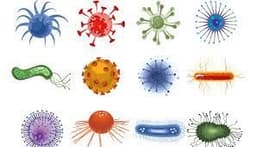
Which key biological term means 'any microorganism that causes disease'?
All species of bacteria are pathogens
Who was the first to recognise the importance of handwashing in hospitals?
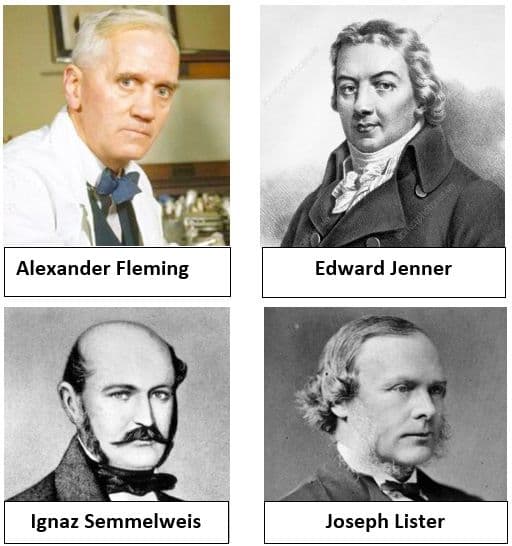
Who discovered the first antibiotic?
Who was the first to use antiseptics in surgery (to sterilise equipment etc)?
Who pioneered the medical use of vaccination (for smallpox), with an unethical experiment?
What is the maximum temperature that should be used when growing microorganisms in school laboratories?
Which of the following is NOT a communicable disease?
A communicable disease ...
A non-communicable disease ...
What is the correct term for a drug that KILLS bacteria?
What is the correct term for a chemical used to kill microorganisms in our environment (surroundings), but which cannot be used on or in the body?
What is the correct term for chemicals which are used to kill microorganisms, but are safe to use on the skin?
What is the correct term for a drug that treats the symptoms of a disease, but does not actually cure it (does not address the cause eg by killing pathogens?)
What is the name of the first antibiotic discovered (by Fleming)?
What is the name of the arteries which supply oxygenated blood to the capillaries of the heart (cardiac) muscle?
Microorganisms can be grown on gel culture medium. What is the name of the gel usually used to grow microorganisms in a Petri dish?
Culture medium usually contains a source of nitrogen. Why do microorganisms need a source of nitrogen in order to grow?

What is the correct term for the type of cell division that bacteria use to reproduce?
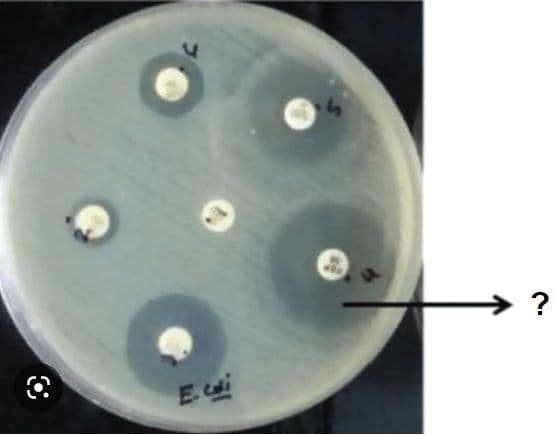
What term is used for the region on the agar gel where no bacteria grow?
How do bacteria cause disease?
How do viruses cause disease?
