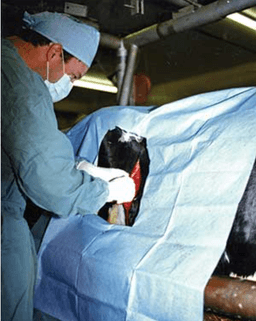
Basic Livestock Surgical Procedures - Cert Review
Quiz by Yvette Ingram
Feel free to use or edit a copy
includes Teacher and Student dashboards
Measure skillsfrom any curriculum
Tag the questions with any skills you have. Your dashboard will track each student's mastery of each skill.
- edit the questions
- save a copy for later
- start a class game
- automatically assign follow-up activities based on students’ scores
- assign as homework
- share a link with colleagues
- print as a bubble sheet
- Q1
According to the presentation, what could performing procedures on ill animals cause?
The risks associated with the procedure increase
The procedure will require additional sedation
The procedure will be harder to complete
There will be no effect on the animals
30s - Q2
Which procedure increases feed efficiency?
Dehorning
Teeth clipping
Castration
Lancing
30s - Q3
According to the presentation, tail docking is primarily performed on which animals?
Cattle and sheep
Sheep and goats
Cattle and swine
Sheep and swine
30s - Q4
According to the presentation, when should piglets’ teeth be clipped?
Between 48 and 72 hours after birth
Within 24 hours after birth
Teeth only need to be clipped if the piglets are fighting
Within the first week of life
30s - Q5
According to the presentation, what procedure uses hydrotherapy to help heal wounds?
Castrating
Tail docking
Dehorning
Lancing
30s - Q6
Which method of castration is the most reliable?
Banding
Surgical
Burdizzo
All are equally effective
30s - Q7
Which species can only be castrated surgically?
Goats
Cattle
Swine
Sheep
30s - Q8
After castrating an animal using a burdizzo, how long does it take for the testicles to shrivel?
Six to eight weeks
Two to three weeks
Four to six weeks
One to two weeks
30s - Q9
If used incorrectly, which tool could open the frontal sinus?

Spoon or tube dehorner
Caustic paste
Burdizzo
Cup or scoop dehorner
30s