Tag the questions with any skills you have. Your dashboard will track each student's mastery of each skill.
Give this quiz to my class
Q 1/36
Score 0
Symbiosis refers to -
30
the interactions between two organisms living in close physical association
the food chain in aquatic environments
a relationship where both organisms always benefit
a relationship where one organism is harmed, but one organism benefits
Q 2/36
Score 0
Parasitism refers to -
30
a relationship between two organisms where both benefit
a relationship where one organism benefits and the other is harmed
none of the above
a relationship where one organism benefits (food or shelter) but the other is neither harmed nor helped
36 questions
Q.
Symbiosis refers to -
1
30 sec
Q.
Parasitism refers to -
2
30 sec
Q.
Commensalism refers to -
3
30 sec
Q.
Mutualism refers to -
4
30 sec
Q.
Of the following examples, which would be considered to be parasitic?
5
30 sec
Q.
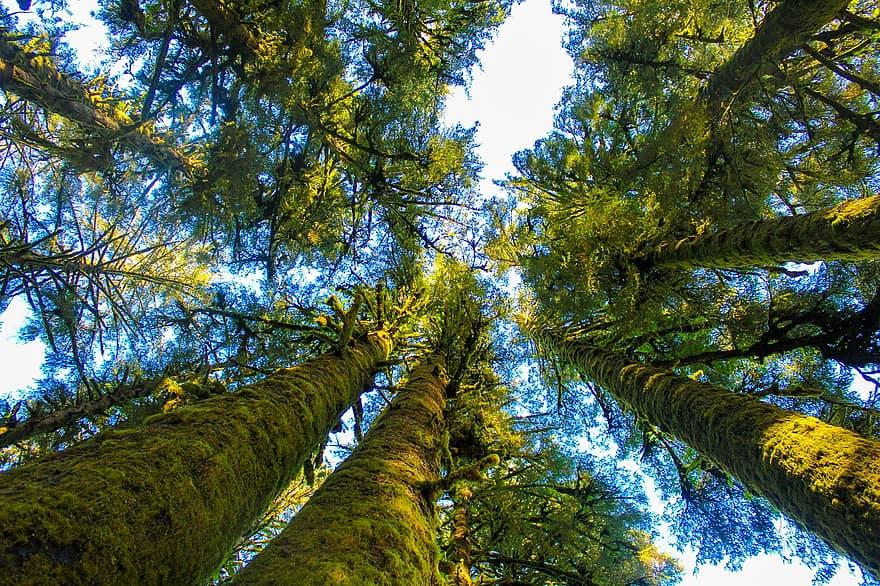
These trees are all growing upward, reaching for sunlight (a resource) in order to do photosynthesis. This refers to...
6
30 sec
Q.
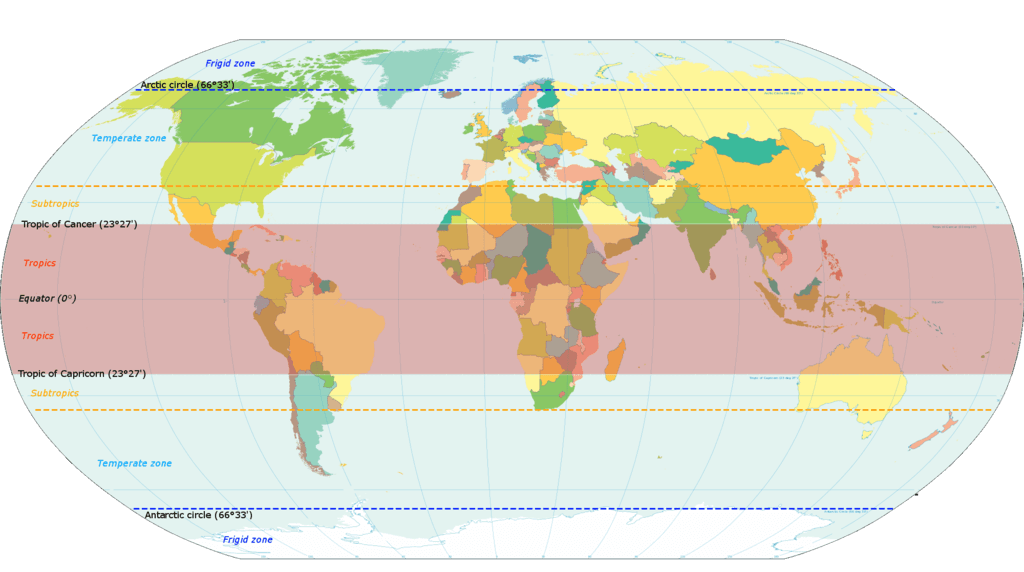
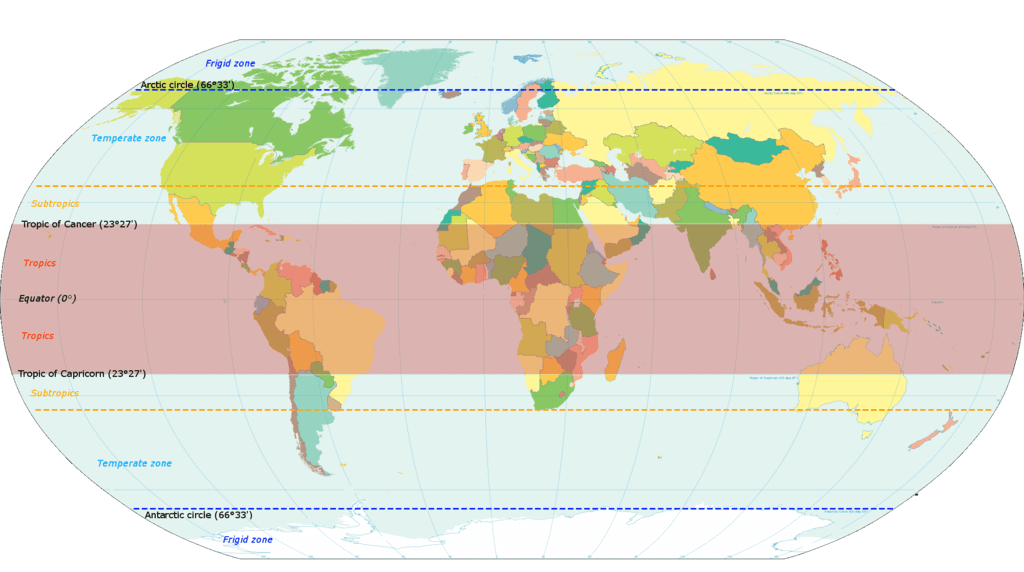
Areas of the earth which receive the most amount of direct sunlight year round and are close to the equator are...
7
30 sec
Q.
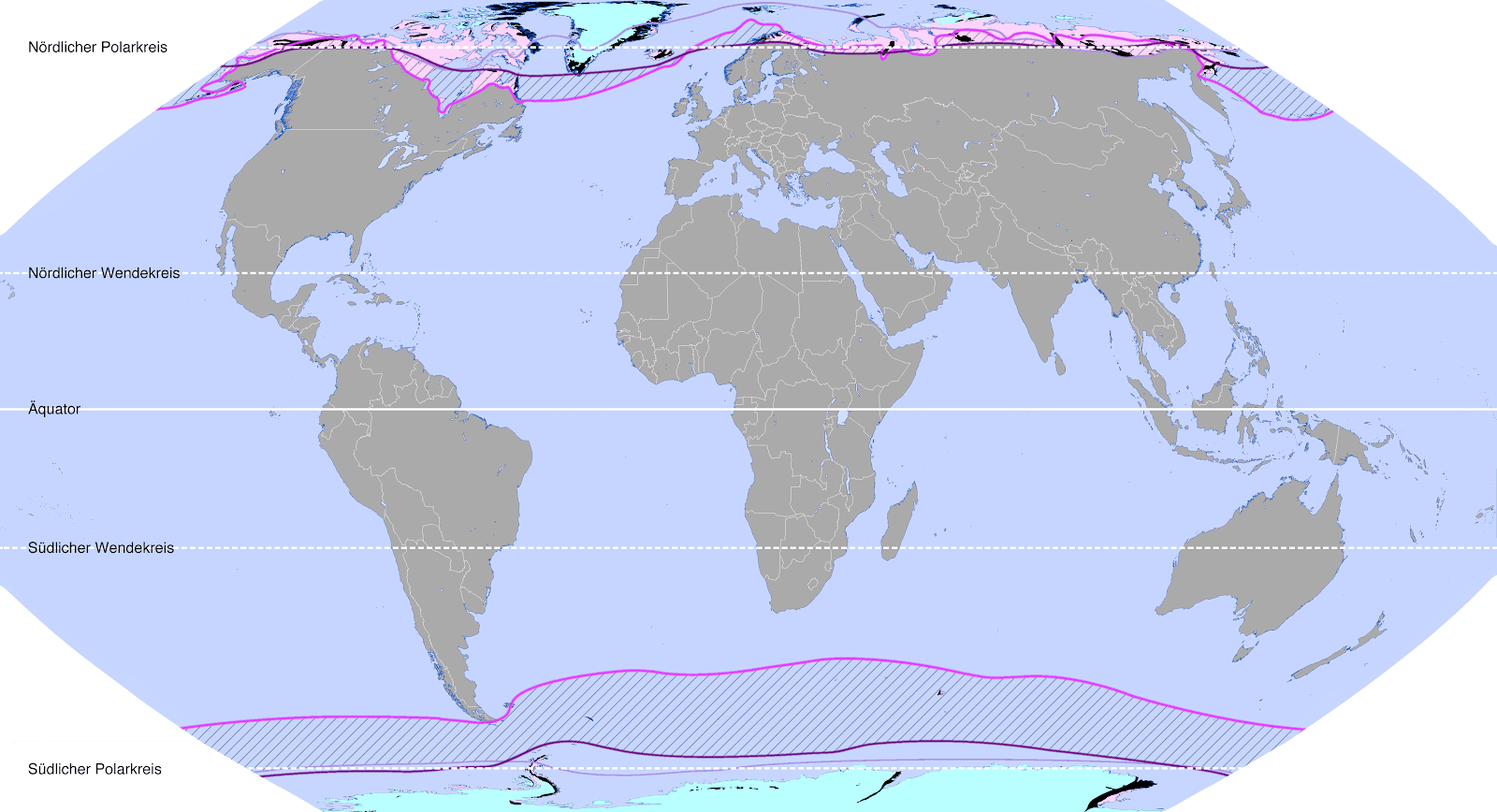
Areas of the earth which receive the least amount of direct sunlight year round and are farthest from the equator are...
8
30 sec
Q.
Areas of the earth which receive the moderate amounts of sunlight parts of the year, and have more variable changes in climate are...
9
30 sec
Q.
The range of physical and biological conditions in which a species or individual organism lives and the way the species obtains what it needs to survive and reproduce
10
30 sec
Q.
All of the following are examples of weather except...
11
30 sec
Q.
All of the following apply to climate except
12
30 sec
Q.
What effect do carbon dioxide and methane (greenhouse gases) have on Earth’s temperature?
13
30 sec
Q.
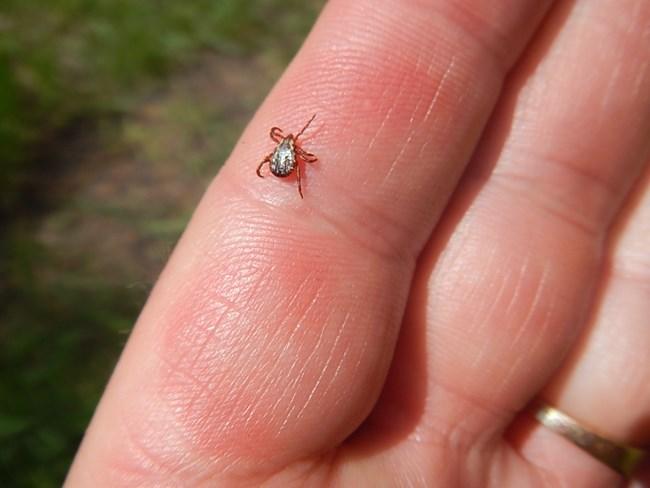
The image below represents one of the ecological relationships. In this example, the tick steals nutrients from the hosts blood and can pass on diseases to the host-one species benefits, the other is harmed.
14
30 sec
Q.
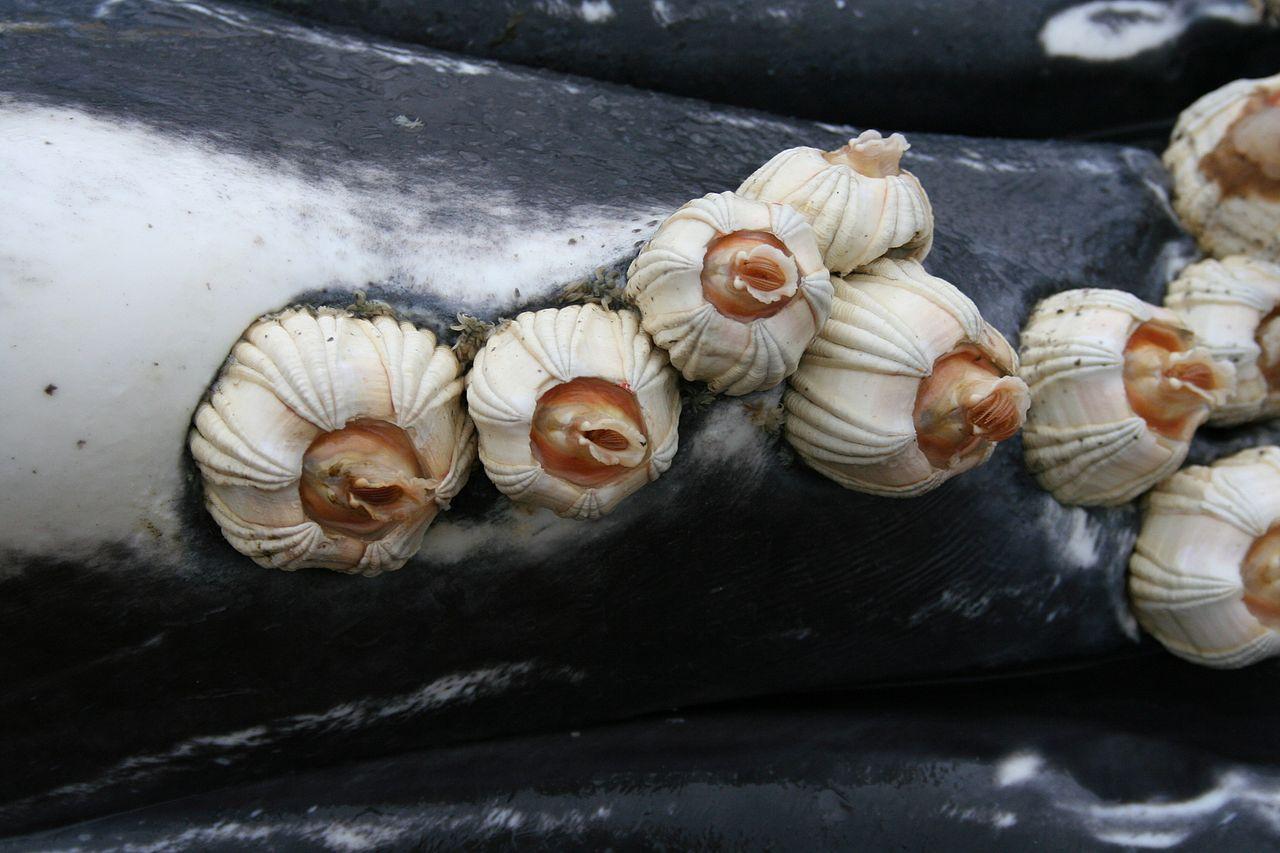
The image below represents one of the ecological relationships. In this example, the barnacles get transported for free and have access to food, they neither help nor harm the whale in the process, and the whale-one species benefits, the other is neither helped nor hurt.
15
30 sec
Q.
The image below represents one of the ecological relationships. In this example, the clownfish is protected from predators and hides in the anemone, while the clownfish can protect the anemone from predators in return-both species benefit.
16
30 sec
Q.
Competition between species is usually driven by...
17
30 sec
Q.
Interaction in which one animal (predator) captures and feeds on another animal (prey)
18
30 sec
Q.
Which type of ecological succession would occur in a brand new area or an area with no remains of the previous community?
19
30 sec
Q.
The species that first colonizes barren areas in primary succession are called
20
30 sec
Q.
This type of succession occurs after a natural disaster like a hurricane or forest fire.
21
30 sec
Q.
Which of the following is an abiotic factor in a biome?
22
30 sec
Q.
What is the best definition of a keystone species?
23
30 sec
Q.
What would happen if a keystone species was removed?
24
30 sec
Q.
One important abiotic factor in a marine ecosystem is the ---
25
30 sec
Q.
Ponds and rivers are two types of
26
30 sec
Q.
By what factors are biomes classified?
27
30 sec
Q.
What are the two types of aquatic biomes?
28
30 sec
Q.
One important abiotic factor in a marine ecosystem is the ---
29
30 sec
Q.
This is a biome where grasses predominate. In Africa, they are referred to as the Savanna.
30
30 sec
Q.
This biome receives the most annual rainfall and is located along the equator. The temperature is constantly warm.
31
30 sec
Q.
This biome contains mostly cone-bearing trees (evergreens) and is located south of the tundra. There are high amounts of precipitation and long winters.
32
30 sec
Q.
This biome receives only small amounts of rain per year - in fact, it is the driest of all biomes. Temperatures are very high during the day but may drop significantly at night. Only plants that can store water survive.
33
30 sec
Q.
One biome has a permanently frozen layer of soil under the surface called permafrost. Which biome would this be?
34
30 sec
Q.
Cacti would be commonly found in --- biome(s).
35
30 sec
Q.
This term refers to the way in which plants and animals cope with differences in climate in different biomes. It ensures they can survive where they live.