Loading...


Blood Circulation
Quiz by เสาวภา กิมิพันธ์
Customize this quiz to suit your class
Instantly translate to 100+ languages
Tag the questions with any skills you have. Your dashboard will track each student's mastery of each skill.
Give this quiz to my class
From the text which of the following is True.
Granulocytes are one of blood vessel types.
Every red blood cell must carry oxygen and get rid of carbon dioxide.
Red blood cells consist mainly of blood plasma.
A yellowish liquid component of blood that is freed from oxygen
From the picture: There are three types of ____.
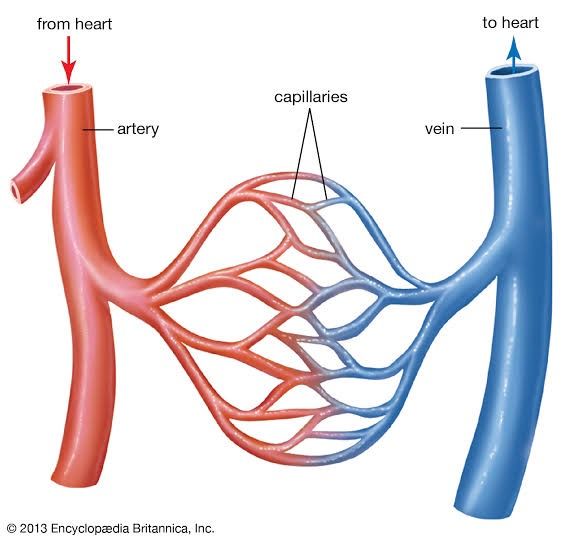
arteries
deoxygenated blood
veins
blood vessel
From the text which of the following is True.
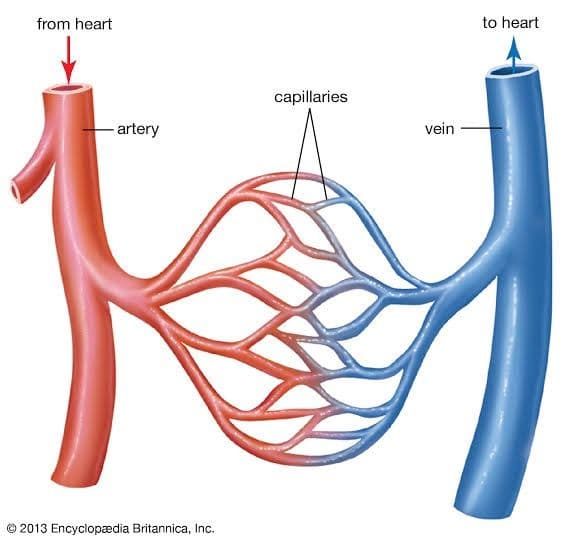
From the picture: There are three types of ____.
According to the extract, " Blood plasma makes up about 55% of the body's total blood volume" means__________.
According to the passage, Platelets are small, colorless cell fragments in our blood that form clots and stop or prevent bleeding. It can be concluded that_______
The word phagocytosis means ___.
 Blood circulation systemBlood Vessels and Blood CirculationMechanism of blood circulation 15 questionsMiddle school health, blood, functions of blood, blood circulation, circulatory system, vessels, arteries, heartThe circulatory system, blood components, the bloood vesels, heart blood circulation, heart beat pulse, blood groups56 1. Stroke is caused by the absence of blood in the brain. 2. Heart Attack means when the heart stops pumping due to constricted blood vessels. Nicotine affects the liver’s role in removing the fats from the blood which can caused the blood vessels to clog and eventually blocked. 3. Poor blood circulation- absorption of nicotine in the blood , makes the blood vessels to constrict, hence making it difficult for blood to pass through. 4. Uneasiness, irritability and laziness. BPersonal cleanliness means attending to your personal hygiene regularly, thus keeping your body free from bad odor and infectious diseases. In keeping your body clean, you have to use grooming aids discussed in previous module. Remember that to achieve a clean and healthy body you need to practice good grooming habits as well as good healthy habits. Your Body Regular care of the body is necessary for good health and pleasing appearance. As you grow, you should learn to be responsible to your self. You should never neglect your body. Your body is the temple of the Holy Spirit. That is why , if you take good care of your body, you are in effect taking care of the place where the Holy Spirit resides. You are the “masterpiece of God’s creation” which means to say that you are above all other creations of God. So, it is best to maintain your body clean and healthy. For your own good and in so doing, you are showing your reverence to God, our creator. “Rule of Thumb” to keep your body clean is to take a regular bath. Taking a bath is necessary to remove dust, germs, as well as dirt accumulated from your daily activities. It is invigorating for the act of cleansing stimulates blood circulation. It will give your skin a healthy pinkish glow. Something to read: Home Economics and Livelihood Education 7 Seibo College 31 There are three ways of taking a bath: 1. Full bath It includes washing, shampooing the hair, soaping the whole body and rinsing with clear water. It is a thorough cleansing of the body. 2. Shower A shower bath usually takes a shorter time than full bath. A wash clothe or sponge with thick lather is rub all over the body starting from the navel, then the thigh, joints, armpits, and the rest of the body. Then rinse your body in the shower and pat your body dry with clean towel 3. Sponge bath Use wash cloth or face towel with soap, soak in warm or cold water. Rub it briskly over the body. Rinse the cloth with clean water then use it to remove soap from the body. A sponge bath is usually given to a sick person.Yawn (v) to open your mouth wide and breathe in deeply because you are tired or bored. Ex: Alan stretched and yawned. Sneeze (v) air suddenly comes from your nose, making a noise. Ex: I’ve been sneezing all morning. Reflex (n) a movement of your body that happens naturally in response to something. Ex: The doctor tested her reflexes. Sharp (adj) a very thin edge or point that can cut things easily. Ex: Be careful with that sharp axe. Pull away (p.v) to move away from something. Ex: He tried to pull away before the car hit him. Coordination (n) the way in which your muscles move together. Ex: These dancers have poor coordination. Breathing (n) How the body takes in oxygen and expels carbon dioxide from our lungs. Ex: For most of us breathing is automatic. Movement (n) How we move from one place to another. Ex: She is alert to every movement. Digestion (n) How the body turns food into energy for us to use. Ex: His digestion is bad. Blood circulation (n) How blood carries materials such as oxygen and nutrients around our body. Ex: Exercise will improve blood circulation. Helmet (n) a strong hat that protects your head. Ex: Wear a helmet when you ride your bike. Attendant (n) Someone who looks after customers in public places. Ex: We met an attendant in the office. Evidence (n) facts or signs that show clearly that something exists or is true. Ex: The police found the evidence in the crime scene. Twirl (v) To turn around quickly. Ex: He made the ice twirl in his glass. Frilly (adj) Decorative material on a dress or skirt. Ex: She is wearing a frilly dress. Itch (v) Rub or scratch your skin with your nails. Ex: I itch all over my body. Tantrum (n) When a young child gets angry. Ex: He had a tantrum when his sister used his phone. Shriek (v) Short, loud cry or scream. Ex: She shrieked in fright. Balk (v) Protest (because you don’t want to do something.) Ex: Many people balk at this danger. Frustration (n) The feeling of being annoyed or upset because you can’t achieve something. Ex: Don't take your frustration out on me. Proclaim (v) To say something important. Ex: The president proclaimed a public holiday