Loading...


/c/ and /u/ Sound
Quiz by Valeria Villafuerte
Customize this quiz to suit your class
Instantly translate to 100+ languages
Tag the questions with any skills you have. Your dashboard will track each student's mastery of each skill.
Give this quiz to my class
My brother is wearing a ..?
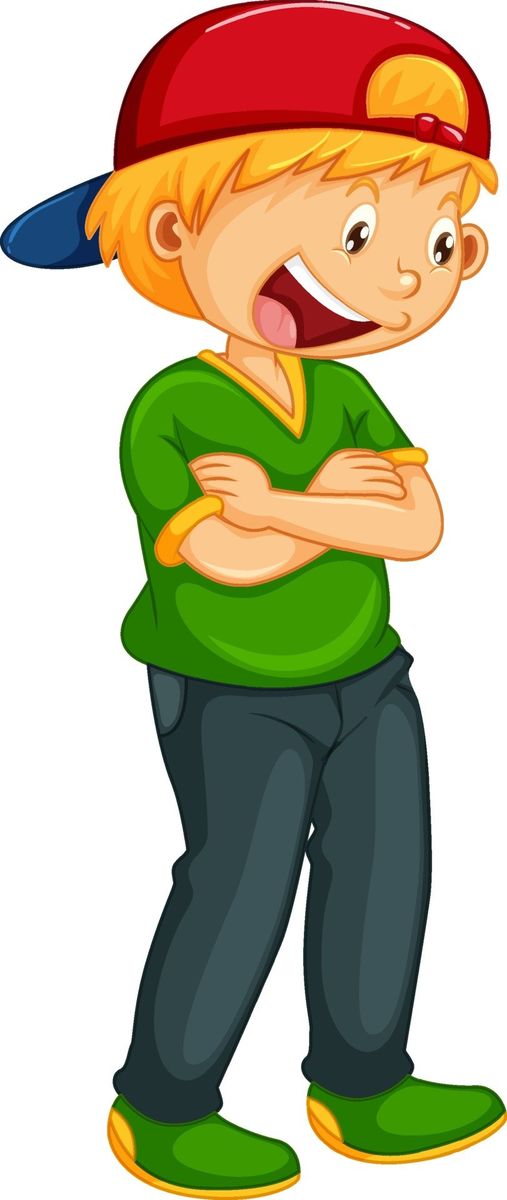

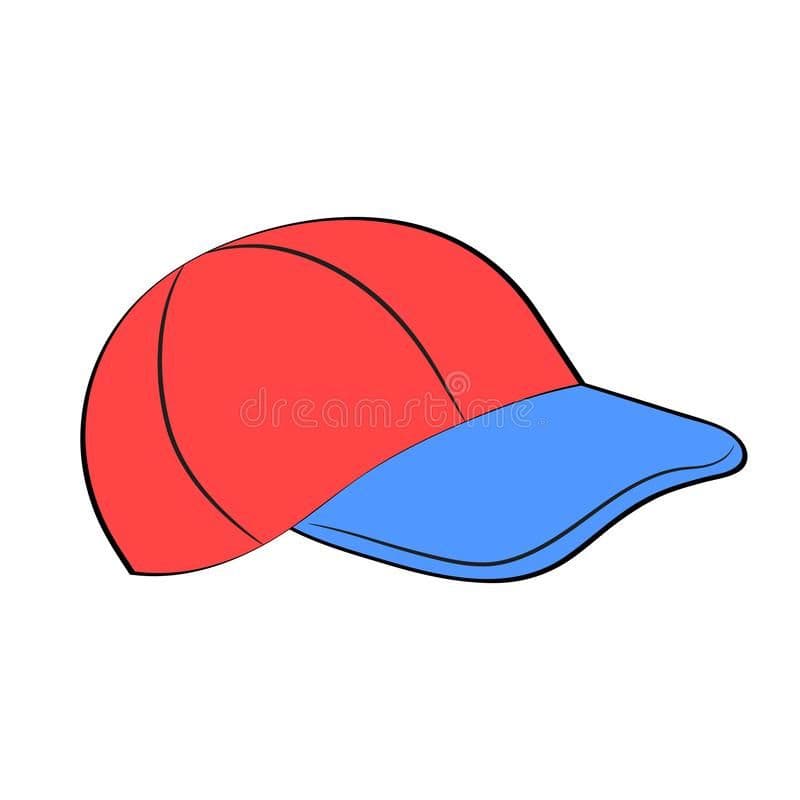

Select the "cat"


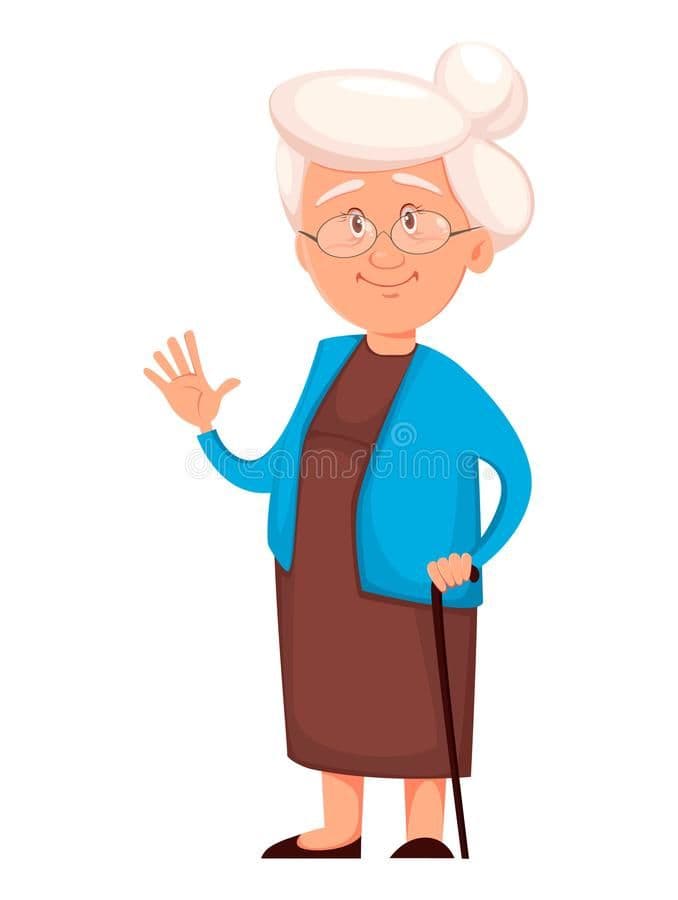
My brother is wearing a ..?
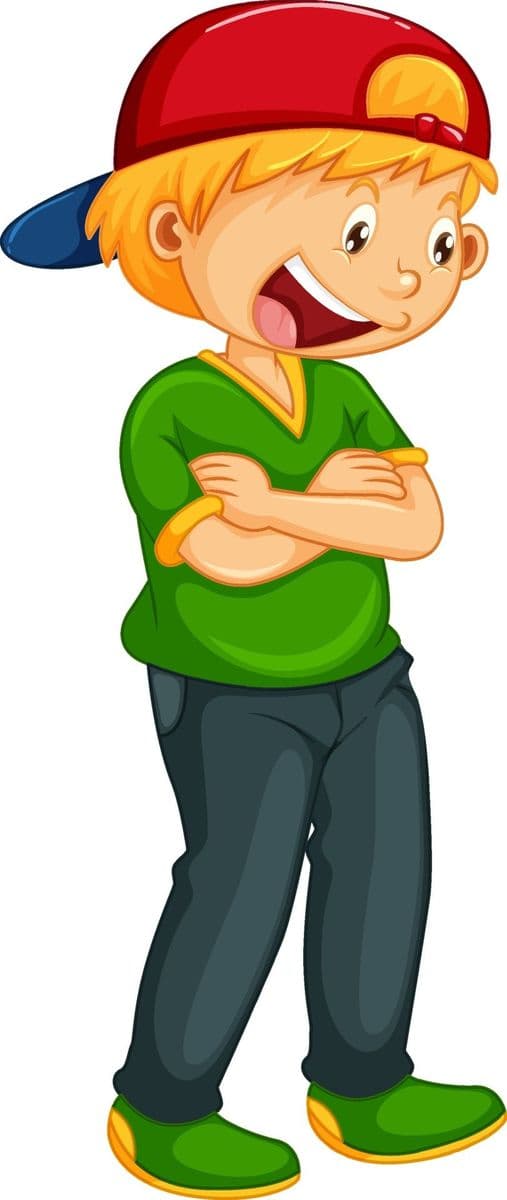
Select the "cat"
I like to play __ __ __ __ __ my bed.

When it is raining, I use a ..?
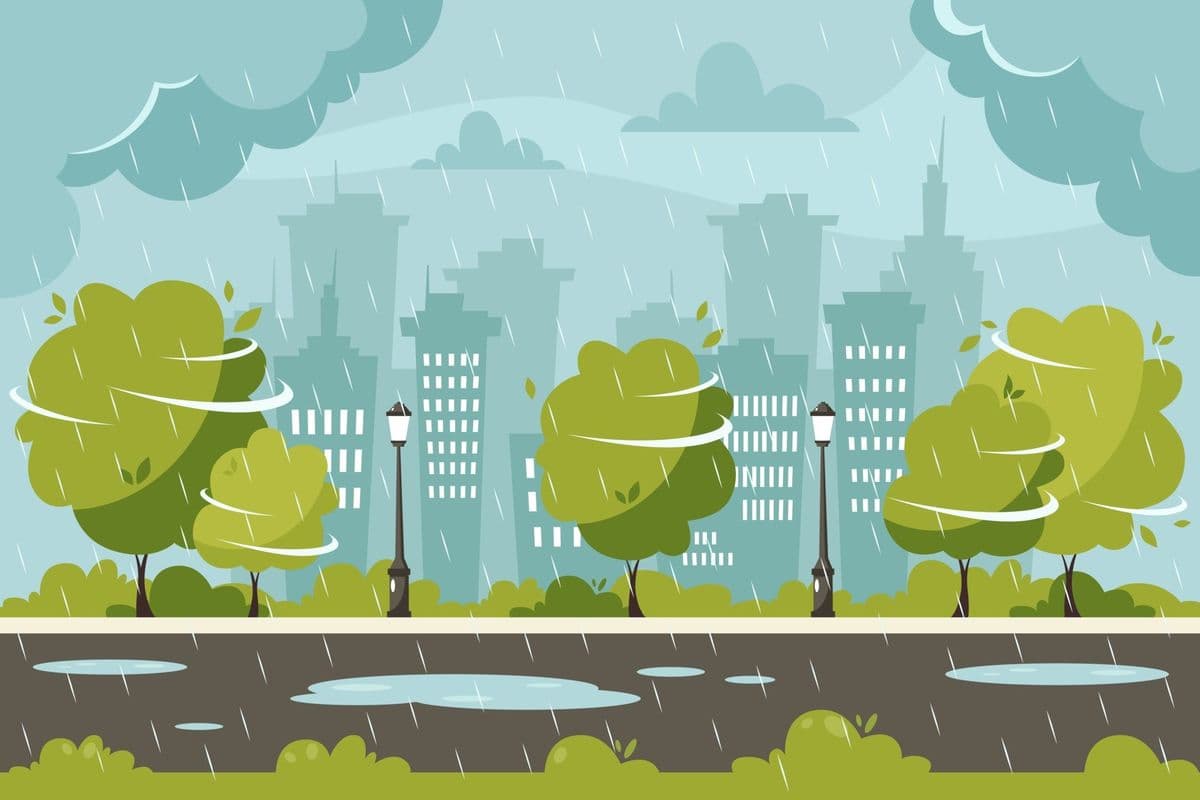
Clouds are __ __ in the sky.

Select the image that starts with /c/ sound:
I like to eat
 Hi, I'm John Green, this is Crash Course U.S. History, and today, we're going to talk about slavery, which is not funny. 0:06 Yeah, so we put a lei on the eagle to try and cheer you up, but let's face it, this is going to be depressing. 0:10 With slavery, every time you think, like, "Aw, it couldn't have been that bad," it turns out to have been much worse. 0:14 Mr. Green, Mr. Green! But what about – 0:15 Yeah, Me from the Past, I'm going to stop you right there, because you're going to embarrass yourself. Slavery was hugely important to America. 0:20 I mean, it led to a civil war and it also lasted what, at least in U.S. history, counts as a long-ass time, from 1619 to 1865. 0:29 And yes, I know there's a 1200-year-old church in your neighborhood in Denmark, but we're not talking about Denmark! 0:35 But slavery is most important because we still struggle with its legacy. 0:38 So, yes, today's episode will probably not be funny, but it will be important. 0:42 [Theme Music] North & South economic ties 0:51 So the slave-based economy in the South is sometimes characterized as having been separate from the Market Revolution, but that's not really the case. 0:57 Without southern cotton, the North wouldn't have been able to industrialize, at least not as quickly, because cotton textiles were one of the first industrially products. 1:04 And the most important commodity in world trade by the nineteenth century, and 3/4 of the world's cotton came from the American South. 1:11 And speaking of cotton, why has no one mentioned to me that my collar has been half popped this entire episode, like I'm trying to recreate the Flying Nun's hat. 1:18 And although there were increasingly fewer slaves in the North as northern states outlawed slavery, cotton shipments overseas made northern merchants rich. 1:26 Northern bankers financed the purchase of land for plantations. 1:29 Northern insurance companies insured slaves who were, after all, considered property, and very valuable property. 1:35 And in addition to turning cotton into cloth for sale overseas, northern manufacturers sold cloth back to the South, where it was used to clothe the very slaves who had cultivated it. 1:45 But certainly the most prominent effects of the slave-based economy were seen in the South. Slave-based agriculture in the South 1:49 The profitability of slaved-based agriculture, especially King Cotton, meant that the South would remain largely agricultural and rural. 1:56 Slave states were home to a few cities, like St. Louis and Baltimore, but with the exception of New Orleans, 2:00 almost all southern urbanization took place in the upper South, further away from the large cotton plantations. 2:06 And slave-based agriculture was so profitable that it siphoned money away from other economic endeavors. 2:11 Like, there was very little industry in the South. 2:13 It produced only 10% of the nation's manufactured goods. 2:16 And, as most of the capital was being plowed into the purchase of slaves, there was very little room for technological innovation, like, for instance, railroads. 2:23 This lack of industry and railroads would eventually make the South suck at the Civil War, thankfully. 2:27 In short, slavery dominated the South, shaping it both economically and culturally, and slavery wasn't a minor aspect of American society. Popular attitudes concerning slavery 2:35 By 1860, there were four million slaves in the U.S., and in the South, they made up one third of the total population. 2:42 Although in the popular imagination, most plantations were these sprawling affairs with hundreds of slaves, 2:47 in reality, the majority of slaveholders owned five or fewer slaves. 2:51 And, of course, most white people in the South owned no slaves at all, though, if they could afford to, they would sometimes rent slaves to help with their work. 2:57 These were the so-called yeoman farmers who lived self-sufficiently, raised their own food, and purchased very little in the Market Economy. 3:04 They worked the poorest land and, as a result, were mostly pretty poor themselves. 3:08 But even they largely supported slavery, partly, perhaps, for aspirational reasons, and partly because the racism inherent to the system gave even the poorest whites legal and social status. 3:18 And southern intellectuals worked hard to encourage these ideas of white solidarity and to make the case for slavery. 3:23 Many of the founders, a bunch of whom you'll remember, held slaves, saw slavery as a necessary evil. 3:29 Jefferson once wrote, quote, "As it is, we have the wolf by the ear, and we can neither hold him, nor safely let him go. 3:37 Justice is on one scale, and self-preservation in the other." 3:41 The belief that justice and self-preservation couldn't sit on the same side of the scale was really opposed to the American idea, 3:47 and, in the end, it would make the Civil War inevitable. 3:50 But as slavery became more entrenched in these ideas of liberty and political equality were embraced by more people, 3:55 some southerners began to make the case that slavery wasn't just a necessary evil. 3:59 They argued, for instance, that slaves benefited from slavery. 4:03 Because, you know, because their masters fed them and clothed them and took care of them in their old age. 4:07 You still hear this argument today, astonishingly. 4:09 In fact, you'll probably see asshats in the comments saying that in the comments. 4:12 I will remind you, it's not cursing if you are referring to an actual ass. 4:15 This paternalism allowed masters to see themselves as benevolent and to contrast their family-oriented slavery with the cold, mercenary Capitalism of the free-labor North. 4:26 So yeah, in the face of rising criticism of slavery, some southerners began to argue that the institution was actually good for the social order. 4:33 One of the best-known proponents of this view was John C. Calhoun, who, in 1837, said this in a speech on the Senate floor: 4:40 "I hold that, in the present state of civilization, 4:43 where two races of different origin and distinguished by color and other physical differences as well as intellectual, are brought together, 4:51 the relation now existing in the slave-holding states between the two is, instead of an evil, a good. A positive good." 4:59 Now, of course, John C. Calhoun was a fringe politician, and nobody took his views particularly seriously. 5:04 Stan: Well, he was Secretary of State from 1844 to 1845. 5:07 John: Well, I mean, who really cares about the Secretary of State, Stan? 5:10 Danica: Eh, he was also Secretary of War from 1817 to 1825. 5:13 John: All right, but we don't even have a Secretary of War anymore, so... 5:16 Meredith: And he was Vice President from 1825 to 1832. 5:19 John: Oh my god, were we insane?! 5:21 We were, of course, but we justified the insanity with Biblical passages and with the examples of the Greeks and Romans, 5:28 and with outright racism, arguing that black people were inherently inferior to whites. 5:33 And that not to keep them in slavery would upset the natural order of things. 5:37 A worldview popularized millennia ago by my nemesis, Aristotle. God, I hate Aristotle. 5:42 You know what defenders of Aristotle always say? 5:44 "He was the first person to identify dolphins." 5:47 Well, ok, dolphin identifier. 5:50 Yes, that is what he should be remembered for, but he's a terrible philosopher! Lives & experiences of enslaved people 5:53 Here's the truth about slavery: 5:55 It was coerced labor that relied upon intimidation and brutality and dehumanization. 6:00 And this wasn't just a cultural system, it was a legal one. 6:03 I mean, Louisiana law proclaimed that a slave "owes his master... a respect without bounds, and an absolute obedience." 6:09 The signal feature of slaves' lives was work. 6:12 I mean, conditions and tasks varied, but all slaves labored, usually from sunup to sundown, and almost always without any pay. 6:20 Most slaves worked in agriculture on plantations, and conditions were different, depending on which crops are grown. 6:25 Like, slaves on the rice plantations of South Carolina had terrible working conditions, 6:29 but they labored under the task system, which meant that once they had completed their allotted daily work, they would have time to do other things. 6:36 But lest you imagine this is like how we have work and leisure time, bear in mind that they were owned and treated as property. 6:42 On cotton plantations, most slaves worked in gangs, usually under the control of an overseer, or another slave who was called a "driver." 6:49 This was back-breaking work done in the southern sun and humidity, and so it's not surprising that whippings – or the threat of them – were often necessary to get slaves to work. 6:58 It's easy enough to talk about the brutality of slave discipline, but it can be difficult to internalize it. 7:03 Like, you look at these pictures, but because you've seen them over and over again, they don't have the power they once might have. 7:09 The pictures can tell a story about cruelty, but they don't necessarily communicate how arbitrary it all was. 7:14 As, for example, in this story, told by a woman who was a slave as a young girl: 7:18 "[The] overseer... went to my father one morning and said, "Bob, I'm gonna whip you this morning." 7:22 Daddy said, "I ain't done nothing," and he said, "I know it, I'm going to whip you to keep you from doing nothing," 7:28 and he hit him with that cowhide – you know it would cut the blood out of you with every lick if they hit you hard." 7:33 That brutality – the whippings, the brandings, the rape – was real, and it was intentional, because, in order for slavery to function, slaves had to be dehumanized. 7:43 This enabled slaveholders to rationalize what they were doing, and it was hoped to reduce slaves to the animal property that is implied by the term "chattel slavery." 7:51 So the idea was that slaveholders wouldn't think of their slaves as human, and slaves wouldn't think of themselves as human. 7:57 But it didn't work. Let's go to the Thought Bubble. 7:59 Slaves' resistance to their dehumanization took many forms, but the primary way was by forming families. Family, love, & religion of enslaved people 8:05 Family was a refuge for slaves and a source of dignity that masters recognized and sought to stifle. 8:10 A paternalistic slave owner named Bennet H. Barrow wrote in his rules for the Highland Plantation: 8:15 "No rule that I have stated is of more importance than that relating to Negroes marrying outside of the plantation... It creates a feeling of independence." 8:23 Most slaves did marry, usually for life, and, when possible, slaves grew up in two-parent households. 8:28 Single-parent households were common, though, as a result of one parent being sold. 8:32 In the upper South, where the economy was shifting from tobacco to different, less labor-intensive cash crops, the sale of slaves was common. 8:40 Perhaps one-third of slave marriages in states like Virginia were broken up by sale. 8:45 Religion was also an important part of life in slavery. 8:47 While masters wanted their slaves to learn the parts of the Bible that talked about being happy in bondage, 8:52 slave worship tended to focus on the stories of Exodus, where Moses brought the slaves out of bondage, 8:57 or Biblical heroes, who overcame great odds, like Daniel and David. 9:01 And, although most slaves were forbidden to learn to read and write, many did anyway. And some became preachers. 9:07 Slave preachers were often very charismatic leaders, and they roused the suspicion of slave owners, and not without reason. 9:13 Two of the most important slave uprisings in the South were led by preachers. 9:16 Thanks, Thought Bubble. 9:17 Oh, it's time for the Mystery Document? Mystery Document 9:19 We're doing two set pieces in a row? All right. [buzzing noise] [music] 9:24 The rules here are simple. 9:26 I wanted to re-shoot that, but Stan said no. 9:29 I guess the author of the Mystery Document. 9:30 If I am wrong, I get shocked with the shock pen. 9:33 "Since I have been in the Queen's dominions I have been well contented, yes well contented for sure, man is as God intended he should be. 9:40 That is, all are born free and equal. 9:43 This is a wholesome law, not like the southern laws which puts man made in the image of God on level with brutes. 9:49 O, what will become of the people, and where will they stand in the day of judgment. 9:53 Would that the 5th verse of the 3rd chapter of Malachi were written as with a bar of iron, 9:59 and the point of a diamond upon every oppressor's heart that they might repent of this evil, and let the oppressed go free..." 10:06 All right, it's definitely a preacher, because only preachers have read Malachi. 10:10 Probably African American, probably not someone from the South. 10:13 I'm going to guess that it is Richard Allen, the founder of the African Methodist Episcopal Church? 10:18 [buzzing noise] DAAAH, DANG IT! 10:19 It's Joseph Taper, and Stan just pointed out to me that I should have known it was Joseph Taper because it starts out, 10:24 "Since I have been in the Queen's dominions..." 10:27 He was in Canada. He escaped slavery to Canada. The Queen's dominions! 10:31 All right, Canadians, I blame you for this, although, thank you for abolishing slavery decades before we did. 10:36 [electric sounds] AHHH! How people resisted & escaped slavery 10:37 So, the Mystery Document shows one of the primary ways that slaves resisted their oppression: by running away. 10:42 Although some slaves like Joseph Taper escaped for good by running away to northern free states, 10:47 or even to Canada, where they wouldn't have to worry about fugitive slave laws, even more slaves ran away temporarily, hiding out in the woods or the swamps, and eventually returning. 10:55 No one knows exactly how many slaves escaped to freedom, but the best estimate is that a thousand or so a year made the journey northward. 11:01 Most fugitive slaves were young men, but the most famous runaway has been hanging out behind me all day long: Harriet Tubman. 11:07 Harriet Tubman escaped to Philadelphia at the age of 29, and over the course of her life, she made about 20 trips back to Maryland to help friends and relatives make the journey north on the Underground Railroad. 11:17 But a more dramatic form of resistance to slavery was actual, armed rebellion, which was attempted. 11:22 Now, individuals sometimes took matters into their own hands and beat or even killed their white overseers or masters. 11:27 Like Bob, the guy who received the arbitrary beating, responded to it by killing his overseer with a hoe. 11:33 But that said, large-scale slave uprisings were relatively rare. 11:36 The four most famous ones all took place in a 35-year period at the beginning of the 19th century. Slave rebellions 11:41 Gabriel's Rebellion in 1800 – which we've talked about before – was discovered before he was able to carry out his plot. 11:45 Then, in 1811, a group of slaves upriver from New Orleans seized cane, knives, and guns, and marched on the city before militia stopped them. 11:52 And in 1822, Denmark Vesey, a former slave who had purchased his freedom, may have organized a plot to destroy Charleston, South Carolina. 11:59 I say "may have" because the evidence against him is disputed and comes from a trial that was not fair. 12:05 But regardless, the end result of that trial was that he was executed, as were 34 slaves. Nat Turner's Rebellion 12:09 But the most successful slave rebellion, at least in the sense that they actually killed some people, was Nat Turner's in August 1831. 12:15 Turner was a preacher, and with a group of about 80 slaves, he marched from farm to farm in South Hampton County, Virginia, 12:21 killing the inhabitants, most of whom were women and children, because the men were attending a religious revival meeting in North Carolina. 12:27 Turner and 17 other rebels were captured and executed, but not before they struck terror into the hearts of whites all across the American South. 12:34 Virginia's response was to make slavery worse, passing even harsher laws that forbade slaves from preaching, and prohibited teaching them to read. 12:42 Other slave states followed Virginia's lead and, by the 1830s, slavery had grown, if anything, more harsh. 12:47 So, this shows that large-scaled armed resistance was – Django Unchained aside – not just suicidal, but also a threat to loved ones and, really, to all slaves. How enslaved people resisted their oppression & why it matters 12:55 But, it is hugely important to emphasize that slaves did resist their oppression. 12:59 Sometimes this meant taking up arms, but usually it meant more subtle forms of resistance, 13:03 like intentional work slowdowns or sabotaging equipment, or pretending not to understand instructions. 13:08 And, most importantly, in the face of systematic legal and cultural degradation, they re-affirmed their humanity through family and through faith. 13:16 Why is this so important? 13:17 Because too often in America, we still talk about slaves as if they failed to rise up, 13:21 when, in fact, rising up would not have made life better for them or for their families. 13:26 The truth is, sometimes carving out an identity as a human being in a social order that is constantly seeking to dehumanize you, is the most powerful form of resistance. 13:34 Refusing to become the chattel that their masters believed them to be is what made slavery untenable and the Civil War inevitable, so make no mistake, slaves fought back. 13:45 And in the end, they won. I'll see you next week. Credits 13:48 Crash Course is produced and directed by Stan Muller. 13:50 The script supervisor is Meredith Danko. 13:52 Our associate producer is Danica Johnson. 13:54 The show is written by my high school history teacher Raoul Meyer and myself. 13:57 And our graphics team is Thought Cafe. 13:58 Every week, there's a new caption to the Libertage, but today's episode was so sad that we couldn't fit a Libertage in... 14:04 UNTIL NOW! [Libertage Rock Music] 14:08 Suggest Libertage caption in comments, where you can also ask questions about today's video that will be answered by our team of historians. 14:13 Thanks for watching Crash Course, and as we say in my home town, don't forget to be abolitionist.The Civil Rights Movement in the United States was a pivotal period in history that aimed to secure equal rights and end segregation and discrimination against Black Americans. Let's explore some key aspects of this important movement: Which movement fought for equal rights for Black Americans? The Civil Rights Movement What was one of the main goals of the Civil Rights Movement? Ending racial segregation and discrimination Who was a prominent leader in the Civil Rights Movement known for his "I Have a Dream" speech? Martin Luther King Jr. Where did the famous bus boycott led by Rosa Parks take place? Montgomery, Alabama What event marked the beginning of the Civil Rights Movement? Rosa Parks' bus boycott Which organization was founded by Dr. Martin Luther King Jr. to fight against racial segregation and discrimination? SCLC (Southern Christian Leadership Conference) The Civil Rights Act of 1964 aimed to: End racial segregation What peaceful protest did Dr. Martin Luther King Jr. lead in Washington D.C.? March on Washington Which event led to the passage of the Voting Rights Act of 1965? Bloody Sunday in Selma Who was the first Black student to desegregate an all-white school in the South? Ruby Bridges What impact did the Civil Rights Act of 1964 have on U.S. society? Ended racial segregation in public places The Civil Rights Movement inspired other movements for equality, including the: Women's Rights Movement Which city was the location of a series of nonviolent protests led by Dr. King in 1963? Birmingham The Civil Rights Act of 1968 aimed to prevent: Discrimination in housing What was the purpose of the sit-in movement during the Civil Rights Movement? To protest against racial segregation Who inspired the Montgomery Bus Boycott by refusing to give up her seat to a white passenger? Rosa Parks What form of protest did students use during the Civil Rights Movement to challenge segregation at lunch counters? Sit-ins Which Supreme Court case declared state laws establishing separate public schools for Black and White students unconstitutional? Brown v. Board of Education In what state did the famous Selma to Montgomery March for voting rights take place in 1965? Alabama What strategy did Civil Rights activists use to draw attention to their cause, as exemplified by the Birmingham Campaign? Nonviolent direct actionGenerate all of these 25 questions Part A: Each correct answer is worth 5. 1. The regular pentagon shown has a side length of 2 cm. The perimeter of the pentagon is (A) 2 cm (B) 4 cm (C) 6 cm (D) 8 cm (E) 10 cm 2 cm 2. The faces of a cube are labelled with 1, 2, 3, 4, 5, and 6 dots. Three of the faces are shown. What is the total number of dots on the other three faces? (A) 6 (B) 8 (C) 10 (D) 12 (E) 15 3. The equation that best represents \a number increased by _ve equals 15" is (A) n 5 = 15 (B) n _ 5 = 15 (C) n + 5 = 15 (D) n + 15 = 5 (E) n _ 5 = 15 4. The line graph shows the number of bobbleheads sold at a store each year. The sale of bobbleheads increased the most between (A) 2016 and 2017 (B) 2017 and 2018 (C) 2018 and 2019 (D) 2019 and 2020 (E) 2020 and 2021 Number of 2016 2017 2018 2019 2020 Year Sale of Bobbleheads 2021 Bobbleheads 20 40 60 80 5. Starting at 72, Aryana counts down by 11s: 72; 61; 50; : : : . What is the last number greater than 0 that Aryana will count? (A) 4 (B) 5 (C) 6 (D) 7 (E) 8 6. In the diagram, \ABC = 90_. The value of x is (A) 68 (B) 23 (C) 56 (D) 28 (E) 26 Day of the Week 44° x° A B C x° 7. Which of the following values is closest to zero? (A) 1 (B) 5 4 (C) 12 (D) 4 5 (E) 0:9 Grade 8 8. A jar contains 267 quarters. One quarter is worth $0.25. How many quarters must be added to the jar so that the total value of the quarters is $100.00? (A) 33 (B) 53 (C) 103 (D) 133 (E) 153 9. A package of 8 greeting cards comes with 10 envelopes. Kirra has 7 cards but no envelopes. What is the smallest number of packages that Kirra needs to buy to have more envelopes than cards? (A) 3 (B) 4 (C) 5 (D) 6 (E) 7 10. For the points in the diagram, which statement is true? (A) e > c (B) b < d (C) f > b (D) a < e (E) a > c y x (e, f ) (a, b) (c, d ) Part B: Each correct answer is worth 6. 11. The 26 letters of the English alphabet are listed in an in_nite, repeating loop: ABCDEFGHIJKLMNOPQRSTUVWXY ZABC : : : What is the 258th letter in this sequence? (A) V (B) W (C) X (D) Y (E) Z 12. A public holiday is always celebrated on the third Wednesday of a certain month. In that month, the holiday cannot occur on which of the following days? (A) 16th (B) 22nd (C) 18th (D) 19th (E) 21st 13. A circular spinner is divided into three sections. An arrow is attached to the centre of the spinner. The arrow is spun once. The probability that the arrow stops on the largest section is 50%. The probability it stops on the next largest section is 1 in 3. The probability it stops on the smallest section is (A) 1 4 (B) 2 5 (C) 1 6 (D) 2 7 (E) 3 10 14. A positive number is divisible by both 3 and 4. The tens digit is greater than the ones digit. How many positive two-digit numbers have this property? (A) 4 (B) 5 (C) 6 (D) 7 (E) 8 15. A rectangular pool measures 20 m by 8 m. There is a 1 m wide walkway around the outside of the pool, as shown by the shaded region. The area of the walkway is (A) 56 m2 (B) 60 m2 (C) 29 m2 (D) 52 m2 (E) 50 m2 20 m 8 m 1 m Grade 8 16. The results of asking 50 students if they participate in music or sports are shown in the Venn diagram. What percentage of the 50 students do not participate in music and do not participate in sports? (A) 0% (B) 80% (C) 20% (D) 70% (E) 40% Music Sports 15 5 20 17. There are 2 3 as many golf balls in Bin F as in Bin G. If there are a total of 150 golf balls, how many fewer golf balls are in Bin F than in Bin G? (A) 15 (B) 30 (C) 50 (D) 60 (E) 90 18. In the sequence shown, Figure 1 is formed using 7 squares. Each _gure after Figure 1 has 5 more squares than the previous _gure. What _gure has 2022 squares? (A) Figure 400 (B) Figure 402 (C) Figure 404 (D) Figure 406 (E) Figure 408 Figure 1 Figure 2 Figure 3 19. Mateo's 300 km trip from Edmonton to Calgary passed through Red Deer. Mateo started in Edmonton at 7 a.m. and drove until stopping for a 40 minute break in Red Deer. Mateo arrived in Calgary at 11 a.m. Not including the break, what was his average speed for the trip? (A) 83 km/h (B) 94 km/h (C) 90 km/h (D) 95 km/h (E) 64 km/h 20. Equilateral triangle ABC has sides of length 4. The midpoint of BC is D, and the midpoint of AD is E. The value of EC2 is (A) 7 (B) 6 (C) 6:25 (D) 8 (E) 10 Part C: Each correct answer is worth 8. 21. The positive factors of 6 are 1, 2, 3, and 6. There are two perfect squares less than 100 that have exactly _ve positive factors. What is the sum of these two perfect squares? (A) 177 (B) 80 (C) 145 (D) 52 (E) 97 22. In the list p; q; r; s; t; u; v, each letter represents a positive integer. The sum of the values of each group of three consecutive letters in the list is 35. If q + u = 15, then p + q + r + s + t + u + v is (A) 85 (B) 70 (C) 80 (D) 90 (E) 75 Grade 8 23. The net shown is folded to form a cube. An ant walks from face to face on the cube, visiting each face exactly once. For example, ABCFED and ABCEFD are two possible orders of faces the ant visits. If the ant starts at A, how many possible orders are there? (A) 24 (B) 48 (C) 32 (D) 30 (E) 40 A D B C E F 24. The number 385 is an example of a three-digit number for which one of the digits is the sum of the other two digits. How many numbers between 100 and 999 have this property? (A) 144 (B) 126 (C) 108 (D) 234 (E) 64 25. Student A, Student B, and Student C have been hired to help scientists develop a new avour of juice. There are 4200 samples to test. Each sample either contains blueberry or does not. Each student is asked to taste each sample and report whether or not they think it contains blueberry. Student A reports correctly on exactly 90% of the samples containing blueberry and reports correctly on exactly 88% of the samples that do not contain blueberry. The results for all three students are shown below. Student A Student B Student C Percentage correct on samples 90% 98% (2m)% containing blueberry Percentage correct on samples 88% 86% (4m)% not containing blueberry Student B reports 315 more samples as containing blueberry than Student A. For some positive integers m, the total number of samples that the three students report as containing blueberry is equal to a multiple of 5 between 8000 and 9000. The sum of all such values of m is (A) 45 (B) 36 (C) 24 (D) 27 (E) 29Powers granted to the national government by the United States Constitution which are spelled out (written) specifically in the Constitution are called ___________ powers. Denied Concurrent Federal Enumerated This was the first plan of government for the United States. It was meant to be a league of friendship between the states. It was too weak and failed. Magna Carta Mayflower Compact Petition of Right Articles of Confederation What gave Congress the power to regulate both foreign and interstate trade? Commerce Clause Kansas-Nebaska Act Supremacy Clause Santa Clause What is the structure of the national government? a) Unitary b) Federal c) Confederal d) Autocratic What is the relationship between the three branches of government, including separation of powers? a) They have no relationship b) They work independently of each other c) They share powers and work together d) They have overlapping powers 16. What is the relationship between the state governments and national government? a) State governments have more power than the national government b) State governments have no power compared to the national government c) State governments and the national government have equal power d) State governments and the national government have separate powers 17. What powers are denied by the state governments but given to the national government? a) Reserved powers b) Concurrent powers c) Denied powers d) Implied powers 18. What powers are shared by both the state governments and national government? a) Reserved powers b) Enumerated powers c) Concurrent powers d) Implied powers 19. States had no government at all when the United States was born. a) True b) False 20. The central government of the U.S. is known as the federal government. a) True b) FalseElement Definition Example from Text Theme Main message or lesson Be yourself; self-acceptance Tone Author’s attitude toward the subject Encouraging, humorous Diction Word choice Weird, perfect, brave Denotation Literal meaning of a word Weird = unusual Connotation Emotional meaning of a word Weird = negative or unique Allusion Reference to another literary or cultural work Harry Potter, The Last Battle Genre Type of writing Letter Writer Author Letter writer to her teen self Title Name of the text Just Be Yourself Dear Teen Me, Psst! Hey! You in the corner of the library with your nose stuck in a book. Yes, you. Don’t recognize me without that awful perm, do you? (Remind me again why you thought that was a good idea?) Anyway, I hope you don’t mind if I sit with you for a minute, but we need to talk. Don’t worry about the “no talking in the library” rule. I’m sure we’ll be fine. Librarians aren’t as bad as they seem. Judging from the hair and braces I’d have to guess you’re in your junior year. Yes? Thought so. I’d forgotten how many lonely lunch hours you spent in the school library. You have some friends in the cafeteria that you could sit with, but you don’t feel like you really fit in, do you? That’s why you joined every school club you could. I just counted and you’re in eighteen, not to mention the numerous after-school activities you’re involved in. I mean honestly, you joined the ROTC.1 You don’t even like ROTC! And I won’t even bother bringing up that time you tried ballet. I’m still having nightmares about the fifth position! Let me ask you, how’s it all working out? Not very well, am I right? By spending so much time trying to find yourself, you’re slowly losing yourself. We don’t all have one single rock-star talent, and honestly, I think those of us who don’t are the lucky ones. Life isn’t about finding the one thing you’re good at and never doing anything else; it’s about exploring yourself and finding out who you really are on your own terms and in your own way. You don’t have to exhaust yourself to do that. Oh, don’t be so down in the dumps about it. You’ll eventually find something you’re good at, I promise. It’s a long, winding road to get there, but you’ll find it. Being able to spend all day doing what you love (or one of the things that you love) is the most amazing feeling in the world. And no, I won’t tell you what it is, so don’t even ask me. Just remember to always be yourself, because there’s nobody else who can do it for you. I think E. E. Cummings put it best when he said, “It takes courage to grow up and become who you really are.” Looks like the bell is about to ring so I’ll leave you to your book. What are you reading, anyway? Oh, The Last Battle by C. S. Lewis. I should have guessed. You should give those Harry Potter books a try. I saw you roll your eyes! I know they seem like just another fad, but trust me, they’re better than you think. They’ve got a real future! finding out who you really are on your own terms and in your own way. You don’t have to exhaust yourself to do that. Oh, don’t be so down in the dumps about it. You’ll eventually find something you’re good at, I promise. It’s a long, winding road to get there, but you’ll find it. Being able to spend all day doing what you love (or one of the things that you love) is the most amazing feeling in the world. And no, I won’t tell you what it is, so don’t even ask me. Just remember to always be yourself, because there’s nobody else who can do it for you. I think E. E. Cummings put it best when he said, “It takes courage to grow up and become who you really are.” Looks like the bell is about to ring so I’ll leave you to your book. What are you reading, anyway? Oh, The Last Battle by C. S. Lewis. I should have guessed. You should give those Harry Potter books a try. I saw you roll your eyes! I know they seem like just another fad, but trust me, they’re better than you think. They’ve got a real future! i need you to tell me how can i start this text and i need you to add these essential questions: What are some milestones on the path to gr owing up?, What makes an experience memorable? What makes it life changing? and then Denotation, Connotation, Allusions, Diction, Tone, Genre, Writer, Title, Theme in a table and i need u to add definitions for each one and extract examples from the textWe use a with singular nouns when the next word starts with a consonant: b We use an with singular nouns when the next word starts with a vowel: (a, e, i, o, u) c We use the with singular and plural nouns when we know which thing (book, apple, etc.) we mean: d We use a/an when we talk about something for the first time. We use the when we talk about it again: e We use no article with plural nouns when we talk about something in general, Create a quiz to assess A1 learners Weathering describes the breaking down or dissolving of rocks and minerals on the surface of the Earth. Water, ice, acids, salts, plants, animals, and changes in temperature are all agents of weathering. Once a rock has been broken down, a process called erosion transports the bits of rock and mineral away. No rock on Earth is hard enough to resist the forces of weathering and erosion. Together, these processes carved landmarks such as the Grand Canyon, in the U.S. state of Arizona. This massive canyon is 446 kilometers (277 miles) long, as much as 29 kilometers (18 miles) wide, and 1,600 meters (1 mile) deep. Weathering and erosion constantly change the rocky landscape of Earth. Weathering wears away exposed surfaces over time. The length of exposure often contributes to how vulnerable a rock is to weathering. Rocks, such as lavas, that are quickly buried beneath other rocks are less vulnerable to weathering and erosion than rocks that are exposed to agents such as wind and water, As it smoothes rough, sharp rock surfaces, weathering is often the first step in the production of soils. Tiny bits of weathered minerals mix with plants, animal remains, fungi, bacteria, and other organisms. A single type of weathered rock often produces infertile soil, while weathered materials from a collection of rocks is richer in mineral diversity and contributes to more fertile soil. Soils types associated with a mixture of weathered rock include glacial till, loess, and alluvial sediments. Weathering is often divided into the processes of mechanical weathering and chemical weathering. Biological weathering, in whichliving or once-living organisms contribute to weathering, can be a part of both processes. Mechanical Weathering Mechanical weathering, also called physical weathering and disaggregation, causes rocks to crumble. Water, in either liquid or solid form, is often a key agent of mechanical weathering. For instance, liquid water can seep into cracks and crevices in rock. If temperatures drop low enough, the water will freeze. When water freezes, it expands. The ice then works as a wedge. It slowly widens the cracks and splits the rock. When ice melts, liquid water performs the act of erosion by carrying away the tiny rock fragments lost in the split. This specific process (the freeze-thaw cycle) is called frost weathering or cryofracturing. Figure 4.3 Frost Wedging Temperature changes can also contribute to mechanical weathering in a process called thermal stress. Changes in temperature cause rock to expand (with heat) and contract (with cold). As this happens over and over again. the structure of the rock weakens. Over time, it crumbles. Rocky desert landscapes are particularly vulnerable to thermal stress. The outer layer of desert rocks undergo repeated stress as the temperature changes from day Eventually, Lo outer night. layersflake off in thin sheets, a process called exfoliation. Exfoliation contributes to the formation of bornhardts, one of the most dramatic features in landscapes formed by weathering and erosion. Bornhardts are tall, domed, isolated rocks often found areas. in tropical Sugarloaf Mountain, an iconic landmark in Rio de Janeiro, Brazil, is bornhardt. a Salt also works to weather rock in a process called haloclasty. Saltwater sometimes gets into the cracks and pores of rock. If the saltwater evaporates, salt crystals are left behind. As the crystals grow, they put pressure on the rock, slowly breaking it apart. Plants and animals can be agents of mechanical weathering. The seed of a tree may sprout in soil that has collected in a cracked rock. As the roots grow, they widen the cracks, eventually breaking the rock into pieces. Over time, trees can break apart even large rocks. Even small plants, such as mosses, can enlarge tiny cracks as they grow. Animals that tunnel underground, such as moles and prairie dogs, also work to break apart rock and soil. Other animals dig and trample rock aboveground, causing rock to slowly crumble. Chemical Weathering Chemical weathering changes the molecular structure of rocks and soil.For instance, carbon dioxide from the air or soil sometimes combines with water in a process called carbonation. This produces a weak acid, called carbonic acid, that can dissolve rock. Carbonic acid is especially effective at dissolving limestone. When carbonic acid seeps through limestone underground, it can open up huge cracks or hollow out vast networks of caves. Carlsbad Caverns National Park, in the U.S. state of New Mexico, includes more than 119 limestone caves created by weathering and erosion. The largest is called the Big Room.. With an area of about 33,210 square meters (357,469 square feet), the Big Room is the size of six football fields. Another type of chemical weathering works on rocks that contain iron. These rocks turn to rust in a process called oxidation. Rust is a compound created by the interaction of oxygen and iron in the presence of water. As rust expands, it weakens rock and helps break it apart. Another familiar form of chemical weathering is hydrolysis. In the process of hydrolysis, a new solution (a mixture of two or more substances) is formed as chemicals in rock interact with water. In many rocks, for example, sodium minerals interact with water to form a saltwater solution. Hydration and hydrolysis contribute to flared slopes, another dramatic example of a landscape formed by weathering and erosion. Flared slopes are sometimes nicknamed "wave rocks." Their c-shape is largely concave rock formations a result of subsurface weathering, in which hydration and hydrolysis wear away rocks beneath the landscape's surfaceWeathering and People Weathering is a natural process, but human activities can speed it up. For example, certain kinds of air pollution increase the rate of weathering Burning coal, natural and petroleum releases chemicals such as nitrogen oxide and gas, sulfur dioxide into the atmosphere. When these chemicals combine with sunlight and moisture, they change into acids. They then fall back to Earth as acid rain. Acid rain rapidly weathers limestone, marble, and other kinds of stone. The effects of acid rain can often be seen on gravestones, making names and other inscriptions impossible to read. Acid rain has also damaged many historic buildings and monuments. For example, at 71 meters (233 feet) tall, the Leshan Giant Buddha at Mount Emei, China is the world's largest statue of the Buddha. It was carved 1,300 years ago and sat unharmed for centuries. An innovative drainage system mitigates the natural process of erosion But in recent years, acid rain has turned the statue's nose black and made some of its hair crumble and fall.What term refers to the belief in the application of Charles Darwin's theory of natural selection to human society, particularly as it relates to competition and success? A) Muckraker B) Square Deal C) Social Darwinism D) Suffrage Which term describes journalists and writers who exposed and criticized social issues and corruption in the late 19th and early 20th centuries? A) Yellow Journalism B) Sherman AntiTrust Act C) Big Stick Policy D) Muckraker Theodore Roosevelt's domestic policy aimed at balancing the interests of business, consumers, and labor. What is it called? A) Open Door Policy B) Square Deal C) Social Darwinism D) Muckraker Which term represents the idea of equal voting rights, particularly for women, during the Progressive Era? A) Dollar Diplomacy B) Suffrage C) Corollary D) Roosevelt This legislation, passed in 1890, was designed to curb the power of large corporations and promote fair competition: A) Sherman AntiTrust Act B) Square Deal C) The Panama Canal D) Yellow Journalism What was the foreign policy approach that Theodore Roosevelt used to assert U.S. influence in the Western Hemisphere, emphasizing the use of military force if necessary? A) Big Stick Policy B) Open Door Policy C) Social Darwinism D) Muckraker Which policy aimed to ensure that all nations had equal trading access to China's markets in the late 19th and early 20th centuries? A) Dollar Diplomacy B) Big Stick Policy C) Open Door Policy D) Corollary This sensational and often exaggerated style of journalism, particularly associated with newspapers like the New York Journal and the New York World, helped fuel public sentiment leading to the Spanish-American War. What is it called? A) Roosevelt B) The Panama Canal C) Yellow Journalism D) Square Deal Which U.S. president played a significant role in the construction of the Panama Canal? A) Corollary B) Roosevelt C) Sherman AntiTrust Act D) Dollar Diplomacy