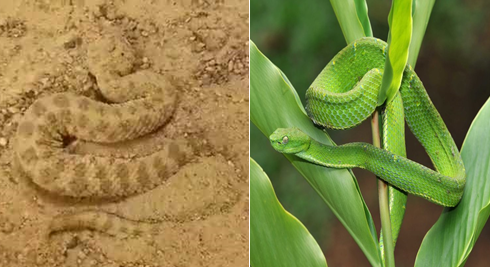
explain variation within a population or species by comparing external features, behaviors, or physiology of organisms that enhance their survival such as migration, hibernation, or storage of food in a bulb
identify some changes in genetic traits that have occurred over several generations through natural selection and selective breeding such as the Galapagos Medium Ground Finch (Geospiza fortis) or domestic animals
investigate and explain how internal structures of organisms have adaptations that allow specific functions such as gills in fish, hollow bones in birds, or xylem in plants
illustrate the transformation of energy within an organism such as the transfer from chemical energy to heat and thermal energy in digestion
demonstrate and illustrate forces that affect motion in everyday life such as emergence of seedlings, turgor pressure, and geotropism
diagram the flow of energy through living systems, including food chains, food webs, and energy pyramids
observe and describe how different environments, including microhabitats in schoolyards and biomes, support different varieties of organisms
describe how biodiversity contributes to the sustainability of an ecosystem
observe, record, and describe the role of ecological succession such as in a microhabitat of a garden with weeds
investigate how organisms respond to external stimuli found in the environment such as phototropism and fight or flight
describe and relate responses in organisms that may result from internal stimuli such as wilting in plants and fever or vomiting in animals that allow them to maintain balance
recognize levels of organization in plants and animals, including cells, tissues, organs, organ systems, and organisms
recognize that according to cell theory all organisms are composed of cells and cells carry on similar functions such as extracting energy from food to sustain life
compare the results of uniform or diverse offspring from sexual reproduction or asexual reproduction
differentiate between structure and function in plant and animal cell organelles, including cell membrane, cell wall, nucleus, cytoplasm, mitochondrion, chloroplast, and vacuole
Track each student's skills and progress in your Mastery dashboards