Loading...

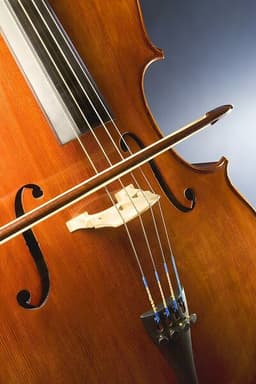
Cello class
Quiz by Joanna
Customize this quiz to suit your class
Instantly translate to 100+ languages
Tag the questions with any skills you have. Your dashboard will track each student's mastery of each skill.
Give this quiz to my class
How do we hold the cello?
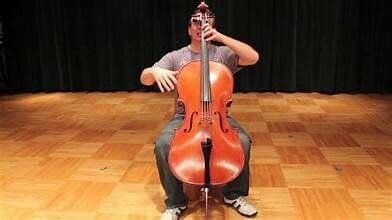
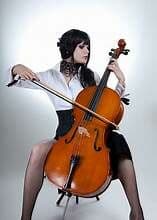

How our legs should be during the cello holding?
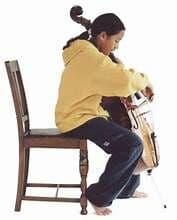
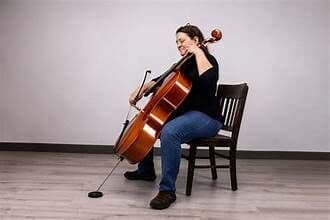

How do we hold the cello?
How our legs should be during the cello holding?
How is our back during cello playing?
How should the left hand be placed?
How do we hold the bow?
How should the thumb be placed on the bow?
Where should the bow be placed?
How do we play pizzicato?
How is our left hand in 4th position?
How do we make an extension?
 Nutrition Notes Nutrition- study of how your body uses food Process by which body uses nutrients How you look and feel Resist diseases and illness How you perform physically and mentally Nutrients: substances in food your body needs to grow, repair and supply energy to your body cells 6 Classes of Nutrients 1.Carbohydrates: 1 gram= 4 calories 2. Protein: 1 gram- 4 calories 3. Fats: 1 gram= 9 calories 4.Water 5. Vitamins 6. Minerals Calorie: measurement of energy in food Metabolism: Rate at which body burns energy(calories) Hunger: physical drive to eat Appetite: pshycological desire for food What influences your food choices: Foods you like Health Reasons Family and Culture Time & Money Advertising Emotions Friends Social Media: Modeling Nutrients Carbohydrates: your body’s main source of energy sugars/starches in food 45%-65% of diet #1 source of energy Simple: sugars converted to glucose= energy (fruits, dairy, honey, some manufactured foods) Complex: sugars linked together (starches) (grains, bread, pasta, beans, vegetables) Fiber: tough, indigestible carbohydrates Cleans our digestive system Prevents some types of cancer Prevents heart disease (fruits, vegetables, whole grains,nuts) 2. Protein: growth and repair of body tissues Made up of chemicals called “amino acids” Basic building material of all body cells (muscles, bones, skin, internal organs) Secondary source of energy protein(hemoglobin) attaches to oxygen in blood Functions as hormones regulating body functions 10-15% of diet *Body uses 20 Amino Acids found in food ( body produces 11 and 9 must come from diet) Essential amino acids: 9 amino acids body doesn't produce Complete Amino Acids: foods that contain all 9 essential amino acids ( animal products) Incomplete Amino Acids: food products that do not contain all 9 essential amino acids. Fats 15-25% of diet Secondary source of energy Blood clotting Controlling inflammation Maintains healthy skin/hair absorb /transport fat soluble vitamins Regulates body temperature Types of Fat Unsaturated: “good” fat Liquid at room temperature Can help fight heart disease (veg oil, nuts) Saturated: “bad” fat Solid at room temp Clogs arteries Causes strokes, heart attack, diabetes (animal products, meat, dairy) Cholesterol: waxy like fat substance found in meat products HDL: good type of cholesterol Body creates(liver) Creates cell wall, hormones, and vit D LDL: bad cholesterol- found in foods (clogs arteries) 4. Trans Fat: “one of the worst type of fats” Formed by a process called “hydrogenation”: adding Hydrogen molecules to unsaturated fats to make it more solid and resistant to chemical change. Vitamins A vitamin is a chemical compound that is needed in small amounts for the human body to work correctly. Vitamins are classified as either fat soluble (vitamins A, D, E and K) or water soluble (vitamins B and C). This difference between the two groups is very important. It determines how each vitamin acts within the body. The fat soluble vitamins are soluble in lipids (fats). Fat soluble vitamins can be stored in our body Water soluble vitamins must be taken every day Human body produces some amounts of Vitamin D & KPRACTICE TEST CLASS IX :cellFossils Cells and organelle function Tectonic plate boundaries Taxonomic classification Heat transfer Rock layers (younger rocks being on top with the exception of intrusions) Phylogenetic trees Food webs and ecosystems Biodiversity Invasive species Symbiotic relationshipsClassroom Expectations and Policies Assessment 1. What should students bring to class every day? a. Only a positive attitude b. Charged Chromebook, writing utensil, and positive attitude c. Just their books d. Snacks and drinks 2. What is the consequence for bullying in the classroom? a. A warning b. A violation card c. Extra homework d. A meeting with the principal 3. If a student breaks a personal item, what must they do? a. Ignore it b. Apologize c. Buy a new one for the teacher d. Ask for forgiveness 4. How should students handle using the futon during class? a. Sit on it every day b. Use it without asking c. Ask first and only use it during work time d. Sit on it during lectures 5. Where will all assignments be posted? a. On the classroom wall b. On Canvas c. Only verbally d. In a textbook 6. What happens if an assignment is submitted late? a. It will be graded normally b. It will not be accepted c. It will drop a letter grade each day it is late d. It will be given extra credit 7. After how many days of lateness will a student receive only half credit for an assignment? a. 1 day b. 2 days c. 3 days d. 4 days 8. What is the policy for retaking tests? a. No retakes allowed b. Students must schedule the retake themselves c. Retakes are given automatically d. Only the teacher can decide on retakes 9. What constitutes cheating in this classroom? a. Asking for help b. Claiming credit for someone else's work c. Working with a partner d. Participating in study groups 10. What is the penalty for cheating? a. A warning b. A failing grade on the assignment and notification of parents c. Extra assignments d. A detention 11. How will grades be determined? a. By participation only b. By points, with tests and quizzes weighted more than classwork c. By effort d. By attendance 12. Where can students use their cell phones? a. In class anytime b. In the commons and hallways during passing time and lunch c. In the restroom d. In the cafeteria only 13. What happens if a student uses their phone during class? a. They will receive a warning b. The phone will be confiscated immediately c. They can keep it if they ask d. They will lose points on their grade 14. What should a student do if they know they will be absent? a. Ignore it and hope for the best b. Come to the teacher at least three days before c. Ask a friend for notes d. Just show up later 15. If a student is sick and cannot do work, what should they focus on? a. Completing all missed assignments b. Getting better c. Emailing the teacher every hour d. Asking for extra credit 16. What is the policy on bringing food or drinks to class? a. It's not allowed at all b. It’s allowed as long as it’s not a distraction c. Only water is allowed d. Students must share their food 17. How should students contact the teacher with questions? a. Only during class time b. Through social media c. By email or in person d. By sending a friend 18. What happens if a student emails after 9 PM? a. The teacher will respond immediately b. The teacher will respond the next day at 7:45 AM c. The email will be ignored d. The teacher will call the student 19. How do violations accumulate for cell phone use? a. They reset every trimester b. They accumulate throughout the school year c. They reset every week d. They do not count 20. What should students do if they have concerns while the teacher is on maternity leave? a. Contact the principal b. Contact the substitute teacher for assistance c. Wait until the teacher returns d. Handle it on their own Answer Key (Always review AI generated answers for accuracy - Math is more likely to be inaccurate) b. Charged Chromebook, writing utensil, and positive attitude b. A violation card c. Buy a new one for the teacher c. Ask first and only use it during work time b. On Canvas c. It will drop a letter grade each day it is late c. 3 days b. Students must schedule the retake themselves b. Claiming credit for someone else's work b. A failing grade on the assignment and notification of parents b. By points, with tests and quizzes weighted more than classwork b. In the commons and hallways during passing time and lunch b. The phone will be confiscated immediately b. Come to the teacher at least three days before b. Getting better b. It’s allowed as long as it’s not a distraction c. By email or in person b. The teacher will respond the next day at 7:45 AM b. They accumulate throughout the school year b. Contact the substitute teacher for assistance 1) Which of the following is NOT one of the classifications indicating the source of a drug? A) Genetically engineered B) Chemically altered C) Natural D) Synthetic 2) Acetylsalicylic acid, also known as aspirin, is derived from a(n) source. A) animal B) mineral C) synthetic 3) Which of the following is derived from an animal source? A) Thyroid hormone B) Vincristine C) Digoxin D) Codeine 1) 2) 3) 4) What mineral is used to treat arthritis? A) Zinc C) Ferrous sulfate B) Sodium chloride D) Gold 4) 5) A naturally occurring substance that has been chemically altered is considered a drug. 5) A) genetically engineered B) aemi-synthetic C) synthesized D) hazardous 6) A drug that is produced in a laboratory in imitations of a naturally occurring compound is called: 6) A) Genetically engineered. B) Synthesized. C) Semi-synthetic. D) Bioenhanced. 7) Which of the following is an example of a synthetic drug? A) Sodium chloride B) Digoxin C) Barbiturates D) Insulin 7) 8) To create a genetically engineered drug, manufactures use DNA, combining two different 8) strands of DNA to produce a new strand. A) recombined B) reconciled D) recombinant 9) Genetically engineered drugs include rDNA and , hybrid cells created in the laboratory 9) from animals and used to treat tumors and diagnose various conditions. A) recombinant antibodies B) oumoclnnal antibodies C) mononucleotides D) semi-synthetic penicillins 10) Characterisfics of a drug's chemical name include the following EXCEPT: A) Chosen according to IUPAC guidelines. B) Long, complicated, hard to remember and pronounce. C) Proprietary name that only the manufacturer is allowed to use. D) Used primarily in chemistry and pharmacy research.Generate a quiz with 30 exercises encompassing multiple choice answers, cloze, true/false items on the topic "cell structure and tissue organization" for a sixth grade class.Life Processes Identify and define the seven life processes (MRS GREN). Classification Group living organisms based on observed similarities and differences. Classify vertebrates into taxonomic groups based on visible physical characteristics. Construct a dichotomous key to classify vertebrates. Cells Compare the structure of generalised plant and animal cells, and selected microbes (e.g. bacteria, fungi and Amoeba) Distinguish among cell wall, cell membrane, nucleus, cytoplasm, temporary and permanent vacuoles, mitochondrion, chloroplast, endoplasmic reticulum and ribosomes. Relate the structure of organelles to their functions; Identify specialised cells such as blood cells, ciliated epithelial cells, nerve cells, root hair cells, sperm cells and egg cells. Explain the importance of cell specialisation in multicellular organisms; include hierarchy of cells, tissues, organs; organ systems and then organism Diffusion, Osmosis, Active transport and Osmoregulation Explain the processes of diffusion, osmosis and active transport. Identify everyday instances of these processes occurring. Discuss the importance of diffusion, osmosis and active transport in living systems. Nutrition in Plants Describe the process of photosynthesis in green plants; test for end products, starch or reducing sugar (glucose). Relate the structure of the leaf of a flowering plant to its function in photosynthesis; draw and label the external features and the internal structure (cross section) of a leaf as seen in cross section under the light microscope. Nutrition in Humans Discuss the importance of a balanced diet in humans. State components of a balanced diet (carbohydrates, fats, proteins, vitamins and minerals, water and roughage and their roles) along with the results of their deficiency or surplus. Suggest dietary recommendations for treating and preventing named deficiency and physiological diseases (such as those outlined in the manual and your notes). Perform tests to distinguish among food substances - Test for proteins (Biuret), fats (grease spot), starch (iodine), reducing sugars (Benedict’s solution). The Digestive System in Humans Relate the structures of the human alimentary canal to their functions; Draw and label simple diagrams of the alimentary canal and internal structure of a tooth required. Describe mastication and the role of teeth in the mechanical breakdown of food to be included. (Compare types of teeth in humans and compare types of teeth in herbivores and carnivores.) Explain the role and importance of enzymes role of digestive enzymes in the mouth, stomach and pancreatic enzymes in the small intestine. Discuss properties of enzymes. Deduce from tables and graphs the effects of temperature and pH on enzyme activity. Experimental Skills Follow all drawing rules as outlined in the drawing skills checklist posted in the classroom (including calculation of magnification).Place the following in order from most broad to most specific. kingdom, phylum, class, order, family, genus, species 1 30 sec Q.Sort the correct characteristics into the correct Kingdoms. This is a sorting question 2 30 sec Q.Largest group in taxonomy kingdom 3 30 sec Q.A wolf's scientific name is Canis lupus. What is it's genus? Canis lupus taxonomy wolf 4 30 sec Q.What kingdom of organisms live in wet places, are single celled and have nuclei? Protista Animalia Plantae Fungi 5 30 sec Q.What type of fungi is this? (The tree is dead) saprophytic parasitic symbiotic kingdom 6 30 sec Q.How does this protist move? with a flagella with pseudopods with cell membrane with cilia 7 30 sec Q.How does this protist move? with cilia with pseudopods with nuclei with flagella 8 30 sec Q.Match the correct term to the description. This is a linking question 9 30 sec Q.How does this protist move? with pseudopods with cilia with flagella with nuclei 10 30 sec Q.How does this protist eat? with chloroplasts with pseudopods with cilia with cell membrane 11 30 sec Q.What is the name of this protist? paramecium 12 30 sec Q.What is the name of this protist? amoeba 13 30 sec Q.What is the name of this protist? euglena 14 30 sec Q.What type of fungi feed on other organisms and harm the hosts? parasitic symbiotic saprophytic pseudopods 15 30 sec Q.Match the following terms. This is a linking question 16 30 sec Q.Mycellium are a mass of hyphae. True False 17 30 sec Q.What are the long fibrous strands that allow the fungi to collect food and water called? hyphae fruiting body spores mycellium 18 30 sec Q.When a plant or fungi grows toward light we call that response_______. phototropism 19 30 sec Q.Gravitropism refers to how plants respond to gravity light touch temperature 20 30 sec Q.Fungi can reproduce with spores and hyphae spores only asexually only sexually only 21 30 sec Q.The variable the scientist changes independent 22 30 sec Q.Sort the correct descriptions into the correct boxes. This is a sorting question 23 30 sec Back to top