

Cells to Systems
Quiz by Formby, James
Feel free to use or edit a copy
includes Teacher and Student dashboards
Measure skillsfrom any curriculum
Measure skills
from any curriculum
Tag the questions with any skills you have. Your dashboard will track each student's mastery of each skill.
With a free account, teachers can
- edit the questions
- save a copy for later
- start a class game
- automatically assign follow-up activities based on students’ scores
- assign as homework
- share a link with colleagues
- print as a bubble sheet
- Q 1/10Score 0What level of organization does this leaf represent?29tissueorganorgan systemcell



10 questions
Show answers
- Q1What level of organization does this leaf represent?tissueorganorgan systemcell30s
- Q2What cell organelle is the power plant ? It converts sugar into energy.endoplasmic reticulum (ER)nucleusmitochondrialysosome30s
- Q3The chloroplast is responsible for this life process.protein productionit burns sugar and produces CO2moving nutrients throughout the cellconverting sunlight and CO2 into sugar30s
- Q4Both animal and plant cells contain mitochondria, but why do animal cells have more mitochondria than plants?They're bigger than plants so they need moreAnimals produce more waste so they need moreThey need more energy for movementThe cell walls in plants require more energy to maintain30s
- Q5Why do plants have larger vacuoles than animals?They need more vacuoles to produce proteinsThe vacuoles are necessary for photosynthesis to occur.They need more vacuoles to remove all the waste they produce.Animals can move to find food, but a plant has to stay in one spot and prepare for a cloudy day.30s
- Q6What part of a school building would best represent the cell membrane ?The classroom wall and doorThe cafeteriaThe principals officeThe teacher and student desk30s
- Q7Which correctly demonstrates the levels of organization in the body from smallest to largest?cells, organs , tissues, organ systems, organismcells, tissue, organ, organ system, organismtissues, organ systems, organism, organsorganism, organ systems, organs, tissues, cells30s
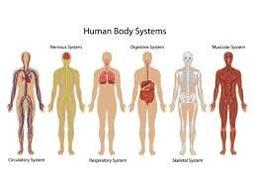
- Q8The skeletal system works with the nervous system byThe skeletal system produce red blood cells that fight infectionsThe skeletal system provides nutrients to the brainThe skull and vertebrae protect the brain and spinal chordThe bones remove waste from the nervous system30s
- Q9Which 2 systems work together to deliver oxygen to the cells in the body?the nervous and digestive systemsThe respiratory and circulatory systemsThe respiratory and the excretory systemsThe respiratory and the immune systems30s
- Q10What 2 systems working together best describe the reaction aboveThe digestive system and the respiratory systemThe nervous system and the muscular systemThe circulatory system and the respiratory systemThe nervous system and the excretory system30s


