Loading...


Challenge 7 -Wolfi in England
Quiz by Alejandra Perez
Customize this quiz to suit your class
Instantly translate to 100+ languages
Tag the questions with any skills you have. Your dashboard will track each student's mastery of each skill.
Give this quiz to my class
Read, look and match.
Read, look and match.
Read, look and match.
Read, look and match.
Write the correct option. Use these words ~ My - Your - My - His - Her ~
You have blue eyes. _____ eyes are blue.

Write the correct option. Use these words ~ My - Your - My - His - Her ~
I have brown eyes. _____ eyes are brown.

Write the correct option. Use these words ~ My - Your - My - His - Her ~
Maria is my sister. _____ hair is black.

Write the correct option. Use these words ~ My - Your - My - His - Her ~
Pedro is my brother. _____ hair is brown.

Write the correct option. Use these words ~ My - Your - My - His - Her ~
I have long hair. _____ hair is long.

Look and choose.
What can she do?

Look and choose.
What can she do?
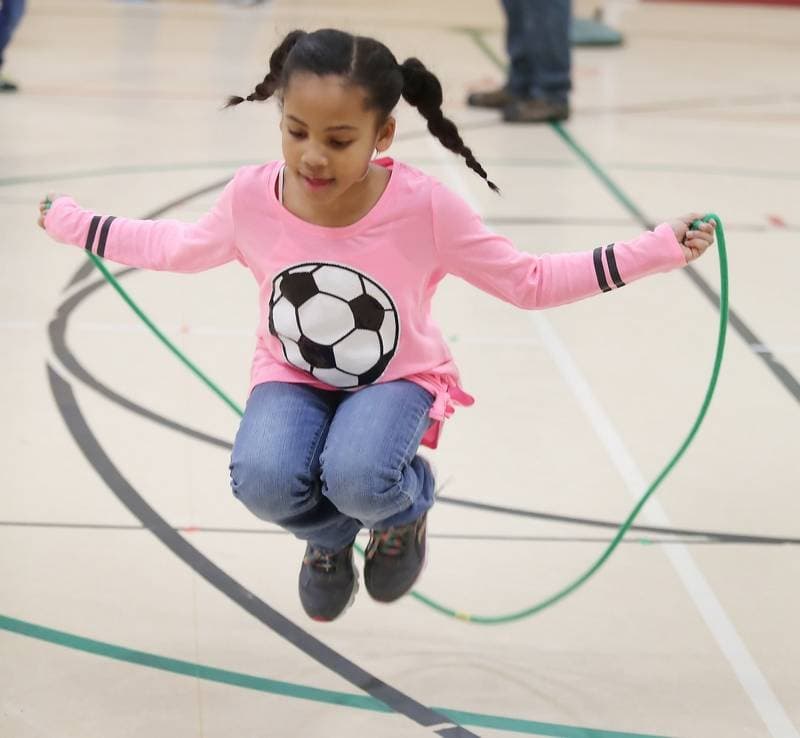
Look and choose .
What can he do?

Look and choose.
What can he do?

Look and choose.
What can your mother do?

Read and choose YES or NO.
Sculptures
Some artists make scultures. They make people and animals. Look at the picture. The man is big. His leg is big. His nose is small.
Some artists make sculptures.

Read and choose YES or NO.
Sculptures
Some artists make scultures. They make people and animals. Look at the picture. The man is big. His leg is big. His nose is small.
The man is small.

Read and choose YES or NO.
Sculptures
Some artists make scultures. They make people and animals. Look at the picture. His leg is big. The man is big. His nose is small.
His leg is big.

Read and choose YES or NO.
Sculptures
Some artists make scultures. They make people and animals. Look at the picture. His leg is big. The man is big. His nose is small.
His nose is small.

Listen and choose.
Listen and choose.
Listen and choose.
 Alright, Isti — here’s a longer and more detailed English version of the Isaac Newton text, still written at a level that’s accessible for Grade 4 students, but rich enough in information to meet PISA literacy expectations and EF A2-level vocabulary. I’ve kept sentences short, clear, and with explanations for new concepts so it’s easier for young learners to follow, while still including both famous facts and lesser-known stories. ⸻ Isaac Newton: The Man Who Changed the Way We See the World A Boy from a Small Village Isaac Newton was born on January 4, 1643, in Woolsthorpe, a small village in England. His life was not easy. His father died before he was born. When he was just a few months old, his mother remarried and left him to live with his grandmother. Isaac missed his parents, but he kept himself busy by making things and exploring the world around him. As a child, Isaac liked to build models and machines. He made a small windmill that could turn with the wind. He built a water clock that told the time by dripping water into a container. He even made a sundial — a clock that tells the time by using the shadow of the sun. 💡 Did you know? The sundial marks that Isaac carved as a boy can still be seen today on the wall of his old house. ⸻ School and Curiosity When Newton first went to school, he was not the top student. At first, he did not pay much attention in class. But one day, another boy teased him for not being smart. Newton decided to study hard to prove him wrong. Soon, he became the best in his class. Isaac loved asking questions. He wanted to know how and why things happened. He enjoyed watching the stars at night and thinking about how the world worked. ⸻ The Falling Apple and Gravity One of the most famous stories about Newton is the falling apple. One afternoon, Isaac sat in his mother’s garden and saw an apple drop from a tree. This made him think: “Why does the apple fall straight down? Why doesn’t it fly up into the sky?” From this question, Newton began to think about gravity — an invisible force that pulls objects toward each other. Gravity is what keeps our feet on the ground. It’s also what keeps the Moon moving around the Earth and the planets moving around the Sun. 💡 Fun fact: The apple did not hit Newton’s head. That’s just a story people made up later to make the tale more exciting. ⸻ Newton’s Three Laws of Motion Newton studied movement and wrote three important rules: 1. Objects stay still or keep moving unless something makes them change. • Example: A ball will not roll unless you push it. 2. The bigger the push, the bigger the movement. • Example: If you kick a ball harder, it will go faster and farther. 3. Every action has an equal and opposite reaction. • Example: When you jump off a boat, the boat moves backward as you move forward. These three laws are still used today to understand how cars, rockets, and even roller coasters work. ⸻ Discoveries in Light and Color Newton also studied light. He found that white light is not just one color — it is made of many colors. He used a glass prism to split sunlight into a rainbow. This helped scientists understand how colors work. ⸻ Inventions and New Ideas Newton made a special telescope that used mirrors instead of lenses. This type of telescope made images of planets and stars much clearer. It is still called the Newtonian telescope today. He also worked in mathematics and helped create a new type of math called calculus, which is used to study changes and movement. ⸻ Strange Experiments Newton was so curious that he sometimes tested ideas on himself. Once, he put a thin needle, called a bodkin, beside his eye to see how it would change his vision. It was very dangerous, but luckily he did not go blind. 💡 Did you know? Newton also studied alchemy — an old kind of science where people tried to turn metal into gold. He never succeeded, but it showed how wide his interests were. ⸻ Later Life and Work At the age of 27, Newton became a professor at Cambridge University. He later worked for the Royal Mint, making sure coins were made safely and stopping people from making fake money. He was very strict, and some criminals were sent to prison because of his work. Newton never married. He spent most of his life reading, writing, and doing experiments. ⸻ The End of His Life Isaac Newton died in 1727 at the age of 84. He was buried in Westminster Abbey, a famous place in London where great people of Britain are honored. His work changed the world forever. Even today, scientists, engineers, and students still use Newton’s laws and ideas. 💬 Newton once said: “If I have seen further, it is by standing on the shoulders of giants.” This means we can make new discoveries by learning from the work of others who came before us. give 10 questions to each passage with PISA literacy standard for kid 10 years, 1. Nikola Tesla: The Man Who Dreamed of Lightning Born: July 10, 1856 Died: January 7, 1943 When Nikola Tesla was a boy in Croatia, he saw a flash of lightning and asked his mother, “Can we catch the light?” That question never left him. As he grew older, Tesla became a brilliant inventor, especially fascinated by electricity. He believed in a future where energy could be sent wirelessly through the air—like music through the radio! Tesla invented the alternating current (AC) system, which became the foundation of modern electricity. At the time, Thomas Edison promoted direct current (DC), and the two men had a fierce competition. Many laughed at Tesla's bold ideas, but he never gave up. He dreamed of wireless communication, flying machines, and even free energy for everyone. Though he died alone and poor, today the world honors his vision. Think About It: Why do you think people didn’t believe Tesla at first? What can we learn from Tesla’s courage to dream big? 2. Charles Darwin: The Man Who Studied the World’s Weirdest Creatures Born: February 12, 1809 Died: April 19, 1882 When young Charles Darwin got on a ship called HMS Beagle, he didn’t know he would change science forever. He sailed around the world for five years, collecting plants, animals, and fossils. On the Galápagos Islands, he noticed something curious: finches had different beaks depending on their island. Why? Darwin’s observations led him to write the theory of evolution by natural selection. It explained how animals adapt and survive. But his ideas shocked many people because they seemed to challenge religious beliefs. Despite the controversy, Darwin continued his work. His book On the Origin of Species changed how we see life on Earth. Think About It: Should scientists share their ideas even if they go against what others believe? How did traveling help Darwin make new discoveries? 3. Marie Curie: The Woman Who Glowed in the Dark Born: November 7, 1867 Died: July 4, 1934 Marie Curie was born in Poland at a time when girls were not allowed to study science. But that didn’t stop her. She moved to France, worked day and night, and discovered radioactivity, a powerful energy hidden inside atoms. She and her husband, Pierre Curie, found two new elements: polonium and radium. She became the first woman to win a Nobel Prize, and the only person to win in two different sciences: physics and chemistry. Even when Pierre died in an accident, Marie continued their work. Her discoveries helped doctors treat cancer—but working with radioactive materials also harmed her health. She died from radiation exposure, but her legacy lives on. Think About It: What challenges did Marie Curie face as a woman in science? Why is it important to balance discovery with safety? 4. Galileo Galilei: The Star Watcher Who Defied the Church Born: February 15, 1564 Died: January 8, 1642 Galileo loved looking at the stars. He built one of the first powerful telescopes and made stunning discoveries: mountains on the Moon, moons around Jupiter, and that the Earth orbits the Sun—not the other way around. This idea, called heliocentrism, went against the teachings of the Church. He was put on trial and forced to say he was wrong. But he wasn’t. He spent his last years under house arrest, quietly writing. Today, Galileo is called the father of modern science for daring to question what others blindly believed. Think About It: Why do you think Galileo was punished for telling the truth? Should science always follow evidence, even if it goes against powerful beliefs? 5. Isaac Newton: The Man Who Asked “Why?” When an Apple Fell Born: January 4, 1643 Died: March 31, 1727 One day, an apple fell from a tree, and Isaac Newton began to wonder: Why did it fall down, not sideways or up? This simple question led to his theory of gravity. Newton also invented calculus, described the laws of motion, and changed physics forever. But Newton wasn’t just a genius—he was curious, quiet, and often worked alone. He believed everything in nature followed rules, and it was our job to discover them. Thanks to him, we understand how planets move, how rockets launch, and why you fall when you trip. Think About It: How did Newton’s curiosity lead to great discoveries? Do you think working alone helped or hurt Newton? 6. Ada Lovelace: The First Computer Programmer Before Computers Existed Born: December 10, 1815 Died: November 27, 1852 Ada Lovelace was the daughter of the famous poet Lord Byron, but she didn’t love poetry—she loved numbers! At a time when girls were expected to sew, Ada studied mathematics. She met Charles Babbage, who designed an early computer called the Analytical Engine. Ada imagined the machine could do more than just math—it could create music, art, and even write! She wrote what is now considered the first computer program, long before real computers were built. Think About It: How did Ada imagine something that didn’t exist yet? Why do we call her a pioneer in technology? 7. Albert Einstein: The Man Who Brought Time and Space Together Born: March 14, 1879 Died: April 18, 1955 Albert Einstein wasn’t always a good student. In fact, his teachers thought he was slow. But Einstein thought deeply. He asked big questions like, “What if you could ride a beam of light?” His theories of relativity changed how we see space, time, and gravity. He also warned the world about the dangers of nuclear weapons, even though his ideas helped create them. Einstein believed science should help people, not harm them. With his messy hair, kind smile, and brilliant mind, he remains a symbol of genius. Think About It: Can someone be bad in school but still be brilliant? Should scientists be responsible for how their inventions are used? 8. Pythagoras: The Musician Who Loved Math Born: Around 570 BC Died: Around 495 BC Long ago in ancient Greece, Pythagoras believed the universe followed numbers. He discovered the Pythagorean Theorem, a rule about triangles that helps us build houses, design computers, and navigate space. He also believed that music had math inside it—that certain notes made perfect harmony because of mathematical ratios. Pythagoras started a secret school and taught his students to search for truth through numbers, shapes, and sound. Think About It: Why do you think Pythagoras saw math in everything? How does music relate to math? 9. Rosalind Franklin: The Woman Behind the DNA Discovery Born: July 25, 1920 Died: April 16, 1958 Rosalind Franklin loved looking closely at things. She used a special machine called X-ray crystallography to photograph molecules. One of her greatest photos, called Photo 51, showed the shape of DNA, the molecule that carries life’s instructions. But her work was taken without credit. Two men, Watson and Crick, used her photo to build their famous model of DNA and won the Nobel Prize. Rosalind died young and never knew how important her work became. Think About It: Why is it important to give credit in science? What can we learn from Rosalind’s quiet strength? 10. Carl Linnaeus: The Man Who Gave Names to Everything Born: May 23, 1707 Died: January 10, 1778 Have you ever wondered why a tiger is called Panthera tigris? That’s thanks to Carl Linnaeus, a Swedish scientist who created a way to name and organize every living thing. His system is still used today in biology. Linnaeus loved nature and spent his life collecting plants, animals, and even rocks. He believed that by organizing life, we could better understand it. Thanks to him, we now have a global “dictionary of nature.” Think About It: Why is it important to name and organize living things? How does order help us understand the world?Final challenge- Wolf in EnglandHistory of policing Pre-confederation Mostly informal policing by community residents First police officers Quebec city, mid 17th century Upper Canada, early 19th century Mandate Police conflicts between ethinc groups and employes/labours Maintain moral standards (drunkenness, alcoholism) Apprehend criminals Provincal Police Force Response to disorder resulting form gold strikes in 19th century Replaced by RCMP during 20th century Currently, Ontario,Quebec and parts of Newfoundland have their own provincal police force History of RCMP North-Wesr Mounted Police Founded in 1873 Maintain law and order Ensure orderly settlement in prairies Many problems: desertion, resignation and improper conduct Replaced by Royal Canadain Mounted Police Police Today About 70,000 police officers across Canada 199 police officers per 100,000 population Lower than Scotland (337), England(244), U.S (238) NUmber increased over past decade NUmber of female officers increased 1 out of 5 officers is a women Contemporary Policing Structure of policing Four levels Federal, Provincial, municipal, and First nations Also public transportation police (railway, airport, and transit) Some municipalities have own forces E.g, Peel, Toronoto Others use provincial force detachments or RCMP detachments Royal Candanin Mounted Police Governed by Royal Canadian Mounted Pollcei Act (1985) Broad Range of policing activities, including federal policing and international peacekeppiong Contract Policing Provincial, territorial and municipal level Concerns about local oversight and accountability In but not of communities-difficult to ensure that RCMp detachments are responsive to communities Provincial Police Three forces Ontario Provincial Police Surete du Quebec (SQ) Royal Newfoundland Constabulary (RNC) Other provinces contractually use the RCMP Responsibilities Police rural areas and areas outside municipalities Enforce provincial laws and Criminal Code Regional Police Amalgamated Forces E.g Peel region police and Halton Regional Police Force Provide Police Services to over Half of Ontarians Advantages Cheaper, more servies Disadvantages To centralized, not in touch with community Municipal Police Responsibilites Enforce Criminal Code, Provincal Statues, municipal by laws, some federal statues (e.g drugs) Largest number of officers of any level My be contracted to RCMP or Provincal force Costs are paid by the municipality First Nations Type of policing is negotiated by First Nations Commnity Autonomous reserve based First Nations Officers from RCMP or OPP Responsibilites Enforce Criminal Code, federal and provicanl statues, band bylaws Accountability Reserve based police commission or band council Private Security Services Two main types 1. Private Security Firms 2. Company based, in house security officers No more legal authority than ordinary citizens But can arrest and detain people who commit crimes on private property In Canada, Private security officers outnumber police officer by four to one Parapolice Extension of activities Lack of systems of oversight like transitional police Police Work POlicing The activities of any indivual or organization acting legally on behalf of public or private organizations or persons to maintain security or social order Pluralization of Policing The sharing between public and private security Legislative Framework Carry out tasks within a number of legislative frameworks, define role, powers/responsibilites Canadian charter of rights and freedoms- most impactful on power/actvites of police Provincial and municipal legislation - Status such as motor vehicle administration acts, highway traffic acts, liquor acts and provincial/musincpal police acts Democracy Governance Categories of Policing Recruitment and Training of police officers Police recruitment Recruiting Visible Minorites and Aboriginal People Special initvates and programs for youth, women and visible minorities PEACE (Police Ethnic and Cultureal Exchange) OPPBound (particpate in variety of activate with officer) Toronto POlice recruitment of Somali Officers Edmonton police uniforms that include a hijab Police Training Residential/non-residential academies, centralized and decentralized Physical and academic instruction, socilization into the police occupation Operational field traiing Hands-on application of principles learned in the academy Mentoship form senior officer Working Personality of Police officers Challenges of Police Work Work Enviroment Long hours and shift work Exposure to stressors, especially in high demand environments PTSD and burnout Work Organiztion Harassment of female officers Cumbersome of system of internal redress Summary A number of misconceptions arounds police work, including th emotion that most police work involves crime control A variety of influences on the roles and activities of the police Four levels of policing: federal, provincial, mnicipal and First Nations, each with different responsibilities I am a grade 7 ontario science teacher. I would like to have students complete a task using the scence terms in our curriclulum for heat (convection, conduction, thermal energy, particle theory, etc) for this task. I would like to play an episode of the magic school bus (here's th elink: https://www.youtube.com/watch?v=_hFvjI_n60k ) and I would like them to have a set of questions that challenge them to explain what is happening in the show with science terms. Could you create a google doc for this.Certainly, let's expand on each section in detail so you can learn more from the provided text: # Summary This text aims to explain various aspects related to technology, particularly focusing on a concept known as "Tech Disruption." It explores how technology affects different sectors, outlines the conditions for tech disruption, discusses the industrial revolutions, introduces the laws of disruption, and mentions factors influencing technology choices. ## Concept of Technology **Technology** encompasses a range of elements within organizations. It includes **expertise, equipment, and procedures** used to convert inputs, such as resources or raw materials, into outputs, which can be products or services. This involves various aspects, such as **product design, production techniques, quality assurance measures, human resource development, and management systems**. In essence, technology represents the tools and knowledge used to create and deliver goods or services effectively. ## What is Tech Disruption **Tech Disruption** refers to a phenomenon where smaller companies with limited resources successfully challenge well-established incumbent businesses. This disruption is primarily driven by **technology**, which acts as the catalyst, enabler, or even the sole reason behind the change. The significance of this concept lies in the fact that entrepreneurs must make careful and thoughtful decisions when it comes to adopting and investing in technology. **Why it's Important?** These decisions are crucial because they involve significant investments and will have a substantial impact on a company's ability to create, innovate, and operate its services in a sustainable and cost-effective manner. ## Four Main Impact **Tech Disruption** has four main impacts on businesses and industries: 1. **Shifting Customer Expectations**: As technology evolves, customer expectations change. Companies must adapt to meet these evolving demands to remain competitive. 2. **Enhanced Products Through Data**: Data-driven insights improve the productivity and efficiency of assets, leading to better products and services. 3. **New Partnerships and Collaboration**: Tech disruption encourages companies to form new partnerships and collaborations, recognizing the importance of working together to stay relevant. 4. **Transformation of Operating Models**: Traditional operating models are being transformed into digital models, where technology plays a central role in how businesses operate and deliver value. ## The 11 Macro Sources of Distribution The **11 Macro Sources of Distribution** represent various factors that influence the distribution of resources and opportunities in society. These factors include: 1. **Wealth Distribution**: How wealth is distributed among individuals and entities. 2. **Education**: The availability and quality of education opportunities. 3. **Infrastructure**: The state of infrastructure, such as transportation and communication networks. 4. **Government**: Government policies and regulations that impact resource distribution. 5. **Geopolitics**: Geopolitical factors, such as international relations and conflicts. 6. **Economy**: Economic conditions and trends, including markets and financial systems. 7. **Public Health**: The state of healthcare and public health systems. 8. **Demographics**: Characteristics of the population, such as age and gender. 9. **Environment**: Environmental factors and sustainability concerns. 10. **Media and Telecommunications**: The role of media and communication technologies. 11. **Technology**: Technological advancements and their impact on society. ## When Does Tech Disruption Happen? **Tech Disruption** occurs when specific conditions are met: ### Technology Is Mature Enough - **Technology Accessibility**: Technology must be accessible to a wide range of people and organizations. - **Critical Mass**: It should have reached a critical mass where it can create significant impact. - **Affordability**: Technology must be affordable for businesses to adopt. ### Sector Is Ready For Change - **Tech Infrastructure**: The sector should have the necessary technological infrastructure in place. - **Policy Framework**: A conducive policy framework is essential to support and regulate the use of technology. - **Lack of Disruption**: If the sector is stagnant or facing issues, it becomes ripe for tech disruption. ### Sector + Technology + Timing + Product - **Mature Technology with an Unready Sector**: If technology is mature but the sector is not ready, it can lead to building the wrong product based on incorrect assumptions. - **Unmatured Technology with a Ready Sector**: Conversely, if technology is not matured but the sector is ready, it may take longer to develop the product. ## Ready for Industri 5.0? This section briefly outlines the five industrial revolutions: 1. **Industri 1.0 (1784)**: Marked by mass production assembly lines using electrical power. 2. **Industri 2.0 (1870)**: Introduced mechanization, steam, and water power. 3. **Industri 3.0 (1969)**: Characterized by automated production, computers, IT systems, and robotics. 4. **Industri 4.0 (Present)**: Involves smart factories, autonomous systems, IoT (Internet of Things), and machine learning. 5. **Industri 5.0 (Future)**: Envisions mass customization and cyber-physical cognitive systems. ## Three Laws of Disruption These laws explain the nature of disruption: 1. **Disruption Comes to All**: Disruption is a universal phenomenon; it affects all industries and businesses sooner or later. 2. **Product-Market Fit**: Disruption occurs due to changes in Product-Market Fit, which means aligning a product with its target market effectively. 3. **Methods to Change Product-Market Fit**: To address disruption, a company can change the product, the target market, or influence people's preferences regarding the product. ## The 40% Rule This rule provides a framework for evaluating the fit between a product and its market: - **Value Proposition**: The product should solve customers' problems effectively. - **Channels**: The product should be able to reach customers cost-effectively. - **Monetization**: Customers should be willing to pay for the product. ## PMF Framework: 5 Steps to Product/Market Fit The **PMF (Product/Market Fit) Framework** consists of five steps: 1. **Business Modeling**: Developing a business model that aligns with the market. 2. **Market Validation**: Confirming that there is demand for the product in the market. 3. **Customer Interviews**: Gaining insights from potential customers. 4. **Product Development and Customer Acquisition**: Creating the product and acquiring customers. 5. **Product Analytics**: Using data to determine if the product has achieved Product/Market Fit. ## Factors Determining the Choice of Technology Several factors influence the choice of technology: 1. **Government Policy**: Government regulations and policies can encourage or restrict the adoption of specific technologies. 2. **Available Resources**: The resources, both financial and human, impact the adoption of technology. 3. **Technological Capability**: The organization's technological capabilities influence the choice of technology. 4. **Existing Technological Level**: The current technological state of the industry or organization plays a role. 5. **Institutional Arrangement**: Organizational structures and arrangements affect technology choices. ## Conclusion In conclusion, the text emphasizes the critical role of technology in driving change and disruption in various industries. It highlights the need for informed decision-making when it comes to technology investments, as well as the conditions necessary for tech disruption to occur. Understanding the historical context of industrial revolutions, the laws of disruption, and the factors influencing technology choices is essential in today's fast-paced and tech-driven business environment. Embracing technology disruption is crucial for transforming business models and adapting to evolving market dynamics.تمام، دي 15 سؤالًا متنوعًا جاهزين للنسخ على Quizalize، وكلهم Multiple Choice من محتوى الدرس. Life Along the Nile Challenge 🌊🐊 Vocabulary 1. Plants that grow in the Nile water are called ______. a) insects b) water weeds c) creatures d) birds Correct answer: b) water weeds 2. The word “tiny” means ______. a) very small b) very strong c) very scary d) very long Correct answer: a) very small 3. The opposite of “large” is ______. a) colorful b) different c) small d) strong Correct answer: c) small 4. To “survive” means to ______. a) stay alive b) catch animals c) become dirty d) swim quickly Correct answer: a) stay alive 5. Crocodiles are very strong and ______. a) colorful b) tiny c) scary d) weak Correct answer: c) scary Understanding the Lesson 6. What do small fish eat? a) Birds b) Plants in the water c) Crocodiles d) Large animals Correct answer: b) Plants in the water 7. What do birds near the Nile eat? a) Small fish, insects and plants b) Water weeds only c) Crocodiles and large animals d) Big fish only Correct answer: a) Small fish, insects and plants 8. Big fish eat smaller fish, insects and ______. a) humans b) birds c) tiny creatures d) trees Correct answer: c) tiny creatures 9. Why are crocodiles called the kings of the Nile? a) They are tiny and colorful. b) They are strong and other animals do not usually hunt them. c) They only eat plants. d) They can fly over the river. Correct answer: b) They are strong and other animals do not usually hunt them. 10. Why must we protect the Nile River? a) Because every animal plays an important role. b) Because no animals live there. c) Because the river is very short. d) Because crocodiles need houses. Correct answer: a) Because every animal plays an important role. Reading Comprehension 11. Where did Ahmed and his family go on their trip? a) Cairo b) Suez c) Luxor d) Aswan Correct answer: d) Aswan 12. How did Ahmed and his family travel to Aswan? a) By car b) By train c) By plane d) By boat Correct answer: b) By train Language 13. The Nile is home ______ many different animals. a) at b) under c) to d) by Correct answer: c) to 14. Choose the correct sentence. a) We protect must the Nile River. b) We must protect the Nile River. c) The Nile River we must protect. d) Must we the Nile River protect. Correct answer: b) We must protect the Nile River. 15. Choose the correctly punctuated sentence. a) what do crocodiles eat. b) What do crocodiles eat. c) what do crocodiles eat? d) What do crocodiles eat? Correct answer: d) What do crocodiles eat? اعملي العنوان على Quizalize: Life Along the Nile Challenge 🌊 وخلي ترتيب الأسئلة Random، والمدة المقترحة 30 ثانية لكل سؤال، والدرجة 15 points. The advantage of direct method is that the teacher can control the class and fit in a lot of activity into a short class period. This leaves plenty of opportunities for the students to hone their skills, especially new ones. On the other hand, because the class is centered around the teacher, some students may not receive proper feedback, and creativity is limited. Also, the lesser talented athletes often tend to get lost in the shuffle while the great athletes shine. However, there are now a multitude of various teaching strategies that can be employed in addition to that method. Ex: Announcements, Module/Unit introductions, Descriptions/modeling of assignments and learning activities, Written or video lectures, Demonstration videos, Presentations, Discussions moderated by instructors, Interactive tutorials. Indirect Method The Indirect Teaching Style allows students to be involved in their own learning through experience and other peer’s knowledge. Students can use critical thinking to expand their learning capabilities by seeing what others may be doing correct and adjusting this to their own knowledge. The Indirect approach is the opposite of what the direct style suggests, but they are both strictly related, meaning you can’t have one without the other. Direct teaching: The instructor stands in front of the class or group and lectures or advises. Indirect teaching: The instructor assumes a more passive role and guides the student interactions. Movement exploration: Incorporates the use of equipment that involves movement. Movement Exploration The movement exploration class is founded on developing a strong, positive association to physical activity. Classes are aimed at developing movement skills and foundational strength through fun and engaging activities. The activities are age appropriate and include games, challenges, and exploration that positively challenge children’s competency while improving their physical capabilities. Skills such as the ability to climb, hold animal shapes, gymnastic style activities, and the introduction to athletic motor skill competencies are the foundations to youth training. This class provides the introduction to strength training to give children the opportunity to learn the skills required to safely and confidently engage in resistance training. Cooperative Skills Cooperative activities teach students to work together for their group's common good. By participating in these activities, students can learn the skills of listening, discussing, thinking as a group, group decision making, and sacrificing individual wants for the common good. There are two primary objectives guiding the teaching of cooperative activities. First, cooperative activities allow students to apply a variety of fundamental motor skills in a unique setting. Students are typically asked to perform motor skills in a specific way, such as “skip in general space” or “balance on one foot and one elbow.” Cooperative activities ask students to perform different activities such as skip with their hands on the shoulders of someone in front of them, walk with big steps while placing their feet on small spots, or walk across an area blindfolded while someone directs their moves. Due to the uniqueness of such experiences, students often find cooperative activities exciting and motivating. Second, cooperative activities are a wonderful medium for teaching social and emotional learning (SEL). SEL offers students an opportunity to understand and manage their emotions. In addition, such activities offer an opportunity to show empathy for others and develop positive relationships. Cooperative activities demand that all students play a role in completing the task or solving the movement problem. Every student, regardless of ability level, is important and contributes to group goals. 9 traits a PE teacher often needs Here are nine essential traits of an effective PE teacher: 1. Athletic ability Athletic ability is an essential trait for a PE teacher because they're often showing kids how to perform exercises. To demonstrate proper form and encourage the kids to continue their fitness education, it's important they can perform the exercises themselves. Having experience with fitness training can enhance a PE teacher's lesson planning because they're familiar with how each exercise affects a person's body. Athletic ability can also refer to an aptitude for sports and games. PE teachers can instruct students on how to play these games or lead after-school activities involving them, like soccer or basketball. An aptitude for sports and games can help a PE teacher encourage students to participate in the activities during class. If the PE teacher enjoys physical activity, they may make the lessons more enjoyable for the student. 2. Teaching ability A PE teacher is a member of a school faculty, so it's essential they have the teaching ability that allows them to communicate lessons to students. There are various skills involved in teaching, including the technical capabilities associated with each professional's particular field. Learning these skills can help PE teacher plan their lessons effectively and connect with their students, meaning they can encourage students to practice fitness skills in optimal ways for their health. Here are some important teaching skills for PE teachers: Having an engaging classroom presence Real-world learning Project building Lesson planning Technology 3. Interpersonal skills PE coaches are part of faculty teams, so working alongside other teachers is an essential part of their job. They often collaborate with a student's general education teacher to address any behavioral issues that arise. They can also team up with other classes to plan activities for students, like field days and special field trips. Communicating with peers can ensure these interactions remain productive and create opportunities for more fulfilling lessons. Teachers can also model emotional skills for their students by displaying positive social interactions. Interpersonal skills can also help PE teachers interact with students and their families. If a student can make a student feel comfortable expressing their needs and preferences, they can often perform physical exercises or play games to the best of their individual capacities. Understanding how to soothe nerves and support students' emotional needs are important examples of interpersonal skills. When interacting with family members, you may use some of these same techniques to communicate effectively and best uplift students. 4. Written and verbal communication Both verbal and written communication is important for PE teachers because they often communicate with students, families and various personnel on a day-to-day basis. For example, a PE teacher uses their communication skills in a lesson plan to describe any student assignments or expectations accurately. They may also write instructions in a document, then explain them in a classroom lecture. They also use communication skills to share their lesson plans with other PE teachers during conferences or classroom development exercises. Many teachers continue to learn their trade even after working as a teacher for many years. They may share tips with each other or special lessons they've developed if they feel another teacher may benefit from it. Creating a community can help PE teachers continue to expand their teaching methodology and receive feedback on their lessons. 5. Patience and adaptability Working with children can require patience and adaptability because they're encountering many new concepts at the same time and learning how to regulate their emotions. As a result, it's important to treat them with patience and care while they're in your class so they can feel comfortable and feel motivated to complete assignments. As children become teenagers, they may require patience and adaptability to account for their changing bodies and attention spans. Like any job where you perform tasks in real-time, certain circumstances may occur that require you to adapt lesson plans. For example, if the weather turns from sunshine to rain on a day you planned for students to run a mile outside, you may need to adapt the lesson plan so they can practice endurance sports inside a gymnasium instead. 6. Organization PE teachers can use organization skills to improve their lesson planning sessions. For example, they can keep their plans in one place, and determine which parts of a semester or quarter to introduce new concepts. Throughout the year, these objectives may change because of unforeseen setbacks, but organizational skills can help PE teachers control the trajectory of their class curriculum. PE teachers can also use organizational skills to maintain their classroom space. Physical education frequently requires balls, equipment and tools to play games that may be on a lesson plan. They also organize equipment and decide where to store it within their classroom or storage space. 7. Creativity Creativity can help a PE teacher develop fun ways to introduce new material to their students or reinforce previous lessons. They can teach new games or devise interesting ideas to change the rules of a game to help keep students engaged. To find inspiration for their lesson plans, they can turn to personal hobbies or media aspects they enjoy, like movie scenes, songs or dances. A varied lesson plan can foster more engagement among students who prefer action- based learning activities, rather than lectures. 8. Focus Focus is an essential trait of a PE teacher because students often require their full attention during class, especially if they're learning a complicated physical task. You can focus your lesson plans around specific elements of physical education you believe are essential for students of a certain age group or skill level. If students require mentorship, you can also focus on each student's needs to supply them with a steady support system. Focusing on your students can help guide your career purpose. It can give you a core value system that informs your lesson plans and mentorship activities. This passion for your student's well-being can also help you become an advocate for each student in your class. You can also help organize funding for different field trips or establish after-school activities to support their interests. 9. Enthusiasm for teaching sports and fitness Enthusiasm is essential for a PE teacher. Many physical education activities require high energy and may suit someone who enjoys teaching them to others. Being an effective PE teacher also requires an enthusiasm for working with kids and making a positive impact on their lives. 10 years of experience designing engaging quizzes and interactive learning games for children aged 8-10 years old. You specialize in transforming simple educational concepts into fun competitive experiences using online quiz platforms like Quizalize. Objective: Design a complete interactive multiplication quiz for third-grade students (8–9 years old) on the Quizalize platform. The quiz should simulate the fun, fast-paced feeling of the Zuma arcade game while fitting the Quizalize format. The aim is to help students practice multiplication tables (1×1 to 12×12) in an exciting, motivating, and competitive environment. Instructions: Structure: Design at least 40 multiplication questions. Questions should appear in increasing difficulty: start from easy (e.g., 2×3, 4×2) and move to harder problems (e.g., 11×12, 9×8). Timing: Set a short time limit for each question (e.g., 10 seconds) to simulate the fast reaction needed in Zuma. Encourage fast thinking and rapid response under time pressure. Answer Choices: Use multiple-choice answers. Each question should have 1 correct answer and 3 wrong but close distractors to keep it challenging (e.g., for 7×6: options 42, 43, 36, 48). Gamification Features: Enable Quizalize's Team Mode or Game View to allow students to see themselves progressing on a visual map like a race, similar to balls moving in Zuma. Set points bonuses for speed and accuracy. Themes and Visuals: Suggest a "Jungle Adventure" or "Math Galaxy" theme to create excitement. Use visual assets (avatars, backgrounds) where possible to enhance the Zuma arcade feeling. Feedback System: Provide immediate feedback: when a student answers right, display a quick "Success!" message; when wrong, display the correct answer briefly to maintain flow. Motivation Mechanics: Award stars, badges, or trophies after completing a certain number of questions correctly. Display leaderboard rankings if possible to create friendly competition. Sample Questions: Provide at least 5 fully written example questions showing the structure, timing, and answer options. Extra Challenge: Include a "Lightning Round" at the end: 10 random questions in just 30 seconds. Important: Keep language child-friendly and motivational. Make sure no question looks too similar to the others to avoid boredom. Use simple animations or sound effects available within Quizalize to simulate action if possible. Take a deep breath and work on this problem step-by-step.