Loading...


Chapter 4 - Animal - Listening Exercise (3A)
Quiz by Jessica Shandy
Customize this quiz to suit your class
Instantly translate to 100+ languages
Tag the questions with any skills you have. Your dashboard will track each student's mastery of each skill.
Give this quiz to my class
Choose the correct picture according to the recording.
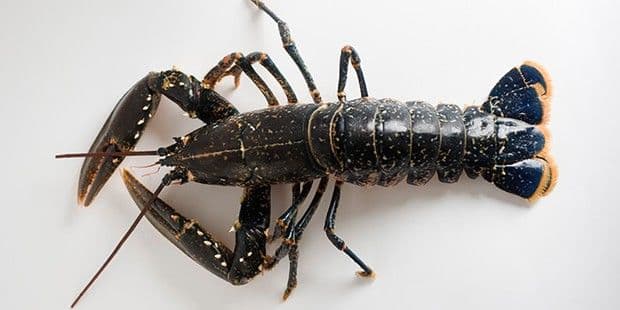

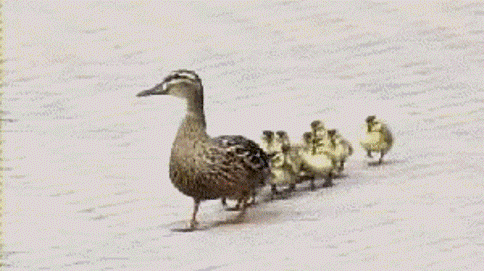
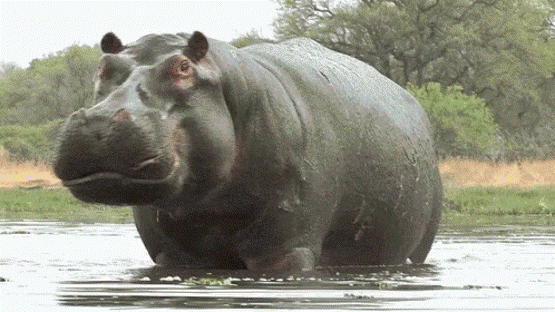
Choose the correct picture according to the recording.
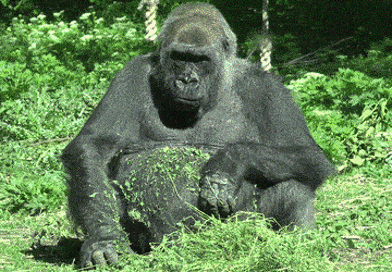



Choose the correct picture according to the recording.
Choose the correct picture according to the recording.
Choose the correct picture according to the recording.
Choose the correct picture according to the recording.
Choose the correct picture according to the recording.
Choose the correct picture according to the recording.
Choose the correct picture according to the recording.
Choose the correct picture according to the recording.
Choose the correct picture according to the recording.
Choose the correct picture according to the recording.
Choose the correct picture according to the recording.
Choose the correct picture according to the recording.
Choose the correct picture according to the recording.
Choose the correct picture according to the recording.
Choose the correct picture according to the recording.
Choose the correct picture according to the recording.
Choose the correct picture according to the recording.
According to the audio, choose the correct sentence!
According to the audio, choose the correct sentence!
According to the audio, choose the correct sentence!
Chapter 4: Animal Life'Animal Farm': reading Chapter 4 and considering Snowball as a leaderBSAA Animal Science - Biology of Digestion - Chapter 4Plant cells have three kinds of structures that are not found in animal cells and that are extremely important to plant survival: plastids, central vacuoles, and cell walls. PLANT CELLS Most of the organelles and other parts of the cell just described are common to all eukaryotic cells. However, plant cells have three additional kinds of structures that are extremely important to plant function: cell walls, large central vacuoles, and plastids. To understand why plant cells have structures not found in ani- mal cells, consider how a plant’s lifestyle differs from an animal’s. Plants make their own carbon-containing molecules directly from carbon taken in from the environment. Plant cells take carbon diox- ide gas from the air, and in a process called photosynthesis, they convert carbon dioxide and water into sugars. The organelles and structures in plant cells are shown in Figure 4-21. SECTION 4 OBJECTIVES ● List three structures that are present in plant cells but not in animal cells. ● Compare the plasma membrane, the primary cell wall, and the secondary cell wall. ● Explain the role of the central vacuole. ● Describe the roles of plastids in the life of a plant. ● Identify features that distinguish prokaryotes, eukaryotes, plant cells, and animal cells. VOCABULARY cell wall central vacuole plastid chloroplast thylakoid chlorophyll Chloroplast Golgi apparatus Mitochondrion Cell membrane Nucleolus Nucleus Cytoskeleton Rough endoplasmic reticulum Pore Smooth endoplasmic reticulum Central vacuole Ribosome Cell wall In addition to containing almost all of the types of organelles that animal cells contain, plant cells contain three unique features. Those features are the cell wall, the central vacuole, and plastids, such as chloroplasts. FIGURE 4-21 Copyright © by Holt, Rinehart and Winston. All rights reserved. 88 CHAPTER 4 CELL WALL The cell wall is a rigid layer that lies outside the cell’s plasma membrane. Plant cell walls contain a carbohydrate called cellulose. Cellulose is embedded in a matrix of proteins and other carbohy- drates that form a stiff box around each cell. Pores in the cell wall allow water, ions, and some molecules to enter and exit the cell. Primary and Secondary Cell Walls The main component of the cell wall, cellulose, is made directly on the surface of the plasma membrane by enzymes that travel along the membrane. These enzymes are guided by microtubules inside the plasma membrane. Growth of the primary cell wall occurs in one direction, based on the orientation of the microtubules. Other components of the cell wall are made in the ER. These materials move in vesicles to the Golgi and then to the cell surface. Some plants also produce a secondary cell wall. When the cell stops growing, it secretes the secondary cell wall between the plasma membrane and the primary cell wall. The secondary cell wall is very strong but can no longer expand. The wood in desks and tabletops is made of billions of secondary cell walls. The cells inside the walls have died and disintegrated. CENTRAL VACUOLE Plant cells may contain a reservoir that stores large amounts of water. The central vacuole is a large, fluid-filled organelle that stores not only water but also enzymes, metabolic wastes, and other materials. The central vacuole, shown in Figure 4-22, forms as other smaller vacuoles fuse together. Central vacuoles can make up 90 percent of the plant cell’s volume and can push all of the other organelles into a thin layer against the plasma membrane. When water is plentiful, it fills a plant’s vacuoles. The cells expand and the plant stands upright. In a dry period, the vacuoles lose water, the cells shrink, and the plant wilts. Other Vacuoles Some vacuoles store toxic materials. The vacuoles of acacia trees, for example, store poisons that provide a defense against plant-eating ani- mals. Tobacco plant cells store the toxin nicotine in a storage vacuole. Other vacuoles store plant pigments, such as the colorful pigments found in rose petals. The central vacuole occupies up to 90 percent of the volume of some plant cells. The central vacuole stores water and helps keep plant tissue firm. FIGURE 4-22 Central vacuole Nucleus Chloroplast Copyright © by Holt, Rinehart and Winston. All rights reserved. CELL STRUCTURE AND FUNCTION 89 PLASTIDS Plastids are another unique feature of plant cells. Plastids are organelles that, like mitochondria, are surrounded by a double mem- brane and contain their own DNA. There are several types of plastids, including chloroplasts, chromoplasts, and leucoplasts. Chloroplasts Chloroplasts use light energy to make carbohydrates from carbon dioxide and water. As Figure 4-23 shows, each chloroplast contains a system of flattened, membranous sacs called thylakoids. Thylakoids contain the green pigment chlorophyll, the main mole- cule that absorbs light and captures light energy for the cell. Chloroplasts can be found not only in plant cells but also in a wide variety of eukaryotic algae, such as seaweed. Chloroplast DNA is very similar to the DNA of certain photosyn- thetic bacteria. Plant cell chloroplasts can arise only by the divi- sion of preexisting chloroplasts. These facts may suggest that chloroplasts are descendants of ancient prokaryotic cells. Like mitochondria, chloroplasts are also thought to be the descendants of ancient prokaryotic cells that were incorporated into plant cells through a process called endosymbiosis. Chromoplasts Chromoplasts are plastids that contain colorful pigments and that may or may not take part in photosynthesis. Carrot root cells, for example, contain chromoplasts filled with the orange pigment carotene. Chromoplasts in flower petal cells contain red, purple, yellow, or white pigments. Other Plastids Several other types of plastids share the general features of chloro- plasts but differ in content. For example, amyloplasts store starch. Chloroplasts, chromoplasts, and amyloplasts arise from a common precursor, called a proplastid. Thylakoid Inner membrane Outer membrane chloroplast from the Greek chloros, meaning “pale green,” and plastos, meaning “formed” Word Roots and Origins A chloroplast captures energy from sunlight and uses that energy to convert carbon dioxide and water into sugar and other carbohydrates. FIGURE 4-23 Copyright © by Holt, Rinehart and Winston. All rights reserved. 90 CHAPTER 4 COMPARING CELLS All cells share common features, such as a cell membrane, cyto- plasm, ribosomes, and genetic material. But there is a high level of diversity among cells, as shown in Figure 4-24. There are signifi- cant differences between prokaryotes and eukaryotes. In addition, plant cells have features that are not found in animal cells. Prokaryotes Versus Eukaryotes Prokaryotes differ from eukaryotes in that prokaryotes lack a nucleus and membrane-bound organelles. Prokaryotes have a region, called a nucleoid, in which their genetic material is concen- trated. However, prokaryotes lack an internal membrane system. Plant Cells Versus Animal Cells Three unique features distinguish plant cells from animal cells. One is the production of a cell wall by plant cells. Plant cells contain a large central vacuole. Third, plant cells contain a variety of plastids, which are not found in animal cells. Cell walls, central vacuoles, and plastids are unique features that are important to plant function. 1. Identify three unique features of plant cells. 2. List the differences between the plasma mem- brane, the primary cell wall, and the secondary cell wall. 3. Identify three functions of plastids. 4. Name three things that may be stored in vacuoles. 5. Describe the features that distinguish prokary- otes from eukaryotes and plant cells from animal cells. CRITICAL THINKINGThe plasma membrane (also called the cell membrane) has several functions. For example, it allows only certain molecules to enter or leave the cell. It separates internal metabolic reactions from the external environment. In addition, the plasma membrane allows the cell to excrete wastes and to interact with its environment. Membrane Lipids The plasma membrane, as well as the membranes of cell organelles, is made primarily of phospholipids. Phospholipids have a polar, hydrophilic (“water-loving”) phosphate head and two nonpolar, hydrophobic (“water-fearing”) fatty acid tails. Water molecules sur- round the plasma membrane. The phospholipids line up so that their heads point outward toward the water and their tails point inward, away from water. The result is a double layer called a phospholipid bilayer, as shown in Figure 4-10. The cell membranes of eukaryotes also contain lipids, called sterols, between the tails of the phospho- lipids. The major membrane sterol in animal cells is cholesterol. Sterols in the plasma membrane make the membrane more firm and prevent the membrane from freezing at low temperatures. SECTION 3 OBJECTIVES ● Describe the structure and function of a cell’s plasma membrane. ● Summarize the role of the nucleus. ● List the major organelles found in the cytosol, and describe their roles. ● Identify the characteristics of mitochondria. ● Describe the structure and function of the cytoskeleton. VOCABULARY phospholipid bilayer chromosome nuclear envelope nucleolus ribosome mitochondrion endoplasmic reticulum Golgi apparatus lysosome cytoskeleton microtubule microfilament cilium flagellum centriole Cell membranes are made of a phospholipid bilayer. Each phospholipid molecule has a polar “head” and a two-part nonpolar “tail.” FIGURE 4-10 Copyright © by Holt, Rinehart and Winston. All rights reserved. 78 CHAPTER 4 OUTSIDE OF CELL INSIDE OF CELL 1. Cell-surface marker: Glycoprotein that identifies cell type 3. Enzyme: Assists chemical reactions inside the cell 2. Receptor protein: Recognizes and binds to substances outside the cell 4. Transport protein: Helps substances move across cell membrane Carbohydrate portion Protein portion Phospholipid heads Phospholipid tails Phospholipid Cholesterol bilayer Membrane Proteins Plasma membranes often contain specific proteins embedded within the lipid bilayer. These proteins are called integral proteins. Figure 4-11 shows that some integral proteins, such as cell surface markers, emerge from only one side of the membrane. Others, such as receptor proteins and transport proteins, extend across the plasma membrane and are exposed to both the cell’s interior and exterior environments. Proteins that extend across the plasma membrane are able to detect environmental signals and transmit them to the inside of the cell. Peripheral proteins, such as the enzyme shown in Figure 4-11, lie on only one side of the membrane and are not embedded in it. As Figure 4-11 shows, integral proteins exposed to the cell’s external environment often have carbohydrates attached. These carbohydrates can act as labels on cell surfaces. Some labels help cells recognize each other and stick together. Viruses can use these labels as docks for entering and infecting cells. Integral proteins play important roles in actively transporting molecules into the cell. Some act as channels or pores that allow certain substances to pass. Other integral proteins bind to a mol- ecule on the outside of the cell and then transport it through the membrane. Still others act as sites where chemical messengers such as hormones can attach. Fluid Mosaic Model A cell’s plasma membrane is surprisingly dynamic. Scientists describe the cell membrane as a fluid mosaic. The fluid mosaic model states that the phospholipid bilayer behaves like a fluid more than it behaves like a solid. The membrane’s lipids and pro- teins can move laterally within the bilayer, like a boat on the ocean. As a result of such lateral movement, the pattern, or “mosaic,” of lipids and proteins in the cell membrane constantly changes.Cell Size Cells differ not only in their shape but also in their size. A few types of cells are large enough to be seen by the unaided human eye. For example, the nerve cells that extend from a giraffe’s spinal cord to its foot can be 2 m (about 6 1/2 ft) long. A human egg cell is about the size of the period at the end of this sentence. Most cells, how- ever, are only 10 to 50 μm in diameter, or about 1/500 the size of the period at the end of this sentence. The size of a cell is limited by the relationship of the cell’s outer surface area to its volume, or its surface area–to-volume ratio. As a cell grows, its volume increases much faster than its surface area does, as shown in Figure 4-5. This trend is important because the materials needed by a cell (such as nutrients and oxygen) and the wastes produced by a cell (such as carbon dioxide) must pass into and out of the cell through its surface. If a cell were to become very large, the volume would increase much more than the surface area. Therefore, the surface area would not allow materials to enter or leave the cell quickly enough to meet the cell’s needs. As a result, most cells are microscopic in size. Comparing Surface Cells Materials microscope, prepared slides of plant (dicot) stem and ani- mal (human) skin, pencil, paper Procedure Examine slides by using medium magnification (100). Observe and draw the sur- face cells of the plant stem and the animal skin. Analysis How do the surface cells of each organism differ from the cells beneath the surface cells? What is the function of the surface cells? Explain how surface cells are suited to their function based on their shape. Quick Lab Small cells can exchange substances more readily than large cells because small objects have a higher surface area–to-volume ratio. FIGURE 4-5 mb06se_csfs02.qxd 5/18/07 10:54 AM Page 73 74 CHAPTER 4 BASIC PARTS OF A CELL Despite the diversity among cells, three basic features are common to all cell types. All cells have an outer boundary, an interior sub- stance, and a control region. Plasma Membrane The cell’s outer boundary, called the plasma membrane (or the cell membrane), covers a cell’s surface and acts as a barrier between the inside and the outside of a cell. All materials enter or exit through the plasma membrane. The surface of a plasma mem- brane is shown in Figure 4-6a. Cytoplasm The region of the cell that is within the plasma membrane and that includes the fluid, the cytoskeleton, and all of the organelles except the nucleus is called the cytoplasm. The part of the cytoplasm that includes molecules and small particles, such as ribosomes, but not membrane-bound organelles is the cytosol. About 20 percent of the cytosol is made up of protein. Control Center Cells carry coded information in the form of DNA for regulating their functions and reproducing themselves. The DNA in some types of cells floats freely inside the cell. Other cells have a mem- brane-bound organelle that contains a cell’s DNA. This membrane- bound structure is called the nucleus. Most of the functions of a eukaryotic cell are controlled by the cell’s nucleus. The nucleus is often the most prominent structure within a eukaryotic cell. It maintains its shape with the help of a protein skeleton called the nuclear matrix. The nucleus of a typical animal cell is shown in Figure 4-6b. Most animal cells have a cell membrane, a nucleus, and a variety of other organelles embedded in a watery substance. The surface of the cell membrane can be seen in (a). The organelles inside the cell are labeled in the diagram (b). FIGURE 4-6 (a) (b) Mitochondrion Microfilaments Lysosome Golgi apparatus Smooth ER Ribosomes Cell membrane Microtubules Rough ER Nuclear pore Nuclear envelope Nucleolus Nucleus Copyright © by Holt, Rinehart and Winston. All rights reserved. Cell wall Ribosome Cell membrane Peptidoglycan Pili Flagellum DNA CELL STRUCTURE AND FUNCTION 75 A prokaryotic cell lacks a membrane- bound nucleus and membrane-bound organelles. Most prokaryotic cells are much smaller than eukaryotic cells are. FIGURE 4-7 A white blood cell (eukaryotic) changes shape as it attacks purple- stained bacterial cells that are much smaller (prokaryotic). FIGURE 4-8 TWO BASIC TYPES OF CELLS Fossil evidence suggests that the earliest cells on Earth were simple cells similar to some present-day bacteria. As cells evolved, they differentiated into two major types: prokaryotes and eukaryotes. Prokaryotes Prokaryotes (proh-KAR-ee-OHTS) are organisms that lack a membrane- bound nucleus and membrane-bound organelles. Although prokaryotic cells lack a nucleus, their genetic information—in the form of DNA—is often concentrated in a part of the cell called the nucleoid. Figure 4-7 shows a typical prokaryotic cell. Prokaryotes are divided into two domains: Bacteria and Archaea (ahr-KEE-uh). The domain Bacteria includes organisms that are similar to the first cellular life-forms. The domain Archaea includes organisms that are thought to be more closely related to eukaryotic cells found in all other kingdoms of life. Eukaryotes Organisms made up of one or more cells that have a nucleus and membrane-bound organelles are called eukaryotes (yoo-KAR-ee-OHTS). Eukaryotic cells also have a variety of subcellular structures called organelles, well-defined, intracellular bodies that perform specific functions for the cell. Many organelles are surrounded by a mem- brane. The organelles carry out cellular processes just as a person’s pancreas, heart, and other organs carry out a person’s life processes. Eukaryotic cells are generally much larger than prokary- otic cells, as seen in Figure 4-8, which shows a white blood cell (eukaryote) destroying tiny bacterial cells (prokaryotes).The cytoskeleton is a network of thin tubes and filaments that crisscrosses the cytosol. The tubes and filaments give shape to the cell from the inside in the same way that tent poles support the shape of a tent. The cytoskeleton also acts as a system of internal tracks, shown in Figure 4-18, on which items move around inside the cell. The cytoskeleton’s functions are based on several struc- tural elements. Three of these are microtubules, microfilaments, and intermediate filaments, shown and described in Table 4-2. Microtubules Microtubules are hollow tubes made of a protein called tubulin. Each tubulin molecule consists of two slightly different subunits. Microtubules radiate outward from a central point called the centrosome near the nucleus. Microtubules hold organelles in place, maintain a cell’s shape, and act as tracks that guide organelles and molecules as they move within the cell. Microfilaments Finer than microtubules, microfilaments are long threads of the beadlike protein actin and are linked end to end and wrapped around each other like two strands of a rope. Microfilaments con- tribute to cell movement, including the crawling of white blood cells and the contraction of muscle cells. Intermediate Filaments Intermediate filaments are rods that anchor the nucleus and some other organelles to their places in the cell. They maintain the inter- nal shape of the nucleus. Hair-follicle cells produce large quantities of intermediate filament proteins. These proteins make up most of the hair shaft. 84 CHAPTER 4 TABLE 4-2 The Structure of the Cytoskeleton Property Microtubules Microfilaments Intermediate filaments Structure hollow tubes made of two strands of intertwined protein fibers coiled into coiled protein protein cables Protein subunits tubulin, with two subunits: å actin one of several types of and ∫ tubulin fibrous proteins Main function maintenance of cell shape; cell maintenance and changing of maintenance of cell shape; motility (in cilia and flagella); cell shape; muscle contraction; anchor nucleus and other chromosome movement; movement of cytoplasm; cell organelles; maintenance of organelle movement motility; cell division shape of nucleus Shape Microtubules provide a path for organelles and molecules as they move throughout the cell. FIGURE 4-18 Microtubules Nucleus Endoplasmic reticulum Mitochondrion Ribosomes Copyright © by Holt, Rinehart and Winston. All rights reserved. Copyright © by Holt, Rinehart and Winston. All rights reserved. CELL STRUCTURE AND FUNCTION 85 1. Explain how the fluid mosaic model describes the plasma membrane. 2. List three cellular functions that occur in the nucleus. 3. Describe the organelles that are found in a eukaryotic cell. 4. Identify two characteristics that make mitochon- dria different from other organelles. 5. Contrast three types of cytoskeletal fibers. CRITICAL THINKING 6. Relating Concepts If a cell has a high energy requirement, would you expect the cell to have many mitochondria or few mitochondria? Why? 7. Analyzing Information How do scientists think that mitochondria originated? Why? 8. Analyzing Statements It is not completely accurate to say that organelles are floating freely in the cytosol. Why not? SECTION 3 REVIEW During cell division, centrioles organize microtubules that pull the chromosomes (orange) apart. The centrioles are at the center of rays of microtubules, which have been stained green with a fluorescent dye. FIGURE 4-20 Cilia and Flagella Cilia (SIL-ee-uh) and flagella (fluh-JEL-uh) are hairlike structures that extend from the surface of the cell, where they assist in movement. Cilia are short and are present in large numbers on certain cells, whereas flagella are longer and are far less numerous on the cells where they occur. Cilia and flagella have a membrane on their outer surface and an internal structure of nine pairs of micro- tubules around two central tubules, as Figure 4-19 shows. Cilia on cells in the inner ear vibrate and help detect sound. Cilia cover the surfaces of many protists and “row” the protists through water like thousands of oars. On other protists, cilia sweep water and food particles into a mouthlike opening. Many kinds of protists use flagella to propel themselves, as do human sperm cells. Centrioles Centrioles consist of two short cylinders of microtubules at right angles to each other and are situated in the cytoplasm near the nuclear envelope. Centrioles occur in animal cells, where they organize the microtubules of the cytoskeleton during cell division, as shown in Figure 4-20. Plant cells lack centrioles. Basal bodies have the same structure that centrioles do. Basal bodies are found at the base of cilia and flagella and appear to organize the devel- opment of cilia and flagella.Cells of different organisms and even cells within the same organism are very diverse in terms of shape, size, and internal organization. One theme that occurs again and again throughout biology is that form follows function. In other words, a cell’s function influences its physical features. Cell Shape The diversity in cell shapes reflects the different functions of cells. Compare the cell shapes shown in Figure 4-4. The long extensions that reach out in various directions from the nerve cell shown in Figure 4-4a allow the cell to send and receive nerve impulses. The flat, platelike shape of skin cells in Figure 4-4b suits their function of covering and protecting the surface of the body. As shown below, a cell’s shape can be simple or complex depending on the function of the cell. Each cell has a shape that has evolved to allow the cell to perform its function effectively. SECTION 2 OBJECTIVES ● Explain the relationship between cell shape and cell function. ● Identify the factor that limits cell size. ● Describe the three basic parts of a cell. ● Compare prokaryotic cells and eukaryotic cells. ● Analyze the relationship among cells, tissues, organs, organ systems, and organisms. VOCABULARY plasma membrane cytoplasm cytosol nucleus prokaryote eukaryote organelle tissue organ organ system Cells have various shapes. (a) Nerve cells have long extensions. (b) Skin cells are flat and platelike. (c) Egg cells are spherical. (d) Some bacteria are rod shaped. (e) Some plant cells are rectangular. FIGURE 4-4 (a) Nerve cell (b) Skin cells (c) Egg cell (d) Bacterial cells (e) Plant cells Copyright © by Holt, Rinehart and Winston. All rights reserved. 1. All cubes have volume and surface area. The total surface area is equal to the sum of the areas of each of the six sides (area = length X width). 2. If you split the first cube into eight smaller cubes, you get 48 sides. The volume remains constant, but the total surface area doubles. 3. If you split each of the eight cubes into eight smaller cubes, you have 64 cubes that together contain the same volume as the first cube. The total surface area, however, has doubled again. CELL STRUCTURE AND FUNCTION 73 Cell Size Cells differ not only in their shape but also in their size. A few types of cells are large enough to be seen by the unaided human eye. For example, the nerve cells that extend from a giraffe’s spinal cord to its foot can be 2 m (about 6 1/2 ft) long. A human egg cell is about the size of the period at the end of this sentence. Most cells, how- ever, are only 10 to 50 μm in diameter, or about 1/500 the size of the period at the end of this sentence. The size of a cell is limited by the relationship of the cell’s outer surface area to its volume, or its surface area–to-volume ratio. As a cell grows, its volume increases much faster than its surface area does, as shown in Figure 4-5. This trend is important because the materials needed by a cell (such as nutrients and oxygen) and the wastes produced by a cell (such as carbon dioxide) must pass into and out of the cell through its surface. If a cell were to become very large, the volume would increase much more than the surface area. Therefore, the surface area would not allow materials to enter or leave the cell quickly enough to meet the cell’s needs. As a result, most cells are microscopic in size. Comparing Surface Cells Materials microscope, prepared slides of plant (dicot) stem and ani- mal (human) skin, pencil, paper Procedure Examine slides by using medium magnification (100). Observe and draw the sur- face cells of the plant stem and the animal skin. Analysis How do the surface cells of each organism differ from the cells beneath the surface cells? What is the function of the surface cells? Explain how surface cells are suited to their function based on their shape. Quick Lab Small cells can exchange substances more readily than large cells because small objects have a higher surface area–to-volume ratio. FIGURE 4-5 mb06se_csfs02.qxd 5/18/07 10:54 AM Page 73 74 CHAPTER 4 BASIC PARTS OF A CELL Despite the diversity among cells, three basic features are common to all cell types. All cells have an outer boundary, an interior sub- stance, and a control region. Plasma Membrane The cell’s outer boundary, called the plasma membrane (or the cell membrane), covers a cell’s surface and acts as a barrier between the inside and the outside of a cell. All materials enter or exit through the plasma membrane. The surface of a plasma mem- brane is shown in Figure 4-6a. Cytoplasm The region of the cell that is within the plasma membrane and that includes the fluid, the cytoskeleton, and all of the organelles except the nucleus is called the cytoplasm. The part of the cytoplasm that includes molecules and small particles, such as ribosomes, but not membrane-bound organelles is the cytosol. About 20 percent of the cytosol is made up of protein. Control Center Cells carry coded information in the form of DNA for regulating their functions and reproducing themselves. The DNA in some types of cells floats freely inside the cell. Other cells have a mem- brane-bound organelle that contains a cell’s DNA. This membrane- bound structure is called the nucleus. Most of the functions of a eukaryotic cell are controlled by the cell’s nucleus. The nucleus is often the most prominent structure within a eukaryotic cell. It maintains its shape with the help of a protein skeleton called the nuclear matrix. The nucleus of a typical animal cell is shown in