Tag the questions with any skills you have. Your dashboard will track each student's mastery of each skill.
Give this quiz to my class
Q 1/32
Score 0
What is the law of conservation of matter?
45
a change in the way a substance looks
matter can't be created or destroyed, but it can change forms
matter can be destroyed
law that says you matter
Q 2/32
Score 0
What is a chemical change?
45
the thing you end with in a chemical reaction
the thing you start with in a chemical reaction
a change that makes a new substance with different properties from the original
change in the look of a substance
32 questions
Q.
What is the law of conservation of matter?
1
45 sec
Q.
What is a chemical change?
2
45 sec
Q.
What is a reactant?
3
45 sec
Q.
What side is the reactant on in a chemical equation?
4
45 sec
Q.
What is the product in a chemical reaction?
5
45 sec
Q.
What side of the chemical equation is the product on?
6
30 sec
Q.
What is a physical change?
7
45 sec
Q.
What is a chemical equation?
8
45 sec
Q.
What is a coefficient?
9
45 sec
Q.
What is a subscript?
10
45 sec
Q.
What is a chemical formula?
11
45 sec
Q.
What is this an example of: 4 He
12
30 sec
Q.
What is this an example of: water freezing in the freezer
13
30 sec
Q.
What is this an example of:wood logs burning in a fire
14
30 sec
Q.
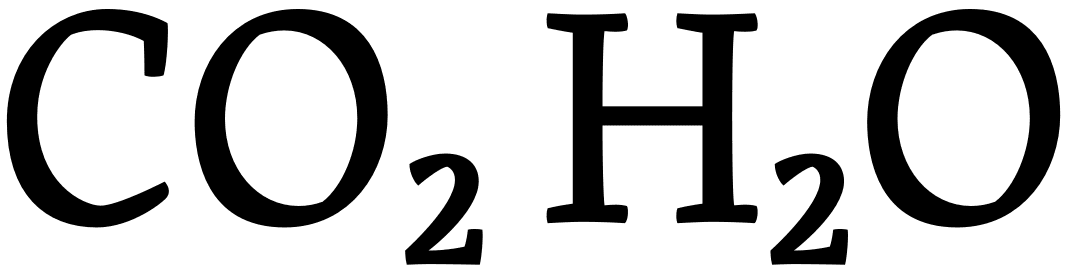
What is the 2 in chemical formula an example of?
15
30 sec
Q.
What is this an example of: mass of the log is the same as the mass of the ash and gas once it is burned?
16
30 sec
Q.
Which of these is a physical change?
17
45 sec
Q.
After iron is heated to very high temperatures the total mass is less than the original mass. What happened to the remaining mass?
18
45 sec
Q.
Jason mixed a colorless liquid and a colorless gas to make a dark brown liquid. Which substance was the product?
19
60 sec
Q.
Jason mixed a colorless liquid and a colorless gas to make a dark brown liquid. Which statement best describes the process?
20
60 sec
Q.
Jason mixed a colorless liquid and a colorless gas to make a dark brown liquid. Which substances were the reactants?
21
60 sec
Q.
Does this equation follow the law of conservation of matter?
22
60 sec
Q.
the two reactants in the chemical equation are
23
60 sec
Q.
the two products in the chemical equation are
24
60 sec
Q.
Riley did 2 investigations. In Investigation A a silver solid combined with a blue liquid and created a colorless liquid and a brown solid. There was also a change in density In Investigation B a white solid combined with a colorless solution and afterwards there was a white solid and a colorless solution. There was no change in density. Which combination had the same molecules before and after the investigation?
25
120 sec
Q.
Riley did 2 investigations. In Investigation A a silver solid combined with a blue liquid and created a colorless liquid and a brown solid. There was also a change in density In Investigation B a white solid combined with a colorless solution and afterwards there was a white solid and a colorless solution. There was no change in density. When did a chemical change take place?
26
120 sec
Q.
Riley did 2 investigations. In Investigation A a silver solid combined with a blue liquid and created a colorless liquid and a brown solid. There was also a change in density In Investigation B a white solid combined with a colorless solution and afterwards there was a white solid and a colorless solution. There was no change in density. Which combination had substances with different properties before and after?
27
120 sec
Q.
Riley did 2 investigations. In Investigation A a silver solid combined with a blue liquid and created a colorless liquid and a brown solid. There was also a change in density In Investigation B a white solid combined with a colorless solution and afterwards there was a white solid and a colorless solution. There was no change in density. Which combination had the atoms regroup into different molecules?
28
120 sec
Q.
Riley did 2 investigations. In Investigation A a silver solid combined with a blue liquid and created a colorless liquid and a brown solid. There was also a change in density In Investigation B a white solid combined with a colorless solution and afterwards there was a white solid and a colorless solution. There was no change in density. Which combination had the same properties before and after the investigation?
29
120 sec
Q.
Why do products have different properties than the reactants?
30
45 sec
Q.
How can you use math to determine whether atoms are conserved in a reaction?