Loading...


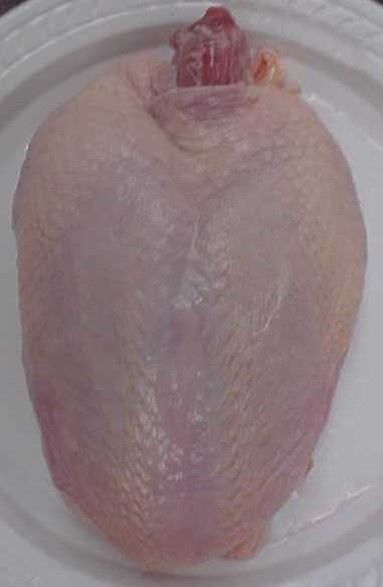
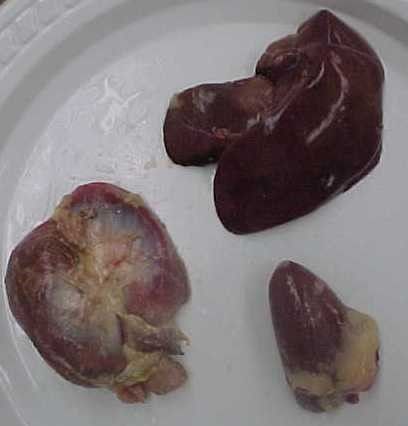
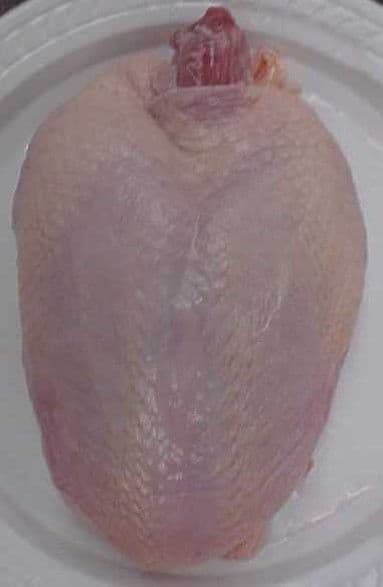
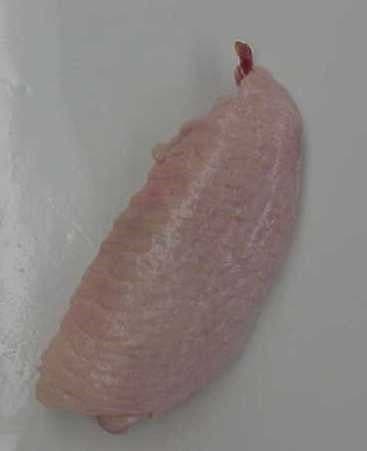
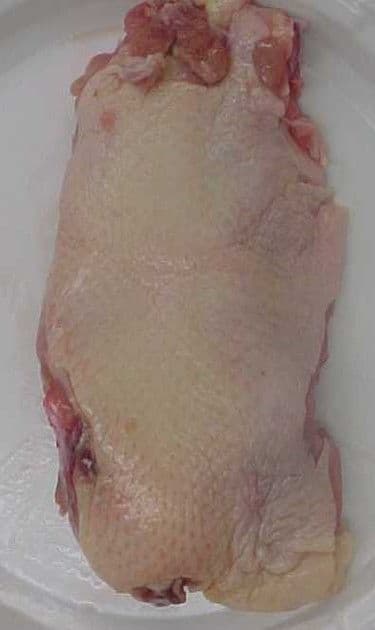
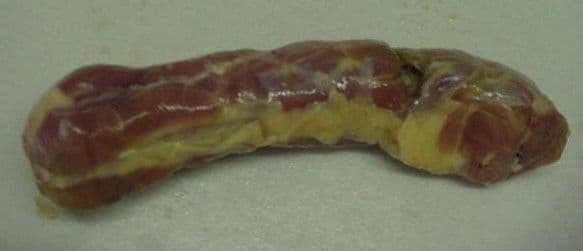
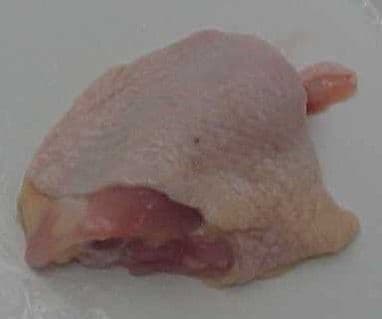
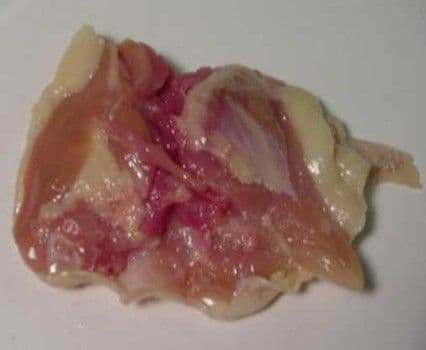
Chicken Meat Parts
Quiz by Katherine Sollman
Customize this quiz to suit your class
Instantly translate to 100+ languages
Tag the questions with any skills you have. Your dashboard will track each student's mastery of each skill.
Give this quiz to my class








 • There are two groups of animals which are important in agriculture. • The groups are domestic and wild animals. 1. Domestic animals • These are animals which are trained to live with people in their homes. • Some examples includes : Uses of domestic animals • Source of food, for example milk, eggs and meat. • For cultural purposes, for example paying lobola. • Some are used for transport and labour. • Domestic animals can also be a source of income. 2 . Wild animals • These are animals which are found in game reserves and in the forests • They are also called game animals. • Examples of wild animals are: Uses of wild animals • Some of the wild animals give us meat, hides and ivory. • Wild animals attract visitors from other countries, so the country gets money. Wednesday 06 September 2023 Exercise: Domestic animals 1. What is a domestic animal? [2] 2. What is a wild animal? [2] 3. Name any 4 domestic animals that you know. [4] 4. State any 2 uses of domestic animals. [2] 5. Name any 3 wild animals that you know. [3] 6. Give 2 uses of wild ani mals. [2] 7. Wild animals can also be called animals. [1] • Animals, like human beings need good food to help them to grow and reproduce. • The main sources of food for animals include stock feeds, pastures, veld grass, crop remains and cereal grains. • These foods contain the most needed essential nutrients. Nutrient Function carbohydrates Gives energy Fats Give energy and warmth Proteins Helps in growth and repair of body parts Minerals Help in the formation of bones and teeth Vitamins Help develop good sight, improve fertility and help animals fight diseases Water Transports food in the body, cools the body and remove waste from the body. • Livestock are domesticated animals that are kept for food, use or for sale. • Small livestock has many uses. • They are a good source of food. • They also give us manure to use in gardens. • We get clothes and medicine as well from small livestock • Examples of small livestock are rabbits, sheep, goats and all form of poultry Poultry • All animals that are kept by farmers which have wings and feathers and lay eggs are called poultry. • They are a good source of white meat, eggs and manure. • They are also a source of income when we well them and their products. • Poultry includes chicken, guinea fowl, ducks, turkey, pigeons and quail birds. Rabbits • Rabbits have 3 known uses which are: They are kept for meat Kept for pelts. (pelt is animal skin used to make blankets, hats and jackets) They are used at agricultural shows • Rabbits are cheap to buy, easy to keep and feed. • They take about 4 months to mature. • Rabbits are fed using green vegetables and rabbit pellets. Wednesday 20 September 2023 Small livestock 1. Give 3 examples of small livestock. [3] 2. State 3 things that are provided by small livestock. [3] 3. What are the 2 uses of rabbits? [2] 4. Pelts are used to make _________________ [1] 5. State any 4 examples poultry. [4] 6. Rabbits take ___________ months to mature. [1] 7. What is poultry? • Apiculture is the keeping of bees in order for them to produce honey for sale. • Apiculture is very important because: (i) Provides honey - a valuable nutritional food (ii) Provides bees wax - which has many uses in industry Uses of wax For making candles Polish furniture Make crayons Prevent tools from rusting (iii) Honey bees are excellent pollinating agents, thus increasing agricultural yields. BEE COLONY Inhabitants of the bee colony and their roles • A honey bee colony typically consists of three kinds of adult bees: workers, drones and the queen 1. Workers • Workers are the smallest and constitute the majority of bees occupying the colony. • They do not lay eggs. • Workers have specialized structures, such as brood food glands, scent glands, wax glands, and pollen baskets. • these allow them to perform all the labors of the hive. Roles of the worker bees they forage for nectar, pollen, water, and plant sap. They clean and polish the cells. feed the brood. care for the queen. remove debris. handle incoming nectar. build beeswax combs. guard the entrance. 2. Drones • Drones (male bees) are the largest bees in the colony. • They are generally present only during late spring and summer. • The drone’s head is much larger than that of either the queen or worker. • Drones have no stinger, pollen baskets, or wax glands. • Their main function is to mate with the queen. 3 . Queen • Each colony has only one queen. • The queen is the largest of the bees in a bee colony. • The Queen Bee plays a vital role in the hive because she is the only female with fully developed ovaries. • She produces both fertilized and unfertilized eggs. • Queens lay the greatest number of eggs in the spring and early summer. • The queen also produce chemical scents that help regulate the unity of the colony. 1. What is apiculture? [2] 2. Give 3 reasons why apiculture is important in Zimbabwe. [3] 3. Name the 3 inhabitants of the bee colony. [3] 4. Briefly explain the roles of each inhabitant named in number 3. • Apart from using hand tools, farmers also use some farm implements and machinery to carry out their field work. • Machines help farmers do their work more easily and quickly. • The most common implements used by farmers to grow, harvest and transport their produces are: mouldboard plough Cultivator Scotch cart Harrow Planter Maize sheller combine harvesters Boom sprayers Disc harrow Spike toothed harrow KNAPSACK SPRAYER • Farming is a business. • Communal farmers grow crops and keep animal mainly for their own use. • If there is any extra they sell to get money. • Commercial farmers grow crops and keep animals for sale. • Crops and animals produced are called farm produce. • There are places were farmers have to sell their produce. • Farmers can take their produce to local markets. • A market is a place where buying and selling occurs. • Some of the local markets includes: A shopping centre A school A nearest bus stop A local village A school Local Grain Marketing Board depot (GMB) Types of farm produce Beef Fruits Mutton Eggs Vegetables Pork Milk Chicken Cereals/grains beansIndia Where Is It? India is a country in Asia. Much of it is surrounded by water. To the south and west is the Arabian Sea. To the south and east is the Bay of Bengal. The capital of India is New Delhi (DEL-ee). It is part of the much larger city of Delhi. More than twenty million people live in Delhi and New Delhi. People. More than one billion people live in India. Only China has more people than India. Most Indian people live in the countryside. The cities do not have as many people. They are very crowded, though. Around half of the people in India make their living from growing food. They grow crops or raise sheep, goats, and chickens for meat. They do not raise cows for meat. Most Indians are Hindu. Hurting a cow is against the Hindu religion. Land. India has many mountains and different kinds of flat land. The mountains are in the north. They are the highest in the world. Rich land covers the north of India. It was formed long ago as rivers flooded over and over. In the west is the dry desert. In the south is raised, flat land. This land takes up more than half of India. In May or June every year, winds bring a large amount of rain. This is called the monsoon season. Most of India's rain falls during this season. Celebrations People in India celebrate many special days. Diwali (dih-WAH-lee) lasts for five days. During this festival, people light small candles. They shoot firecrackers and give sweets to family and friends. Holi (HOH-lee) is a spring Hindu festival. During Holi, people celebrate the end of winter. They throw colored water and powder on each other. Animals. Many kinds of animals live in India. It is the only country in the world with both lions and tigers. Elephants live in the flat lands and forests. The mountains are home to bears, foxes, sheep, and wild goats. India is also home to the world's largest mangrove forest. Here, tigers swim with sea turtles, sharks, and crocodiles. Conclusion. India is a country of many people. People farm its rich soil to feed the nation. Its mountains and forests are home to many animals. Which part of India would you like to see?MATERI PERKULIAHAN Sub-CPMK 1.7 Mampu menghitung performa produksi (IP, FCR) dan melakukan Analisis Usaha Broiler per satu siklus produksi 1. IDENTITAS MATERI Mata Kuliah : Produksi Ternak Potong Unggas Komersil Pokok Bahasan : Evaluasi Performa Produksi dan Analisis Usaha Broiler Sub-CPMK : 1.7 Capaian Pembelajaran : Mahasiswa mampu: Menjelaskan parameter performa produksi broiler. Menghitung Feed Conversion Ratio (FCR). Menghitung Indeks Performa (IP). Menganalisis hasil performa produksi dalam satu siklus pemeliharaan. Menyusun analisis usaha broiler per satu siklus produksi. Menarik kesimpulan kelayakan usaha berdasarkan hasil teknis dan ekonomis. ________________________________________ 2. TUJUAN PEMBELAJARAN Setelah mengikuti perkuliahan ini, mahasiswa diharapkan mampu: Memahami konsep dasar evaluasi performa broiler. Mengidentifikasi data teknis yang dibutuhkan dalam perhitungan performa. Menghitung mortalitas, deplesi, bobot badan rata-rata, FCR, dan IP. Menghitung biaya produksi, penerimaan, keuntungan, dan efisiensi usaha broiler. Menganalisis hubungan antara performa teknis dengan hasil ekonomi usaha. ________________________________________ 3. DESKRIPSI MATERI Dalam usaha broiler modern, keberhasilan produksi tidak hanya diukur dari bobot panen, tetapi juga dari efisiensi penggunaan pakan, tingkat kematian, umur panen, serta keuntungan yang diperoleh per siklus. Oleh karena itu, diperlukan kemampuan untuk menghitung parameter teknis produksi seperti FCR dan IP, serta mengaitkannya dengan analisis usaha agar dapat diketahui apakah usaha berjalan efisien dan menguntungkan. ________________________________________ 4. POKOK-POKOK MATERI A. Konsep Dasar Evaluasi Performa Produksi Broiler 1. Pengertian Performa Produksi Performa produksi broiler adalah gambaran tingkat keberhasilan pemeliharaan ayam broiler selama satu periode/siklus pemeliharaan yang dinilai dari indikator teknis tertentu. 2. Parameter Utama Performa Produksi Parameter yang umum digunakan meliputi: Populasi awal DOC Jumlah ayam hidup saat panen Mortalitas (%) Deplesi (%) Umur panen (hari) Bobot badan rata-rata panen (kg/ekor) Total konsumsi pakan (kg) Feed Conversion Ratio (FCR) Indeks Performa (IP) ________________________________________ B. Parameter Teknis dan Rumus Perhitungan ________________________________________ 1. Mortalitas (%) Pengertian: Persentase ayam yang mati selama masa pemeliharaan. Rumus: "Mortalitas (%)"="Jumlah ayam mati" /"Populasi awal" ×100 Contoh: Populasi awal = 5.000 ekor Ayam mati = 150 ekor "Mortalitas"=150/5000×100=3% ________________________________________ 2. Deplesi (%) Pengertian: Persentase pengurangan populasi akibat kematian dan afkir/culling. Rumus: "Deplesi (%)"="Ayam mati + ayam afkir" /"Populasi awal" ×100 Jika tidak ada afkir, maka deplesi = mortalitas. ________________________________________ 3. Persentase Ayam Hidup / Livability (%) Rumus: "Livability (%)"="Jumlah ayam panen" /"Populasi awal" ×100 atau "Livability (%)"=100-"Deplesi (%)" ________________________________________ 4. Bobot Badan Rata-Rata Panen Rumus: "Bobot rata-rata (kg/ekor)"="Total bobot panen (kg)" /"Jumlah ayam panen (ekor)" ________________________________________ 5. Feed Conversion Ratio (FCR) Pengertian: FCR adalah rasio jumlah pakan yang dikonsumsi terhadap pertambahan bobot hidup atau bobot hidup yang dihasilkan. Rumus praktis broiler: "FCR"="Total konsumsi pakan (kg)" /"Total bobot hidup panen (kg)" Interpretasi: Semakin rendah nilai FCR, semakin efisien penggunaan pakan. Contoh: Total pakan = 16.000 kg Total bobot panen = 9.600 kg "FCR"=16.000/9.600=1,67 Interpretasi: Untuk menghasilkan 1 kg bobot hidup, dibutuhkan 1,67 kg pakan. ________________________________________ 6. Indeks Performa (IP) Pengertian: IP adalah indikator gabungan untuk menilai performa pemeliharaan broiler berdasarkan: daya hidup, bobot badan, umur panen, efisiensi pakan. Rumus umum IP: "IP"=("Livability (%)" ×"Bobot rata-rata (kg)" )/("Umur panen (hari)" ×"FCR" )×100 Contoh: Livability = 97% Bobot rata-rata = 2,0 kg Umur panen = 35 hari FCR = 1,67 "IP"=(97×2,0)/(35×1,67)×100 "IP"=194/58,45×100=331,9 Jadi, IP = 331,9 ________________________________________ C. Interpretasi Nilai FCR dan IP 1. Interpretasi FCR < 1,50 = sangat efisien 1,50 – 1,65 = efisien/baik 1,66 – 1,80 = cukup > 1,80 = kurang efisien Catatan: Nilai ini dapat berbeda tergantung strain, umur panen, sistem kandang, musim, dan standar perusahaan. ________________________________________ 2. Interpretasi IP (umum) > 400 = sangat baik / ممتاز 351 – 400 = baik 301 – 350 = cukup baik 251 – 300 = sedang < 250 = kurang Dalam praktik kemitraan, IP sering menjadi dasar evaluasi bonus performa. ________________________________________ 5. HUBUNGAN PARAMETER TEKNIS DENGAN KINERJA USAHA Performa teknis sangat menentukan keuntungan usaha broiler: FCR naik → biaya pakan meningkat → laba turun Mortalitas naik → ayam panen berkurang → penerimaan turun Bobot panen rendah → total kg jual turun → omzet turun Umur panen terlalu lama → biaya operasional naik → efisiensi turun IP tinggi → menunjukkan usaha lebih efisien dan berpotensi lebih menguntungkan ________________________________________ 6. ANALISIS USAHA BROILER PER SATU SIKLUS PRODUKSI A. Pengertian Analisis Usaha Analisis usaha broiler adalah perhitungan ekonomi untuk mengetahui: total biaya produksi, total penerimaan, pendapatan/keuntungan, efisiensi usaha, kelayakan usaha per satu siklus pemeliharaan. ________________________________________ B. Komponen Biaya Produksi 1. Biaya Tetap (Fixed Cost) Biaya yang relatif tidak berubah dalam satu siklus, misalnya: Penyusutan kandang Penyusutan peralatan Pajak/sewa lahan (jika dihitung) Bunga modal tetap (opsional) 2. Biaya Variabel (Variable Cost) Biaya yang berubah sesuai jumlah populasi, misalnya: DOC Pakan Obat, vitamin, vaksin (OVK) Sekam/litter Gas/LPG/bahan bakar brooder Listrik dan air Tenaga kerja Desinfektan dan sanitasi Biaya panen/angkut Biaya lain-lain operasional Catatan penting: Pada usaha broiler, pakan biasanya menyumbang 60–70% dari total biaya produksi. ________________________________________ 7. RUMUS ANALISIS USAHA 1. Total Biaya Produksi (TC) "TC"="Biaya Tetap"+"Biaya Variabel" ________________________________________ 2. Total Penerimaan (TR) Jika dijual berdasarkan bobot hidup: "TR"="Total bobot panen (kg)"×"Harga jual per kg" Jika ada penerimaan tambahan: "TR total"="Penjualan ayam"+"Penjualan kotoran"+"Penjualan karung pakan/bekas" ________________________________________ 3. Keuntungan / Pendapatan (π) π="TR"-"TC" ________________________________________ 4. R/C Ratio R/C="TR" /"TC" Kriteria: R/C > 1 → usaha menguntungkan R/C = 1 → impas R/C < 1 → usaha merugi ________________________________________ 5. B/C Ratio (opsional) B/C=("TR" -"TC" )/"TC" ________________________________________ 6. Harga Pokok Produksi (HPP) "HPP per kg"="Total biaya produksi" /"Total bobot panen (kg)" Interpretasi: Jika harga jual > HPP → usaha berpotensi untung. FAKTOR-FAKTOR YANG MEMPENGARUHI FCR, IP, DAN KEUNTUNGAN A. Faktor Teknis Kualitas DOC Mutu pakan Program brooding Kepadatan kandang Ventilasi dan suhu kandang Kualitas air minum Program vaksinasi dan biosekuriti Manajemen litter Ketepatan waktu panen B. Faktor Ekonomi Harga DOC Harga pakan Harga jual ayam hidup Biaya tenaga kerja Biaya energi (gas/listrik) Sistem usaha (mandiri vs kemitraan) STRATEGI MENINGKATKAN PERFORMA DAN KEUNTUNGAN Gunakan DOC berkualitas dan seragam Laksanakan brooding secara optimal (0–14 hari sangat krusial) Pastikan feed intake dan water intake normal Terapkan biosekuriti ketat Kurangi feed wastage Pantau bobot badan mingguan Lakukan culling selektif Tentukan umur panen berdasarkan kombinasi FCR, bobot, dan harga pasar Evaluasi performa tiap siklus dengan pencatatan lengkap Gunakan data historis untuk perbaikan keputusan produksi RANGKUMAN MATERI FCR menunjukkan efisiensi penggunaan pakan. Semakin kecil FCR, semakin baik. IP adalah indikator gabungan performa broiler yang mempertimbangkan: daya hidup, bobot panen, umur panen, efisiensi pakan. Analisis usaha broiler harus mengintegrasikan: aspek teknis (FCR, IP, mortalitas, bobot panen) aspek ekonomi (biaya, penerimaan, laba, R/C, HPP) Usaha broiler dinilai baik apabila: FCR efisien, mortalitas rendah, IP tinggi, HPP lebih rendah dari harga jual, R/C ratio > 1. PENUTUP Kemampuan menghitung FCR, IP, dan melakukan analisis usaha broiler per satu siklus produksi merupakan kompetensi penting dalam manajemen produksi broiler modern. Mahasiswa tidak hanya dituntut memahami teori, tetapi juga harus mampu membaca data produksi, melakukan perhitungan secara akurat, dan mengambil keputusan manajerial berbasis hasil analisis teknis-ekonomis. REFERENSI SINGKAT (untuk bahan ajar/RPS) North, M.O., & Bell, D.D. Commercial Chicken Production Manual. Leeson, S., & Summers, J.D. Commercial Poultry Nutrition. Bell, D.D., & Weaver, W.D. Commercial Chicken Meat and Egg Production. Saputra, dkk. Literatur manajemen broiler modern dan analisis usaha ternak unggas. Standar teknis perusahaan integrator/kemitraan broiler (CP, Japfa, Malindo, dll.) untuk benchmarking FCR dan IP. Ava Is a Vegan Ava and I eat fruits, vegetables, and grains. I also eat meat, dairy, and eggs. Ava does not eat meat, dairy, and eggs. Ava is a vegan. Vegans do not eat food made from animals. Ava and I like many of the same foods. We like some of them made different ways. Ava and I like fried rice. Ava likes tofu in hers. I like chicken and egg in mine. Ava and I like burgers. Ava likes hers made of black beans. I like mine made of ground beef.Ava and I like oatmeal. We both like peanut butter and bananas in it! Types of Marinades Pineapple Marinade - http://bbq.about.com/od/marinaderecipes/tp/Top-10- Pork-Marinade-Recipes.htm This sweet, fruity marinade works great on any cut of pork or chicken. What you get with this marinade is a great Hawaiian Teriyaki flavor. Try this marinade when you are simply placing cut strips of pork or chicken over rice. You can make extra marinade to use as a sauce as long as you keep it separate from the meat LM-Cookery Grade 10 Pork Chop Marinade This is a great Asian style marinade that works well on all cuts of pork, particularly pork chops, reminiscent of a Teriyaki marinade with a hint of heat from the chili sauce. You can, if you like, heat this up with some extra chili sauce or perhaps a pinch of cayenne. Jamaican Jerk Marinade You've heard of Jerk seasonings and Jerk rubs, well this is a jerk marinade that gets that jerk flavor deep into the meat. You can use this marinade on all kinds of meat and poultry. Pork Rib Marinade BBQ Guru posted this marinade recipe to the forum. It uses a pork rub for the seasoning with vinegar and water to turn it into a marinade. Teriyaki Marinade Want to get that great Teriyaki flavor into your favorite dish? This marinade will surely add flavor to whatever you're grilling. This marinade works particularly well with pork and poultry. Pork Chop and Tenderloin Marinade Doug Freeman sent in this marinade recipe for grilled pork. You may leave out the liquid smoke if you are so inclined. Bourbon Marinade This is a great, sweet bourbon marinade that works perfectly on any food. This is a mild marinade so you will want several hours marinating time with it before you grill. Mustard-Vinegar Marinade This is a simple mustard marinade that tenderizes and adds flavor. It works well on pork or poultry.1. Eat slowly, chew your food well. It takes twenty (20) minutes before your stomach sends a clear message to your brain that you're full. Take your time and savor the flavor of your meal. 2. Eat well When your body doesn't receive the required nutrients, your metabolism slows down. Metabolism is the rate at which you burn calories while resting. So, if you don't eat enough, fewer calories will be burnt and there will be less fat loss. You should eat small meals at regular intervals to keep your energy levels high. 3. Eat less red meat Red meats are high in saturated fat and should be avoided by people with high cholesterol. Chicken and fish are the best meats to consume. These meats can be baked, grilled or roasted. 4. Eat more fiber foods Add fiber to your diet, this adds bulk to your food and prevents constipation. Whole grain foods like oatmeal, bran, wheat germ and brown rice, fruits, especially with skins, prunes, etc, are all Seven (7) healthy eating habits for your guidelines: How you eat your food is as important as what you eat. So, the next time you sit down to eat, enjoy your meal by keeping these pointers in mind. Home Economics and Livelihood Education 7 Seibo College 157 good sources of fiber. Fiber helps in binding cholesterol, which results to less production of bad cholesterol. 5. Have calcium-rich foods Aside fro milk other sources of calcium and protein are red kidney beans, mustard greens, etc. Proteins can be found in meats, sprouts, soya, etc. 6. Eat foods that contain iron These include liver, fruits like watermelon, vegetables like spinach, beans, beets and broccoli, whole grains, dried fruits, especially prunes, sunflower seeds, etc. 7. Relish the flavors You may have heard some of these before. But the best good food habit, which we all seem to overlook, is to actually taste and enjoy the flavor of the food with your emotions instead of just your tongue. How can we prevent malnutrition? Following are the checklists of steps to prevent malnutrition. Nutrition campaign on the importance of food nutrients. Proper selection, preparation and serving of well-balanced meals. Vegetable gardening in schools and at home. Intensive program from the government especially for the less privileged members of the community. draw up a table with examples of animals and plants in a particular habitat, such as a garden, rice field, seashore, and mangrove swamp; 5. use flow charts to compare the different stages in the life cycle of animals, such as a butterfly, frog, chicken, and human; 6. use information from secondary sources to group animals according to the food they eat. Some are: a. plant eaters (herbivores), b. meat eaters (carnivores), and c. plant and meat-eaters (omnivores); and 7. draw a simple food chain using living things from the Philippines and label them as herbivores, carnivores, and omnivores. Here is the vocabulary I am teaching:I would not try Je n'essayerais pas because parce que I like J'aime are sont street food la cuisine de rue a food une nourriture to eat manger has a main ingredients les ingrédients principaux a drink une boisson I love J'adore without sans I would eat Je mangerais I prefer Je préfère with avec delicious délicieux to drink boire it looks ça a l'air at a food stand au stand de nourriture fries les frites I don't like Je n'aime pas at a food truck au camion-restaurant I would like Je voudrais to me that seems cela me semble disgusting dégoûtant I would not eat Je ne mangerais pas please s'il vous plaît brown sauce la sauce brune interesting (negatively) particulier I would not drink Je ne boirais pas I prefer to eat Je préfère manger I prefer to drink Je préfère boire I'm hungry J'ai faim in my opinion à mon avis I would drink Je boirais good bon is est cheese le fromage have ont I'm thirsty J'ai soif at a restaurant au restaurant I would try J'essayerais buckwheat very thin pancake like food une galette I don't like Je n'aime pas a meat une viande strawberries aux fraises the sauce la sauce the topping la garniture I prefer Je préfère sweet sucrée mushrooms aux champignons savory/salty salée chicken au poulet an other item une autre chose a vegetable une légume raspberries aux framboises hazelnut cream à la crème de noisette I love J'adore spinach aux épinards peaches aux pêches cheese au fromage I don't know Je ne sais pas ham au jambon thin pancake like food that has fillings une crêpe a fruit un fruit without sans I like J'aime cottage cheese au fromage cottage with avec banana à la banane chocolate au chocolat white chocolate au chocolat blanc