Loading...

Classify the Examples
Quiz by Doğan Konuk
Customize this quiz to suit your class
Instantly translate to 100+ languages
Tag the questions with any skills you have. Your dashboard will track each student's mastery of each skill.
Give this quiz to my class
​Classify the Example

Negative Example
Positive Example
​Classify the Example

Positive Example
Negative Example
Classify the Example
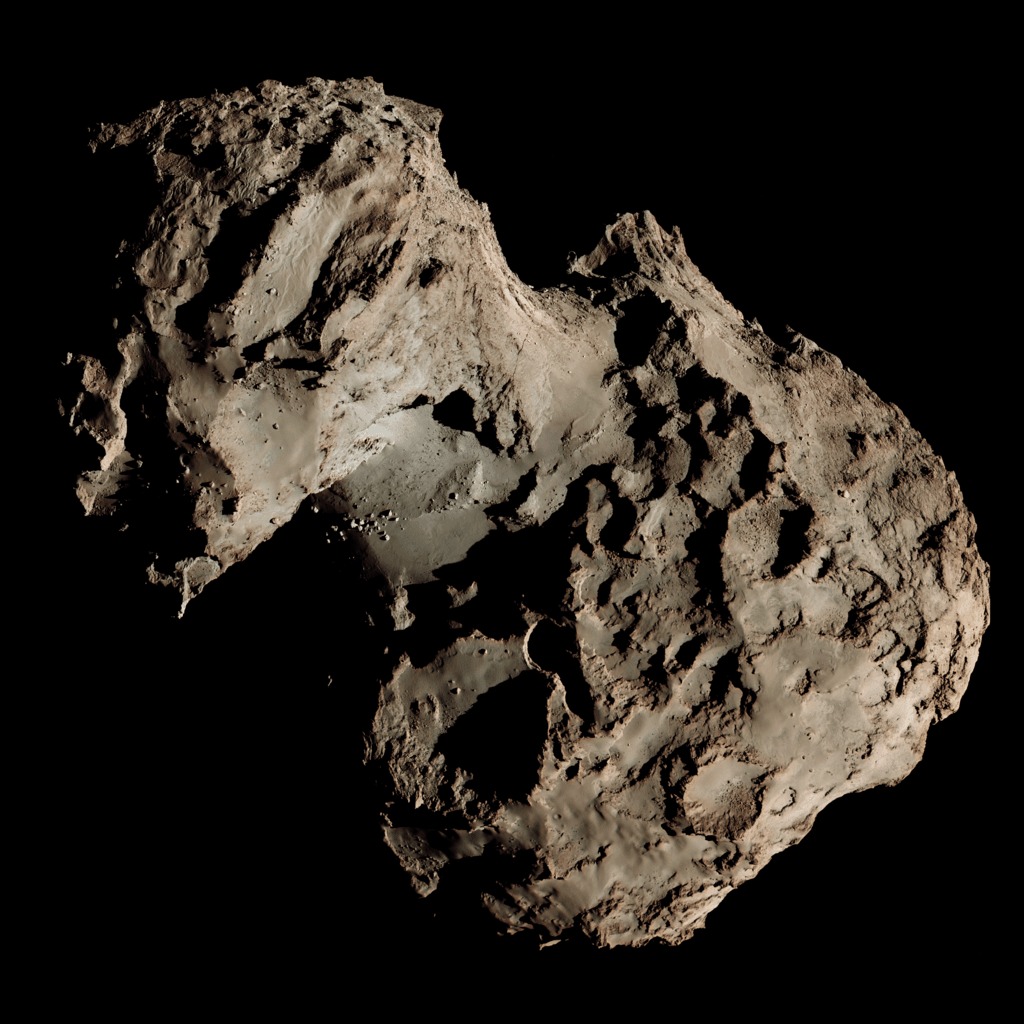
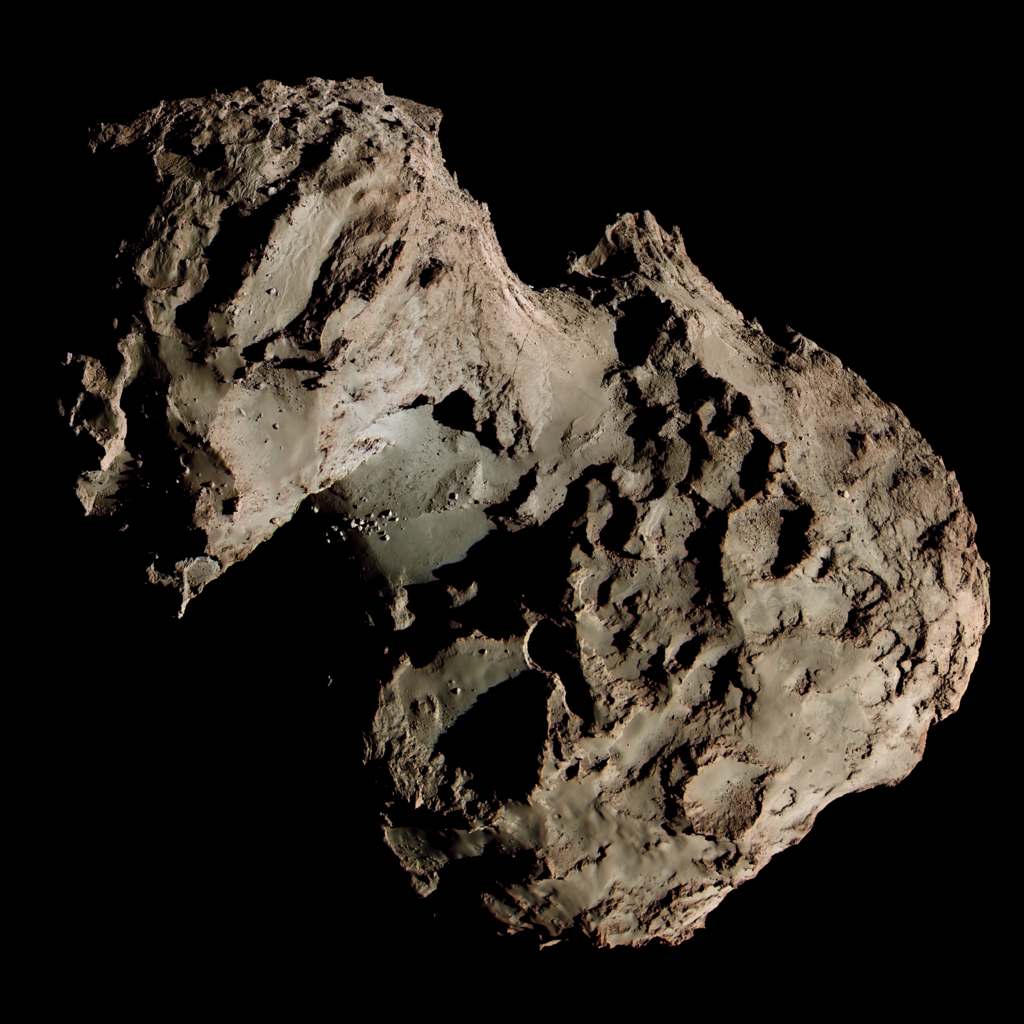
Classify the Example

Classify the Example
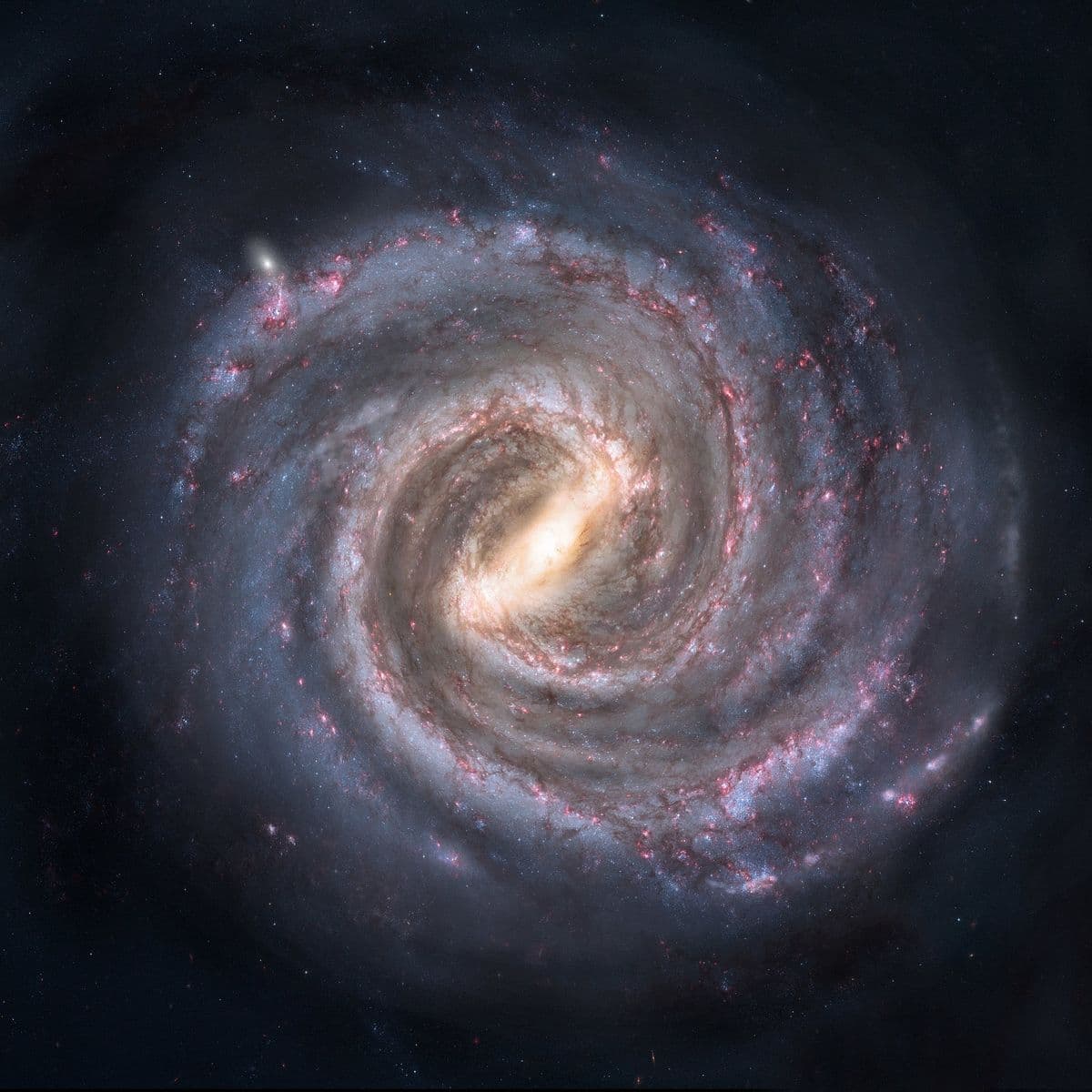
Classify the Example

Classify the Example

Classify the Example

Classify the Example

Classify the Example

Classify the Example

Do you think that this is a positive example?Â

SC.8.P.8.8-Identify basic examples of and compare and classify the properties of compounds, including acids, bases, and salts.
PB-SC.8.P.8.8 (M) - Identify basic examples of and compare and classify the properties of compounds, including acids, bases, and salts.
NEW-SC.8.P.8.8-• Students will identify common examples of acids, bases, and/or salts. • Students will compare, contrast, and/or classify the properties of compounds, including acids, bases and salts. • Students will understand the pH scale.
SC.8.P.8.4-Classify and compare substances on the basis of characteristic physical properties that can be demonstrated or measured; for example, density, thermal or electrical conductivity, solubility, magnetic properties, melting and boiling points, and know that these properties are independent of the amount of the sample.
PB-SC.8.P.8.4 (M) - Classify and compare substances on the basis of characteristic physical properties that can be demonstrated or measured; for example, density, thermal or electrical conductivity, solubility, magnetic properties, melting and boiling points, and know that these properties are independent of the amount of the sample.
What is the relationship between faults and earthquakes? What happens to a fault when an earthquake occurs? Earthquakes occur on faults - strike-slip earthquakes occur on strike-slip faults, normal earthquakes occur on normal faults, and thrust earthquakes occur on reverse or thrust faults. When an earthquake occurs on one of these faults, the rock on one side of the fault slips with respect to the other. The fault surface can be vertical, horizontal, or at some angle to the surface of the earth. The slip direction can also be at any angle. What is a fault and what are the different types? A fault is a fracture or zone of fractures between two blocks of rock. Faults allow the blocks to move relative to each other. This movement may occur rapidly, in the form of an earthquake - or may occur slowly, in the form of creep. Faults may range in length from a few millimeters to thousands of kilometers. Most faults produce repeated displacements over geologic time. During an earthquake, the rock on one side of the fault suddenly slips with respect to the other. The fault surface can be horizontal or vertical or some arbitrary angle in between. Earth scientists use the angle of the fault with respect to the surface (known as the dip) and the direction of slip along the fault to classify faults. Faults which move along the direction of the dip plane are dip-slip faults and described as either normal or reverse (thrust), depending on their motion. Faults which move horizontally are known as strike-slip faults and are classified as either right-lateral or left-lateral. Faults which show both dip-slip and strike-slip motion are known as oblique-slip faults. The following definitions are adapted from The Earth by Press and Siever. normal fault - a dip-slip fault in which the block above the fault has moved downward relative to the block below. This type of faulting occurs in response to extension and is often observed in the Western United States Basin and Range Province and along oceanic ridge systems. Normal Fault Animation reverse (thrust) fault - a dip-slip fault in which the upper block, above the fault plane, moves up and over the lower block. This type of faulting is common in areas of compression, such as regions where one plate is being subducted under another as in Japan. When the dip angle is shallow, a reverse fault is often described as a thrust fault. Thrust Fault Animation Blind Thrust Fault Animation strike-slip fault - a fault on which the two blocks slide past one another. The San Andreas Fault is an example of a right lateral fault. Strike-slip Fault Animation A left-lateral strike-slip fault is one on which the displacement of the far block is to the left when viewed from either side. A right-lateral strike-slip fault is one on which the displacement of the far block is to the right when viewed from either side.
Classify the following sentences weather related to bitmap or vector graphic
Classify the tools according to their uses.