Loading...


Classroom rules & table manners
Quiz by ANJALI FATING
Customize this quiz to suit your class
Instantly translate to 100+ languages
Tag the questions with any skills you have. Your dashboard will track each student's mastery of each skill.
Give this quiz to my class
Raise your hand to speak.



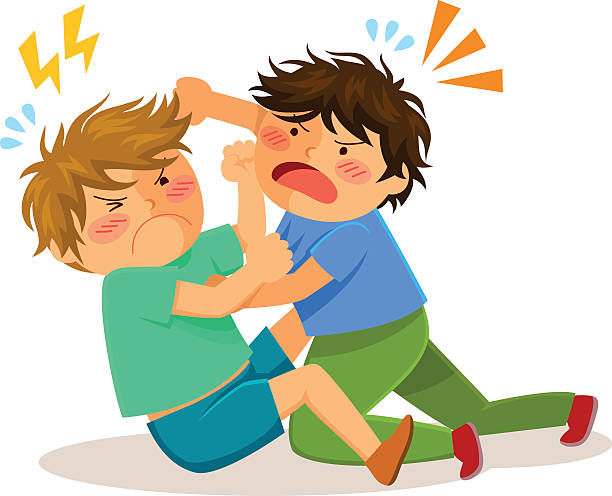
We must fight and harm our schoolmates.


Raise your hand to speak.

We must fight and harm our schoolmates.

We must eat junk food to stay fit and healthy.

We must walk smartly in a line.

Remember to use the magic words- Thank you, Sorry and Please

Help in keeping the classroom clean.

We must reach late to school.

Be a good friend.

 Life Processes Identify and define the seven life processes (MRS GREN). Classification Group living organisms based on observed similarities and differences. Classify vertebrates into taxonomic groups based on visible physical characteristics. Construct a dichotomous key to classify vertebrates. Cells Compare the structure of generalised plant and animal cells, and selected microbes (e.g. bacteria, fungi and Amoeba) Distinguish among cell wall, cell membrane, nucleus, cytoplasm, temporary and permanent vacuoles, mitochondrion, chloroplast, endoplasmic reticulum and ribosomes. Relate the structure of organelles to their functions; Identify specialised cells such as blood cells, ciliated epithelial cells, nerve cells, root hair cells, sperm cells and egg cells. Explain the importance of cell specialisation in multicellular organisms; include hierarchy of cells, tissues, organs; organ systems and then organism Diffusion, Osmosis, Active transport and Osmoregulation Explain the processes of diffusion, osmosis and active transport. Identify everyday instances of these processes occurring. Discuss the importance of diffusion, osmosis and active transport in living systems. Nutrition in Plants Describe the process of photosynthesis in green plants; test for end products, starch or reducing sugar (glucose). Relate the structure of the leaf of a flowering plant to its function in photosynthesis; draw and label the external features and the internal structure (cross section) of a leaf as seen in cross section under the light microscope. Nutrition in Humans Discuss the importance of a balanced diet in humans. State components of a balanced diet (carbohydrates, fats, proteins, vitamins and minerals, water and roughage and their roles) along with the results of their deficiency or surplus. Suggest dietary recommendations for treating and preventing named deficiency and physiological diseases (such as those outlined in the manual and your notes). Perform tests to distinguish among food substances - Test for proteins (Biuret), fats (grease spot), starch (iodine), reducing sugars (Benedict’s solution). The Digestive System in Humans Relate the structures of the human alimentary canal to their functions; Draw and label simple diagrams of the alimentary canal and internal structure of a tooth required. Describe mastication and the role of teeth in the mechanical breakdown of food to be included. (Compare types of teeth in humans and compare types of teeth in herbivores and carnivores.) Explain the role and importance of enzymes role of digestive enzymes in the mouth, stomach and pancreatic enzymes in the small intestine. Discuss properties of enzymes. Deduce from tables and graphs the effects of temperature and pH on enzyme activity. Experimental Skills Follow all drawing rules as outlined in the drawing skills checklist posted in the classroom (including calculation of magnification). Section 1: Numbers, Operations, and Relationships (15 marks) 1. Number Concepts (5 marks) 1.1. Decompose the following numbers into tens and ones: (2 marks) a. 34 b. 67 1.2. Count the objects in the pictures below and write the total number: (3 marks) [This section would need images of objects. You can provide images of groups of objects, e.g., 3 groups of 4 apples each and ask the students to count the total number.] 2. Solve Problems (5 marks) 2.1. Solve the following word problem using drawings: (3 marks) Samantha has 5 baskets. Each basket has 8 apples. How many apples does she have in total? Samantha has 5 × 8 = 40 5×8=40 apples. 2.2. Solve the following word problem by building up and breaking down numbers: (2 marks) There are 4 boxes. Each box has 6 chocolates. How many chocolates are there in total? There are 4 × 6 = 24 4×6=24 chocolates in total. 3. Calculations (5 marks) 3.1. Multiply the following numbers using drawings: (3 marks) a. 5 × 4 = 20 b. 4 × 5 = 20 3.2. Use a number line to solve: (2 marks) a. 3 × 5 = 15 b. 2 × 4 = 8 Section 2: Patterns, Functions, and Algebra (10 marks) 4. Number Patterns (10 marks) 4.1. Complete the number sequences: (5 marks) a. 180, 170, 160, 150, 140, 130, 120, 110, 100, 90 b. 150, 152, 154, 156, 158, 160, 162, 164, 166, 168 4.2. Count in twos and fill in the missing numbers: (5 marks) a. 102, 104, 106, 108, 110, 112, 114, 116 Section 3: Space and Shape (Geometry) (10 marks) 5. Position (10 marks) 5.1. Follow the directions to move around the classroom: (5 marks) Draw a path showing how you would move from your desk to the teacher's table by following these steps: Move 3 steps forward. Turn left and move 2 steps. Turn right and move 4 steps. [Students would draw a path based on these directions.] 5.2. Use the language of position to describe the following: (5 marks) a. The pencil is on the book. b. The chair is beside the desk. c. The bag is under the table. d. The ruler is next to the notebook. e. The eraser is inside the pencil case.Classroom RulesClassroom Rules 101Classroom rules and routinesClassroom Rules and ProceduresClassroom Rules and NormsOur classroom rules