Climate
Quiz by Benjamin D Morgan
Feel free to use or edit a copy
includes Teacher and Student dashboards
Measure skillsfrom any curriculum
Measure skills
from any curriculum
Tag the questions with any skills you have. Your dashboard will track each student's mastery of each skill.
With a free account, teachers can
- edit the questions
- save a copy for later
- start a class game
- automatically assign follow-up activities based on students’ scores
- assign as homework
- share a link with colleagues
- print as a bubble sheet
33 questions
Show answers
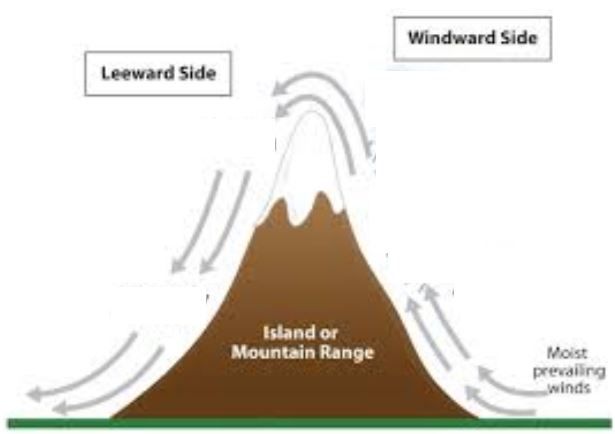
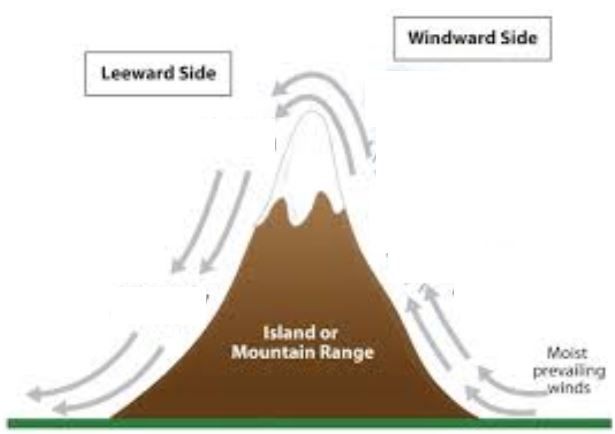
- Q1On the windward side of the mountain which climate would occur?Dry conditions and large cloudsLots of rain and large cloudsLots of rain and smaller clouds or no cloudsDry conditions and small clouds or no clouds30s
- Q2On the leeward side of the mountain which climate conditions would occur?Lots of rain and large cloudsDry conditions and small clouds or no cloudsDry conditions and larger cloudsLots of rain and small or no clouds30s
- Q3As air rises over the mountain which climate conditions would occur?Water vapor (gas) in the air would warm causing dry conditionsWater vapor (gas) in the air would cool causing dry conditionsWater vapor (gas) in the air would warm causing rainfall/snowWater vapor (gas) in the air would cool causing rainfall/snow30s
- Q4Which city would be the warmest climate based off of the evidence in the model pictured?Los Angeles because it is closest to the ocean & equatorVenice because it has the lowest elevationNew York because it has the highest elevation30s
- Q5Which city would have the coolest climate based off of the evidence in the model?New York because it is at the highest elevationVenice because it is at the lowest elevation30s
- Q6Which effect on climate is this model pictured evidence for?The effect of the ocean on climateThe effect of rain shadow on climateThe effect of latitude on climateThe effect of elevation on climate30s
- Q7Which effect on climate is this model pictured evidence for?Effect of large bodies of water on climatThe effect of directness of light on latitude climateThe effect of elevation on climateRain Shadow Effect30s
- Q8Which effect on climate is the model pictured evidence for?Rain shadow effectThe effect of elevation on latitude climateThe effect of large bodies of water on climateThe effect of directness of light on latitude climate30s
- Q9Why would the interior valley have a hotter climate than the coast?More direct light is occurring at the interior valleyHigher elevations are warmer than lower elevations because they are closer to the sunLarge bodies of water keep the surrounding land cooler30s
- Q10Why is the mountain the coldest?The mountain if far from a body of water to keep it warmHigher elevations are closer to the sunHigher elevations get less direct light from the sunHigher elevations have air particles that are farther apart and so have less heat30s
- Q11The numbers in this image refer to_____.temperaturelongitudeangle of the Sun's rays hitting Earthlatitude30s
- Q12Which is not a factor that affects climate?lakes & oceanslatitudeorganismselevation or altitude30s
- Q13As these numbers increase, _____temperatures decrease because the light is less directtemperatures increase because the Earth is closer to the sun at these locationsTemperature decrease because the ocean is biggerTemperature decrease because they are near the poles30s
- Q14Cities and states found far from the ocean would have...colder winters and warmer summers than cities found near the oceanWarmer winters and warmer summers than cities found near the oceanWarmer winters and colder summers than cities found near the oceancolder winters and colder summers than cities found near the ocean30s
- Q15What is the condition of the Earth's atmosphere at a certain time and place?All choicesclimatetemperatureweather30s