Loading...


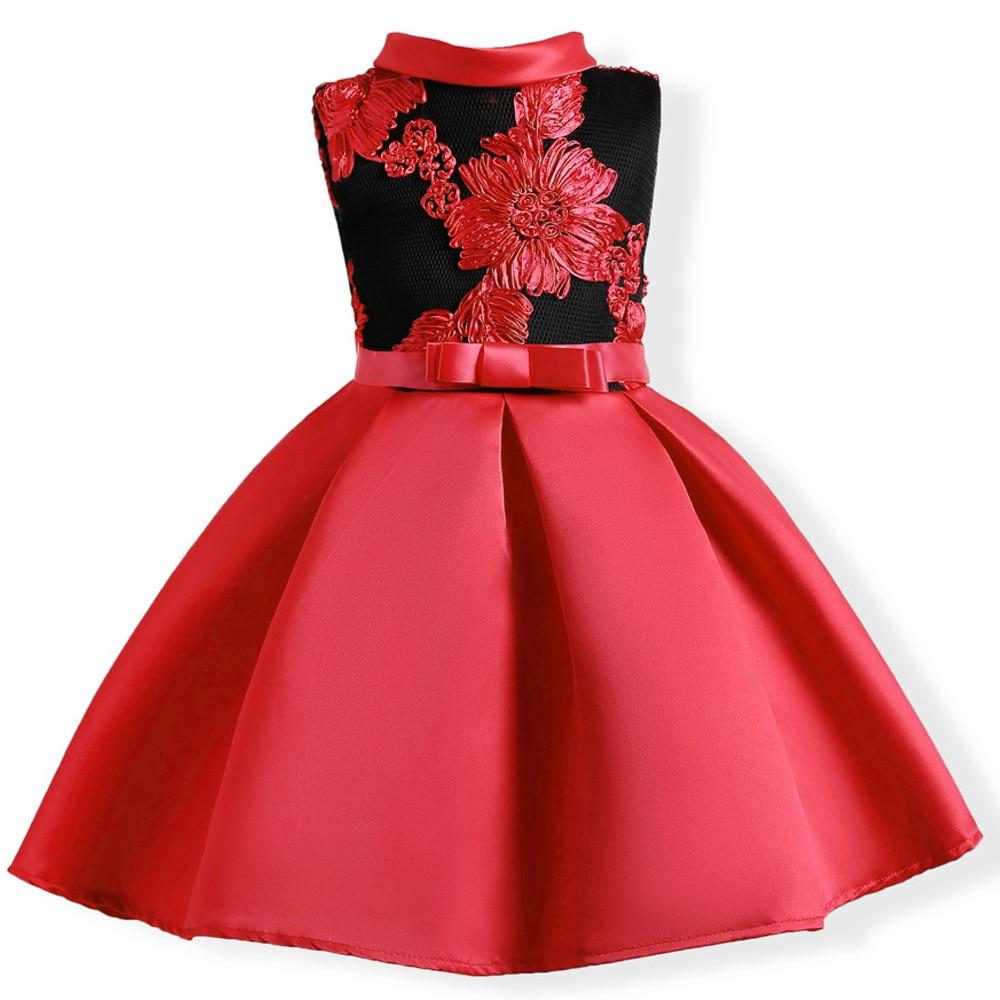
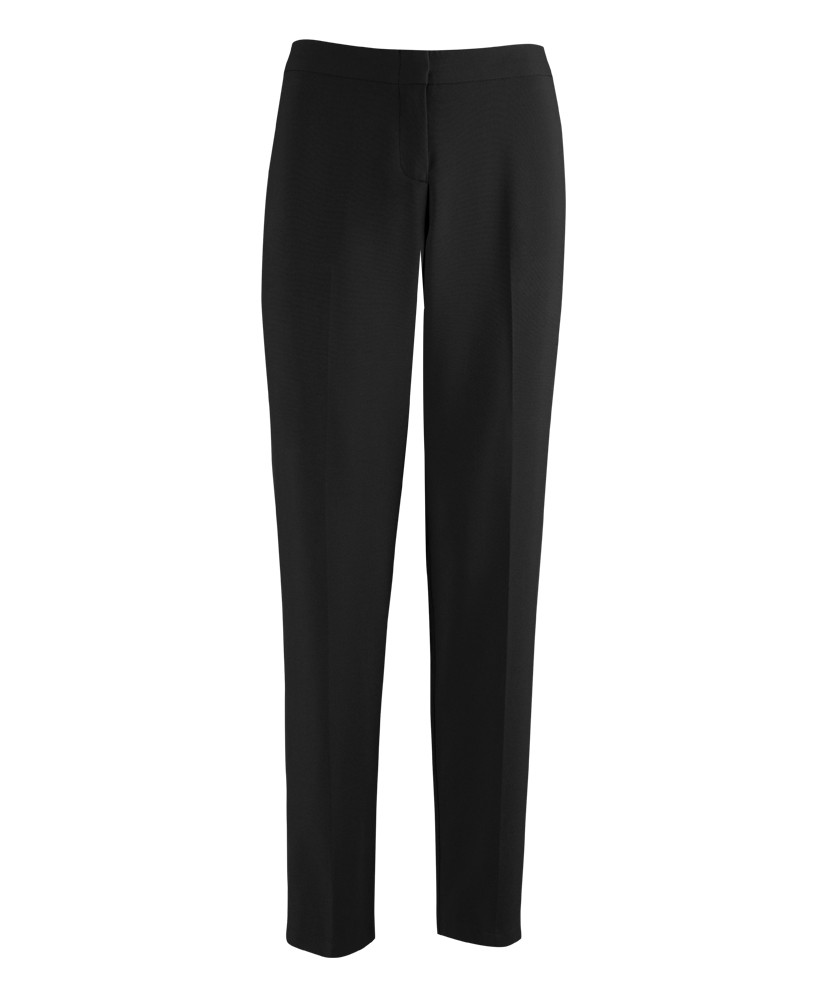
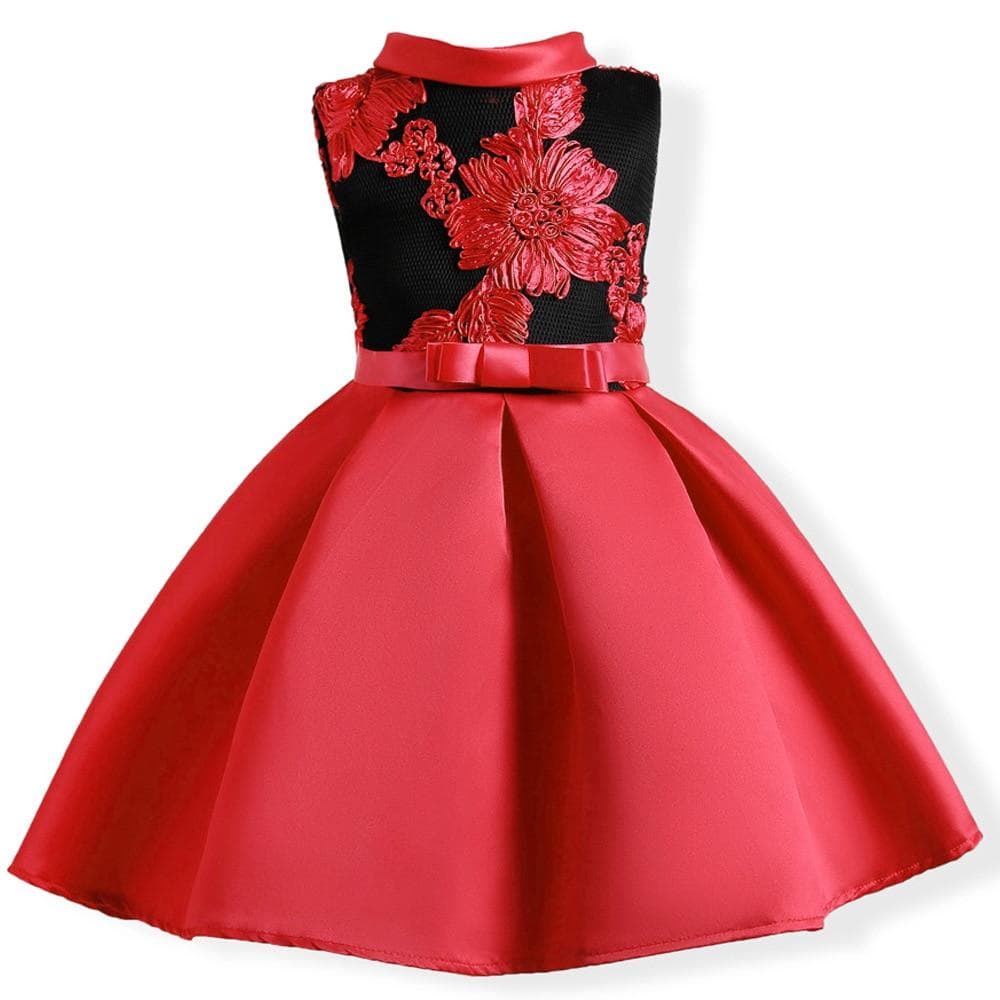
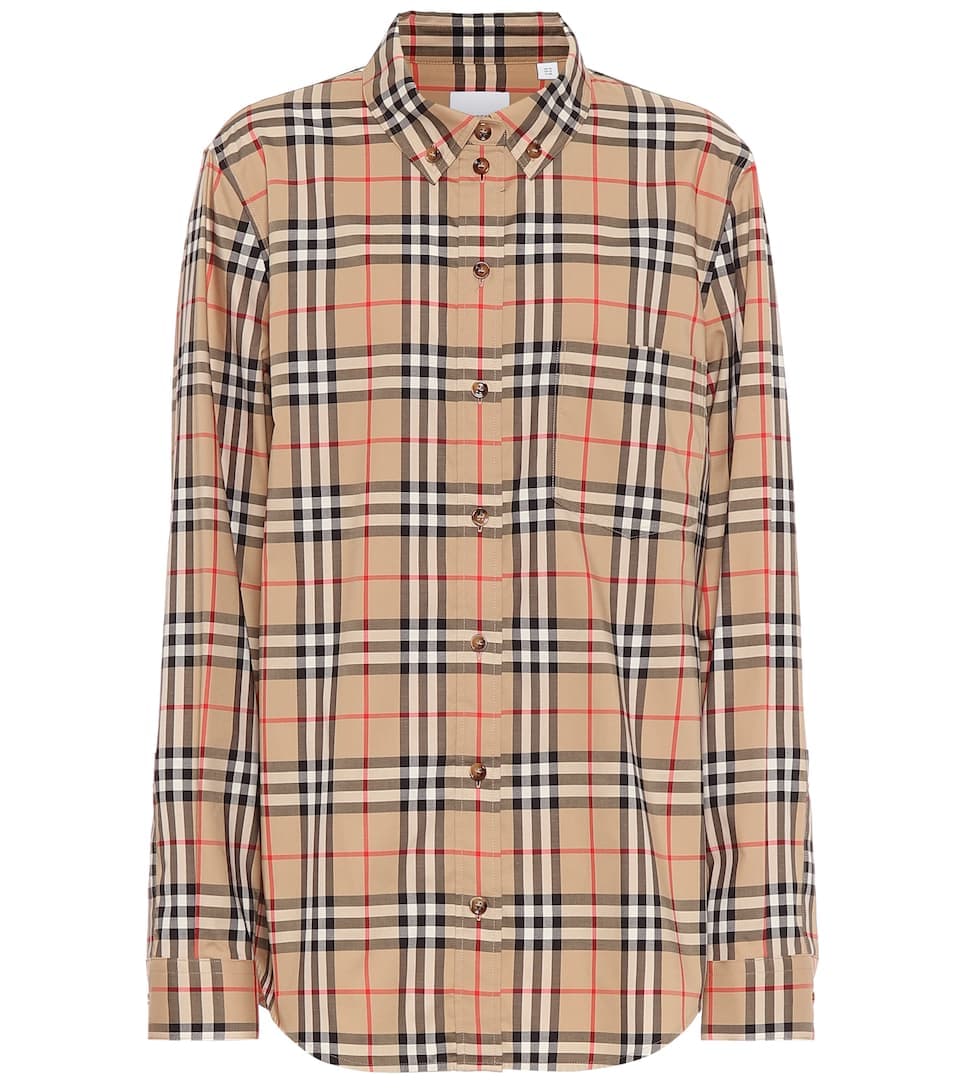
Clothes 3 class
Quiz by Kristina Vaičiulienė
Customize this quiz to suit your class
Instantly translate to 100+ languages
Tag the questions with any skills you have. Your dashboard will track each student's mastery of each skill.
Give this quiz to my class






 A BAD CASE OF THE STRIPES By David Shannon Parts(18): Camilla Narrator 1 Narrator 2 Narrator 3 Narrator 4 Mr. Harms Mother Father Dr. Bumble Old Woman Environmental Therapist Dr. Grop Dr. Gourd Dr. Sponge Mr. Mellon Dr. Cricket Dr. Young <><><><><><><><><><><><><><><><><><><><><><><><><><><><><><><><><><><><><><><><><><><><><><><><><> Narrator 1: A BAD CASE OF THE STRIPES By David Shannon Narrator 2: Camilla Cream loved lima beans. But she never ate them. Narrator 3: All of her friends hated lima beans, and she wanted to fit in. Camilla always worried about what other people thought of her. Narrator 4: Today she was fretting even more than usual. It was the very first day of school, and she couldn't decide what to wear. There were so many people to impress! Narrator 1: She tried on forty-two outfits, but none seemed quite right. She put on a pretty red dress and looked in the mirror. Then she screamed. Narrator 2: Her mother ran into the room, and she screamed, too. Mother: "Oh my heavens! You're completely covered with stripes!" Narrator 3: she cried. This was certainly true. Camilla was striped from head to toe. She looked like a rainbow. Narrator 4: Mrs. Cream felt Camilla's forehead. Mother: "Do you feel all right?" Narrator 1: she asked. Camilla: "I feel fine, but just look at me!" Narrator 2: Camilla answered. Mother: "You get back in bed this instant. You're not going to school today." Narrator 3: her mother ordered. Camilla was relieved. She didn't want to miss the first day of school, but she was afraid of what the other kids would say. And she had no idea what to wear with those crazy stripes. Narrator 4: That afternoon, Dr. Bumble came to examine Camilla. Dr. Bumble: "Most extraordinary! I've never seen anything like it! Are you having any coughing, sneezing, runny nose, aches, pains, chills, hot flashes, dizziness, drowsiness, shortness of breath, or uncontrollable twitching?" Narrator 1: he asked. Camilla: "No, I feel fine." Narrator 2: Camilla told him. Dr. Bumble: "Well then, I don't see any reason why she shouldn't go to school tomorrow. Here's some ointment that should help clear up those stripes in a few days. If it doesn't, you know where to reach me." Narrator 3: Dr. Bumble said, turning to Mrs. Cream. And off he went. Narrator 4: The next day was a disaster. Everyone at school laughed at Camilla. They called her "Camilla Crayon" and "Night of the Living Lollipop." Narrator 1: She tried her best to act as if everything were normal, but when the class said the Pledge of Allegiance, her stripes turned red, white, and blue, and she broke out in stars! Narrator 2: The other kids thought this was great. One yelled out, Narrator 3: "Let's see some purple polka dots!" Narrator 4: Sure enough, Camilla turned all purple polka-dotty. Someone else shouted, Narrator 1: "Checkerboard!" Narrator 4: and a pattern of squares covered her skin. Soon everyone was calling out different shapes and colors, and poor Camilla was changing faster than you can change channels on a T.V. Narrator 2: That night, Mr. Harms, the school principal, called. Mr. Harms: "I'm sorry, Mrs. Cream, I'm going to have to ask you to keep Camilla home from school. She's just too much of a distraction, and I've been getting phone calls from the other parents. They're afraid those stripes may be contagious." Narrator 3: he said. Camilla was so embarrassed. She couldn't believe that two days ago everyone liked her. Now, nobody wanted to be in the same room with her. Narrator 1: Her father tried to make her feel better. Father: "Is there anything I can get you, sweetheart?" Narrator 2: he asked. Camilla: "No, thank you," Narrator 3: sighed Camilla. What she really wanted was a nice plate of lima beans, but she had been laughed at enough for one day. Dr. Bumble: "Hmm, well, yes, I see. I think I'd better bring in the Specialists. We'll be right over.” Narrator 4: said Dr. Bumble to Mr. Cream on the phone. About an hour later, Dr. Bumble arrived with four people in long white coats. He introduced them to the Creams. Dr. Bumble: "This is Dr. Grop, Dr. Sponge, Dr. Cricket, and Dr. Young." Narrator 1: Then the Specialists went to work on Camilla. They squeezed and jabbed, tapped and tested. It was very uncomfortable. Dr. Grop: "Well, it's not the mumps." Dr. Sponge: "Or the measles." Dr. Cricket:"Definitely not chicken pox." Dr. Young: "Or sunburn." Narrator 2: replied the Specialists. Specialists:"Try these. Take one of each before bed." Narrator 4: said the specialists. They each handed her a bottle filled with different colored pills. Then they filed out the front door followed by Dr. Bumble. Narrator 1: That night, Camilla took her medicine. It was awful. Narrator 2: When she woke up the next morning, she did feel different, but when she got dressed, her clothes didn't fit right. She looked in the mirror, and there, staring back at her, was a giant, multi-colored pill with a face on it. Narrator 3: Dr. Bumble rushed over as soon as Mrs. Cream called. But this time, instead of the Specialists, he brought the Experts. Narrator 4: Dr. Gourd and Mr. Mellon were the finest scientific minds in the land. Once again, Camilla was poked and prodded, looked at and listened to. Narrator 1: The Experts wrote down lots of numbers. Then they huddled together and whispered. Dr. Gourd finally spoke. Dr. Gourd: "It might be a virus," Narrator 2: he announced with authority. Suddenly, fuzzy little virus balls appeared all over Camilla. Mr. Mellon: "Or possibly some form of bacteria," Narrator 3: said Mr. Mellon. Out popped squiggly little bacteria tails. Dr. Gourd: "Or it could be a fungus," Narrator 4: added Dr. Gourd. Instantly, Camilla was covered with different colored fungus blotches. The experts looked at Camilla, then each other. Experts: "We need to go over these numbers again back at the lab. We’ll call you when we know something," Narrator 1: said the Experts. But the Experts didn't have a clue, much less a cure. Narrator 2: By now, the T.V. news had found out about Camilla. Reporters from every channel were outside her house, telling the story of "The Bizarre Case of the Incredible Changing Kid." Narrator 3: Soon a huge crowd was camped out on the front lawn. Narrator 4: The Creams were swamped with all kinds of remedies from psychologists, allergists, herbalists, nutritionists, psychics, an old medicine man, a guru, and even a veterinarian. Narrator 1: Each so-called cure only added to poor Camilla's strange appearance until it was hard to even recognize her. She sprouted roots and berries and crystals and feathers and a long furry tail. But nothing worked. Narrator 2: One day, a woman who called herself an Environmental Therapist claimed she could cure Camilla. She said, Environmental Therapist: "Close your eyes, breathe deeply, and become one with your room." Camilla: "I wish you hadn't said that," Narrator 3: Camilla groaned. Slowly, she started to melt into the walls of her room. Her bed became her mouth, her nose was a dresser, and two paintings were her eyes. The therapist screamed and ran from the house. Mother: "What are we going to do? It just keeps getting worse and worse!" Narrator 4: cried Mrs. Cream. She began to sob. Narrator 1: At that moment, Mr. Cream heard a quiet little knock at the front door. He opened it, and there stood an old woman who was just as plump and sweet as a strawberry. Old Woman: "Excuse me, but I think I can help." Narrator 2: she said brightly. Narrator 3: She went into Camilla's room and looked around. Old Woman: "My goodness, what we have here is a bad case of the stripes. One of the worst I've ever seen!" Narrator 4: she said with a shake of her head. She pulled a container of small green beans from her bag. She said, Old Woman: "Here. These might do the trick." Mother: "Are those magic beans?" Narrator 1: asked Mrs. Cream. The old woman replied, Old Woman: "Oh my, no, there's no such thing. These are just plain old lima beans. I'll bet you'd like some, wouldn't you?" Narrator 2: she asked Camilla. Camilla wanted a big, heaping plateful of lima beans more than just about anything, but she was still afraid to admit it. She said, Camilla: "Yuck! No one likes lima beans, especially me!" Old Woman: "Oh, dear, I guess I was wrong about you." Narrator 3: said the old woman sadly. She put the beans back in her bag and started toward the door. Narrator 4: Camilla watched the old woman walk away. Those beans would taste so good. And being laughed at for eating them was nothing, compared to what she'd been going through. She finally couldn't stand it. Camilla: "Wait! The truth is...I really love lima beans." Narrator 1: she cried. The old woman smiled, popping a handful of beans into Camilla's mouth, and said, Old Woman: "I thought so." Camilla: "Mmmmmmm," Narrator 2: said Camilla. Suddenly the branches, feathers, and squiggly tails began to disappear.Then the whole room swirled around. When it stopped, there stood Camilla, and everything was back to normal. Camilla: "I'm cured!" Narrator 3: she shouted. The old woman said, Old Woman: "Yes, I knew the real you was in there somewhere." Narrator 4: She patted Camilla on the head and went outside and vanished into the crowd. Narrator 1: Afterward, Camilla wasn't quite the same. Narrator 2: Some of the kids at school said she was weird, but she didn't care a bit. Narrator 3: She ate all the lima beans she wanted, and she never had even a touch of stripes again.1. Flammable materials, like alcohol, should never be dispensed or used near A. an open door. B. an open flame. C. another student. D. a sink. 2. If a laboratory fire erupts, immediately A. notify your instructor. B. run for the fire extinguisher. C. throw water on the fire. D. open the windows. 3. Approved eye protection devices (such as goggles) are worn in the laboratory A. to avoid eye strain. B. to improve your vision. C. only if you don’t have corrective glasses. D. any time chemicals, heat or glassware are used. 4. If you wear contact lenses in the school laboratory, A. take them out before starting the lab. B. you do not have to wear protective goggles. C. advise your science instructor that you wear contact lenses. D. keep the information to yourself. 5. If you do not understand a direction or part of a lab procedure, you should A. figure it out as you do the lab. B. try several methods until something works. C. ask the instructor before proceeding. D. skip it and go on to the next part. 6. After completing an experiment, all chemical wastes should be A. left at your lab station for the next class. B. disposed of according to your instructor’s directions. C. dumped in the sink. D. taken home. 7. If a lab experiment is not completed, you should A. discuss the issue with your instructor. B. sneak in after school and work alone. C. come in during lunch and finish while eating lunch. D. make up some results. 8. You are heating a substance in a test tube. Always point the open end of the tube A. toward yourself. B. toward your lab partner. C. toward another classmate. D. away from all people. Science Laboratory Safety teSt 9. You are heating a piece of glass and now want to pick it up. You should A. use a rag or paper towels. B. pick up the end that looks cooler. C. use tongs. D. pour cold water on it. 10. You have been injured in the laboratory (cut, burn, etc.). First you should A. visit the school nurse after class. B. see a doctor after school. C. tell the science instructor at once. D. apply first aid yourself. 11. When gathering glassware and equipment for an experiment, you should A. read all directions carefully to know what equipment is necessary. B. examine all glassware to check for chips or cracks. C. clean any glassware that appears dirty. D. All of the above. 12. You want to place a piece of glass tubing into a rubber stopper after the tubing has been fire polished and cooled. This is best done by A. lubricating the tubing with water or glycerin. B. using a towel or cotton gloves for protection. C. twisting the tubing and stopper carefully. D. all of the above. 13. Personal eyeglasses provide as much protection as A. a face shield. B. safety glasses. C. splashproof chemical goggles. D. none of the above. 14. Long hair in the laboratory must be A. cut short. B. held away from the experiment with one hand. C. always neatly groomed. D. tied back or kept entirely out of the way with a hair band, hairpins, or other confining device. 15. In a laboratory, the following should not be worn. A. loose clothing. B. dangling jewelry. C. sandals. D. all of the above. 16. The following footwear is best in the laboratory. A. sandals B. open-toed shoes C. closed-toed shoes D. shoes appropriate for the weather3 © 2017 Flinn Scientific, Inc. All Rights Reserved. 17. Horseplay or practical jokes in the laboratory are A. always against the rules. B. okay. C. not dangerous. D. okay if you are working alone. 18. If a piece of equipment is not working properly, stop, turn it off, and tell A. the custodian. B. your lab partner. C. your best friend in the class. D. the science instructor. 19. If an acid is splashed on your skin, wash at once with A. soap. B. oil. C. weak base. D. plenty of water. 20. When you finish working with chemicals, biological specimens, and other lab substances, always A. treat your hands with skin lotion. B. wash your hands thoroughly with soap and water. C. wipe your hands on a towel. D. wipe your hands on your clothes. True—False T F 22. ■ ■ Hot glass looks the same as cold glass. 23. ■ ■ All chemicals in the lab are to be considered dangerous. 24. ■ ■ Return all unused chemicals to their original containers. 25. ■ ■ Work areas should be kept clean and tidy. 26. ■ ■ Pipets are used to measure and dispense small amounts of liquids. You should draw the liquid into the pipet using your mouth. 27. ■ ■ Laboratory work can be started immediately upon entering the laboratory even if the instructor is not yet present. 28. ■ ■ Never remove chemicals or other equipment from the laboratory. T F 29. ■ ■ Chipped or cracked glassware is okay to use. 30. ■ ■ Read all procedures thoroughly before entering the laboratory. 31. ■ ■ All unauthorized experiments are prohibited. 32. ■ ■ You are allowed to enter the chemical preparation/storage area any time you need to get an item. 33. ■ ■ Laboratory aprons should be worn during all lab activities. 34. ■ ■ It’s okay to pick up broken glass with your bare hands as long as the glass is placed in the trash. 35. ■ ■ Never leave a lit burner unattended. 21. Draw a diagram of your science room and label the locations of the following: ■ Fire Blanket ■ Fire Extinguisher(s) ■ Exits ■ Eyewash Station ■ Emergency Shower ■ Closest Fire Alarm Station ■ Waste Disposal Container(s)4 © 2017 Flinn Scientific, Inc. All Rights Reserved. Name: ________________________________________________ Date: ______________________________________________ 1. Flammable materials, like alcohol, should never be dispensed or used near A. an open door. B. an open flame. C. another student. D. a sink. 2. If a laboratory fire erupts, immediately A. notify your instructor. B. run for the fire extinguisher. C. throw water on the fire. D. open the windows. 3. Approved eye protection devices (such as goggles) are worn in the laboratory A. to avoid eye strain. B. to improve your vision. C. only if you don’t have corrective glasses. D. any time chemicals, heat or glassware are used. 4. If you wear contact lenses in the school laboratory, A. take them out before starting the lab. B. you do not have to wear protective goggles. C. advise your science instructor that you wear contact lenses. D. keep the information to yourself. 5. If you do not understand a direction or part of a lab procedure, you should A. figure it out as you do the lab. B. try several methods until something works. C. ask the instructor before proceeding. D. skip it and go on to the next part. 6. After completing an experiment, all chemical wastes should be A. left at your lab station for the next class. B. disposed of according to your instructor’s directions. C. dumped in the sink. D. taken home. 7. If a lab experiment is not completed, you should A. discuss the issue with your instructor. B. sneak in after school and work alone. C. come in during lunch and finish while eating lunch. D. make up some results. 8. You are heating a substance in a test tube. Always point the open end of the tube A. toward yourself. B. toward your lab partner. C. toward another classmate. D. away from all people. Science Laboratory Safety teSt 9. You are heating a piece of glass and now want to pick it up. You should A. use a rag or paper towels. B. pick up the end that looks cooler. C. use tongs. D. pour cold water on it. 10. You have been injured in the laboratory (cut, burn, etc.). First you should A. visit the school nurse after class. B. see a doctor after school. C. tell the science instructor at once. D. apply first aid yourself. 11. When gathering glassware and equipment for an experiment, you should A. read all directions carefully to know what equipment is necessary. B. examine all glassware to check for chips or cracks. C. clean any glassware that appears dirty. D. All of the above. 12. You want to place a piece of glass tubing into a rubber stopper after the tubing has been fire polished and cooled. This is best done by A. lubricating the tubing with water or glycerin. B. using a towel or cotton gloves for protection. C. twisting the tubing and stopper carefully. D. all of the above. 13. Personal eyeglasses provide as much protection as A. a face shield. B. safety glasses. C. splashproof chemical goggles. D. none of the above. 14. Long hair in the laboratory must be A. cut short. B. held away from the experiment with one hand. C. always neatly groomed. D. tied back or kept entirely out of the way with a hair band, hairpins, or other confining device. 15. In a laboratory, the following should not be worn. A. loose clothing. B. dangling jewelry. C. sandals. D. all of the above. 16. The following footwear is best in the laboratory. A. sandals B. open-toed shoes C. closed-toed shoes D. shoes appropriate for the weather5 © 2017 Flinn Scientific, Inc. All Rights Reserved. 17. Horseplay or practical jokes in the laboratory are A. always against the rules. B. okay. C. not dangerous. D. okay if you are working alone. 18. If a piece of equipment is not working properly, stop, turn it off, and tell A. the custodian. B. your lab partner. C. your best friend in the class. D. the science instructor. 19. If an acid is splashed on your skin, wash at once with A. soap. B. oil. C. weak base. D. plenty of water. 20. When you finish working with chemicals, biological specimens, and other lab substances, always A. treat your hands with skin lotion. B. wash your hands thoroughly with soap and water. C. wipe your hands on a towel. D. wipe your hands on your clothes. 21. Draw a diagram of your science room and label the locations of the following: ■ Fire Blanket ■ Fire Extinguisher(s) ■ Exits ■ Eyewash Station ■ Emergency Shower ■ Closest Fire Alarm Station ■ Waste Disposal Container(s) True—False T F 22. ■ ■ Hot glass looks the same as cold glass. 23. ■ ■ All chemicals in the lab are to be considered dangerous. 24. ■ ■ Return all unused chemicals to their original containers. 25. ■ ■ Work areas should be kept clean and tidy. 26. ■ ■ Pipets are used to measure and dispense small amounts of liquids. You should draw the liquid into the pipet using your mouth. 27. ■ ■ Laboratory work can be started immediately upon entering the laboratory even if the instructor is not yet present. 28. ■ ■ Never remove chemicals or other equipment from the laboratory. T F 29. ■ ■ Chipped or cracked glassware is okay to use. 30. ■ ■ Read all procedures thoroughly before entering the laboratory. 31. ■ ■ All unauthorized experiments are prohibited. 32. ■ ■ You are allowed to enter the chemical preparation/storage area any time you need to get an item. 33. ■ ■ Laboratory aprons should be worn during all lab activities. 34. ■ ■ It’s okay to pick up broken glass with your bare hands as long as the glass is placed in the trash. 35. ■ ■ Never leave a lit burner unattended.Create me a multiple choice test questions with 4 options on the following topic:Consumer Education for Different Audience 1. Children and Youth: - Focus: Building foundational knowledge about basic consumer concepts, making safe choices, understanding money and value, and recognizing scams and unsafe situations. 2. Teens and Young Adults: - Focus: Building financial literacy, responsible debt management, understanding contracts and agreements, responsible technology use, online safety, and consumer rights. 3. Working Adults and Families: - Focus: Managing budgets, making informed purchasing decisions, understanding credit and debt, finding consumer protection resources, and navigating complex financial products (mortgages, insurance, investments). 4. Seniors: - Focus: Protecting themselves from scams and fraud, understanding common consumer issues like telemarketing, identity theft, and online scams, managing medications and healthcare costs, and accessing community resources. 5. Special Populations: - Focus: Adapting consumer education programs to the specific needs of people with disabilities, immigrants, refugees, and other marginalized communities. 6. Business and Industry:- Focus: Understanding ethical marketing practices, complying with consumer protection laws, and providing clear and accurate information to consumers. 7. Policymakers and Regulators: - Focus: Understanding consumer needs, developing effective consumer protection laws, enforcing regulations, and ensuring a fair and competitive marketplace. Adapting consumer education programs for children, teens, and seniors requires tailoring content and delivery methods to their unique needs and learning styles. Children (Ages 5-12): - Understanding the concept of money: Teaching children about saving, spending, and the value of money. - Developing basic budgeting skills: Helping children learn to make choices about how to spend their allowance or pocket money. EFFECTIVE STRATEGIES •Focus on basic concepts: Introduce core concepts like saving, spending, and budgeting in a fun and engaging way. Use simple language and relatable examples. •Real-life scenarios: Use age-appropriate scenarios to illustrate financial concepts, like buying toys or snacks. •Parental involvement: Encourage parent participation and provide resources to help them reinforce lessons at home. Teens (Ages 13-18): - Building budgeting and financial planning skills: Teaching teens how to manage their money, set financial goals, and plan for the future. - Navigating the digital marketplace: Equipping teens with the knowledge and skills to make safe and informed online purchases, understand digital marketing, and protect themselves from scams. EFFECTIVE STRATEGIES • Practical skills: Focus on skills relevant to teens, like managing money for social activities, saving for college, and understanding credit cards. • Digital literacy: Address the growing influence of online shopping, social media advertising, and financial scams. • Real-world applications: Connect financial concepts to real-life decisions teens make, like choosing a part-time job or making purchases online. Seniors (Ages 65+) - Managing retirement savings and healthcare costs: Providing information and resources on retirement planning, Medicare and Medicaid, and other healthcare options. - Navigating the digital world: Offering technology training and resources to help seniors access online services and information safely and securely. EFFECTIVE STRATEGIES • Addressing specific concerns: Focus on topics relevant to senior citizens, like retirement planning, managing healthcare expenses, and avoiding scams. • Clear and concise communication: Use simple language and visual aids to ensure easy understanding. • Social interaction: Create opportunities for seniors to share experiences and learn from each other. Teaching Financial Literacy in school and Communities In Schools: Curriculum Integration: Financial literacy concepts can be seamlessly integrated into existing subjects, making learning more relevant and engaging. - Math: Budgeting exercises, calculating interest rates, analyzing financial data, and understanding compound interest are all natural applications of math skills. - Social Studies: Exploring the history of money, financial institutions, economic systems, and the impact of financial decisions on society provide valuable context. - Economics: Discussions about supply and demand, inflation, investment, and the role of consumers in the economy enhance financial literacy. Dedicated Courses: Offering elective courses or workshops specifically focused on personal finance provides deeper dives into crucial topics. - Personal Finance: Cover budgeting, saving, investing, credit, debt management, and insurance. - Entrepreneurship: Introduce concepts like business planning, marketing, financial forecasting, and managing cash flow. In Communities: Community Centers and Libraries: Workshops, seminars, and classes tailored to adults and families provide accessible learning opportunities. - Financial Planning: Cover budgeting, retirement planning, debt management, and estate planning. - Homeownership: Provide guidance on buying, selling, and maintaining a home. - Consumer Protection: Educate individuals about their rights and how to avoid scams. Partnerships with Financial Institutions: Collaborations with banks, credit unions, and financial advisors offer valuable resources, workshops, and financial literacy programs. Consumer Education for Low-Income and Vulnerable Populations Low-income refers to individuals or households with limited financial resources, typically below a certain threshold. Low-income individuals may face challenges like: 1. Limited education and job opportunities 2. Poor living conditions and housing 3. Food insecurity and malnutrition Causes of low income: 1. Unemployment or underemployment 2. Low-paying jobs or minimum wage 3. Limited education or skills 4. Single parenthood or large family size Vulnerable population'' is a term that is used to describe a group of people who possess some sort of disadvantage. elderly people, people with low incomes, homeless people, people in prison, migrant workers, pregnant women, Family Consumer Education: Managing Household Finances and Resources Financial literacy is the ability to understand and manage personal finances effectively. 1. Debt Debt is money you spend that isn’t yours. If you borrow money from the bank, use a credit card, or take out a short-term loan, or a payday loan, you are accumulating debt. Good debt is considered money borrowed for things that are absolutely necessary for making a life e.g. a house and for advancing your money-making potential e.g. an education. Bad debt is considered borrowing money or using a credit card to pay for things you don’t need, such as expensive clothes, hi-tech electronics, eating out at restaurants, going on holidays, etc. 2. Saving Saving is an essential part of financial wellness, a secure present, and a happy future. 3. Budgeting Budgeting is the life skill of planning and managing your money. By understanding exactly where your money goes every month, you are empowered to create an actionable plan by which you can spend less, by curtailing those unnecessary expenses and saving more for the things you need and want. 4. Investing Investing is all about creating and growing the wealth you need to enjoy a financially secure and happy future. It’s about putting your money into something that will make you a profit over time, such as property, retirement funds, and unit trusts Integrating Consumer Education into the Home Economics Curriculum. Integrating consumer education into the home economics curriculum can provide students with essential skills for making informed choices about their personal finances, food, clothing, and overall well-being. Here are some strategies and ideas for effectively incorporating consumer education: Financial Literacy Budgeting: Teach students how to create and manage a personal budget, including setting financial goals, tracking expenses, and understanding savings. Saving and Investment: Cover the basics of saving, including different saving accounts, and introduce concepts related to investing. Food and Nutrition Food Label Literacy: Engage students in learning how to read and interpret food labels, including nutrition facts and ingredient lists. Grocery Shopping Skills: Teach students how to compare product costs, understand unit pricing, and make healthy, budget-friendly choices while shopping. Clothing and Textile Education Consumer Choices in Clothing:Discuss factors influencing clothing purchases, such as quality, price, and sustainability. Fashion and Trends: Analyze the impact of marketing and advertising on consumer behavior regarding clothing. Sustainable Purchasing Eco-Friendly Choices: Raise awareness about environmentally friendly products and the importance of sustainability in consumer choices. Project-Based Learning - Assign real-life projects where students must apply their knowledge, such as creating a meal plan within a budget, planning a shopping list based on nutrient needs, or evaluating the cost-effectiveness of different products. Technology Integration - Use technology to teach students about online shopping, price comparison websites, and apps that aid budgeting and financial planning. Collaborative Learning Opportunities - Organize team projects where students work together to solve consumer-related problems, emphasizing teamwork and communication skills. Assessment and Reflection - Incorporate assessments that allow students to reflect on what they have learned about consumer education and how they can apply these skills in their daily lives. To the Lakota, and other indigenous people on North America's Great Plains, the bison was an essential part of their culture ( expressed in the quote on the previous page). The bison provided meat for nutrition, a hide for clothing and shelter, bones for tools, and fat for soap. The bison was also central to their religious beliefs. So, when European settlers hunted the bison nearly to extinction, Lakota culture suffered. Culture is central to a society and the identity of its people, as well as its continued existence. Therefore, geographers study culture as a way to understand similarities and differences among societies across the world, and in some cases, to help preserve these societies. Analyzing Culture All of a group's learned behaviors, actions, beliefs, and objects are a part of culture. It is a visible force seen in a group's actions, possessions, and influence on the landscape. For example, in a large city you can see people working in offices, factories, and stores, and living in high-rise apartments or suburban homes. You might observe them attending movies, concerts, or sporting events. Culture is also an invisible force guiding people through shared belief systems, customs, and traditions. Culture is learned, in that it develops through experiences, and not merely transmitted through genetics. For example, many people in the United States have developed a strong sense of competitiveness in school and business, and believe that hard work is a key to success. These types of elements, visible and invisible, are cultural traits. A series of interrelated traits make up a cultural complex, such as the process of steps and acceptable behaviors related to greeting a person in different cultures. A single cultural artifact, such as an automobile, may represent many different values, beliefs, behaviors and traditions and be representative of a cultural complex. Since culture is learned there are many ways that one generation passes its culture to the next. Children and adults learn traits three ways: • imitation, as when learning a language by repeating sounds or behaviors from a person or television • informal instruction, as when a parent reminds a child to say "please" • formal instruction, as when students learn history in school 132 HUMAN GEOGRAPHY: AP" EDITION CULTURAL COMPLEX OF THE AUTOMOBILE The automobile provides much more than just transportation, as it reflects many values that are central to American culture. Origins of Culture The area in which a unique culture or a specific trait develops is a culture hearth. Classical Greece was a culture hearth for democracy more than 2,000 years ago. New York City was a culture hearth for rap music in the 1970s. Geographers study how cultures develop in hearths and diffuse-or spread-to other places. Geographers also study taboos, behaviors heavily discouraged by a culture. For example, many cultures have taboos against eating certain foods, such as pork or insects. What is considered taboo changes over time. In the United States, marriages between Protestants and Catholics were once taboo, but they are not widely opposed now. Traditional, Folk, and Indigenous Cultures With the beginning of the Industrial Revolution in the late 18th century, modern transportation and communication connected people as never before and led to extensive cultural mixing, especially as cities have grown. The world prior to this time was very different; however, remnants of the past are still evident in our modern cultures. Traditional, folk, and indigenous cultures share some important characteristics and are often grouped together, but they do have some subtle differences. Traditional Culture Recently, the meanings of traditional, folk, and indigenous culture have begun to merge, causing geographers to debate when each should be used. Increasingly, the term traditional culture is used to encompass all three cultural designations. All three types share the function of passing down long-held beliefs, values, and practices and are generally resistant to rapid changes in their culture. Folk Culture The beliefs and practices of small, homogenous groups of people, often living in rural areas that are relatively isolated and slow to change, are known as folk cultures. Like all cultures, they demonstrate the diverse ways that people have adapted to a physical environment. For example, people around the world learned to make shelters out of available resources, whether 3.1: INTRODUCTION TO CULTURE 133 it was snow or mud bricks or wood. However, people used similar resources such as wood differently. In Scandinavia, people used trees to build cabins. In the American Midwest, people processed trees into boards, built a frame, and attached the boards to it. Many traits of folk culture continue today. Corn was first grown in Mexico around 10,000 years ago, and it is still grown there today. While many elements of folk culture exist side by side with modern culture, there are people whose societies have changed little, if at all, from long ago. These people practice traditional cultures, those which have not been affected by modern technology or influences. They often live in remote regions, such as some small tribes in the Amazon rainforest, and have scant knowledge of the outside world. As the lines continue blurring between cultural designations, the Amish of Pennsylvania are often referenced as both folk and traditional culture. Indigenous Culture When members of an ethnic group reside in their ancestral lands, and typically possess unique cultural traits, such as speaking their own exclusive language, they are considered an indigenous culture. Some indigenous peoples have been displaced from their native lands, but still practice their indigenous culture. Native Americans in the United States, such as the Navajo, have kept indigenous cultural practices. First Nations of Canada, such as the Inuit, have also retained their indigenous culture. Globalization and Popular Culture As a result of the Industrial Revolution, improvements in transportation and communication have shortened the time required for movement, trade, or other forms of interaction between two places. This development, known as space-time compression (see Topics 1.4 and 3.6), has accelerated culture change around the world. In 1817, a freight shipment from Cincinnati needed 52 days to reach New York City. By 1850, because of canals and railroads, it took half that long. And by 1852, it took only 7 days. Today, an airplane flight takes only a few hours, and digital information takes seconds or less. Similar change has occurred on the global scale. People travel freely across the world in a matter of hours, and communication has advanced to a point where people share information instantaneously across the globe. The increased global interaction has had a profound impact on cultures, from spreading English across the world to instant sharing of news, events and music. Globalization specifically refers to the increased integration of the world economy since the 1970s. The process of intensified interaction among peoples, governments, and companies of different countries around the globe has had profound impacts on culture. The culture of the United States is intertwined with globalization. Through the influence of its corporations, Hollywood movies, and government, the United States exerts widespread influence in other countries. But other countries also shape American culture. For example, in 2019, the National Basketball Association included players from 38 countries or territories. When cultural traits- such as clothing, music, movies, and types of 134 HUMAN GEOGRAPHY: AP. EDITION businesses-spread quickly over a large area and are adopted by various groups, they become part of popular culture. Elements of popular culture often begin in urban areas and diffuse quickly through globalization processes such as the media and Internet. These elements can quickly be adopted worldwide, making them part of global culture. People around the world follow European soccer, Indian Bollywood movies, and Japanese animation known as anime. With people in many nations wearing similar clothes, listening to similar music, and eating similar food, popular cultural traits often promote uniformity in beliefs, values, and the cultural landscape across many places The cultural landscape, also known as the built environment (see Topic 3.2), is the modification of the environment by a group and is a visible reflection of that group's cultural beliefs and values. Traditional Culture to Popular Culture Popular culture emphasizes trying what is new rather than preserving what is traditional. Many people, especially older generations or those who follow a folk culture, openly resist the adoption of popular cultural traits. They do this by preserving traditional languages, religions, values, and foods. While older generations often resist the adoption of popular culture, they seldom are successful in keeping their traditional cultures from changing, especially among the young people of their society. One clash between popular and traditional culture is occurring in Brazil. As the population expands to the interior of the rain forest, many indigenous cultures, like the Yanamamo tribe, have more contact with outside groups. Remaining isolated by the forest is becoming increasingly difficult as many young people from the indigenous cultures become exposed to popular culture and begin to integrate into the larger Brazilian society. As the young people leave their communities, they are more likely to accept popular culture at the expense of their indigenous cultural heritage, which threatens the very existence of their folk culture. Traditional culture typically exhibits horizontal diversity, meaning each traditional culture has its own customs and language that makes it distinct from other culture groups. Yet, people people within each group are usually homogeneous, or very similar to each other. By contrast, popular culture typically exhibits vertical diversity, meaning that modern urban societies are usually heterogeneous, or exhibiting differences, within the society and usually contain numerous multiethnic neighborhoods. However, on a global scale popular cultures are relatively similar with the same type of malls, shops, fast food, and clothing. Urban global culture centers are not identical, yet, global cities often do not have as much horizontal diversity across space as folk cultures. 3.1: INTRODUCTION TO CULTURE 135 COMPARING TRADITIONAL AND POPULAR CULTURE Trait Traditional Culture Popular or Global Culture Society • Rural and isolated location • Urban and connected location • Homogeneous and • Diverse and multiethnic indigenous population population • Most people speak an • Many people speak a global indigenous or ethnic local language such as English or language Arabic • Horizontal diversity • Vertical diversity Social • Emphasis on community and • Emphasis on individualism and Structure conformity making choices • Families live close to each • Dispersed families other • Weakly defined gender roles • Well-defined gender roles Diffusion • Relatively slow and limited • Relatively rapid and extensive • Primarily through relocation • Often hierarchical • Oral traditions and stories • Social media and mass media Buildings and • Materials produced locally, • Materials produced in distant Housing such as stone or grass factories, such as steel or glass • Built by community or owner • Built by a business • Similar style for community • Variety of architectural styles • Different between cultures • Similar between cities • Traditional architecture • Postmodern / contemporary architecture Food • Locally produced • Often imported • Choices limited by tradition • Wide range of choice • Prepared by the family or • Purchased in restaurants community Spatial Focus • Local and regional • National and global Artifacts, Mentifacts, and Sociofacts Whether a cultural attribute is considered traditional, folk, indigenous, or popular in nature, it is valuable to differentiate between elements of culture that can be seen and those that can not. There are artifacts that comprise the material culture, which consists of tangible things, or those that can be experienced by the senses. Art, clothing, food, music, sports, and housing types are all tangible elements of culture. Another element of the study of artifacts is understanding the techniques to use or build a specific artifact. Artifacts can be unique to a particular culture, or can be shared. For example, people of all cultures need to communicate through language, yet there are many groups that possess languages unique to their culture. The ability to read, write and understand the English language is an artifact of importance for much of popular global culture. 136 HUMAN GEOGRAPHY: AP" EDITION Mentifacts comprise a group's nonmaterial culture and consist ofintangible concepts, or those not having a physical presence. Beliefs, values, practices, and aesthetics (pleasing in appearance) determine what a cultural group views as acceptable and desirable. Mentifacts can also be unique or shared. People of many cultures possess an belief in one or many deities, and often the deities are unique to that culture. The belief in a god is a mentifact-the religious building or symbols are artifacts. Cultural groups also possess sociofacts, which are the ways people organize their society and relate to one another. Taken altogether, people tend to see the whole of their culture as greater than the sum of its individual parts. Sociofacts are embodied through families, governments, sports teams, religious organizations, education systems, and other social constructs. As with artifacts and mentifacts, sociofacts may also be unique or similar to other societies. Families are the foundations of most societies, yet what constitutes the structure of a family may vary widely between cultural groups. For example, Western cultures tend to view the nuclear family, consisting of the parents and their children as the basic family unit. By contrast, in many Western African cultures the norm is the extended family, consisting of several generations and other family members such as cousins living under one roof. MEANING OF OCCUPATION Occupation is an economic activity engaged in by people as a means of earning a living. Meaning of Traditional Occupation This is an economy activity that is being practiced in a given locality. Several traditional occupations are engaged in by men and women in the locality. While some traditional occupations are mainly engaged in by men, some are mainly practiced by women. There are other traditional occupations practised by both men and women. THE FOLLOWING ARE SOME OF THE TRADITIONAL OCCUPATIONS IN THE LOCALITY. 1. Boat making 2. Carving 3. Cloth making 4. Farming 5. Fishing 6. Pottery 7. Salt making 8. Iron mining 9. Basket and mat weaving 10. Black smithing. Importance of the Traditional Occupations in the Locality. The following are some of the importance of traditional occupations in the locality. 1. Provision of food; The people engage in traditional occupations in order to provide foodstuffs. Major food crops being cultivated are rice, cassava, maize, palm oil, okra etc. 2. Provision of shelter: The people engage in traditional occupations in order to provide shelter and safety. 3. Provision of clothing: The cloth weavers provide different types of clothes worn by the people. 4. Source of income: The people engage in traditional occupations as a source of income. 5. Provision of working tools: The provision of farm tools and implements, used by farmers are carried out by the blacksmiths.Clothes 3Clothes 3 gradeThis Is: Clothes #3