Loading...


Cool Places
Quiz by Ana Paula Rosal Almengor
Customize this quiz to suit your class
Instantly translate to 100+ languages
Tag the questions with any skills you have. Your dashboard will track each student's mastery of each skill.
Give this quiz to my class
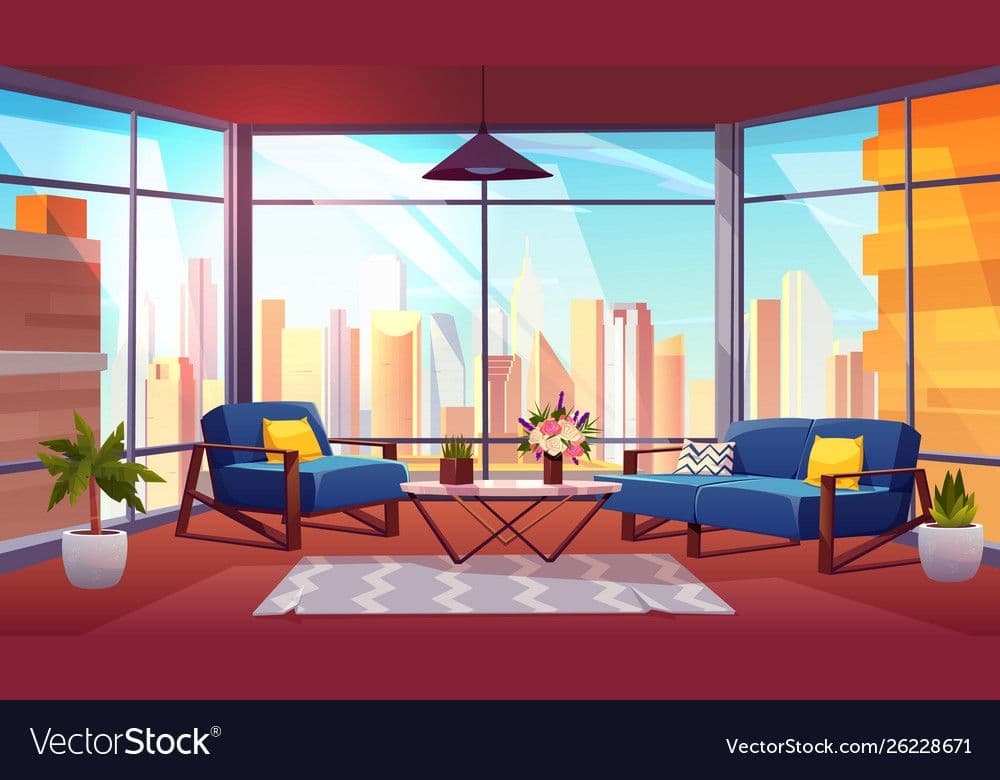
What is an apartment?
A place like a zoo, but just with fishes
What is an apartment?
A place like a zoo, but just with fishes
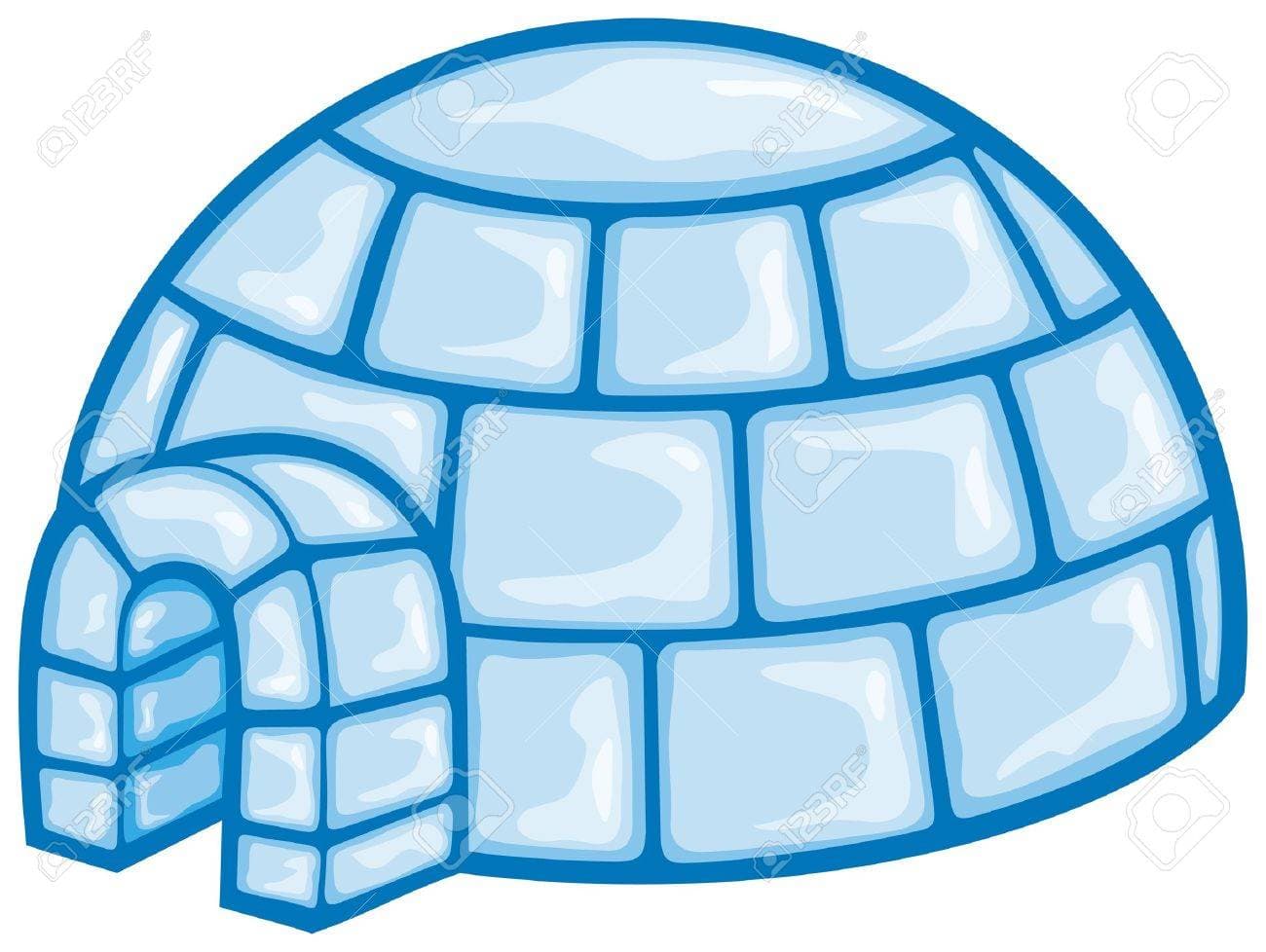
Do the kings live in an igloo?
What is a castle?
Does the igloo have been made with ice?
How do you write the place in which are a lot of stores?
Is a place to talk with god...
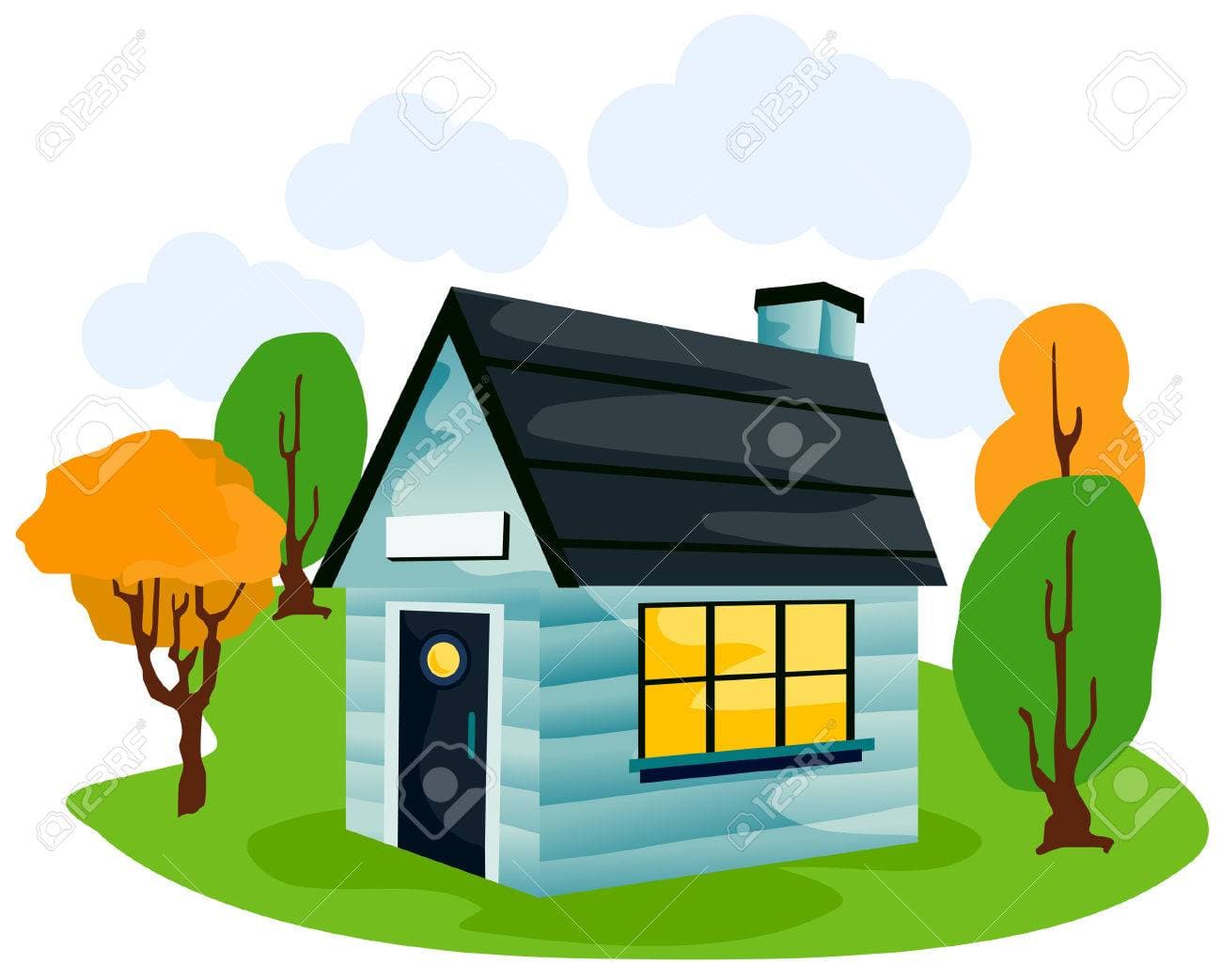
Choose the cottage
The long building that touches the sky
I like to play so I go to buy things to the .......
In the __________ every one was excited for the game.
 Cool( Welcome page 10 places )Write personal questions for a1-a2 kids after they read: Incredible Places to Stay Introduction. Do you want to see some of the world's most amazing hotels? Let's go! Sliding with Sharks. The first stop on your tour is Las Vegas, Nevada. At the Golden Nugget, you can ride a waterslide. It takes you through a shark tank. A Cool Place to Stay. The next stop is the Hôtel de Glace (O-tel DEH GLAHS) in Canada. Many parts of the hotel are made of ice. The ice melts away in the spring. Each winter, it takes a lot of work to build the hotel again. Breakfast with Giraffes. From Canada, you'll travel to Kenya. Giraffes live in the forests around a hotel called Giraffe Manor. Every morning, the giraffes come to the hotel to eat. If you stay there, you can feed them! In the Trees. The next stop on your tour is Sweden. The Treehotel is made up of many tree houses. The Mirrorcube has glass all around it. This tree house blends in with the woods. One tree house looks like a big bird's nest. The UFO tree house looks as if it is from outer space. A Room Without a View. When you are in Sweden, stop at the Sala Silvermine Hotel. When you get there, you can stay in the deepest hotel room in the world! It is a long way down to your room. Dress in warm clothes because it is very cold in the mine. Sleeping with Fish. Your last stop is Jules' Undersea Lodge in Florida. You have to swim down to reach your room! When you are ready to eat, you can even have pizza. Someone from the hotel will swim it down to you. Conclusion. It is time to go back home now. Each incredible hotel is more than just a place to stay for the night. At each one, you will have a lot of fun!What Is a Tornado? The sky is dark far away. Something moves down from the clouds. It spins across the land. It sounds like a very loud train. A tornado is coming! A tornado is a spinning cloud. It is shaped like a funnel. Its winds can reach 300 miles per hour. That is faster than a race car. The spinning air pulls things up. It can toss a car in the air. It can even destroy, or ruin a house. A tornado can be dangerous. It can cause harm to people and places. How Does a Tornado Form? A tornado is a kind of weather. Weather is the condition of the air. Most tornadoes begin as a kind of weather called a thunderstorm. Thunderstorms are harsh rainstorms with thunder and lightning. These rough storms have high winds and heavy rain. When high winds spin and touch the ground, a tornado is born. Most tornadoes do not stay on the ground for long. When they do, they can cause a lot of damage, or harm. A tornado is a big event! Where Do Most Tornadoes Happen? More tornadoes happen in the United States than anywhere in the world. Most of them form in the middle part of our country. Scientists think this might be because warm, wet air from the Gulf of Mexico crashes with the cool, dry air from Canada. This area is known as Tornado Alley. How do Tornadoes Affect People? Tornadoes affect people and towns in many ways. Weak tornadoes break branches from trees or damage signs. Strong tornadoes can destroy buildings. People who live in areas where there are many tornadoes always think about the weather. They listen to the radio and watch news reports on television. Schools provide tornado drills so children can practice being safe in the event of a tornado. Teams of people work together to repair the damage caused by a tornado. How Can You Stay Safe? There are ways to prevent, or stop harm during a tornado. News reports use the words tornado warning to give notice that a tornado has been seen. Following safety rules can help everyone stay safe during a tornado!What is the page mainly about? (Answer: C — Homes meet a basic need) A) House colors B) Old buildings C) Homes meet a basic need ✓ D) Travel What basic need do homes give? (Answer: B — Shelter) A) Food B) Shelter ✓ C) Clothes D) Money What does “basic need” mean here? (Answer: C — Something people must have to live) A) Something nice to have B) A school rule C) Something people must have to live ✓ D) A weekend plan Homes keep people ______ and ______. What are the two words from the page? (Answer: B — dry / safe) A) rich / tall B) dry / safe ✓ C) loud / fast D) clean / funny What else are homes for, according to the text? (Answer: B — Eating, sleeping, and being with family and friends) A) Shopping B) Eating, sleeping, and being with family and friends ✓ C) Driving D) Fighting What does the heading “Meeting our needs” tell you? (Answer: B — explains how homes fit the local climate) A) A joke is coming B) This part explains how homes fit the local climate ✓ C) It is a story D) It lists prices What does “climate” mean on this page? (Answer: C — the usual weather of a place) A) Yesterday’s forecast B) A big storm C) The usual weather of a place ✓ D) Room temperature Which roof is best for cold, snowy places? (Answer: D — Slanted) A) Flat B) Dome C) Glass D) Slanted ✓ Why is a slanted roof helpful in snowy places? (Answer: B — snow slides off more easily) A) It is cheaper B) Snow slides off more easily ✓ C) Birds like it D) It is quieter Why do many houses in hot places have many windows? (Answer: B — to let air move through and keep people cool) A) To block all light B) To let air move through and keep people cool ✓ C) To make walls heavy D) To reduce street noise Which detail best supports “climate changes home design”? (Answer: C — Hot → many windows; Snowy → slanted roofs) A) People like blue walls B) Kitchens are big C) Hot → many windows; Snowy → slanted roofs ✓ D) Cities are crowded What does the caption about a traditional Japanese house show? (Answer: C — People sit on mats on the floor to eat) A) People eat outdoors B) Families don’t eat together C) People sit on mats on the floor to eat ✓ D) People stand to eat Which sentence is LEAST connected to the main idea of the page? (Answer: D — Blue walls are relaxing) A) Homes protect people from weather B) Roofs can change with climate C) Windows help rooms stay cool D) Blue walls are relaxing ✓ Which text structure organizes the right paragraph? (Answer: C — Cause–effect) A) Timeline B) Problem–solution C) Cause–effect ✓ D) Description only What is the author’s purpose? (Answer: B — to explain how homes meet a human need) A) To sell houses B) To explain how homes meet a human need ✓ C) To tell a funny story D) To give building laws What can you guess about a flat roof in a snowy place? (Answer: B — snow can pile up and be unsafe) A) Best choice B) Snow can pile up and be unsafe ✓ C) Always cheaper D) Warmer in summer Which page feature helps you find ideas quickly? (Answer: C — Headings and photo captions) A) Rhyme B) Dialogue C) Headings and photo captions ✓ D) Footnotes Which sentence is the best summary of the page? (Answer: C — Homes give shelter; designs change with climate) A) Houses are beautiful in winter B) People prefer bright colors C) Homes give shelter; designs change with climate (slanted roofs, many windows) ✓ D) Windows are the most important part True/False or Short Answer (5) True/False: All homes have the same purpose, even if they look different. (Answer: True) True/False: In hot places, houses usually have fewer windows to keep heat in. (Answer: False — hot places → many windows for airflow/cooling) Short Answer (1–3 words): Homes provide shelter to keep people _____ and _____. (Answer: dry; safe) Short Answer (one example): Write one climate → design pair from the page. (Answer: cold/snowy → slanted roof OR hot → many windows) True/False: The photo shows people in Japan eating on mats on the floor. (Answer: True)Make a multiple choice quiz for my year 8 science students based on the science in this transcript from a video: 3°C 0:04 It can be the difference between snow and sleet 0:08 Wearing a jacket or not 0:11 In your day-to-day life, it may not seem significant 0:15 But 3°C of global warming would be catastrophic 0:20 Heatwaves, droughts, extreme precipitation, even fire 0:25 3°C of warming is really disastrous 0:28 The scary thing is, the world is well on its way there 0:32 Since the industrial revolution, the Earth has warmed between 1.1°C and 1.3°C 0:40 This is a problem that babies you pass in the street will have to live with 0:46 Children born today... 0:47 ...are up to seven times more likely to face extreme weather than their grandparents 0:52 If global temperatures do rise by 3°C... 0:55 ...what would their world look like? Climate change is already having devastating effects 1:03 Rising sea levels 1:05 Desertification 1:07 Hollywood has always enjoyed imagining the end of the world 1:11 While blockbusters like this are clearly fiction... 1:14 ...this film will show the scenario we all face... 1:17 ...unless more drastic measures are taken to stop burning fossil fuels 1:30 In some parts of the world the effects of inaction are already clear 1:35 The slums of Bangladesh’s capital are filling up with climate migrants 1:41 Minara comes from Bhola District, an area in southern Bangladesh 1:46 There, like many other parts of the country... 1:49 ...rivers swollen by heavier rain and melting Himalayan glaciers... 1:53 ...are washing away people’s homes 1:56 Many, like her, have lost everything 2:00 Our home in Bhola had endless amounts of land 2:03 There was lots of space for farming, we had a spacious house 2:08 There were different types of fruits, vegetation and trees growing at home 2:12 We used to eat the fruit from our own trees 2:18 I can’t eat them now because they don't exist anymore 2:21 Since the river flooded for the third time, I had to flee to Dhaka 2:26 Life was much better back home 2:29 It was unbearable to live through, truly intolerable 2:33 We didn’t have the time to save anything at all 2:38 1.1°C to 1.3°C of global warming has already transformed Minara’s life 2:45 It’s one of the reasons why so many migrants like her... 2:47 ...are moving to the city each year... 2:50 ...nearly 400,000 according to the last estimate 2:53 And climate models show there could be much worse to come How climate modelling works 3:02 Climate scientist Joeri Rogelj... 3:04 ...has spent the last ten years modelling future climate scenarios... 3:08 ...for the United Nations 3:10 The models we use to carry out this exercise... 3:13 ...really represent the state of the art... 3:15 ...of our current knowledge of climate change and where we are heading 3:19 Joeri’s projections use data collected by hundreds of scientists around the world 3:26 Here this is the 3°C level... 3:28 ...and so there is at least a one-in-four chance that under current policies... 3:32 ...we would hit 3°C by the end of the century 3:36 This is just one of the scenarios Joeri looks at 3:40 Another one imagines that all policy promises are kept 3:44 The most optimistic assumes that all promises have been kept... 3:47 ...and net-zero targets are met 3:50 Where our best estimate ends up around 2°C at the end of the century... 3:54 ...there is still a one-in-20 chance that we end up with 3°C instead 3:59 One would not be entering a plane if there is a one-in-20 chance... 4:03 ...that the plane will crash Nowhere is safe from global warming 4:07 A rise of 3°C would affect everyone 4:10 Even wealthy cities in rich countries wouldn’t be immune to the consequences 4:15 European capitals like Paris and Berlin... 4:18 ...would bake under more extreme heatwaves 4:22 Frequent storm-surges in New York could turn parts of the city desolate 4:27 In many ways, cities magnify, intensify climate events 4:33 Cities are hotter than the places around them... 4:36 ...they tend to be more vulnerable to flooding 4:39 And you can get a really bad event in a city in a way that you can’t in the countryside 4:46 And because of their denser populations... 4:49 ...disasters in a city affect far more people 4:52 Some cities might be badly prepared for the changes coming 4:56 But they have the means to adapt 4:59 Cities tend to be wealthier than surrounding places 5:03 They have a lot of amenities 5:05 A city that has taken seriously the risks of a 3°C world... 5:08 …wouldn’t necessarily be a worse place to be in a 3°C world 5:12 But a city that hasn’t prepared for these sort of eventualities... 5:16 ...that might be a really nasty place The impact of prolonged droughts 5:20 So far, many developed cities have got off lightly... 5:24 ...but some rural parts of the world are suffering disproportionately 5:29 Smallholders—small-scale farmers—are particularly vulnerable to climate change 5:35 And there are over 600 million around the world 5:38 Smallholders with farms under two hectares... 5:40 ...produce around a third of the global food supply 5:46 Central America’s “Dry Corridor”... 5:48 ...supports a mix of smallholdings and medium-sized farms 5:53 Sandwiched between the Pacific Ocean and the Caribbean Sea... 5:56 ...the area is prone to droughts 6:08 Israel Ramírez Rivera is a smallholder in Guatemala 6:12 Here, climate change is making the dry seasons longer, and more severe 6:18 This is the biggest ear of maize that this plot could deliver 6:23 He depends on his crops of corn and beans 6:26 But they’re getting harder to grow 6:30 The surrounding mountains... 6:32 ...used to provide us with native food... 6:38 ...and now that isn’t an option anymore... 6:41 ...due to climate change and its effects 6:46 Nearly two-thirds of the smallholders in the Dry Corridor now live in poverty 6:52 The impact of all of this for us... 6:59 ...malnutrition among children 7:03 We’ve lost a few 7:07 For my crops especially, the midsummer heat is harder than before 7:16 The plant dries up and can’t provide us... 7:19 ...with the necessary food provision 7:24 Severe droughts in Central America... 7:26 ...are now four times more likely than they were last century 7:30 Many families from here have gone to the States 7:37 The economic despair and debts... 7:44 ...have pushed many people from this community to do this journey 7:53 Migration from Guatemala to the United States has quadrupled since 1990 7:59 Not all of this has been due to climate change 8:02 But longer droughts would force even more to move 8:05 In a 3°C world, annual rainfall in this region... 8:09 ...could drop by up to 14% 8:12 At 3°C, over a quarter of the world’s population... 8:16 ...could endure extreme droughts for at least a month of the year 8:19 Northern Africa could see droughts that last for years at a time Rising sea levels, storm surges and flooding 8:24 But for some, too much water will be the problem 8:29 10% of the world’s population lives on a coastline... 8:32 ...that’s less than 10 metres above sea level 8:35 For these coastal inhabitants, a 3°C world would spell disaster 8:40 By 2100, global sea levels could have climbed by half a metre from 2005 levels 8:46 Low-lying cities like Lagos would be especially vulnerable... 8:49 ...with up to up to a third of the population displaced 8:54 And in Fiji, rising waters are already upending lives 9:04 You can see the graveyard there, it’s all under water now... 9:08 ...due to this rising sea level and climate change 9:15 The village of Togoru in Fiji is being swallowed by the sea 9:19 Barney Dunn, the village headman, has seen over half the village disappear 9:24 Relatives’ houses have been abandoned, and family graves are now under water 9:29 We have been asked by the government to relocate... 9:32 ...but no one wants to relocate... 9:34 ...because we have our great-great-grandparents down there in the sea 9:39 This is the place we’ve been brought up in 9:41 ...it’s not easy to leave 9:44 Past attempts to build a seawall haven’t worked 9:48 But Barney sees building a new one as the village’s only hope 9:52 If they do that, maybe we can save whatever is left 9:56 But if we don’t have the seawall, then it will be keep eroding and time will come... 10:01 ...maybe in ten,15 years, Togoru will be all eroded 10:05 Rising seas also mean storms cause more floods 10:11 And many more countries could suffer 10:14 The Philippines and Myanmar are just two countries... 10:17 ...that will also see an increase in storm surges in a 3°C world 10:21 To escape, many will move… 10:24 …often, to urban areas Extreme heat and wet-bulb temperatures 10:27 Half the world’s population already lives in cities... 10:31 ...almost a third in slums 10:36 For them, a 3°C world could be deadly 10:40 Minara has moved to Dhaka to escape the impact of climate change 10:44 But life could get even worse for her 10:47 I’m struggling a lot nowadays 10:49 The heat during the day is unbearable 10:52 Even late at night it doesn’t cool down 10:57 The heat is getting more intense every day 10:59 I mean, it’s going to get much worse 11:03 I can barely survive it now, how will I live through it in the future? 11:08 Dhaka is getting hotter 11:11 In the last 20 years the average daytime temperature... 11:13 ...has crept up by nearly half a degree 11:17 Days that approach 40°C are now being reported 11:20 And high so-called wet-bulb temperatures are on the rise 11:26 A wet-bulb temperature is a measure of heat and humidity 11:30 Humans cool themselves by sweating… 11:32 But in these conditions, when relative humidity is near 100%... 11:36 ...sweat doesn’t evaporate well 11:38 So people can’t cool down… 11:41 ...even if given unlimited shade and water 11:45 At a high wet-bulb temperature, the body can’t lose heat... 11:49 ...and so it gets hotter and hotter... 11:51 ...and the body is designed to work at a given temperature 11:53 And if it gets too hot inside, you will die 11:58 The human limit for wet-bulb temperatures is 35°C... 12:02 ...around skin temperature 12:04 Dhaka will have a much higher chance... 12:05 ...of reaching dangerous wet-bulb temperatures... 12:07 ...if global warming reaches 3°C 12:12 You can’t really adapt to that 12:14 You have to get out. If the temperature is so high that you can’t work... 12:20 ...can’t do hard manual labour outside for significant parts of the year... 12:25 ...then many places will become functionally no longer part of the economy 12:33 Jacobabad in Pakistan, and Ras al Khaimah, in the United Arab Emirates... 12:37 ...have already recorded deadly wet-bulb temperatures 12:40 More of the tropics and the Persian Gulf... 12:43 ...as well as parts of Mexico and the south-eastern United States... 12:47 ...could all get to this threshold by the end of the century 12:50 Climate modelling might show us the weather Increased migration and conflict 12:52 But it doesn’t show us its other effects on society 12:56 Established migration patterns could change 12:59 Climate disasters may exacerbate reasons people cross borders 13:03 Within countries, more people will move to cities 13:07 In a 3°C world, tens of millions of people a year... 13:10 ...could be displaced by disasters made worse by climate change 13:15 When people are displaced by climate... 13:18 …they may well go to cities... 13:19 ...because cities are the places that attract people from the countryside already 13:25 A lot of people who can get to the developed world... 13:28 ...not least because the developed world tends to be less hot, will give that a go 13:35 As migration around the world increases... 13:38 ...there could be more competition for fewer resources 13:42 Water—already a highly contested resource—will be a focal point 13:47 Turkey’s new Ilisu dam has reduced the flow of water into Iraq 13:53 China lays claim to rivers vital to India and Pakistan 13:57 The prospect of a water-conflict makes people very uneasy 14:03 How national tensions would exacerbate those sorts of reactions... 14:08 ...in a 3°C world... 14:09 ...is the sort of thing that no one should really want to find out 14:14 I think you’d have to be incredibly sanguine... 14:16 ...not to think that the sort of climate extremes that we talk about... 14:19 ...in a 3°C world wouldn’t lead some places... 14:22 ...to the brink of societal collapse 14:25 Those lucky enough to escape unrest... Adaptation and mitigation are crucial 14:28 ...would still have to adapt to a radically different world 14:32 People can adapt to climate change in all sorts of ways, one of the most obvious ones... 14:37 ...is air conditioning 14:39 But other ways to adapt at a local or regional level... 14:42 ...I mean, one of the most obvious is diversifying agriculture 14:47 There are physical things you can do, like seawalls 14:52 The fact that people can adapt and that adaptation will reduce suffering... 14:57 ...doesn’t mean that it will eliminate suffering 15:00 Suffering is built into this whole process of heating up the planet 15:06 Adaptation will only get the world so far 15:09 The best way to deal with a 3°C world... 15:12 ...is not to go to a 3°C world 15:14 And that’s why increasing efforts on mitigation are important 15:17 It’s why working towards negative emissions... 15:20 ...that could bring down the temperature after it peaks are important 15:25 Once you get to a 3°C world, you are in real bad global trouble 15:33 The scale of change needed... 15:35 ...and the slow progress of governments so far... 15:38 ...means 3°C of warming is uncomfortably likely unless more is done 15:44 Despite existing pledges, greenhouse-gas emissions... 15:48 ...are still set to rise by 16% from 2010 levels by 2030 15:54 The need to act has never been clearer 15:57 There’s still time to reduce emissions, so that a 3°C world remains fiction... 16:02 ...rather than becoming fact Tom: Hi, Mia! Do you like your local park? Mia: Yes, I do! It’s my favorite local place to play. Tom: Cool! How do you get to the station from your house? Mia: I walk to the bus station. It’s near my home. Tom: I like pizza the most. What food do you like the most? Mia: I like ice cream most of all! Tom: What kinds of things amuse you? Mia: Funny cartoons amuse me a lot. They always make me laugh! Tom: I expect it will be sunny tomorrow. What do you expect to do? Mia: I expect to go to the local market with my family. Tom: That sounds fun! I expect to visit my grandma near the train station. Mia: Let’s meet at the station next weekend! Tom: Yes! See you then!Ornamental horticulture is growing of plants for decorative and beauty purposes. •There many different types of flowers such as, daisies, roses and lilies. Establishment of flower beds •Choose the best place or site for your flower bed. •The site should get enough sun and have fertile soil. •After choosing the site, dig the area to a depth of 20- 30 cm. •Remove any large stones or rubbles as you dig. •Use a rake to level the prepared bed. This will also break up any big lumps of soil. varieties of flowers ✓Flame lilly ✓Rose ✓Marigold ✓Lavender star Propagation of flowers • Flowers can be grown from seeds or cuttings, tubers and bulbs. From seeds From cuttings From tubers and bulbs Petunia roses Flame lilly Dahlia Elephant ear Lavender marigold Planting time • Flowers can be planted all year round depending on the suitable varieties. •In winter they can be planted in pots, beds and greenhouses. •Varieties which need a lot of water should be grown during the rainy season. Management of flowers 1. weeding: ensure that the flower beds are weed free. •Weeds are removed by hand pulling with the help of a hand fork. 2. watering: watering should be done regularly during the dry season and less frequently during the rainy season. •make sure the beds are moist but avoid waterlogging. 3. fertilizing: soil should be well fertilized with super phosphate at planting. •Flowers should not be top dressed with ammonium nitrate as this will affect flower production. 4. pruning: use a pair of secateurs or very sharp knife to remove weak shoots and dead or diseased parts of the plant. •Pruning also encourages new growth and controls the height of the flowers. Harvesting •Cut the flowers in early bloom. •Allow 30cm stems, grade and remove lower leaves. •Tie in bundles •label accordingly, cure by setting 20cm of the stem in boiling water for 20 minutes. (this will make the flowers last longer) •Store the flowers in cool conditions Marketing • Flowers need fast transport to the market. • Flowers can be sold in bundles, boxes or in pots. • Flowers are sold in bouquets at a local market or are packed in boxes for export market. • They are bought for different occasions such as weddings, funerals and parties.A Visit to the Desert Tim was looking forward to this vacation. Then his parents told him the family would be visiting Grandma in Nevada. Tim was unhappy. He wanted to be with his friends this summer. "Grandma is eager to see you," Mom said. "She can't wait to take you on a desert hike." The next morning Grandma met them at the airport. Then they drove to the desert. As they hiked, Grandma explained that animals enjoy the open desert space. It gives them the freedom to move from place to place. Tim learned that the animals find ways to adapt to the hot desert weather. He wondered if he could get used to the desert climate. "Wow," Tim said, "Look at that! The turtle carries its home on its back!" Grandma smiled at Tim's excitement. "Actually," she said. "That is a desert tortoise. It looks for the shade made by the shadows of rocks. That's how it cools off. He burrows underground to get away from the heat." The tortoise disappeared into its burrow. Tim leaned over the hole. He could not hear a sound. "I'll bet it likes the silence of its burrow," Tim whispered. "I think it likes its sense of safety too," Grandma added. "That's the same feeling I get at home," Tim sighed. Just then a large rabbit hopped by. Grandma explained that the jack rabbit's large ears help it stay cool. "These animals are so unlike the animals at home!" Tim said. He had forgotten about the desert heat. "Some animals stay cool by sleeping during the day. Then they hunt at night," said Grandma. A Great Horned Owl hooted above them. Grandma said, "It will soon be time for the owl to hunt." "Which means it's time for us to head back," Dad added. "Aw, this vacation is going by too fast," Tim said. They asked Tim about the heat. "What heat?" Tim asked. "I feel as fresh and cool as a new flower. I've adapted!" Everyone laughed.