Loading...

CP - Unit 4.3 - WWII, Day 1 Mini-Check
Quiz by Kevin Benson
Tag the questions with any skills you have. Your dashboard will track each student's mastery of each skill.
The Neutrality Acts passed by Congress in the 1930s reflected
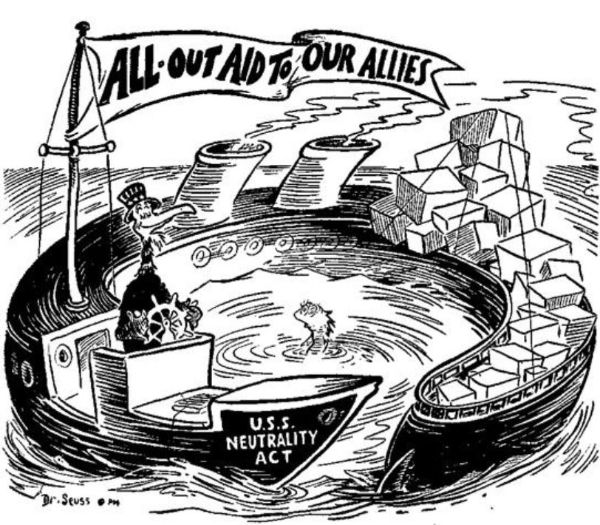
strong isolationist feelings in the U.S. prior to World War II
national outrage over the bombing of Pearl Harbor
support for a policy of appeasement with Germany
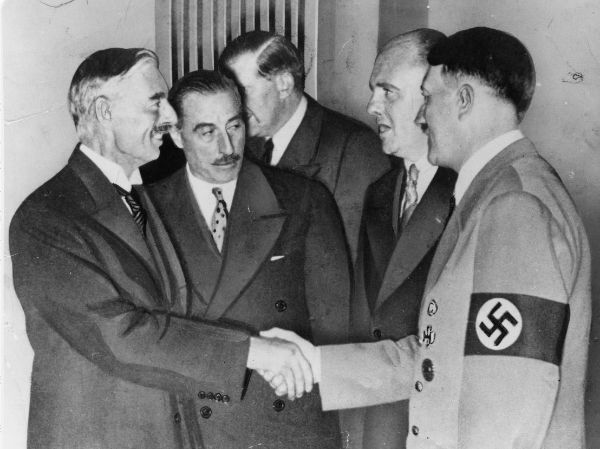
Which of the following is an example of appeasement?
A nation invades a foreign country and, in return, is attacked by other countries who feel threatened.
A nation invades a territory & the international community agrees to let them have it in exchange for a promise not to show any further aggression.
A nation invades a territory & is immediately met with economic sanctions meant to make them withdrawal.
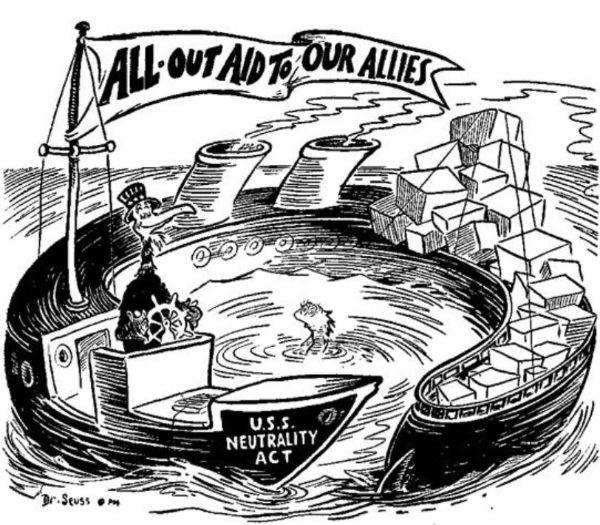
The Neutrality Acts passed by Congress in the 1930s reflected
Which of the following is an example of appeasement?

Why did FDR want to see the the United States get involved in WWII?

Which Legislation supports this statement made by President Roosevelt? (click on the quote to enlarge it).

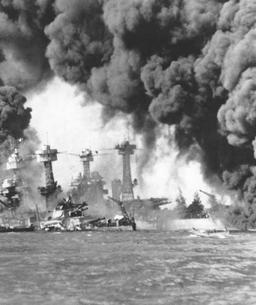
Why did President Roosevelt refer to December 7, 1941 as, "a day which will live in infamy?"

Which of the following statements best describes President Roosevelt's feeling regarding the war just prior to Pearl Harbor?

