Loading...


C.S. 1ª AVALIACIÓN - 2ª PARTE
Quiz by Elías Domínguez
Customize this quiz to suit your class
Instantly translate to 100+ languages
Tag the questions with any skills you have. Your dashboard will track each student's mastery of each skill.
Give this quiz to my class
Os prados e as grandes extensións de monte baixo son habituais ...
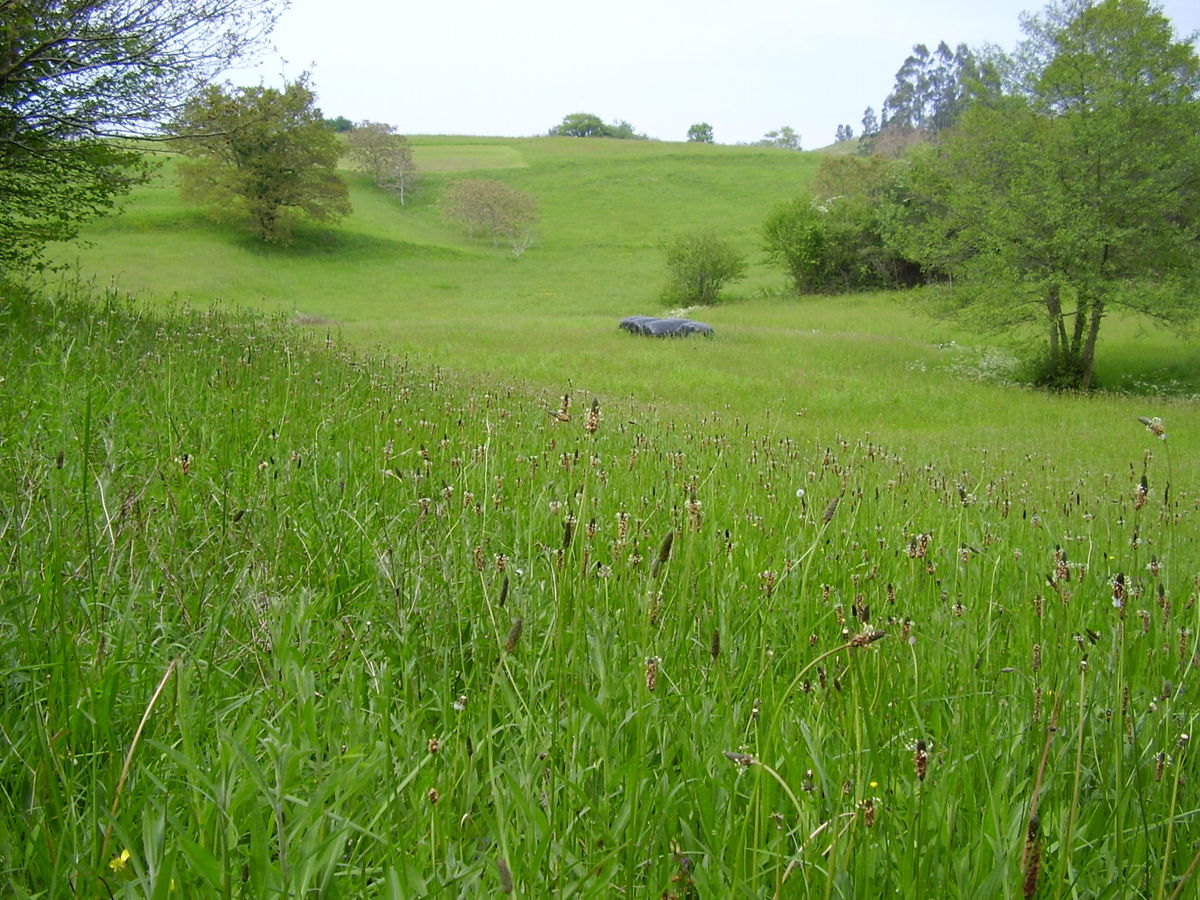
da vexetación de montaña.
Todas son correctas.
da vexetación oceánica.
da vexetación mediterránea.
O clima que predomina en Galicia é ...
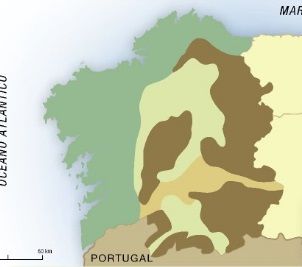
o oceánico.
o de montaña.
o continental.
Todas son incorrectas.
Os prados e as grandes extensións de monte baixo son habituais ...

O clima que predomina en Galicia é ...

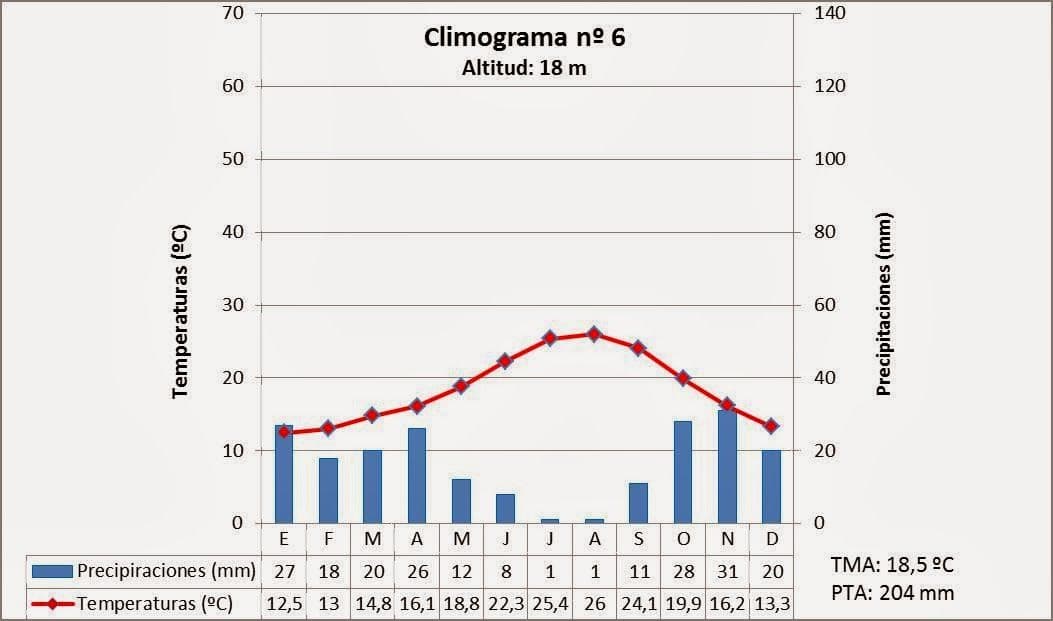
Analizando este climograma, poderiamos dicir que corresponde a un clima ...
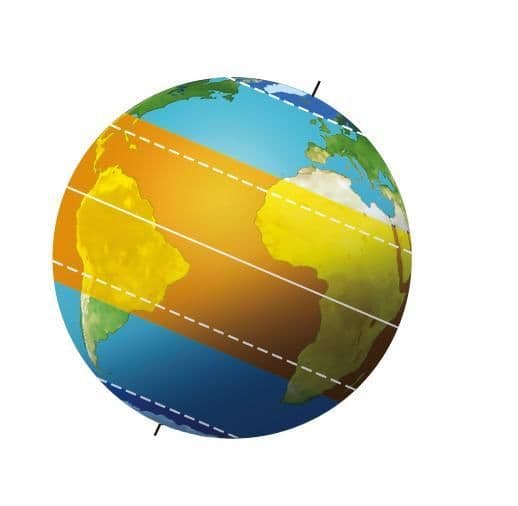
No noso planeta podemos distinguir ...
Os principais factores que inflúen no clima son ...

As precipitacións no clima de montaña son ...

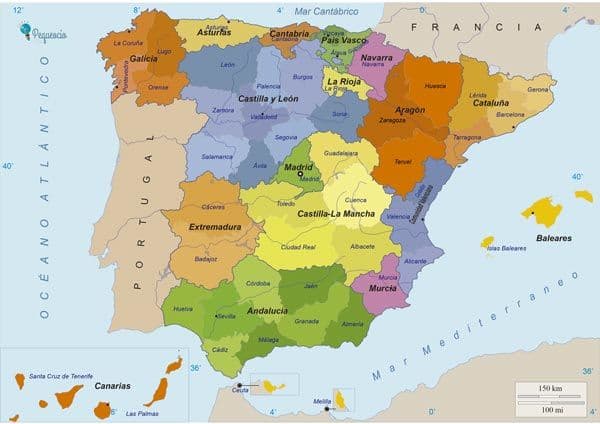
O mapa que vemos na imaxe é ...
As paisaxes de montaña ...

Os invernos longos e fríos e veráns curtos e calurosos son propios ...

Os carballos, bidueiros e castiñeiros son árbores que podemos encontrar ...
All living things are made up of one or more cells. A cell is the smallest unit that can carry on all of the processes of life. Beginning in the 17th century, curious naturalists were able to use microscopes to study objects too small to be seen with the unaided eye. Their studies led them to propose the cellular basis of life. Hooke In 1665, English scientist Robert Hooke studied nature by using an early light microscope, such as the one in Figure 4-1a. A light micro- scope is an instrument that uses optical lenses to magnify objects by bending light rays. Hooke looked at a thin slice of cork from the bark of a cork oak tree. “I could exceedingly plainly perceive it to be all perforated and porous,” Hooke wrote. He described “a great many little boxes” that reminded him of the cubicles or “cells” where monks live. When Hooke focused his microscope on the cells of tree stems, roots, and ferns, he found that each had similar little boxes. The drawings that Hooke made of the cells he saw are shown in Figure 4-1b. The “little boxes” that Hooke observed were the remains of dead plant cells, such as the cork cells shown in Figure 4-1c. SECTION 1 OBJECTIVES ● Name the scientists who first observed living and nonliving cells. ● Summarize the research that led to the development of the cell theory. ● State the three principles of the cell theory. ● Explain why the cell is considered to be the basic unit of life. VOCABULARY cell cell theory Robert Hooke used an early microscope (a) to see cells in thin slices of cork. His drawings of what he saw (b) indicate that he had clearly observed the remains of cork cells (300) (c). FIGURE 4-1 (a) (b) (c) Copyright © by Holt, Rinehart and Winston. All rights reserved. 70 CHAPTER 4 Leeuwenhoek The first person to observe living cells was a Dutch trader named Anton van Leeuwenhoek. Leeuwenhoek made microscopes that were simple and tiny, but he ground lenses so precisely that the magnification was 10 times that of Hooke’s instruments. In 1673, Leeuwenhoek, shown in Figure 4-2a, was able to observe a previ- ously unseen world of microorganisms. He observed cells with green stripes from an alga of the genus Spirogyra, as shown in Figure 4-2b, and bell-shaped cells on stalks of a protist of the genus Vorticella, as shown in Figure 4-2c. Leeuwenhoek called these organisms animalcules. We now call them protists. THE CELL THEORY Although Hooke and Leeuwenhoek were the first to report observ- ing cells, the importance of this observation was not realized until about 150 years later. At this time, biologists began to organize information about cells into a unified understanding. In 1838, the German botanist Matthias Schleiden concluded that all plants were composed of cells. The next year, the German zoologist Theodor Schwann concluded the same thing for animals. And finally, in his study of human diseases, the German physician Rudolf Virchow (1821–1902) noted that all cells come from other cells. These three observations were combined to form a basic theory about the cel- lular nature of life. The cell theory has three essential parts, which are summarized in Table 4-1. Anton van Leeuwenhoek (1632–1723) is shown here with one of his hand-held lenses (a). Leeuwenhoek observed an alga of the genus Spirogyra (b) and a protist of the genus Vorticella (c). FIGURE 4-2 TABLE 4-1 The Cell Theory All living organisms are composed of one or more cells. Cells are the basic units of structure and function in an organism. Cells come only from the reproduction of existing cells. (a) (b) (c) www.scilinks.org Topic: Cell Theory Keyword: HM60241 mb06se_csfs01.qxd 5/18/07 10:54 AM Page 70 الاستاذ احمد العوضي الصف السابع 19-11-2025Complete-the-sentence with while or when: 1-_______ I was doing my homework, the lights went out. 2- I was eating breakfast _______ my brother called me. 3- _______ they were walking to school, it started to rain. Choose the correct answer 1-While Sara ________ dinner, the doorbell rang. a) cooks b) was cooking c) had cooked d) is cooking 2-When I ________ the window, I saw it was raining. a) opened b) was opening c) have opened d) will open 3-While I ________ TV, my phone suddenly rang. a) watch b) am watching c) was watching d) will be watching Do as shown in brackets When I saw my friend, I (walked) to school. (correct) ----------------------------------------------------------------- While I was cooking dinner, I (burns) my hand. ------------------------------------------------------------------------------- Choose 1- A-------------------------is a place where we can get your hair cut, washed and shaped. a- travel agent’s b- hairdresser’s c- butcher’s 2-A chemist’s is the place where we can get --------------------------- a- fruits b- meat c- medicine Answer Where do you go if you want to send a letter? -------------------------------------------------------------------------------------------------------------------- 2-Why do we go to the travel agent’s? ----------------------------------------------------------------------------------------------------------------RPMS Quiz: Quality vs. Efficiency 1. A teacher spends five hours creating a highly interactive digital game for a single 40-minute lesson. This is an example of prioritizing: • A) Quality over Efficiency • B) Efficiency over Quality • C) Administrative Competence • D) Resource Management • Hint: The focus is on high-level engagement, but the time investment is very high. 2. Which of the following best describes "Efficiency" in the context of the RPMS? • A) Submitting all MOVs and reports on or before the deadline with minimal errors. • B) Ensuring 100% of students pass the quarterly examination. • C) Creating the most aesthetically pleasing portfolio in the department. • D) Conducting home visits for every single student in a class of 50. • Hint: Look for the option that emphasizes timeliness and resource use. 3. Using a "template" or a "reusable slide deck" for lesson planning is a strategy to improve: • A) Efficiency • B) Instructional Diversity • C) Subject Matter Mastery • D) Classroom Discipline • Hint: Templates reduce the time spent on repetitive formatting. 4. If a teacher provides detailed, personalized feedback to every student but submits the grades two weeks late, they have achieved: • A) High Quality, Low Efficiency • B) Low Quality, High Efficiency • C) High Quality, High Efficiency • D) Low Quality, Low Efficiency • Hint: The work itself is excellent, but the timing is poor. 5. Which tool improves Efficiency without sacrificing the Quality of assessment data? • A) Automated Google Forms for multiple-choice quizzes. • B) Giving everyone a passing grade to save time on checking. • C) Writing long paragraphs of feedback on 200 paper-based essays. • D) Skipping assessments entirely to finish the syllabus faster. • Hint: Look for a balance where technology handles the "busy work." 6. When discussing Quality in your RPMS portfolio, which "Means of Verification" (MOV) is most appropriate? • A) Sample of student work with constructive teacher comments. • B) A logbook showing you arrived at school at 7:00 AM daily. • C) A certificate for attending a 1-hour webinar. • D) A photo of your organized teacher's cabinet. • Hint: Quality is evidenced by the impact on student learning. 7. The concept of "Doing the right things" (Effectiveness) represents: • A) Quality • B) Efficiency • C) Speed • D) Compliance • Hint: "Doing the right things" is about results; "Doing things right" is about process. 8. How does "Efficiency" help a teacher maintain "Quality" in the long run? • A) It prevents burnout by optimizing workload, leaving energy for creative teaching. • B) It allows the teacher to take more side jobs. • C) It ensures the teacher never has to talk to parents. • D) It proves that the teacher is smarter than their peers. • Hint: Consider the relationship between teacher well-being and performance. 9. If a teacher's RPMS rating for Quality is 5 (Outstanding) but Efficiency is 2 (Fair), what is the most likely reason? • A) The teacher produces excellent work but often misses deadlines. • B) The teacher is very fast but makes many mistakes in their reports. • C) The teacher is both slow and produces poor results. • D) The students are failing despite the teacher being very organized. • Hint: Check the gap between the high-standard output and the slow delivery. 10. What is the ultimate goal of balancing Quality and Efficiency in the PPST-RPMS? • A) To achieve sustainable professional excellence that benefits the learners. • B) To get a higher salary increase only. • C) To impress the School Head during the observation. • D) To finish the school year with the least amount of work possible. • Hint: It's about long-term growth for both teacher and student. ________________________________________ Answer Key: 1. A | 2. A | 3. A | 4. A | 5. A | 6. A | 7. A | 8. A | 9. A | 10. A ________________________________________A Choose the correct answer. 1 When his grandma died, he came ….. some of her money and property. A into C across B up D round 2 We should try to ….. the amount of rubbish in our area. A increase C provide B improve D reduce 3 I avoid driving to work because there are always ….. jams in the centre. A transport C power B traffic D station 4 By the end of the year, there will be more ….. farms in our city. A solar C floating B vertical D electric 5 Who is going to ….. our new piano? A deal C deliver B produce D construct 6 She doesn’t like being ….. in the house; she wants people around her. A healthy C lonely B crowded D alone 7 Why don’t you come ….. for dinner tonight? A up C over B into D back 8 Mr Jones has found the cure for a serious ….. . A disease C crime B pollution D poverty 9 Scientists are hopeful ….. the future of energy sources. A for C about B in D with 10 Do you think ….. tube trains will ever be used? A drone C charging B front D vacuum Grammar B Choose the correct answer. 1 I’ll still ….. two hours from now. A have gardened C garden B have gardening D be gardening 2 ….. you ….. your homework by 7 o’clock? A Will ... finish C Will … have finished B Will … be finishing D Won’t … finish 3 By 2100, experts ….. new energy sources. A will have discovered C will be discovering B will be discovered D will discover 4 The film will have started before we ….. there. A will have got C get B will get D will be getting 5 This time tomorrow, Sheila ….. a job interview. A will have C will be having B is having D will have had 6 David ..... back from work by dinner time. A will be coming C will have come B will come D won’t be coming 7 I can’t believe that in a few hours, we ….. our first live concert. A are performing C will have performed B will be performing D will perform 8 ….. next Friday, I will be flying to Glasgow. A This time C By B At D Until 9 Jake ….. by the end of September. A will retire C will have retired B is retiring D will be retiring 10 ….. the time Mum gets home, I will have tidied my room. A Before C Until B At D By Everyday English C Choose the correct answer. 1 A: How did you find that job? B: a I’ll be working in the local library. b I’ll be there from June 15th. c There was an advert online. 2 A: I can’t wait! B: a Sounds like fun. b I’ll work in my uncle’s restaurant. c I’ll stay there for two weeks. 3 A: Do you have any plans for the summer? B: a Really? b What about you? c Haven’t I told you? 4 A: What will your duties be? B: a I’ll be flying to London to see my uncle. b I’ll be helping customers. c I’ll have earned enough money to buy a new smartphone. 5 A: How long will you stay there? B: a Until the end of July. b Well, this time next week, I’ll be relaxing. c And what are your plans? EVALUER LE RISQUE CLIENT I Les enjeux liés au risque client II la prise de renseignements pendant la phase commerciale III L’évaluation de la solvabilité d’un prospect ou client 1. A partir du bilan comptable 2. A l’aide d’indicateurs internes IV Les outils d’évaluation des risques I Les enjeux liés au risque client 1. Définition et critères de risques On entend par risque client l’ensemble des situations dans lesquelles le client pourrait compromettre la pérennité du fournisseur. Quelques critères permettent de repérer le risque client : - la taille et l’âge de l’entreprise - le produit qu’elle propose, - son client avec ses propres clients (la sous traitance par exemple induit un lien de dépendance) - le secteur sur lequel elle évolue - la concurrence qu’elle subit - et le montant de ses disponibilités On peut ainsi répartir les degrés de risque : 2. Les impayés clients : première cause de faillite des entreprises Par principe, l’entreprise dépense avant d’encaisser. En accordant des délais de paiement, elle se prive de trésorerie. Elle a alors un besoin en fonds de roulement (BFR), c'est-à-dire besoin de disposer d’une trésorerie d’avance. Tout retard de paiement engendre donc une augmentation du BFR que l’entreprise n’est parfois plus en état de couvrir (découvert bancaire).Lorsque le client est insolvable, c’est un manque de trésorerie qui pèse sur l’entreprise et donc sur sa pérennité. La PME limite donc les risques si certains de ses clients payent comptant. Les entreprises activent donc plusieurs stratégies pour faire face à leurs impayés : 29% gèrent les relances en interne, 24% négocient des facilités de caisse avec leur banque et 19% négocient avec les fournisseurs. II la prise de renseignements pendant la phase commerciale L’entreprise qui souhaite conclure un contrat avec un prospect professionnel peut consulter un certain nombre de documents disponibles auprès d’organismes. Les organismes les plus sollicités sont : - la greffe du tribunal de commerce : elle délivre gratuitement des informations sur les entreprises immatriculées au registre du commerce et des sociétés telles que les statuts, les comptes annuels, l’état d’endettement, l’extrait kbis. L'extrait Kbis représente la véritable « carte d'identité » à jour d'une entreprise immatriculée au Registre du Commerce et des Sociétés (RCS). - les sociétés spécialisées fournissent des informations commerciales et financières, des documents comptables et des analyses payantes permettant de vérifier l’état de santé des entreprises : - les cabinets de recouvrement et sociétés d’assurance : ils réalisent des enquêtes de solvabilité et émettent un avis sur le risque de défaillance sous forme de score ou de note. - Les banques : les entreprises sont notées par les banques. La cotation de la banque mesure la capacité de l’entreprise à honorer ses engagements financiers sur 3 ans. Grâce à cette cotation, la PME peut ainsi , par l’intermédiaire de la banque, vérifier si le prospect ou client est solide financièrement. III L’évaluation de la solvabilité d’un prospect ou client La solvabilité correspond à la capacité de l’entreprise à faire face à ses engagements à long terme. L’entreprise est solvable si la valeur de ses actifs (immobilisations, créances, stocks et disponibilités) est supérieure à ses emprunts et dettes. Une entreprise peut être solvable mais peut manquer de liquidités, c'est-à-dire d’argent disponible au quotidien. La liquidé mesure donc la capacité de l’entreprise à faire face à ses engagements à court terme. 1. A partir du bilan comptable Le bilan comptable fournit des indications sur la santé financière de l’entreprise prospect Les définitions que vous devez maitriser : • Pour l’actif : C’est quoi une Immobilisation ? La notion d'immobilisation intègre l'ensemble des biens durables détenus par une entreprise sur plus d'un exercice comptable et qui ne sont pas destinés à la revente. Les immobilisations financières correspondent aux actifs financiers d'utilisation durable possédés par l'entreprise. Il s'agit notamment des titres de participation, des prêts accordés… Les immobilisations incorporelles comprennent les frais d'établissement, les frais de recherche et développement, les concessions, brevets, licences, marques, logiciels et autres droits similaires, le droit au bail, le fonds commercial. Une immobilisation corporelle correspond à un actif physique que l’entreprise entend utiliser au-delà de la clôture de l’exercice comptable en cours : les terrains, les constructions, l’agencement et les installations générales, l’outillage, le matériel, les véhicules, le mobilier et les équipements informatiques. Que signifie disponibilités ? Le poste "Disponibilités" est constitué des montants détenus en caisse (pièces et billets que l'entreprise possède) et des avoirs en banque (argent détenu sur les comptes bancaires de l'entreprise). On utilise également le terme de trésorerie. C’est quoi une valeur mobilière de placement ? Ce sont des titres financiers, actions ou obligations. En comptabilité, elles correspondent aux excédents de trésorerie placés par l'entreprise. • Pour le passif : Que signifie capitaux propres ? Les capitaux propres sont les ressources financières que possède l'entreprise Le capital social d’une entreprise est égal au montant total des apports de biens et d’argent des associés Que signifie réserves ? Cumul des bénéfices des exercices antérieurs qui n'ont pas été redistribués aux propriétaires de l'entreprise, ni intégrés dans son capital Que signifie résultat ? Il correspond aux ressources restantes à l'entreprise une fois les charges déduites du chiffre d'affaires. 2 A l’aide d’indicateurs internes Une entreprise manque souvent de temps et de moyens pour suivre l’ensemble des ses encours clients. Toutefois, il est nécessaire d’analyser régulièrement certains supports pour anticiper les problèmes de trésorerie. Elle peut - analyser son portefeuille clients via la méthode ABC (vu dans un chapitre précédent), - prendre du recul sur les retards de paiement : le service comptable signale les retards de paiement ou les demandes régulières de report d’échéances. La balance âgée permet de visualiser les clients à relancer Exemple : - mettre en place des indicateurs de suivi des impayés via un tableau Excel Exemple : IV Les outils d’évaluation des risques Les entreprises peuvent se procurer des logiciels dédiés au risque client mais il sont souvent très complexes à utiliser. Certaines entreprises utilisent le crédit management : c’est l’ensemble des procédures financières ou juridiques visant à optimiser le chiffre d’affaires de l’entreprise en accélérant les règlements clients. Une des méthodes de crédit management s’appelle la méthode des points de risque. Elle consiste à classer les clients selon leur risque afin de leur fixer des modalités de paiement adaptés. Elle permet donc d’évaluer les risques de coopération et de se prémunir au cas par cas. Exemple de tableau des points de risqueC.S. LewisC S enior Unit 8 p57 BC.S. "O Universo"