Design Thinking
Quiz by Danielle Filas
Feel free to use or edit a copy
includes Teacher and Student dashboards
Measure skillsfrom any curriculum
Tag the questions with any skills you have. Your dashboard will track each student's mastery of each skill.
- edit the questions
- save a copy for later
- start a class game
- automatically assign follow-up activities based on students’ scores
- assign as homework
- share a link with colleagues
- print as a bubble sheet
- Q1
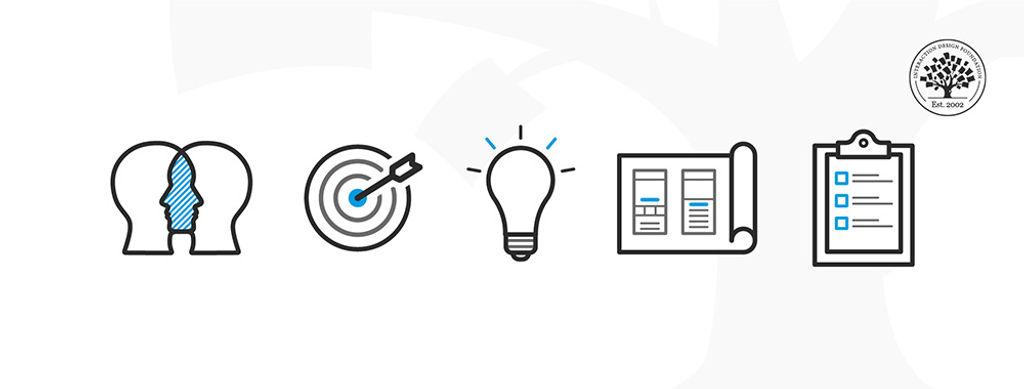
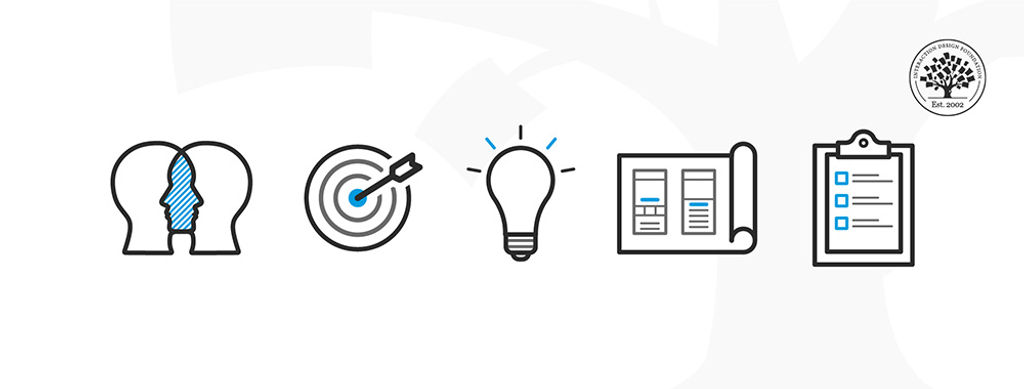
Place the design thinking steps in the correct order.
Users link answersLinking30s - Q2
What does it mean to "create empathy" in the design thinking process?

Creating empathy requires the designer to design a pitch that makes the stakeholders who will choose the design feel empathy for the designer so they pick that designer's creation over others.
Creating empathy requires the designer to interview or survey stakeholders who will be affected by the design in order to fully understand their perspectives and needs.
Creating empathy is not necessary in the design thinking process.
Creating empathy requires the designer to feel sad for those affected by the current problem. If the designer does not feel sad, they will not care about the design.
30s - Q3
What does it mean to "define the problem" in design thinking?
Defining the problem is the first question a designer asks of their stakeholders.
Defining the problem challenges the designer to think outside the box and not to assume that what is the stated problem is actually the problem. When the designer works to "define the problem" they take into account the true needs of the stakeholders.
Defining the problem happens when users are not smart enough or trained enough to use a particular design. This requires the designer to create careful instructions about how to use the design.
Defining the problem requires the designer to list all of the drawbacks and challenges in a particular design. Without doing this, the designer may spend a lot of time on a design that would have never worked anyway.
30s - Q4
What does it mean to ideate?
To ideate means to reduce the number of good ideas, leaving only the best ones to choose from. Having too many ideas can be confusing and expensive to design. It's important to cancel or reject any ideas that are not really possible.
To ideate means to ask as many stakeholders as possible what ideas they might have. Usually the best people to solve a problem are the ones who are having the problem.
Ideation challenges the designer or team of designers to produce as many unique ideas as possible about how to solve the problem.
To ideate means to create models from your ideas.
30s - Q5
What does it mean to prototype?
To prototype means to write a persuasive pitch that will be delivered to an audience of stakeholders. The pitch should take into consideration cost, timeline, and reliability.
To prototype means to build a quick and cheap model or draft of an idea. Building a prototype instead of a fully realized model or working version of an idea is quicker, cheaper, and allows more honest feedback from stakeholders.
To prototype means to create as many ideas as possible about how to solve a problem. This is done in a short amount of time and with a "yes and" attitude in order to get as many ideas as possible.
To prototype means to build a carefully crafted first model or draft of an idea. Building a prototype carefully and with good materials makes sure that the stakeholders are giving feedback about the model as it will be in the end. This is important.
30s - Q6
What is the "test" step in design thinking?

This step requires that stakeholders take a test before using a prototype. You don't want someone who doesn't know how to use a design to waste time using a perfectly good prototype.
This step requires that designers and stakeholders test ideas out before devoting time to design prototype. This helps save money and time for all involved.
This step requires stakeholders to take a test before giving input about a design problem. Designers use these tests to make sure that only intelligent and invested stakeholders have a say in the design.
This step requires that stakeholders and designers work with or take a look at prototypes and give feedback about their concept, about which one is best, and about usability.
30s - Q7
What is a stakeholder in design thinking?

A stakeholder is someone who invests money in a project.
A stakeholder is someone who specializes in prototyping.
A stakeholder is anyone who is affected by a current design problem or who will use or be affected by the eventual design.
A stakeholder is someone who holds a wooden stake.
30s - Q8
The design thinking process is taught and popularized by what school?

Stanford University
Texas A & M
Cornell University
Presbyterian School
30s - Q9
Design thinking is a linear process that moves smoothly from beginning to end.

falsetrueTrue or False30s