Loading...


Diffusion and Osmosis
Quiz by Ian Gabriel
Customize this quiz to suit your class
Instantly translate to 100+ languages
Tag the questions with any skills you have. Your dashboard will track each student's mastery of each skill.
Give this quiz to my class
Coffee is a "solution" composed of : coffee powder, sugar, creamer and water. Which one is the solute?

3.water
1 and 2
1.creamer, sugar
2.coffee powder
Coffee is a "solution" composed of : coffee powder, sugar, creamer and water. Which one is the solvent?
water
sugar
creamer
coffee powder
Coffee is a "solution" composed of : coffee powder, sugar, creamer and water. Which one is the solute?

Coffee is a "solution" composed of : coffee powder, sugar, creamer and water. Which one is the solvent?
Match the following
Which of the following is true?
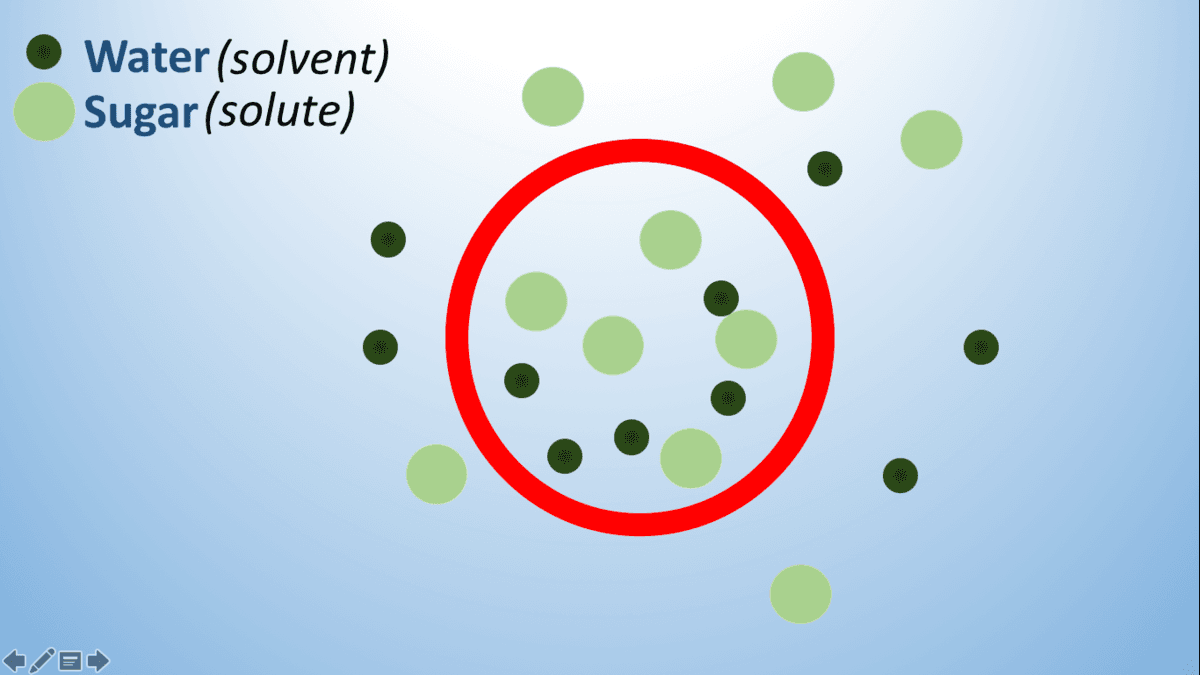
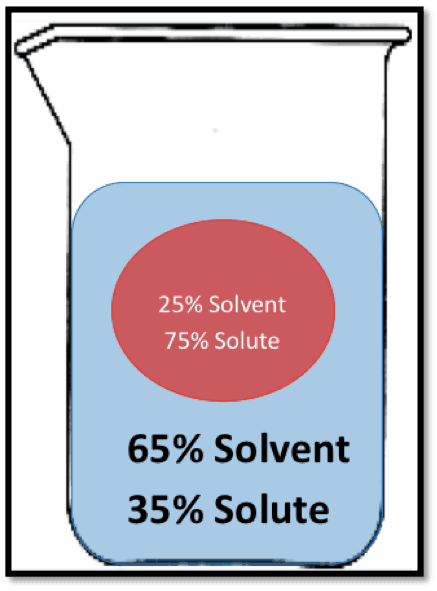
Notice the concentration "Outside the cell."
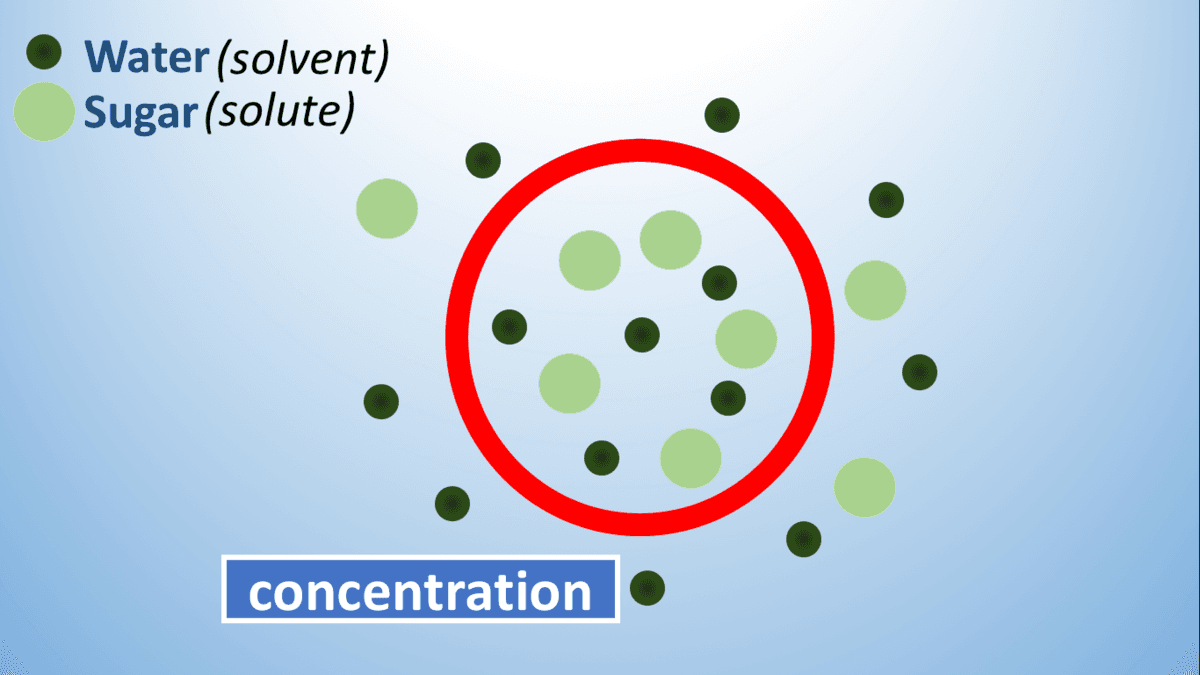
Notice the concentration "Outside the cell."
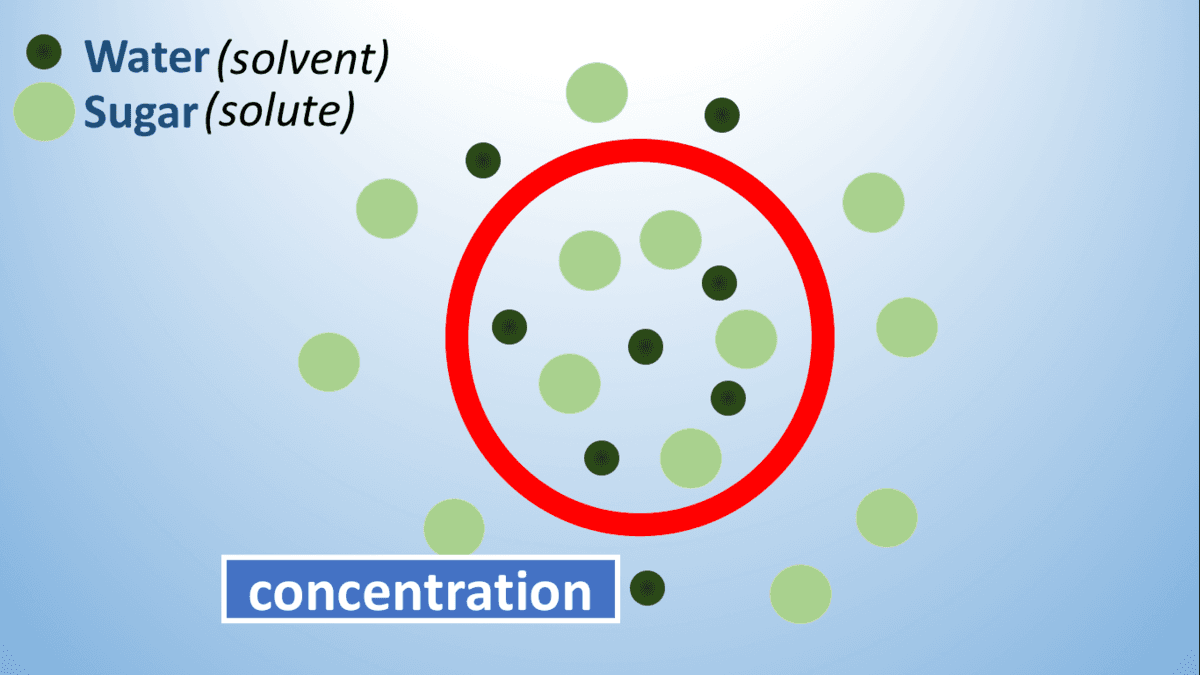
What happened to the cell?
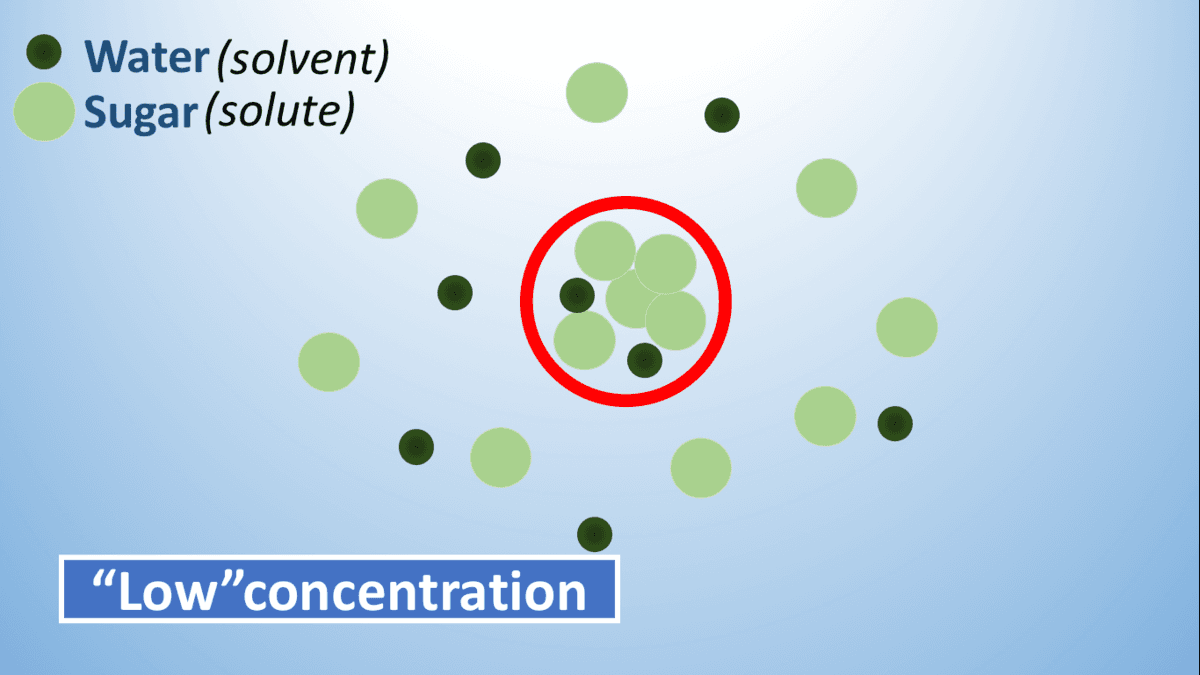
Diffusion is the movement of molecules from the region of,
Which part of the cell where osmosis take place?
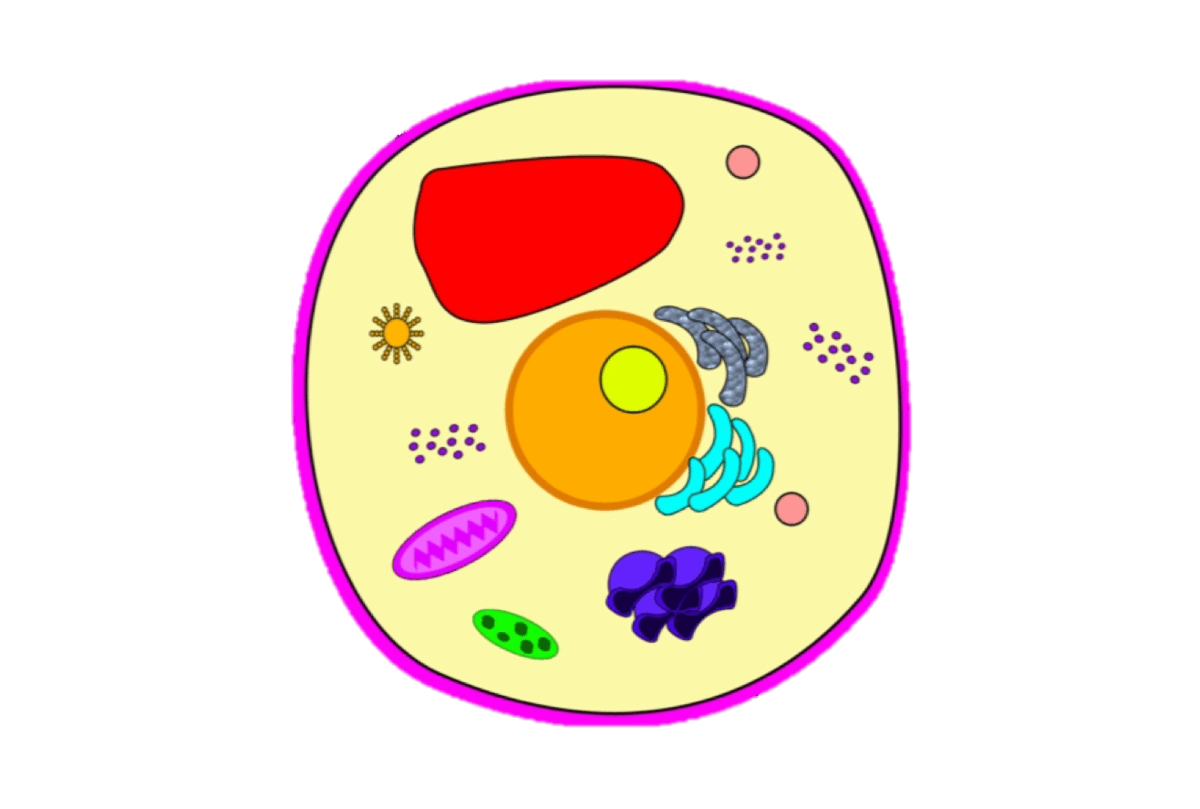
Diffusion or Osmosis?
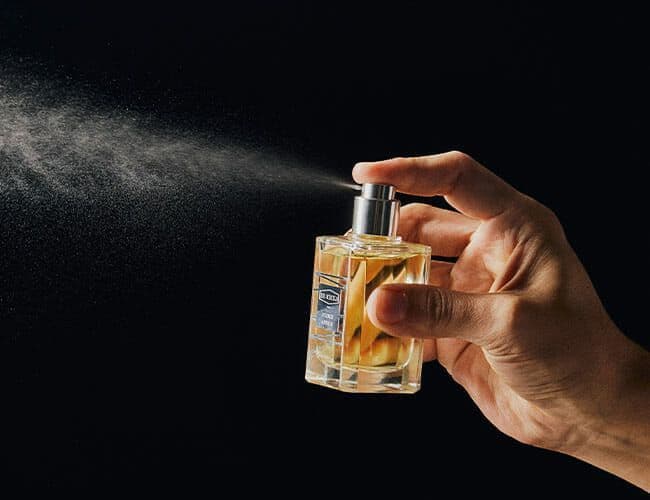
Diffusion or Osmosis?

Diffusion or Osmosis?
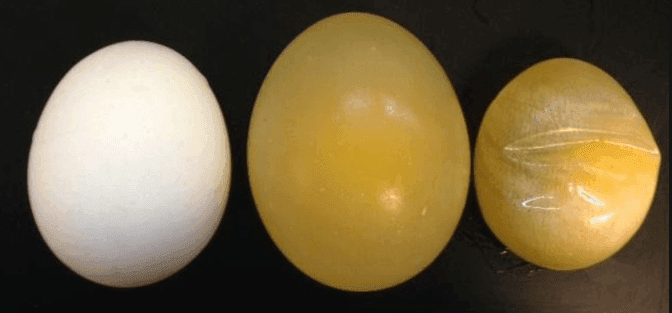
Diffusion or Osmosis?

Match the following.
What is the solution?
- Very little salt, a lot of water.
What is the solution?
- Equal concentration in and out of the cell.
What is the solution?
- A lot of salt, but very little water.
What will happen to the cell?
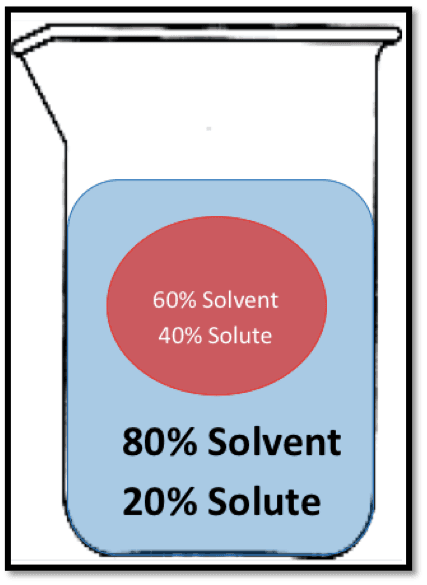
What will happen to the cell?

What will happen to the cell?
 Diffusion and Osmosis iiDiffusion and Osmosis in CellsAQA GCSE Biology - Diffusion and osmosisA solution is composed of a solute dissolved in a solvent. In the sugar water described in Figure 5-1, the solute was sugar and the solvent was water, and the solute molecules diffused through the solvent. It is also possible for solvent molecules to diffuse. In the case of cells, the solutes are organic and inorganic compounds, and the solvent is water. The process by which water molecules diffuse across a cell membrane from an area of higher concentration to an area of lower concentration is called osmosis (ahs-MOH-sis). Because water is moving from a higher to lower concentration, osmosis does not require cells to expend energy. Therefore, osmosis is the passive transport of water. Direction of Osmosis The net direction of osmosis depends on the relative concentra- tion of solutes on the two sides of the membrane. Examine Table 5-1. When the concentration of solute molecules outside the cell is lower than the concentration in the cytosol, the solution outside is hypotonic to the cytosol. In this situation, water diffuses into the cell until equilibrium is established. When the concentration of solute molecules outside the cell is higher than the concentration in the cytosol, the solution outside is hypertonic to the cytosol. In this situation, water diffuses out of the cell until equilibrium is established. Observing Diffusion Materials 600 mL beaker, 25 cm dialysis tubing, funnel, 15 mL starch solution (10 percent), 20 drops Lugol’s solution, 300 mL water, 100 mL graduated cylinder, 20 cm piece of string (2) Procedure 1. Put on your disposable gloves, lab apron, and safety goggles. 2. Pour 300 mL of water in the 600 mL beaker. 3. Add 20 drops of Lugol’s solution to the water. CAUTION: Lugol’s solution is a poison and eye and skin irritant. 4. Open the dialysis tubing, and tie one end tightly with a piece of string. 5. Using the funnel, pour 15 mL of 10 percent starch solution into the dialysis tubing. 6. Tie the other end of the dialysis tubing tightly with the second piece of string, forming a sealed bag around the starch solution. 7. Place the bag into the solution in the beaker, and observe the setup for a color change. Analysis What happened to the color in the bag? What happened to the color of the water around the bag? Explain your observations. Quick Lab www.scilinks.org Topic: Osmosis Keyword: HM61090 mb06se_homs01.qxd 11/27/07 8:52 AM Page 98 HOMEOSTASIS AND CELL TRANSPORT 99 When the concentrations of solutes outside and inside the cell are equal, the outside solution is said to be isotonic to the cytosol. Under these conditions, water diffuses into and out of the cell at equal rates, so there is no net movement of water. Notice that the prefixes hypo-, hyper-, and iso- refer to the relative solute concentrations of two solutions. Thus, if the solution outside the cell is hypotonic to the cytosol, then the cytosol must be hyper- tonic to that solution. Conversely, if the solution outside is hypertonic to the cytosol, then the cytosol must be hypotonic to the solution. Water tends to diffuse from hypo- tonic solutions to hypertonic solutions. How Cells Deal with Osmosis Cells that are exposed to an isotonic external environment usually have no difficulty keeping the movement of water across the cell membrane in balance. This is the case with the cells of ver- tebrate animals on land and of most other organ- isms living in the sea. In contrast, many cells function in a hypotonic environment. Such is the case for unicellular freshwater organisms. Water constantly diffuses into these organisms. Because they require a relatively lower concentration of water in the cytosol to function normally, unicel- lular organisms must rid themselves of the excess water that enters by osmosis. Some of them, such as the paramecia shown in Figure 5-2, do this with contractile vacuoles (kon-TRAK-til VAK-y ̄ ̄o ̄ ̄o-OL), which are organelles that remove water. Contractile vacuoles collect the excess water and then contract, pumping the water out of the cell. Unlike diffusion and osmosis, this pumping action is not a form of passive trans- port because it requires the cell to expend energy. Copyright © by Holt, Rinehart and Winston. All rights reserved. (a) (b) Vacuole filling with water Vacuole contracting TABLE 5-1 Direction of Osmosis Condition External solution is hypotonic to cytosol External solution is hypertonic to cytosol External solution is isotonic to cytosol Net movement of water into the cell out of the cell none H2O H2O H2O H2O H2O H2O The paramecia shown below live in fresh water, which is hypotonic to their cytosol. (a) Contractile vacuoles collect excess water that moves by osmosis into the cytosol. (b) The vacuoles then contract, returning the water to the outside of the cell. (LM 315) FIGURE 5-2 100 CHAPTER 5 (a) HYPOTONIC Cell walls (b) HYPERTONIC (a) ISOTONIC (b) HYPOTONIC (c) HYPERTONIC Other cells, including many of those in multicellular organisms, respond to hypotonic environments by pumping solutes out of the cytosol. This lowers the solute concentration in the cytosol, bring- ing it closer to the solute concentration in the environment. As a result, water molecules are less likely to diffuse into the cell. Most plant cells, like animal cells, live in a hypotonic environ- ment. In fact, the cells that make up plant roots may be surrounded by water. This water moves into plant cells by osmosis. These cells swell as they fill with water until the cell membrane is pressed against the inside of the cell wall, as Figure 5-3a shows. The cell wall is strong enough to resist the pressure exerted by the water inside the expanding cell. The pressure that water molecules exert against the cell wall is called turgor pressure (TER-GOR PRESH-er). In a hypertonic environment, water leaves the cells through osmosis. As shown in Figure 5-3b, the cells shrink away from the cell walls, and turgor pressure is lost. This condition is called plasmolysis (plaz-MAHL-uh-sis), and is the reason that plants wilt if they don’t receive enough water. Some cells cannot compensate for changes in the solute con-PASSIVE TRANSPORT Cell membranes help organisms maintain homeostasis by controlling what substances may enter or leave cells. Some substances can cross the cell membrane without any input of energy by the cell in a process known as passive transport. DIFFUSION The simplest type of passive transport is diffusion. Diffusion is the movement of molecules from an area of higher concentration to an area of lower concentration. This difference in the concentration of molecules across a distance is called a concentration gradient. Consider what happens when you add a sugar cube to a beaker of water. As shown in Figure 5-1, the sugar cube sinks to the bottom of the beaker. This sinking makes the concentration of sugar mole- cules greater at the bottom of the beaker than at the top. As the cube dissolves, the sugar molecules begin to diffuse slowly through the water, moving towards the lower concentration at the top. Diffusion is driven entirely by the molecules’ kinetic energy. Molecules are in constant motion because they have kinetic energy. Molecules move randomly, traveling in a straight line until they hit an object, such as another molecule. When they hit some- thing, they bounce off and move in a new direction, traveling in another straight line. If no object blocks their movement, they con- tinue on their path. Thus, molecules tend to move from areas where they are more concentrated to areas where they are less concentrated, or “down” their concentration gradient. In the absence of other influences, diffusion will eventually cause the molecules to be in equilibrium—the concentration of molecules will be the same throughout the space the molecules occupy. Returning to the example in Figure 5-1, if the beaker of water is left undisturbed, at some point the concentration of sugar molecules will be the same throughout the beaker. The sugar concentration will then be at equilibrium. SECTION 1 OBJECTIVES ● Explain how an equilibrium is established as a result of diffusion. ● Distinguish between diffusion and osmosis. ● Explain how substances cross the cell membrane through facilitated diffusion. ● Explain how ion channels assist the diffusion of ions across the cell membrane. VOCABULARY passive transport diffusion concentration gradient equilibrium osmosis hypotonic hypertonic isotonic contractile vacuole turgor pressure plasmolysis cytolysis facilitated diffusion carrier protein ion channel Sugar Water 1 2 3 FIGURE 5-1 Sugar molecules, initially in a high concentration at the bottom of a beaker, , will move about randomly through diffusion, , and eventually reach equilibrium, . At equilibrium the sugar concentration will be the same throughout the beaker. Diffusion occurs naturally because of the kinetic energy the molecules possess. 3 2 1 Copyright © by Holt, Rinehart and Winston. All rights reserved. 98 CHAPTER 5 It is important to understand that even at equilibrium the ran- dom movement of molecules continues. But because there is an equal concentration of molecules everywhere, molecules are just as likely to move in one direction as in any other. The random movements of many molecules in many directions balance one another, and equilibrium is maintained. Diffusion Across Membranes Cell membranes allow some molecules to pass through, but not others. If a molecule can pass through a cell membrane, it will diffuse from an area of higher concentration on one side of the membrane to an area of lower concentration on the other side. Diffusion across a membrane is also called simple diffusion, and only allows certain molecules to pass through the membrane. The simple diffusion of a molecule across a cell membrane depends on the size and type of molecule and on the chemical nature of the membrane. A membrane can be made, in part, of a phospho- lipid bilayer, and certain proteins can form pores in the membrane. Molecules that can dissolve in lipids may pass directly through the membrane by diffusion. For example, because of their nonpolar nature, both carbon dioxide and oxygen dissolve in lipids. Molecules that are very small but not soluble in lipids may diffuse across the membrane by moving through the pores in the membrane.Diffusion osmosis and active transportOsmosis and diffusionMoving into and out of the blood: diffusion, osmosis and active transport