Loading...


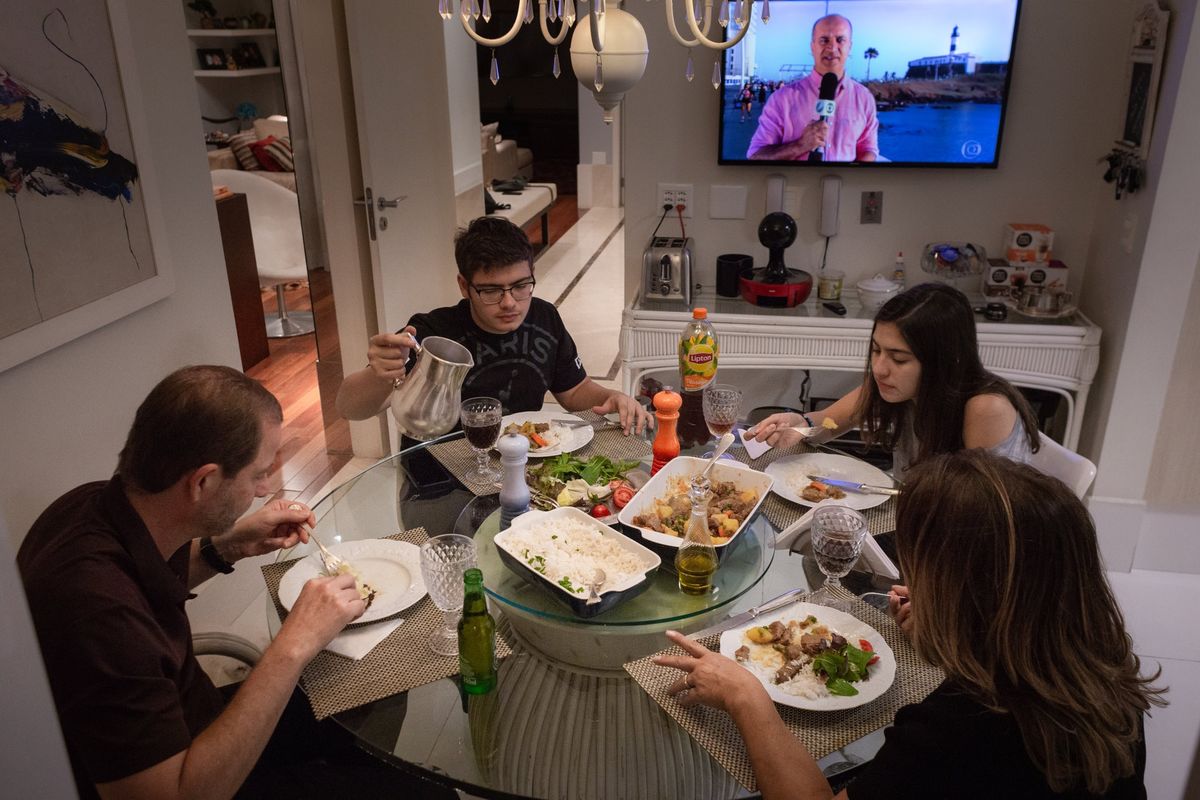
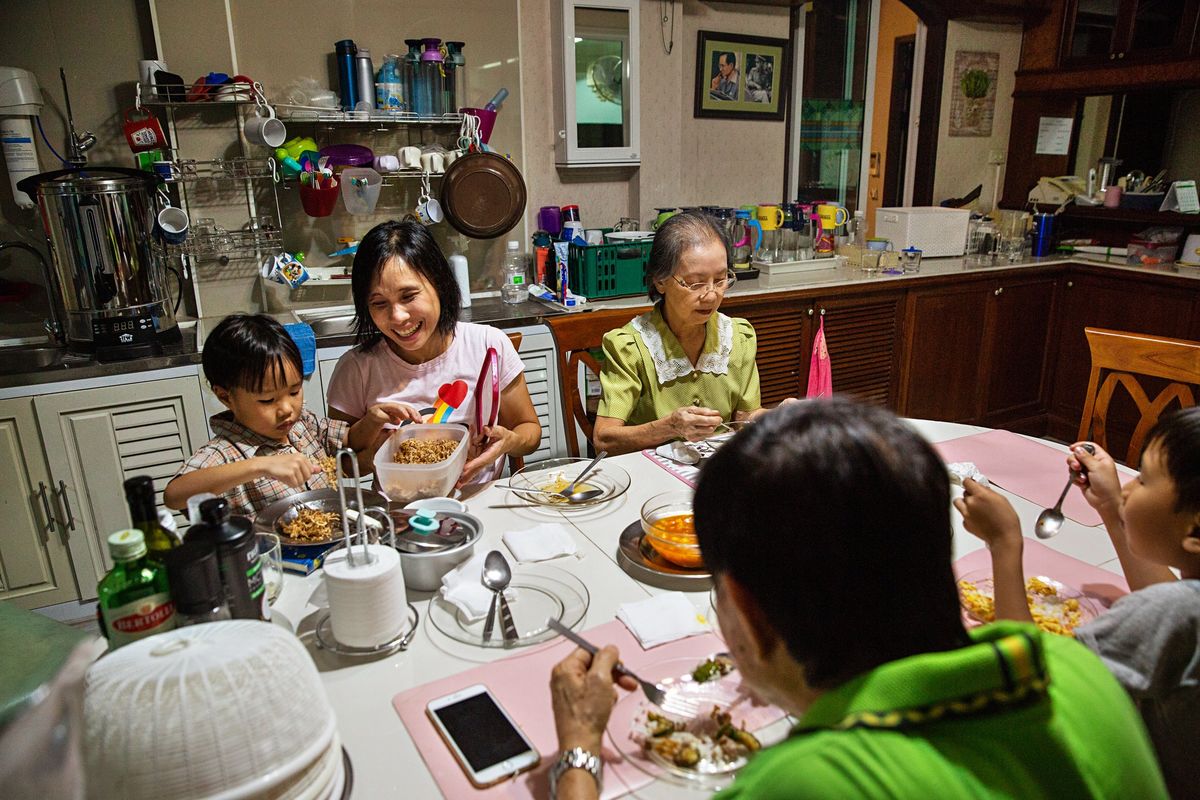
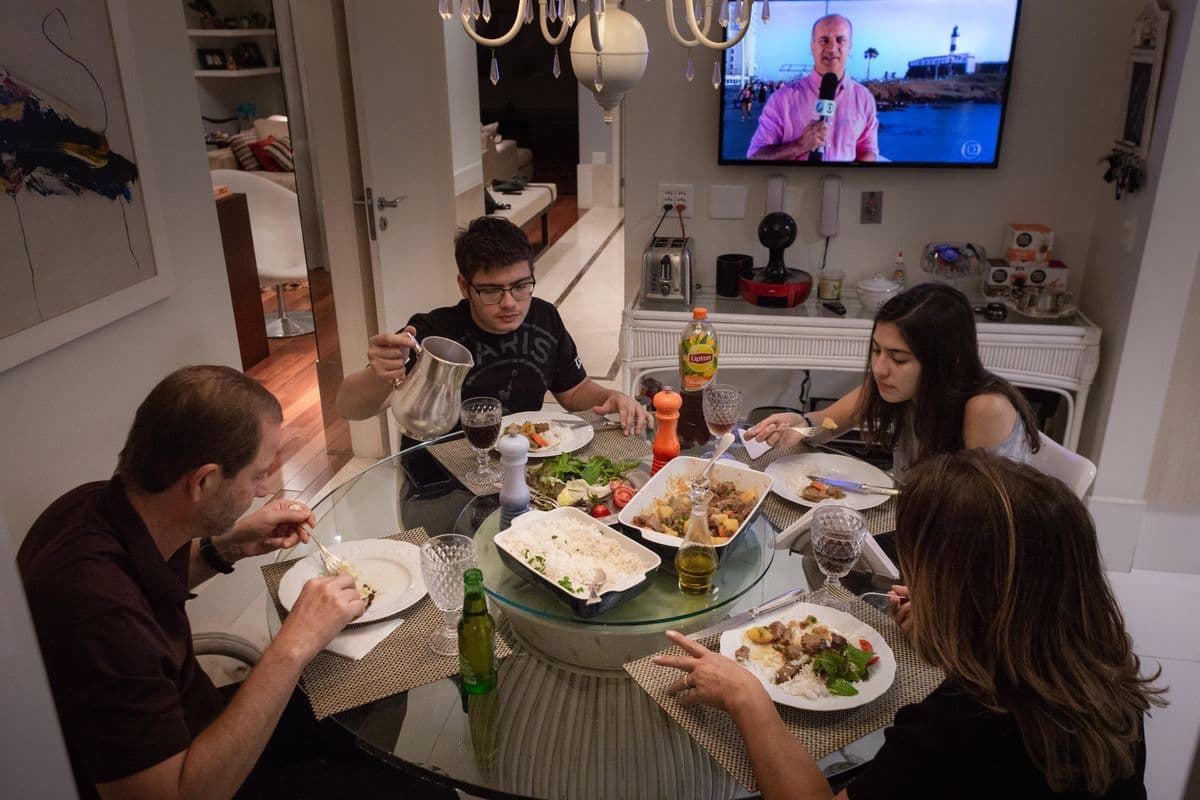
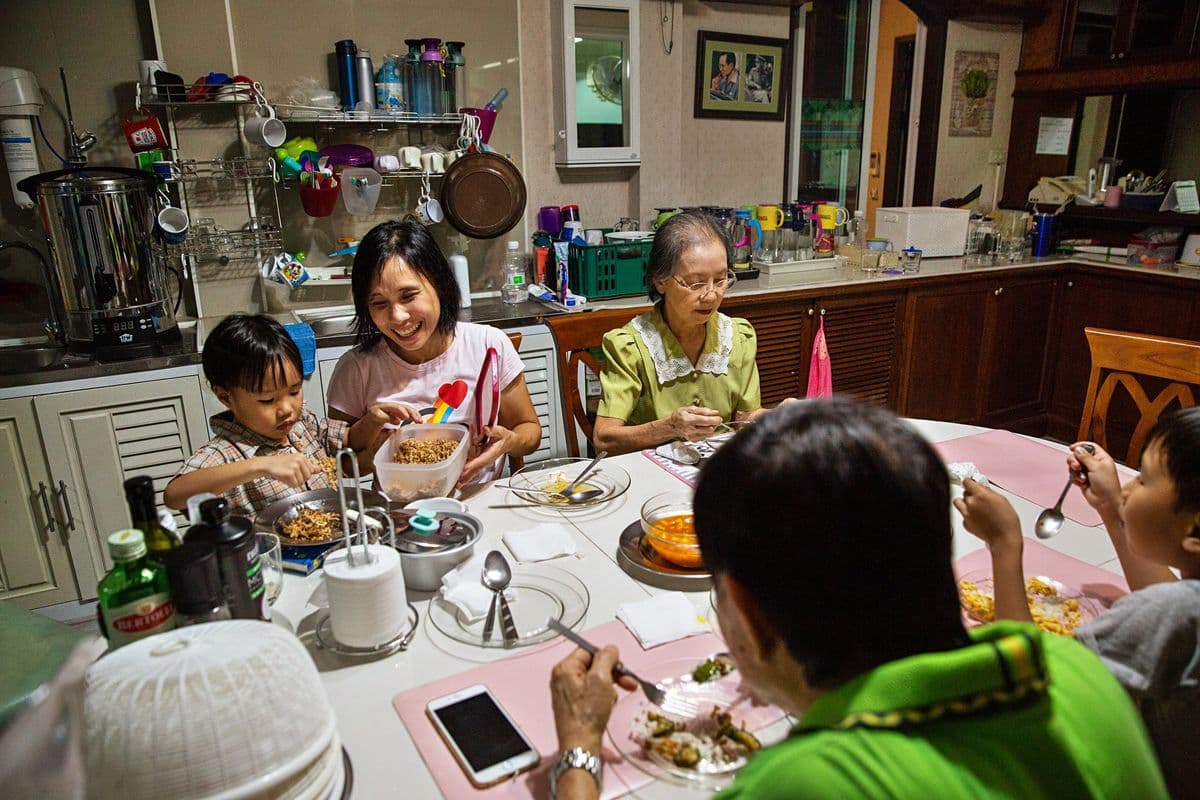
Dinner Around the World 4
Quiz by Matt Byrski
Customize this quiz to suit your class
Instantly translate to 100+ languages
Tag the questions with any skills you have. Your dashboard will track each student's mastery of each skill.
Give this quiz to my class






 Create questions based on the following text Not long ago, I grabbed breakfast at a hotel in southern Spain. The only cereal available was a local version of frosted corn flakes, so I readied myself to enjoy a bowl of my childhood favorite. But my sweet indulgence wasn't what I'd expected: The cereal milk was heated — apparently standard in this part of Spain — and my poor frosted flakes immediately turned to mush. Not so grrrrrrreat. Soggy flakes or not, I find breakfast to be a fun part of my travel day, especially because the experience varies so much from one country's breakfast table to the next. The farther north you go in Europe, the heartier the breakfasts. The heaviest is the traditional British "fry." Also known as a "Plate of Cardiac Arrest," the fry is a fundamental part of the bed-and-breakfast experience, and is generally included in your room price. A standard fry comes with cereal or porridge, a fried egg, Canadian-style bacon or sausage (and sometimes mackerel or haggis), a grilled tomato, sautéed mushrooms, baked beans, and fried bread or toast. This protein-stuffed meal can tide me over until dinner. You'll quickly figure out which parts of the fry you like. Your host will likely ask you up front which breakfast items you actually like, rather than serve you the whole shebang and risk having to throw out uneaten food. The Scandinavian breakfasts buffet is the perennial favorite for the "most food on the table" award. It pays to take advantage of breakfast smorgasbords when you can. For about $20 (a cheap meal in these parts), you can dig into an all-you-can-eat extravaganza of fresh bread, cheeses, yogurt, cereal, boiled eggs, herring, cold cuts, and coffee or tea. In place of cereal and milk, Scandinavians like to pour thick yogurt over their granola. Throughout the Netherlands, Belgium, Germany, Austria, Switzerland, and most points east of there, expect a more modest buffet — but still plenty of options (rolls, bread, jam, cold cuts, cheeses, fruit, yogurt, and cereal). In these countries, there's a good chance of finding hard-boiled eggs, but scrambled or fried eggs are relatively rare. In Poland, track down jajecznica, the local wake-up call of eggs scrambled with kielbasa sausage, served with a side of potato pancakes. The breakfast of choice in Russia is oladi, pancakes perfectly fried to be crisp on the outside but soft in the middle, then topped with sour cream, honey, or berries. Germans have an endearing habit of greeting others in the breakfast room with a slow and dour "Morgen" ("Morning" — short for "good morning"), though they have plenty to be happy about. Breakfast is usually included, and offers hearty fuel for the day: ham, eggs, cheese, bread, rolls, and pots of coffee. In Switzerland, don't miss an opportunity to try Bircher Muesli, a healthful mix of oats, nuts, yogurt, and fruit that tastes far more delicious than it looks. If breakfast is optional, take a walk to the nearest bakery — every German, Austrian, and Swiss town has at least a few bakeries offering a world of enticing varieties of bread and pastries, baked fresh every morning. As you move south and west (France, Italy, Spain, and Portugal), skimpier "continental" breakfasts are the norm. You'll mostly likely get a roll with marmalade or jam, occasionally a slice of ham or cheese, and coffee or tea. The good news? These little breakfasts compel you to sample regional favorites: In Spain, look for chocolate con churros (fritters served with a thick, warm chocolate drink), pan con tomate (a toasted baguette rubbed with fresh garlic and ripe tomato), or a tortilla española (a hearty slice of potato omelet). Italian breakfasts are particularly tiny, but the delicious red orange juice you get is made from Sicilian blood oranges. And you can buy a delightful toasted sandwich from a corner bar anywhere, anytime in Italy to make up for the minuscule breakfast. In France, locals just grab a warm croissant and coffee on the way to work. Queue up with the French and consider the yummy options: croissants studded with raisins, packed with crushed almonds, or filled with chocolate or cream. If you expect breakfast to be too sparse, plan ahead to supplement it with a piece of fruit and a wrapped chunk of cheese from a local market. Being a juice man, I keep a liter box of OJ in my room for a morning eye-opener. Coffee drinkers know that breakfast is the only cheap time to caffeinate yourself. Some hotels will serve you a bottomless cup of a rich brew only with breakfast. After that, the cups acquire bottoms and refills will cost you. Juice is generally available at breakfast, but in Mediterranean countries, you have to ask…and you'll probably be charged. In many countries, breakfast is included in your hotel bill, though if you make prior arrangements with the hotelier, you may be able to skip breakfast and pay a lower price for the room. If breakfast costs extra, it's often optional, and you can usually save money and gain atmosphere by buying coffee and a roll or croissant at the café down the street or by brunching picnic-style in the park. When deciding whether to request breakfast, consider your timing; if you need to get an early start, skip the breakfast — few hotel breakfasts are worth waiting around for. Come to the European breakfast table with an adventurous spirit. I'm a big-breakfast traditionalist at home, but when I feel the urge for an American breakfast in Europe, I beat it to death with a hard roll.Not long ago, I grabbed breakfast at a hotel in southern Spain. The only cereal available was a local version of frosted corn flakes, so I readied myself to enjoy a bowl of my childhood favorite. But my sweet indulgence wasn't what I'd expected: The cereal milk was heated — apparently standard in this part of Spain — and my poor frosted flakes immediately turned to mush. Not so grrrrrrreat. Soggy flakes or not, I find breakfast to be a fun part of my travel day, especially because the experience varies so much from one country's breakfast table to the next. The farther north you go in Europe, the heartier the breakfasts. The heaviest is the traditional British "fry." Also known as a "Plate of Cardiac Arrest," the fry is a fundamental part of the bed-and-breakfast experience, and is generally included in your room price. A standard fry comes with cereal or porridge, a fried egg, Canadian-style bacon or sausage (and sometimes mackerel or haggis), a grilled tomato, sautéed mushrooms, baked beans, and fried bread or toast. This protein-stuffed meal can tide me over until dinner. You'll quickly figure out which parts of the fry you like. Your host will likely ask you up front which breakfast items you actually like, rather than serve you the whole shebang and risk having to throw out uneaten food. The Scandinavian breakfasts buffet is the perennial favorite for the "most food on the table" award. It pays to take advantage of breakfast smorgasbords when you can. For about $20 (a cheap meal in these parts), you can dig into an all-you-can-eat extravaganza of fresh bread, cheeses, yogurt, cereal, boiled eggs, herring, cold cuts, and coffee or tea. In place of cereal and milk, Scandinavians like to pour thick yogurt over their granola. Throughout the Netherlands, Belgium, Germany, Austria, Switzerland, and most points east of there, expect a more modest buffet — but still plenty of options (rolls, bread, jam, cold cuts, cheeses, fruit, yogurt, and cereal). In these countries, there's a good chance of finding hard-boiled eggs, but scrambled or fried eggs are relatively rare. In Poland, track down jajecznica, the local wake-up call of eggs scrambled with kielbasa sausage, served with a side of potato pancakes. The breakfast of choice in Russia is oladi, pancakes perfectly fried to be crisp on the outside but soft in the middle, then topped with sour cream, honey, or berries. Germans have an endearing habit of greeting others in the breakfast room with a slow and dour "Morgen" ("Morning" — short for "good morning"), though they have plenty to be happy about. Breakfast is usually included, and offers hearty fuel for the day: ham, eggs, cheese, bread, rolls, and pots of coffee. In Switzerland, don't miss an opportunity to try Bircher Muesli, a healthful mix of oats, nuts, yogurt, and fruit that tastes far more delicious than it looks. If breakfast is optional, take a walk to the nearest bakery — every German, Austrian, and Swiss town has at least a few bakeries offering a world of enticing varieties of bread and pastries, baked fresh every morning. As you move south and west (France, Italy, Spain, and Portugal), skimpier "continental" breakfasts are the norm. You'll mostly likely get a roll with marmalade or jam, occasionally a slice of ham or cheese, and coffee or tea. The good news? These little breakfasts compel you to sample regional favorites: In Spain, look for chocolate con churros (fritters served with a thick, warm chocolate drink), pan con tomate (a toasted baguette rubbed with fresh garlic and ripe tomato), or a tortilla española (a hearty slice of potato omelet). Italian breakfasts are particularly tiny, but the delicious red orange juice you get is made from Sicilian blood oranges. And you can buy a delightful toasted sandwich from a corner bar anywhere, anytime in Italy to make up for the minuscule breakfast. In France, locals just grab a warm croissant and coffee on the way to work. Queue up with the French and consider the yummy options: croissants studded with raisins, packed with crushed almonds, or filled with chocolate or cream. If you expect breakfast to be too sparse, plan ahead to supplement it with a piece of fruit and a wrapped chunk of cheese from a local market. Being a juice man, I keep a liter box of OJ in my room for a morning eye-opener. Coffee drinkers know that breakfast is the only cheap time to caffeinate yourself. Some hotels will serve you a bottomless cup of a rich brew only with breakfast. After that, the cups acquire bottoms and refills will cost you. Juice is generally available at breakfast, but in Mediterranean countries, you have to ask…and you'll probably be charged. In many countries, breakfast is included in your hotel bill, though if you make prior arrangements with the hotelier, you may be able to skip breakfast and pay a lower price for the room. If breakfast costs extra, it's often optional, and you can usually save money and gain atmosphere by buying coffee and a roll or croissant at the café down the street or by brunching picnic-style in the park. When deciding whether to request breakfast, consider your timing; if you need to get an early start, skip the breakfast — few hotel breakfasts are worth waiting around for. Come to the European breakfast table with an adventurous spirit. I'm a big-breakfast traditionalist at home, but when I feel the urge for an American breakfast in Europe, I beat it to death with a hard roll. Can you make 5 questions based on the textFall Forward, Spring Back It was the first Friday in November. Daylight Saving Time ended that Sunday. The fall parade was Sunday, too. "Remember to set your clocks back an hour on Saturday night," said Nola's teacher. "Spring forward, fall back," he added. Nola didn't pay much attention. She was always late for everything anyway. She figured she always would be. At dinner, though, she asked her mom if they could go to the parade. "I won't be here Sunday, but I'll bet Pablo could take you," Mom said. Nola looked at Pablo, her sleеру big brother. He nodded-and yawned. Saturday morning, their mom drove to the airport. Saturday night, Nola thought back to her teacher's words: "Spring forward, fall back." Or was it "Fall forward, spring back"? "Fall forward" sounded better, so she set her clock forward an hour. Just like that, it was past her bedtime. She was late again. "Time is not my friend," Nola sighed. The next morning when Nola woke, her clock said 10:15. The parade began at ten o'clock. Nola and Pablo ran to the parade route, but there was no parade. It seemed they'd missed the whole thing. They turned and headed home. On their way back, they spotted their neighbor Frank. He was climbing around next to an eight-foot pumpkin float. "The early bird gets the worm!" he shouted, then asked for their help. They worked on his float for more than an hour. Then Frank clapped his hands. "Let's get to that parade!" he cried. Nola and Pablo blinked in confusion. "Wait a minute," Nola said. "Wasn't the parade at ten o'clock today?" she asked. "Was at ten?" Frank asked. "Will be at ten is more like it!" he cried. He thrust his watch toward them. It said 9:30. Nola laughed for joy. She had jumped forward an hour when everybody else had jumped back. That meant she and Pablo were now two hours ahead of everybody else. For once in their lives, they were early! "The early bird gets the worm!" Nola cried. Frank nodded. "You've got it, missy," he said. Pablo yawned. It was all a big mistake, but it turned out to be a great mistake. It's why they rode in the parade that year, and every year since. It's also why, from that day on, Nola has been early for everything. Two minutes early, though-not two hours.A Choose the correct answer. 1 When his grandma died, he came ….. some of her money and property. A into C across B up D round 2 We should try to ….. the amount of rubbish in our area. A increase C provide B improve D reduce 3 I avoid driving to work because there are always ….. jams in the centre. A transport C power B traffic D station 4 By the end of the year, there will be more ….. farms in our city. A solar C floating B vertical D electric 5 Who is going to ….. our new piano? A deal C deliver B produce D construct 6 She doesn’t like being ….. in the house; she wants people around her. A healthy C lonely B crowded D alone 7 Why don’t you come ….. for dinner tonight? A up C over B into D back 8 Mr Jones has found the cure for a serious ….. . A disease C crime B pollution D poverty 9 Scientists are hopeful ….. the future of energy sources. A for C about B in D with 10 Do you think ….. tube trains will ever be used? A drone C charging B front D vacuum Grammar B Choose the correct answer. 1 I’ll still ….. two hours from now. A have gardened C garden B have gardening D be gardening 2 ….. you ….. your homework by 7 o’clock? A Will ... finish C Will … have finished B Will … be finishing D Won’t … finish 3 By 2100, experts ….. new energy sources. A will have discovered C will be discovering B will be discovered D will discover 4 The film will have started before we ….. there. A will have got C get B will get D will be getting 5 This time tomorrow, Sheila ….. a job interview. A will have C will be having B is having D will have had 6 David ..... back from work by dinner time. A will be coming C will have come B will come D won’t be coming 7 I can’t believe that in a few hours, we ….. our first live concert. A are performing C will have performed B will be performing D will perform 8 ….. next Friday, I will be flying to Glasgow. A This time C By B At D Until 9 Jake ….. by the end of September. A will retire C will have retired B is retiring D will be retiring 10 ….. the time Mum gets home, I will have tidied my room. A Before C Until B At D By Everyday English C Choose the correct answer. 1 A: How did you find that job? B: a I’ll be working in the local library. b I’ll be there from June 15th. c There was an advert online. 2 A: I can’t wait! B: a Sounds like fun. b I’ll work in my uncle’s restaurant. c I’ll stay there for two weeks. 3 A: Do you have any plans for the summer? B: a Really? b What about you? c Haven’t I told you? 4 A: What will your duties be? B: a I’ll be flying to London to see my uncle. b I’ll be helping customers. c I’ll have earned enough money to buy a new smartphone. 5 A: How long will you stay there? B: a Until the end of July. b Well, this time next week, I’ll be relaxing. c And what are your plans? Toby: Welcome to my home, Timmy! Please come in. Timmy: Thank you. I am very happy to be here. Toby: Do you want me to show you around first? Timmy: Sure, let me take off my shoes. Toby: This is our living room. We can watch TV here. Timmy: I like your sofa. It’s very comfortable. Toby: This is our dining room. We can eat dinner here. Timmy: Your apartment is very nice, Toby. Toby: Thank you, Timmy.dinner- la cenaDinner time Dinner time!