Loading...


DRRR-3rd Monthly Exam 2022-2023
Quiz by Karen Lagaña
Tag the questions with any skills you have. Your dashboard will track each student's mastery of each skill.
Multiple Choice:
It is defined as the potential damage to man and his environment that may result from the occurrence of natural events.
Multiple Choice:
It occurs when the eruption of boils leads to localized differential settlements.
Multiple Choice:
It is a type of seismic wave that can travel in both solid rock and liquid.
Multiple Choice:
It involves a dominantly horizontal shifting of the ground.
Multiple Choice:
It involves chunks of detached rock that fall freely for some distance or bounce and roll down the steep slope.
Multiple Choice:
The tilting of houses and floating buoyant structures that are anchored on the liquefied zone is a result of ______________.
Multiple Choice:
What can structural engineers do to prevent resonance and collapse of buildings?
Multiple Choice:
Which of the following is not a factor that caused landslide?
Multiple Choice:
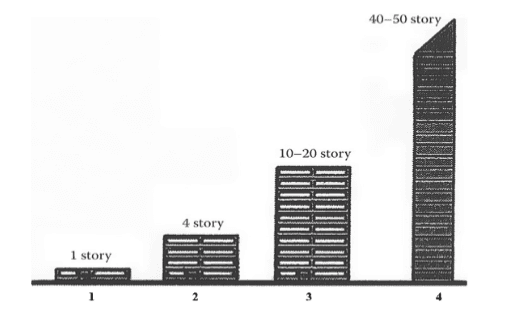
Which building/s would require slower shaking of the ground to sway?
Multiple Choice
Which of the following is a type of landslide?
Multiple Choice:
Which of the following is not true about volcanic eruption?
Multiple Choice:
Why is basaltic lava the fastest type among andesitic and rhyolitic lava?
Multiple Choice:
Which of the following is the other term for hot glowing broken pieces of lava?
Multiple Choice:
Which of the following not true about the formation of lahar?
Multiple Choice:
Which of the following does not belong to geologic hazards?
True or False:
A flood in a rural area occur but does not affect any houses is an example of natural hazard.
True or False:
A landslide in a favela (slum area) in Rio de Janeiro can be considered as natural phenomenon.
True or False:
A volcano erupting in isolation in the middle of the Pacific Ocean can be considered as a natural phenomenon.
True or False:
An earthquake in Kashmir, Northern Pakistan is an example of natural disaster.
True or False:
Man-made hazards includes epidemic, locusts, and drought.
True or False:
Intensity is used to measure the strength and an indication on how destructive a hazard can be.
True or False:
The medical effects of the disasters includes traumatic injuries, emotional stress, epidemic diseases, and indigenous diseases.
True or False:
The more predictable a hazard event is, the lesser the chance of incurring casualties and damages.
True or False:
The probabilities of the occurrence of natural hazards are estimated from historical data or the records of past events.
True or False:
The quasi-natural hazards results from a natural processes only.
Identification:
It occurs when ocean water is displaced suddenly causing the formation of waves that reach the shore in large height.
Identification:
It monitors the ocean surface using satellites, radar, and buoys in the water that measure current speed and waves.
Identification:
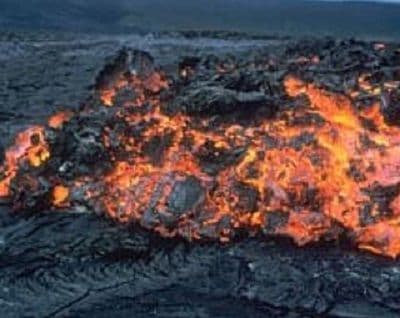
Identify what is in the picture below.
Identification:
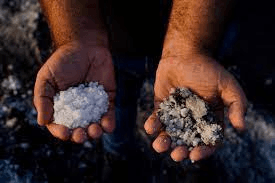
Identify what is in the picture below.
Identification:
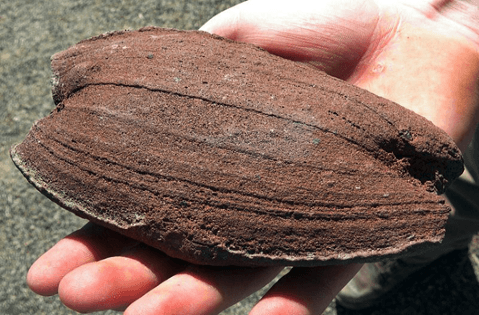
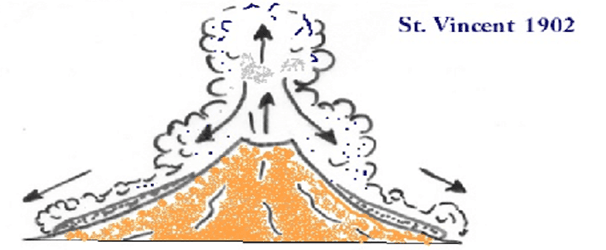
Identify what is in the picture below.
Identification:
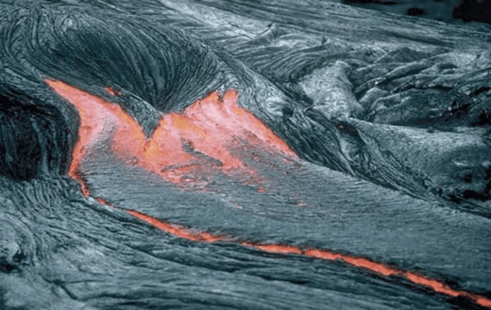
Identify what is in the picture below.
Identification:
Identify what is in the picture below.