Loading...


DRUG USE & MISUSED
Quiz by Sidd
Customize this quiz to suit your class
Instantly translate to 100+ languages
Tag the questions with any skills you have. Your dashboard will track each student's mastery of each skill.
Give this quiz to my class
TRUE or FALSE
Drug dependence is the state of physical and psychological dependence on drugs and its continuous use and abuse.
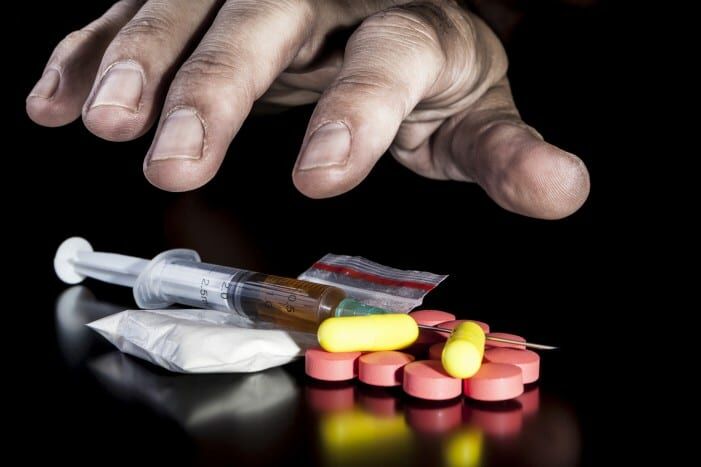
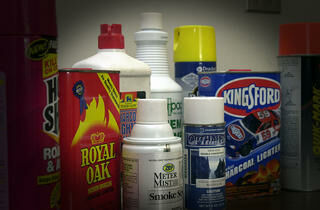
Narcotics
Stimulants
Gateway drugs
Inhalants
TRUE or FALSE
Drug dependence is the state of physical and psychological dependence on drugs and its continuous use and abuse.


Alcohol is not a depressant.

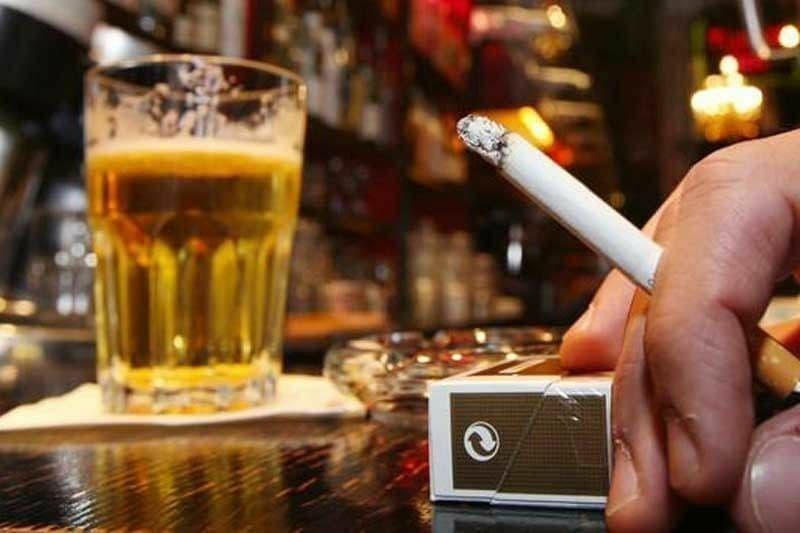
These drugs are accepted and legal with restrictions.
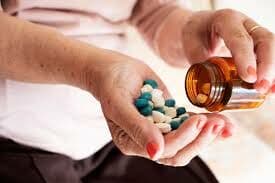
This drug is also known as “downers”.

TRUE or FALSE
A drug is a substance which brings mental & emotional behavioral and physiological changes to person.
There are healthy and enjoyable things to do than taking drugs.
This substance is also known as “painkillers”.

P N P
This drug is also known as “uppers”.
This substance creates hallucinations.
This substance can activate the central nervous system.
L G U
TRUE or FALSE
Caffeine is a stimulant which is found in soft drinks & energy drinks, coffee, tea and chocolate.

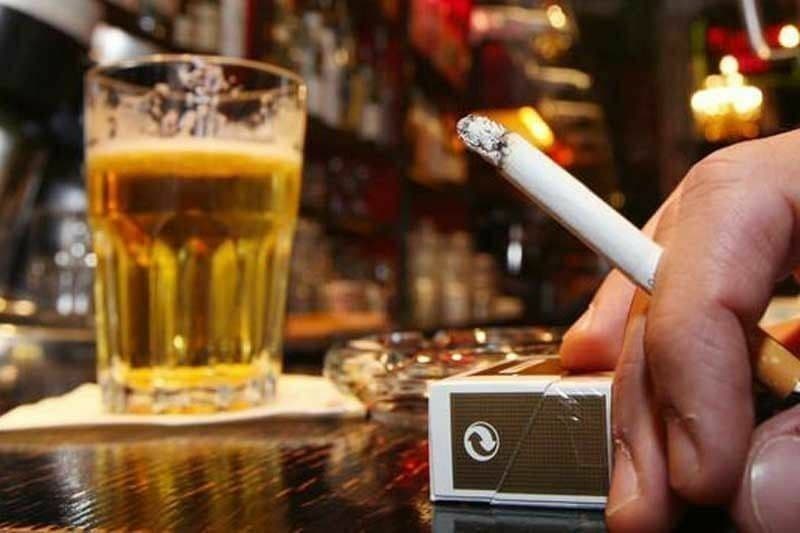
Alcohol and Tobacco are what form of drugs?

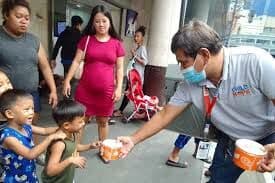
Department of Social __?__ and Development
TRUE or FALSE
Drug abuse is the use of a substance for non medicinal purposes.
Philippine Drug ___?___ Agency
Effects of Drug Use and Abuse on the Family

Bureau Investigation National
Which is not a inhalants?

 [t comes from the GREEK name "Epilepsia" which means "taking hold of or seizing". - It is a disorder characterized by: recurrent seizures. SEIZURES R ectment transient attacks of: R epresent: R esult from: ASSOCIATED WITH: somatic, psychic, or, autonomic clinical featmes. clinical features of abnormally hyperexcitable cortical neurons. paroxvsmal and excessive electrical neuronal discharges. EEG changes & may be disturbance of consciousness. same causes of convulsions 1. Idiopathic epile~ • It is the commonest cause. no cause can be detected ( 65 % ) • It may be associated with positive family history in some cases. • It starts in the l st & 2nd decades in the form of: -- Grand ma! epilepsy. Petit mal epilepsy. Myoclonic epilepsy. Atonic seizures. 2. Secondary epilepsy A. Local causes in the brain: l. Congenital: 2. Traumatic: cerebral palsy. a cause can be detected cerebral contusion or laceration. 3. Inflammatory: 4. Neoplastic: 5. Degenerative: 6. Vascular: encephalitis, brain tumours. mening1t1s, presenile dementia. brain abscess. stroke (especially hemon-hagic), hypertensive encephalopathy. B. General causes with secondary effects on the brain: I. Toxic: 2. Iatrogenic: 3. Metabolic: 4. Endocrinal: 5. Organ failure: 6. Heart disease: 7. Nutritional: - Alcohol, cocaine, lead. - Lidocaine, INH. - j glucose & ! glucose. - Hypoparathyroidism. - Hepatic failme. - Adam's Stoke's attacks. - Pellagra. - Botulism, tetanus. - Ambilhar, Amphetamine, Aminophylline. - j Ca & ! Ca. - Hype1thyroid crisis. - Renal failure. - Fallot's tetralogy. - j Na & ! Na. - Vitamin B6 deficiency. 8. Physical: 9. HYSTERICAL. - High fevers. - Heat stroke. 136 137 CLINICAL PICTURE 1. GENERALISED SEIZURES " Excessive electrical discharges from cortical neurons in BOTH hemispheres simultaneously " I. II. 1. Grand Mal Epile~: 1. Pre-ictal stage "attacks of tonic-clonic convulsions " (aura) It is a warning sign of a coming attack. It may be: • Somatic: • Psychic: • Autonomic: 2. Ictal stage Myoclonus, Hallucinations. Tachycardia, (seizure) Sudden loss of consciousness: Parasthesias. Sweating. for seconds to minutes. -- Tonic phase (few seconds) o The UL & LL: o o o o The HEAD: The JAWS: CYANOSIS: are extended. is retracted to one side & the eye balls rolled up. are firmly clenched, with biting of the TONGUE. due to impaired respiration. There may be incontinence of urine. Clonic phase (few minutes) o The UL & LL: o The HEAD: 3. Post-ictal stage - It may be: • Somatic: • Psychic: • Autonomic: Drug of choice: contract & relax repeatedly & rapidly. jerks forcibly. (sequelae) Todd's paralysis(< 24 hours, due to neuronal exhaustion). Confusion. Vomiting. Carbamazepine (Tegretol) or Phenytoin (Epanutin) Petit Mal Epilepsy: "attacks of loss of consciousness " " Absence " It starts in childhood & improves at puberty & usually disappears at the age of 20. 2. It is NOT PRECEEDED by aura & NOT FOLLOWED by sequelae. 3. It is usually PRECIPITATED by: hyperventilation 4. It is characterized by: or photic stimulation. sudden loss of consciousness of short duration (few seconds). 5. It may be associated with: • High frequency ( 50 attacks / day). • Falling to the ground without warning. • Jerky movements of the head & UL Drug of choice: (myoclonic petit mal). Valproate (Depakine) or Succinimide (Zarontin) 137 138 Ill. M oclonic Seizures: "attacks of involuntary clonic movements " - It is characterized by: sudden, jerky, shock-like INVOLUNTARY muscle contraction. • The jerks are bilateral contractions, mainly of the shoulders and arms. • However, some patients repmtjerking in the lower limbs, trunk, or head. - It may be of 2 types: - Occurs singly • Simple: • As a pait of: I Drug of choice: IV. Atonic seizures: (no loss of consciousness). - Grand mal epilepsy (aura). - Petit mal epilepsy. Valproate (Depakine) or Clonazepam (Rivotril) I - Transient attacks of brief loss of postural tone, often resulting in falls and injuries. 2. PARTIAL SEIZURES "Excessive electrical discharges from cmtical neurons in a ce1tain area in ONE hemisphere" A. Simple seizures: " No disturbance in consciousness " - The CP depends on the site of the hyperexcitable neurones in the cerebral cortex, whether in: "Motor area or Senso,y areas". 1. Motor fits: • Focal fits: • Motor jacksonian fits: 2. General Sensory fits: • Focal fits: • Sensory jacksonian fits: 3. Special Senso1y fits: • Visual hallucinations: • Auditory hallucinations: • Olfactory hallucinations: B. Complex seizures: - SITE: movement of part of a limb or the whole limb. movement of one side of the body (see before). parasthesia of part of a limb or the whole limb. parasthesia of one side of the body (see before). irritation of the visual sensory area. irritation of the auditory sensory area. initation of the uncus. " disturbance in consciousness " The hyperexcitable neurons are in the Temporal lobe "Temporal lobe epilepsy". - DURATION: The seizure lasts few seconds to few minutes. - The seizure starts with A ura, followed by A bsence, Automatism, Amnesia: 1. 2. 3. 4. A ura: A bsence: Automatism: A mnesia: Olfactory hallucinations, Deja-vu phenomenon, Sensation of fear. Absent patient with staring eyes (with no response to conversation). Involuntary Purposeless acts: motor ( eg, lip smacking, chewing) or verbal. No recalling of the seizure. 138 139 3. PARTIAL SEIZURES ~ GENERALISED SEIZURES " Partial seizures may spread to involve the whole brain .- secondarily generalised seizures " . HY-sterical epilepsY • Usually: • The cause: • Incidence: young neurotic Sj2 . psychological & there is no organic lesion. usually occurs in the presence of people. • It is associated with: • EEG: • It is not associated with: normal. • Missed ttt. • Menses. • Alkalosis. anxiety, palpitaion & hyperventilation. tongue biting or incontinence of urine. • Alcohol use & Drug abuse ( e.g. cocaine ). • S timulation by photons & Hyperventilation. • S leep deprivation & Stress & sudden withdrawal of antiepileptic drngs. INVESTIGATIONS 1. EEG: • It is the most specific test for epilepsy because it records the electrical activity of the brain. • It shows specific pattern: 2. LOCAL INVESTIGATIONS: "Epilepsy waves". "CT & MRI of the brain" • To identify or exclude a LOCAL CAUSE of seizures in the brain. 3. GENERAL INVESTIGATIONS: "Laboratory investigations" • To search for a GENERAL CAUSE of seizures, e.g. blood glucose. 139 140 TREATMENT A. General Measures: 1. 2. Moderation of the patient's physical activity. A void the precipitating factors ( Alcohol, hyperventilation, photic stimulation ...... ). 3. A ketogenic diet is encouraged because it will induce acidosis: - Acidosis is beneficial as it raises the threshold of stimulation of the brain cells. B. Specific Treatment: 2. 1. Treatment of the cause in secondary epilepsy. Anti-epileptic drugs: a) Always sta1t with one drug, then add another drug if there is no response. b) Always stop the drugs ONLY if: • The patient stays free of symptoms for at least 2 years. • The patient has a normal EEG. 3. Side effects of Anti-epileptic drugs: I . Skin rash. 2. 3. Bone marrow depression. Ataxia. Drug 1. Barbiturates (Pbenonobarbitone) 2. Hydantoin (Epanutin) 3. Carbamazepine 4. Clonazepam 5. Valproate 6. Succinamide ANTI-EPILEPTIC DRUGS NEW ANTI-EPILEPTIC DRUGS - These drugs are new dtugs that may be used in resistant seizures. 1. Lamotrigine: 200 - 400 mg/ day. 2. Felbamate: 3. Gabapentin: 400- 800 mg/ day. 600 - 1200 mg/ day. \ " General rules for use ": Dose 100-600 mg I day 100-600 mg / day 200-600 mg I day 2-6 mg I day 500-1500 mg I day 500-1000 mg / day Best indicated - Broad spectrum. - Not for petit mal. - Grand mal. - Motor Jacksonian fits. - Grand mal. - Motor Jacksonian fits. - Complex seizures. - Not for petit ma!. - Myoclonic. - Grand mat. - Broad spectrum. - Petit mat. 140 141 STATUS EPILEPTICUS DEFINITION - A medical emergency: 1. Repeated attacks of generalized convulsions, with lack of recove,y of consciousness, 2. Persistent attack of seizure lasting for at least 30 minutes. OR, - If the convulsions are not stopped rapidly, coma deepens & death may occur due to: heart failure or respiratory failure or brain damage or hyperpyrexia. - The most common causes are: sudden withdrawal of anti-epileptic drugs & stroke. TREATMENT A. General Measures: l. Take care of: " ABC " • Place the patient on the ground, to guard against falling from bed. • Mouth gag & 02 inhalation ( endo-tracheal intubation may be needed). • Record the vital signs regularly. 2. Take a sample of: - Venous blood: for the level of: - A.tierial blood: for the level of: 3. a nti-epileptic drugs, a lcohol. pH, p0 2, pC02, HC0 3. Give cerebral dehydrating measures: e.g. Frusemide, cone. Mannitol, Dexamethazone. B. Specific Treatment: - Phenytoin with diazepam (or clonazepam) immediately: 1. Phenytoin: 2. Diazepam: Clonazepam: seizures recur: 15 mg I Kg slow infusion. 5 mg slowly IV, to be repeated after 5 minutes if seizures recur: maximum dose: 20 mg. OR: 2 mg slowly IV, to be repeated after 5 minutes if maximum dose: 6 mg. - If seizures persist after 20 min. of Phenytoin & diazepam: 3. PHENOBARBITONE: - In resistant cases: 200 mg infusion. 4. GENERAL ANAESTHESIA: may be used.DRUG USERational Drug UseRecreational drug use: stimulantsRecreational drug use: depressants8G, Unit 2-L1; Exit Ticket, Drug Use and Abuse Health 11/12 Review for Final Exam Core Concepts - Mental and Emotional Health, Substance Abuse Prevention, Safety and Violence Prevention, Family Life and Human Sexuality, Disease Prevention and Control, Healthy Eating Health Education Skills - goal setting, decision making, accessing information/resources, analyzing influences, communication, self-management, advocacy DIMENSIONS of Wellness - social, spiritual, emotional/mental, environmental, financial, intellectual, multicultural, occupational, physical, sexual RISK factors - anything that increases the risk of disease, injury, or illness. PROTECTIVE factors - anything that decreases the risk of disease, injury, or illness. INTERNAL health factors - health factors that can be either hereditary and genetic or acquired elements -- include smoking and personal diet or eating habits. Example – a genetic predisposition to an illness. EXTERNAL health factors - health factors that are part of the direct outer environment, the geographical location, micro-organisms, socio-economic elements that could affect an individual's health. Example – being unable to afford mental health services. Unit 1- Managing Personal and Community Wellness Explain Maslow’s Hierarchy of Needs in your own words using the image provided. Explain how each Social Determinant of Health may impact a person’s health. Levels of Disease Prevention • PRIMARY The goal is to avoid conditions altogether. • SECONDARY The goal is early detection. • TERTIARY The goal is to minimize the damage (manage). Define the following terms. Fads/Trends Sleep hygiene Driver safety Unit 2- Investigating Social Ecological Factors on Well-Being Socio-Ecological Model – The SEM examines how health behaviors form based on characteristics of individuals, communities, nations and levels in between. Each level overlaps with other levels signifying how the best public health strategies are those that encompass and target a wide range of perspectives. Interpersonal (personal) health vs. intrapersonal (relationship) health Health INEQUITY - systemic, ingrained and unjust barriers that prevent segments of the population from having the opportunity of health leading to health disparity. IMPLICIT BIAS - a form of bias that occurs automatically and unintentionally, that nevertheless affects judgments, decisions, and behaviors. Research has shown implicit bias can contribute to unequal access to quality healthcare, negative patient-provider relationships and interactions; and create mistrust in the healthcare system and practitioners among patients. This can contribute to health disparities. Health DISPARITY - represents a difference in health between populations. It is often used to describe disease burden and other negative health outcomes socially disadvantaged groups may face. Health EQUITY - The opposite of health inequity. It describes a system that supports a high standard of health and healthcare for all people. Racism - Beliefs, attitudes, institutional arrangements, and acts that tend to denigrate individuals or groups because of phenotypic characteristics or ethnic group affiliation. DISCRIMINATION - An unjust differential treatment of a person or a group. PRIVILEGE- The unearned access to resources and social power that are only available to some because of their membership within certain social groups. OPPRESSION is the act of taking away choices from others and can be defined as a system that maintains advantage and disadvantage based on social identities and that acts on multiple levels from interpersonal to institutional and societal. (internalized, interpersonal, institutional, structural) Systematic Oppression - Intentional disadvantage of groups of people based on their identity while advantaging members of dominant group (race, gender, sexual orientation, language, size, ability, etc.). Intersectionality - The complex, cumulative way in which the effects of multiple forms of discrimination (such as racism, sexism, and classism) combine, overlap, or intersect especially in the experiences of marginalized individuals or groups Unit 3- Accessing Resources and Communicating to Support Mental and Emotional Health What is anger? What is anxiety? What is stress? STRESSORS are the things that cause stress. Stressors can be internal and external. A stressor may be a one-time or short-term occurrence, or it can happen repeatedly over a long time. INTERNAL Stressors - are made by your belief system and the way you evaluate yourself. Examples include pessimistic attitude, negative self-talk, deep need to be perfect, low self-esteem or body image, unhealthy standards for self. EXTERNAL Stressors - are stressful things that happen in your surroundings and/or in your environment. Examples include busy schedules, work problems, family issues, financial trouble, social problems, injury, unforeseen circumstances. Socio-economic issues are also a part of external stressors such as poverty, violence, and racism. Define the following mental health conditions. Depression Eating disorders NSSI Non-suicidal self-injury Grief/Loss Suicide prevention A.C.T. • ACKNOWLEDGE- Tell them in a caring way that you recognize that they are having a problem • CARE- You can show you care by actively listening - put away anything else you are doing, make eye contact, sit down, ask questions. • TELL-(call 988 for additional help and support) - Tell them it is important that they speak with a trusted adult. Help them figure out who this may be and offer to go with your friend. A social norm is an unwritten, informal rule meant to guide behavior among the of society. It distinguishes between acceptable and unacceptable, good and bad, and so on. Social norms can influence a person with emotional or mental health disorders, access to care and stigmatize their situation. STIGMA- a mark of disgrace associated with a particular circumstance, quality, or person. • Self-stigma - This describes the internalized stigma that people with mental health conditions feel about themselves. • Public stigma - This refers to the negative attitudes around mental health from people in society. • Institutional stigma - This is a type of systemic stigma that arises from corporations, governments, and other institutions. Unit 4- Evaluating Risks of Substance Use and Abuse Harm Reduction - a set of practical strategies and ideas aimed at reducing negative consequences associated with drug use. Explain how each level of the Social Ecological Model is impacted by addiction. Individual Relationship Community Society SEM Level Contributing/Risk Factors to substance use Preventative/Protective Factors for substance use Individual Interpersonal/Relationship Community Society Unit 5- Analyzing Influences to Examine Ways to Increase Safety and Reduce Violence HATE CRIME - a crime, usually violent, motivated by prejudice or intolerance toward an individual’s national origin, ethnicity, color, religion, gender, gender identity, sexual orientation, or disability. Explain how the media influences violence in society. The Pyramid of Hate Explain the escalation of hate using the Pyramid of Hate visual. List several hate crime motivators. Example: age HEALTHY Relationship Signs - comfortable pace, trust, honesty, independence, respect, equality, kindness, taking responsibility, healthy conflict, fun UNHEALTHY Relationship Signs - intensity, possessiveness, manipulation, isolation, sabotage, belittling, guilting, volatility, deflecting responsibility, betrayal Sexual Assault is a sexual behavior WITHOUT consent. Human trafficking - the recruitment, harboring, transportation, provision, or obtaining of a person for labor or services, using force, fraud, or coercion for the purpose of subjection to involuntary servitude, peonage, debt bondage, or slavery. Sex trafficking - commercial sex act induced by force, fraud, or coercion, or in which the person induced to perform such an act has not attained 18 years of age. Trafficking happens using… • Force - using violence to control someone. • Fraud - using lies to control someone. • Coercion - using threats to control someone. Unit 6- Family Life and Human Sexuality Agency - A belief about yourself and the extent to which you can act on that belief. • The ability to choose freely one’s own narrative. • To embrace the idea that I am the cause (or agent) of my own thoughts and actions. • Personal agency is a personal responsibility for who we are, what we experience, what we do about that experience, and how we shape our world to give us more of the experiences we want. SEXUAL Agency • The ability to choose your own interests and desires vs. what we see in the media or others’ perceptions • The ability to identify, communicate, and negotiate one’s sexual needs • The ability to initiate behaviors that allow for the satisfaction of those needs Sexually Explicit Material - photographs, videos, films, magazines, and books whose primary themes, topics, or depictions involve sexuality that may cause sexual arousal. Sexual scripts - thoughts, patterns, or behavior that a person has about themselves in a romantic or sexual context. It is how people picture themselves or want to project themselves in front of others. Reproductive Rights of Teens - In Maryland, teens have the right to an abortion, keep their child, obtain and use birth control, paternity tests, adoption, give up custody of their child within 10 days of birth (Safe Haven Law). • REPRODUCTIVE RIGHTS- legal rights and the freedom of the individual to control decisions regarding contraception, abortion, sterilization and childbirth. • SAFE HAVEN LAW- a distressed parent who is unable or unwilling to care for their infant can safely give up custody of their baby, no questions asked. CONSENT is an agreement between participants to engage in sexual activity. • It is clearly and freely communicated, verbal, and affirmative. Consent CANNOT be given if… • A person is underage, one or both partners is intoxicated or incapacitated by drugs or alcohol, one partner is asleep or unconscious, one partner feels pressured, threatened or intimidated, or one partner holds a position of power or authority over the other. Unit 7- Advocating for Enhanced Nutrition, Food Systems, and Health Outcomes Dietary Guidelines for Americans Guideline 1: Follow a Healthy Dietary Pattern at Every Life Stage Guideline 2: Customize and Enjoy Food and Beverage Choices to Reflect Personal Preferences, Cultural Traditions, and Budgetary Considerations Guideline 3: Focus on Meeting Food Group Needs with Nutrient-Dense Foods and Beverages, and Stay Within Calorie Limits Guideline 4: Limit Foods and Beverages Higher in Added Sugars, Saturated Fat, and Sodium, and Limit Alcoholic Beverages FOOD DESERT- a neighborhood where there is little or limited access to healthy and affordable food such as fruits, vegetables, whole grains, low-fat milk and other foods that make up the full range of a healthy diet. FOOD INSEQURITY lack of access to a sufficient amount of food because of limited funds. More than 49 million American households are considered food insecure and are vulnerable to poor health as a result. PROCCESED FOODS- any raw agricultural commodities that have been washed, cleaned, milled, cut, chopped, heated, pasteurized, blanched, cooked, canned, frozen, dried, dehydrated, mixed or packaged — anything done to them that alters their natural state.1) Which of the following is NOT one of the classifications indicating the source of a drug? A) Genetically engineered B) Chemically altered C) Natural D) Synthetic 2) Acetylsalicylic acid, also known as aspirin, is derived from a(n) source. A) animal B) mineral C) synthetic 3) Which of the following is derived from an animal source? A) Thyroid hormone B) Vincristine C) Digoxin D) Codeine 1) 2) 3) 4) What mineral is used to treat arthritis? A) Zinc C) Ferrous sulfate B) Sodium chloride D) Gold 4) 5) A naturally occurring substance that has been chemically altered is considered a drug. 5) A) genetically engineered B) aemi-synthetic C) synthesized D) hazardous 6) A drug that is produced in a laboratory in imitations of a naturally occurring compound is called: 6) A) Genetically engineered. B) Synthesized. C) Semi-synthetic. D) Bioenhanced. 7) Which of the following is an example of a synthetic drug? A) Sodium chloride B) Digoxin C) Barbiturates D) Insulin 7) 8) To create a genetically engineered drug, manufactures use DNA, combining two different 8) strands of DNA to produce a new strand. A) recombined B) reconciled D) recombinant 9) Genetically engineered drugs include rDNA and , hybrid cells created in the laboratory 9) from animals and used to treat tumors and diagnose various conditions. A) recombinant antibodies B) oumoclnnal antibodies C) mononucleotides D) semi-synthetic penicillins 10) Characterisfics of a drug's chemical name include the following EXCEPT: A) Chosen according to IUPAC guidelines. B) Long, complicated, hard to remember and pronounce. C) Proprietary name that only the manufacturer is allowed to use. D) Used primarily in chemistry and pharmacy research.