Loading...


E: Fun in the sun
Quiz by Lan
Customize this quiz to suit your class
Instantly translate to 100+ languages
Tag the questions with any skills you have. Your dashboard will track each student's mastery of each skill.
Give this quiz to my class
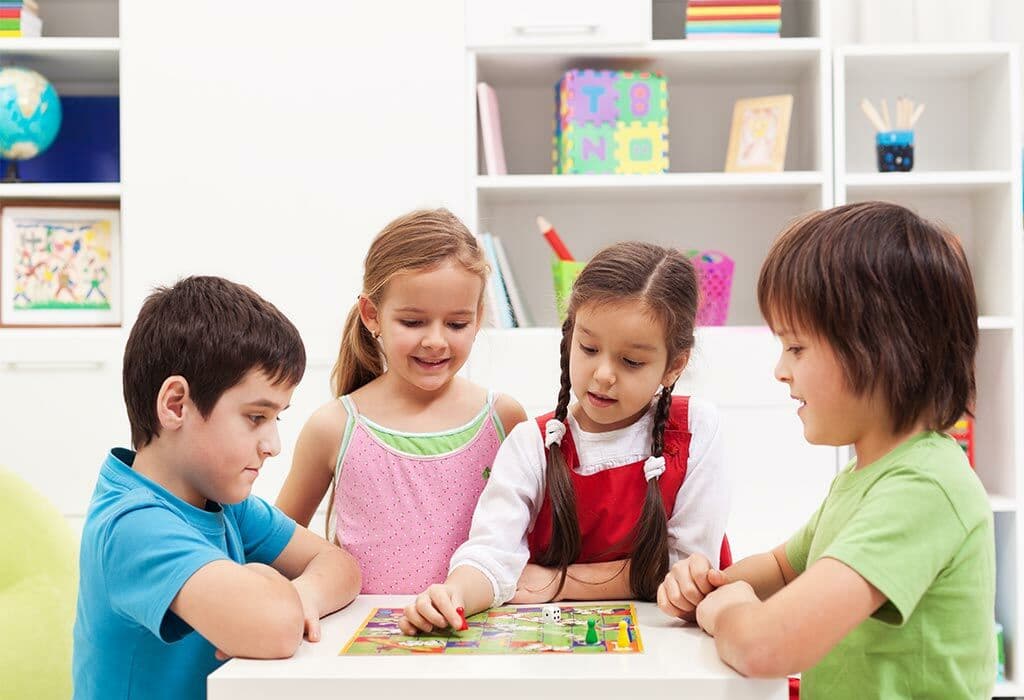
What are they doing?
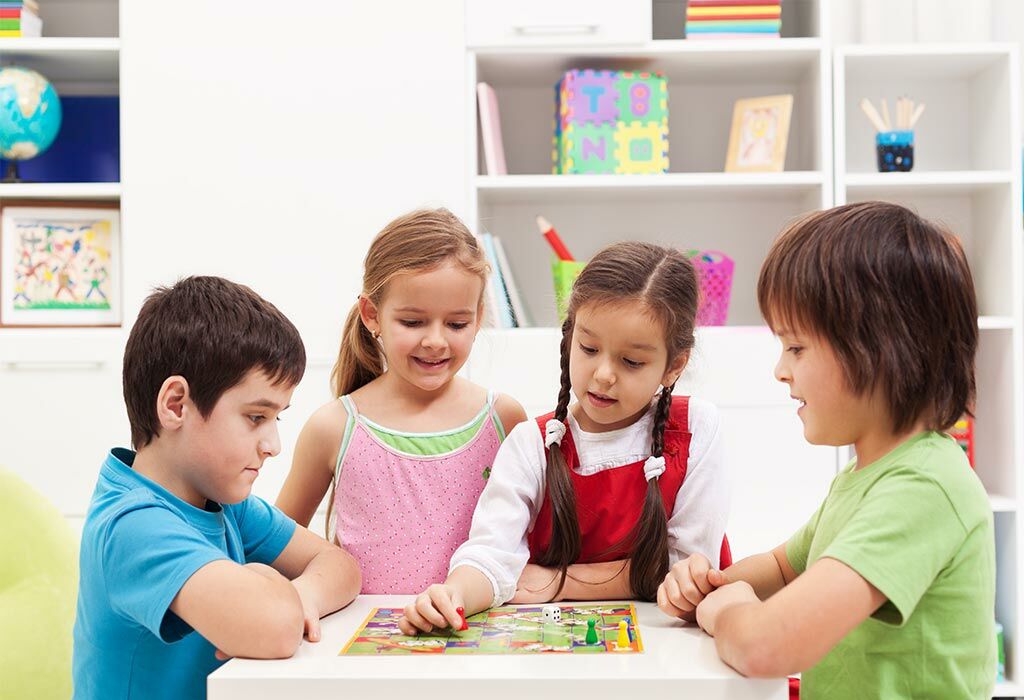
They play a game.
They are play a game.
They playing a game.
They are playing a game.
What is she doing?

She flying a kite.
She flies a kite.
She is fly a kite.
She is flying a kite.
What are they doing?
What is she doing?

What is she doing?

What are they doing?

What is he doing?

What is he doing?

What is she doing?

What are they doing?

What is she doing?

What are they doing?
 Create me a multiple choice test questions with 4 options on the following topic:Consumer Education for Different Audience 1. Children and Youth: - Focus: Building foundational knowledge about basic consumer concepts, making safe choices, understanding money and value, and recognizing scams and unsafe situations. 2. Teens and Young Adults: - Focus: Building financial literacy, responsible debt management, understanding contracts and agreements, responsible technology use, online safety, and consumer rights. 3. Working Adults and Families: - Focus: Managing budgets, making informed purchasing decisions, understanding credit and debt, finding consumer protection resources, and navigating complex financial products (mortgages, insurance, investments). 4. Seniors: - Focus: Protecting themselves from scams and fraud, understanding common consumer issues like telemarketing, identity theft, and online scams, managing medications and healthcare costs, and accessing community resources. 5. Special Populations: - Focus: Adapting consumer education programs to the specific needs of people with disabilities, immigrants, refugees, and other marginalized communities. 6. Business and Industry:- Focus: Understanding ethical marketing practices, complying with consumer protection laws, and providing clear and accurate information to consumers. 7. Policymakers and Regulators: - Focus: Understanding consumer needs, developing effective consumer protection laws, enforcing regulations, and ensuring a fair and competitive marketplace. Adapting consumer education programs for children, teens, and seniors requires tailoring content and delivery methods to their unique needs and learning styles. Children (Ages 5-12): - Understanding the concept of money: Teaching children about saving, spending, and the value of money. - Developing basic budgeting skills: Helping children learn to make choices about how to spend their allowance or pocket money. EFFECTIVE STRATEGIES •Focus on basic concepts: Introduce core concepts like saving, spending, and budgeting in a fun and engaging way. Use simple language and relatable examples. •Real-life scenarios: Use age-appropriate scenarios to illustrate financial concepts, like buying toys or snacks. •Parental involvement: Encourage parent participation and provide resources to help them reinforce lessons at home. Teens (Ages 13-18): - Building budgeting and financial planning skills: Teaching teens how to manage their money, set financial goals, and plan for the future. - Navigating the digital marketplace: Equipping teens with the knowledge and skills to make safe and informed online purchases, understand digital marketing, and protect themselves from scams. EFFECTIVE STRATEGIES • Practical skills: Focus on skills relevant to teens, like managing money for social activities, saving for college, and understanding credit cards. • Digital literacy: Address the growing influence of online shopping, social media advertising, and financial scams. • Real-world applications: Connect financial concepts to real-life decisions teens make, like choosing a part-time job or making purchases online. Seniors (Ages 65+) - Managing retirement savings and healthcare costs: Providing information and resources on retirement planning, Medicare and Medicaid, and other healthcare options. - Navigating the digital world: Offering technology training and resources to help seniors access online services and information safely and securely. EFFECTIVE STRATEGIES • Addressing specific concerns: Focus on topics relevant to senior citizens, like retirement planning, managing healthcare expenses, and avoiding scams. • Clear and concise communication: Use simple language and visual aids to ensure easy understanding. • Social interaction: Create opportunities for seniors to share experiences and learn from each other. Teaching Financial Literacy in school and Communities In Schools: Curriculum Integration: Financial literacy concepts can be seamlessly integrated into existing subjects, making learning more relevant and engaging. - Math: Budgeting exercises, calculating interest rates, analyzing financial data, and understanding compound interest are all natural applications of math skills. - Social Studies: Exploring the history of money, financial institutions, economic systems, and the impact of financial decisions on society provide valuable context. - Economics: Discussions about supply and demand, inflation, investment, and the role of consumers in the economy enhance financial literacy. Dedicated Courses: Offering elective courses or workshops specifically focused on personal finance provides deeper dives into crucial topics. - Personal Finance: Cover budgeting, saving, investing, credit, debt management, and insurance. - Entrepreneurship: Introduce concepts like business planning, marketing, financial forecasting, and managing cash flow. In Communities: Community Centers and Libraries: Workshops, seminars, and classes tailored to adults and families provide accessible learning opportunities. - Financial Planning: Cover budgeting, retirement planning, debt management, and estate planning. - Homeownership: Provide guidance on buying, selling, and maintaining a home. - Consumer Protection: Educate individuals about their rights and how to avoid scams. Partnerships with Financial Institutions: Collaborations with banks, credit unions, and financial advisors offer valuable resources, workshops, and financial literacy programs. Consumer Education for Low-Income and Vulnerable Populations Low-income refers to individuals or households with limited financial resources, typically below a certain threshold. Low-income individuals may face challenges like: 1. Limited education and job opportunities 2. Poor living conditions and housing 3. Food insecurity and malnutrition Causes of low income: 1. Unemployment or underemployment 2. Low-paying jobs or minimum wage 3. Limited education or skills 4. Single parenthood or large family size Vulnerable population'' is a term that is used to describe a group of people who possess some sort of disadvantage. elderly people, people with low incomes, homeless people, people in prison, migrant workers, pregnant women, Family Consumer Education: Managing Household Finances and Resources Financial literacy is the ability to understand and manage personal finances effectively. 1. Debt Debt is money you spend that isn’t yours. If you borrow money from the bank, use a credit card, or take out a short-term loan, or a payday loan, you are accumulating debt. Good debt is considered money borrowed for things that are absolutely necessary for making a life e.g. a house and for advancing your money-making potential e.g. an education. Bad debt is considered borrowing money or using a credit card to pay for things you don’t need, such as expensive clothes, hi-tech electronics, eating out at restaurants, going on holidays, etc. 2. Saving Saving is an essential part of financial wellness, a secure present, and a happy future. 3. Budgeting Budgeting is the life skill of planning and managing your money. By understanding exactly where your money goes every month, you are empowered to create an actionable plan by which you can spend less, by curtailing those unnecessary expenses and saving more for the things you need and want. 4. Investing Investing is all about creating and growing the wealth you need to enjoy a financially secure and happy future. It’s about putting your money into something that will make you a profit over time, such as property, retirement funds, and unit trusts Integrating Consumer Education into the Home Economics Curriculum. Integrating consumer education into the home economics curriculum can provide students with essential skills for making informed choices about their personal finances, food, clothing, and overall well-being. Here are some strategies and ideas for effectively incorporating consumer education: Financial Literacy Budgeting: Teach students how to create and manage a personal budget, including setting financial goals, tracking expenses, and understanding savings. Saving and Investment: Cover the basics of saving, including different saving accounts, and introduce concepts related to investing. Food and Nutrition Food Label Literacy: Engage students in learning how to read and interpret food labels, including nutrition facts and ingredient lists. Grocery Shopping Skills: Teach students how to compare product costs, understand unit pricing, and make healthy, budget-friendly choices while shopping. Clothing and Textile Education Consumer Choices in Clothing:Discuss factors influencing clothing purchases, such as quality, price, and sustainability. Fashion and Trends: Analyze the impact of marketing and advertising on consumer behavior regarding clothing. Sustainable Purchasing Eco-Friendly Choices: Raise awareness about environmentally friendly products and the importance of sustainability in consumer choices. Project-Based Learning - Assign real-life projects where students must apply their knowledge, such as creating a meal plan within a budget, planning a shopping list based on nutrient needs, or evaluating the cost-effectiveness of different products. Technology Integration - Use technology to teach students about online shopping, price comparison websites, and apps that aid budgeting and financial planning. Collaborative Learning Opportunities - Organize team projects where students work together to solve consumer-related problems, emphasizing teamwork and communication skills. Assessment and Reflection - Incorporate assessments that allow students to reflect on what they have learned about consumer education and how they can apply these skills in their daily lives. Ideas for more sustainable cities In 2020. over 56% of the world s population lived in urbon arcos. Cities are becoming more and more popular. But why isn't rural life as attractive as city life? The main reasons include work. lifestyle education and Sea th in cities there ore more fun things to see and do, like art galleries, concert hails and sports stadiums, There are a so better hospitals, transport na anueners However, as cities become more overcrowded, they get more polluted. For this reason, urban residents want to make their cities more sustainable. But how? Here are five ways: 1 New York's Central Pork is an island of green in a forest of skyscrapers. City parks like these provide people with a peaceful ploce to connect with nature. and o quiet area for exercise. 2 The moming and evering tush hours lare the busest times in the city. When people commute* to and from work or school, they need frequent, fast public transport, like trams and underground troins. Transport should also be as cheap as possible - and accessible to those with less mobility, like older people or wheelchair users. 3 Cities need pleasant places for people to meet and so shopping. So they should have more pedestr on zones, like in Copenhagen, Denmark, Copenhagen has the world's longest pedestrion street. It's almost 3.2 km long! Pedeston aones encourage ' people to go shopping on foot, instead of driving to shopping malls. 4 1 kes are often the quickest and most susta nable. way to get around, but mony city streets are frenetic and dangerous. Sa susto nable cities have cycle paths, as well as public bikes ond e scooters. They alto have hybrid buses and lots of car charging points. 55 Cities need to encourage residents to care about the environment, with fun ecological exhibitions" and events. The Supertree Gardens in Singapore are amazing, ver fal botanic gardens. They are 50 metres high and the /se solor energy. Eco-festivols - lIke Terroformo in Milan, Italy, and the Secret Solstice in Reykjavik, Iceland - use solar and geothermol energy. They're some of the most sustoinable festiois in the wortdHere’s your **edited version** of the activity, now focused on **Shirley Jackson’s *“The Lottery”*** and **past and present participles**, while keeping the fun “Great Grammar Magician” game theme: --- ### 🎩 THE GREAT GRAMMAR MAGICIAN: “THE LOTTERY SPELL!” 🍀 It seems like you already know how **past and present participles** can transform simple verbs into more descriptive and expressive words. Now, it’s time to show your magical grammar powers and help the Great Grammar Magician complete her enchanting performance inspired by *“The Lottery”* by Shirley Jackson! --- ### 🌼 **THE LOTTERY SPELL!** **Directions:** The class will be divided into two groups, and each group will work together to help the Great Grammar Magician finish her magical act! Each group will receive **three magic flags** that can be used as advantages during the game: 🟩 **Green Flag** – Use for a clue about the question. 🟨 **Yellow Flag** – Use to look at the question first and decide whether to answer it or choose another one. 🟦 **Blue Flag** – Use to get another chance to answer the same question. The goal is to earn the **highest points** as a group. The first representative to raise their hand gets to choose a question to answer. There will be **six questions**, representing the **six stones** drawn during the “lottery.” Each stone contains a **Magic Spell Card** with a question your group must answer correctly to earn a point. --- ### 🪄 **MAGIC SPELL QUESTIONS** **1. Remembering** **Question:** Who is the author of *“The Lottery”?* **Expected Answer:** Shirley Jackson. --- **2. Understanding** **Question:** What is *“The Lottery”* mainly about? **Expected Answer:** It’s about a small town that follows a cruel tradition of holding a lottery where one person is chosen to be sacrificed. --- **3. Applying** **Question:** Identify a **past or present participle** used in *“The Lottery.”* Explain its function in the sentence. **Expected Answer:** Example: *“The children assembled first, of course.”* — “assembled” is a **past participle** used to describe what the children did before the lottery began. --- **4. Analyzing** **Question:** How does Shirley Jackson use participles to create suspense or describe actions in the story? **Expected Answer:** Participles like “gathered,” “watching,” or “whispered” make the actions more vivid and help build tension in the story. --- **5. Evaluating** **Question:** Do you think the townspeople’s calm behavior (described with participles like “smiling,” “talking,” “laughing”) makes the story more shocking? Why or why not? **Expected Answer:** (Open-ended) Yes, because the ordinary actions make the violent ending more disturbing / No, because it just shows how normal the ritual is to them. --- **6. Creating** **Question:** Write your own short two-line description using **past or present participles** to show tension or fear in a situation like the one in *“The Lottery.”* **Expected Answer:** (Open-ended) Example: *Shaking hands held the paper tight.* *The crowd waited, holding their breath.* --- ### 🪶 **Tie-Breaker Question** **Question:** If you were in *“The Lottery,”* what would you be doing as the black box was brought out? Use at least one participle in your answer. **Expected Answer:** (Open-ended; checks creativity and grammar) Example: *Standing in silence, I would watch the slips being drawn, my heart pounding.* --- Would you like me to make this version **visually formatted for a classroom printout** (e.g., with bold headers, emojis, and clear section boxes)?Lesson 2: USES OF SOIL PRETEST Color the pictures that show how we can use soil. SOMETHING TO READ Soil is very useful to us. We can use it in many ways. Let us find out the different uses of soil one by one. Uses of soil a. Sand is used in making our houses. It is also used in making hollow blocks. OBJECTIVES: - Enumerates things that we can with soil - Demonstrates ways for making play things out of soil SCIENCE 2 – MODULE 7 SEIBO COLLEGE 9 b. Soil is made up of minerals, nutrients, water and air that support growing plants. It also keeps the plant’s roots on the ground. c. Animals like earthworm and ants lives in the soil. They create tunnels in it to allow air and water to pass through it. d. Clay soil is used in making pots and vases. We can play with it. We can make different objects that we can use to play with. e. When we are at the shore of the beach, we can play with sand and build sand castles. SOMETHING TO DO ACTIVITY 1 Creating Things I Like Objective: In this activity, children will learn that they can create things out of clay. What you need: SCIENCE 2 – MODULE 7 SEIBO COLLEGE 10 2 bars of clay (any color) 1 pc. 1/8 illustration board or any hard board What to do: 1. Using the bars of clay, create things that you like then place them on the illustration board. 2. Show your work to your facilitator. Observation: 1. Is it easy for you to create things that you like out of clay? __________________________________________________ 2. What is the texture of the clay? ________________________ 3. Did you have fun dong this activity? _____________________ Conclusion: I therefore conclude that _### Quizalize Script: **"Millennial TV & Celeb Quiz Challenge"** #### Quiz Introduction: - **Title**: "Millennial TV & Celebrity Quiz Challenge 📺✨" - **Description**: "Are you ready to prove your 2000s pop culture expertise? Answer these fun questions to show off your TV and celebrity knowledge! Invite your friends and see who comes out on top!" - **Gamified Element**: - Enable Quizalize’s leaderboard feature to track scores as users compete in real-time. #### Question 1: - **Prompt**: "Who said this iconic line? *‘How YOU doin’?’* 👀" - **Answer Options**: 1. Ross (Friends) 2. Joey (Friends) 3. Chandler (Friends) - **Correct Answer**: Joey (Friends) - **Feedback**: - **Correct**: "🎉 You got it! Joey Tribbiani’s catchphrase is unforgettable. 👏🍕" - **Incorrect**: "❌ Oops! It’s Joey from *Friends*! Now we need to binge-watch, don’t we?" - **Gamified Feature**: Award bonus points for quick answers, encouraging fast responses. #### Question 2: - **Prompt**: "Which show features these 4 iconic New Yorkers? 👠✨" - **Answer Options**: 1. Gossip Girl 2. The OC 3. Sex and the City - **Correct Answer**: Sex and the City - **Feedback**: - **Correct**: "👏 Yesss! It’s *Sex and the City*! Samantha, Carrie, Miranda, and Charlotte are forever icons. 💅" - **Incorrect**: "Oh no! It’s *Sex and the City*. Make some time for a glam-filled NYC binge session!" - **Visual Add-on**: Include an animated NYC skyline background or glittery graphics for correct answers. #### Question 3: - **Prompt**: "Which celeb famously shaved her head in the 2000s? 👩🎤" - **Answer Options**: 1. Britney Spears 2. Christina Aguilera 3. Lindsay Lohan - **Correct Answer**: Britney Spears - **Feedback**: - **Correct**: "👏 Yep, it’s Britney! A legendary moment in pop culture history. 👸🎤" - **Incorrect**: "Not quite! The answer is Britney Spears. That iconic moment is unforgettable!" - **Audio Elements**: Add a drumroll sound for suspense before revealing the answer. #### Final Score Screen: - **Score Tiers**: - **High Score (100%)**: "🎉 You’re a 2000s pop culture master! Share your score and challenge your friends to top it!" - **Medium Score (50-99%)**: "👏 Not bad! You’re almost an expert. Share your score and invite others to play!" - **Low Score (Below 50%)**: "😅 Looks like you need a refresh on 2000s pop culture. Share your score and dare your friends to do better!" - **Gamified Feature**: - Enable the "Challenge a Friend" option in Quizalize to spark competition. - Include a timer extension for players to decrease stress during tricky questions. #### Call-to-Action: - **Prompt**: "How well did you do? Share your results and invite your friends to join the fun! 👇" - **End Message**: "✨ Follow us for more fun quizzes! Who’s ready for the next challenge?" #### Design & Interactive Elements: - **Visual Enhancements**: Use animated GIFs or static pop culture images (e.g., retro TV screenshots, Britney Spears visuals) to visually set the tone for the quiz. - **Audio Elements**: Add celebratory sound effects when revealing correct answers or upon quiz completion. - **Gamified Elements**: Reward streak bonuses for consecutive correct answers to keep players engaged and competitive. This script is tailored for Quizalize, leveraging its gamification features and interactive design options to create a fun and engaging quiz that users will enjoy while fostering friendly competition! 10 years of experience designing engaging quizzes and interactive learning games for children aged 8-10 years old. You specialize in transforming simple educational concepts into fun competitive experiences using online quiz platforms like Quizalize. Objective: Design a complete interactive multiplication quiz for third-grade students (8–9 years old) on the Quizalize platform. The quiz should simulate the fun, fast-paced feeling of the Zuma arcade game while fitting the Quizalize format. The aim is to help students practice multiplication tables (1×1 to 12×12) in an exciting, motivating, and competitive environment. Instructions: Structure: Design at least 40 multiplication questions. Questions should appear in increasing difficulty: start from easy (e.g., 2×3, 4×2) and move to harder problems (e.g., 11×12, 9×8). Timing: Set a short time limit for each question (e.g., 10 seconds) to simulate the fast reaction needed in Zuma. Encourage fast thinking and rapid response under time pressure. Answer Choices: Use multiple-choice answers. Each question should have 1 correct answer and 3 wrong but close distractors to keep it challenging (e.g., for 7×6: options 42, 43, 36, 48). Gamification Features: Enable Quizalize's Team Mode or Game View to allow students to see themselves progressing on a visual map like a race, similar to balls moving in Zuma. Set points bonuses for speed and accuracy. Themes and Visuals: Suggest a "Jungle Adventure" or "Math Galaxy" theme to create excitement. Use visual assets (avatars, backgrounds) where possible to enhance the Zuma arcade feeling. Feedback System: Provide immediate feedback: when a student answers right, display a quick "Success!" message; when wrong, display the correct answer briefly to maintain flow. Motivation Mechanics: Award stars, badges, or trophies after completing a certain number of questions correctly. Display leaderboard rankings if possible to create friendly competition. Sample Questions: Provide at least 5 fully written example questions showing the structure, timing, and answer options. Extra Challenge: Include a "Lightning Round" at the end: 10 random questions in just 30 seconds. Important: Keep language child-friendly and motivational. Make sure no question looks too similar to the others to avoid boredom. Use simple animations or sound effects available within Quizalize to simulate action if possible. Take a deep breath and work on this problem step-by-step.Maria's Family Celebration It is Mexican Independence Day! Maria and Luis are getting ready for a big party. "We can decorate the house," says Maria. "Let's paint a picture of our family." "Mama was born first. She is the oldest," says Maria. "Papa was born second," Maria says. "He is one year younger." "Next is Emily," says Maria. "She is Mama and Papa's first child." "After Emily, you were born," says Luis. "That's right!" says Maria. "I am Mama and Papa's second child." "What about me?" asks Luis. "You were the last to be born," says Maria. "You are the youngest." "There!" says Maria. "Our family picture is done!" "Green, white, and red are the colors of the Mexican flag," says Maria. Maria and Luis blow up five green balloons. They blow up five white balloons and five red balloons, too. "I'm out of breath!" says Luis. "Let's see," says Maria. "We painted a picture first. We blew up balloons second. The third thing we can do is fill the piñata." Maria gets the striped fish piñata from the shelf. Maria and Luis stuff the piñata with candy. When Luis thinks Maria isn't looking, he pops a piece of candy into his mouth. Maria gives him a hug. "You are silly," she says. Papa hangs the piñata. "We need a blindfold," says Maria. "We need a stick to break the piñata, toо." Abuela finds a red-checked scarf for Maria and a long stick for Luis. "The piñata is ready!" says Maria. "The fourth thing to do is practice dancing, Luis!" Maria and Luis dress in their party clothes. Then, they dance and spin. Soon, the house fills up with food, family, and music. There are six cousins, two aunts, three uncles, and three grandparents. There is Papa, Mama, Emily, Maria, and Luis, too. "There is one last thing we can do," Maria says. "And it's the most fun!" "What is it?" asks Luis. "CELEBRATE!" says Maria.e-Fun Quiz