Loading...


e-Call 112 - Culture générale-Mai 2021
Quiz by Rémi blanque
Customize this quiz to suit your class
Instantly translate to 100+ languages
Tag the questions with any skills you have. Your dashboard will track each student's mastery of each skill.
Give this quiz to my class
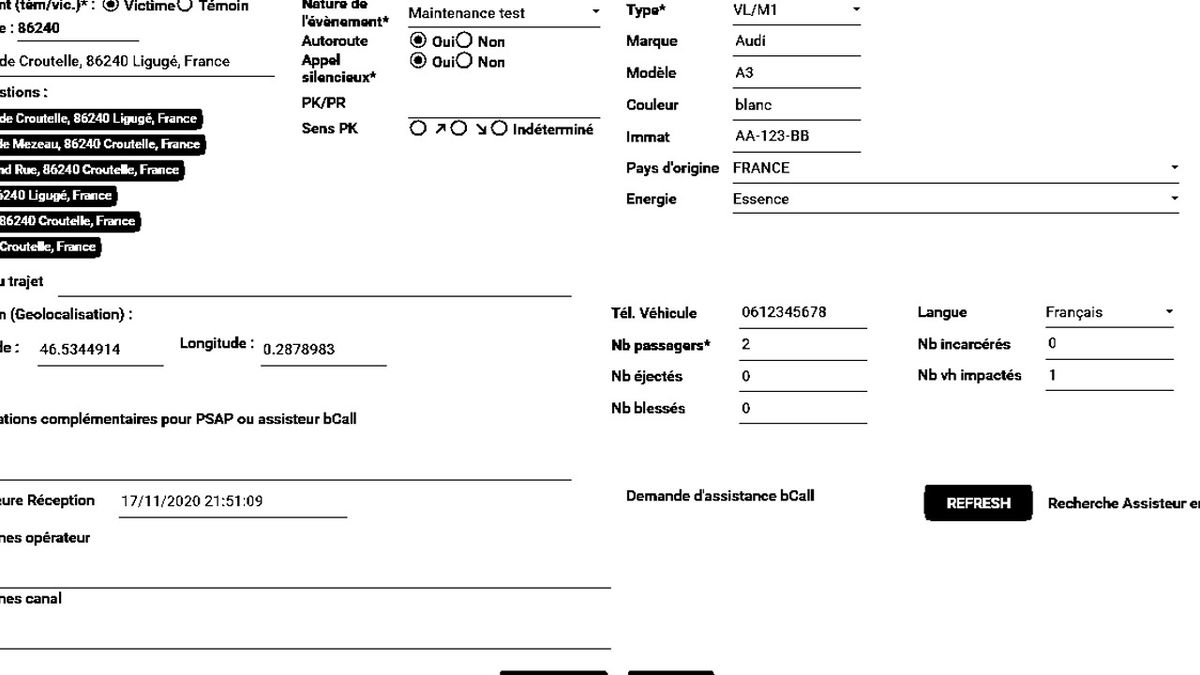



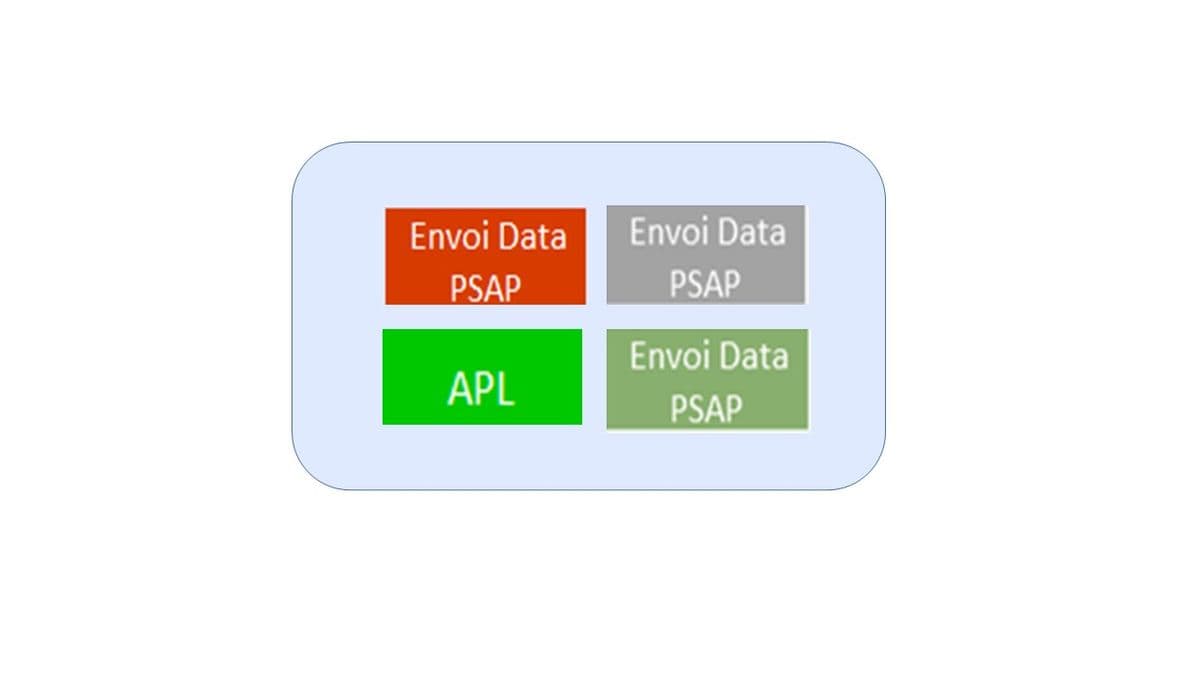









SUR AUTOROUTE, JE REÇOIS UN ECALL MANUEL, LE CONDUCTEUR ME SIGNALE UNE PANNE DE SON VEHICULE

JE REÇOIS UN ECALL AUTOMATIQUE AVEC AUDIO MAIS PERSONNE NE REPOND DANS LA VOITURE

J’AI BIEN UN ECALL AUTOMATIQUE DATA ET VOIX MAIS LA COMMUNICATION AUDIO A ETE COUPÉE AVANT DE POUVOIR DIALOGUER ET EVALUER

que dois-je donner au PSPA en dehors des infos et de la géolocalisation systématiquement ?

 E call 112 /1 er jourEasy call number example E CAR. fiction call number example FIC TAY. Nonfiction call number example 398.2S. Give examples from easy, fiction and nonfiction and see if the student can identify which section the call number is found in7.03 Patients with Infectious Disease The center adheres to infection control policies to ensure the safety of patients, physicians, and staff members. Patients who are currently being treated for an infectious disease or condition that is transmitted via the contact route may not be treated at the center. Patients with disease spread via droplet (e.g. influenza) or airborne (e.g. tuberculosis, measles) routes will reschedule their procedures in consultation with their physicians. The infection control nurse, in consultation with the infection control consultant, will determine whether the patient requires isolation or other additional precautions. If a patient with current Clostridium difficile-associated diarrhea is treated at the center, all rooms where the patient was housed, even briefly, should be cleaned by housekeeping under supervision of the staff at the center. Physicians must document relevant information in their pre-admission documentation. Standard Precautions will be followed in the care of all patients. Cigarroa Interventional Institute establishes policies to ensure compliance with infection control policies for the care of patients with drug-resistant organisms. The physician will screen patients through the medical history review prior to scheduling a patient at the center. During the pre-operative (pre-op) phone call or interview, a pre-op screening of the patient will be conducted. Strict isolation policies are required to treat patients with active MRSA, VRSA, or tuberculosis. Since this facility has no provisions for strict isolation, those patients with active infections will be referred elsewhere for treatment. Patients who are undergoing or completed a course of antibiotic therapy, are colonized and/or are not actively infected may be treated at the center. Patients with active infections requiring transmission-based precautions are not appropriate candidates for this facility and will be referred to another facility or rescheduled. Procedures cannot be scheduled for patients currently undergoing an infection with transmission based precautions. The patient must finish the course, and they will be rescheduled. Definitions and Standards: The following definitions and standards are provided for informational purposes only: Airborne Transmission and Precautions: This mode of transmission occurs by the spreading of either airborne droplet nuclei (small particle residue of 5 microns or smaller), of evaporated droplets which contain microorganisms that remain suspended in the air for long periods of time) or dust particles containing microorganisms. Patients must be isolated in private rooms with special air handling and ventilation, and the door must remain closed. Patient transport should be restricted to essential transport only. Respiratory precautions must be taken when in the presence of patients with active tuberculosis, including respiratory masks. Droplet Transmission and Precautions: Droplets are transmitted from the host source by coughing, sneezing, talking, or during procedures such as suctioning or bronchoscopy. Patients must be isolated, and a distance of 3 feet maintained between the infected patient and others. Caregivers within 3 feet of the patient should wear a mask. Patient transport should be minimized. Contact Transmission and Precautions: Direct contact transmission involves direct body surface to body surface contact with physical transfer of microorganisms between a susceptible host and an infected person. Indirect contact transmission involves contact with an intermediate object (usually inanimate) and a susceptible host. Patients should be isolated as much as possible. Gloves and hand washing are essential for all contact with the patient and contact with objects, which come in contact with the patient. Gloves should be changed after each contact. Reportable Condition If the patient is determined to have a reportable condition at any time during pre-admission, the Director of Operations/Nurse Manager will be notified. The procedural physician will be contacted and the case will be canceled. The Department of Health will also be notified the same day following state regulations regarding Reportable Communicable Diseases. To report a disease or condition, contact: The City of Laredo Epidemiology 24/7 Reporting Line: (956) 763-2915, if unable to report locally, call The Texas Departmrent of Health Services epidemiology program: 24/7Number for Immediately Reportable – 1-800-705-8868Multiple Choice Questions A6. You’ve hired a third-party to gather information about your company’s servers and data. The third-party will not have direct access to your internal network but can gather information from any other source. Which of the following would BEST describe this approach? ❍ A. Backdoor testing ❍ B. Passive footprinting ❍ C. OS fingerprinting ❍ D. Partially known environment A7. Which of these protocols use TLS to provide secure communication? (Select TWO) ❍ A. HTTPS ❍ B. SSH ❍ C. FTPS ❍ D. SNMPv2 ❍ E. DNSSEC ❍ F. SRTP A8. Which of these threat actors would be MOST likely to attack systems for direct financial gain? ❍ A. Organized crime ❍ B. Hacktivist ❍ C. Nation state ❍ D. Competitor A9. A security incident has occurred on a file server. Which of the following data sources should be gathered to address file storage volatility? (Select TWO) ❍ A. Partition data ❍ B. Kernel statistics ❍ C. ROM data ❍ D. Temporary file systems ❍ E. Process table Quick Answer: 33 The Details: 43 Quick Answer: 33 The Details: 44 Quick Answer: 33 The Details: 45 Quick Answer: 33 The Details: 46 6 Practice Exam A - Questions A10. An IPS at your company has found a sharp increase in traffic from all-in-one printers. After researching, your security team has found a vulnerability associated with these devices that allows the device to be remotely controlled by a third-party. Which category would BEST describe these devices? ❍ A. IoT ❍ B. RTOS ❍ C. MFD ❍ D. SoC A11. Which of the following standards provides information on privacy and managing PII? ❍ A. ISO 31000 ❍ B. ISO 27002 ❍ C. ISO 27701 ❍ D. ISO 27001 A12. Elizabeth, a security administrator, is concerned about the potential for data exfiltration using external storage drives. Which of the following would be the BEST way to prevent this method of data exfiltration? ❍ A. Create an operating system security policy to prevent the use of removable media ❍ B. Monitor removable media usage in host-based firewall logs ❍ C. Only allow applications that do not use removable media ❍ D. Define a removable media block rule in the UTM Quick Answer: 33 The Details: 47 Quick Answer: 33 The Details: 48 Quick Answer: 33 The Details: 49 Practice Exam A - Questions 7 A13. A CISO (Chief Information Security Officer) would like to decrease the response time when addressing security incidents. Unfortunately, the company does not have the budget to hire additional security engineers. Which of the following would assist the CISO with this requirement? ❍ A. ISO 27701 ❍ B. PKI ❍ C. IaaS ❍ D. SOAR A14. An insurance company has created a set of policies to handle data breaches. The security team has been given this set of requirements based on these policies: • Access records from all devices must be saved and archived • Any data access outside of normal working hours must be immediately reported • Data access must only occur inside of the country • Access logs and audit reports must be created from a single database Which of the following should be implemented by the security team to meet these requirements? (Select THREE) ❍ A. Restrict login access by IP address and GPS location ❍ B. Require government-issued identification during the onboarding process ❍ C. Add additional password complexity for accounts that access data ❍ D. Conduct monthly permission auditing ❍ E. Consolidate all logs on a SIEM ❍ F. Archive the encryption keys of all disabled accounts ❍ G. Enable time-of-day restrictions on the authentication server Quick Answer: 33 The Details: 50 Quick Answer: 33 The Details: 51 8 Practice Exam A - Questions A15. Rodney, a security engineer, is viewing this record from the firewall logs: UTC 04/05/2018 03:09:15809 AV Gateway Alert 136.127.92.171 80 -> 10.16.10.14 60818 Gateway Anti-Virus Alert: XPACK.A_7854 (Trojan) blocked. Which of the following can be observed from this log information? ❍ A. The victim's IP address is 136.127.92.171 ❍ B. A download was blocked from a web server ❍ C. A botnet DDoS attack was blocked ❍ D. The Trojan was blocked, but the file was not A16. A user connects to a third-party website and receives this message: Your connection is not private. NET::ERR_CERT_INVALID Which of the following attacks would be the MOST likely reason for this message? ❍ A. Brute force ❍ B. DoS ❍ C. On-path ❍ D. Disassociation A17. Which of the following would be the BEST way to provide a website login using existing credentials from a third-party site? ❍ A. Federation ❍ B. 802.1X ❍ C. PEAP ❍ D. EAP-FAST Quick Answer: 33 The Details: 53 Quick Answer: 33 The Details: 54 Quick Answer: 33 The Details: 55 Practice Exam A - Questions 9 A18. A system administrator, Daniel, is working on a contract that will specify a minimum required uptime for a set of Internet-facing firewalls. Daniel needs to know how often the firewall hardware is expected to fail between repairs. Which of the following would BEST describe this information? ❍ A. MTBF ❍ B. RTO ❍ C. MTTR ❍ D. MTTF A19. An attacker calls into a company’s help desk and pretends to be the director of the company’s manufacturing department. The attacker states that they have forgotten their password and they need to have the password reset quickly for an important meeting. What kind of attack would BEST describe this phone call? ❍ A. Social engineering ❍ B. Tailgating ❍ C. Watering hole ❍ D. On-path A20. A security administrator has been using EAP-FAST wireless authentication since the migration from WEP to WPA2. The company’s network team now needs to support additional authentication protocols inside of an encrypted tunnel. Which of the following would meet the network team’s requirements? ❍ A. EAP-TLS ❍ B. PEAP ❍ C. EAP-TTLS ❍ D. EAP-MSCHAPv2 Quick Answer: 33 The Details: 56 Quick Answer: 33 The Details: 57 Quick Answer: 33 The Details: 58 10 Practice Exam A - Questions A21. Which of the following would be commonly provided by a CASB? (Select TWO) ❍ A. List of all internal Windows devices that have not installed the latest security patches ❍ B. List of applications in use ❍ C. Centralized log storage facility ❍ D. List of network outages for the previous month ❍ E. Verification of encrypted data transfers ❍ F. VPN connectivity for remote users A22. The embedded OS in a company’s time clock appliance is configured to reset the file system and reboot when a file system error occurs. On one of the time clocks, this file system error occurs during the startup process and causes the system to constantly reboot. Which of the following BEST describes this issue? ❍ A. DLL injection ❍ B. Resource exhaustion ❍ C. Race condition ❍ D. Weak configuration A23. A recent audit has found that existing password policies do not include any restrictions on password attempts, and users are not required to periodically change their passwords. Which of the following would correct these policy issues? (Select TWO) ❍ A. Password complexity ❍ B. Password expiration ❍ C. Password history ❍ D. Password lockout ❍ E. Password recovery Quick Answer: 33 The Details: 59 Quick Answer: 33 The Details: 60 Quick Answer: 33 The Details: 61 Practice Exam A - Questions 11 A24. What kind of security control is associated with a login banner? ❍ A. Preventive ❍ B. Deterrent ❍ C. Corrective ❍ D. Detective ❍ E. Compensating ❍ F. Physical A25. A security team has been provided with a noncredentialed vulnerability scan report created by a thirdparty. Which of the following would they expect to see on this report? ❍ A. A summary of all files with invalid group assignments ❍ B. A list of all unpatched operating system files ❍ C. The version of web server software in use ❍ D. A list of local user accounts A26. A business manager is documenting a set of steps for processing orders if the primary Internet connection fails. Which of these would BEST describe these steps? ❍ A. Communication plan ❍ B. Continuity of operations ❍ C. Stakeholder management ❍ D. Tabletop exercise A27. A security administrator is concerned about data exfiltration resulting from the use of malicious phone charging stations. Which of the following would be the BEST way to protect against this threat? ❍ A. USB data blocker ❍ B. Personal firewall ❍ C. MFA ❍ D. FDE Quick Answer: 33 The Details: 62 Quick Answer: 33 The Details: 63 Quick Answer: 33 The Details: 64 Quick Answer: 33 The Details: 65 12 Practice Exam A - Questions A28. A company would like to protect the data stored on laptops used in the field. Which of the following would be the BEST choice for this requirement? ❍ A. MAC ❍ B. SED ❍ C. CASB ❍ D. SOAR A29. A file server has a full backup performed each Monday at 1 AM. Incremental backups are performed at 1 AM on Tuesday, Wednesday, Thursday, and Friday. The system administrator needs to perform a full recovery of the file server on Thursday afternoon. How many backup sets would be required to complete the recovery? ❍ A. 2 ❍ B. 3 ❍ C. 4 ❍ D. 1### Quizalize Script: **"Millennial TV & Celeb Quiz Challenge"** #### Quiz Introduction: - **Title**: "Millennial TV & Celebrity Quiz Challenge 📺✨" - **Description**: "Are you ready to prove your 2000s pop culture expertise? Answer these fun questions to show off your TV and celebrity knowledge! Invite your friends and see who comes out on top!" - **Gamified Element**: - Enable Quizalize’s leaderboard feature to track scores as users compete in real-time. #### Question 1: - **Prompt**: "Who said this iconic line? *‘How YOU doin’?’* 👀" - **Answer Options**: 1. Ross (Friends) 2. Joey (Friends) 3. Chandler (Friends) - **Correct Answer**: Joey (Friends) - **Feedback**: - **Correct**: "🎉 You got it! Joey Tribbiani’s catchphrase is unforgettable. 👏🍕" - **Incorrect**: "❌ Oops! It’s Joey from *Friends*! Now we need to binge-watch, don’t we?" - **Gamified Feature**: Award bonus points for quick answers, encouraging fast responses. #### Question 2: - **Prompt**: "Which show features these 4 iconic New Yorkers? 👠✨" - **Answer Options**: 1. Gossip Girl 2. The OC 3. Sex and the City - **Correct Answer**: Sex and the City - **Feedback**: - **Correct**: "👏 Yesss! It’s *Sex and the City*! Samantha, Carrie, Miranda, and Charlotte are forever icons. 💅" - **Incorrect**: "Oh no! It’s *Sex and the City*. Make some time for a glam-filled NYC binge session!" - **Visual Add-on**: Include an animated NYC skyline background or glittery graphics for correct answers. #### Question 3: - **Prompt**: "Which celeb famously shaved her head in the 2000s? 👩🎤" - **Answer Options**: 1. Britney Spears 2. Christina Aguilera 3. Lindsay Lohan - **Correct Answer**: Britney Spears - **Feedback**: - **Correct**: "👏 Yep, it’s Britney! A legendary moment in pop culture history. 👸🎤" - **Incorrect**: "Not quite! The answer is Britney Spears. That iconic moment is unforgettable!" - **Audio Elements**: Add a drumroll sound for suspense before revealing the answer. #### Final Score Screen: - **Score Tiers**: - **High Score (100%)**: "🎉 You’re a 2000s pop culture master! Share your score and challenge your friends to top it!" - **Medium Score (50-99%)**: "👏 Not bad! You’re almost an expert. Share your score and invite others to play!" - **Low Score (Below 50%)**: "😅 Looks like you need a refresh on 2000s pop culture. Share your score and dare your friends to do better!" - **Gamified Feature**: - Enable the "Challenge a Friend" option in Quizalize to spark competition. - Include a timer extension for players to decrease stress during tricky questions. #### Call-to-Action: - **Prompt**: "How well did you do? Share your results and invite your friends to join the fun! 👇" - **End Message**: "✨ Follow us for more fun quizzes! Who’s ready for the next challenge?" #### Design & Interactive Elements: - **Visual Enhancements**: Use animated GIFs or static pop culture images (e.g., retro TV screenshots, Britney Spears visuals) to visually set the tone for the quiz. - **Audio Elements**: Add celebratory sound effects when revealing correct answers or upon quiz completion. - **Gamified Elements**: Reward streak bonuses for consecutive correct answers to keep players engaged and competitive. This script is tailored for Quizalize, leveraging its gamification features and interactive design options to create a fun and engaging quiz that users will enjoy while fostering friendly competition!The Revolt of the Northern Earls (1569) Most people in the North remained loyal to the Catholic noble families who controlled the north and their Catholic faith. When Elizabeth came to power, she promoted ‘new men’ (Protestants) from the gentry and the powerful Catholic nobles lost their power and influence. This led them to organise the most serious rebellion of Elizabeth’s reign in 1569. Why did the Northern Earl’s revolt? The Earls had lost their power when Elizabeth became Queen (and wanted it back). They wanted Catholicism restored in England (and felt that ordinary Catholics would support it). Elizabeth was refusing to marry or to name an heir, causing uncertainty about England’s future. Mary Queen of Scots (if freed from prison) could replace Elizabeth and solve all these problems Who were the key players in the Revolt? Earl of Northumberland • A Catholic who had held an important position under Mary I. • He lost a lot of influence under Elizabeth (as she favoured Protestant gentry) • Elizabeth also took the rights to a valuable copper mine found on his lands Earl of Westmorland • From a rich Catholic family in the north Also the Duke of Norfolk’s brother in law Duke of Norfolk • England’s most senior Protestant noble, but he had very close links to old northern Catholic families, & was sympathetic to them & greedy for power. • He hated William Cecil & Robert Dudley, Earl of Leicester (Elizabeth’s favourite) who were Protestant and from the gentry • He planned to marry Mary QS, but later backed down and urged the earls to call off the rebellion. Mary also supported the plan to marry him What role did religion play? (7/10 – but only because it was linked to power) • Most northerners held onto their Catholic beliefs & although Elizabeth didn’t persecute them, they knew that she wanted their religion to gradually die out, so they supported the revolt. • In 1561 Elizabeth hired a strict Protestant as archbishop of Durham to promote Protestantism in the north, but he was unpopular & turned many northerners against the Protestant religion. What role did politics/power play? (9/10 – this was the most important cause of the revolt) • The Northern Earls lost a lot of their power/influence (even jobs/money under Elizabeth) • Northumberland was jealous of new Protestant families being given top jobs in the North • William Cecil & Robert Dudley were not from ancient noble families, but were very close to the Queen, so the northern Earls resented them getting top jobs in her Government • Elizabeth also confiscated large areas of land & the profits from their copper mines • It is possible, that had Elizabeth allowed the Catholic Northern Earls to keep their jobs, money and influence at court, they may have ‘tolerated’ her as a Protestant Queen (greedy/selfish). What role did Mary Queen of Scots and the Succession play? • Elizabeth was refusing to name an heir and it was becoming clear that she would not marry • If Mary Queen of Scots married the Duke of Norfolk, England would have an heir and England would be Catholic again. The country would be stable without people competing for power. • However, some of Elizabeth’s courtiers got worried that it might not work and that it might lead to charges of treason (punishable by death) • So by September 1569, Robert Dudley (Earl of Leicester) decided to tell Elizabeth about the plot. By this time it was much more serious than simply marrying Norfolk to Mary. • Mary QS had secretly asked Spain to send troops to help the rebellion & overthrow Elizabeth Plan for the Revolt of the Northern Earls (1569) • The Earls of Northumberland & Westmorland will raise rebel troops from their lands in the north and take control of Durham. • The rebels will then march south towards London to join with the Duke of Norfolk • 1000s of Spanish troops will land in England to support the rebel forces • The Duke of Norfolk & rebel forces will seize control of Government & overthrow Elizabeth • Mary Queen of Scots is to be freed, ready to marry the Duke of Norfolk Key Events of the Revolt • Once Elizabeth knew of the plot, Norfolk was arrested and sent to the Tower of London • The Northern Earls were worried they would be executed for their involvement and in a desperate attempt to avoid punishment, pushed ahead with the revolt • They raised an army of ordinary Catholics and took control of Durham cathedral • Catholic mass was celebrated across the north for 2 weeks. • They then headed south, to try and free Mary • Mary QSs was moved south to Coventry on the orders of Elizabeth, so she couldn’t escape • The rebellion failed as Spanish troops never arrived • Elizabeth’s friend (Earl of Sussex) had raised an army of 7,000 men to defend her throne. Results: • The rebellion was a serious threat to Elizabeth • She executed 450 rebels in the north • Northumberland was executed in 1572 & his head was put on a spike on the city gate • The Privy Council called for the Duke of Norfolk’s execution too, but Elizabeth released him. • Mary Queen of Scots was kept in prison for the next 14 years. • The failed plot also led the Pope to take action against Elizabeth • In 1570 he excommunicated Elizabeth from the Catholic Church • He also issued a Papal Bull (order) calling on all loyal Catholics to overthrow her hoping it would encourage another rebellion. • In 1571 Elizabeth called parliament to pass an Act making it treason to claim that she was not the rightful Queen and to bring in/print papal bulls in England. The Significance of the Revolt of the Northern Earls • It was the first and most serious rebellion by English Catholics against Elizabeth • Treason laws were made much harsher • It ended the influence of the powerful Catholic Earls in the North • It led to harsher treatment of Catholics, e.g. 1572 Elizabeth sent the Earl of Huntingdon (strict Protestant) to the north to carry out laws against Catholics (and suppress Catholicism). • Although Elizabeth’s brutal revenge on the rebels show how serious a threat it was, most Catholics in the north stayed loyal, but the Pope’s Papal Bull now put their loyalty in doubt There was little support for the revolt among the rest of the Catholic nobility and ordinary people. When faced with a choice between Elizabeth and their religion, most Catholics chose to support the Queen. 1569, was the last time English Catholics tried to remove Elizabeth by force. The future plots against her were always uncovered by Cecil & Walsingham, before they had a chance to get any public support. Despite this, the Northern Revolt & Papal Bull changed Elizabeth’s attitude towards Catholics who were now seen as potential traitors. From 1570, Elizabeth became less tolerant of recusants (people refusing to attend her church) & took increasingly tough measures against Catholics. The Ridolfi, Throckmorton & Babington plots • In the 1870s-80s, there were 3 Catholic plots to assassinate Elizabeth & replace her with Mary. • The plots were supported by France, Spain, the Pope and some Catholic nobles. • They reinforced the form Mary & from Catholics at home and abroad. Also the threat from Spain. The Ridolfi Plot (1571) • Ridolfi was an Italian banker living in England and a spy for the Pope. • He organised a plot to murder Eliz, marry Mary QS to the Duke of Norfolk & make her Queen. • The Pope & King Philip supported the plot & Philip told the Duke of Alba in the Netherlands to prepare 10,000 troops (but to only invade AFTER the English had overthrown Elizabeth). • The plot failed because Sir William Cecil intercepted coded letters & Norfolk was executed. • Mary was kept under closer watch. • Ridolfi was abroad when the plot was discovered and never returned to England. 1574: Catholic Priests and Priest Holes • From 1574 Catholic priests were smuggled into England to keep the religion alive. • They stayed with rich Catholic families, so Catholic families were kept under surveillance. • Catholic homes were raided – to find ‘priest holes’ where Catholic priests were hiding. • Catholic priests who were found could be hung, drawn and quartered (although not all were) • In 1581, Parliament also passed 2 new tougher laws against Catholics: • Recusants would be fined £20 (which would bankrupt most families) • Trying to convert people to Catholicism was now treason (punishable by death) The Throckmorton Plot (1583) • It aimed to assassinate Elizabeth and replace her with Mary. The French Duke of Guise (Mary’s cousin) would invade England with an army, funded by King Philip (Pope also supported it). • An Englishman, Throckmorton carried messages between Mary & Catholic plotters abroad. • Sir Walsingham (Secretary of State) uncovered the plot after his agents found the plans for the plot in Throckmorton’s house. Throckmorton confessed under torture and was executed. Significance: • The plots showed that Mary’s presence in England posed a serious threat • It also showed that France & Spain were a serious threat (& could invade) • Throckmorton’s papers showed a list of Catholic supporters in England, so the threat from English Catholics was also real • 1,000s of Catholics were imprisoned or kept under surveillance/house arrest • In 1585 another Act was passed to make helping Catholic priests punishable by death. • The Bond of Association was signed by the English nobles & gentry & forced them to promise to execute anyone who tried to overthrow the Queen. Weaknesses of the Plots The plots lacked public support & were uncovered by informers & spies before they had the chance to work King Philip was reluctant to destroy his alliance with Elizabeth (France was still a bigger rival) so is support for the plots was half-hearted, he rarely followed through on his promises to help the plotters or send an army The Babington Plot (1586) In 1586, Walsingham used his spy network to PROVE that Mary supported the Babington plot. His evidence persuaded Elizabeth to put Mary on trial & execute her for treason. • This was a plot to murder Elizabeth and put Mary on the throne • France would invade England with 60,000 men and Spain would also send an army • Babington was passing coded letters between Mary & her supporters in England & Europe. • But all of her letters were being intercepted and read by Walsingham. • Walsingham used his spies to follow every stage of the plot & had the letters decoded • One of Mary’s letters approved plans to murder the Queen and free Mary from prison • They also contained the names of 6 Catholics who planned to kill Elizabeth • They were arrested, hung, drawn and quartered for treason. • Mary had been implicated in plots before, but Elizabeth was always reluctant to execute her • But the proof found by Walsingham finally persuaded her to put Mary on trial • In October 1586, Mary was found guilty & was sentenced to death • But Elizabeth still hesitated, and did not sign the death warrant until February 1587. Significance 1) This plot was very significant because by 1585 England was effectively at war with Spain since Elizabeth had sent her army to help the Dutch Protestants fight the Spanish 2) This meant that Elizabeth’ situation was more dangerous than during previous plots. 3) Elizabeth’s government also became more determined to crush Catholicism 4) 1000s of recusants were arrested & 31 priests were executed 5) Mary’s execution removed the Catholic threat at home 6) English Catholics had no one to rally around, & lost hope of overthrowing Elizabeth 7) But Mary’s death increased the threat of a foreign invasion as England was at war with Spain and King Philip had been preparing an attack on England since 1585 8) Mary’s death made Philip even more determined to invade, Mary had left her claim to the English throne to King Philip upon her death Why was Mary Queen of Scots finally executed? 1 • A new Act in 1585 stated that in the event of Elizabeth’s assassination, Mary could be executed as long as she had been proved guilty & Walsingham had provided hard proof. 2 • Another reason was that by 1587, it was clear that Philip was planning to invade England • There were rumours that Spanish ships had landed in Wales & that Mary had escaped. This convinced Elizabeth that Mary had to be executed if she wanted to keep her throne. Walsingham’s Spy Network: • Walsingham (Secretary of State from 1573) had a network of spies all over England & abroad. He had spies in every English town, some were normal people paid to spy on neighbours. • He also had agents and spies in Spain, France, Germany and Italy • He hired mathematicians to crack written codes and people to open/seal letters secretly • He also pressured captured Catholic priests to spy on others for him in return for a pardon. • He used double agents to infiltrate Catholic networks - to help him discover traitors • But he only used torture against Catholic priests caught in England in the most serious cases • But 130 priests and 60 of their supporters were still executed during Elizabeth’s reign. Why did Relations with Spain get worse (1569-1588) • England had tried to stay on good terms with Spain, because Eliz wanted to avoid an expensive war that could lead to her being overthrown (English Catholics could support it) • But by the 1570s, Elizabeth wanted to have an empire of her own. • She also needed to make more money to defend her country and throne (by improving trade) • This religious, political and economic rivalry led to growing tensions between England & Spain Political and Religious Rivalry 1) Land abroad, gave countries wealth/power. By the 1580s, Eliz wanted an empire to rival Spain’s (especially as Spain had supported the Catholic plots against Eliz – even if it was half-hearted) 2) Religion was another cause of conflict. Philip opposed Elizabeth’s religious settlement 1559 3) Luckily for Elizabeth, in the 1550s Spain & France were competing to be the greatest European power and both wanted England as an ally against the other. 4) But from 1567, Spanish ships were sailing to the Netherlands with money for the Alba’s army 5) This alarmed English Protestants and Elizabeth’s Privy Council who put more and more pressure on her to send an army to help the Dutch Protestant rebels (in the Netherlands). Economic (commercial) Rivalry: The New World, privateers and Sir Francis Drake • Under Elizabeth, English merchants wanted to make big profits in the New World (Americas). • However, trading in the New World was difficult because of Spain’s power 1) Spain controlled most of the New World where there were huge profits to be made and anyone who wanted to trade there needed a licence from Spain (which it would not give): 2) But the Americas had valuable crops like tobacco, sugar, and also silver and gold 3) Elizabeth secretly encouraged privateers to trade illegally & raid Spanish ports & ships 4) At first Elizabeth denied responsibility for their actions, which delaye war with Spain Sir Francis Drake: Elizabeth sends Drake to rob Spanish colonies and ships (which infuriates Spain) 1) Spain’s support for the Ridolfi plot (1571) made her more willing to support Drake • In 1572 Eliz hired Drake to sail to the New World & steal £40,000 of Spanish silver • In 1577 she sent Drake back again with a secret mission to rob Spain’s colonies/ships • Drake brought back £400,000 of Spanish treasure & claimed an area of California in Elizabeth’s name (New Albion). He gave a lot of this money to Elizabeth • He boosted England’s finances at a time of growing concern over Spain’s threat • He became famous as the first Englishman to circumnavigate the globe. • Eliz knighted Drake as a reward, which infuriated Philip (as he saw Drake as a pirate) • Drake’s actions & his claim to California made it clear that England did not accept Spain’s domination of the New World. Elizabeth’s Support for the Dutch Rebels led to War with Spain (1585-88) • By the 1580s, tension between England & Spain had reached boiling point • At first, Eliz refused to send her army to help the Dutch rebels, because she wanted to avoid a war with Spain. So she tried to get the Spanish to leave the Netherlands in other INDIRECT ways: 1) By allowing Drake (& other English privateers) to attack and rob Spanish ships and colonies 2) By encouraging others (the French heir/mercenaries) to fight the Spanish in the Netherlands • In the 1570s, Elizabeth promised to marry the heir to the French throne (the Duke of Alencon) so that he would take an army to fight the Spanish in the Netherlands The Spanish Fury (1576) and the Pacification of Ghent (1576) • By 1576, the Spanish Govt in the Netherlands was bankrupt (the war was expensive) • After months without pay, Spain’s soldiers violently robbed Dutch towns in the “Spanish Fury” Spanish troops rebelling and robbing cities in the Netherlands in 1576. This united the Dutch Protestants & Catholics against Spain. They drew up the ‘Pacification of Ghent’ (demanding that): • Spanish troops leave the Netherlands • Spain allows the Dutch to rule themselves • The persecution of Dutch Protestants stops What did Elizabeth do? • Elizabeth sent £100,000 to help the Dutch rebels • In 1577 King Philip’s brother, Don Juan agreed to the rebels demands (but this was a trick) as just 6 months later Philip sent an even bigger army to attack the Dutch. • Elizabeth then hired a mercenary army of 6000 English & Scottish volunteers to help the Dutch. • But her plan backfired because the mercenaries destroyed Dutch Catholic churches, which caused the Catholics to make peace with Spain. • In 1578, her Privy Council urged Eliz to send her official army to help the Dutch, but she refused. The Dutch were disappointed & turned to France for help. The French Duke of Alencon arrived with an army to fight the Spanish, but by 1579 Spain had taken control again. • In 1580 Spain got even stronger after Philip won control of Portugal & its empire. • So Elizabeth gave the Duke of Alencon £70,000 to help him fight the Spanish • In 1582, Alencon took his army the Netherlands but failed to defeat Spain. • Elizabeth’s foreign policy in the Netherlands had failed & she had only managed to annoy Spain 1585: Why did Eliz finally decide to send her army to the Netherlands? (she lost her 2 main allies) • 1584 the Duke of Alencon died (so he could no longer fight the Spanish in the Netherlands) • 1 month later, William of Orange, the leader of the Dutch Protestant rebels was assassinated. • In 1585, Spain signed the Treaty of Joinville with France, agreeing to stamp out Protestantism in France/Europe meaning France & Spain were now allies against Protestantism • Elizabeth now felt she had no choice but to send her official army to the Netherlands • She signed the Treaty of Nonsuch with the Dutch rebels which promised them military help 1585: Robert Dudley’s campaign in the Netherlands was unsuccessful She sent 7,400 man army to the Netherlands led by Dudley. But he accepted the title of ‘Governor General’. Eliz was angry as it suggested that she had deposed King Philip so she told Dudley to resign this position. His army was defeated by the bigger Spanish Army as Eliz had not provided him with enough money to win. In 1587 Dudley resigned and returned to England. At the same time, Eliz had sent Drake to raid Spanish colonies in the New World to disrupt King Philip’s flow of money. Philip was furious and told the Pope he planned to invade England at the end of 1585. Drake singes the King of Spain’s beard 1587 • In 1587 Elizabeth ordered Drake to attack Spain’s most important port Cadiz • He destroyed 30 ships in 3 days – known as the ‘Singeing of the King of Spain’s Beard’ • He also stole lots of wood, meaning the Armada did not have quality barrels for food/water • Drake’s disruption delayed the Armada by a year (& meant that its food rotted in 1588). • This bought England more time to prepare for war. The Spanish Armada (1588) The Plan • By 1588, the Spanish Armada was ready to invade England • It had 130 ships with 8000 sailors & 18,000 soldiers • The Duke of Medina Sidonia would lead the Armada, but he had little experience at sea and didn’t want the job • The Armada would collect Parma’s army from France & sail to England under the protection of the Armada’s warships • Parma would march to London to depose Elizabeth & impose a Catholic government in England. 1) The Armada reached the English Channel The Armada set out in May 1588, but was delayed for a few weeks by bad weather In July the Armada was near England & signal fires were lit to warn Elizabeth English ships set sail to meet the Armada The Armada sailed up the channel in a crescent (half moon) formation, to use the large armed galleons to protect the weaker supply and army ships The English navy carried out a few minor raids, but did not inflict much damage Only 2 Spanish ships were lost (by accident) 2) The English attack the Spanish at Calais (with fire ships) and at Gravelines The Armada sailed up the English channel & anchored at Calais to wait for Parma’s army But Parma’s men didn't reach the coast in time (news had reached them too late) At midnight, the English sent 8 fireships into the Spanish ships causing panic They cut their anchors, broke formation & headed for the open sea (without Parma) The Spanish ships sailed to Gravelines, but bad weather stopped them returning to Calais The English attacked and the battle lasted many hours (5 Spanish ships were sunk) The rest were forced to sail away from France towards Scotland The English ships followed them to make sure they didn’t come back to collect Parma’s army 3) The Armada’s Journey back to Spain around Ireland was a disaster The Spanish called off the attack and returned to Spain around Scotland & Ireland Bad storms sank many ships and wrecked more on the Irish coast Many sailors died from starvation & disease – less than half the men made it back to Spain How did England defeat the Spanish Armada? !) Faster Ships • Years before the battle, England had started building smaller, faster ships (galleons) that could fire canon balls quicker & further than Spanish ships • Spanish ships were huge and slow to change direction. 2) Bad Planning & Communication (Spanish) • Philip’s plan to join with the Duke of Parma’s army in France was risky. • Parma had lots of small ships which took 48 hours to load, man and set sail. • It took too long (a week) for word to reach Parma that Medina was in the English Channel, by which time Medina had set sail to Calais. • Parma was not ready to set sail & the English were already ready to attack (leaving Medina with very little back up when anchored in France). 2) English Tactics were more effective • Spanish ships aimed to come alongside the English ones, jump on board & fight the enemy. But the English ships were faster & kept a safe distance. • They chased the Armada down the Channel, with heavy cannon fire, which forced the Spanish to arrive in France before Parma’s army was ready • As the Armada was waiting, the English sent fireships into the Spanish fleet. • This caused the Armada to panic, cut their anchors & sail away to the north • When the Spanish ships regrouped, the English attacked them in the Battle of Gravelines & the Armada was forced to sail north, chased by faster ships. 5) Bad Weather • Strong winds made it impossible for the Armada to return & pick up Parma’s army and storms wrecked or sunk Spanish ships as they tried to return home along the Scottish-Irish coasts. 2) Spanish Supplies • The Armada was not well supplied with food/weapons. Drake’s attack on Cadiz port in 1587 had destroyed food barrels. Delays in setting sail meant that by the time the English attacked the Armada it had been at sea for 10 weeks and had rotting food. 1000s died from starvation/disease. The consequences of the English victory? • Victory over the Spanish Armada gave Elizabeth a great propaganda victory • A new portrait was made, and a medal was made to commemorate her victory, it said “God blew and they were scattered”. • Elizabeth claimed that God was on the side of Protestantism • This led to a feeling of English pride and encouraged the Dutch rebels to renew their fight against the Spanish • The defeat of the Armada showed the strength of the English navy and gave England the confidence to trade and explore more widely at sea • Although Philip did not give up and continued the war for the rest of Elizabeth’s reign, the defeat had cost Spain dearly, both financially and in terms of its power • The Armada marked the start of a long decline in Spain’s power and fortunes. • English ships were sent on voyages of discovery and set up valuable new trade routes • By the end of Elizabeth’s reign, the navy was also trying to set up a new colony in Virginia • The English victory boosted Elizabeth’s popularity & strengthened the Protestant cause Introduction to Hedging Instruments: Forwards, Futures, Options, and Swaps Hedging instruments are financial tools used by businesses and investors to mitigate risk. These instruments help protect against adverse price movements in assets such as commodities, currencies, interest rates, or securities. The four main hedging instruments are forwards, futures, options, and swaps. 1. Forwards A forward contract is a customised agreement between two parties to buy or sell an asset at a predetermined price on a specified future date. Key Characteristics: Over-the-counter (OTC): Traded directly between parties, not on an exchange. Customisation: Can be tailored to suit the needs of the parties involved. Settlement: Occurs at the end of the contract, which may involve physical delivery or cash settlement. Risk: Forwards carry counter-party risk, as there is a possibility one party may default. Example: A company that needs to import raw materials in six months may enter into a forward contract to lock in the current price, avoiding the risk of price increases. 2. Futures A futures contract is similar to a forward, but it is standardised and traded on an exchange. This standardisation eliminates counter-party risk. Key Characteristics: Standardised: Contract size, expiration, and other terms are fixed by the exchange. Mark-to-market: Gains and losses are settled daily. Liquidity: Futures are highly liquid because they are traded on exchanges. Regulation: As they are traded on formal exchanges, they are more regulated than forwards. Example: A wheat farmer may sell futures contracts to hedge against a possible decline in wheat prices before harvest. 3. Options Options provide the right, but not the obligation, to buy or sell an asset at a specified price on or before a certain date. There are two types of options: call options and put options. Call Option: Gives the holder the right to buy an asset at a predetermined price. Put Option: Gives the holder the right to sell an asset at a predetermined price. Key Characteristics: Premium: The buyer pays a premium upfront to obtain the option. Limited Risk: The maximum loss is limited to the premium paid. Flexibility: Options can be used for speculative or hedging purposes. Example: An investor holding stocks may buy a put option to protect against potential declines in the stock's price. 4. Swaps A swap is a contract in which two parties agree to exchange cash flows or liabilities over a specific period. The most common types are interest rate swaps and currency swaps. Key Characteristics: Customizable: Like forwards, swaps are often tailored to meet the needs of the parties involved. Counterparty Risk: Swaps are typically OTC instruments, exposing parties to default risk. Common Uses: Used to manage interest rate risk or currency risk. Example: A company with a variablerate loan may enter into an interest rate swap to exchange its variable payments for fixedrate payments, thus locking in stable costs. Hedging instruments are essential for managing financial risk in volatile markets. Each instrument serves different purposes, with varying levels of complexity, risk, and customization. Whether through forwards, futures, options, or swaps, businesses can better plan for the future by reducing exposure to uncertain price fluctuations. Hedging Strategies for Market Risk, Credit Risk, and Currency Risk 1. Hedging Strategies for Market Risk Market risk (also known as systematic risk) arises from fluctuations in asset prices, such as stocks, bonds, commodities, and interest rates, due to economic factors or market volatility. Key Hedging Instruments for Market Risk: Derivatives (Options, Futures, and Forwards): These instruments allow investors to hedge against unfavorable price movements in stocks, commodities, or interest rates. Example: An investor holding a large stock portfolio might buy a put option to protect against a potential market downturn. If the market declines, the put option increases in value, offsetting losses in the portfolio. Short Selling: Investors can sell borrowed assets with the expectation of buying them back at a lower price, profiting from the decline. Example: A fund manager expecting a market decline may short sell stocks to hedge a portfolio against losses. Common Hedging Strategies: Portfolio Diversification: Reducing market risk by spreading investments across various asset classes (stocks, bonds, commodities) and sectors. Using Index Futures: Large portfolios can be hedged using index futures that track the performance of the overall market. If the market declines, profits from the short position in the futures contract will offset losses in the portfolio. Risk Parity: Allocating assets based on the level of risk rather than the dollar amount invested, balancing risk exposure across asset classes. 2. Hedging Strategies for Credit Risk Credit risk refers to the possibility that a borrower will default on a debt obligation. This is especially important for banks, lenders, and institutions dealing with bonds and loans. Key Hedging Instruments for Credit Risk: Credit Default Swaps (CDS): A financial derivative where the buyer of a CDS pays a premium to the seller in exchange for protection against a default on a loan or bond. Example: A bank holding corporate bonds can buy a CDS to ensure they are compensated if the issuing company defaults. Collateralised Debt Obligations (CDOs): These instruments pool together various debt instruments and allow risk to be distributed among multiple investors. Credit Insurance: Companies may use insurance to protect against the risk of a customer defaulting on payments. Common Hedging Strategies: Diversification of Loan Portfolio: Spreading out credit exposures across various industries, geographies, and borrower profiles reduces the overall risk of default. Tightening Lending Standards: Limiting exposure to highrisk borrowers by implementing stringent credit assessments. AssetBacked Securities: Banks can sell loans or bonds packaged as assetbacked securities to reduce their exposure to credit risk. 3. Hedging Strategies for Currency Risk Currency risk (or exchange rate risk) arises from fluctuations in foreign exchange rates, which can affect companies involved in international trade or with investments in foreign countries. Key Hedging Instruments for Currency Risk: Forward Contracts: A firm agrees to exchange a specified amount of currency at a predetermined exchange rate on a future date. Example: A U.S. exporter expecting payment in euros might enter into a forward contract to sell euros and lock in a favorable exchange rate. Currency Options: These give the right, but not the obligation, to buy or sell currency at a specific price. Example: A U.S.based company buying goods from Japan might buy a call option on the yen to hedge against the risk of yen appreciation. Currency Swaps: Two parties exchange interest payments and principal in different currencies to hedge against exchange rate fluctuations. Common Hedging Strategies: Natural Hedging: Companies can offset currency risk by balancing foreign revenue with costs in the same currency. For example, if a company generates revenue in euros, it can also incur expenses in euros, reducing exposure to exchange rate fluctuations. Multi-Currency Invoicing: Firms can invoice in their home currency, shifting the currency risk to the buyer. Currency Diversification: Holding a diversified basket of currencies can reduce exposure to large fluctuations in any one currency. Effective hedging strategies are crucial for managing various types of risks in financial markets. Market risk can be managed using instruments like futures and options, while credit risk can be mitigated through diversification and credit derivatives. Currency risk, often faced by multinational firms, can be hedged using forward contracts, options, or swaps. Each strategy helps firms and investors protect their portfolios, ensure financial stability, and reduce the impact of adverse movements in the financial markets. Portfolio Risk Management Techniques: Diversification, Asset Allocation, and Risk Budgeting Managing risk is a fundamental aspect of portfolio management. Investors use various techniques to control and reduce the risks inherent in investing. Three key techniques used in portfolio risk management are diversification, asset allocation, and risk budgeting. Each of these techniques helps in mitigating potential losses while aiming to achieve the desired return. 1. Diversification Diversification is a risk management strategy that involves spreading investments across different assets, sectors, or geographic regions to reduce exposure to any single risk. The idea is that different assets perform differently under various market conditions, so losses in one investment can be offset by gains in others. Key Benefits of Diversification: Reduction of Unsystematic Risk: Unsystematic risk, which is unique to a specific company or industry, can be reduced by holding a variety of investments that respond differently to market conditions. Improved Stability: A diversified portfolio is less volatile, as the negative performance of one asset can be balanced by the positive performance of others. Methods of Diversification: Across Asset Classes: Investing in a mix of asset classes such as stocks, bonds, commodities, and real estate. Example: A portfolio with 60% equities, 30% bonds, and 10% commodities is more diversified than one solely consisting of stocks. Within Asset Classes: Diversifying within a single asset class (e.g., holding stocks from different sectors like technology, healthcare, and energy). Geographic Diversification: Investing in assets across various countries or regions to mitigate country-specific risks. Example: Holding U.S. stocks along with emerging market equities can reduce risks related to a downturn in one country's economy. 2. Asset Allocation Asset allocation refers to the process of dividing investments among different asset classes (such as stocks, bonds, and cash) to align with an investor's risk tolerance, time horizon, and financial goals. Asset allocation plays a crucial role in portfolio risk management by determining the overall risk-return profile of the portfolio. Key Elements of Asset Allocation: Strategic Asset Allocation: A longterm approach that involves setting target allocations for different asset classes based on financial goals and risk tolerance. Example: A young investor with a longterm horizon might allocate 70% to stocks, 20% to bonds, and 10% to cash. Tactical Asset Allocation: A more active approach that involves adjusting the asset mix in response to short-term market conditions. Example: If the investor expects an economic downturn, they might temporarily reduce exposure to equities and increase exposure to bonds. Types of Asset Allocation Models: Conservative: Focuses on preserving capital with a larger allocation to bonds and cash (e.g., 20% stocks, 80% bonds). Balanced: A moderate risk approach with an equal focus on growth and income (e.g., 50% stocks, 50% bonds). Aggressive: Targets higher returns by investing predominantly in equities, accepting higher risk (e.g., 80% stocks, 20% bonds). Example of Asset Allocation: A 40 year old investor with moderate risk tolerance may allocate their portfolio as follows: 50% equities, 40% bonds, and 10% in alternative investments such as real estate or commodities. The equities provide growth potential, while the bonds and alternative assets offer stability and income. 3. Risk Budgeting Risk budgeting is a method of allocating risk across different components of a portfolio, rather than focusing solely on returns. The goal is to optimise the portfolio’s risk-return profile by distributing risk in a way that aligns with the investor’s objectives and risk tolerance. Key Concepts of Risk Budgeting: Risk Contribution: Each asset class or investment in the portfolio contributes a certain amount of risk (measured by metrics such as volatility or Value at Risk). Risk budgeting ensures that no single asset class dominates the overall risk of the portfolio. Example: A portfolio may contain 60% stocks and 40% bonds, but if the stocks are highly volatile, they may contribute 90% of the portfolio's risk. Target Risk: Investors set a maximum acceptable level of risk (e.g., a portfolio volatility of 10%) and allocate investments so that the total risk remains within this target. Techniques in Risk Budgeting: Risk Parity: Allocates risk evenly across asset classes, rather than allocating capital based solely on return expectations. Example: In a risk-parity portfolio, both bonds and stocks might be balanced in such a way that they contribute equally to the overall portfolio risk, even though the dollar investment in bonds may be larger due to their lower volatility. Value at Risk (VaR): This technique measures the potential loss in a portfolio over a specific time period, under normal market conditions, at a given confidence level. The risk budget ensures that the potential loss stays within acceptable limits. Example of Risk Budgeting: An investor targets an overall portfolio risk of 8% volatility. After analyzing the risk contribution of each asset class, they determine that equities, which currently make up 60% of the portfolio, contribute 70% of the risk. To adhere to the risk budget, the investor may reduce their equity exposure and increase their allocation to bonds or other less volatile assets. Diversification, asset allocation, and risk budgeting are complementary techniques used in portfolio risk management. Diversification reduces unsystematic risk by spreading investments across various assets. Asset allocation ensures that investments align with an investor's goals and risk tolerance. Risk budgeting focuses on managing the contribution of risk from each asset class to create a balanced and efficient portfolio. Together, these strategies help investors achieve a balance between risk and return, ensuring longterm portfolio stability. Risk Mitigation Through Insurance, Securitisation, and Other Financial Engineering Techniques Risk mitigation is a core objective in financial management, and various strategies can be employed to reduce or manage risks. Three major approaches are insurance, securitisation, and financial engineering techniques. Each of these methods helps firms and individuals transfer, reduce, or eliminate certain financial risks. 1. Insurance as a Risk Mitigation Tool Insurance is a traditional risk transfer method that protects against financial losses by shifting the risk to an insurance company in exchange for premium payments. It is widely used to mitigate various forms of risk, such as operational, liability, and property risks. Key Aspects of Insurance for Risk Mitigation: Risk Transfer: The insurer takes on the risk in exchange for a premium, thus protecting the insured party from unexpected financial losses. Indemnity: In the event of a loss, the insurance policy compensates the insured based on the terms of the contract. Customisable Coverage: Insurance policies can be tailored to address specific risks, such as property damage, business interruption, liability, or cyber risks. Types of Insurance for Businesses: Property and Casualty Insurance: Covers physical assets like buildings, machinery, and inventory from risks like fire, theft, or natural disasters. Liability Insurance: Protects businesses against legal liabilities arising from accidents, negligence, or professional errors. Business Interruption Insurance: Compensates for lost income if a business has to halt operations due to unforeseen events. Credit Insurance: Shields companies from losses due to the nonpayment of trade receivables. 2. Securitisation as a Risk Mitigation Technique Securitisation is a financial engineering process that involves pooling various financial assets (such as loans, mortgages, or receivables) and converting them into marketable securities. This process allows firms to transfer risk to investors, thereby reducing their exposure. Key Elements of Securitisation: Risk Transfer: By securitising assets, companies can transfer the risk of default or nonpayment to investors who purchase the securities. Liquidity Creation: Securitisation converts illiquid assets (like mortgages or loans) into liquid, tradeable securities, improving cash flow for the originating firm. Diversification of Risk: Pooling assets with different risk profiles reduces the impact of individual defaults, spreading the risk across multiple investors. Common Forms of Securitisation: MortgageBacked Securities (MBS): Pools of mortgages are bundled and sold as securities to investors, transferring the risk of mortgage defaults. Example: A bank that issues home loans can bundle those loans into MBS and sell them to investors, transferring the credit risk of potential defaults. Asset-Backed Securities (ABS): Similar to MBS, but backed by other types of assets like credit card receivables, auto loans, or student loans. Collateralised Debt Obligations (CDOs): Structured financial products that pool different types of debt, such as loans and bonds, and sell them as securities with varying risk levels. Example: A bank may issue a portfolio of auto loans and then pool these loans into an assetbacked security (ABS). The ABS is sold to investors, who take on the risk of loan defaults. By securitising the loans, the bank reduces its exposure to credit risk and generates immediate cash flow. 3. Financial Engineering Techniques for Risk Mitigation Financial engineering involves the use of complex financial instruments, derivatives, and structured products to manage or mitigate financial risks. These techniques allow firms to hedge against specific risks, optimize capital structure, and improve financial stability. Common Financial Engineering Techniques: Derivatives: Financial instruments like futures, forwards, options, and swaps are used to hedge against price fluctuations, interest rate changes, or currency movements. Example: A company with significant foreign exchange exposure may use currency forwards or options to hedge against exchange rate fluctuations, ensuring predictable cash flows. Options and Futures: Options: Provides the right (but not the obligation) to buy or sell an asset at a predetermined price, allowing firms to hedge against unfavorable price movements. Example: An airline company can buy options on jet fuel to hedge against rising fuel prices. Futures: Standardized contracts to buy or sell an asset at a set price on a future date, commonly used to hedge commodities or financial assets. Example: A wheat producer may use futures contracts to lock in a favorable price for its crop, hedging against a potential price drop. Swaps: These involve the exchange of cash flows between two parties, often used to manage interest rate risk or currency risk. Interest Rate Swaps: Firms can exchange floatingrate interest payments for fixedrate payments to hedge against rising interest rates. Currency Swaps: Used to hedge exchange rate risk in crossborder transactions by exchanging principal and interest payments in different currencies. Example: A company with a variablerate loan may enter into an interest rate swap to exchange its variable payments for fixedrate payments, locking in stable costs. Structured Products: These are customised financial instruments designed to achieve specific riskreturn objectives. They often combine derivatives with other securities to create tailored risk exposures. Example: A structured note that combines a bond with an embedded option, offering downside protection while allowing for potential upside linked to the performance of an equity index. Credit Derivatives: Tools like credit default swaps (CDS) allow investors to transfer credit risk to other parties. Example: A bondholder worried about a company’s potential default may purchase a CDS, which pays out in case of a default event. Example: A company may issue a bond with an embedded call option, allowing it to repurchase the bond if interest rates decline. This financial engineering tool enables the company to mitigate the risk of rising interest rates, reducing future borrowing costs. Risk mitigation through insurance, securitisation, and financial engineering offers businesses a variety of tools to manage and transfer risks. Insurance allows for the direct transfer of risk to an insurer, while securitisation helps companies offload risk by packaging and selling assets as securities. Financial engineering techniques, including derivatives, swaps, and structured products, provide sophisticated ways to hedge market, interest rate, and currency risks. Each approach helps organizations improve financial stability, enhance liquidity, and manage potential losses in a volatile market environment.Do you call that a hat? 'Do you call that a hat?' I said to my wife. 'You needn't be so rude about it,' my wife answered as she looked at herself in the mirror. I sat down on one of those modern chairs with holes in it and waited. We had been in the hat shop for half an hour and my wife was still in front of the mirror. 'We mustn't buy things we don't need,' I remarked suddenly. I regretted saying it almost at once. 'You needn't have said that,' my wife answered. 'I needn't remind you of that terrible tie you bought yesterday.' 'I find it beautiful,' I said. 'A man can never have too many ties.' 'And a woman can't have too many hats,' she answered. Ten minutes later we walked out of the shop together. My wife was wearing a hat that looked like a lighthouse!