Loading...

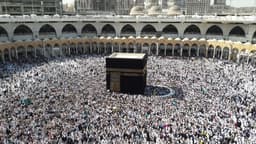
EL ISLAM
Quiz by Laura Insausti Fernandez
Customize this quiz to suit your class
Instantly translate to 100+ languages
Track each student's skills and progress in your Mastery dashboards
Give this quiz to my class
Palabra árabe que significa "Dios"
Alá
Musulmán
Islam
Profeta
Lo que todos los musulmanes deben cumplir: profesión de fe; rezar cinco veces al día; darle a los pobres; ayunar durante un mes; y viajar a La Meca
Los cinco pilares del Islam
Mahoma
El Corán
La limosna (zakat)
Palabra árabe que significa "Dios"
Lo que todos los musulmanes deben cumplir: profesión de fe; rezar cinco veces al día; darle a los pobres; ayunar durante un mes; y viajar a La Meca
Religión basada en las enseñanzas de Mahoma, creen en un solo Dios (Alá) y siguen el Corán
Creencia en un solo Dios
Libro sagrado del Islam
Los musulmanes recitan y creen lo siguiente: no hay dios sino Alá, y Mahoma es el profeta de Dios
Los musulmanes rezan cinco veces al día y se orientan hacía La Meca
Los musulmanes dan al menos el 2.5% de sus ingresos a los necesitados
Los musulmanes ayunan (no comen o beben) durante el día durante todo el mes de Ramadán
Los musulmanes viajan a La Meca al menos una vez en su vida
Fundador del Islam y su principal profeta
Un mensajero de Dios
Persona que practica el islamismo
Ciudad donde se fundó el Islam
Nombre de la REGIÓN donde se fundó el Islam
Nombre de una ciudad bajo control musulmán en España
Ciudad donde huyó Mahoma después de ser amenazado en La Meca
 Ciudades de Luz: El ascenso y la caída de la España IslámicaMYTH The British helped the Jews displace the native Arab population of Palestine. FACT Herbert Samuel, a British Jew who served as the first High Commissioner of Palestine, placed restrictions on Jewish immigration “in the ‘interests of the present population’ and the ‘absorptive capacity’ of the country.”1 The influx of Jewish settlers was said to force the Arab fellahin (native peasants) from their land. This was when less than a million people lived in an area that now supports more than nine million. The British limited the absorptive capacity of Palestine when, in 1921, Colonial Secretary Winston Churchill severed nearly four-fifths of Palestine—some thirty-five thousand square miles—to create a new Arab entity, Transjordan. As a consolation prize for the Hejaz and Arabia (which are both now Saudi Arabia) going to the Saud family, Churchill rewarded Sharif Hussein’s son Abdullah for his contribution to the war against Turkey by installing him as Transjordan’s emir. The British went further and placed restrictions on Jewish land purchases in what remained of Palestine. By 1949, the British had allotted 87,500 acres of the 187,500 acres of cultivable land to Arabs and only 4,250 acres to Jews. This contradicted Article 6 of the Mandate which stated that “the Administration of Palestine…shall encourage, in cooperation with the Jewish Agency…close settlement by Jews on the land, including State lands and waste lands not acquired for public purposes.”2 Ultimately, the British admitted that the argument about the country’s absorptive capacity was specious. The Peel Commission said, “The heavy immigration in the years 1933–36 would seem to show that the Jews have been able to enlarge the absorptive capacity of the country for Jews.”3 MYTH The British allowed Jews to flood Palestine while Arab immigration was tightly controlled. FACT The British response to Jewish immigration set a precedent of appeasing the Arabs, which was followed for the duration of the Mandate. The British restricted Jewish immigration while allowing Arabs to enter the country freely. Apparently, London did not feel that a flood of Arab immigrants would affect the country’s “absorptive capacity.” During World War I, the Jewish population in Palestine declined because of the war, famine, disease, and expulsion by the Turks. In 1915, approximately 83,000 Jews lived in Palestine among 590,000 Muslim and Christian Arabs. According to the 1922 census, the Jewish population was 83,000, while the Arabs numbered 643,000.4 Thus, the Arab population grew exponentially while that of the Jews stagnated. In the mid-1920s, Jewish immigration to Palestine increased primarily because of anti-Jewish economic legislation in Poland and Washington’s imposition of restrictive quotas.5 The record number of immigrants in 1935 (see table) was a response to the growing persecution of Jews in Nazi Germany. The British administration considered this number too large, however, so the Jewish Agency was informed that less than one-third of the quota it asked for would be approved in 1936.6 The British gave in further to Arab demands by announcing in the 1939 White Paper that an independent Arab state would be created within ten years and that Jewish immigration was to be limited to 75,000 for the next five years, after which it was to cease altogether. It also forbade land sales to Jews in 95% of the territory of Palestine. The Arabs, nevertheless, rejected the proposal. Jewish Immigration to Palestine7 1919 1,806 1931 4,075 1920 8,223 1932 12,533 1921 8,294 1933 37,337 1922 8,685 1934 45,267 1923 8,175 1935 66,472 1924 13,892 1936 29,595 1925 34,386 1937 10,629 1926 13,855 1938 14,675 1927 3,034 1939 31,195 1928 2,178 1940 10,643 1929 5,249 1941 4,592 1930 4,944 By contrast, throughout the Mandatory period, Arab immigration was unrestricted. In 1930, the Hope Simpson Commission, sent from London to investigate the 1929 Arab riots, said the British practice of ignoring the uncontrolled illegal Arab immigration from Egypt, Transjordan, and Syria had the effect of displacing the prospective Jewish immigrants.8 The British governor of the Sinai from 1922 to 1936 observed, “This illegal immigration was not only going on from the Sinai, but also from Transjordan and Syria, and it is very difficult to make a case out for the misery of the Arabs if at the same time their compatriots from adjoining states could not be kept from going in to share that misery.”9 The Peel Commission reported in 1937 that the “shortfall of land is…due less to the amount of land acquired by Jews than to the increase in the Arab population.”10 MYTH The British changed their policy to allow Holocaust survivors to settle in Palestine. FACT The gates of Palestine remained closed for the duration of the war, stranding hundreds of thousands of Jews in Europe, many of whom became victims of Hitler’s “Final Solution.” After the war, the British refused to allow the survivors of the Nazi nightmare to find sanctuary in Palestine. On June 6, 1946, President Truman urged the British government to relieve the suffering of the Jews confined to displaced persons camps in Europe by immediately accepting 100,000 Jewish immigrants. Britain’s foreign minister Ernest Bevin replied sarcastically that the United States wanted displaced Jews to immigrate to Palestine “because they did not want too many of them in New York.”11 Some Jews reached Palestine, many smuggled in on dilapidated ships organized by the Haganah. Between August 1945 and the establishment of the State of Israel in May 1948, sixty-five “illegal” immigrant ships, carrying 69,878 people, arrived from European shores. In August 1946, however, the British began to intern those they caught in camps on Cyprus. Approximately 50,000 people were detained in the camps, and 28,000 remained imprisoned when Israel declared independence.12 MYTH As the Jewish population grew, the plight of the Palestinian Arabs worsened. FACT In July 1921, Hasan Shukri, the mayor of Haifa and president of the Muslim National Associations, sent a telegram to the British government in reaction to a delegation of Palestinians that went to London to try to stop the implementation of the Balfour Declaration. Shukri wrote: We are certain that without Jewish immigration and financial assistance there will be no future development of our country as may be judged from the fact that the towns inhabited in part by Jews such as Jerusalem, Jaffa, Haifa, and Tiberias are making steady progress while Nablus, Acre, and Nazareth where no Jews reside are steadily declining.13 The Jewish population increased by 470,000 between World War I and World War II, while the non-Jewish population rose by 588,000.14 The permanent Arab population increased by 120% between 1922 and 1947.15 This rapid growth of the Arab population was a result of several factors. One was immigration from neighboring states—constituting 37% of the total immigration to pre-state Israel—by Arabs who wanted to take advantage of the higher standard of living the Jews had made possible.16 The Arab population also grew because of the improved living conditions created by the Jews as they drained malarial swamps and brought improved sanitation and health care to the region. Thus, for example, the Muslim infant mortality rate fell from 201 per thousand in 1925 to 94 per thousand in 1945, and life expectancy rose from 37 years in 1926 to 49 in 1943.17 The Arab population increased the most in cities where large Jewish populations had created new economic opportunities. From 1922–1947, the non-Jewish population increased by 290% in Haifa, 131% in Jerusalem, and 158% in Jaffa. The growth in Arab towns was more modest: 42% in Nablus, 78% in Jenin, and 37% in Bethlehem.18 MYTH Jews stole Arab land. FACT Despite the growth in their population, the Arabs continued to assert they were being displaced. From the beginning of World War I, however, part of Palestine’s land was owned by absentee landlords who lived in Cairo, Damascus, and Beirut. About 80% of the Palestinian Arabs were debt-ridden peasants, semi-nomads, and Bedouins.19 Jews went out of their way to avoid purchasing land in areas where Arabs might be displaced. They sought land that was largely uncultivated, swampy, cheap, and—most important—without tenants. In 1920, Labor Zionist leader David Ben-Gurion expressed his concern about the Arab fellahin, whom he viewed as “the most important asset of the native population.” He insisted that “under no circumstances must we touch land belonging to fellahs or worked by them.” Instead, he advocated helping liberate them from their oppressors. “Only if a fellah leaves his place of settlement,” Ben-Gurion added, “should we offer to buy his land, at an appropriate price.”20 Jews only began to purchase cultivated land after buying all the uncultivated territory. Many Arabs were willing to sell because of the migration to coastal towns and because they needed money to invest in the citrus industry.21 When John Hope Simpson arrived in Palestine in May 1930, he observed, “They [the Jews] paid high prices for the land and, in addition, they paid to certain of the occupants of those lands a considerable amount of money which they were not legally bound to pay.”22 In 1931, Lewis French conducted a survey of landlessness for the British government and offered new plots to any Arabs who had been “dispossessed.” British officials received more than 3,000 applications, of which 80% were ruled invalid by the government’s legal adviser because the applicants were not landless Arabs. This left only about 600 landless Arabs, 100 of whom accepted the government land offer.23 In April 1936, a new outbreak of Arab attacks on Jews was instigated by local Palestinian leaders who were later joined by Arab volunteers led by a Syrian guerrilla named Fawzi al-Qawuqji, the commander of the Arab Liberation Army. By November, when the British finally sent a new commission headed by Lord Peel to investigate, 89 Jews had been killed and more than 300 wounded.24 The Peel Commission’s report found that Arab complaints about Jewish land acquisition were baseless. It pointed out that “much of the land now carrying orange groves was sand dunes or swamp and uncultivated when it was purchased…There was at the time of the earlier sales little evidence that the owners possessed either the resources or training needed to develop the land.”25 Moreover, the Commission found the shortage was “due less to the amount of land acquired by Jews than to the increase in the Arab population.” The report concluded that the presence of Jews in Palestine, along with the work of the British administration, had resulted in higher wages, an improved standard of living, and ample employment opportunities.26 It is made quite clear to all, both by the map drawn up by the Simpson Commission and by another compiled by the Peel Commission, that the Arabs are as prodigal in selling their land as they are in useless wailing and weeping (emphasis in the original). —Transjordan’s king Abdullah27 Even at the height of the Arab revolt in 1938 (which began in April 1936 with the murder of two Jews by Arabs and the subsequent murder of two Arab workers by members of the Jewish underground28), the British high commissioner to Palestine believed the Arab landowners were complaining about sales to Jews to drive up prices for lands they wished to sell. Many Arab landowners had been so terrorized by Arab rebels they decided to leave Palestine and sell their property to the Jews.29 The Jews paid exorbitant prices to wealthy landowners for small tracts of arid land. “In 1944, Jews paid between $1,000 and $1,100 per acre in Palestine, mostly for arid or semiarid land; in the same year, rich black soil in Iowa was selling for about $110 per acre.”30 By 1947, Jewish holdings in Palestine amounted to about 463,000 acres. Approximately 45,000 were acquired from the mandatory government, 30,000 were bought from various churches, and 387,500 were purchased from Arabs. Analyses of land purchases from 1880 to 1948 show that 73% of Jewish plots were purchased from large landowners, not poor fellahin.31 Many leaders of the Arab nationalist movement, including members of the Muslim Supreme Council, and the mayors of Gaza, Jerusalem, and s sold land to the Jews. As’ad el-Shuqeiri, a Muslim religious scholar and father of Palestine Liberation Organization chairman Ahmed Shuqeiri, took Jewish money for his land. Even King Abdullah leased land to the Jews.32 MYTH The British helped the Palestinians to live peacefully with the Jews. FACT In 1921, Haj Amin el-Husseini first began to organize fedayeen (“one who sacrifices himself”) to terrorize Jews. El-Husseini hoped to duplicate the success of Kemal Atatürk in Turkey by driving the Jews out of Palestine just as Kemal had driven the invading Greeks from his country.33 Arab radicals gained influence because the British administration was unwilling to take effective action against them until they began a revolt against British rule. Colonel Richard Meinertzhagen, former head of British military intelligence in Cairo, and later chief political officer for Palestine and Syria, wrote in his diary that British officials “incline towards the exclusion of Zionism in Palestine.” The British encouraged the Palestinians to attack the Jews. According to Meinertzhagen, Col. Bertie Harry Waters-Taylor (financial adviser to the military administration in Palestine 1919–23) met with el-Husseini in 1920, a few days before Easter, and told him that “he had a great opportunity at Easter to show the world…that Zionism was unpopular not only with the Palestine administration but in Whitehall.” He added that “if disturbances of sufficient violence occurred in Jerusalem at Easter, both General [Louis] Bols [chief administrator in Palestine, 1919–20] and General [Edmund] Allenby [commander of the Egyptian force, 1917–19, then high commissioner of Egypt] would advocate the abandonment of the Jewish Home. Waters-Taylor explained that freedom could only be attained through violence.”34 El-Husseini took the colonel’s advice and instigated a riot. The British withdrew their troops and the Jewish police from Jerusalem, allowing the Arab mob to attack Jews and loot their shops. Because of el-Husseini’s overt role in instigating the pogrom, the British decided to arrest him. He escaped, however, and was sentenced to ten years in absentia. A year later, some British Arabists convinced High Commissioner Herbert Samuel to pardon el-Husseini and to appoint him Mufti (a cleric in charge of Jerusalem’s Islamic holy places). By contrast, Vladimir Jabotinsky and several followers, who had formed a Jewish defense organization during the unrest, were sentenced to 15 years. They were released a few months later.35 Samuel met with el-Husseini on April 11, 1921, and was assured “that the influences of his family and himself would be devoted to tranquility.” Three weeks later, riots in Jaffa and elsewhere left forty-three Jews dead.36 El-Husseini consolidated his power and took control of all Muslim religious funds in Palestine. He used his authority to gain control over the mosques, the schools, and the courts. No Arab could reach an influential position without being loyal to the Mufti. His power was so absolute that “no Muslim in Palestine could be born or die without being beholden to Haj Amin.”37 The Mufti’s henchmen also ensured he would have no opposition by systematically killing Palestinians who discussed cooperation with the Jews from rival clans. As the spokesman for Palestinian Arabs, el-Husseini did not ask that Britain grant them independence. On the contrary, in a letter to Churchill in 1921, he demanded that Palestine be reunited with Syria and Transjordan.38 The Arabs found rioting an effective political tool because of the lax British response toward violence against Jews. In handling each riot, the British prevented Jews from protecting themselves but made little effort to prevent the Arabs from attacking them. After each outbreak, a British commission of inquiry would try to establish the cause of the violence. The conclusion was always the same: The Arabs feared being displaced by the Jews. To stop the rioting, the commissions would recommend that restrictions be placed on Jewish immigration. Thus, the Arabs learned they could always stop the influx of Jews by staging riots. This cycle began after a series of riots in May 1921. After failing to protect the Jewish community from Arab mobs, the British appointed the Haycraft Commission to investigate the cause of the violence. Although the panel concluded the Arabs had been the aggressors, it rationalized the cause of the attack: “The fundamental cause of the riots was a feeling among the Arabs of discontent with, and hostility to, the Jews, due to political and economic causes, and connected with Jewish immigration, and with their conception of Zionist policy.”39 One consequence of the violence was the institution of a temporary ban on Jewish immigration. The Arab fear of being “displaced” or “dominated” was an excuse for their attacks on Jewish settlers. Note, too, that these riots were not inspired by nationalistic fervor—nationalists would have rebelled against their British overlords—they were motivated by economics, the radical Islamic views of the Mufti, and misunderstanding. In 1929, Arab provocateurs convinced the masses that the Jews had designs on the Temple Mount (a tactic still used today to incite violence). A Jewish religious observance at the Western Wall, which forms a part of the Temple Mount, served as a pretext for rioting by Arabs against Jews, which spilled out of Jerusalem into other villages and towns, including Safed and Hebron. Again, the British administration made no effort to prevent the violence, and, after it began, the British did nothing to protect the Jewish population. After six days of mayhem, the British finally brought troops in to quell the disturbance. By this time, most of Hebron’s Jews had fled or been killed. In all, 133 Jews were killed and 399 wounded in the pogroms.40 After the riots, the British ordered an investigation, resulting in the Passfield White Paper. It said the “immigration, land purchase and settlement policies of the Zionist Organization were already or were likely to become, prejudicial to Arab interests. It understood the mandatory government’s obligation to the non-Jewish community to mean that Palestine’s resources must be primarily reserved for the growing Arab economy.”41 This meant it was necessary to restrict Jewish immigration and land purchases. MYTH The Mufti was not a Nazi collaborator. FACT In 1941, Haj Amin al-Husseini, the Mufti of Jerusalem, fled to Germany and met with Adolf Hitler, Heinrich Himmler, Joachim Von Ribbentrop, and other Nazi leaders. He wanted to persuade them to extend the Nazis’ anti-Jewish program to the Arab world. The Mufti sent Hitler fifteen drafts of declarations he wanted Germany and Italy to make concerning the Middle East. One called on the two countries to declare the illegality of the Jewish home in Palestine. He also asked the Axis powers to “accord to Palestine and to other Arab countries the right to solve the problem of the Jewish elements in Palestine and other Arab countries in accordance with the interest of the Arabs, and by the same method that the question is now being settled in the Axis countries.”42 In November 1941, the Mufti met with Hitler, who told him the Jews were his foremost enemy. The Nazi dictator rebuffed the Mufti’s requests for a declaration in support of the Arabs, however, telling him the time was not right. The Mufti offered Hitler his “thanks for the sympathy which he had always shown for the Arab and especially Palestinian cause, and to which he had given clear expression in his public speeches.” He added, “The Arabs were Germany’s natural friends because they had the same enemies as had Germany, namely…the Jews.” Hitler told the Mufti he opposed the creation of a Jewish state and that Germany’s objective was destroying the Jewish element in the Arab sphere.43 In 1945, Yugoslavia sought to indict the Mufti as a war criminal for his role in recruiting twenty thousand Muslim volunteers for the SS, who participated in the killing of Jews in Croatia and Hungary. He escaped French detention in 1946, however, and continued his fight against the Jews from Cairo and later Beirut where he died in 1974. MYTH The bombing of the King David Hotel was part of a deliberate terror campaign against civilians. FACT British troops seized the Jewish Agency compound on June 29, 1946, and confiscated large quantities of documents. At about the same time, more than 2,500 Jews from all over Palestine were arrested. A week later, news of a massacre of 40 Jews in a pogrom in Poland reminded the Jews of Palestine how Britain’s restrictive immigration policy had condemned thousands to death. In response to the British provocations, and a desire to demonstrate that the Jews’ spirit could not be broken, the United Resistance Movement planned to bomb the King David Hotel, which housed the British military command and the Criminal Investigation Division in addition to hotel guests. The Haganah pulled out of the plot and left it up to the Irgun. Irgun leader Menachem Begin stressed his desire to avoid civilian casualties and the plan was to warn the British so they would evacuate the building before it was blown up. Three telephone calls were placed on July 22, 1946, one to the hotel, another to the French Consulate, and a third to the Palestine Post warning that explosives in the King David Hotel would soon be detonated. The call to the hotel was received and ignored. Begin quotes one British official who supposedly refused to evacuate the building, saying, “We don’t take orders from the Jews.”44 As a result, when the bombs exploded, the casualty toll was high: 91 killed and 45 injured. Among the casualties were 15 Jews. Few people in the main part of the hotel were injured.45 For decades, the British denied they had been warned. In 1979, however, a member of the British Parliament provided the testimony of a British officer who heard other officers in the King David Hotel bar joking about a Zionist threat to the headquarters. The officer who overheard the conversation immediately left the hotel and survived.46 In contrast to Arab attacks against Jews, which Arab leaders hailed as heroic actions, the Jewish National Council denounced the bombing of the King David.47 1 Aharon Cohen, Israel and the Arab World, (NY: Funk and Wagnalls, 1970), p. 172Islam allora la civiltà egizia naturalmente a un suo cuore geografico che è la valle berica il fiume nilo le sue inondazioni periodiche sono al centro della vita egizia anzi sono quello che rende possibile la vita dell'egitto trasformando l'egitto in uno dei luoghi più fertili del mondo tenete conto che l'egitto continuerà a essere uno dei luoghi più fertili del mondo ancora molto tempo dopo ancora il tardo impero romano e l'impero bizantino prima delle invasioni arabe ricavavano dall'egitto il reddito più forti le terre della valle del nilo naturalmente fertilizzate dalle piene del grande fiume producono enormi quantità di messi la ricchezza di questa terra permette a informarsi di comunità stabile tra queste genti di stirpe ca mitica colui che è al sommo vertice della società il faraone riceve tributi da tutti quelli che producono nella sua saggezza e gli garantisce l'accumularsi di scorte che possono rappresentare una sicurezza contro le calamità naturale siccità distruzione dei racconti eccetera proprio a proposito del nilo ci è arrivata una domanda da franco il quale dice nota che nel documentario il fiume nilo viene definito padre di tutti gli dei e dice franco ma vorrei sapere se era davvero così severamente gli antichi egizi avevano l'immagine per cui il nilo era il padre degli dei o se si tratta di una licenza di rossellini e franco verrebbe anche sapere avere qualche ulteriore spiegazione sul politeismo degli antichi egizi e poi conclude con questa domanda ma perché data la loro storia plurimillenaria gli egizi non sono riusciti a esportare il loro credo ad altri popoli ecco questa è una domanda a cui voglio rispondere subito ecco perché perché è emblematica diciamo così della differenza fra le religioni monoteiste del nostro tempo e degli ultimi due millenni è invece le religioni politeiste dei popoli antichi i monoteismi per definizione sono in competizione fra loro il cristianesimo e l'islam adorano lo stesso dio ma se lo immaginano in modo diverso e ognuna è convinta di essere quella giusta e che l'altra sia sbagliata e da quando esistono sono in competizione cristianesimo e l'islam sono religioni che hanno per mission è quella di portare la parola di dio al mondo i volti degli dei non avevano niente del genere ogni popolo ha i suoi dei è convinto che sono i più forti spero che siano i più forti ogni popolo e convinto di essere protetto dai suoi dei in guerra e nella vita economica e in ogni altra situazione poi finisce lì a nessuno viene in mente che siccome noi adoriamo horus e osiride e amon ra allora anche anche i babilonesi coi greci dovrebbero adoravo di questo non faceva proprio parte della mentalità né degli egizi né di nessun altro a quei tempi omaggio anche il sole ora vieni a me illuminami indoor ami omaggio anche o solo ora potere supremo tu che eri novelli la terra che skew di ciò che sarà chiude tu sei il corpo di colui che ri novella la terra omaggio a teora potere supremo infiammato eterno che bruci i tuoi nemici fiamma che produce lingue di fuoco quanto alla domanda se il milan fosse davvero il padre degli dei ecco io da quello che ho potuto verificare franco temo che effettivamente lei abbia ragione è una cosa che è scappata daita rossellini perché suonava bene ma non mi sembra che sia così il lille è una grande forza cosmica ma non è un dio il nilo è una delle componenti di un universo che secondo gli egizi fin dalla creazione esiste con un suo ritmo ecco le inondazioni del nilo annuali sono uno dei ritmi che tengono in piedi l'universo come il susseguirsi delle stagioni come il ciclo del sole quotidiano quella è la cosa più importante forse il sole che è un dio potente id ora attraversa il cielo e poi scompare attraverso il regno dei morti e domani ritornerà allo stesso modo le inondazioni del nilo ritornano ogni anno per garantire quello che gli egiziani chiamano se ho capito bene il marat e cioè l'ordine del mondo dopodiché dopodichè lilo ha a che fare con gli dèi anche in un altro modo perché la forza e la più famosa leggenda degli egiziani e quelle del dio osiride che una volta era il più potente di tutti gli dei e che poi è stato aggredito e ucciso dal suo fratello il malvagio dio set dopodiché così ride è risorto a partire da quel momento però è stato incaricato di governare il regno dei morti e le lacrime della moglie di osiride iside per la sua morte sono il motivo per cui il nilo ogni anno si gonfia si riempie di acqua e poi in onda la sua valle [Musica]Quiz su questo testo: L’induismo, con i suoi 900 milioni di fedeli, è la terza religione del mondo, dopo il cristianesimo e l’islam. Il termine induismo è stato inventato dagli europei per designare la religione degli indù, i quali invece definiscono le loro tradizioni religiose con il termine sanatana dharma, “il dharma eterno”. Più che una religione, infatti, l’induismo è un insieme di tante tradizioni religiose, nate intorno al XX a.C. e accomunate da alcune credenze fondamentali. • Brahman (Dio) è lo spirito supremo, eterno, immutabile e impersonale, che si manifesta nel mondo attraverso molte divinità, in particolare quelle che formano la Trimurti: Brahma, che crea il mondo, Vishnu, che lo conserva, e Shiva, che lo distrugge e lo ricrea. La vita del mondo, infatti, come la vita dell’uomo, attraversa varie fasi: nascita, morte e rinascita. • Atman (anima) è una particella del Brahman presente negli uomini, negli animali e nelle cose. • Dharma (ordine) è la legge eterna che garantisce l’armonia nell’universo, nella natura, nella società e nella morale. Ognuno deve obbedire al proprio dharma, che corrisponde all’insieme dei doveri della propria casta. • Karma (azione) indica sia l’azione sia la conseguenza dell’azione. Secondo la legge del karma, ogni azione, come ogni parola o pensiero, è la conseguenza di un’azione precedente e la causa di una successiva. Le azioni positive, cioè che rispettano il dharma, producono effetti positivi e quelle negative, cioè contrarie al dharma, producono effetti negativi nella vita attuale o in quella successiva. • Samsara (trasmigrazione) è il ciclo di morte e rinascita. Quando l’uomo muore, il suo atman s’introduce in un feto e rinasce in un’altra persona. La reincarnazione avviene sulla base delle azioni compiute nella vita precedente: chi si è comportato bene rinasce in una casta superiore, chi si è comportato male in una casta inferiore oppure in un animale. • Moksha (liberazione) è la salvezza finale, che si realizza quando l’atman, invece di trasmigrare in un altro corpo, si libera dal ciclo delle rinascite e si ricongiunge con il Brahman.El relieve de las islas BalearesEl relieve de las islas CanariasL'attentato alle Torri Gemelle dell'11 settembre 2001 è stato orchestrato dall'organizzazione terroristica al-Qaida, guidata da Osama bin Laden. Al-Qaida, un gruppo estremista islamico, aveva l'obiettivo di colpire gli Stati Uniti per una serie di motivi, tra cui la loro presenza militare in Medio Oriente, il sostegno a Israele e le politiche economiche e geopolitiche percepite come oppressive nei confronti dei Paesi musulmani. L'attacco ha coinvolto 19 terroristi, che hanno dirottato quattro aerei commerciali: due hanno colpito le Torri Gemelle a New York, un altro il Pentagono vicino a Washington, D.C., mentre il quarto, United Airlines Flight 93, è precipitato in un campo in Pennsylvania dopo che i passeggeri hanno tentato di riprendere il controllo dell'aereo. Osama bin Laden ha rivendicato la responsabilità dell'attentato, che ha provocato circa 3.000 morti e ha avuto un impatto duraturo sulla politica internazionale, portando alle guerre in Afghanistan e Iraq e a significativi cambiamenti nella sicurezza globale Il fatto che quattro aerei dirottati siano riusciti a deviare dalla loro rotta senza un immediato intervento da parte delle autorità aeree è legato a una serie di fattori: 1. **Dirottamenti inattesi**: Prima dell'11 settembre 2001, il protocollo per gestire i dirottamenti aerei era molto diverso. I dirottamenti aerei, quando accadevano, di solito erano gestiti attraverso negoziazioni e si presumeva che i dirottatori cercassero principalmente attenzione o denaro, non attacchi suicidi. Non c'era una preparazione specifica per l'eventualità che gli aerei venissero usati come armi. 2. **Interruzione delle comunicazioni**: I dirottatori hanno spento i transponder sugli aerei (dispositivi che inviano segnali radar con informazioni su altitudine e posizione), rendendo difficile per i controllori del traffico aereo tracciare con precisione gli aerei. Gli aerei risultavano ancora visibili sui radar primari, ma senza i dati specifici del transponder era difficile capire immediatamente che c'era una deviazione fuori rotta. 3. **Tempo di reazione**: Gli eventi si sono svolti in un breve arco di tempo. I primi segni di problemi sui voli sono emersi intorno alle 8:14 (con l'American Airlines Flight 11), e il primo schianto contro la Torre Nord è avvenuto alle 8:46. Tra l'inizio dei dirottamenti e gli impatti, il tempo per reagire è stato limitato. La portata dell'attacco era senza precedenti, e nessuno si aspettava che i dirottatori avrebbero usato gli aerei come armi contro obiettivi civili. 4. **Coordination failures**: Anche se ci sono stati segnali di problemi, la comunicazione tra le varie agenzie coinvolte (Federal Aviation Administration, NORAD, ecc.) non era ottimale. La procedura per attivare la difesa aerea in caso di dirottamento era complessa, e la possibilità che aerei civili venissero utilizzati come armi suicide non era contemplata nei protocolli. 5. **NORAD e tempi di risposta**: Il NORAD (North American Aerospace Defense Command), incaricato della difesa aerea, aveva una capacità limitata di intercettare rapidamente aerei dirottati nello spazio aereo interno. Prima dell'11 settembre, le operazioni di difesa erano concentrate su possibili minacce esterne, e non su attacchi interni. Anche quando i caccia furono inviati, era troppo tardi per impedire gli impatti. Questi fattori, combinati con l'incredulità che un tale attacco potesse realmente accadere, hanno reso possibile che quattro aerei fossero dirottati e usati come armi senza un intervento preventivo efficace. Dopo l'11 settembre, furono apportati significativi cambiamenti ai protocolli di sicurezza aerea per prevenire simili attacchi in futuro. L'idea che l'11 settembre abbia fornito un "pretesto" per attaccare l'Afghanistan è stata ipotizzata da diverse teorie del complotto e punti di vista critici sulla politica estera degli Stati Uniti. Tuttavia, è importante distinguere tra i fatti documentati e le ipotesi non verificate. ### Fatti documentati: 1. **Al-Qaida e Osama bin Laden**: Gli attacchi dell'11 settembre sono stati rivendicati da al-Qaida, che aveva il suo quartier generale in Afghanistan sotto la protezione del regime talebano. Gli Stati Uniti hanno chiesto ai talebani di consegnare Osama bin Laden, ma il governo talebano ha rifiutato. Questo ha portato all'intervento militare in Afghanistan con l'obiettivo dichiarato di smantellare al-Qaida e rimuovere i talebani dal potere. 2. **Legittimazione internazionale**: L'invasione dell'Afghanistan è stata ampiamente appoggiata a livello internazionale, con il sostegno delle Nazioni Unite e della NATO. Il Consiglio di Sicurezza delle Nazioni Unite ha approvato risoluzioni che condannavano gli attacchi e riconoscevano il diritto di difesa degli Stati Uniti. ### Teorie del complotto: Alcuni teorici sostengono che l'11 settembre potrebbe essere stato usato come pretesto per giustificare una guerra che rientrava in più ampi interessi geopolitici. Secondo questa visione, l'invasione dell'Afghanistan non riguardava solo la lotta contro il terrorismo, ma anche: - **Influenza geopolitica**: Gli Stati Uniti avrebbero cercato di stabilire una maggiore presenza militare e influenza in una regione strategica, vicina a Paesi come l'Iran, la Cina e la Russia. - **Risorse naturali**: L'Afghanistan ha un'importanza geopolitica anche per i suoi potenziali corridoi energetici e per le sue risorse minerarie, anche se non ha ricchezze petrolifere significative come altri Paesi del Medio Oriente. ### Critiche legittime: Al di là delle teorie del complotto, ci sono critiche legittime alla risposta degli Stati Uniti e all'espansione della guerra al terrorismo. Ad esempio: - **La guerra in Iraq**: Mentre l'invasione dell'Afghanistan fu largamente supportata, l'invasione dell'Iraq nel 2003 fu molto più controversa. Molti analisti ritengono che l'amministrazione Bush abbia sfruttato la paura generata dall'11 settembre per giustificare un attacco all'Iraq, anche se non c'erano prove concrete di un collegamento tra il regime di Saddam Hussein e al-Qaida. - **Durata della guerra**: La guerra in Afghanistan si è trasformata in un conflitto di lunga durata, che molti vedono come fallimentare, con risultati incerti nonostante il grande impegno militare ed economico. ### Conclusione: Sebbene sia possibile che alcune figure politiche o militari abbiano sfruttato l'attacco dell'11 settembre per portare avanti agende geopolitiche preesistenti, i fatti storici mostrano che l'invasione dell'Afghanistan fu una reazione diretta agli attacchi e alla minaccia di al-Qaida. Le decisioni successive, in particolare l'espansione della "guerra al terrorismo", sono state oggetto di forti critiche e controversie, ma non ci sono prove concrete che l'11 settembre sia stato pianificato o lasciato accadere per giustificare un'invasione. La **caduta delle Torri Gemelle** l'11 settembre 2001 è stata causata principalmente dai **danni strutturali provocati dall'impatto degli aerei e dal conseguente incendio**, secondo le indagini ufficiali. Le teorie che ipotizzano l'uso di esplosivi sono state ampiamente investigate ma smentite dalle analisi tecniche e dalle prove disponibili. ### Versione ufficiale: 1. **Impatto degli aerei**: Gli aerei di linea colpirono le Torri Gemelle a una velocità molto elevata, causando danni immediati e significativi alle colonne portanti esterne e interne degli edifici. Questi danni strutturali compromettevano già parte della stabilità delle torri. 2. **Incendi**: L'impatto degli aerei ha causato l'esplosione del carburante contenuto nei serbatoi, innescando vasti incendi. Il calore generato dagli incendi all'interno degli edifici raggiunse temperature estremamente elevate (fino a 1000°C o più), che indebolirono ulteriormente l'acciaio delle strutture portanti. 3. **Cedimento strutturale**: L'acciaio non deve necessariamente fondere per perdere la sua capacità portante; a temperature elevate, l'acciaio diventa più malleabile e perde resistenza. Questo, unito al danno meccanico già causato dall'impatto degli aerei, ha portato al cedimento progressivo delle strutture superiori, che sono collassate sui piani inferiori in una sorta di effetto domino. Questo spiega il "crollo verticale" delle torri. ### Investigazioni tecniche: 1. **Rapporto del NIST**: Il **National Institute of Standards and Technology (NIST)** ha condotto un'indagine approfondita sulla caduta delle torri. Secondo il rapporto del NIST, **non ci sono prove** che suggeriscano l'uso di esplosivi o ordigni nei crolli delle torri. I crolli sono stati attribuiti esclusivamente ai danni strutturali causati dagli impatti e agli incendi successivi. 2. **Simulazioni e analisi**: Gli ingegneri hanno simulato il comportamento degli edifici durante l'attacco e hanno concluso che l'indebolimento delle strutture portanti a causa del calore è stato sufficiente a spiegare il collasso. Il crollo avvenne in maniera progressiva e non con le caratteristiche di una demolizione controllata, come l'uso di esplosivi. ### Teorie del complotto: Nonostante le spiegazioni tecniche ufficiali, alcune persone sostengono che il crollo sia stato causato da esplosivi piazzati all'interno delle torri. Queste teorie si basano su: - **Testimonianze di esplosioni**: Alcune persone hanno riportato di aver sentito rumori di esplosioni prima o durante i crolli. Tuttavia, gli esperti hanno spiegato che questi rumori possono essere attribuiti a numerosi fattori, come i cedimenti strutturali e le esplosioni secondarie dovute al cedimento di infrastrutture interne (ad esempio, serbatoi di gas o trasformatori elettrici). - **Crollo simmetrico**: Alcuni teorici sostengono che il crollo delle torri sia stato troppo "ordinato" per essere casuale. Tuttavia, il collasso verticale è stato spiegato come il risultato del cedimento simultaneo di più colonne portanti indebolite dal calore. - **Teoria del crollo controllato**: Alcuni sostengono che le torri siano cadute con la rapidità e la precisione di una demolizione controllata. Tuttavia, studi dettagliati del NIST e altre organizzazioni non hanno trovato alcuna prova di esplosivi o segni di una demolizione pianificata. ### Conclusione: Le indagini ufficiali e i rapporti tecnici indicano chiaramente che il crollo delle Torri Gemelle è stato causato dagli impatti degli aerei e dai successivi incendi che hanno indebolito la struttura, portando al collasso progressivo. Le teorie che ipotizzano l'uso di esplosivi sono state esaminate ma non supportate da prove concrete. L'11 settembre 2001 ha avuto un impatto profondo anche sulla musica, influenzando artisti di diversi generi e portandoli a esprimere il dolore, la rabbia, la riflessione e la speranza che l'evento ha generato. La musica ha raccontato l'episodio da diverse prospettive, esplorando sia il trauma individuale che quello collettivo, e offrendo una forma di guarigione o commemorazione per chi l'ha vissuto. ### Canzoni che hanno affrontato l'11 settembre: 1. **Bruce Springsteen – "The Rising" (2002)** Questo album è uno dei più emblematici legati all'11 settembre. La title track, "The Rising", racconta la storia di un pompiere che sale verso le Torri Gemelle e riflette sul sacrificio e la speranza. L'intero album esplora i temi della perdita e della resilienza attraverso il prisma dell'America post-11 settembre, e rappresenta una sorta di catarsi per molte persone che hanno cercato conforto nella musica. 2. **Paul McCartney – "Freedom" (2001)** Paul McCartney era a New York il giorno degli attacchi e ha scritto questa canzone in risposta, cercando di trasmettere un messaggio di forza e resistenza. "Freedom" è stata eseguita al concerto benefico **"The Concert for New York City"**, un evento organizzato per raccogliere fondi per le vittime dell'attacco e celebrare il coraggio dei soccorritori. 3. **Toby Keith – "Courtesy of the Red, White and Blue (The Angry American)" (2002)** Questa canzone country ha rappresentato il lato più patriottico e arrabbiato della reazione americana agli attentati. Toby Keith esprime il desiderio di giustizia (o vendetta), e la canzone è diventata molto popolare tra coloro che volevano una risposta forte agli attacchi. Sebbene controversa per i suoi toni duri, ha rappresentato una parte significativa del sentimento nazionale. 4. **Alan Jackson – "Where Were You (When the World Stopped Turning)" (2001)** Questa ballata country ha cercato di catturare lo shock, la confusione e il dolore collettivo che l'11 settembre ha causato. La canzone pone domande che molti si sono fatti: "Dov'eri quando il mondo si è fermato?" Il tono è riflessivo e malinconico, ed è diventata una delle canzoni più ricordate che trattano direttamente dell'evento. 5. **U2 – "Walk On" (2001)** Sebbene scritta prima dell'11 settembre, "Walk On" è diventata una sorta di inno di resilienza dopo l'attacco. U2 ha dedicato diverse performance della canzone alle vittime dell'11 settembre, e il testo, che parla di andare avanti di fronte alle avversità, è stato interpretato come un messaggio di forza per chi cercava di ricostruire la propria vita. 6. **Neil Young – "Let’s Roll" (2001)** Questa canzone è stata ispirata dagli atti eroici dei passeggeri del volo United 93, che si sono ribellati contro i dirottatori, impedendo che l'aereo colpisse un obiettivo a terra. La frase "Let's roll" era ciò che uno dei passeggeri, Todd Beamer, ha detto mentre guidava la ribellione. Neil Young ha scritto questo brano per onorare quei passeggeri coraggiosi. ### Concerti e eventi musicali commemorativi: - **The Concert for New York City (2001)** Subito dopo gli attacchi, questo grande concerto benefico si è tenuto al Madison Square Garden per raccogliere fondi a favore delle vittime e per rendere omaggio ai soccorritori. Vi hanno partecipato artisti come Paul McCartney, The Who, Mick Jagger, David Bowie e molti altri. L'evento è stato una celebrazione dell'unità e della solidarietà di fronte alla tragedia. - **America: A Tribute to Heroes (2001)** Questo telethon, trasmesso a livello nazionale, ha visto la partecipazione di artisti come Bruce Springsteen, U2, Celine Dion e molti altri. Lo scopo era quello di raccogliere fondi per le vittime e i loro familiari, e molte delle performance erano riflessive e piene di emozione, offrendo un momento di unità e commiserazione collettiva. ### Effetti sull’industria musicale: L'11 settembre ha avuto anche un impatto diretto sull'industria musicale: - **Censura e sensibilità**: Molte canzoni che potevano essere considerate inappropriate o troppo aggressive dopo l'11 settembre furono temporaneamente rimosse dalle playlist radiofoniche, come "Imagine" di John Lennon (per il suo messaggio pacifista) o "New York, New York" di Frank Sinatra, per il legame con la città colpita. - **Modifiche ai testi e alle copertine**: Alcuni artisti modificarono testi o copertine di album che potevano sembrare insensibili o inappropriate nel clima post-11 settembre. Ad esempio, i Dream Theater cambiarono la copertina del loro album "Live Scenes from New York" perché raffigurava il World Trade Center in fiamme, una coincidenza che uscì pochi giorni prima degli attacchi. ### Conclusione: La musica ha offerto un modo per elaborare il trauma dell'11 settembre, sia attraverso canzoni che commemorano i caduti, sia con inni che hanno ispirato resistenza e speranza. Artisti di ogni genere hanno interpretato l'evento in modi diversi, riflettendo la complessità delle emozioni che ha suscitato, dall'angoscia e la perdita alla forza e la solidarietà. Sì, le **Dixie Chicks** (oggi conosciute come **The Chicks**) hanno avuto notevoli problemi, ma non per aver trattato direttamente il tema dell'11 settembre. I problemi che hanno affrontato sono legati alle loro critiche alla guerra in Iraq e alla presidenza di **George W. Bush**, che erano strettamente connesse al clima politico post-11 settembre. ### Contesto: Nel marzo 2003, durante un concerto a Londra, la cantante **Natalie Maines**, frontwoman delle Dixie Chicks, fece una dichiarazione che scatenò una controversia a livello nazionale negli Stati Uniti. Mentre l'invasione dell'Iraq era imminente, Maines disse al pubblico: > **"Just so you know, we’re ashamed that the President of the United States is from Texas."** Questa dichiarazione era una critica diretta al presidente **George W. Bush**, nato in Texas come Maines e il resto della band. La critica arrivava in un momento in cui il patriottismo e il sostegno alla guerra erano fortemente presenti negli Stati Uniti, specialmente nel Sud, dove le Dixie Chicks avevano una vasta base di fan nella comunità country. ### Conseguenze: 1. **Boicottaggi e censure**: Dopo il commento di Maines, molte stazioni radio, soprattutto quelle country, **boicottarono le Dixie Chicks**, rimuovendo le loro canzoni dalle playlist. In alcune parti degli Stati Uniti, i fan organizzarono pubblici **roghi dei loro album**. 2. **Perdita di supporto nel mondo country**: La comunità della musica country, che spesso riflette valori patriottici e conservatori, si rivolse contro di loro. Molti artisti e fan country criticarono duramente le Dixie Chicks per aver espresso opinioni contro la guerra e contro il presidente in un momento in cui il sostegno alla leadership nazionale era considerato importante. 3. **Minacce e ostilità**: Le Dixie Chicks ricevettero **minacce di morte** e furono soggette a intense campagne di odio. Questo dimostrò quanto fossero polarizzate le opinioni politiche negli Stati Uniti all'epoca, specialmente nell'industria della musica country. 4. **Carriera messa in pausa**: Dopo la controversia, la loro carriera negli Stati Uniti subì un grave colpo. Le vendite dei loro album calarono, e per diversi anni furono considerate una "band alienata" dall'industria country. Tuttavia, il gruppo trovò maggiore supporto nel pubblico internazionale e in generi musicali non tradizionalmente legati al country. ### La risposta delle Dixie Chicks: Le Dixie Chicks risposero alla controversia con coraggio e determinazione. Nel 2006, pubblicarono l'album **"Taking the Long Way"**, che includeva la famosa canzone **"Not Ready to Make Nice"**. Questo brano affrontava direttamente le critiche ricevute e il loro rifiuto di scusarsi per aver espresso le proprie opinioni. > **"Not Ready to Make Nice"** fu un grande successo e vinse diversi Grammy Awards, incluso quello per il **Miglior Album dell'Anno** e la **Canzone dell'Anno**. L'album rappresentava un chiaro messaggio: non erano pronte a cedere alla pressione e non si scusavano per aver esercitato la loro libertà di espressione. ### Riflessione sulla controversia: La controversia rifletteva una tensione più ampia nella società americana post-11 settembre, dove il patriottismo era visto da molti come un valore sacro e la critica alle politiche governative, specialmente riguardo alla guerra, poteva essere percepita come un tradimento. Le Dixie Chicks divennero un simbolo di questa polarizzazione e del conflitto tra libertà di espressione e patriottismo. ### Conclusione: Sebbene le Dixie Chicks non abbiano trattato direttamente l'11 settembre, la loro critica alla guerra in Iraq e a George W. Bush, strettamente connessa agli eventi post-11 settembre, portò a una delle più grandi controversie nella storia della musica country. Tuttavia, con il tempo, il gruppo è riuscito a superare le difficoltà e ha ottenuto una sorta di redenzione artistica e pubblica, guadagnando il rispetto di molti per la loro integrità e il loro coraggio nel difendere le proprie opinioni. Sì, i **Green Day** hanno trattato indirettamente i temi legati all'11 settembre e le sue conseguenze, soprattutto attraverso il loro album più famoso, **"American Idiot"** (2004). L'album non affronta direttamente gli attacchi dell'11 settembre, ma esplora il clima politico e sociale che si è sviluppato negli Stati Uniti dopo gli attentati, in particolare la guerra in Iraq, il patriottismo estremo e la manipolazione dei media. ### Contesto di "American Idiot": "American Idiot" è un concept album che segue un personaggio chiamato **Jesus of Suburbia**, che rappresenta la frustrazione e l'alienazione della generazione cresciuta nell'America post-11 settembre. L'album racconta una storia di rabbia, disillusione e ribellione contro il governo, i media e la società americana dell'epoca. ### Temi principali legati all'11 settembre e alle sue conseguenze: 1. **Critica ai media e alla manipolazione dell'informazione**: - La title track, **"American Idiot"**, critica aspramente la manipolazione dei media e il modo in cui la società americana è stata spinta verso un patriottismo cieco e un clima di paura. La canzone si scaglia contro l'idea che gli americani vengano indotti a seguire passivamente le direttive dei media e del governo, un tema strettamente legato alla narrazione post-11 settembre e alla propaganda che ha accompagnato la guerra in Iraq. > "Don't wanna be an American idiot, Don't want a nation under the new media." Qui, la band esprime il loro disgusto per l'influenza della propaganda mediatica e la crescente polarizzazione politica. 2. **Disillusione verso il governo e la guerra**: - Il brano **"Holiday"** è una feroce critica alla guerra in Iraq e alla politica estera dell'amministrazione Bush, spesso vista come una conseguenza diretta degli attacchi dell'11 settembre. La canzone denuncia l'ipocrisia e l'avidità che, secondo i Green Day, hanno guidato la decisione di invadere l'Iraq. > "This is the dawning of the rest of our lives, On holiday." Il termine "holiday" viene usato sarcasticamente per indicare una pausa dalla realtà, mentre la guerra viene condotta senza una giustificazione morale valida. 3. **Riflessioni sulla paura e l'ansia della generazione post-11 settembre**: - **"Boulevard of Broken Dreams"** esplora temi più personali di alienazione e solitudine, ma riflette anche l'ansia e la disillusione che molti americani, specialmente giovani, hanno provato nell'era post-11 settembre. Il senso di isolamento e la perdita di speranza di Jesus of Suburbia rappresentano simbolicamente il malessere di una generazione confusa e incerta sul futuro. > "I walk a lonely road, The only one that I have ever known." 4. **Rabbia verso l'apatia sociale**: - In **"Wake Me Up When September Ends"**, molti hanno visto una connessione simbolica con gli attacchi dell'11 settembre. Sebbene la canzone sia stata scritta dal frontman **Billie Joe Armstrong** come una riflessione personale sulla morte di suo padre, è diventata una sorta di inno per chiunque cercasse di elaborare il dolore e il trauma degli eventi del 2001. L'uso di "September" nel titolo ha portato molti a collegare il brano agli eventi dell'11 settembre e al desiderio di superare quel periodo buio. > "Here comes the rain again, Falling from the stars, Drenched in my pain again, Becoming who we are." La canzone evoca sentimenti di perdita e desiderio di guarigione, temi che risuonano con l'atmosfera post-attentati. ### Impatto di "American Idiot": "American Idiot" è stato un successo enorme e ha avuto un impatto culturale significativo. L'album ha dato voce a una generazione di giovani disillusi dalla politica americana e dalla guerra, riflettendo il malcontento diffuso verso l'amministrazione Bush e il modo in cui il paese aveva reagito agli eventi dell'11 settembre. Il successo dell'album ha portato anche alla produzione di un musical omonimo, che ha continuato a esplorare questi temi. ### Conclusione: I Green Day non hanno trattato direttamente gli attacchi dell'11 settembre, ma il loro album "American Idiot" è una risposta critica alle conseguenze politiche e sociali di quell'evento, in particolare la guerra in Iraq, la manipolazione dei media e la disillusione dei giovani. L'album è stato un potente veicolo di protesta contro il clima politico dell'epoca e ha dato voce alla frustrazione di molti americani.