Loading...


Energy Transfer Through Waves Review
Quiz by Haley Martisek
Customize this quiz to suit your class
Instantly translate to 100+ languages
Tag the questions with any skills you have. Your dashboard will track each student's mastery of each skill.
Give this quiz to my class
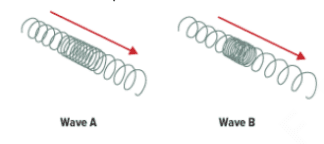
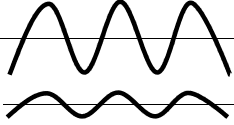


 Based on the provided sources, here is a comprehensive extraction of the information regarding the water cycle, energy transfer, and Earth's wind systems, organized into key points: The Water Cycle and Its Reservoirs • Definition: The water cycle is the continuous movement of water among various reservoirs on Earth. • Water Reservoirs: These are storage locations for water and include: ◦ Oceans, seas, and lakes. ◦ Rivers, glaciers, soil, and rocks. ◦ The atmosphere and living organisms. • Total Volume: The total amount of water on Earth does not change, even when it changes state, because it is constantly being replaced or recycled through the cycle. Main Processes and Energy Transfer The movement of water through the cycle is driven by energy (thermal energy from the Sun) and force (gravity and wind). • Energy Gain (Absorption): ◦ Melting: Water changes from a solid state (ice) to a liquid state and gains energy. ◦ Evaporation: Liquid water changes into a gas state (water vapor) by gaining thermal energy. ◦ Transpiration: A specialized type of evaporation occurring in plants where water vapor is released through tiny holes in leaves called stomata. Approximately 10% of water vapor in the air comes from transpiration. • Energy Loss (Release): ◦ Condensation: Water vapor (gas) cools down and changes back into liquid water, releasing energy. ◦ Freezing: Liquid water changes into a solid state (ice) and loses energy. • Other Key Steps: ◦ Precipitation: Water falls back to Earth as rain, snow, sleet, or hail (snow pellets). ◦ Runoff: Water flows over Earth's surface into streams, rivers, and eventually larger bodies of water like oceans. ◦ Collection: Rainwater is collected in different water bodies to start the cycle again. Forces Driving Water Movement • Gravity: The main force that pulls water downward. It is responsible for: ◦ Bringing precipitation (rain and snow) from clouds to the surface. ◦ Moving ice in glaciers from higher to lower elevations. ◦ Causing liquid water to flow downhill into rivers and seas. ◦ Leakage: Pulling liquid water down into the ground to reach groundwater reservoirs. • Wind: Another force that affects water movement and transports water to different locations on Earth. Atmospheric Processes • Cloud Formation: Water vapor attaches to particles such as dust or smoke in the air and condenses into tiny droplets. When millions of these droplets join, they become heavy and fall as rain. • Convection: The transfer of heat in liquids and gases. ◦ Warm air/liquid: Becomes less dense, lighter, and rises upward. ◦ Cold air/liquid: Is more dense, heavier, and moves downward to replace the warm fluid. ◦ This process leads to convection currents, which help determine regional climates and drive wind and ocean currents. Solar Radiation and Climate The amount of solar energy reaching Earth differs from place to place, which affects the weather: • Hottest Regions (Equator): Sun rays fall perpendicular (vertical). Heat is concentrated on a small area, making the weather hot. • Moderate Regions: Sun rays fall semi-inclined. Heat is distributed over a larger area, making the weather warm. • Coolest Regions (Poles): Sun rays fall very slanted (inclined). Heat is spread over a very large area, making the weather very cold. Earth's Wind System • Wind Formation: Wind is generated when warm air (heated by the Sun) rises and is replaced by cooler air flowing from nearby areas. • Factors Affecting Wind: The amount of solar radiation and the rotation of Earth determine global wind directions. • Global Wind Cycle: Unequal heating between the equator and the poles generates a constant wind system. Warm air rises at the equator and moves toward the poles, while cold air from the poles moves toward the equator. • Importance: If there were no wind, the equator would become extremely hot, the poles would freeze solid, and many ecosystems would disappear. Practical Examples • Turkey’s Salt Lake: High evaporation in the summer can turn this large lake into a small puddle or dry it up completely. It is a critical site for flamingos, which migrate there to breed and feed on algae in the shallow, warm water.All animals, most protists, all fungi, and many bacteria are het- erotrophs. Unlike autotrophs, heterotrophs cannot manufacture their own food. Instead, they get energy by eating other organisms or organic wastes. Ecologically speaking, heterotrophs are consumers. They obtain energy by consuming organic molecules made by other organisms. Consumers can be grouped according to the type of food they eat. Herbivores eat producers. An antelope that eats grass is a herbivore. Carnivores eat other consumers. Lions, cobras, and praying mantises are examples of carnivores. Omnivores eat both producers and consumers. The grizzly bear, whose diet ranges from berries to salmon, is an omnivore. Detritivores (dee-TRIET-uh-VAWRZ) are consumers that feed on the “garbage” of an ecosystem. This waste, or detritus, includes organisms that have recently died, fallen leaves, and animal wastes. The vulture shown in Figure 18-8 is a detritivore. Many bacteria and fungi are detritivores that cause decay by breaking down complex molecules into simpler molecules. So, they are specifically called decomposers. Some of the molecules released during decay are absorbed by the decomposers, and some are returned to the soil or water. Decomposers make the nutrients that were contained in detritus available again to the autotrophs in the ecosystem. Thus, the process of decomposition recycles chemical nutrients. Copyright © by Holt, Rinehart and Winston. All rights reserved. 368 CHAPTER 18 ENERGY FLOW When one organism eats another, molecules are metabolized and energy is transferred. As a result, energy flows through an ecosystem, moving from producers to consumers. One way to follow the pattern of energy flow is to group organisms in an ecosystem based on how they obtain energy. An organism’s trophic (TRAHF-ik) level indicates the organism’s position in a sequence of energy transfers. For exam- ple, all producers belong to the first trophic level. Herbivores belong to the second trophic level, and the predators belong to the third level. Most terrestrial ecosystems have only three or four trophic lev- els, whereas marine ecosystems often have more. Food Chains and Food Webs A food chain is a single pathway of feeding relationships among organisms in an ecosystem that results in energy transfer. A food chain may begin with grass, which is a primary producer. The chain may continue with a consumer of grass seeds—a meadow mouse. Next, a carnivorous snake may kill and eat the mouse. A hawk then may eat the snake, as shown in Figure 18-9. The feeding relationships in an ecosystem are usually too com- plex to be represented by a single food chain. Many consumers eat more than one type of food. In addition, more than one species of consumer may feed on the same organism. Many food chains inter- link, and a diagram of the feeding relationships among all the organisms in an ecosystem would resemble a web, as shown in Figure 18-10. For this reason, the interrelated food chains in an ecosystem are called a food web.Most of the functions of a eukaryotic cell are controlled by the nucleus, shown in Figure 4-12. The nucleus is filled with a jellylike liquid called the nucleoplasm, which holds the contents of the nucleus and is similar in function to a cell’s cytoplasm. The nucleus houses and protects the cell’s genetic information. The hereditary information that contains the instructions for the structure and function of the organism is coded in the organism’s DNA, which is contained in the nucleus. When a cell is not dividing, the DNA is in the form of a threadlike material called chromatin. When a cell is about to divide, the chromatin condenses to form chromosomes. Chromosomes are structures in the nucleus made of DNA and protein. The nucleus is the site where DNA is transcribed into ribonucleic acid (RNA). RNA moves through nuclear pores to the cytoplasm, where, depending on the type of RNA, it carries out its function. Nuclear Envelope The nucleus is surrounded by a double membrane called the nuclear envelope. The nuclear envelope is made up of two phos- pholipid bilayers. Covering the surface of the nuclear envelope are tiny, protein-lined holes, which are called nuclear pores. The nuclear pores provide passageways for RNA and other materials to enter and leave the nucleus. Nucleolus Most nuclei contain at least one denser area, called the nucleolus (noo-KLEE-uh-luhs). The nucleolus (plural, nucleoli) is the site where DNA is concentrated when it is in the process of making ribosomal RNA. Ribosomes (RIE-buh-SOHMZ) are organelles made of protein and RNA that direct protein synthesis in the cytoplasm. The nucleus of a cell is surrounded by a double membrane called the nuclear envelope. The nucleus stores the cell’s DNA. FIGURE 4-12 Nuclear envelope Nucleolus Nuclear pores DNA (chromatin) Copyright © by Holt, Rinehart and Winston. All rights reserved. 80 CHAPTER 4 MITOCHONDRIA Mitochondria (MIET-oh-KAHN-dree-uh) (singular, mitochondrion) are tiny organelles that transfer energy from organic molecules to adenosine triphosphate (ATP). ATP ultimately powers most of the cell’s chemical reactions. Highly active cells, such as muscle cells, can have hundreds of mitochondria. Cells that are not very active, such as fat-storage cells, have few mitochondria. Like a nucleus, a mitochondrion has an inner and an outer phos- pholipid membrane, as shown in Figure 4-13. The outer membrane separates the mitochondrion from the cytosol. The inner membrane has many folds, called cristae (KRIS-tee). Cristae contain proteins that carry out energy-harvesting chemical reactions. Mitochondrial DNA Mitochondria have their own DNA and can reproduce only by the division of preexisting mitochondria. Scientists think that mito- chondria originated from prokaryotic cells that were incorporated into ancient eukaryotic cells. This symbiotic relationship provided the prokaryotic invaders with a protected place to live and pro- vided the eukaryotic cell with an increased supply of ATP. RIBOSOMES Ribosomes are small, roughly spherical organelles that are respon- sible for building protein. Ribosomes do not have a membrane. They are made of protein and RNA molecules. Ribosome assembly begins in the nucleolus and is completed in the cytoplasm. One large and one small subunit come together to make a functioning ribosome, shown in Figure 4-14. Some ribosomes are free within the cytosol. Others are attached to the rough endoplasmic reticulum.LESSON 4. Cellular Respiration • Define cellular respiration • Identify the stages of clan respiration You have just learned how the energy from the sun is captured, processed, and stored in the form of glucose. Cellular respiration, another important life process, is the means by which cells release the stored energy in glucose to make adenosine triphosphate (ATP). The primary goal of this life process is to convert stored energy into usable form, such as ATP, for the cells to carry out their functions. Cellular respiration involves several chemical reactions. The reactions can be summed up in the following equation: C6 H12 O6 + 602 ----- 6 CO₂ +6H₂O + ATP Glucose oxygen carbon dioxide water energy Aerobic respiration reactions, or cellular respiration that takes place in the presence of oxygen, can be grouped into three stages glycolysis, Krebs cycle, and electron transport chain (ETC). Stage 1: Glycolysis Glycolysis is the process that breaks down one molecule of 6-C glucose into 3-C pyruvates or pyruvic acids. It also releases four molecules of ATP. This process occurs in the cytoplasm of the cell. The following is the step-by-step process of glycolysis. Take note that several enzymes are involved in this process. 1. The first step of glycolysis requires energy. It can only proceed when the two ATP molecules donate energy to the glucose by transferring a phosphate group with the help of an enzyme, producing glucose 6-phosphate 2. Then, a specific enzyme promotes the rearrangement of the atoms, producing the fructose 6-phosphate. 3. The action of the enzyme in step 2 promotes the transfer of a phosphate group from another ATP molecule, forming fructose 1,6-bisphosphate. 4. The resulting fructose 1,6-bisphosphate molecules, with the help of another enzyme, splits into two molecules, each with three carbon backbones. These two sugars are dihydroxyacetone phosphate and glyceraldehyde 3-phosphate. 5. Another important enzyme then rapidly interconverts the molecules of dihydro-xyacetone phosphate and glyceraldehyde 3-phosphate. This produces two molecules of glyceraldehyde 3-phosphate or 3-phosphoglyceraldehyde (PGAL) 6. The succeeding step involves another enzyme-mediated action. The hydrogen (H) from PGAL is transferred to the oxidizing agent, nicotinamide adenine dinucleotide (NAD), which forms NADH. A phosphate (P) is also added from the cytosol of the cell to oxidize the two molecules of PGAL, forming two 1.3-bisphosphoglycerate. 7. A phosphate (P) from 1,3-biphosphoglycerate is transferred to ADP to form ATP. This happens for each of the two 1,3-bisphosphoglycerate. resulting to a yield of two ATP and two 3-phosphoglycerate molecules. 8. A phosphate is transferred from 3-phosphoglycerate molecules from the third carbon to the second carbon, forming 2-phosphoglycerate molecules A hydrogen atom and a hydroxyl ((OH) group is released, which then combines to form water (H2O). The removal of H2O from 2-phosphoglycerate results in the formation of 2- phosphoglycerate molecules. 9. A hydrogen atom and a hydroxyl ((OH) group is released, which then combines to form water (H2O). The removal of H2O from 2-phosphoglycerate results in the formation of two phosphoenolpyruvic acid (PEP) 10. Phosphate (P) from PEP is transferred to ADP (and forms ATP) and the final product, pyruvic acid. This reaction yields two molecules of pyruvic acid and two ATP molecules In summary, a single glucose molecule that undergoes the process of glycolysis produces two molecules of pyruvic acid, four molecules of ATP, two molecules of NADEL and two molecules of H.O. However, only two molecules of ATP are counted as net products since two molecules of ATP are spent throughout the process. Stage II: Krebs Cycle The Krebs cycle, named after its proponent Sir Hans Adolf Krebs, is a cyclical series of enzyme-controlled reactions. This stage of cellular respiration occurs in the matrix of the mitochondria. It is sometimes. called the citric acid cycle (CAC) since it produces citric acid. Citric acid contains three carboxyl (COOH) groups; hence, it is also called the tricarboxylic acid cycle (TCA). This requires the pyruvic acids produced during glycolysis. The main function of this cycle is to produce high-energy-yielding molecules, namely, NADH and flavin adenine dinucleotide (FADH) that will later on be used in the electron transport chain reaction. Figure 6-7. Summary of glycolysis and corresponding products in each reaction presented (See Appendix F on page 285 for an enlarged and complete version of the image.) An initial process is needed for the Krebs cycle to begin. As a pyruvate molecule from glycolysis enters the mitochondrion, it undergoes an important preliminary ate to form acetyl-CoA reaction. Coenzyme-A (COA) combines with pyruvate help of an enzymatic complex. This conversion also produces CO, and NADH. The Krebs cycle is summarized as follows. Take note that several enzymes are involved in this process. 1. The Krebs cycle technically begins when the acetyl-CoA combines with oxaloacetic acid (OAA), a 4-C molecule, to produce citric acid, a 6-C molecule. 2. With the aid of an enzyme, the citric acid now goes through a series of reactions that releases energy. Water molecule is removed from the citric acid and is returned in a different location. The-OH group is repositioned, forming the molecule isocitrate. 3. Isocitrate is then oxidized, forming the a-ketoglutarate, a 5-C molecule. The byproducts of this reaction are NADH and CO, 4 The a-ketoglutarate loses its CO, and a coenzyme-A is added in its place. The decarboxylation occurs with the help of NAD, which then becomes NADH. The resulting molecule is called succinyl-CoA. 5. Succinyl-CoA is converted into succinate. Also in this reaction, a molecule of guanosine triphosphate (GTP) is synthesized. The GTP molecule has similar structure and energy properties to that of ATP and is used by cells the same way. The free phosphate group attacks the succinyl-CoA molecule, which detaches the COA. Then, phosphate is attached to GDP to come up with GTP, similar to the process that occur in ATP synthesis (from ADP to ATP). 6. Two hydrogens are removed from succinate, A molecule of flavin adenine dinucleotide (FAD), a coenzyme similar to NAD, is reduced to FADH, as it takes the hydrogens from the succinate. This reaction produces the fumarate. 7. Fumarate is then converted into malate as the addition of a water molecule is catalyzed. The final reaction is the regeneration of oxaloacetate. The resulting byproduct of this regeneration is NADH Recall that two pyruvate molecules were produced during glycolysis, causing the Krebs cycle to turn twice. Each tuts produces three molecules of NADH, single ATH one FADIH, and the by-product CO, which is exhaled. Stage III: Electron Transport Chain The electron transport chain (ETC) is a series of photon pumps on the inner membrane of the mitochondrion. Electron transport is the last stage of the cellular respiration. In this stage, the energy from NADH and FADH, from the Krebs cycle is transferred to ADP to produce ATP. This process is generally known as oxidative phosphorylation. This energy coupling mechanism in the cell was revealed by the work of Peter stored energy in the form of proton (1) gradient to phosphorylate (add phosphate) ADP and produce ATP. The pumping of hydrogen sons across the inner membrane creates higher concentration ions in the inner membrane than on the outside of the membrane. This chemiosmotic gradient causes the ions to flow back across the membrane where the concentration of ions is lower. ATP synthase lined in the matrix serve as a channel protein, helping the ions to move across the membrane. The chemiosmotic gradient powers the phosphorylation of ADP to ATP, which also occurs in the ATP synthase. After passing through the ETC, the oxygen, being the final hydrogen acceptor, combines with two electrons and two protons, forming a water molecule. Water is a by-product of cellular respiration and is excreted. MINI TEST 6-3 1. Which energy-releasing pathway yields the most ATF in each glucose molecule? 2. Briefly describe the two stages of aerobic respiration that follow glycolysis: (a) Krebs cycle (b) Electron transport chain Anaerobic Respiration Most cells carry out arrobic respiration when oxygen is present. Aerobic respiration is an efficient process that yields a lot of ATP. However, many organisms thrive in mud, marshes, animal gut, canned goods, sewage treatment pond, and deep oceans where oxygen is scarce. Organisms that can live without oxygen are called anaerobes. Cellular respiration that proceeds without the presence of oxygen is called anaerobic respiration. In the event that the oxygen supply becomes low, aerobic cells also perform fermentation and lactic acid fermentation anaerobic pathways. There are two common anaerobic pathways in these cells, alcoholic fermentation and lactic acid fermentation. In alcoholic fermentation, ethyl alcohol and carbon dioxide are produced by some cells using the pyruvate from glycolysis. Each pyruvate molecule is rearranged into acetaldehyde and carbon dioxide, which is eventually released. NADII gives up electrons to acetaldehyde to form ethanol Fermentation is widely used in the industry. Yeast, a fungus used in making bread. can undergo anaerobic respiration. Bakers aux sugar, flour, water, and yeast to form the bread dough. The dough rises due to the carbon dioxide and alcohol released by the yeast cells trapped in air bubbles. Beer and wine manufacturers, we yeast to ferment the sugars in wheat and grape juice, forming alcoholic beverages such as beer and wine. In some cells, glycolysis produces two pyruvates, two NADH molecules, and two ATP molecules. Pyruvate itself becomes the final acceptor of the electrons from the NADH that produces the final product: lactate. Oftentimes, this product is called lactic acid. Human skeletal muscles can carry out fermentation when the blood cannot supply the cells with adequate oxygen during strenuous activities. When lactic acid builds up in the muscles, fatigue, burning sensation, and cramps result. Lactic acid will continue to build up until there is adequate supply of oxygen. Lactic acid is then converted back into pyruvate in the liver. Muscles also restore normal functions. Have you ever wondered why milk or cream turns sour after some time? Bacterial cells that undergo fermentation are responsible in producing lactate that turns the milk sour. These bacteria are used in manufacturing yogurt and sour milk products. Fermentation pathways do not breakdown and utilize the glucose completely. ATP is no longer produced beyond the process of glycolysis. Thus, energy produced is just enough for some single-celled organisms, or the energy can only be used by multicellular organisms for a short period.Make a test, with answers best on the following: Conduct an investigation to provide evidence that living things are made of cells; either one cell or many different numbers and types of cells. Supporting Content LS1.A: Structure and Function • All living things are made up of cells, which is the smallest unit that can be said to be alive. An organism may consist of one single cell (unicellular) or many different numbers and types of cells (multicellular). (MS-LS-1.1) Further Explanation: Emphasis is on developing evidence that living things are made of cells, distinguishing between living and non-living things, and understanding that living things may be made of one cell or many and varied cells. In multicellular organisms, the body is a system of multiple interacting subsystems. These subsystems are groups of cells that work together to form tissues and organs that are specialized for particular body functions. (MS-LS-1.3) Further Explanation: Emphasis is on the conceptual understanding that cells form tissues and tissues form organs specialized for particular body functions. Examples could include the interaction of subsystems within a system and the normal functioning of those systems. Organisms reproduce, either sexually or asexually, and transfer their genetic information to their offspring. (MS-LS-1.4) • Living things share certain characteristics. (These include response to environment, reproduction, energy use, growth and development, life cycles, made of cells, etc.) (MS-LS1.4) Further Explanation: Examples should include both biotic and abiotic items, and should be defended using accepted characteristics of life. Plants, algae (including phytoplankton), and many microorganisms use the energy from light to make sugars (food) from carbon dioxide from the atmosphere and water through the process of photosynthesis, which also releases oxygen. These sugars can be used immediately or stored for growth or later use. (MS-LS-1.5) Further Explanation: Emphasis is on tracing movement of matter and flow of energy. Supporting Content LS1.C: Organization for Matter and Energy Flow in Organisms • Within individual organisms, food moves through a series of chemical reactions (cellular respiration) in which it is broken down and rearranged to form new molecules, to support growth, or to release energy. (MS-LS-1.6) Further Explanation: Emphasis is on describing that molecules are broken apart and put back together and that in this process, energy is released and on understanding that the elements in the products are the same as the elements in the reactants. Organisms, and populations of organisms, are dependent on their environmental interactions both with other living things and with nonliving factors. (MS-LS-2.1) • In any ecosystem, organisms and populations with similar requirements for food, water, oxygen, or other resources may compete with each other for limited resources, access to which consequently constrains their growth and reproduction. (MS-LS-2.1) • Growth of organisms and population increases are limited by access to resources. (MS-LS-2.1) Further Explanation: Emphasis is on cause and effect relationships between resources and growth of individual organisms and the numbers of organisms in ecosystems during periods of abundant and scarce resources. Similarly, predatory interactions may reduce the number of organisms or eliminate whole populations of organisms. Mutually beneficial interactions, in contrast, may become so interdependent that each organism requires the other for survival. Although the species involved in these competitive, predatory, and mutually beneficial interactions vary across ecosystems, the patterns of interactions of organisms with their environments, both living and nonliving, are shared. (MS-LS-2.2) Further Explanation: Emphasis is on predicting consistent patterns of interactions in different ecosystems in terms of the relationships among and between organisms and abiotic components of ecosystems. Examples of types of interactions could include competitive, predatory, and mutually beneficial. Food webs are models that demonstrate how matter and energy is transferred between producers, consumers, and decomposers as the three groups interact within an ecosystem. Transfers of matter into and out of the physical environment occur at every level. Decomposers recycle nutrients from dead plant or animal matter back to the soil in terrestrial environments or to the water in aquatic environments. The atoms that make up the organisms in an ecosystem are cycled repeatedly between the living and nonliving parts of the ecosystem. (MS-LS-2.3) Further Explanation: Emphasis is on describing the conservation of matter and flow of energy into and out of various ecosystems, and on defining the boundaries of the system. Ecosystems are dynamic in nature; their characteristics can vary over time. Disruptions to any physical or biological component of an ecosystem can lead to shifts in all its populations. (MSLS-2.5) Further Explanation: Emphasis is on recognizing patterns in data and making warranted inferences about changes in populations, and on evaluating empirical evidence supporting arguments about changes to ecosystems. Biodiversity describes the variety of species found in Earth’s terrestrial and oceanic ecosystems. The completeness or integrity of an ecosystem’s biodiversity is often used as a measure of its health. (MS-LS-2.6) Supporting Content LS4.D: Biodiversity • Changes in biodiversity can influence humans’ resources, such as food, energy, and medicines, as well as ecosystem services that humans rely on—for example, water purification and recycling. (MS-LS-2.6) Supporting Content ETS1.B: Developing Possible Solutions • There are systematic processes for evaluating solutions with respect to how well they meet the criteria and constraints of a problem. (MS-LS-2.6) Further Explanation: Examples of ecosystem services could include water purification, nutrient recycling, and prevention of soil erosion. Examples of design solution constraints could include scientific, economic, and social considerations. Genes are located in the chromosomes of cells, with each chromosome pair containing two variants of each of many distinct genes. Each distinct gene chiefly controls the production of specific proteins, which in turn affects the traits of the individual. Structural changes to genes (mutations) can result in changes to proteins, which can affect the structures and functions of the organism and thereby change traits. (MS-LS-3.1) Supporting Content LS3.B: Variation of Traits • In addition to variations that arise from sexual reproduction, genetic information can be altered because of mutations. Though rare, mutations may result in significant changes to the structure and function of proteins. Changes can be beneficial, harmful, or neutral to the organism. (MS-LS-3.1) Further Explanation: Emphasis is on conceptual understanding that changes in genetic material may result in making different proteins. Organisms reproduce, either sexually or asexually, and transfer their genetic information to their offspring. (MS-LS-3.2) Supporting Content LS3.A: Inheritance of Traits • Variations of inherited traits between parent and offspring arise from genetic differences that result from the subset of chromosomes (and therefore genes) inherited. (MS-LS-3.2) Supporting Content LS3.B: Variation of Traits • In sexually reproducing organisms, each parent contributes half of the genes acquired (at random) by the offspring. Individuals have two of each chromosome and hence two alleles of each gene, one acquired from each parent. These versions may be identical or may differ from each other. (MS-LS-3.2) Further Explanation: Emphasis is on using models such as simple Punnett squares and pedigrees, diagrams, and simulations to describe the cause and effect relationship of gene transmission from parent(s) to offspring and resulting genetic variation. The collection of fossils and their placement in chronological order is known as the fossil record and documents the change of many life forms throughout the history of the Earth. Anatomical similarities and differences between various organisms living today and between living and once living organisms in the fossil record enable the classification of living things. (MS-LS-4.1, MS-LS-4.2) Further Explanation: Emphasis is on finding patterns of changes in the level of complexity of anatomical structures in organisms and the chronological order of fossil appearance in the rock layers. The collection of fossils and their placement in chronological order is known as the fossil record and documents the change of many life forms throughout the history of the Earth. Anatomical similarities and differences between various organisms living today and between living and once living organisms in the fossil record enable the classification of living things. (MS-LS-4.1, MS-LS-4.2) Further Explanation: Emphasis is on explanations of the relationships among organisms in terms of similarity or differences of the gross appearance of anatomical structures. Scientific genus and species level names indicate a degree of relationship. (MS-LS-4.3) Further Explanation: Emphasis is on inferring general patterns of relatedness among structures of different organisms by comparing diagrams, pictures, specimens, or fossils. Natural selection leads to the predominance of certain traits in a population, and the suppression of others. (MS-LS-4.4) Further Explanation: Emphasis is on using concepts of natural selection, including overproduction of offspring, passage of time, variation in a population, selection of favorable traits, and heritability of traits. In artificial selection, humans have the capacity to influence certain characteristics of organisms by selective breeding. One can choose desired parental traits determined by genes, which are then passed to offspring. (MS-LS-4.5) Further Explanation: Emphasis is on identifying and communicating information from reliable sources about the influence of humans on genetic outcomes in artificial selection (such as genetic modification, animal husbandry, gene therapy), and on the influence these technologies have on society as well as the technologies leading to these scientific discoveries. Adaptation by natural selection acting over generations is one important process by which species change over time in response to changes in environmental conditions. Traits that support successful survival and reproduction in the new environment become more common; those that do not become less common. Thus, the distribution of traits in a population changes. (MS-LS-4.6) Further Explanation: Emphasis is on using mathematical models, probability statements, and proportional reasoning to support explanations of trends in changes to populations over time. Examples could include Peppered Moth population changes before and after the industrial revolution. Key Word Definition
Aid Assistance in the form of grants or loans at below market rates. For example, the UK provided aid to Nepal after the 2015 earthquake to help with reconstruction efforts.
Barriers to Trade Government constraints on the flow of international goods and services, such as tariffs and quotas. For example, the European Union imposes tariffs on certain agricultural products to protect its farmers.
BRICS An acronym for an association of five major emerging nations: Brazil, Russia, India, China, and South Africa. For example, BRICS nations often meet to discuss economic cooperation and development strategies.
Demographic Aging The rise in the median age of a population. For example, Japan is experiencing demographic aging, with a significant increase in the elderly population.
Economic Core Region The most highly developed region(s) in a country. For example, London is considered an economic core region in the UK due to its high level of development and economic activity.
GNP (Gross National Product) GDP plus overseas earnings, also known as GNI (Gross National Income). For example, the GNP of the United States includes the value of goods and services produced domestically and the income earned by its citizens abroad.
HIC (Higher Income Country) A country with a high level of income and development. For example, Germany is classified as a higher income country due to its high GDP per capita and advanced infrastructure.
NEE (Newly Emerging Economy) A country that is experiencing rapid economic growth and industrialisation. For example, China is an example of a newly emerging economy, having rapidly industrialised and grown economically over the past few decades.
LIC (Lower Income Country) A country with a low level of income and development. For example, Malawi is considered a lower income country, with a low GDP per capita and limited access to healthcare and education.
GDHI (Gross Disposable Household Income) The amount of money that households have available for spending and saving after taxes and social contributions. For example, in the UK, the GDHI varies significantly between regions, with London having one of the highest levels.
Gini Coefficient A measure of income inequality within a population, ranging from 0 (perfect equality) to 100 (perfect inequality). For example, South Africa has a high Gini coefficient, indicating significant income inequality within the country.
Trade Unions Organisations that promote trade between member countries, such as the East African Community (EAC). For example, the East African Community (EAC) works to promote economic integration and trade among its member states.
Fair Trade A movement aimed at helping producers in developing countries achieve better trading conditions and promote sustainability. For example, Fairtrade coffee ensures that farmers receive a fair price for their product and work under safe conditions.
FDI (Foreign Direct Investment) Investment made by a company or individual in one country in business interests in another country. For example, Toyota's investment in manufacturing plants in the UK is an example of foreign direct investment.
Debt Relief The partial or total remission of debts, especially those owed by developing countries to external creditors. For example, the Heavily Indebted Poor Countries (HIPC) initiative provides debt relief to eligible countries to help them achieve sustainable development.
International Aid Voluntary transfer of resources from one country to another, often in the form of financial assistance, goods, or services. For example, the UK provides international aid to various countries through its Department for International Development (DFID).
Top-Down Development Large-scale development projects led by national governments or international organisations. For example, the construction of the Three Gorges Dam in China is an example of a top-down development project.
Bottom-Up Development Small-scale development projects led by local communities or NGOs, focusing on the needs of the poorest and most vulnerable. For example, WaterAid's installation of hand pumps in rural villages in Africa is an example of a bottom-up development project.
Urbanisation The increase in the proportion of people living in urban areas compared to rural areas. For example, rapid urbanisation in India has led to the growth of megacities like Mumbai and Delhi.
Geopolitics The study of the effects of geography (human and physical) on international politics and relations. For example, the geopolitics of the Arctic region involves disputes over territorial claims and access to natural resources.
Quality of Life The general well-being of individuals and societies, outlining negative and positive features of life. For example, Scandinavian countries are often ranked high in quality of life due to their strong social welfare systems and high levels of happiness.
Poverty Cycle A set of factors or events by which poverty, once started, is likely to continue unless there is outside intervention. For example, lack of education and healthcare can trap families in a poverty cycle, making it difficult for future generations to improve their living standards.
Sustainable Development Economic development that is conducted without depletion of natural resources. For example, the use of renewable energy sources like wind and solar power is a key aspect of sustainable development.
Humanitarian Aid Material or logistical assistance provided for humanitarian purposes, typically in response to crises including natural disasters and man-made disaster. For example, humanitarian aid was provided to Haiti after the devastating earthquake in 2010 to help with immediate relief efforts.
Economic Growth An increase in the production of goods and services in an economy over a period of time. For example, China's economic growth over the past few decades has lifted millions of people out of poverty.
Social Indicators Measures that describe the well-being of individuals or communities, such as health, education, and income. For example, life expectancy and literacy rates are common social indicators used to assess development.
Environmental Sustainability Responsible interaction with the environment to avoid depletion or degradation of natural resources and allow for long-term environmental quality. For example, practices like recycling and conservation of natural habitats contribute to environmental sustainability.
Infrastructure The basic physical and organisational structures and facilities needed for the operation of a society or enterprise. For example, good infrastructure, such as roads, bridges, and schools, is essential for economic development.
Globalisation The process by which businesses or other organisations develop international influence or start operating on an international scale. For example, the globalisation of technology companies like Apple and Google has led to their products being available worldwide.
Microfinance Financial services provided to low-income individuals or groups who are typically excluded from traditional banking. For example, microfinance institutions like Grameen Bank provide small loans to entrepreneurs in developing countries to help them start or expand their businesses.
Introduction to Hedging Instruments: Forwards, Futures, Options, and Swaps Hedging instruments are financial tools used by businesses and investors to mitigate risk. These instruments help protect against adverse price movements in assets such as commodities, currencies, interest rates, or securities. The four main hedging instruments are forwards, futures, options, and swaps. 1. Forwards A forward contract is a customised agreement between two parties to buy or sell an asset at a predetermined price on a specified future date. Key Characteristics: Over-the-counter (OTC): Traded directly between parties, not on an exchange. Customisation: Can be tailored to suit the needs of the parties involved. Settlement: Occurs at the end of the contract, which may involve physical delivery or cash settlement. Risk: Forwards carry counter-party risk, as there is a possibility one party may default. Example: A company that needs to import raw materials in six months may enter into a forward contract to lock in the current price, avoiding the risk of price increases. 2. Futures A futures contract is similar to a forward, but it is standardised and traded on an exchange. This standardisation eliminates counter-party risk. Key Characteristics: Standardised: Contract size, expiration, and other terms are fixed by the exchange. Mark-to-market: Gains and losses are settled daily. Liquidity: Futures are highly liquid because they are traded on exchanges. Regulation: As they are traded on formal exchanges, they are more regulated than forwards. Example: A wheat farmer may sell futures contracts to hedge against a possible decline in wheat prices before harvest. 3. Options Options provide the right, but not the obligation, to buy or sell an asset at a specified price on or before a certain date. There are two types of options: call options and put options. Call Option: Gives the holder the right to buy an asset at a predetermined price. Put Option: Gives the holder the right to sell an asset at a predetermined price. Key Characteristics: Premium: The buyer pays a premium upfront to obtain the option. Limited Risk: The maximum loss is limited to the premium paid. Flexibility: Options can be used for speculative or hedging purposes. Example: An investor holding stocks may buy a put option to protect against potential declines in the stock's price. 4. Swaps A swap is a contract in which two parties agree to exchange cash flows or liabilities over a specific period. The most common types are interest rate swaps and currency swaps. Key Characteristics: Customizable: Like forwards, swaps are often tailored to meet the needs of the parties involved. Counterparty Risk: Swaps are typically OTC instruments, exposing parties to default risk. Common Uses: Used to manage interest rate risk or currency risk. Example: A company with a variablerate loan may enter into an interest rate swap to exchange its variable payments for fixedrate payments, thus locking in stable costs. Hedging instruments are essential for managing financial risk in volatile markets. Each instrument serves different purposes, with varying levels of complexity, risk, and customization. Whether through forwards, futures, options, or swaps, businesses can better plan for the future by reducing exposure to uncertain price fluctuations. Hedging Strategies for Market Risk, Credit Risk, and Currency Risk 1. Hedging Strategies for Market Risk Market risk (also known as systematic risk) arises from fluctuations in asset prices, such as stocks, bonds, commodities, and interest rates, due to economic factors or market volatility. Key Hedging Instruments for Market Risk: Derivatives (Options, Futures, and Forwards): These instruments allow investors to hedge against unfavorable price movements in stocks, commodities, or interest rates. Example: An investor holding a large stock portfolio might buy a put option to protect against a potential market downturn. If the market declines, the put option increases in value, offsetting losses in the portfolio. Short Selling: Investors can sell borrowed assets with the expectation of buying them back at a lower price, profiting from the decline. Example: A fund manager expecting a market decline may short sell stocks to hedge a portfolio against losses. Common Hedging Strategies: Portfolio Diversification: Reducing market risk by spreading investments across various asset classes (stocks, bonds, commodities) and sectors. Using Index Futures: Large portfolios can be hedged using index futures that track the performance of the overall market. If the market declines, profits from the short position in the futures contract will offset losses in the portfolio. Risk Parity: Allocating assets based on the level of risk rather than the dollar amount invested, balancing risk exposure across asset classes. 2. Hedging Strategies for Credit Risk Credit risk refers to the possibility that a borrower will default on a debt obligation. This is especially important for banks, lenders, and institutions dealing with bonds and loans. Key Hedging Instruments for Credit Risk: Credit Default Swaps (CDS): A financial derivative where the buyer of a CDS pays a premium to the seller in exchange for protection against a default on a loan or bond. Example: A bank holding corporate bonds can buy a CDS to ensure they are compensated if the issuing company defaults. Collateralised Debt Obligations (CDOs): These instruments pool together various debt instruments and allow risk to be distributed among multiple investors. Credit Insurance: Companies may use insurance to protect against the risk of a customer defaulting on payments. Common Hedging Strategies: Diversification of Loan Portfolio: Spreading out credit exposures across various industries, geographies, and borrower profiles reduces the overall risk of default. Tightening Lending Standards: Limiting exposure to highrisk borrowers by implementing stringent credit assessments. AssetBacked Securities: Banks can sell loans or bonds packaged as assetbacked securities to reduce their exposure to credit risk. 3. Hedging Strategies for Currency Risk Currency risk (or exchange rate risk) arises from fluctuations in foreign exchange rates, which can affect companies involved in international trade or with investments in foreign countries. Key Hedging Instruments for Currency Risk: Forward Contracts: A firm agrees to exchange a specified amount of currency at a predetermined exchange rate on a future date. Example: A U.S. exporter expecting payment in euros might enter into a forward contract to sell euros and lock in a favorable exchange rate. Currency Options: These give the right, but not the obligation, to buy or sell currency at a specific price. Example: A U.S.based company buying goods from Japan might buy a call option on the yen to hedge against the risk of yen appreciation. Currency Swaps: Two parties exchange interest payments and principal in different currencies to hedge against exchange rate fluctuations. Common Hedging Strategies: Natural Hedging: Companies can offset currency risk by balancing foreign revenue with costs in the same currency. For example, if a company generates revenue in euros, it can also incur expenses in euros, reducing exposure to exchange rate fluctuations. Multi-Currency Invoicing: Firms can invoice in their home currency, shifting the currency risk to the buyer. Currency Diversification: Holding a diversified basket of currencies can reduce exposure to large fluctuations in any one currency. Effective hedging strategies are crucial for managing various types of risks in financial markets. Market risk can be managed using instruments like futures and options, while credit risk can be mitigated through diversification and credit derivatives. Currency risk, often faced by multinational firms, can be hedged using forward contracts, options, or swaps. Each strategy helps firms and investors protect their portfolios, ensure financial stability, and reduce the impact of adverse movements in the financial markets. Portfolio Risk Management Techniques: Diversification, Asset Allocation, and Risk Budgeting Managing risk is a fundamental aspect of portfolio management. Investors use various techniques to control and reduce the risks inherent in investing. Three key techniques used in portfolio risk management are diversification, asset allocation, and risk budgeting. Each of these techniques helps in mitigating potential losses while aiming to achieve the desired return. 1. Diversification Diversification is a risk management strategy that involves spreading investments across different assets, sectors, or geographic regions to reduce exposure to any single risk. The idea is that different assets perform differently under various market conditions, so losses in one investment can be offset by gains in others. Key Benefits of Diversification: Reduction of Unsystematic Risk: Unsystematic risk, which is unique to a specific company or industry, can be reduced by holding a variety of investments that respond differently to market conditions. Improved Stability: A diversified portfolio is less volatile, as the negative performance of one asset can be balanced by the positive performance of others. Methods of Diversification: Across Asset Classes: Investing in a mix of asset classes such as stocks, bonds, commodities, and real estate. Example: A portfolio with 60% equities, 30% bonds, and 10% commodities is more diversified than one solely consisting of stocks. Within Asset Classes: Diversifying within a single asset class (e.g., holding stocks from different sectors like technology, healthcare, and energy). Geographic Diversification: Investing in assets across various countries or regions to mitigate country-specific risks. Example: Holding U.S. stocks along with emerging market equities can reduce risks related to a downturn in one country's economy. 2. Asset Allocation Asset allocation refers to the process of dividing investments among different asset classes (such as stocks, bonds, and cash) to align with an investor's risk tolerance, time horizon, and financial goals. Asset allocation plays a crucial role in portfolio risk management by determining the overall risk-return profile of the portfolio. Key Elements of Asset Allocation: Strategic Asset Allocation: A longterm approach that involves setting target allocations for different asset classes based on financial goals and risk tolerance. Example: A young investor with a longterm horizon might allocate 70% to stocks, 20% to bonds, and 10% to cash. Tactical Asset Allocation: A more active approach that involves adjusting the asset mix in response to short-term market conditions. Example: If the investor expects an economic downturn, they might temporarily reduce exposure to equities and increase exposure to bonds. Types of Asset Allocation Models: Conservative: Focuses on preserving capital with a larger allocation to bonds and cash (e.g., 20% stocks, 80% bonds). Balanced: A moderate risk approach with an equal focus on growth and income (e.g., 50% stocks, 50% bonds). Aggressive: Targets higher returns by investing predominantly in equities, accepting higher risk (e.g., 80% stocks, 20% bonds). Example of Asset Allocation: A 40 year old investor with moderate risk tolerance may allocate their portfolio as follows: 50% equities, 40% bonds, and 10% in alternative investments such as real estate or commodities. The equities provide growth potential, while the bonds and alternative assets offer stability and income. 3. Risk Budgeting Risk budgeting is a method of allocating risk across different components of a portfolio, rather than focusing solely on returns. The goal is to optimise the portfolio’s risk-return profile by distributing risk in a way that aligns with the investor’s objectives and risk tolerance. Key Concepts of Risk Budgeting: Risk Contribution: Each asset class or investment in the portfolio contributes a certain amount of risk (measured by metrics such as volatility or Value at Risk). Risk budgeting ensures that no single asset class dominates the overall risk of the portfolio. Example: A portfolio may contain 60% stocks and 40% bonds, but if the stocks are highly volatile, they may contribute 90% of the portfolio's risk. Target Risk: Investors set a maximum acceptable level of risk (e.g., a portfolio volatility of 10%) and allocate investments so that the total risk remains within this target. Techniques in Risk Budgeting: Risk Parity: Allocates risk evenly across asset classes, rather than allocating capital based solely on return expectations. Example: In a risk-parity portfolio, both bonds and stocks might be balanced in such a way that they contribute equally to the overall portfolio risk, even though the dollar investment in bonds may be larger due to their lower volatility. Value at Risk (VaR): This technique measures the potential loss in a portfolio over a specific time period, under normal market conditions, at a given confidence level. The risk budget ensures that the potential loss stays within acceptable limits. Example of Risk Budgeting: An investor targets an overall portfolio risk of 8% volatility. After analyzing the risk contribution of each asset class, they determine that equities, which currently make up 60% of the portfolio, contribute 70% of the risk. To adhere to the risk budget, the investor may reduce their equity exposure and increase their allocation to bonds or other less volatile assets. Diversification, asset allocation, and risk budgeting are complementary techniques used in portfolio risk management. Diversification reduces unsystematic risk by spreading investments across various assets. Asset allocation ensures that investments align with an investor's goals and risk tolerance. Risk budgeting focuses on managing the contribution of risk from each asset class to create a balanced and efficient portfolio. Together, these strategies help investors achieve a balance between risk and return, ensuring longterm portfolio stability. Risk Mitigation Through Insurance, Securitisation, and Other Financial Engineering Techniques Risk mitigation is a core objective in financial management, and various strategies can be employed to reduce or manage risks. Three major approaches are insurance, securitisation, and financial engineering techniques. Each of these methods helps firms and individuals transfer, reduce, or eliminate certain financial risks. 1. Insurance as a Risk Mitigation Tool Insurance is a traditional risk transfer method that protects against financial losses by shifting the risk to an insurance company in exchange for premium payments. It is widely used to mitigate various forms of risk, such as operational, liability, and property risks. Key Aspects of Insurance for Risk Mitigation: Risk Transfer: The insurer takes on the risk in exchange for a premium, thus protecting the insured party from unexpected financial losses. Indemnity: In the event of a loss, the insurance policy compensates the insured based on the terms of the contract. Customisable Coverage: Insurance policies can be tailored to address specific risks, such as property damage, business interruption, liability, or cyber risks. Types of Insurance for Businesses: Property and Casualty Insurance: Covers physical assets like buildings, machinery, and inventory from risks like fire, theft, or natural disasters. Liability Insurance: Protects businesses against legal liabilities arising from accidents, negligence, or professional errors. Business Interruption Insurance: Compensates for lost income if a business has to halt operations due to unforeseen events. Credit Insurance: Shields companies from losses due to the nonpayment of trade receivables. 2. Securitisation as a Risk Mitigation Technique Securitisation is a financial engineering process that involves pooling various financial assets (such as loans, mortgages, or receivables) and converting them into marketable securities. This process allows firms to transfer risk to investors, thereby reducing their exposure. Key Elements of Securitisation: Risk Transfer: By securitising assets, companies can transfer the risk of default or nonpayment to investors who purchase the securities. Liquidity Creation: Securitisation converts illiquid assets (like mortgages or loans) into liquid, tradeable securities, improving cash flow for the originating firm. Diversification of Risk: Pooling assets with different risk profiles reduces the impact of individual defaults, spreading the risk across multiple investors. Common Forms of Securitisation: MortgageBacked Securities (MBS): Pools of mortgages are bundled and sold as securities to investors, transferring the risk of mortgage defaults. Example: A bank that issues home loans can bundle those loans into MBS and sell them to investors, transferring the credit risk of potential defaults. Asset-Backed Securities (ABS): Similar to MBS, but backed by other types of assets like credit card receivables, auto loans, or student loans. Collateralised Debt Obligations (CDOs): Structured financial products that pool different types of debt, such as loans and bonds, and sell them as securities with varying risk levels. Example: A bank may issue a portfolio of auto loans and then pool these loans into an assetbacked security (ABS). The ABS is sold to investors, who take on the risk of loan defaults. By securitising the loans, the bank reduces its exposure to credit risk and generates immediate cash flow. 3. Financial Engineering Techniques for Risk Mitigation Financial engineering involves the use of complex financial instruments, derivatives, and structured products to manage or mitigate financial risks. These techniques allow firms to hedge against specific risks, optimize capital structure, and improve financial stability. Common Financial Engineering Techniques: Derivatives: Financial instruments like futures, forwards, options, and swaps are used to hedge against price fluctuations, interest rate changes, or currency movements. Example: A company with significant foreign exchange exposure may use currency forwards or options to hedge against exchange rate fluctuations, ensuring predictable cash flows. Options and Futures: Options: Provides the right (but not the obligation) to buy or sell an asset at a predetermined price, allowing firms to hedge against unfavorable price movements. Example: An airline company can buy options on jet fuel to hedge against rising fuel prices. Futures: Standardized contracts to buy or sell an asset at a set price on a future date, commonly used to hedge commodities or financial assets. Example: A wheat producer may use futures contracts to lock in a favorable price for its crop, hedging against a potential price drop. Swaps: These involve the exchange of cash flows between two parties, often used to manage interest rate risk or currency risk. Interest Rate Swaps: Firms can exchange floatingrate interest payments for fixedrate payments to hedge against rising interest rates. Currency Swaps: Used to hedge exchange rate risk in crossborder transactions by exchanging principal and interest payments in different currencies. Example: A company with a variablerate loan may enter into an interest rate swap to exchange its variable payments for fixedrate payments, locking in stable costs. Structured Products: These are customised financial instruments designed to achieve specific riskreturn objectives. They often combine derivatives with other securities to create tailored risk exposures. Example: A structured note that combines a bond with an embedded option, offering downside protection while allowing for potential upside linked to the performance of an equity index. Credit Derivatives: Tools like credit default swaps (CDS) allow investors to transfer credit risk to other parties. Example: A bondholder worried about a company’s potential default may purchase a CDS, which pays out in case of a default event. Example: A company may issue a bond with an embedded call option, allowing it to repurchase the bond if interest rates decline. This financial engineering tool enables the company to mitigate the risk of rising interest rates, reducing future borrowing costs. Risk mitigation through insurance, securitisation, and financial engineering offers businesses a variety of tools to manage and transfer risks. Insurance allows for the direct transfer of risk to an insurer, while securitisation helps companies offload risk by packaging and selling assets as securities. Financial engineering techniques, including derivatives, swaps, and structured products, provide sophisticated ways to hedge market, interest rate, and currency risks. Each approach helps organizations improve financial stability, enhance liquidity, and manage potential losses in a volatile market environment.Figure 18-11 represents the amount of energy stored as organic material in each trophic level in an ecosystem. The pyramid shape of the diagram indicates the low percentage of energy transfer from one level to the next. On average, 10 percent of the total energy consumed in one trophic level is incor- porated into the organisms in the next. Why is the percentage of energy transfer so low? One reason is that some of the organisms in a trophic level escape being eaten. They eventually die and become food for decomposers, but the energy contained in their bodies does not pass to a higher trophic level. Even when an organism is eaten, some of the molecules in its body will be in a form that the consumer cannot break down and use. For example, a cougar cannot extract energy from the antlers, hooves, and hair of a deer. Also, the energy used by prey for cellu- lar respiration cannot be used by predators to synthesize new bio- mass. Finally, no transformation or transfer of energy is 100 percent efficient. Every time energy is transformed, such as during the reactions of metabolism, some energy is lost as heat. Limitations of Trophic Levels The low rate of energy transfer between trophic levels explains why ecosystems rarely contain more than a few trophic levels. Because only about 10 percent of the energy available at one trophic level is transferred to the next trophic level, there is not enough energy in the top trophic level to support more levels. Organisms at the lowest trophic level are usually much more abundant than organisms at the highest level. In Africa, for exam- ple, you will see about 1,000 zebras, gazelles, and other herbivores for every lion or leopard you see, and there are far more grasses and shrubs than there are herbivores. Higher trophic levels con- tain less energy, so, they can support fewer individuals.A population is a group of organisms that belong to the same species and live in a particular place at the same time. All of the bass living in a pond during a certain period of time make up a pop- ulation because they are isolated in the pond and do not interact with bass living in other ponds. The boundaries of a population may be imposed by a feature of the environment, such as a lake shore, or they can be arbitrarily chosen to simplify a study of the population. The humans shown in Figure 19-1 are part of the pop- ulation of a city. The properties of populations differ from those of individuals. An individual may be born, it may reproduce, or it may die. A population study focuses on a population as a whole—how many individuals are born, how many die, and so on. Population Size A population’s size is the number of individuals that the population contains. Size is a fundamental and important population property but can be difficult to measure directly. If a population is small and composed of immobile organisms, such as plants, its size can be determined simply by counting individuals. Often, though, individ- uals are too abundant, too widespread, or too mobile to be counted easily, and scientists must estimate the number of individuals in the population. Suppose that a scientist wants to know how many oak trees live in a 10 km2 patch of forest. Instead of searching the entire patch of forest and counting all the oak trees, the scientist could count the trees in a smaller section of the forest, such as a 1 km2 area. The scientist could then use this value to estimate the population of the larger area. SECTION 1 OBJECTIVES ● Describe the main properties that scientists measure when they study populations. ● Compare the three general patterns of population dispersion. ● Identify the measurements used to describe changing populations. ● Compare the three general types of survivorship curves. VOCABULARY population population density dispersion birth rate death rate life expectancy age structure survivorship curve FIGURE 19-1 A population can be widely distributed, as Earth’s human population is, or confined to a small area, as species of fish in a lake are. Copyright © by Holt, Rinehart and Winston. All rights reserved. 382 CHAPTER 19 If the small patch contains 25 oaks, an area 10 times larger would likely contain 10 times as many oak trees. A similar kind of sampling technique might be used to estimate the size of the pop- ulation shown in Figure 19-2. To use this kind of estimate, the sci- entist must assume that the distribution of individuals in the entire population is the same as that in the sampled group. Estimates of population size are based on many such assumptions, so all esti- mates have the potential for error. Population Density Population density measures how crowded a population is. This measurement is always expressed as the number of individuals per unit of area or volume. For example, the population density of humans in the United States is about 30 people per square kilome- ter. Table 19-1 shows the population sizes and densities of humans in several countries in 2003. These estimates are calculated for the total land area. Some areas of a country may be sparsely popu- lated, while other areas are very densely populated. Dispersion A third population property is dispersion (di-SPUHR-zhuhn). Dispersion is the spatial distribution of individuals within the popu- lation. In a clumped distribution, individuals are clustered together. In a uniform distribution, individuals are separated by a fairly con- sistent distance. In a random distribution, each individual’s location is independent of the locations of other individuals in the popula- tion. Figure 19-3 illustrates the three possible patterns of dispersion. Clumped distributions often occur when resources such as food or living space are clumped. Clumped distributions may also occur because of a species’ social behavior, such as when animals gather into herds or flocks. Uniform distributions may result from social behavior in which individuals within the same habitat stay as far away from each other as possible. For example, a bird may locate its nest so as to maximize the distance from the nests of other birds. These migrating wildebeests in East Africa are too numerous and mobile to be counted. Scientists must use sampling methods at several locations to monitor changes in the population size of the animals. FIGURE 19-2 TABLE 19-1 Population Size and Density of Some Countries Population size Population density Country (in millions) (in individuals/km2) China 1,289 135 India 1,069 325 United States 292 30 Russia 146 8 Japan 128 337 Mexico 105 54 Kenya 32 54 Australia 20 3 dispersion from the Latin dis-, meaning “out,” and spargere, meaning “to scatter” Word Roots and Origins Copyright © by Holt, Rinehart and Winston. All rights reserved. POPULATIONS 383 The social interactions of birds called gannets, which are shown in Figure 19-3b, result in a uniform distribution. Each gannet chooses a small nesting area on the coast and defends it from other gannets. In this way, each gannet tries to maximize its distance from all of its neighbors, which causes a uniform distribution of individuals. Few populations are truly randomly dispersed. Rather, they show degrees of clumping or uniformity. The dispersion pattern of a population sometimes depends on the scale at which the popu- lation is observed. The gannets shown in Figure 19-3b are uni- formly distributed on a scale of a few meters. However, if the entire island on which the gannets live is observed, the distribution appears clumped because the birds live only near the shore. POPULATION DYNAMICS All populations are dynamic—they change in size and composition over time. To understand these changes, scientists must know more than the population’s size, density, and dispersion. One important measure is the birth rate, the number of births occur- ring in a period of time. In the United States, for example, there are about 4 million births per year. A second important measure is the death rate, or mortality rate, which is the number of deaths in a
Based on the provided sources, here is a comprehensive extraction of the information regarding the water cycle, energy transfer, and Earth's wind systems, organized into key points: The Water Cycle and Its Reservoirs • Definition: The water cycle is the continuous movement of water among various reservoirs on Earth. • Water Reservoirs: These are storage locations for water and include: ◦ Oceans, seas, and lakes. ◦ Rivers, glaciers, soil, and rocks. ◦ The atmosphere and living organisms. • Total Volume: The total amount of water on Earth does not change, even when it changes state, because it is constantly being replaced or recycled through the cycle. Main Processes and Energy Transfer The movement of water through the cycle is driven by energy (thermal energy from the Sun) and force (gravity and wind). • Energy Gain (Absorption): ◦ Melting: Water changes from a solid state (ice) to a liquid state and gains energy. ◦ Evaporation: Liquid water changes into a gas state (water vapor) by gaining thermal energy. ◦ Transpiration: A specialized type of evaporation occurring in plants where water vapor is released through tiny holes in leaves called stomata. Approximately 10% of water vapor in the air comes from transpiration. • Energy Loss (Release): ◦ Condensation: Water vapor (gas) cools down and changes back into liquid water, releasing energy. ◦ Freezing: Liquid water changes into a solid state (ice) and loses energy. • Other Key Steps: ◦ Precipitation: Water falls back to Earth as rain, snow, sleet, or hail (snow pellets). ◦ Runoff: Water flows over Earth's surface into streams, rivers, and eventually larger bodies of water like oceans. ◦ Collection: Rainwater is collected in different water bodies to start the cycle again. Forces Driving Water Movement • Gravity: The main force that pulls water downward. It is responsible for: ◦ Bringing precipitation (rain and snow) from clouds to the surface. ◦ Moving ice in glaciers from higher to lower elevations. ◦ Causing liquid water to flow downhill into rivers and seas. ◦ Leakage: Pulling liquid water down into the ground to reach groundwater reservoirs. • Wind: Another force that affects water movement and transports water to different locations on Earth. Atmospheric Processes • Cloud Formation: Water vapor attaches to particles such as dust or smoke in the air and condenses into tiny droplets. When millions of these droplets join, they become heavy and fall as rain. • Convection: The transfer of heat in liquids and gases. ◦ Warm air/liquid: Becomes less dense, lighter, and rises upward. ◦ Cold air/liquid: Is more dense, heavier, and moves downward to replace the warm fluid. ◦ This process leads to convection currents, which help determine regional climates and drive wind and ocean currents. Solar Radiation and Climate The amount of solar energy reaching Earth differs from place to place, which affects the weather: • Hottest Regions (Equator): Sun rays fall perpendicular (vertical). Heat is concentrated on a small area, making the weather hot. • Moderate Regions: Sun rays fall semi-inclined. Heat is distributed over a larger area, making the weather warm. • Coolest Regions (Poles): Sun rays fall very slanted (inclined). Heat is spread over a very large area, making the weather very cold. Earth's Wind System • Wind Formation: Wind is generated when warm air (heated by the Sun) rises and is replaced by cooler air flowing from nearby areas. • Factors Affecting Wind: The amount of solar radiation and the rotation of Earth determine global wind directions. • Global Wind Cycle: Unequal heating between the equator and the poles generates a constant wind system. Warm air rises at the equator and moves toward the poles, while cold air from the poles moves toward the equator. • Importance: If there were no wind, the equator would become extremely hot, the poles would freeze solid, and many ecosystems would disappear. Practical Examples • Turkey’s Salt Lake: High evaporation in the summer can turn this large lake into a small puddle or dry it up completely. It is a critical site for flamingos, which migrate there to breed and feed on algae in the shallow, warm water.All animals, most protists, all fungi, and many bacteria are het- erotrophs. Unlike autotrophs, heterotrophs cannot manufacture their own food. Instead, they get energy by eating other organisms or organic wastes. Ecologically speaking, heterotrophs are consumers. They obtain energy by consuming organic molecules made by other organisms. Consumers can be grouped according to the type of food they eat. Herbivores eat producers. An antelope that eats grass is a herbivore. Carnivores eat other consumers. Lions, cobras, and praying mantises are examples of carnivores. Omnivores eat both producers and consumers. The grizzly bear, whose diet ranges from berries to salmon, is an omnivore. Detritivores (dee-TRIET-uh-VAWRZ) are consumers that feed on the “garbage” of an ecosystem. This waste, or detritus, includes organisms that have recently died, fallen leaves, and animal wastes. The vulture shown in Figure 18-8 is a detritivore. Many bacteria and fungi are detritivores that cause decay by breaking down complex molecules into simpler molecules. So, they are specifically called decomposers. Some of the molecules released during decay are absorbed by the decomposers, and some are returned to the soil or water. Decomposers make the nutrients that were contained in detritus available again to the autotrophs in the ecosystem. Thus, the process of decomposition recycles chemical nutrients. Copyright © by Holt, Rinehart and Winston. All rights reserved. 368 CHAPTER 18 ENERGY FLOW When one organism eats another, molecules are metabolized and energy is transferred. As a result, energy flows through an ecosystem, moving from producers to consumers. One way to follow the pattern of energy flow is to group organisms in an ecosystem based on how they obtain energy. An organism’s trophic (TRAHF-ik) level indicates the organism’s position in a sequence of energy transfers. For exam- ple, all producers belong to the first trophic level. Herbivores belong to the second trophic level, and the predators belong to the third level. Most terrestrial ecosystems have only three or four trophic lev- els, whereas marine ecosystems often have more. Food Chains and Food Webs A food chain is a single pathway of feeding relationships among organisms in an ecosystem that results in energy transfer. A food chain may begin with grass, which is a primary producer. The chain may continue with a consumer of grass seeds—a meadow mouse. Next, a carnivorous snake may kill and eat the mouse. A hawk then may eat the snake, as shown in Figure 18-9. The feeding relationships in an ecosystem are usually too com- plex to be represented by a single food chain. Many consumers eat more than one type of food. In addition, more than one species of consumer may feed on the same organism. Many food chains inter- link, and a diagram of the feeding relationships among all the organisms in an ecosystem would resemble a web, as shown in Figure 18-10. For this reason, the interrelated food chains in an ecosystem are called a food web.Most of the functions of a eukaryotic cell are controlled by the nucleus, shown in Figure 4-12. The nucleus is filled with a jellylike liquid called the nucleoplasm, which holds the contents of the nucleus and is similar in function to a cell’s cytoplasm. The nucleus houses and protects the cell’s genetic information. The hereditary information that contains the instructions for the structure and function of the organism is coded in the organism’s DNA, which is contained in the nucleus. When a cell is not dividing, the DNA is in the form of a threadlike material called chromatin. When a cell is about to divide, the chromatin condenses to form chromosomes. Chromosomes are structures in the nucleus made of DNA and protein. The nucleus is the site where DNA is transcribed into ribonucleic acid (RNA). RNA moves through nuclear pores to the cytoplasm, where, depending on the type of RNA, it carries out its function. Nuclear Envelope The nucleus is surrounded by a double membrane called the nuclear envelope. The nuclear envelope is made up of two phos- pholipid bilayers. Covering the surface of the nuclear envelope are tiny, protein-lined holes, which are called nuclear pores. The nuclear pores provide passageways for RNA and other materials to enter and leave the nucleus. Nucleolus Most nuclei contain at least one denser area, called the nucleolus (noo-KLEE-uh-luhs). The nucleolus (plural, nucleoli) is the site where DNA is concentrated when it is in the process of making ribosomal RNA. Ribosomes (RIE-buh-SOHMZ) are organelles made of protein and RNA that direct protein synthesis in the cytoplasm. The nucleus of a cell is surrounded by a double membrane called the nuclear envelope. The nucleus stores the cell’s DNA. FIGURE 4-12 Nuclear envelope Nucleolus Nuclear pores DNA (chromatin) Copyright © by Holt, Rinehart and Winston. All rights reserved. 80 CHAPTER 4 MITOCHONDRIA Mitochondria (MIET-oh-KAHN-dree-uh) (singular, mitochondrion) are tiny organelles that transfer energy from organic molecules to adenosine triphosphate (ATP). ATP ultimately powers most of the cell’s chemical reactions. Highly active cells, such as muscle cells, can have hundreds of mitochondria. Cells that are not very active, such as fat-storage cells, have few mitochondria. Like a nucleus, a mitochondrion has an inner and an outer phos- pholipid membrane, as shown in Figure 4-13. The outer membrane separates the mitochondrion from the cytosol. The inner membrane has many folds, called cristae (KRIS-tee). Cristae contain proteins that carry out energy-harvesting chemical reactions. Mitochondrial DNA Mitochondria have their own DNA and can reproduce only by the division of preexisting mitochondria. Scientists think that mito- chondria originated from prokaryotic cells that were incorporated into ancient eukaryotic cells. This symbiotic relationship provided the prokaryotic invaders with a protected place to live and pro- vided the eukaryotic cell with an increased supply of ATP. RIBOSOMES Ribosomes are small, roughly spherical organelles that are respon- sible for building protein. Ribosomes do not have a membrane. They are made of protein and RNA molecules. Ribosome assembly begins in the nucleolus and is completed in the cytoplasm. One large and one small subunit come together to make a functioning ribosome, shown in Figure 4-14. Some ribosomes are free within the cytosol. Others are attached to the rough endoplasmic reticulum.LESSON 4. Cellular Respiration • Define cellular respiration • Identify the stages of clan respiration You have just learned how the energy from the sun is captured, processed, and stored in the form of glucose. Cellular respiration, another important life process, is the means by which cells release the stored energy in glucose to make adenosine triphosphate (ATP). The primary goal of this life process is to convert stored energy into usable form, such as ATP, for the cells to carry out their functions. Cellular respiration involves several chemical reactions. The reactions can be summed up in the following equation: C6 H12 O6 + 602 ----- 6 CO₂ +6H₂O + ATP Glucose oxygen carbon dioxide water energy Aerobic respiration reactions, or cellular respiration that takes place in the presence of oxygen, can be grouped into three stages glycolysis, Krebs cycle, and electron transport chain (ETC). Stage 1: Glycolysis Glycolysis is the process that breaks down one molecule of 6-C glucose into 3-C pyruvates or pyruvic acids. It also releases four molecules of ATP. This process occurs in the cytoplasm of the cell. The following is the step-by-step process of glycolysis. Take note that several enzymes are involved in this process. 1. The first step of glycolysis requires energy. It can only proceed when the two ATP molecules donate energy to the glucose by transferring a phosphate group with the help of an enzyme, producing glucose 6-phosphate 2. Then, a specific enzyme promotes the rearrangement of the atoms, producing the fructose 6-phosphate. 3. The action of the enzyme in step 2 promotes the transfer of a phosphate group from another ATP molecule, forming fructose 1,6-bisphosphate. 4. The resulting fructose 1,6-bisphosphate molecules, with the help of another enzyme, splits into two molecules, each with three carbon backbones. These two sugars are dihydroxyacetone phosphate and glyceraldehyde 3-phosphate. 5. Another important enzyme then rapidly interconverts the molecules of dihydro-xyacetone phosphate and glyceraldehyde 3-phosphate. This produces two molecules of glyceraldehyde 3-phosphate or 3-phosphoglyceraldehyde (PGAL) 6. The succeeding step involves another enzyme-mediated action. The hydrogen (H) from PGAL is transferred to the oxidizing agent, nicotinamide adenine dinucleotide (NAD), which forms NADH. A phosphate (P) is also added from the cytosol of the cell to oxidize the two molecules of PGAL, forming two 1.3-bisphosphoglycerate. 7. A phosphate (P) from 1,3-biphosphoglycerate is transferred to ADP to form ATP. This happens for each of the two 1,3-bisphosphoglycerate. resulting to a yield of two ATP and two 3-phosphoglycerate molecules. 8. A phosphate is transferred from 3-phosphoglycerate molecules from the third carbon to the second carbon, forming 2-phosphoglycerate molecules A hydrogen atom and a hydroxyl ((OH) group is released, which then combines to form water (H2O). The removal of H2O from 2-phosphoglycerate results in the formation of 2- phosphoglycerate molecules. 9. A hydrogen atom and a hydroxyl ((OH) group is released, which then combines to form water (H2O). The removal of H2O from 2-phosphoglycerate results in the formation of two phosphoenolpyruvic acid (PEP) 10. Phosphate (P) from PEP is transferred to ADP (and forms ATP) and the final product, pyruvic acid. This reaction yields two molecules of pyruvic acid and two ATP molecules In summary, a single glucose molecule that undergoes the process of glycolysis produces two molecules of pyruvic acid, four molecules of ATP, two molecules of NADEL and two molecules of H.O. However, only two molecules of ATP are counted as net products since two molecules of ATP are spent throughout the process. Stage II: Krebs Cycle The Krebs cycle, named after its proponent Sir Hans Adolf Krebs, is a cyclical series of enzyme-controlled reactions. This stage of cellular respiration occurs in the matrix of the mitochondria. It is sometimes. called the citric acid cycle (CAC) since it produces citric acid. Citric acid contains three carboxyl (COOH) groups; hence, it is also called the tricarboxylic acid cycle (TCA). This requires the pyruvic acids produced during glycolysis. The main function of this cycle is to produce high-energy-yielding molecules, namely, NADH and flavin adenine dinucleotide (FADH) that will later on be used in the electron transport chain reaction. Figure 6-7. Summary of glycolysis and corresponding products in each reaction presented (See Appendix F on page 285 for an enlarged and complete version of the image.) An initial process is needed for the Krebs cycle to begin. As a pyruvate molecule from glycolysis enters the mitochondrion, it undergoes an important preliminary ate to form acetyl-CoA reaction. Coenzyme-A (COA) combines with pyruvate help of an enzymatic complex. This conversion also produces CO, and NADH. The Krebs cycle is summarized as follows. Take note that several enzymes are involved in this process. 1. The Krebs cycle technically begins when the acetyl-CoA combines with oxaloacetic acid (OAA), a 4-C molecule, to produce citric acid, a 6-C molecule. 2. With the aid of an enzyme, the citric acid now goes through a series of reactions that releases energy. Water molecule is removed from the citric acid and is returned in a different location. The-OH group is repositioned, forming the molecule isocitrate. 3. Isocitrate is then oxidized, forming the a-ketoglutarate, a 5-C molecule. The byproducts of this reaction are NADH and CO, 4 The a-ketoglutarate loses its CO, and a coenzyme-A is added in its place. The decarboxylation occurs with the help of NAD, which then becomes NADH. The resulting molecule is called succinyl-CoA. 5. Succinyl-CoA is converted into succinate. Also in this reaction, a molecule of guanosine triphosphate (GTP) is synthesized. The GTP molecule has similar structure and energy properties to that of ATP and is used by cells the same way. The free phosphate group attacks the succinyl-CoA molecule, which detaches the COA. Then, phosphate is attached to GDP to come up with GTP, similar to the process that occur in ATP synthesis (from ADP to ATP). 6. Two hydrogens are removed from succinate, A molecule of flavin adenine dinucleotide (FAD), a coenzyme similar to NAD, is reduced to FADH, as it takes the hydrogens from the succinate. This reaction produces the fumarate. 7. Fumarate is then converted into malate as the addition of a water molecule is catalyzed. The final reaction is the regeneration of oxaloacetate. The resulting byproduct of this regeneration is NADH Recall that two pyruvate molecules were produced during glycolysis, causing the Krebs cycle to turn twice. Each tuts produces three molecules of NADH, single ATH one FADIH, and the by-product CO, which is exhaled. Stage III: Electron Transport Chain The electron transport chain (ETC) is a series of photon pumps on the inner membrane of the mitochondrion. Electron transport is the last stage of the cellular respiration. In this stage, the energy from NADH and FADH, from the Krebs cycle is transferred to ADP to produce ATP. This process is generally known as oxidative phosphorylation. This energy coupling mechanism in the cell was revealed by the work of Peter stored energy in the form of proton (1) gradient to phosphorylate (add phosphate) ADP and produce ATP. The pumping of hydrogen sons across the inner membrane creates higher concentration ions in the inner membrane than on the outside of the membrane. This chemiosmotic gradient causes the ions to flow back across the membrane where the concentration of ions is lower. ATP synthase lined in the matrix serve as a channel protein, helping the ions to move across the membrane. The chemiosmotic gradient powers the phosphorylation of ADP to ATP, which also occurs in the ATP synthase. After passing through the ETC, the oxygen, being the final hydrogen acceptor, combines with two electrons and two protons, forming a water molecule. Water is a by-product of cellular respiration and is excreted. MINI TEST 6-3 1. Which energy-releasing pathway yields the most ATF in each glucose molecule? 2. Briefly describe the two stages of aerobic respiration that follow glycolysis: (a) Krebs cycle (b) Electron transport chain Anaerobic Respiration Most cells carry out arrobic respiration when oxygen is present. Aerobic respiration is an efficient process that yields a lot of ATP. However, many organisms thrive in mud, marshes, animal gut, canned goods, sewage treatment pond, and deep oceans where oxygen is scarce. Organisms that can live without oxygen are called anaerobes. Cellular respiration that proceeds without the presence of oxygen is called anaerobic respiration. In the event that the oxygen supply becomes low, aerobic cells also perform fermentation and lactic acid fermentation anaerobic pathways. There are two common anaerobic pathways in these cells, alcoholic fermentation and lactic acid fermentation. In alcoholic fermentation, ethyl alcohol and carbon dioxide are produced by some cells using the pyruvate from glycolysis. Each pyruvate molecule is rearranged into acetaldehyde and carbon dioxide, which is eventually released. NADII gives up electrons to acetaldehyde to form ethanol Fermentation is widely used in the industry. Yeast, a fungus used in making bread. can undergo anaerobic respiration. Bakers aux sugar, flour, water, and yeast to form the bread dough. The dough rises due to the carbon dioxide and alcohol released by the yeast cells trapped in air bubbles. Beer and wine manufacturers, we yeast to ferment the sugars in wheat and grape juice, forming alcoholic beverages such as beer and wine. In some cells, glycolysis produces two pyruvates, two NADH molecules, and two ATP molecules. Pyruvate itself becomes the final acceptor of the electrons from the NADH that produces the final product: lactate. Oftentimes, this product is called lactic acid. Human skeletal muscles can carry out fermentation when the blood cannot supply the cells with adequate oxygen during strenuous activities. When lactic acid builds up in the muscles, fatigue, burning sensation, and cramps result. Lactic acid will continue to build up until there is adequate supply of oxygen. Lactic acid is then converted back into pyruvate in the liver. Muscles also restore normal functions. Have you ever wondered why milk or cream turns sour after some time? Bacterial cells that undergo fermentation are responsible in producing lactate that turns the milk sour. These bacteria are used in manufacturing yogurt and sour milk products. Fermentation pathways do not breakdown and utilize the glucose completely. ATP is no longer produced beyond the process of glycolysis. Thus, energy produced is just enough for some single-celled organisms, or the energy can only be used by multicellular organisms for a short period.Make a test, with answers best on the following: Conduct an investigation to provide evidence that living things are made of cells; either one cell or many different numbers and types of cells. Supporting Content LS1.A: Structure and Function • All living things are made up of cells, which is the smallest unit that can be said to be alive. An organism may consist of one single cell (unicellular) or many different numbers and types of cells (multicellular). (MS-LS-1.1) Further Explanation: Emphasis is on developing evidence that living things are made of cells, distinguishing between living and non-living things, and understanding that living things may be made of one cell or many and varied cells. In multicellular organisms, the body is a system of multiple interacting subsystems. These subsystems are groups of cells that work together to form tissues and organs that are specialized for particular body functions. (MS-LS-1.3) Further Explanation: Emphasis is on the conceptual understanding that cells form tissues and tissues form organs specialized for particular body functions. Examples could include the interaction of subsystems within a system and the normal functioning of those systems. Organisms reproduce, either sexually or asexually, and transfer their genetic information to their offspring. (MS-LS-1.4) • Living things share certain characteristics. (These include response to environment, reproduction, energy use, growth and development, life cycles, made of cells, etc.) (MS-LS1.4) Further Explanation: Examples should include both biotic and abiotic items, and should be defended using accepted characteristics of life. Plants, algae (including phytoplankton), and many microorganisms use the energy from light to make sugars (food) from carbon dioxide from the atmosphere and water through the process of photosynthesis, which also releases oxygen. These sugars can be used immediately or stored for growth or later use. (MS-LS-1.5) Further Explanation: Emphasis is on tracing movement of matter and flow of energy. Supporting Content LS1.C: Organization for Matter and Energy Flow in Organisms • Within individual organisms, food moves through a series of chemical reactions (cellular respiration) in which it is broken down and rearranged to form new molecules, to support growth, or to release energy. (MS-LS-1.6) Further Explanation: Emphasis is on describing that molecules are broken apart and put back together and that in this process, energy is released and on understanding that the elements in the products are the same as the elements in the reactants. Organisms, and populations of organisms, are dependent on their environmental interactions both with other living things and with nonliving factors. (MS-LS-2.1) • In any ecosystem, organisms and populations with similar requirements for food, water, oxygen, or other resources may compete with each other for limited resources, access to which consequently constrains their growth and reproduction. (MS-LS-2.1) • Growth of organisms and population increases are limited by access to resources. (MS-LS-2.1) Further Explanation: Emphasis is on cause and effect relationships between resources and growth of individual organisms and the numbers of organisms in ecosystems during periods of abundant and scarce resources. Similarly, predatory interactions may reduce the number of organisms or eliminate whole populations of organisms. Mutually beneficial interactions, in contrast, may become so interdependent that each organism requires the other for survival. Although the species involved in these competitive, predatory, and mutually beneficial interactions vary across ecosystems, the patterns of interactions of organisms with their environments, both living and nonliving, are shared. (MS-LS-2.2) Further Explanation: Emphasis is on predicting consistent patterns of interactions in different ecosystems in terms of the relationships among and between organisms and abiotic components of ecosystems. Examples of types of interactions could include competitive, predatory, and mutually beneficial. Food webs are models that demonstrate how matter and energy is transferred between producers, consumers, and decomposers as the three groups interact within an ecosystem. Transfers of matter into and out of the physical environment occur at every level. Decomposers recycle nutrients from dead plant or animal matter back to the soil in terrestrial environments or to the water in aquatic environments. The atoms that make up the organisms in an ecosystem are cycled repeatedly between the living and nonliving parts of the ecosystem. (MS-LS-2.3) Further Explanation: Emphasis is on describing the conservation of matter and flow of energy into and out of various ecosystems, and on defining the boundaries of the system. Ecosystems are dynamic in nature; their characteristics can vary over time. Disruptions to any physical or biological component of an ecosystem can lead to shifts in all its populations. (MSLS-2.5) Further Explanation: Emphasis is on recognizing patterns in data and making warranted inferences about changes in populations, and on evaluating empirical evidence supporting arguments about changes to ecosystems. Biodiversity describes the variety of species found in Earth’s terrestrial and oceanic ecosystems. The completeness or integrity of an ecosystem’s biodiversity is often used as a measure of its health. (MS-LS-2.6) Supporting Content LS4.D: Biodiversity • Changes in biodiversity can influence humans’ resources, such as food, energy, and medicines, as well as ecosystem services that humans rely on—for example, water purification and recycling. (MS-LS-2.6) Supporting Content ETS1.B: Developing Possible Solutions • There are systematic processes for evaluating solutions with respect to how well they meet the criteria and constraints of a problem. (MS-LS-2.6) Further Explanation: Examples of ecosystem services could include water purification, nutrient recycling, and prevention of soil erosion. Examples of design solution constraints could include scientific, economic, and social considerations. Genes are located in the chromosomes of cells, with each chromosome pair containing two variants of each of many distinct genes. Each distinct gene chiefly controls the production of specific proteins, which in turn affects the traits of the individual. Structural changes to genes (mutations) can result in changes to proteins, which can affect the structures and functions of the organism and thereby change traits. (MS-LS-3.1) Supporting Content LS3.B: Variation of Traits • In addition to variations that arise from sexual reproduction, genetic information can be altered because of mutations. Though rare, mutations may result in significant changes to the structure and function of proteins. Changes can be beneficial, harmful, or neutral to the organism. (MS-LS-3.1) Further Explanation: Emphasis is on conceptual understanding that changes in genetic material may result in making different proteins. Organisms reproduce, either sexually or asexually, and transfer their genetic information to their offspring. (MS-LS-3.2) Supporting Content LS3.A: Inheritance of Traits • Variations of inherited traits between parent and offspring arise from genetic differences that result from the subset of chromosomes (and therefore genes) inherited. (MS-LS-3.2) Supporting Content LS3.B: Variation of Traits • In sexually reproducing organisms, each parent contributes half of the genes acquired (at random) by the offspring. Individuals have two of each chromosome and hence two alleles of each gene, one acquired from each parent. These versions may be identical or may differ from each other. (MS-LS-3.2) Further Explanation: Emphasis is on using models such as simple Punnett squares and pedigrees, diagrams, and simulations to describe the cause and effect relationship of gene transmission from parent(s) to offspring and resulting genetic variation. The collection of fossils and their placement in chronological order is known as the fossil record and documents the change of many life forms throughout the history of the Earth. Anatomical similarities and differences between various organisms living today and between living and once living organisms in the fossil record enable the classification of living things. (MS-LS-4.1, MS-LS-4.2) Further Explanation: Emphasis is on finding patterns of changes in the level of complexity of anatomical structures in organisms and the chronological order of fossil appearance in the rock layers. The collection of fossils and their placement in chronological order is known as the fossil record and documents the change of many life forms throughout the history of the Earth. Anatomical similarities and differences between various organisms living today and between living and once living organisms in the fossil record enable the classification of living things. (MS-LS-4.1, MS-LS-4.2) Further Explanation: Emphasis is on explanations of the relationships among organisms in terms of similarity or differences of the gross appearance of anatomical structures. Scientific genus and species level names indicate a degree of relationship. (MS-LS-4.3) Further Explanation: Emphasis is on inferring general patterns of relatedness among structures of different organisms by comparing diagrams, pictures, specimens, or fossils. Natural selection leads to the predominance of certain traits in a population, and the suppression of others. (MS-LS-4.4) Further Explanation: Emphasis is on using concepts of natural selection, including overproduction of offspring, passage of time, variation in a population, selection of favorable traits, and heritability of traits. In artificial selection, humans have the capacity to influence certain characteristics of organisms by selective breeding. One can choose desired parental traits determined by genes, which are then passed to offspring. (MS-LS-4.5) Further Explanation: Emphasis is on identifying and communicating information from reliable sources about the influence of humans on genetic outcomes in artificial selection (such as genetic modification, animal husbandry, gene therapy), and on the influence these technologies have on society as well as the technologies leading to these scientific discoveries. Adaptation by natural selection acting over generations is one important process by which species change over time in response to changes in environmental conditions. Traits that support successful survival and reproduction in the new environment become more common; those that do not become less common. Thus, the distribution of traits in a population changes. (MS-LS-4.6) Further Explanation: Emphasis is on using mathematical models, probability statements, and proportional reasoning to support explanations of trends in changes to populations over time. Examples could include Peppered Moth population changes before and after the industrial revolution. Key Word Definition
Aid Assistance in the form of grants or loans at below market rates. For example, the UK provided aid to Nepal after the 2015 earthquake to help with reconstruction efforts.
Barriers to Trade Government constraints on the flow of international goods and services, such as tariffs and quotas. For example, the European Union imposes tariffs on certain agricultural products to protect its farmers.
BRICS An acronym for an association of five major emerging nations: Brazil, Russia, India, China, and South Africa. For example, BRICS nations often meet to discuss economic cooperation and development strategies.
Demographic Aging The rise in the median age of a population. For example, Japan is experiencing demographic aging, with a significant increase in the elderly population.
Economic Core Region The most highly developed region(s) in a country. For example, London is considered an economic core region in the UK due to its high level of development and economic activity.
GNP (Gross National Product) GDP plus overseas earnings, also known as GNI (Gross National Income). For example, the GNP of the United States includes the value of goods and services produced domestically and the income earned by its citizens abroad.
HIC (Higher Income Country) A country with a high level of income and development. For example, Germany is classified as a higher income country due to its high GDP per capita and advanced infrastructure.
NEE (Newly Emerging Economy) A country that is experiencing rapid economic growth and industrialisation. For example, China is an example of a newly emerging economy, having rapidly industrialised and grown economically over the past few decades.
LIC (Lower Income Country) A country with a low level of income and development. For example, Malawi is considered a lower income country, with a low GDP per capita and limited access to healthcare and education.
GDHI (Gross Disposable Household Income) The amount of money that households have available for spending and saving after taxes and social contributions. For example, in the UK, the GDHI varies significantly between regions, with London having one of the highest levels.
Gini Coefficient A measure of income inequality within a population, ranging from 0 (perfect equality) to 100 (perfect inequality). For example, South Africa has a high Gini coefficient, indicating significant income inequality within the country.
Trade Unions Organisations that promote trade between member countries, such as the East African Community (EAC). For example, the East African Community (EAC) works to promote economic integration and trade among its member states.
Fair Trade A movement aimed at helping producers in developing countries achieve better trading conditions and promote sustainability. For example, Fairtrade coffee ensures that farmers receive a fair price for their product and work under safe conditions.
FDI (Foreign Direct Investment) Investment made by a company or individual in one country in business interests in another country. For example, Toyota's investment in manufacturing plants in the UK is an example of foreign direct investment.
Debt Relief The partial or total remission of debts, especially those owed by developing countries to external creditors. For example, the Heavily Indebted Poor Countries (HIPC) initiative provides debt relief to eligible countries to help them achieve sustainable development.
International Aid Voluntary transfer of resources from one country to another, often in the form of financial assistance, goods, or services. For example, the UK provides international aid to various countries through its Department for International Development (DFID).
Top-Down Development Large-scale development projects led by national governments or international organisations. For example, the construction of the Three Gorges Dam in China is an example of a top-down development project.
Bottom-Up Development Small-scale development projects led by local communities or NGOs, focusing on the needs of the poorest and most vulnerable. For example, WaterAid's installation of hand pumps in rural villages in Africa is an example of a bottom-up development project.
Urbanisation The increase in the proportion of people living in urban areas compared to rural areas. For example, rapid urbanisation in India has led to the growth of megacities like Mumbai and Delhi.
Geopolitics The study of the effects of geography (human and physical) on international politics and relations. For example, the geopolitics of the Arctic region involves disputes over territorial claims and access to natural resources.
Quality of Life The general well-being of individuals and societies, outlining negative and positive features of life. For example, Scandinavian countries are often ranked high in quality of life due to their strong social welfare systems and high levels of happiness.
Poverty Cycle A set of factors or events by which poverty, once started, is likely to continue unless there is outside intervention. For example, lack of education and healthcare can trap families in a poverty cycle, making it difficult for future generations to improve their living standards.
Sustainable Development Economic development that is conducted without depletion of natural resources. For example, the use of renewable energy sources like wind and solar power is a key aspect of sustainable development.
Humanitarian Aid Material or logistical assistance provided for humanitarian purposes, typically in response to crises including natural disasters and man-made disaster. For example, humanitarian aid was provided to Haiti after the devastating earthquake in 2010 to help with immediate relief efforts.
Economic Growth An increase in the production of goods and services in an economy over a period of time. For example, China's economic growth over the past few decades has lifted millions of people out of poverty.
Social Indicators Measures that describe the well-being of individuals or communities, such as health, education, and income. For example, life expectancy and literacy rates are common social indicators used to assess development.
Environmental Sustainability Responsible interaction with the environment to avoid depletion or degradation of natural resources and allow for long-term environmental quality. For example, practices like recycling and conservation of natural habitats contribute to environmental sustainability.
Infrastructure The basic physical and organisational structures and facilities needed for the operation of a society or enterprise. For example, good infrastructure, such as roads, bridges, and schools, is essential for economic development.
Globalisation The process by which businesses or other organisations develop international influence or start operating on an international scale. For example, the globalisation of technology companies like Apple and Google has led to their products being available worldwide.
Microfinance Financial services provided to low-income individuals or groups who are typically excluded from traditional banking. For example, microfinance institutions like Grameen Bank provide small loans to entrepreneurs in developing countries to help them start or expand their businesses.
Introduction to Hedging Instruments: Forwards, Futures, Options, and Swaps Hedging instruments are financial tools used by businesses and investors to mitigate risk. These instruments help protect against adverse price movements in assets such as commodities, currencies, interest rates, or securities. The four main hedging instruments are forwards, futures, options, and swaps. 1. Forwards A forward contract is a customised agreement between two parties to buy or sell an asset at a predetermined price on a specified future date. Key Characteristics: Over-the-counter (OTC): Traded directly between parties, not on an exchange. Customisation: Can be tailored to suit the needs of the parties involved. Settlement: Occurs at the end of the contract, which may involve physical delivery or cash settlement. Risk: Forwards carry counter-party risk, as there is a possibility one party may default. Example: A company that needs to import raw materials in six months may enter into a forward contract to lock in the current price, avoiding the risk of price increases. 2. Futures A futures contract is similar to a forward, but it is standardised and traded on an exchange. This standardisation eliminates counter-party risk. Key Characteristics: Standardised: Contract size, expiration, and other terms are fixed by the exchange. Mark-to-market: Gains and losses are settled daily. Liquidity: Futures are highly liquid because they are traded on exchanges. Regulation: As they are traded on formal exchanges, they are more regulated than forwards. Example: A wheat farmer may sell futures contracts to hedge against a possible decline in wheat prices before harvest. 3. Options Options provide the right, but not the obligation, to buy or sell an asset at a specified price on or before a certain date. There are two types of options: call options and put options. Call Option: Gives the holder the right to buy an asset at a predetermined price. Put Option: Gives the holder the right to sell an asset at a predetermined price. Key Characteristics: Premium: The buyer pays a premium upfront to obtain the option. Limited Risk: The maximum loss is limited to the premium paid. Flexibility: Options can be used for speculative or hedging purposes. Example: An investor holding stocks may buy a put option to protect against potential declines in the stock's price. 4. Swaps A swap is a contract in which two parties agree to exchange cash flows or liabilities over a specific period. The most common types are interest rate swaps and currency swaps. Key Characteristics: Customizable: Like forwards, swaps are often tailored to meet the needs of the parties involved. Counterparty Risk: Swaps are typically OTC instruments, exposing parties to default risk. Common Uses: Used to manage interest rate risk or currency risk. Example: A company with a variablerate loan may enter into an interest rate swap to exchange its variable payments for fixedrate payments, thus locking in stable costs. Hedging instruments are essential for managing financial risk in volatile markets. Each instrument serves different purposes, with varying levels of complexity, risk, and customization. Whether through forwards, futures, options, or swaps, businesses can better plan for the future by reducing exposure to uncertain price fluctuations. Hedging Strategies for Market Risk, Credit Risk, and Currency Risk 1. Hedging Strategies for Market Risk Market risk (also known as systematic risk) arises from fluctuations in asset prices, such as stocks, bonds, commodities, and interest rates, due to economic factors or market volatility. Key Hedging Instruments for Market Risk: Derivatives (Options, Futures, and Forwards): These instruments allow investors to hedge against unfavorable price movements in stocks, commodities, or interest rates. Example: An investor holding a large stock portfolio might buy a put option to protect against a potential market downturn. If the market declines, the put option increases in value, offsetting losses in the portfolio. Short Selling: Investors can sell borrowed assets with the expectation of buying them back at a lower price, profiting from the decline. Example: A fund manager expecting a market decline may short sell stocks to hedge a portfolio against losses. Common Hedging Strategies: Portfolio Diversification: Reducing market risk by spreading investments across various asset classes (stocks, bonds, commodities) and sectors. Using Index Futures: Large portfolios can be hedged using index futures that track the performance of the overall market. If the market declines, profits from the short position in the futures contract will offset losses in the portfolio. Risk Parity: Allocating assets based on the level of risk rather than the dollar amount invested, balancing risk exposure across asset classes. 2. Hedging Strategies for Credit Risk Credit risk refers to the possibility that a borrower will default on a debt obligation. This is especially important for banks, lenders, and institutions dealing with bonds and loans. Key Hedging Instruments for Credit Risk: Credit Default Swaps (CDS): A financial derivative where the buyer of a CDS pays a premium to the seller in exchange for protection against a default on a loan or bond. Example: A bank holding corporate bonds can buy a CDS to ensure they are compensated if the issuing company defaults. Collateralised Debt Obligations (CDOs): These instruments pool together various debt instruments and allow risk to be distributed among multiple investors. Credit Insurance: Companies may use insurance to protect against the risk of a customer defaulting on payments. Common Hedging Strategies: Diversification of Loan Portfolio: Spreading out credit exposures across various industries, geographies, and borrower profiles reduces the overall risk of default. Tightening Lending Standards: Limiting exposure to highrisk borrowers by implementing stringent credit assessments. AssetBacked Securities: Banks can sell loans or bonds packaged as assetbacked securities to reduce their exposure to credit risk. 3. Hedging Strategies for Currency Risk Currency risk (or exchange rate risk) arises from fluctuations in foreign exchange rates, which can affect companies involved in international trade or with investments in foreign countries. Key Hedging Instruments for Currency Risk: Forward Contracts: A firm agrees to exchange a specified amount of currency at a predetermined exchange rate on a future date. Example: A U.S. exporter expecting payment in euros might enter into a forward contract to sell euros and lock in a favorable exchange rate. Currency Options: These give the right, but not the obligation, to buy or sell currency at a specific price. Example: A U.S.based company buying goods from Japan might buy a call option on the yen to hedge against the risk of yen appreciation. Currency Swaps: Two parties exchange interest payments and principal in different currencies to hedge against exchange rate fluctuations. Common Hedging Strategies: Natural Hedging: Companies can offset currency risk by balancing foreign revenue with costs in the same currency. For example, if a company generates revenue in euros, it can also incur expenses in euros, reducing exposure to exchange rate fluctuations. Multi-Currency Invoicing: Firms can invoice in their home currency, shifting the currency risk to the buyer. Currency Diversification: Holding a diversified basket of currencies can reduce exposure to large fluctuations in any one currency. Effective hedging strategies are crucial for managing various types of risks in financial markets. Market risk can be managed using instruments like futures and options, while credit risk can be mitigated through diversification and credit derivatives. Currency risk, often faced by multinational firms, can be hedged using forward contracts, options, or swaps. Each strategy helps firms and investors protect their portfolios, ensure financial stability, and reduce the impact of adverse movements in the financial markets. Portfolio Risk Management Techniques: Diversification, Asset Allocation, and Risk Budgeting Managing risk is a fundamental aspect of portfolio management. Investors use various techniques to control and reduce the risks inherent in investing. Three key techniques used in portfolio risk management are diversification, asset allocation, and risk budgeting. Each of these techniques helps in mitigating potential losses while aiming to achieve the desired return. 1. Diversification Diversification is a risk management strategy that involves spreading investments across different assets, sectors, or geographic regions to reduce exposure to any single risk. The idea is that different assets perform differently under various market conditions, so losses in one investment can be offset by gains in others. Key Benefits of Diversification: Reduction of Unsystematic Risk: Unsystematic risk, which is unique to a specific company or industry, can be reduced by holding a variety of investments that respond differently to market conditions. Improved Stability: A diversified portfolio is less volatile, as the negative performance of one asset can be balanced by the positive performance of others. Methods of Diversification: Across Asset Classes: Investing in a mix of asset classes such as stocks, bonds, commodities, and real estate. Example: A portfolio with 60% equities, 30% bonds, and 10% commodities is more diversified than one solely consisting of stocks. Within Asset Classes: Diversifying within a single asset class (e.g., holding stocks from different sectors like technology, healthcare, and energy). Geographic Diversification: Investing in assets across various countries or regions to mitigate country-specific risks. Example: Holding U.S. stocks along with emerging market equities can reduce risks related to a downturn in one country's economy. 2. Asset Allocation Asset allocation refers to the process of dividing investments among different asset classes (such as stocks, bonds, and cash) to align with an investor's risk tolerance, time horizon, and financial goals. Asset allocation plays a crucial role in portfolio risk management by determining the overall risk-return profile of the portfolio. Key Elements of Asset Allocation: Strategic Asset Allocation: A longterm approach that involves setting target allocations for different asset classes based on financial goals and risk tolerance. Example: A young investor with a longterm horizon might allocate 70% to stocks, 20% to bonds, and 10% to cash. Tactical Asset Allocation: A more active approach that involves adjusting the asset mix in response to short-term market conditions. Example: If the investor expects an economic downturn, they might temporarily reduce exposure to equities and increase exposure to bonds. Types of Asset Allocation Models: Conservative: Focuses on preserving capital with a larger allocation to bonds and cash (e.g., 20% stocks, 80% bonds). Balanced: A moderate risk approach with an equal focus on growth and income (e.g., 50% stocks, 50% bonds). Aggressive: Targets higher returns by investing predominantly in equities, accepting higher risk (e.g., 80% stocks, 20% bonds). Example of Asset Allocation: A 40 year old investor with moderate risk tolerance may allocate their portfolio as follows: 50% equities, 40% bonds, and 10% in alternative investments such as real estate or commodities. The equities provide growth potential, while the bonds and alternative assets offer stability and income. 3. Risk Budgeting Risk budgeting is a method of allocating risk across different components of a portfolio, rather than focusing solely on returns. The goal is to optimise the portfolio’s risk-return profile by distributing risk in a way that aligns with the investor’s objectives and risk tolerance. Key Concepts of Risk Budgeting: Risk Contribution: Each asset class or investment in the portfolio contributes a certain amount of risk (measured by metrics such as volatility or Value at Risk). Risk budgeting ensures that no single asset class dominates the overall risk of the portfolio. Example: A portfolio may contain 60% stocks and 40% bonds, but if the stocks are highly volatile, they may contribute 90% of the portfolio's risk. Target Risk: Investors set a maximum acceptable level of risk (e.g., a portfolio volatility of 10%) and allocate investments so that the total risk remains within this target. Techniques in Risk Budgeting: Risk Parity: Allocates risk evenly across asset classes, rather than allocating capital based solely on return expectations. Example: In a risk-parity portfolio, both bonds and stocks might be balanced in such a way that they contribute equally to the overall portfolio risk, even though the dollar investment in bonds may be larger due to their lower volatility. Value at Risk (VaR): This technique measures the potential loss in a portfolio over a specific time period, under normal market conditions, at a given confidence level. The risk budget ensures that the potential loss stays within acceptable limits. Example of Risk Budgeting: An investor targets an overall portfolio risk of 8% volatility. After analyzing the risk contribution of each asset class, they determine that equities, which currently make up 60% of the portfolio, contribute 70% of the risk. To adhere to the risk budget, the investor may reduce their equity exposure and increase their allocation to bonds or other less volatile assets. Diversification, asset allocation, and risk budgeting are complementary techniques used in portfolio risk management. Diversification reduces unsystematic risk by spreading investments across various assets. Asset allocation ensures that investments align with an investor's goals and risk tolerance. Risk budgeting focuses on managing the contribution of risk from each asset class to create a balanced and efficient portfolio. Together, these strategies help investors achieve a balance between risk and return, ensuring longterm portfolio stability. Risk Mitigation Through Insurance, Securitisation, and Other Financial Engineering Techniques Risk mitigation is a core objective in financial management, and various strategies can be employed to reduce or manage risks. Three major approaches are insurance, securitisation, and financial engineering techniques. Each of these methods helps firms and individuals transfer, reduce, or eliminate certain financial risks. 1. Insurance as a Risk Mitigation Tool Insurance is a traditional risk transfer method that protects against financial losses by shifting the risk to an insurance company in exchange for premium payments. It is widely used to mitigate various forms of risk, such as operational, liability, and property risks. Key Aspects of Insurance for Risk Mitigation: Risk Transfer: The insurer takes on the risk in exchange for a premium, thus protecting the insured party from unexpected financial losses. Indemnity: In the event of a loss, the insurance policy compensates the insured based on the terms of the contract. Customisable Coverage: Insurance policies can be tailored to address specific risks, such as property damage, business interruption, liability, or cyber risks. Types of Insurance for Businesses: Property and Casualty Insurance: Covers physical assets like buildings, machinery, and inventory from risks like fire, theft, or natural disasters. Liability Insurance: Protects businesses against legal liabilities arising from accidents, negligence, or professional errors. Business Interruption Insurance: Compensates for lost income if a business has to halt operations due to unforeseen events. Credit Insurance: Shields companies from losses due to the nonpayment of trade receivables. 2. Securitisation as a Risk Mitigation Technique Securitisation is a financial engineering process that involves pooling various financial assets (such as loans, mortgages, or receivables) and converting them into marketable securities. This process allows firms to transfer risk to investors, thereby reducing their exposure. Key Elements of Securitisation: Risk Transfer: By securitising assets, companies can transfer the risk of default or nonpayment to investors who purchase the securities. Liquidity Creation: Securitisation converts illiquid assets (like mortgages or loans) into liquid, tradeable securities, improving cash flow for the originating firm. Diversification of Risk: Pooling assets with different risk profiles reduces the impact of individual defaults, spreading the risk across multiple investors. Common Forms of Securitisation: MortgageBacked Securities (MBS): Pools of mortgages are bundled and sold as securities to investors, transferring the risk of mortgage defaults. Example: A bank that issues home loans can bundle those loans into MBS and sell them to investors, transferring the credit risk of potential defaults. Asset-Backed Securities (ABS): Similar to MBS, but backed by other types of assets like credit card receivables, auto loans, or student loans. Collateralised Debt Obligations (CDOs): Structured financial products that pool different types of debt, such as loans and bonds, and sell them as securities with varying risk levels. Example: A bank may issue a portfolio of auto loans and then pool these loans into an assetbacked security (ABS). The ABS is sold to investors, who take on the risk of loan defaults. By securitising the loans, the bank reduces its exposure to credit risk and generates immediate cash flow. 3. Financial Engineering Techniques for Risk Mitigation Financial engineering involves the use of complex financial instruments, derivatives, and structured products to manage or mitigate financial risks. These techniques allow firms to hedge against specific risks, optimize capital structure, and improve financial stability. Common Financial Engineering Techniques: Derivatives: Financial instruments like futures, forwards, options, and swaps are used to hedge against price fluctuations, interest rate changes, or currency movements. Example: A company with significant foreign exchange exposure may use currency forwards or options to hedge against exchange rate fluctuations, ensuring predictable cash flows. Options and Futures: Options: Provides the right (but not the obligation) to buy or sell an asset at a predetermined price, allowing firms to hedge against unfavorable price movements. Example: An airline company can buy options on jet fuel to hedge against rising fuel prices. Futures: Standardized contracts to buy or sell an asset at a set price on a future date, commonly used to hedge commodities or financial assets. Example: A wheat producer may use futures contracts to lock in a favorable price for its crop, hedging against a potential price drop. Swaps: These involve the exchange of cash flows between two parties, often used to manage interest rate risk or currency risk. Interest Rate Swaps: Firms can exchange floatingrate interest payments for fixedrate payments to hedge against rising interest rates. Currency Swaps: Used to hedge exchange rate risk in crossborder transactions by exchanging principal and interest payments in different currencies. Example: A company with a variablerate loan may enter into an interest rate swap to exchange its variable payments for fixedrate payments, locking in stable costs. Structured Products: These are customised financial instruments designed to achieve specific riskreturn objectives. They often combine derivatives with other securities to create tailored risk exposures. Example: A structured note that combines a bond with an embedded option, offering downside protection while allowing for potential upside linked to the performance of an equity index. Credit Derivatives: Tools like credit default swaps (CDS) allow investors to transfer credit risk to other parties. Example: A bondholder worried about a company’s potential default may purchase a CDS, which pays out in case of a default event. Example: A company may issue a bond with an embedded call option, allowing it to repurchase the bond if interest rates decline. This financial engineering tool enables the company to mitigate the risk of rising interest rates, reducing future borrowing costs. Risk mitigation through insurance, securitisation, and financial engineering offers businesses a variety of tools to manage and transfer risks. Insurance allows for the direct transfer of risk to an insurer, while securitisation helps companies offload risk by packaging and selling assets as securities. Financial engineering techniques, including derivatives, swaps, and structured products, provide sophisticated ways to hedge market, interest rate, and currency risks. Each approach helps organizations improve financial stability, enhance liquidity, and manage potential losses in a volatile market environment.Figure 18-11 represents the amount of energy stored as organic material in each trophic level in an ecosystem. The pyramid shape of the diagram indicates the low percentage of energy transfer from one level to the next. On average, 10 percent of the total energy consumed in one trophic level is incor- porated into the organisms in the next. Why is the percentage of energy transfer so low? One reason is that some of the organisms in a trophic level escape being eaten. They eventually die and become food for decomposers, but the energy contained in their bodies does not pass to a higher trophic level. Even when an organism is eaten, some of the molecules in its body will be in a form that the consumer cannot break down and use. For example, a cougar cannot extract energy from the antlers, hooves, and hair of a deer. Also, the energy used by prey for cellu- lar respiration cannot be used by predators to synthesize new bio- mass. Finally, no transformation or transfer of energy is 100 percent efficient. Every time energy is transformed, such as during the reactions of metabolism, some energy is lost as heat. Limitations of Trophic Levels The low rate of energy transfer between trophic levels explains why ecosystems rarely contain more than a few trophic levels. Because only about 10 percent of the energy available at one trophic level is transferred to the next trophic level, there is not enough energy in the top trophic level to support more levels. Organisms at the lowest trophic level are usually much more abundant than organisms at the highest level. In Africa, for exam- ple, you will see about 1,000 zebras, gazelles, and other herbivores for every lion or leopard you see, and there are far more grasses and shrubs than there are herbivores. Higher trophic levels con- tain less energy, so, they can support fewer individuals.A population is a group of organisms that belong to the same species and live in a particular place at the same time. All of the bass living in a pond during a certain period of time make up a pop- ulation because they are isolated in the pond and do not interact with bass living in other ponds. The boundaries of a population may be imposed by a feature of the environment, such as a lake shore, or they can be arbitrarily chosen to simplify a study of the population. The humans shown in Figure 19-1 are part of the pop- ulation of a city. The properties of populations differ from those of individuals. An individual may be born, it may reproduce, or it may die. A population study focuses on a population as a whole—how many individuals are born, how many die, and so on. Population Size A population’s size is the number of individuals that the population contains. Size is a fundamental and important population property but can be difficult to measure directly. If a population is small and composed of immobile organisms, such as plants, its size can be determined simply by counting individuals. Often, though, individ- uals are too abundant, too widespread, or too mobile to be counted easily, and scientists must estimate the number of individuals in the population. Suppose that a scientist wants to know how many oak trees live in a 10 km2 patch of forest. Instead of searching the entire patch of forest and counting all the oak trees, the scientist could count the trees in a smaller section of the forest, such as a 1 km2 area. The scientist could then use this value to estimate the population of the larger area. SECTION 1 OBJECTIVES ● Describe the main properties that scientists measure when they study populations. ● Compare the three general patterns of population dispersion. ● Identify the measurements used to describe changing populations. ● Compare the three general types of survivorship curves. VOCABULARY population population density dispersion birth rate death rate life expectancy age structure survivorship curve FIGURE 19-1 A population can be widely distributed, as Earth’s human population is, or confined to a small area, as species of fish in a lake are. Copyright © by Holt, Rinehart and Winston. All rights reserved. 382 CHAPTER 19 If the small patch contains 25 oaks, an area 10 times larger would likely contain 10 times as many oak trees. A similar kind of sampling technique might be used to estimate the size of the pop- ulation shown in Figure 19-2. To use this kind of estimate, the sci- entist must assume that the distribution of individuals in the entire population is the same as that in the sampled group. Estimates of population size are based on many such assumptions, so all esti- mates have the potential for error. Population Density Population density measures how crowded a population is. This measurement is always expressed as the number of individuals per unit of area or volume. For example, the population density of humans in the United States is about 30 people per square kilome- ter. Table 19-1 shows the population sizes and densities of humans in several countries in 2003. These estimates are calculated for the total land area. Some areas of a country may be sparsely popu- lated, while other areas are very densely populated. Dispersion A third population property is dispersion (di-SPUHR-zhuhn). Dispersion is the spatial distribution of individuals within the popu- lation. In a clumped distribution, individuals are clustered together. In a uniform distribution, individuals are separated by a fairly con- sistent distance. In a random distribution, each individual’s location is independent of the locations of other individuals in the popula- tion. Figure 19-3 illustrates the three possible patterns of dispersion. Clumped distributions often occur when resources such as food or living space are clumped. Clumped distributions may also occur because of a species’ social behavior, such as when animals gather into herds or flocks. Uniform distributions may result from social behavior in which individuals within the same habitat stay as far away from each other as possible. For example, a bird may locate its nest so as to maximize the distance from the nests of other birds. These migrating wildebeests in East Africa are too numerous and mobile to be counted. Scientists must use sampling methods at several locations to monitor changes in the population size of the animals. FIGURE 19-2 TABLE 19-1 Population Size and Density of Some Countries Population size Population density Country (in millions) (in individuals/km2) China 1,289 135 India 1,069 325 United States 292 30 Russia 146 8 Japan 128 337 Mexico 105 54 Kenya 32 54 Australia 20 3 dispersion from the Latin dis-, meaning “out,” and spargere, meaning “to scatter” Word Roots and Origins Copyright © by Holt, Rinehart and Winston. All rights reserved. POPULATIONS 383 The social interactions of birds called gannets, which are shown in Figure 19-3b, result in a uniform distribution. Each gannet chooses a small nesting area on the coast and defends it from other gannets. In this way, each gannet tries to maximize its distance from all of its neighbors, which causes a uniform distribution of individuals. Few populations are truly randomly dispersed. Rather, they show degrees of clumping or uniformity. The dispersion pattern of a population sometimes depends on the scale at which the popu- lation is observed. The gannets shown in Figure 19-3b are uni- formly distributed on a scale of a few meters. However, if the entire island on which the gannets live is observed, the distribution appears clumped because the birds live only near the shore. POPULATION DYNAMICS All populations are dynamic—they change in size and composition over time. To understand these changes, scientists must know more than the population’s size, density, and dispersion. One important measure is the birth rate, the number of births occur- ring in a period of time. In the United States, for example, there are about 4 million births per year. A second important measure is the death rate, or mortality rate, which is the number of deaths in a